
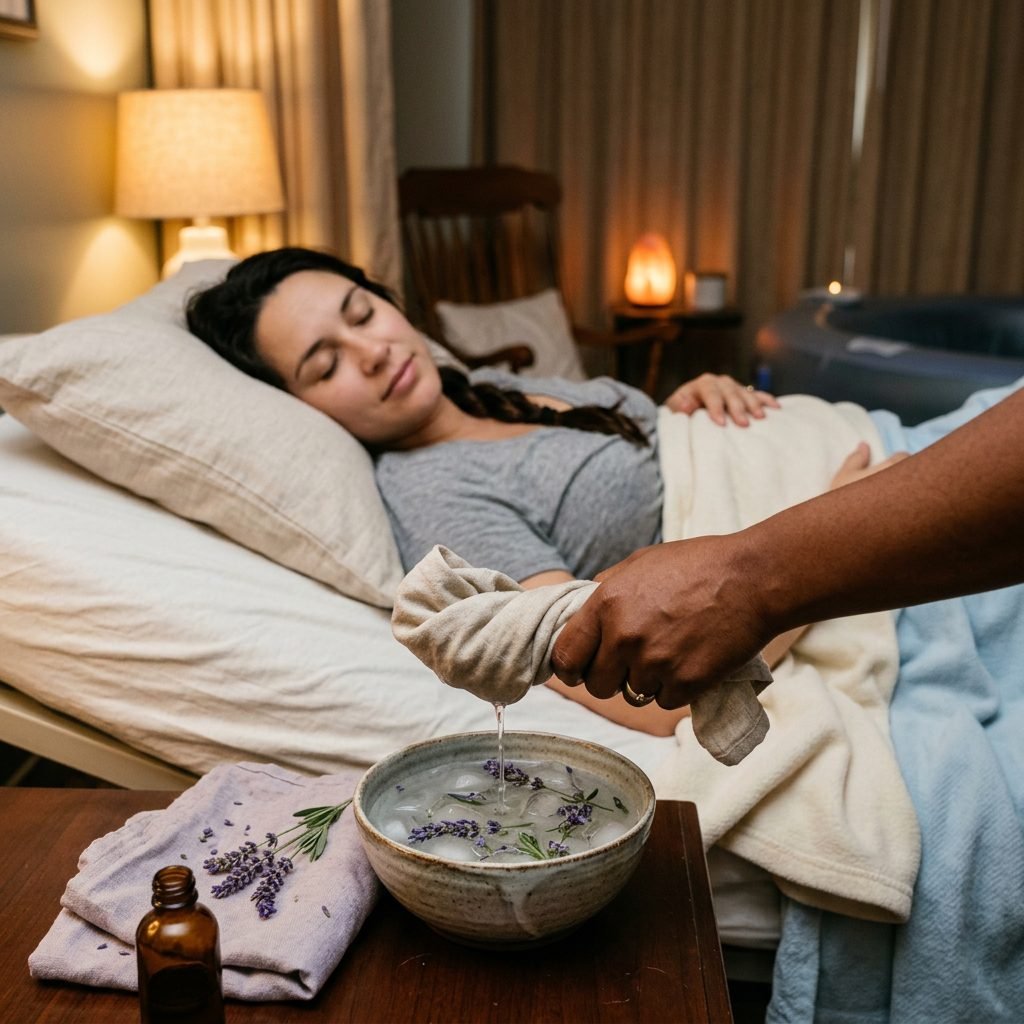
How to Use Essential Oil Cold Compresses for Natural Pain Management in Labor
Embracing the Power of the Chill: Your Natural Labor Ally
Hello, sweet mama. As you prepare for the transformative journey of birth, it is completely normal to feel a mix of excitement and a little bit of trepidation about the intensity of labor. If you are dreaming of a natural birth or simply want to expand your toolkit of comfort measures, you are in the right place. As a doula, I have seen firsthand how the simplest elements—water, scent, and touch—can completely shift the energy of a birth room.
Today, we are diving deep into one of my absolute favorite ‘secret weapons’ for labor: Essential Oil Cold Compresses. This technique combines the physiological benefits of hydrotherapy with the psychological grounding of aromatherapy. It is a low-tech, high-impact way to stay present, manage the ‘heat’ of intense contractions, and find moments of profound relief when things get intense. Whether you are planning a home birth, a birth center delivery, or a hospital birth, these little cloths of comfort can be your best friend. Let’s walk through how to prepare, which oils to choose, and exactly how to use them to support your body’s incredible wisdom.
The Science of Soothing: Why Cold and Scent Work Together
You might be wondering, ‘How can a simple cold cloth really help with labor pain?’ The answer lies in a fascinating physiological concept called the Gate Control Theory of Pain. Essentially, your nervous system can only process so many signals at once. When we apply a cold compress to your skin, the sensation of ‘cold’ travels to the brain faster than the sensation of ‘pain’ from a contraction. This effectively ‘closes the gate’ on some of the pain signals, reducing your overall perception of discomfort.
The Sensory Shift
Labor is a very ‘hot’ and internal experience. As your body works to bring your baby into the world, your core temperature can rise, and you may feel overwhelmed by the intensity. A cold compress provides an immediate external focal point. It grounds you in the present moment and provides a refreshing contrast to the internal heat. When we add therapeutic-grade essential oils, we engage the limbic system—the part of the brain responsible for emotions and memory. This can help lower cortisol levels, reduce anxiety, and signal to your body that it is safe to open and relax.
Remember, Mama: You aren’t just ‘managing’ pain; you are creating an environment of safety and comfort for your body to do its best work.
Choosing Your Aromatic Allies: Pregnancy-Safe Essential Oils
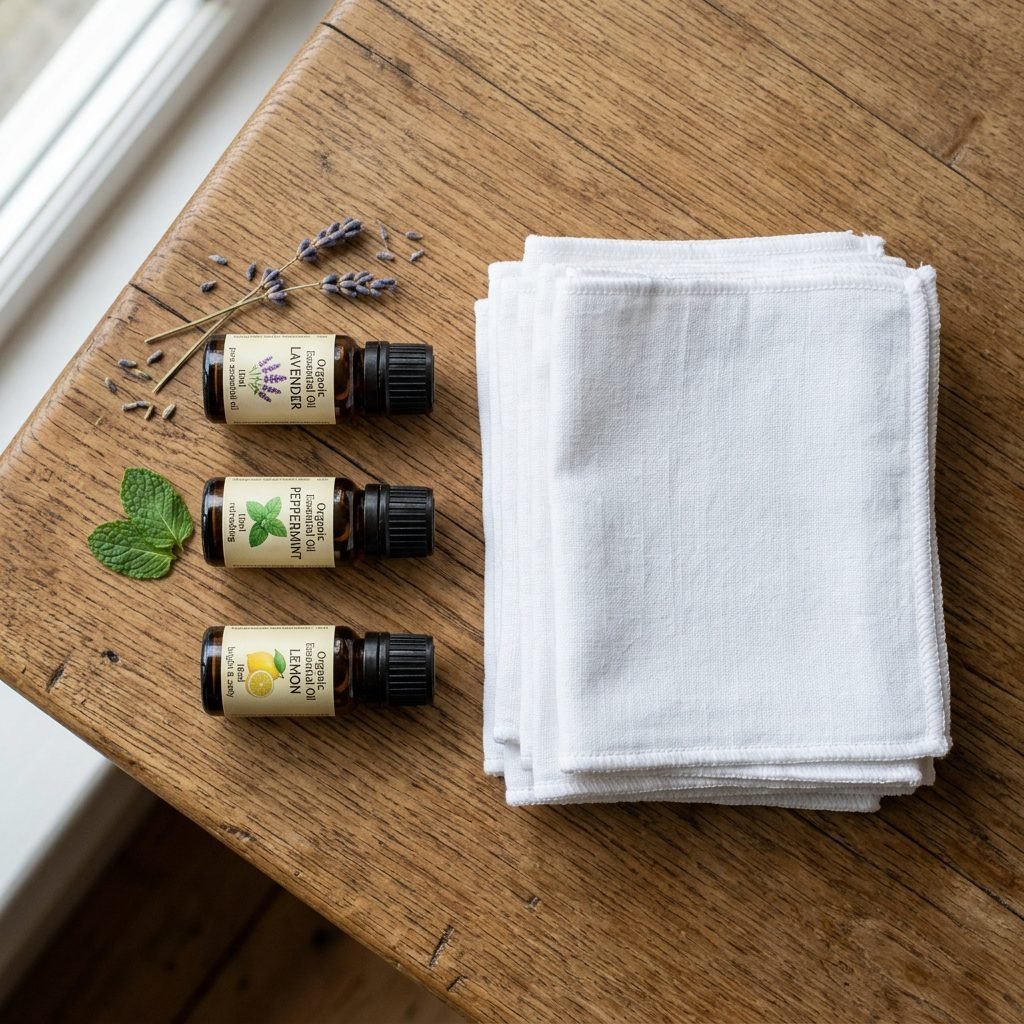
Not all essential oils are created equal, especially in the birth room. We want to choose scents that are refreshing, calming, and safe for both you and your baby. During labor, your sense of smell can become incredibly acute, so less is often more. Here is a breakdown of the best oils for your cold compresses.
| Essential Oil | Primary Benefit | Best Labor Phase |
|---|---|---|
| Lavender | Calming, reduces anxiety, promotes relaxation. | Early & Active Labor |
| Peppermint | Cooling, reduces nausea, energizing. | Transition & Pushing |
| Spearmint | Gentler than peppermint, settles the stomach. | Active Labor |
| Lemon/Citrus | Uplifting, clears ‘brain fog,’ provides energy. | Transition |
| Clary Sage | Can help strengthen contractions (Use ONLY with midwife approval). | Active Labor (Stalled) |
When selecting your oils, always look for 100% pure, therapeutic-grade labels. Avoid synthetic ‘fragrance oils’ which can cause headaches or nausea—the last thing you want during labor! If you are sensitive to smells, you can even prepare ‘blank’ cold compresses and just have the oils nearby to sniff if you feel like it.
Step-by-Step: How to Prepare the Perfect Cold Compress

Preparation is key. You don’t want to be fumbling with bottles and ice while you’re in the middle of a 60-second contraction. If you are birthing at home, you can do this as you go. If you are heading to a hospital, you can prep a ‘compress kit’ in your cooler.
- Gather Your Supplies: You will need a small basin or bowl, 4-6 clean cotton washcloths (thin ones work best as they hold the cold better), ice, and your chosen essential oils.
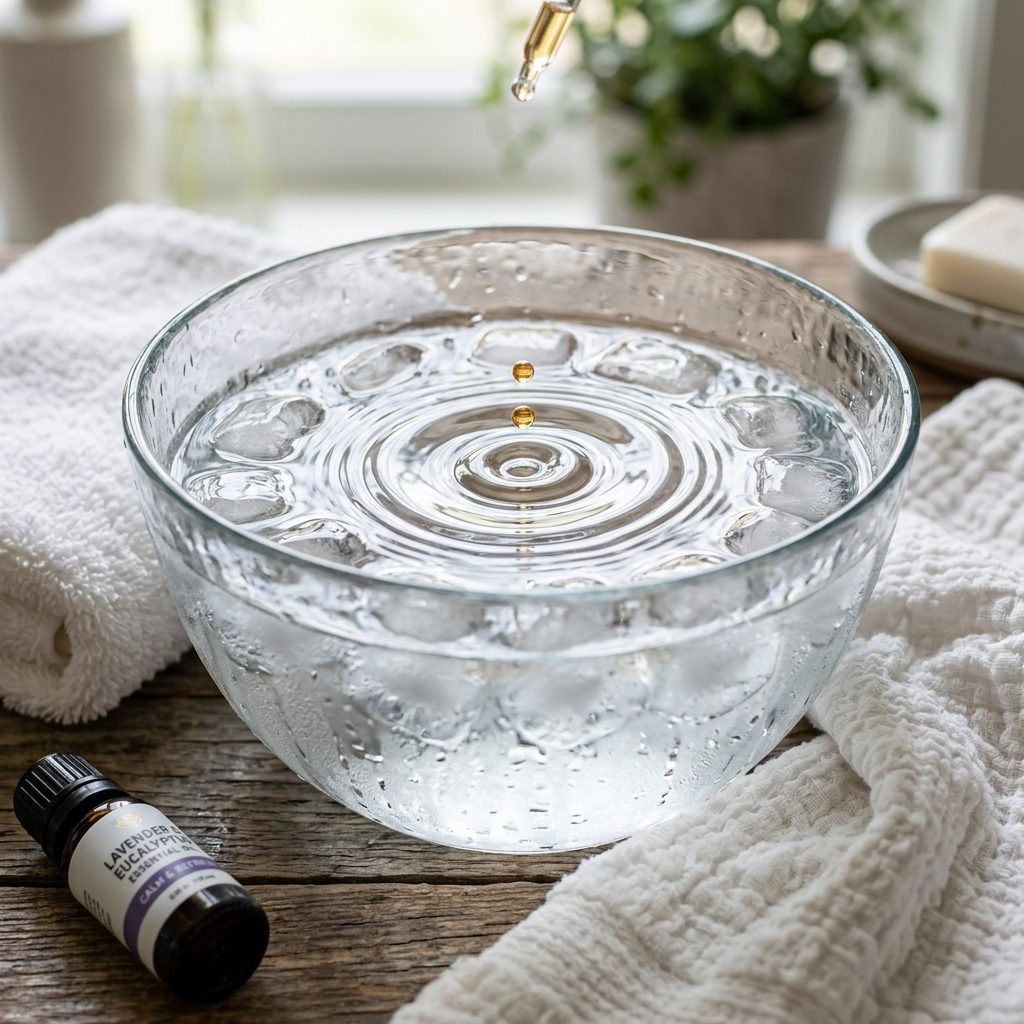
- Prepare the Water: Fill the basin with cold water and a generous handful of ice. You want it to be bracingly cold.
- Add the Oils: Add 3-5 drops of essential oil to the water. Do not apply the oil directly to the cloth or your skin, as it can be too irritating. The water helps dilute the oil safely.
- Soak and Wring: Submerge a washcloth, let it get icy cold, and then wring it out thoroughly. It should be damp and cold, but not dripping wet.
- The ‘Fold and Store’ (For Hospital Births): If you are traveling, fold the damp, scented cloths into squares, place them in a reusable silicone bag or Ziploc, and keep them in a cooler directly on the ice. They will be ready the moment you need them!
Pro-Tip: Have two cloths going at once. One can be on your body while the other stays in the ice water, ensuring a constant supply of fresh, cold relief.
Strategic Placement: Where to Apply for Maximum Relief

Where you place the compress can change how you experience the relief. As a doula, I like to rotate placements based on where the mother is feeling the most intensity. Here are the ‘hot spots’ for cold compresses:
The Forehead and Eyes
During the Transition phase, many women feel like they are ‘overheating.’ Placing a cool, lavender-scented cloth across the forehead or over closed eyes can help you go internal and find your rhythm. It acts like a ‘reset’ button for your sensory input.
The Back of the Neck
This is the classic placement. The back of the neck is a high-heat area. A peppermint-scented compress here can help keep you alert and prevent that feeling of being overwhelmed by the physical heat of labor.
The Lower Back (The Sacrum)
If you are experiencing back labor, the pressure and heat in your lower back can be intense. While many women prefer heat for back labor, some find that alternating between a heating pad and an icy cold compress (the ‘fire and ice’ technique) provides the best neurological distraction.
The Chest and Sternum
If you feel a sense of panic or ‘tightness’ in your chest during contractions, a cool cloth placed right over the heart can be incredibly grounding. It encourages deep, slow breathing and helps lower a racing heart rate.
The Partner’s Guide: Being the ‘Compress Hero’

Partners, this is your time to shine! Often, partners feel helpless during labor because they can’t ‘take the pain away.’ Managing the cold compresses gives you a vital, active role in the birth process. You are the guardian of her comfort.
Tips for the Birth Partner:
- Watch her Cues: If she starts sweating, or if her face gets flushed, get a fresh compress ready.
- Don’t Ask, Just Offer: During active labor, making decisions is hard. Instead of asking ‘Do you want a cold cloth?’, simply say, ‘I have a fresh, cold lavender cloth for your forehead when this contraction ends.’
- The ‘Wipe Down’: Use the cloth to gently wipe her face, neck, and arms between contractions. This simple act of grooming is deeply nurturing.
Partner Script: ‘You are doing so well, Mama. I have a fresh, cool cloth for you. Breathe in the lavender… let your shoulders drop. I’m right here.’
Safety Precautions and Doula Best Practices

While essential oils and cold therapy are generally very safe, we want to ensure we are respecting the intensity of the labor environment. Here are a few ‘Dos and Don’ts’ for your birth plan.
The Sensitivity Factor
Your skin can become more sensitive during labor. If you notice any redness or if the mother says the cloth ‘stings,’ stop immediately and use plain water. Always dilute the oils in the water basin first.
Avoid the Eyes
Be very careful with peppermint or citrus oils near the eyes. The vapors can be strong and cause stinging. If you are placing a cloth over the eyes, stick to plain water or a very light dilution of lavender.
The ‘Vibe’ Check
Sometimes, a scent that you loved during pregnancy becomes repulsive during labor. This is normal! If the mother says ‘Get that smell away from me!’, don’t take it personally. Quickly dump the basin, rinse the cloths, and switch to plain ice water. Follow her lead 100% of the time.
Conclusion
You Are Ready for This Journey
Mama, as you pack your hospital bag or prepare your home birth space, remember that the most powerful tool in the room is you. These essential oil cold compresses are simply there to support the incredible work your body is already doing. They offer a moment of ‘ahhh’ in the midst of the ‘work,’ a scent of peace when things feel chaotic, and a way for your partner to hold space for you physically.
Trust your instincts. If you crave the cold, use it. If you need the scent of lavender to find your center, breathe it in deeply. You are strong, you are capable, and you are about to meet the love of your life. You’ve got this!