5 Safe, Non-Toxic Water Bead Alternatives Your Baby Can Actually Play With
Welcome to the World of Safe Sensory Exploration
Mama, I see you. You want the absolute best for your little one’s developing brain. You’ve seen those mesmerizing, rainbow-colored water beads all over social media, and you know how much your baby would love that squishy, tactile experience. But as a doula and a mother who prioritizes safety above all else, I have to be the sister who levels with you: traditional water beads are a significant hazard. Made from super-absorbent polymers, they can expand to many times their size if swallowed, leading to life-threatening intestinal blockages. In our home, and in the nurseries I help design, we choose peace of mind over aesthetics every single time.
But don’t worry, sweet friend! Choosing safety doesn’t mean your baby has to miss out on the incredible benefits of sensory play. Sensory exploration is vital for fine motor skills, cognitive development, and even language acquisition. Today, I’m sharing my top five favorite ‘taste-safe’ and non-toxic alternatives that mimic that satisfying ‘squish’ without the ER visit. These are materials you likely already have in your pantry, making them budget-friendly and easy to prep during naptime. Let’s dive into how we can create a beautiful, stimulating, and—most importantly—safe environment for your little explorer.
Why We Are Swapping Out Traditional Water Beads

Before we get to the fun stuff, it’s important to understand the ‘why’ behind our safety-first approach. Traditional water beads are not just a choking hazard; they are a chemical and surgical hazard. If a child ingests one, it can be nearly impossible to see on an X-ray, making diagnosis a nightmare for doctors.
Remember: Your baby’s safety is the foundation of their freedom to play. When we remove the risks, we allow them to explore with total confidence.
By choosing edible or taste-safe alternatives, you are creating a ‘yes space’ where you don’t have to constantly hover or feel anxious about a stray bead ending up in a curious mouth. Here is a quick comparison of why we make the switch:
| Feature | Traditional Water Beads | Taste-Safe Alternatives |
|---|---|---|
| Material | Super-Absorbent Polymer (Chemical) | Food-grade (Tapioca, Chia, Gelatin) |
| Ingestion Risk | High Danger (Internal Blockage) | Low (Digestible/Edible) |
| Environmental Impact | Non-biodegradable microplastics | Fully biodegradable and compostable |
| Cost | $10-$20 per jar | Under $5 (Pantry Staples) |
1. The Ultimate Swap: Giant Tapioca Pearls (Boba)
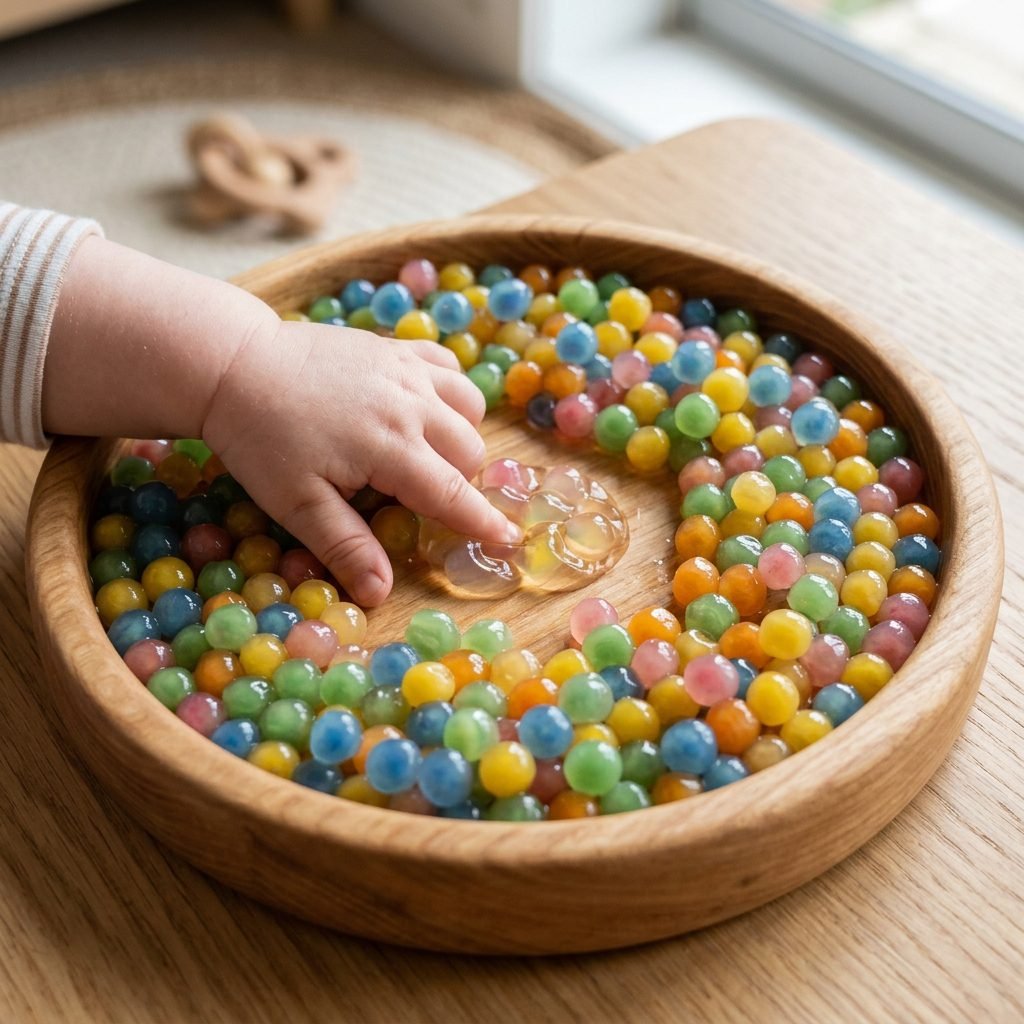
If you love bubble tea, you’re already familiar with this genius hack! Large tapioca pearls, often called ‘boba,’ are the closest match to the look and feel of water beads. When cooked, they become slippery, squishy, and delightfully bouncy. They are 100% plant-based and perfectly safe if your little one decides to take a nibble.
How to Prepare Your ‘Boba’ Sensory Bin:
- Purchase a bag of large, dried tapioca pearls (look for the ones without added artificial dyes).
- Boil a large pot of water and add the pearls.
- Cook for approximately 20-30 minutes until they are soft and translucent.
- Rinse them thoroughly in cold water to remove excess starch—this makes them less sticky and more ‘bead-like.’
- Optional: Toss them with a drop of natural food coloring or beet juice for a pop of color!
These pearls provide a fantastic tactile experience. Your baby will love trying to pinch them, which is excellent for developing the pincer grasp. Just keep in mind that while safe, they are still a potential choking hazard for very small infants, so active supervision is always required.
2. Chia Seed Sensory Slime: A Gooey, Gritty Delight
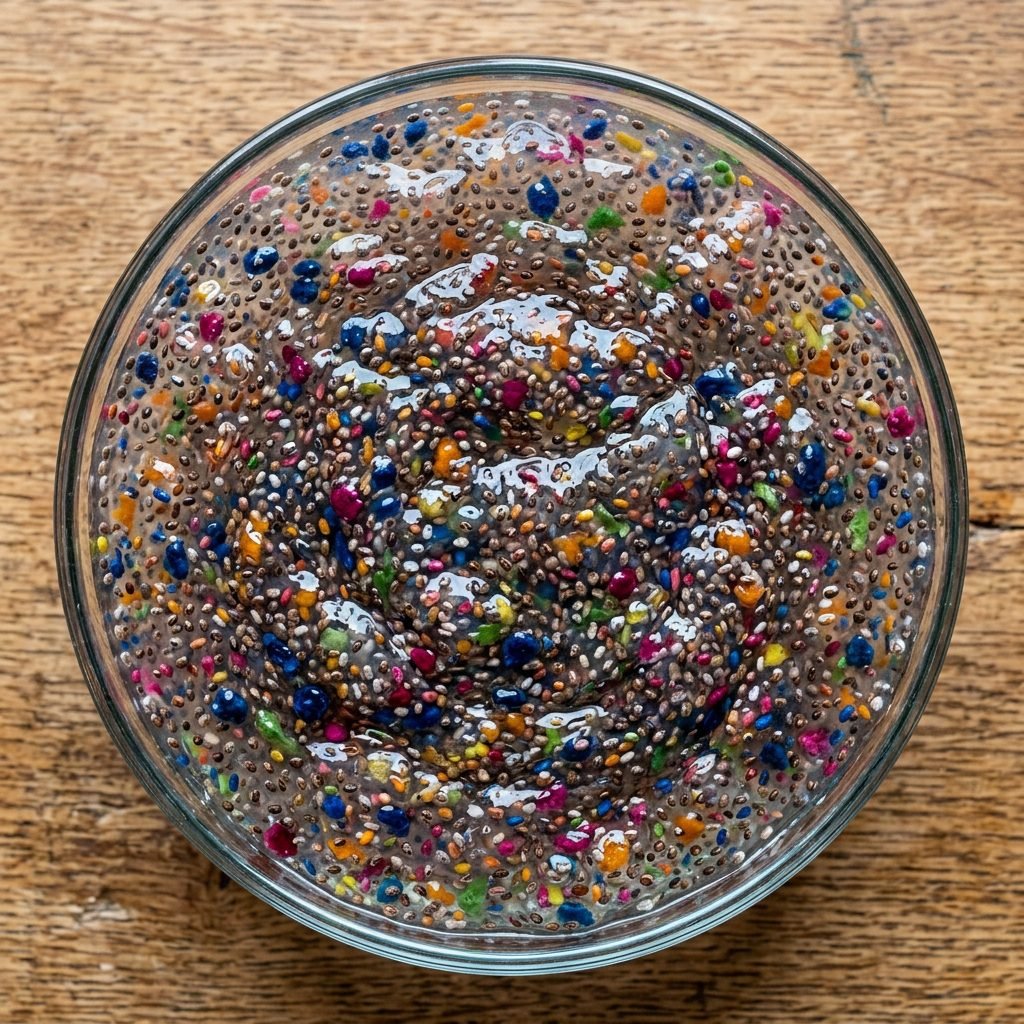
Chia seeds aren’t just for your morning smoothie! When soaked in water, chia seeds develop a gelatinous coating (the ‘mucilage’) that creates a thick, gooey texture that babies find absolutely fascinating. This is a sensory powerhouse because it combines the ‘wet’ feeling of slime with the ‘gritty’ texture of the seeds.
The Recipe for Chia Slime:
- 1/4 cup Chia seeds
- 2 cups Water
- A dash of food coloring (optional)
Simply mix these in a container and let it sit in the fridge overnight. By morning, you’ll have a thick, taste-safe sludge. It’s messy, yes, but it’s the ‘good kind’ of mess that washes off easily with warm water. This activity is perfect for tummy time; just spread a thin layer on a clean, wipeable mat and let them splash around.
3. The Freezer Find: Icy Peas and Sweet Corn
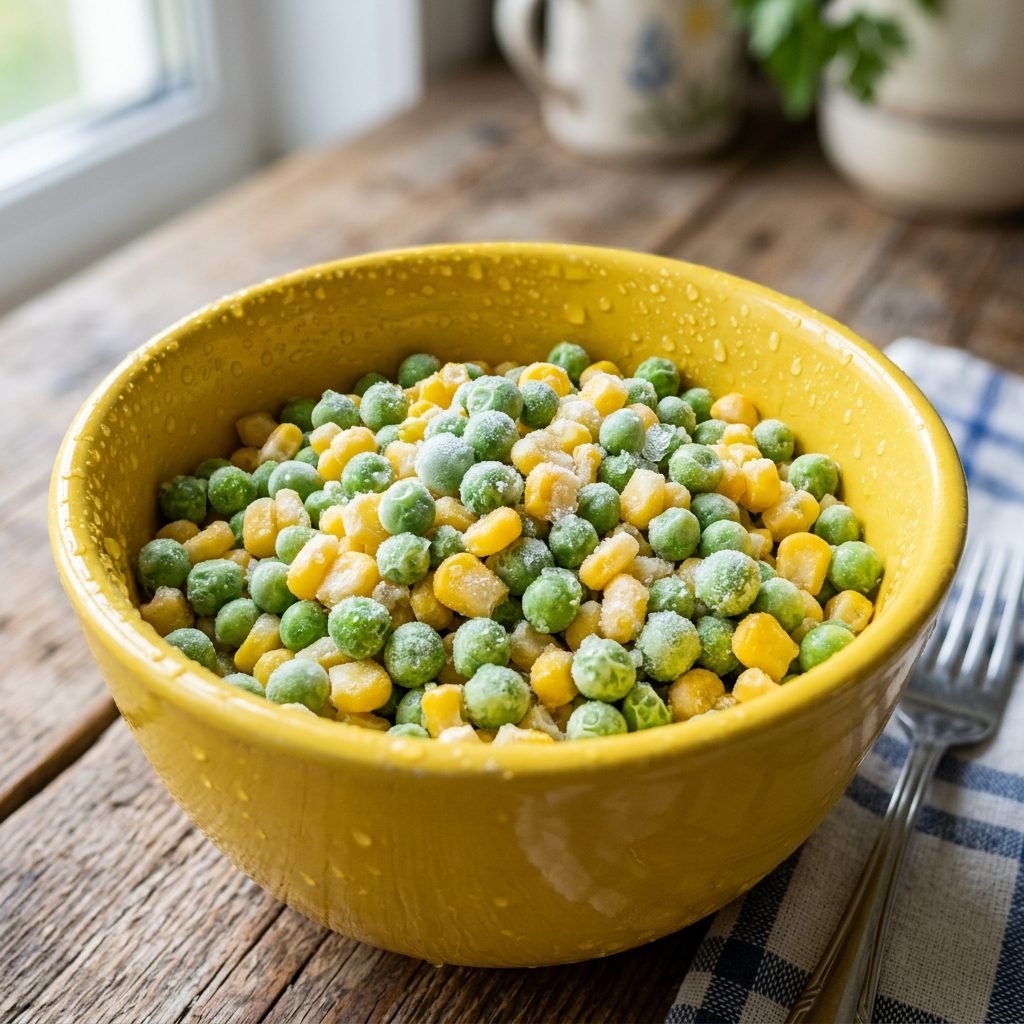
Sometimes the best sensory toys are already in your freezer! Frozen peas and corn kernels are nature’s water beads. They are small, round, and offer a unique temperature-based sensory experience. As they melt, the texture changes from hard and cold to soft and squishy, providing a wonderful lesson in cause and effect.
Why Peas and Corn Work:
- Visual Stimulation: The bright greens and yellows are high-contrast and engaging.
- Oral Exploration: If your baby is teething, the coldness of a frozen pea can feel incredibly soothing on sore gums.
- Easy Cleanup: Simply sweep them up or let the dog help (if you have one!).
To make it even more fun, try putting the frozen veggies into a bowl of lukewarm water. Your baby will love fishing them out, feeling the contrast between the warm water and the icy vegetables.
4. Jiggle and Dig: Edible Gelatin Treasure Hunts
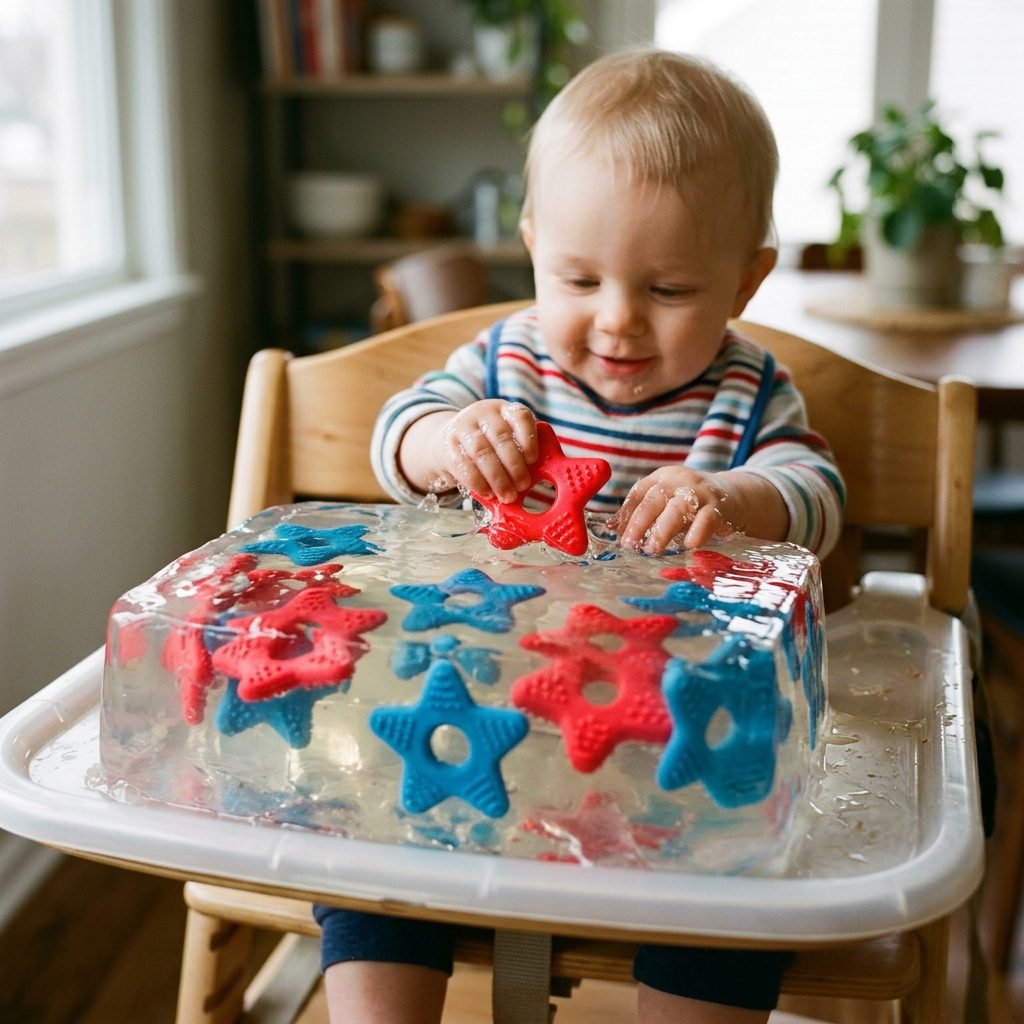
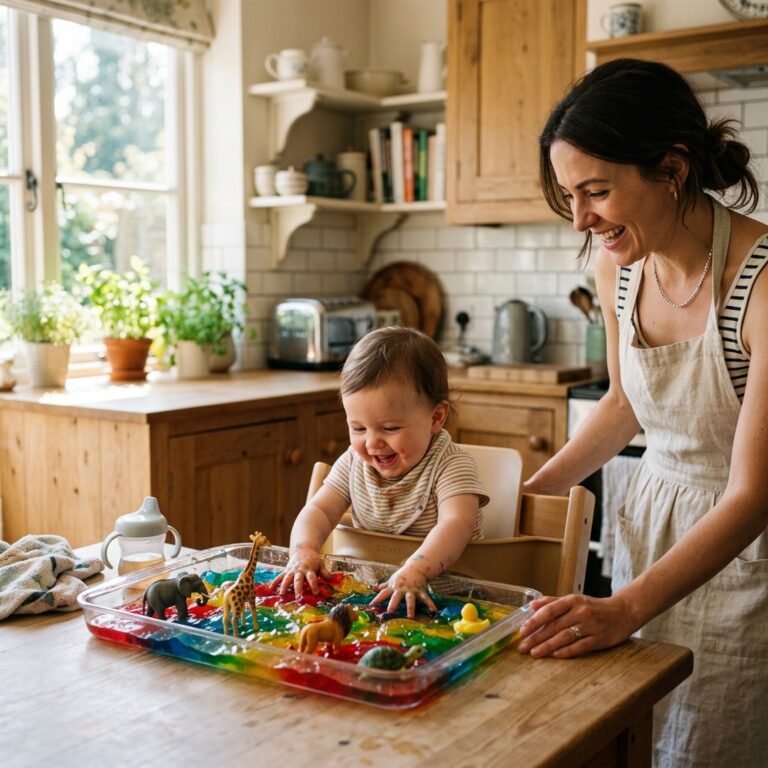
Gelatin (or Agar-Agar for a vegan option) is a classic sensory material for a reason. It’s firm enough to hold shapes but soft enough to be smashed between tiny fingers. To level up this activity, I love creating a ‘Gelatin Treasure Hunt.’
Setting Up the Hunt:
- Prepare a large batch of clear or lightly colored gelatin according to the package instructions.
- Before it sets, drop in several large, baby-safe toys (like silicone teething rings or large plastic blocks).
- Let it firm up in the refrigerator.
- Place the ‘jelly block’ in front of your baby and encourage them to ‘rescue’ the toys.
This activity encourages problem-solving and persistence. They have to work through the resistance of the gelatin to get to their prize. It’s a sensory experience that also builds hand strength!
5. Rainbow Pasta: The Classic Tactile Adventure
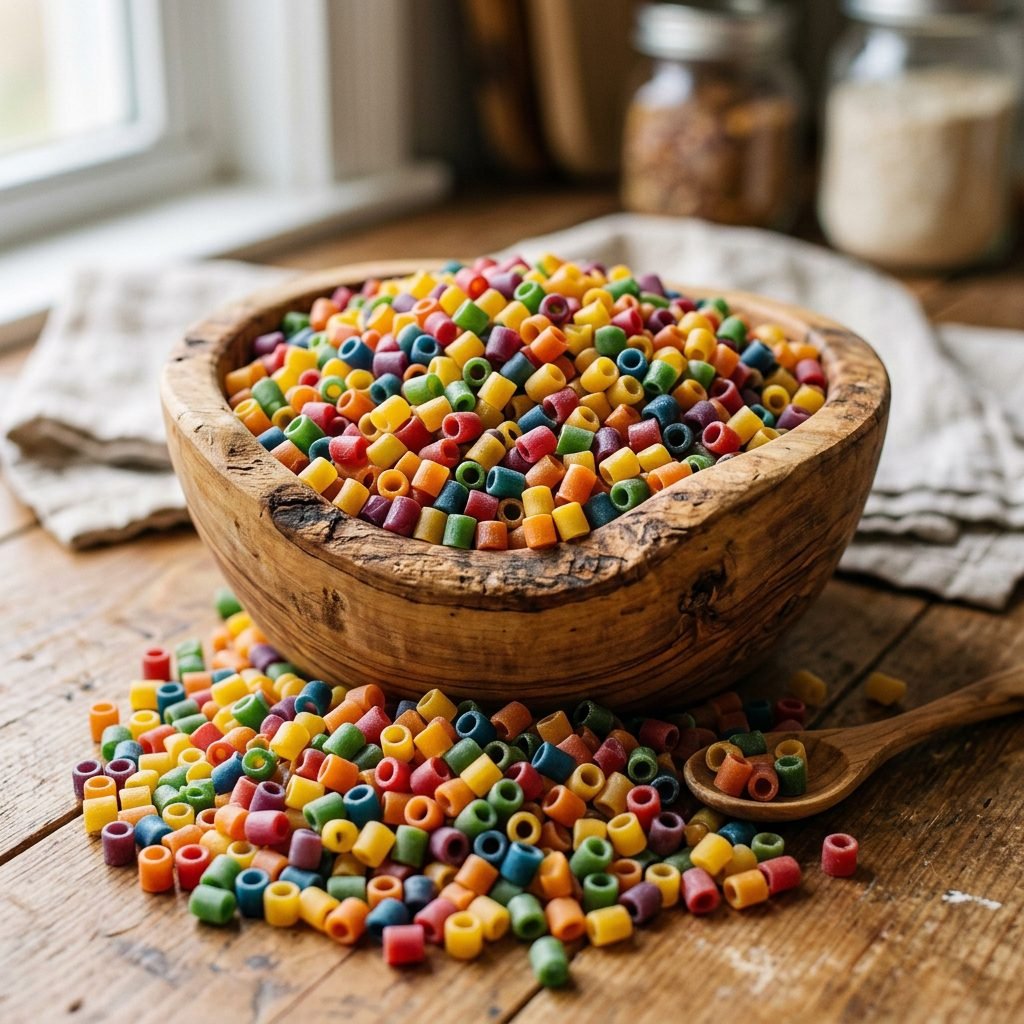
Never underestimate the power of a bowl of pasta! While not perfectly round like beads, cooked pasta offers a slippery, flexible texture that is highly engaging. By using different shapes like ditalini (small tubes) or orzo, you can mimic the small-scale tactile feel of beads.
How to Make It ‘Designer’ Grade:
We want this to look as good as it feels! Cook your pasta al dente so it holds its shape. While it’s still warm, toss it with a tiny bit of olive oil (to prevent sticking) and a few drops of natural food dye. You can create a beautiful rainbow gradient that looks stunning in a nursery or playroom setting.
| Pasta Shape | Sensory Equivalent | Skill Developed |
|---|---|---|
| Orzo | Small Beads | Fine Pincer Grasp |
| Ditalini | Hollow Beads | Threading/Stacking |
| Spaghetti | String/Hair | Pulling/Grasping |
| Rotini | Textured Beads | Tactile Mapping |
Mess Management and Sensory Play Setup
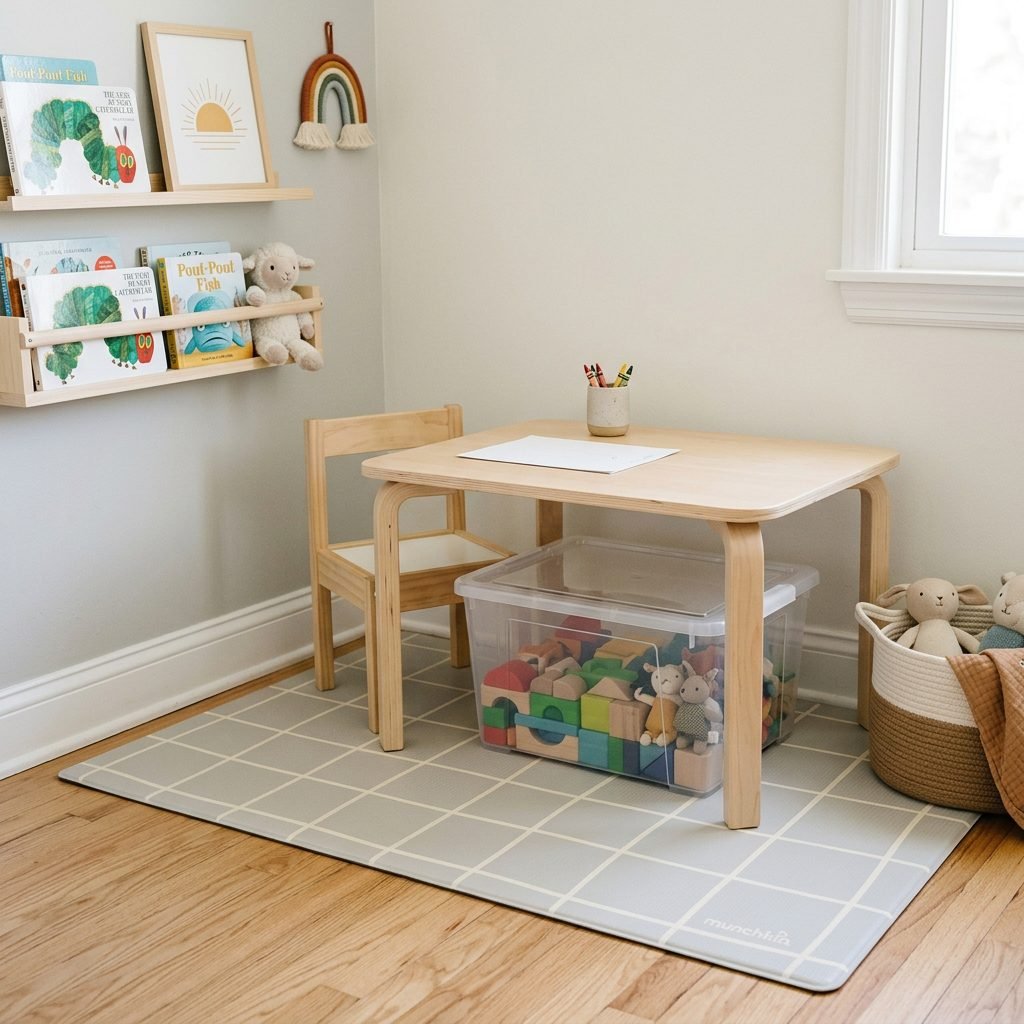
I know what you’re thinking, Mama: ‘This sounds like a lot of cleanup!’ As a professional organizer, I promise you that with the right setup, sensory play doesn’t have to ruin your floors. Here are my top tips for keeping the mess contained:
- The ‘Splat Mat’ Strategy: Always place a large, wipeable mat (or even a cheap shower curtain liner) under the high chair or sensory table.
- The Bathtub Trick: For the messiest activities like chia slime or gelatin, do them directly in the dry bathtub. When play is over, just turn on the shower to rinse everything away!
- Naked Play: Let your baby play in just their diaper. It’s easier to wash a baby than it is to scrub beet juice out of a white onesie.
- Bins with Lids: Use clear plastic bins with locking lids so you can store the ‘ingredients’ (like dry tapioca or pasta) neatly on your nursery shelves.
Pro-Tip: Keep a damp microfiber cloth and a dry towel within arm’s reach before you start. You’ll thank me later!
Conclusion
Embrace the Squish, Safely
Sensory play is such a beautiful window into how your baby learns about the world. By choosing these safe, non-toxic water bead alternatives, you are providing them with a rich, stimulating environment while protecting them from the hidden dangers of synthetic polymers. Whether you’re boiling up a batch of ‘boba’ or letting them splash in a tub of icy peas, you are doing an incredible job, Mama. You are their protector, their teacher, and their favorite playmate.
Remember, the goal isn’t a perfect, Pinterest-worthy bin—it’s the look of wonder on your baby’s face when they feel a new texture for the very first time. So, grab those chia seeds, lay down a mat, and get ready for some messy, magical memories. You’ve got this!