

How to Use Mindful Birth Affirmations to Manage Labor Pain Naturally
Embracing the Power of the Mind in the Birth Room
Hello, sweet mama. As your virtual doula and sister in this journey, I want you to take a deep, cleansing breath. Right now, your body is doing something miraculous. But as the big day approaches, it is perfectly normal to feel a flutter of ‘Can I really do this?’ in your chest. Labor is as much a mental marathon as it is a physical one. That is where mindful birth affirmations come in. These aren’t just ‘happy thoughts’; they are clinical tools designed to rewire your nervous system, keeping you out of the ‘fight or flight’ response and deep within the ‘rest and digest’ state where your labor hormones, like oxytocin, can flow freely.
In this guide, we are going to explore how to curate, practice, and utilize these powerful mantras to navigate the waves of labor with grace. Whether you are planning a home birth, a hospital delivery, or just want to feel more centered during the process, understanding the science of the mind-body connection is your greatest superpower. We will walk through the exact steps to manage labor pain naturally, ensuring you feel like the powerful, capable birth goddess you truly are.
The Science of the Mind-Body Connection: Why Affirmations Work
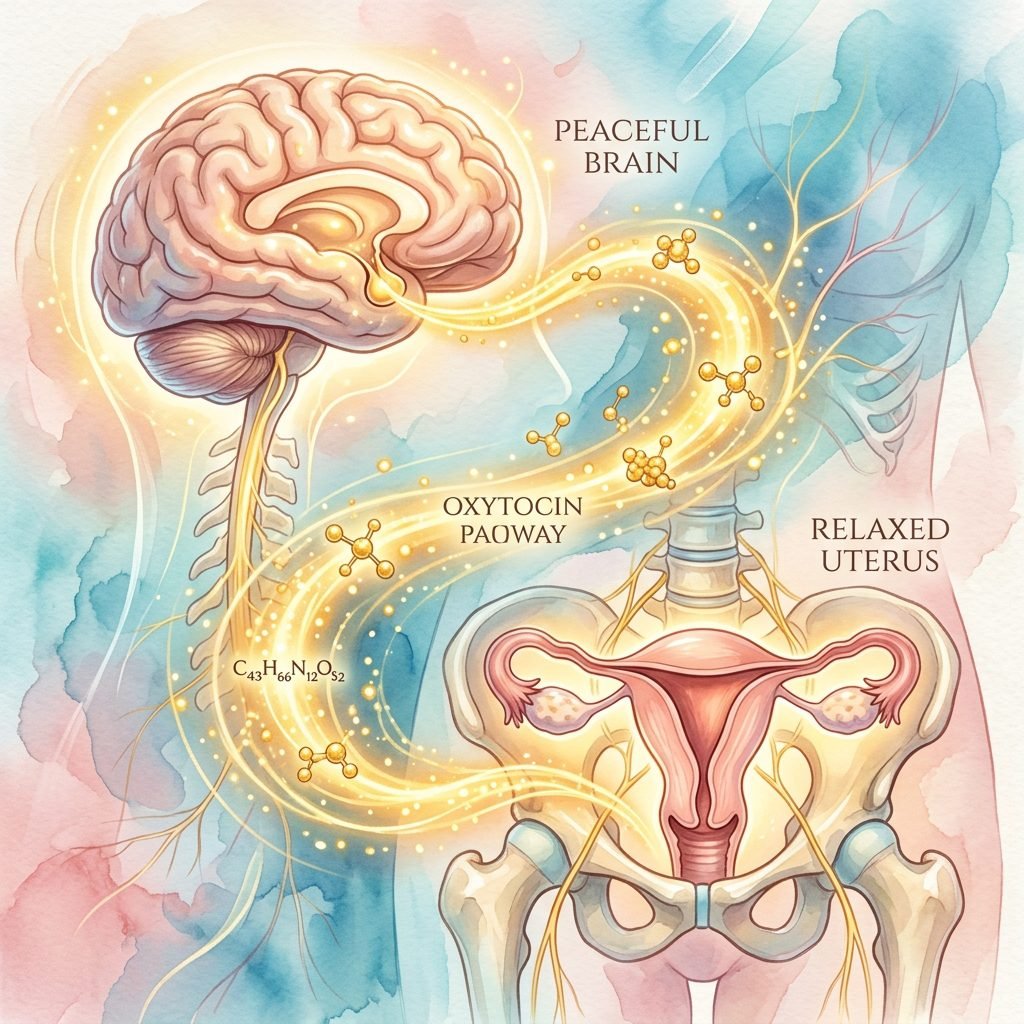
To understand why affirmations are so effective, we have to look at the Fear-Tension-Pain cycle. When we feel afraid, our bodies produce adrenaline. Adrenaline is the enemy of labor; it shunts blood away from the uterus to our limbs (preparing us to run from a tiger) and causes our muscles to tighten. A tight uterus has to work much harder to open, which leads to more pain, which leads to more fear. It’s a cycle that can stall labor and increase exhaustion.
Mindful affirmations break this cycle by triggering the parasympathetic nervous system. By focusing on a specific, empowering thought, you signal to your brain that you are safe. When you feel safe, your body produces endorphins—nature’s internal morphine—which are actually 10 to 20 times stronger than many synthetic painkillers. By choosing your thoughts, you are literally choosing your chemistry.
| State of Mind | Hormonal Response | Physical Effect on Labor |
|---|---|---|
| Fear & Anxiety | Adrenaline & Cortisol | Tightened muscles, slowed dilation, increased pain perception. |
| Safety & Empowerment | Oxytocin & Endorphins | Relaxed pelvic floor, efficient contractions, natural pain relief. |
The Role of Neuroplasticity
By practicing these affirmations in the weeks leading up to birth, you are practicing neuroplasticity. You are creating new neural pathways so that when a contraction (or ‘surge’) hits, your brain’s default response isn’t ‘I can’t do this,’ but rather ‘My body is opening.’ It becomes a reflex, much like muscle memory for an athlete.
Crafting Your Personalized Birth Mantras

Not every affirmation will resonate with every mother. The key is to find words that feel true and grounding to you. If a phrase feels ‘fake,’ your brain will reject it. Here is how to craft affirmations that stick:
- Use the Present Tense: Instead of saying ‘I will be brave,’ say ‘I am brave.’ This tells your brain the strength is available right now.
- Keep it Positive: Focus on what you want, not what you fear. Instead of ‘I am not afraid of the pain,’ try ‘I welcome my surges with an open heart.’
- Focus on Function: Use words that describe what your body is doing. ‘My cervix is softening like a rosebud’ or ‘Each wave brings my baby closer.’
- Keep it Short: In the heat of active labor, you won’t remember a paragraph. Aim for 3 to 5 words.
“I am stronger than my strongest surge. My body was made for this. I trust the wisdom of my birth.”
Try writing these on thick cardstock with beautiful colors. Use textures that feel good to your hands—ribbons, watercolors, or even pressed flowers. This engages your tactile senses, which helps ground you during intense moments.
Phase-by-Phase: Affirmations for Every Stage of Labor
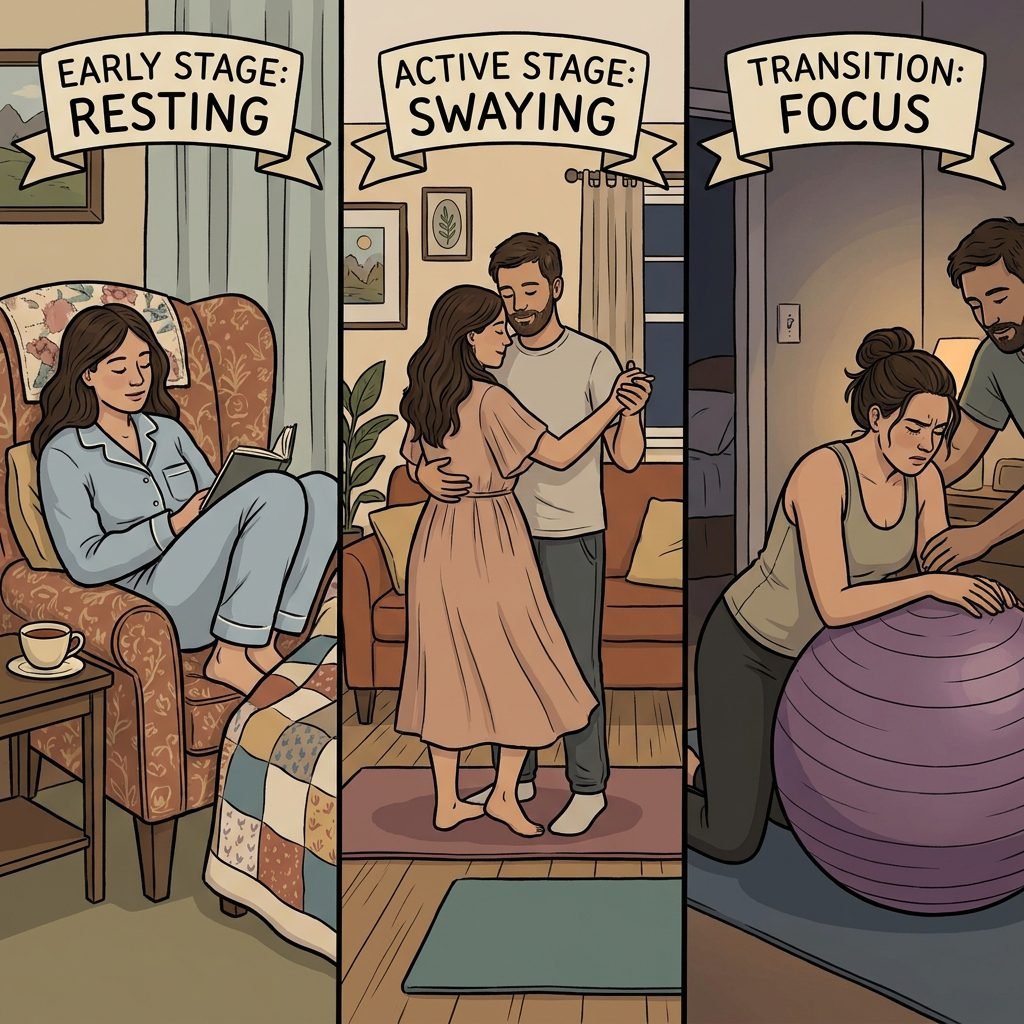
Labor is a journey with distinct emotional ‘signposts.’ Your needs will shift as you move from the excitement of early labor to the intensity of transition. Matching your affirmations to these phases is a pro-doula move that keeps you from feeling overwhelmed.
Early Labor: The Foundation of Peace
During this stage, contractions are like mild menstrual cramps. Your goal is to stay distracted and hydrated. Use affirmations that encourage patience.
- ‘I am resting for the work ahead.’
- ‘Each surge is a gift of progress.’
- ‘I inhale peace, I exhale tension.’
Active Labor: The Rhythm of Strength
As contractions become longer and stronger, you need affirmations that focus on surrender and rhythm. This is when you might start using a birth ball or moving your hips.
| Labor Phase | Physical Position | Affirmation Focus |
|---|---|---|
| Early Labor | Walking, resting, nesting | Patience and Calm |
| Active Labor | Squatting, swaying, birth ball | Surrender and Strength |
| Transition | Hands and knees, deep squat | Focus and Finality |
| Pushing | Side-lying, upright squat | Power and Meeting Baby |
The Transition: The ‘I Can’t’ Moment
Transition is the shortest but most intense phase. It is very common to feel a sense of panic or say ‘I can’t do this anymore.’ This is actually a biological sign that you are almost done! Your affirmations here should be grounding and primal.
“One breath at a time. This is the intensity that brings my baby. I am almost there.”
The Partner’s Role: Becoming the Voice of Affirmation

Partners, this is your time to shine! Often, a laboring mother will go ‘internal’ and might lose her focus. Your job is to be her anchor. You should practice these affirmations together during pregnancy so you know which ones she loves and which ones she finds annoying (trust me, she will tell you!).
How to Deliver Affirmations
- Low and Slow: Use a deep, calm voice. High-pitched or frantic voices can increase her heart rate.
- Eye Contact: If she is in a ‘labor trance,’ gently bring her back with your eyes and repeat the mantra.
- Physical Cues: Combine the words with a double hip squeeze or a firm touch on the shoulder to ground the words in her body.
Partner Scripts to Memorize
“You are doing it, mama. You are stronger than this wave. Follow my breath. In… and out.”
If she says ‘I can’t,’ you say: ‘You already are.’ This is the most powerful shift a partner can provide. It acknowledges her hard work while reminding her of her current success.
Creating a Sensory Affirmation Environment

To make affirmations truly effective, we want to engage all five senses. This creates a ‘birth bubble’ that protects you from the clinical environment of a hospital or the distractions of home. Think of this as interior organization for your psyche.
Visual Cues
Hang your affirmation cards where you will actually be. If you plan on being in the shower, laminate them! If you are on the bed, pin them to the ceiling or the wall directly in your line of sight. Use warm lighting—dim lamps or battery-operated candles—to keep your melatonin levels high, which works in tandem with oxytocin.
Auditory Affirmations
Record yourself (or your partner) speaking your affirmations over soft, rhythmic music. During labor, you can put on noise-canceling headphones and listen to your own voice telling you how capable you are. This is especially helpful if you are in a noisy hospital setting.
Scent and Touch
Pair a specific affirmation with a scent, like lavender or clary sage (use clary sage only once labor has started). Every time you smell that oil during pregnancy while practicing your mantras, you create a sensory link. In labor, that smell will automatically trigger a relaxation response.
Troubleshooting: When Affirmations Aren’t Enough

Sometimes, labor takes a turn you didn’t expect. Maybe you need an induction, an epidural, or an unplanned C-section. Does this mean your affirmations failed? Absolutely not.
Mindfulness is about flexibility, not rigidity. If the plan changes, your affirmations change to support your new path. The goal is a healthy mama and a healthy baby, and a birth experience where you felt respected and heard.
Pivot Affirmations
- ‘I am brave enough to change my plan.’
- ‘I trust my medical team and my intuition.’
- ‘Every path leads me to my baby.’
- ‘I am calm in the center of the storm.’
Remember, mama, using medical intervention is not a ‘failure’ of natural pain management. It is another tool in your kit. Your affirmations will help you stay present and empowered, regardless of how the baby enters the world.
Conclusion
You Are the Architect of Your Birth Experience
As we wrap up this heart-to-heart, I want you to remember one thing: You are already doing it. Every day that you nourish your body, every time you talk to your bump, and every minute you spend preparing your mind, you are birthing. Mindful affirmations are simply the bridge between your incredible strength and your conscious mind. They are the ‘soft place to land’ when the work gets intense.
Pack your cards in your birth bag, practice your deep belly breaths, and trust that when the time comes, the words you need will rise to the surface. You are powerful, you are capable, and you are about to meet the love of your life. You’ve got this, mama!