
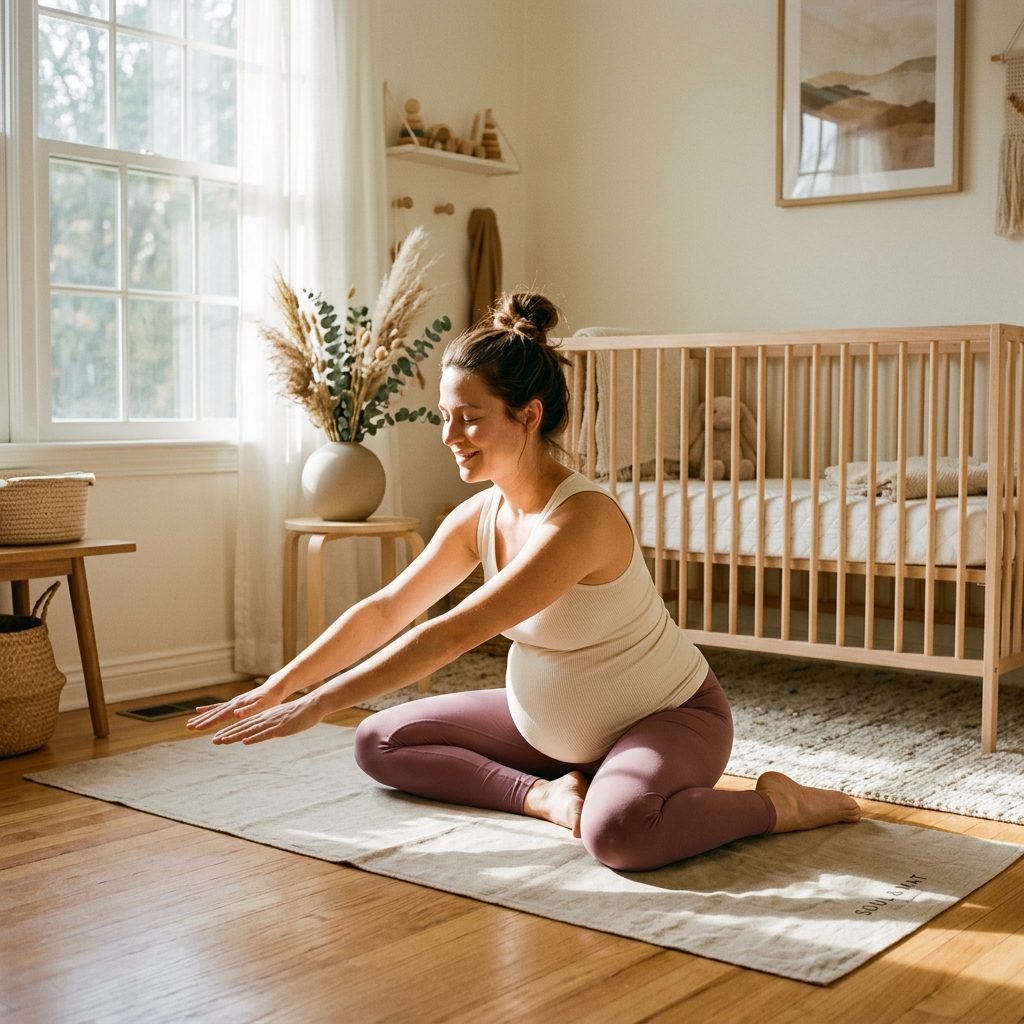
5 Daily Stretches for Pelvic Alignment to Help Baby Descend Faster
Welcome to the Final Stretch, Mama
Oh, sweet friend, I see you. You are in those final weeks where your belly feels like a beautiful, heavy melon, and every step feels like a tiny feat of strength. As a doula, I’ve sat on countless birth balls and held the hands of many mamas just like you, wondering when that sweet baby will finally make their grand entrance. One of the most common questions I get in the third trimester is: ‘How can I help my baby get into the right position?’
The secret isn’t in forcing things to happen; it’s in creating space. Your pelvis is not a static bone; it is a dynamic, moving system of joints and ligaments. When your pelvis is aligned, your baby has a clear, open path to drop down, engage with the cervix, and prepare for birth. Today, we are going to walk through five daily stretches that act as a ‘key’ to unlocking your pelvic potential. These aren’t just exercises; they are a ritual of connection between you and your baby. Let’s get you comfortable, aligned, and ready for the big day.
The Science of Space: Why Pelvic Alignment Matters
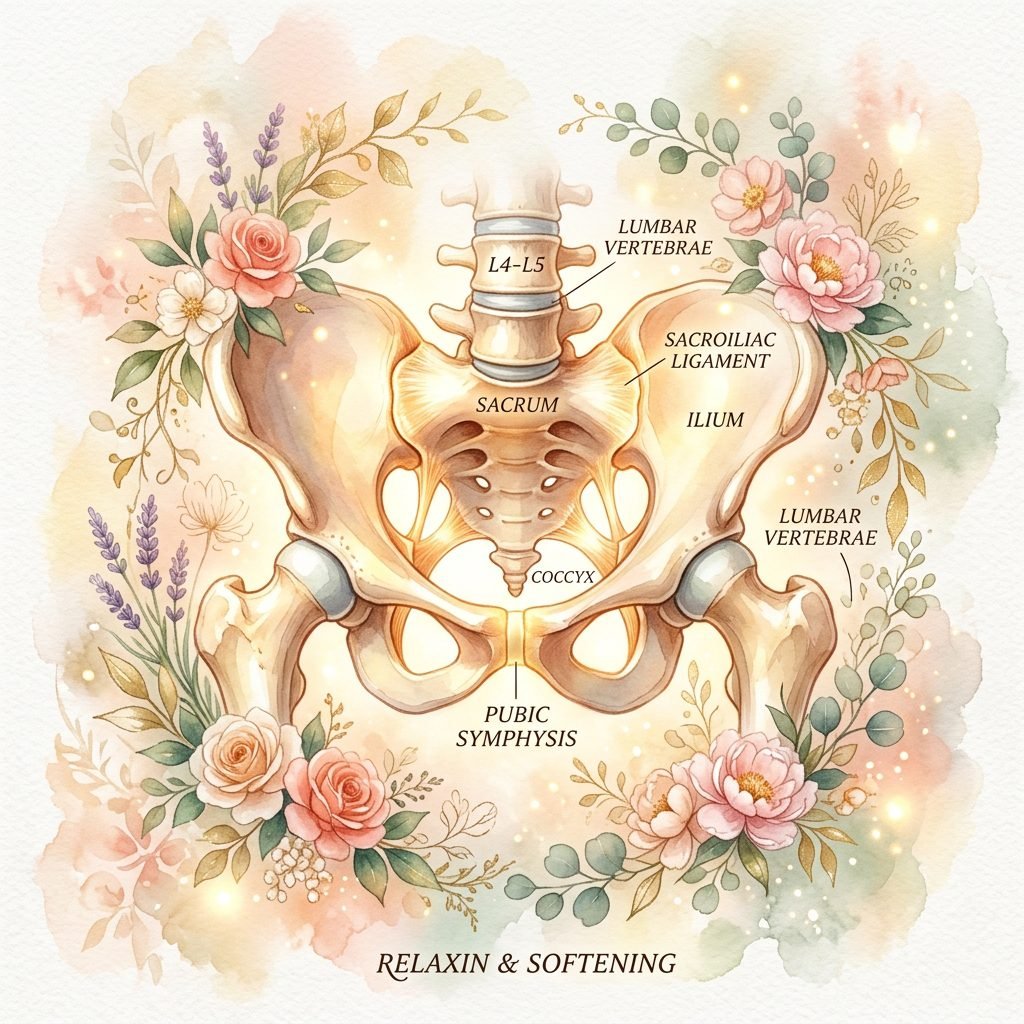
Understanding the Pelvic Inlet and Outlet
Before we dive into the moves, let’s talk about why we’re doing them. Think of your pelvis as a multi-story house. For the baby to move from the ‘attic’ (your upper uterus) to the ‘front door’ (the birth canal), the hallways need to be clear. If your pelvis is tilted or your ligaments are tight from sitting at a desk or driving, those hallways become narrow. Pelvic alignment ensures that the pelvic inlet is wide open for the baby to engage, and the pelvic outlet is flexible enough to let them through.
The Role of Relaxin
During pregnancy, your body produces a hormone called Relaxin. This incredible hormone softens your ligaments, making your joints more mobile. While this can sometimes lead to ‘pregnancy waddle’ or lower back aches, it is actually your body’s way of becoming a master of flexibility. By performing these daily stretches, we are utilizing that Relaxin to gently guide the pelvic bones into their most ‘open’ state.
| Pelvic Level | Goal for Baby | Focus of Movement |
|---|---|---|
| Inlet (Top) | Engagement | Open the top with external rotation of femurs |
| Mid-Pelvis | Rotation | Asymmetrical movements (stair climbing) |
| Outlet (Bottom) | Crowning | Internal rotation of femurs (knees in, heels out) |
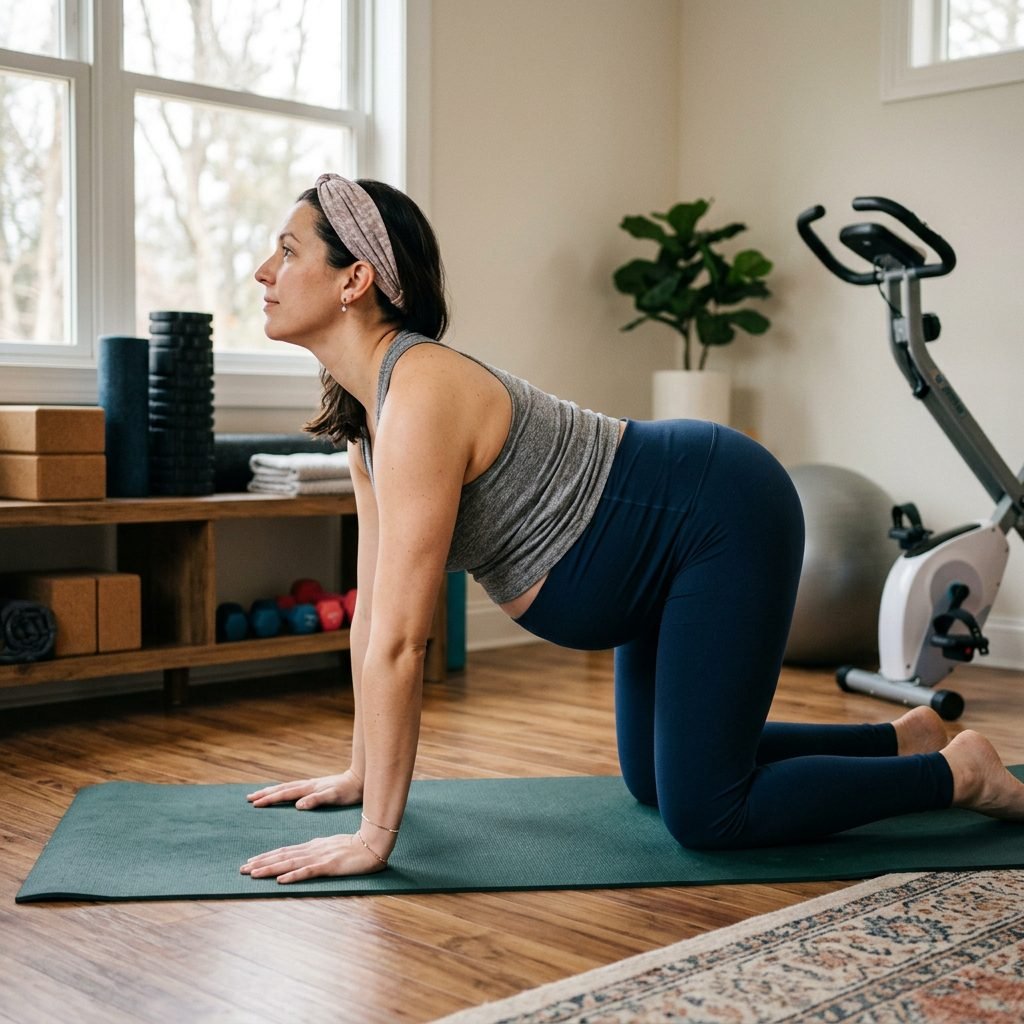
1. The Pelvic Tilt (Cat-Cow): The Foundation of Mobility
Why It Works
The Pelvic Tilt is the bread and butter of pregnancy comfort. It helps to move the baby off your spine, which can relieve ‘back labor’ sensations and encourage the baby to rotate into the Optimal Fetal Position (LOA – Left Occiput Anterior).
How to Do It
- Get down on your hands and knees on a soft mat. Ensure your wrists are directly under your shoulders and knees under your hips.
- As you inhale, gently drop your belly toward the floor and look slightly upward. This is the ‘Cow’ position. Feel the stretch in your abdomen.
- As you exhale, tuck your chin to your chest and round your back toward the ceiling like a ‘Cat.’ Focus on tucking your tailbone under.
- Repeat this for 10 to 15 breaths every morning and evening.
Mama, as you do this, visualize your baby swinging forward into your belly like they are in a cozy hammock. This is their favorite place to be!
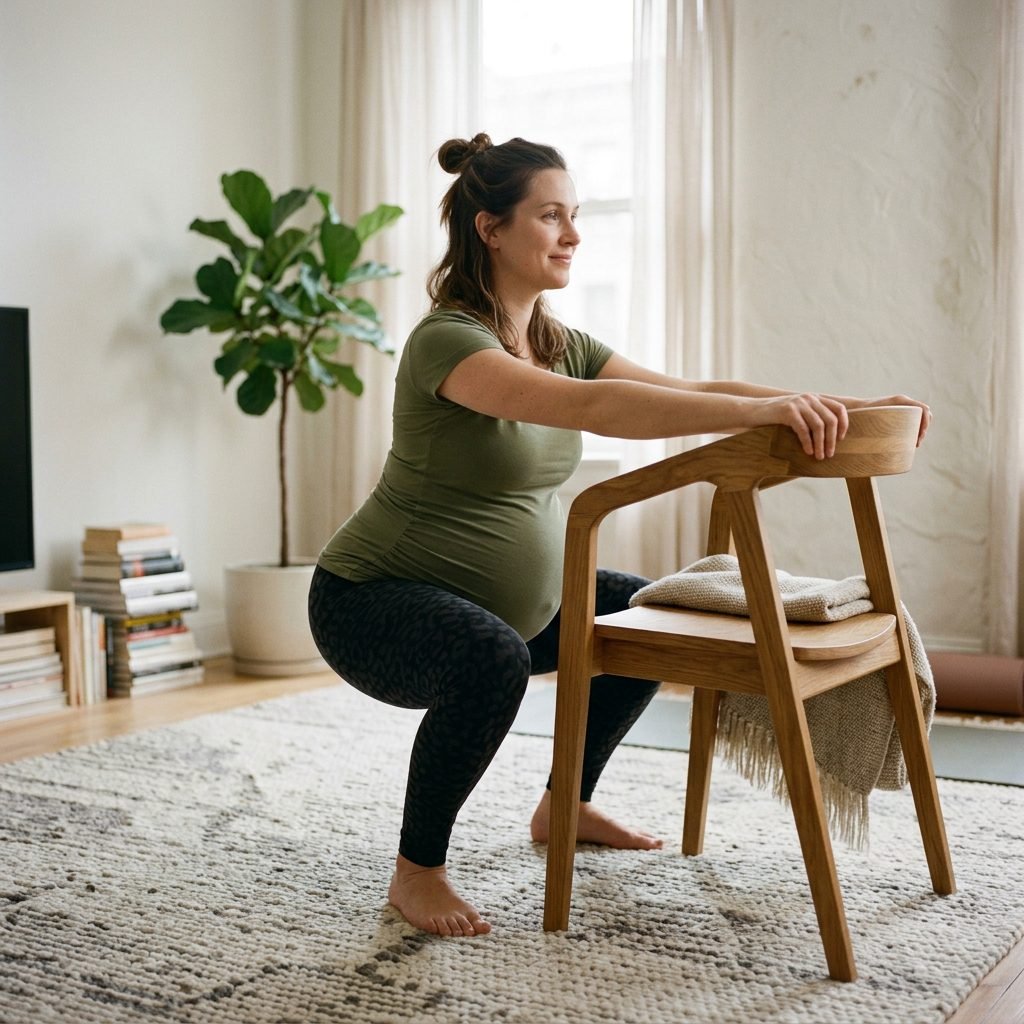
2. The Deep Supported Squat (Malasana): Opening the Outlet
Why It Works
Squatting is one of the most functional movements for birth. It uses gravity to pull the baby down and can increase the pelvic opening by up to 20 to 30 percent. However, because your center of gravity is shifting, we always recommend a supported squat to keep you safe and relaxed.
How to Do It
- Stand with your feet wider than hip-width apart, toes pointing slightly outward.
- Slowly lower your hips toward the floor. If your heels lift, place a rolled-up towel or a yoga block under them.
- Use a sturdy chair, the side of your bed, or even a partner’s hands for balance.
- Press your elbows against your inner knees to gently open the hips.
- Hold for 30 to 60 seconds, focusing on deep ‘diaphragmatic’ breaths that expand your pelvic floor.
Pro Tip: If you have a history of pelvic organ prolapse or if the baby is already very low and you feel too much pressure, keep your squats shallow or consult your midwife first.
3. The Butterfly Stretch: Softening the Adductors

Why It Works
Tight inner thighs (adductors) can actually pull on the pelvis, keeping it ‘locked.’ The Butterfly stretch gently releases these muscles, allowing the pelvic bones to spread naturally. This is a perfect stretch to do while you are folding baby clothes or reading a birth book.
How to Do It
- Sit on the floor with your back straight. If your back rounds, sit on the edge of a firm pillow.
- Bring the soles of your feet together, letting your knees fall out to the sides.
- Grasp your ankles and gently pull your heels toward your body.
- Do not ‘bounce’ your knees. Instead, use your breath to send relaxation to your hip joints.
- Hold for 2 to 3 minutes while practicing your birth affirmations.
| Do This | Avoid This |
|---|---|
| Keep spine long and tall | Slouching or rounding the shoulders |
| Gentle, steady pressure | Forceful bouncing of the legs |
| Focus on pelvic floor relaxation | Holding your breath |
4. Figure-8 Hip Circles: The Gentle Path Downward

Why It Works
Movement is medicine! Using a birth ball (exercise ball) to perform ‘Figure-8’ circles helps to shimmy the baby down through the mid-pelvis. The rhythmic motion mimics the movement of walking but without the impact, making it ideal for those with Symphysis Pubis Dysfunction (SPD).
How to Do It
- Sit on a properly inflated birth ball (your hips should be slightly higher than your knees).
- Place your hands on your knees or your belly.
- Slowly move your hips in a circular motion, then transition into a ‘Figure-8’ shape.
- Imagine your tailbone is a pencil and you are drawing an infinity sign on the floor.
- Continue for 5 to 10 minutes. This is a great time to listen to a calming birth playlist.
Affirmation: My body is soft, my pelvis is open, and my baby moves downward with ease.
5. Modified Forward Leaning Inversion: Releasing Ligaments

Why It Works
This is a technique often recommended by Spinning Babies. It helps to give the lower uterine segment a ‘break’ by briefly reversing gravity. This can release tension in the uterosacral ligaments, providing more room for the baby’s head to tuck in and descend.
How to Do It (The Safe Home Version)
- Kneel on the edge of a stable sofa or bed.
- Slowly and carefully lower your hands to the floor, then your forearms. Your bottom should be the highest point of your body.
- Let your head hang loosely. Do not tuck your chin.
- Stay here for only 30 seconds (about 3 deep breaths).
- To come out, walk your hands back up to the sofa and stay in a kneeling position for a moment to prevent dizziness.
Warning: Do not perform this if you have high blood pressure, glaucoma, or if you feel any sharp pain. Always have a partner nearby to ‘spot’ you for your first few tries!
The Daily Routine & Comfort Tips
Creating a Ritual
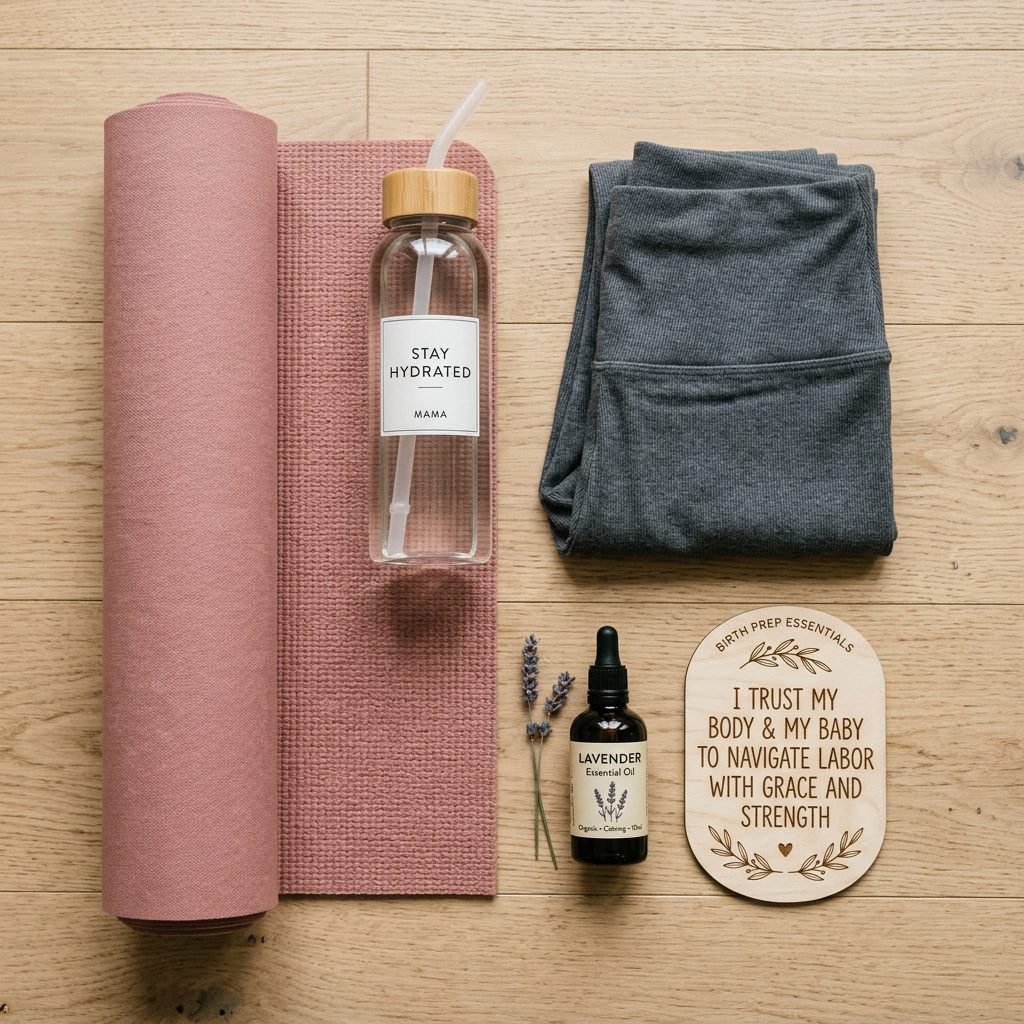
Consistency is key, mama. You don’t need to spend hours stretching. Aim for 15 to 20 minutes a day. To make it more enjoyable, create a ‘Birth Prep Nook’ in your home with your ball, mat, and some calming essential oils like lavender or frankincense.
What to Wear
Comfort is your best friend right now. Look for:
- High-waisted maternity leggings with light compression to support your bump.
- Seamless nursing bras that don’t dig in while you breathe deeply.
- Breathable cotton layers so you don’t overheat.
| Time of Day | Recommended Stretch | Benefit |
|---|---|---|
| Morning | Pelvic Tilts & Circles | Wake up the joints and reduce stiffness |
| Afternoon | Butterfly Stretch | Release tension from sitting or standing |
| Evening | Deep Squat & Inversion | Encourage baby to settle before sleep |
Conclusion
Trust the Process, Mama
Your body was designed for this. These stretches are simply a way to whisper to your body and your baby that you are ready. By aligning your pelvis and creating space, you are doing the beautiful work of preparation. Remember, every baby has their own timeline, but by staying mobile and relaxed, you are setting the stage for a smoother, more empowered birth experience.
Take a deep breath. You are doing an incredible job. Your baby is listening to your heartbeat, feeling your movements, and getting ready to meet you. You’ve got this!