
The First-Time Mom’s Guide to Perineal Massage to Prevent Tearing
Welcome to Your Empowerment Era, Mama
Hello, sweet friend. If you are reading this, you are likely in the home stretch of your pregnancy journey. First of all, take a deep breath. You are doing something incredible. As a doula, I know that one of the most common fears first-time mothers share with me is the fear of perineal tearing. It is a vulnerable topic, but it is one we are going to walk through together with grace, science, and sisterly love.
Perineal massage is more than just a physical preparation; it is a way to connect with your body, understand its capacity for stretching, and build the confidence you need for the pushing stage of labor. Think of it as ‘yoga for your pelvic floor.’ By gently stretching the tissues of the perineum (the area between the vaginal opening and the anus), you are helping those muscles become more supple and familiar with the sensations of birth. Let’s dive into how you can safely and effectively practice this ritual in the comfort of your own home.
Understanding the ‘Why’: The Science and Benefits
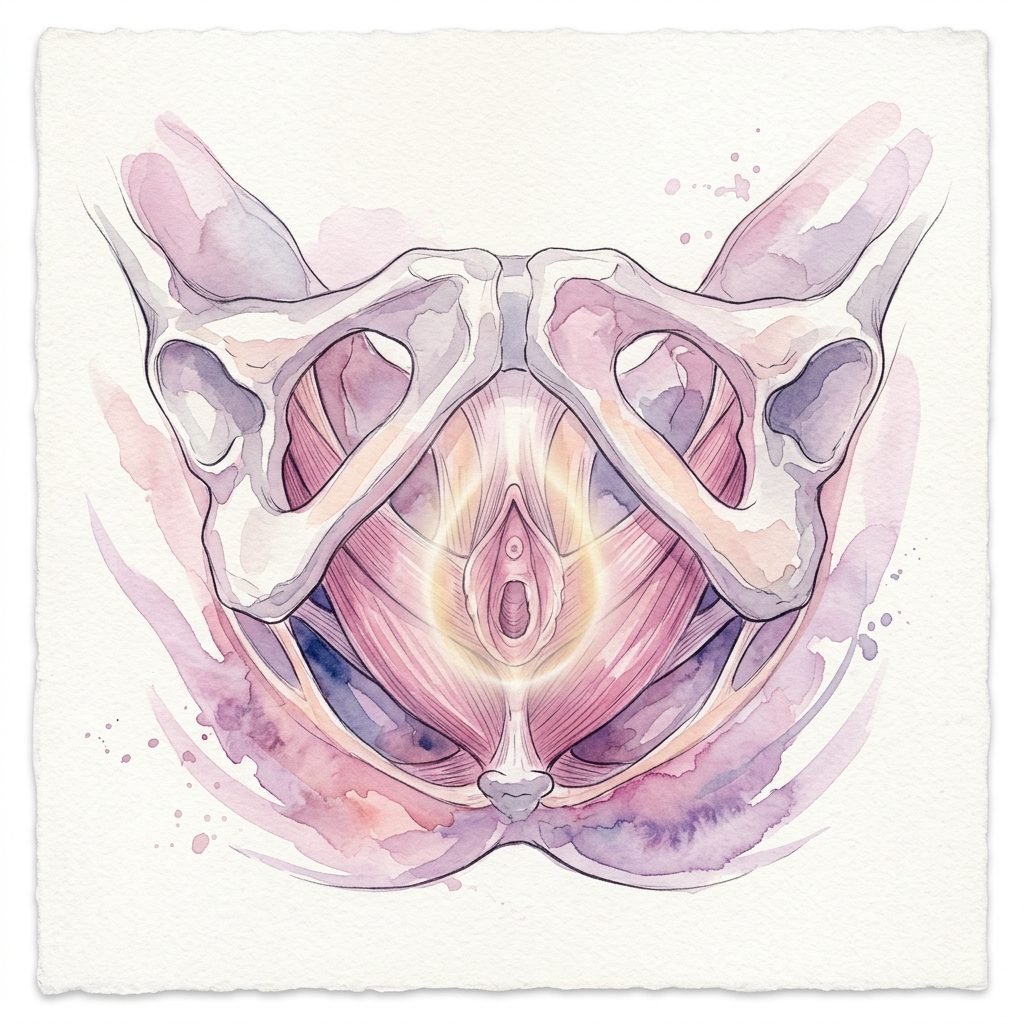
Before we get into the ‘how,’ let’s talk about the ‘why.’ For first-time moms, the tissues of the perineum have never been stretched to the capacity required for a baby’s head to pass through. This can lead to small tears or the need for an episiotomy. Research suggests that regular perineal massage starting in the final weeks of pregnancy can significantly reduce the risk of third and fourth-degree tears and decrease the likelihood of needing an episiotomy.
“My body is wise, my tissues are flexible, and I am prepared for the opening that birth requires.”
Beyond the physical benefits, this practice helps you master the ‘letting go’ sensation. During labor, our instinct is often to tighten up when we feel intense pressure. Perineal massage teaches you to breathe into the stretch rather than pulling away from it. Below is a quick look at what the evidence says versus the common myths you might have heard.
| The Myth | The Evidence-Based Reality |
|---|---|
| Perineal massage is only for ‘natural’ births. | It benefits all vaginal births, regardless of pain management choices. |
| It will make me ‘loose’ permanently. | The perineum is muscle and skin; it is designed to stretch and rebound. |
| It has to be painful to work. | It should feel like a strong stretch, never sharp or unbearable pain. |
| I have to do it for an hour a day. | Just 5 to 10 minutes, 3 to 4 times a week is the sweet spot. |
Setting the Sanctuary: What You Need to Begin
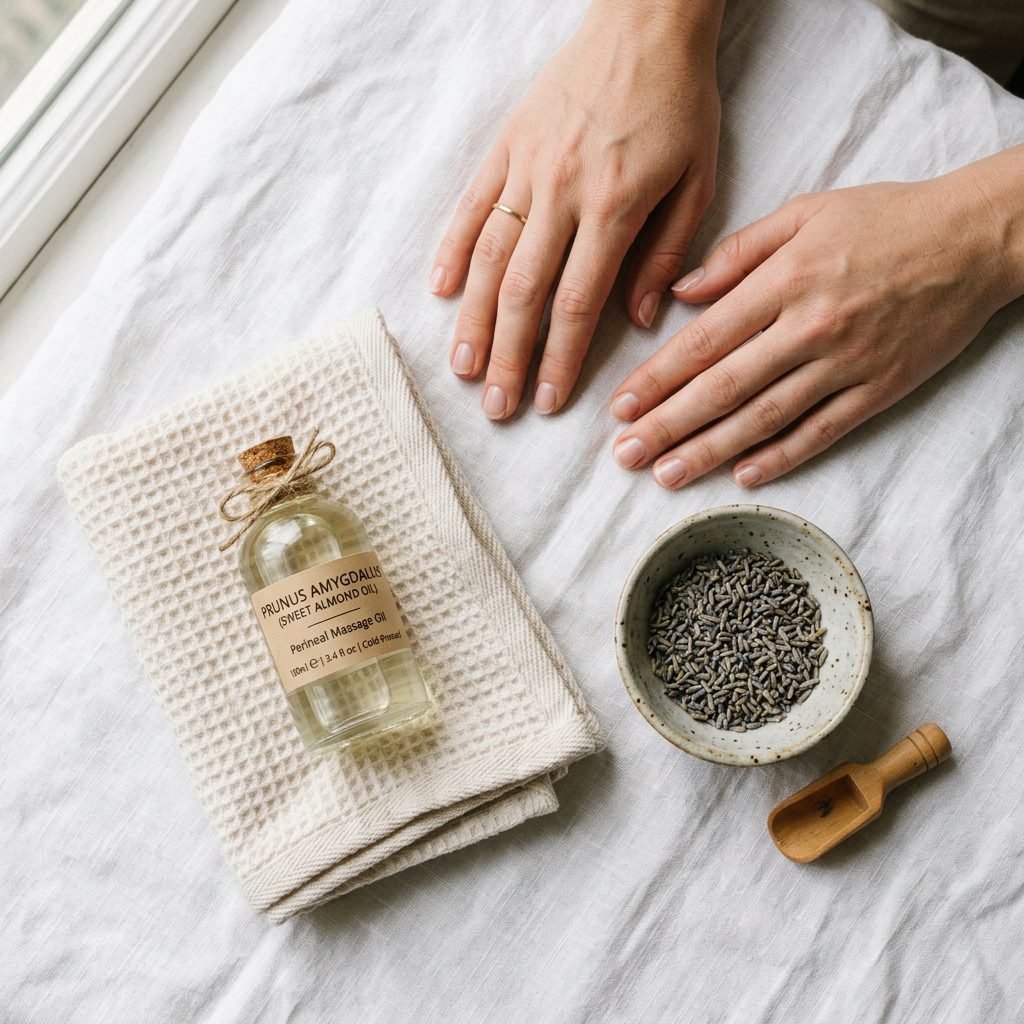
Your environment matters, mama. This isn’t just another chore on your ‘to-do’ list; it is a moment of preparation for your baby’s arrival. You want to feel relaxed, private, and physically supported. Start by ensuring your hands are meticulously clean and your nails are trimmed short to avoid any irritation to the delicate tissues.
Choosing the right lubricant is vital. You want something natural, edible (if it’s safe to eat, it’s usually safe for your mucous membranes), and free of synthetic fragrances. Here is a guide to the best oils for the job:
- Sweet Almond Oil: A classic choice, very gentle and high in Vitamin E.
- Organic Coconut Oil: Naturally antimicrobial and easy to find, though ensure you aren’t prone to yeast infections as some find coconut oil disruptive.
- Olive Oil: A great pantry staple that is safe and effective.
- Water-Based Lubricant: If you prefer something clinical, ensure it is paraben-free and pH-balanced.
Pro-Tip: Avoid baby oil or mineral oils, as these can irritate the vaginal flora and lead to discomfort or infections.
The Step-by-Step Technique for First-Time Moms
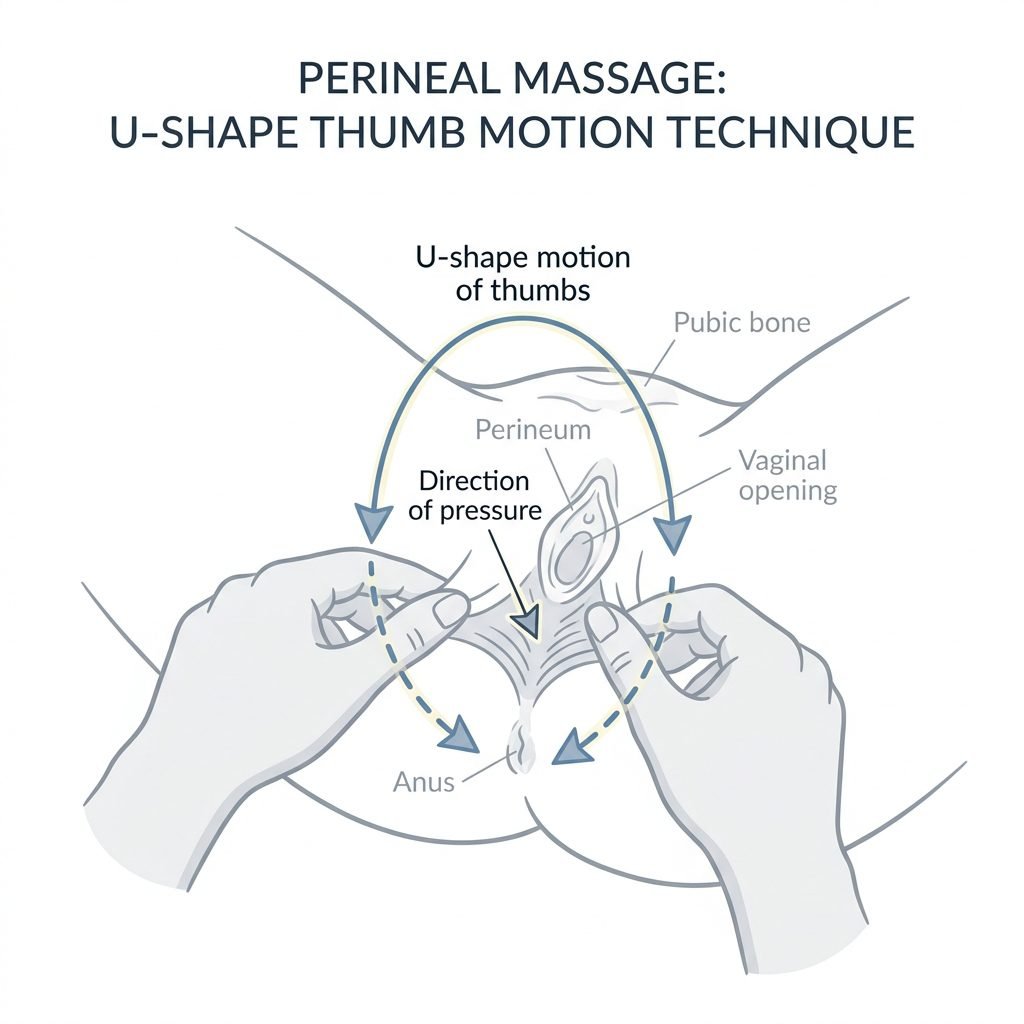
Now, let’s get into the physical practice. You can do this yourself, or if you feel comfortable, your partner can assist you. If you are doing it yourself, a mirror can be incredibly helpful for the first few times so you can see exactly where you are applying pressure.
Preparation and Positioning
- Empty your bladder: You will be applying pressure near the urethra, so being empty is more comfortable.
- Find your pose: Prop yourself up with pillows on your bed, sit on the toilet, or squat against a wall. The goal is to have your legs open and your pelvic floor relaxed.
- Apply the oil: Use a generous amount of oil on your thumbs (if doing it yourself) or your partner’s index fingers.
The Massage Motion
- Entry: Insert your thumbs about 1 to 1.5 inches (up to the first knuckle) into the vagina.
- The ‘U’ Shape: Press downward toward the rectum and then out to the sides. You are essentially making a firm, rhythmic ‘U’ motion.
- The Hold: When you feel a stretching or slightly stinging sensation (the ‘ring of fire’ preview), hold that pressure for about 30 to 60 seconds while focusing on deep, diaphragmatic breathing.
- The Stretch: Gently massage the lower half of the vaginal opening back and forth, focusing on the skin between the vagina and the anus.
Keep the total session between 5 and 10 minutes. If you feel any sharp pain, stop and try again with more oil or less pressure the next day.
The Golden Timeline: When and How Often?

Consistency is more important than intensity. You don’t need to start this in your first trimester! Your tissues are naturally becoming more flexible due to the hormone relaxin as you approach your due date. The most effective window to start is between 34 and 36 weeks of pregnancy.
| Pregnancy Week | Frequency | Goal |
|---|---|---|
| Weeks 1-33 | None required | Focus on pelvic floor relaxation and Kegels. |
| Week 34-35 | 2 times per week | Getting used to the sensation and finding the right positions. |
| Week 36-38 | 3-4 times per week | Building tissue elasticity and practicing breathing through the stretch. |
| Week 39+ | Daily (if comfortable) | Maintaining suppleness and mental readiness for labor. |
Note for My High-Risk Mamas: If you are experiencing preterm labor symptoms, have a shortened cervix, or have vaginal infections, please consult your midwife or OB-GYN before starting this practice. Safety first, always!
Partner Support: How They Can Help
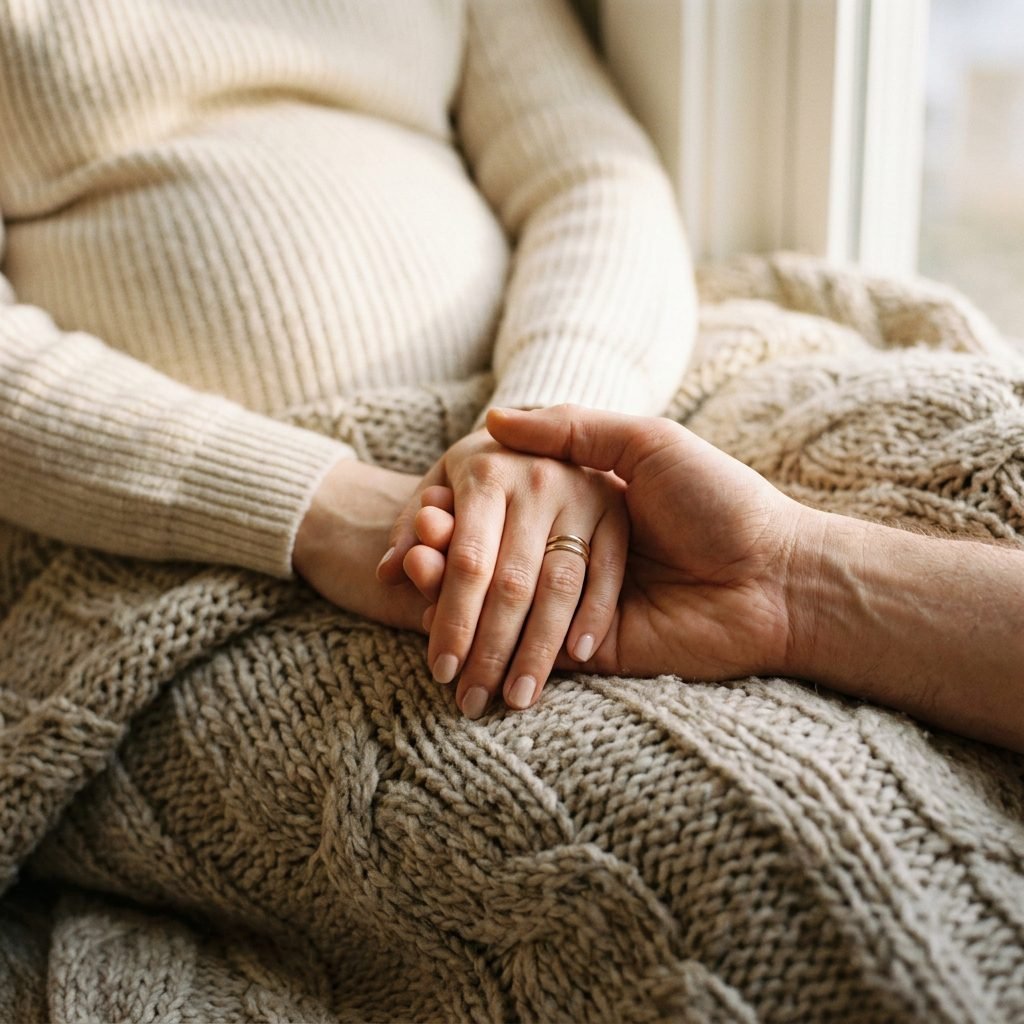
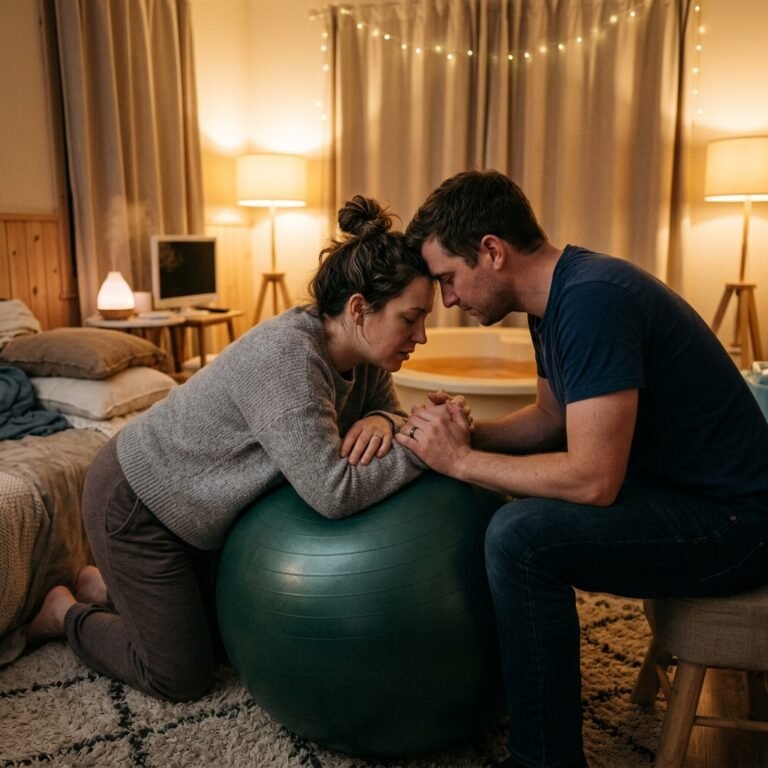
Involving your partner in perineal massage can be a beautiful way to bond and prepare for the teamwork of labor. It allows them to feel like an active participant in your physical preparation. However, communication is absolute key here.
“Communication Script: ‘When I say ‘hold,’ keep the pressure exactly there. If I say ‘soften,’ please ease up. I will guide your hands until we find the right rhythm.'”
When a partner performs the massage, they should use their index fingers rather than thumbs. They should follow the same ‘U’ shape motion, always checking in with you on the intensity scale. If you find it difficult to reach around your bump in the final weeks, having a partner help is a practical solution that saves you from ‘pregnancy gymnastics’!
Troubleshooting and Comfort Tips

It is normal for the first few sessions to feel a bit awkward or even slightly uncomfortable. You are stretching tissues that aren’t used to this kind of attention! Here are a few ways to make the experience more pleasant:
- Warmth is your friend: Try doing your massage after a warm bath or applying a warm compress to the area for 5 minutes beforehand. Warmth increases blood flow and makes the tissues more pliable.
- Breathwork: Practice your ‘low moans’ or ‘horse lips’ (fluttering your lips) while you stretch. This relaxes the jaw, which is bio-mechanically linked to the pelvic floor.
- Listen to your body: Some days you will feel more flexible than others. If you are tired or sore, skip a day. Self-compassion is just as important as physical prep.
If you notice any bleeding (other than a tiny bit of irritation), unusual discharge, or intense burning, please pause and reach out to your healthcare provider. Your comfort and health are the priority.
Conclusion
You Are Ready for This, Mama
Perineal massage is a wonderful tool in your birth prep toolkit, but remember: it is not a guarantee against tearing, and it is certainly not a ‘test’ you can fail. Every birth is unique, and your body is designed with an incredible capacity to heal and recover. By taking these 5 to 10 minutes for yourself, you are honoring your body and your baby.
As you move closer to your big day, carry this knowledge with you: you are strong, you are flexible, and you are supported. Whether you end up with a tiny tear, a few stitches, or none at all, you are a warrior. You’ve got this!