No Space? How to Fit a Mini Crib and Changer in a 50-Square-Foot Closet Nursery
Sweet mama, take a deep breath. If you are staring at a tiny, 50-square-foot space—perhaps a walk-in closet, a tiny den, or an alcove in your master bedroom—and wondering how on earth you are going to fit a baby, a crib, and all their tiny gear into it, I want you to hear this loud and clear: You have exactly enough space to create magic.
In my years as a doula and postpartum care expert, I have seen every type of nursery imaginable. I’ve seen sprawling rooms with cathedral ceilings, and I have seen babies thrive in beautifully organized closet nurseries (affectionately called ‘clurseries’ or nursery nooks). The truth is, your baby doesn’t need square footage; they need warmth, safety, and you. A 50-square-foot space is actually the perfect canvas for a cozy, womb-like environment that promotes excellent infant sleep and keeps everything within an arm’s reach for those exhausting 3 AM feeds.
Nesting in a small space just requires a shift in perspective. Instead of thinking outward, we are going to think upward and smartly. By utilizing a mini crib, maximizing vertical storage, and choosing multi-functional pieces, we are going to transform that tiny footprint into a highly functional, breathtakingly beautiful baby sanctuary. Let’s roll up our sleeves, grab our measuring tapes, and design a space that feels like a warm hug for both you and your little one.
The Blueprint: Prepping Your 50-Square-Foot Canvas
Before we bring in a single piece of furniture, we need to prep the space. A 50-square-foot area (typically measuring around 5 feet by 10 feet or 7 feet by 7 feet) requires strategic planning. If you are converting an actual closet, the very first step is addressing the doors and airflow.
Step 1: Door Removal and Airflow
Standard closet doors, especially bi-fold doors, take up precious real estate and can pinch little fingers as your baby grows. Removing the doors instantly opens up the room, making the nursery nook feel like an intentional extension of the master bedroom rather than a cramped storage space. If you want to maintain separation, consider hanging high-quality, heavy linen curtains on a tension rod that can be swept aside during the day.
Doula Safety Reminder: Proper ventilation is crucial for safe infant sleep and reducing the risk of SIDS. Closets are not naturally ventilated. If your space lacks an air vent or window, you must keep the space open to the main room, use a small oscillating fan to keep air circulating, and monitor the room temperature to ensure it stays between 68°F and 72°F.
Step 2: A Fresh, Non-Toxic Slate
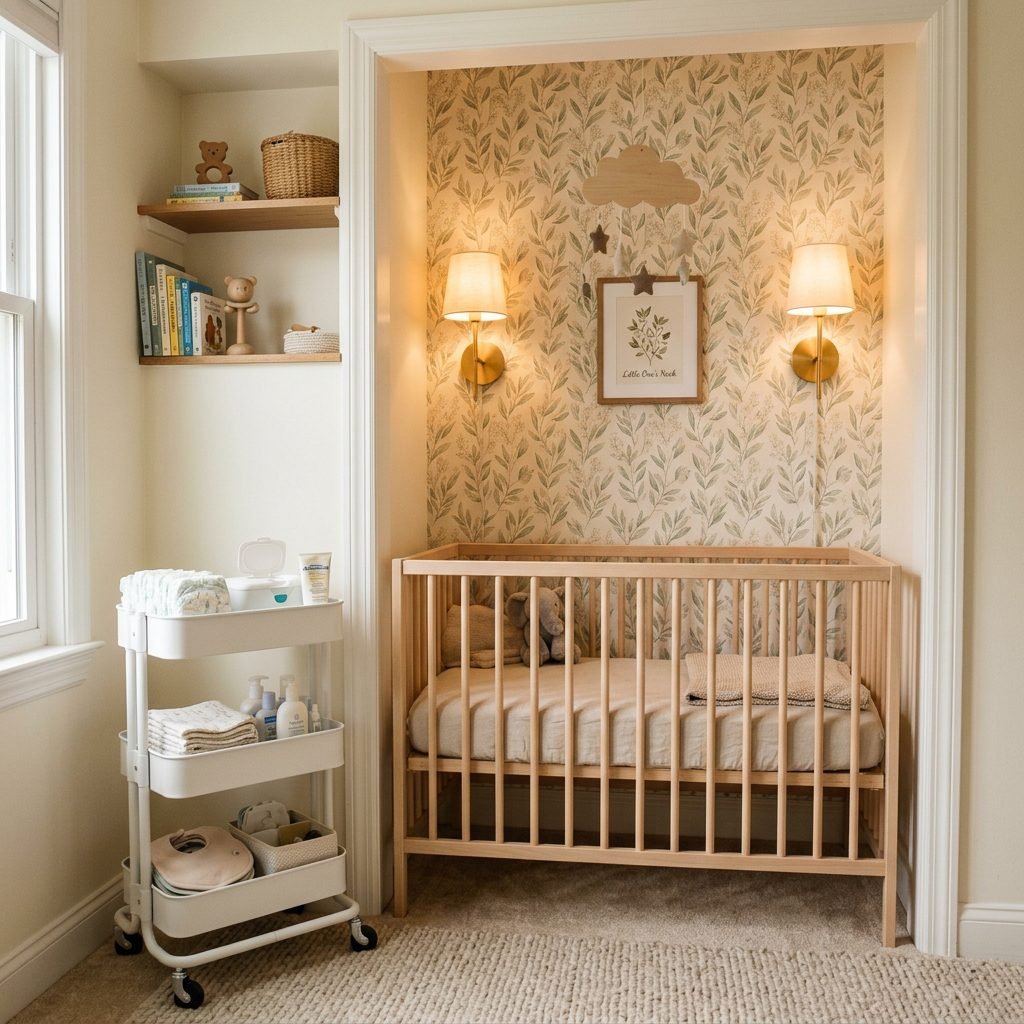
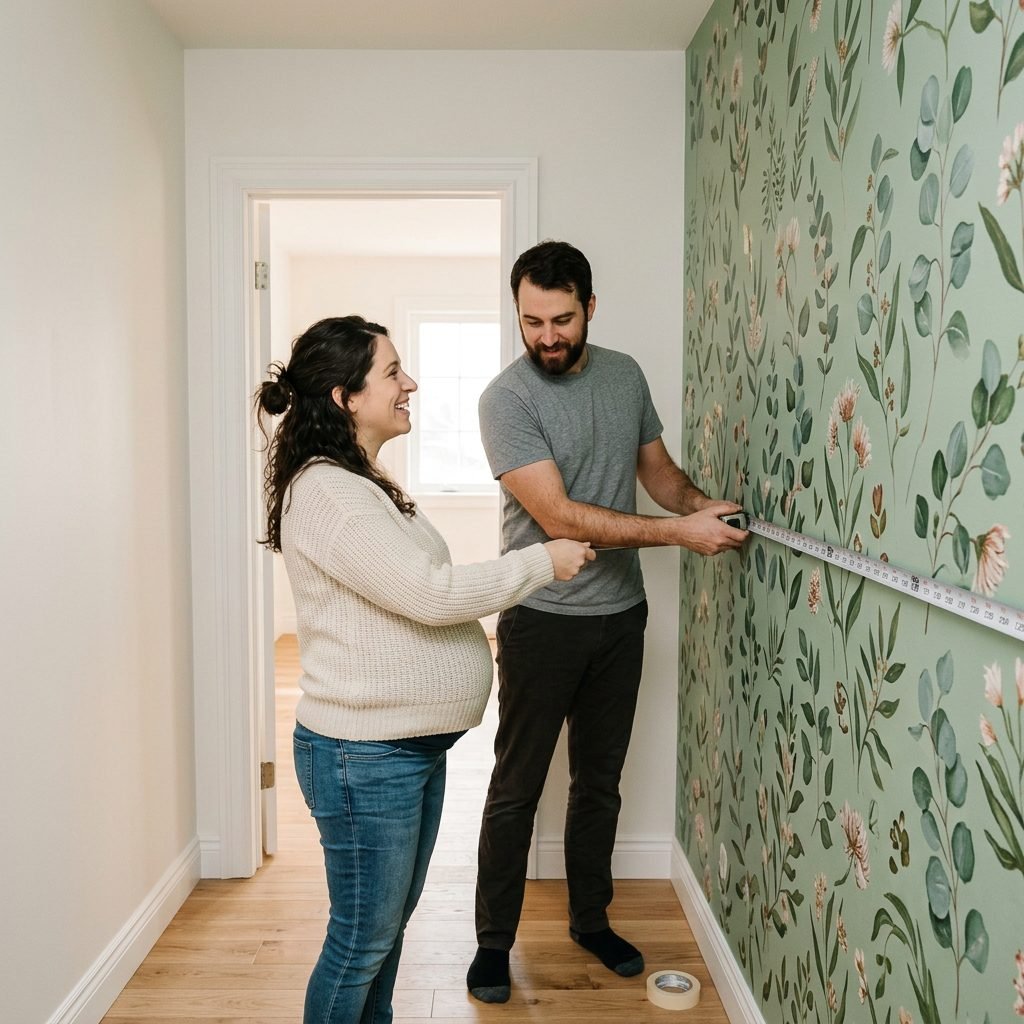
Next, let’s talk aesthetics. Small spaces can easily feel dark or cave-like. A fresh coat of zero-VOC (Volatile Organic Compounds) paint in a warm, light-reflecting tone—like soft cream, sage green, or warm blush—works wonders. If you’re feeling crafty, adding a peel-and-stick botanical or whimsical wallpaper to the back wall of the closet creates a stunning focal point that draws the eye in and creates the illusion of depth.
Before you start buying gear, you must know your exact dimensions. Measure the width, depth, and height of your space, noting the location of any baseboards, electrical outlets, or structural quirks.
| Nursery Element | Standard Room Requirement | 50 Sq-Ft Closet Solution |
|---|---|---|
| Sleeping Space | Standard Crib (28″ x 52″) | Mini Crib (24″ x 38″) |
| Storage | Wide 6-Drawer Dresser | Vertical Tallboy or Wall-Mounted Shelves |
| Changing Area | Dedicated Changing Table | Over-Crib Changer or Fold-Down Wall Desk |
| Lighting | Floor Lamps & Ceiling Fixtures | Battery-Operated Wall Sconces (No cords!) |
Choosing and Positioning Your Mini Crib
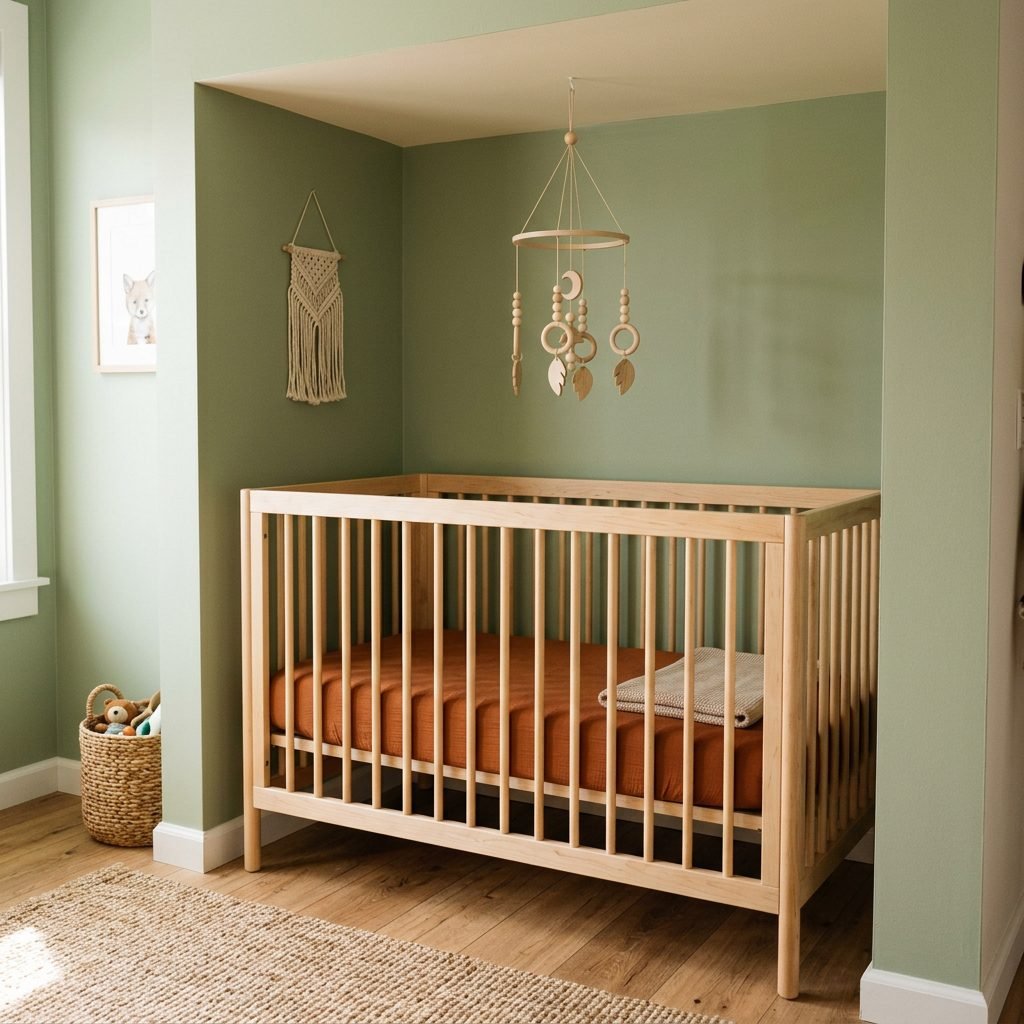
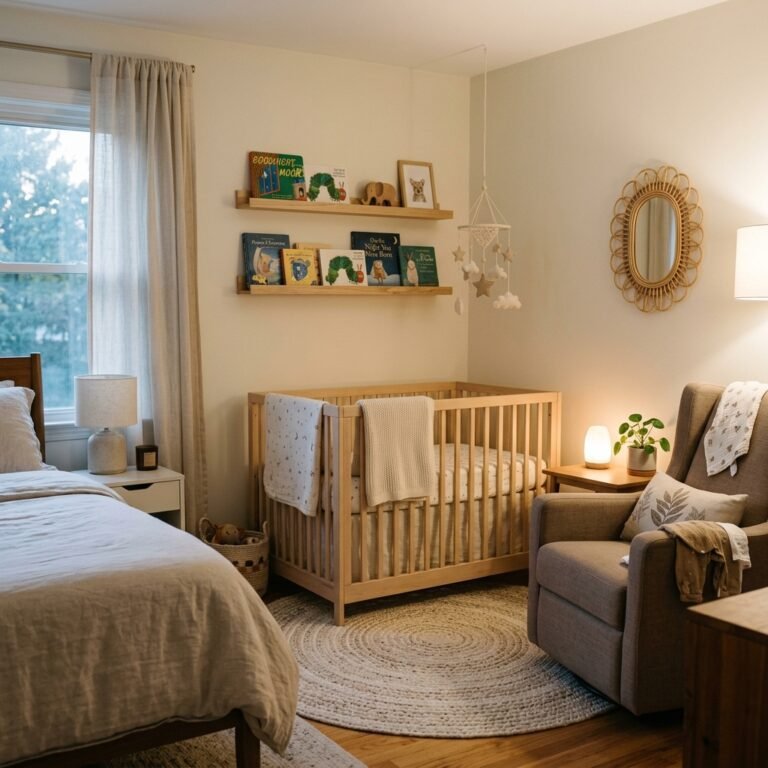
The crown jewel of your tiny nursery is the mini crib. If you are a first-time mom, you might be wondering if a mini crib is a good investment. The answer is a resounding yes! While a standard crib measures roughly 28 by 52 inches, a mini crib comes in at a highly compact 24 by 38 inches. Despite the smaller footprint, most mini cribs are rigorously tested for safety and can comfortably sleep a baby until they are 18 to 24 months old.
Why Mini Cribs are a Small-Space Savior
Mini cribs offer the exact same safe-sleep environment as a full-size crib, just scaled down. Many modern mini cribs even come with wheels, allowing you to gently roll the baby out of the nook into the main room if you need more space to move around during the day. When shopping for your mini crib, look for models that are Greenguard Gold Certified to ensure no harmful chemicals are off-gassing into your small space.
Strategic Placement for Safety and Flow
Where you place the crib in a 50-square-foot room is vital. Follow these strict placement rules to ensure maximum safety and comfort:
- Keep away from hazards: Never place the crib within reach of window blind cords, electrical wires, or heavy wall art that could fall.
- Monitor the climate: Avoid placing the crib directly under an air conditioning vent or right next to a drafty window. You want a stable, cozy temperature.
- Leave breathing room: Try to leave at least 1 to 2 inches of space between the crib and the wall to allow for blanket tucking and air circulation.
Because you are dealing with a tight space, skip the bulky crib skirts and elaborate bumpers (which are sleep hazards anyway!). Opt for a firm, breathable mini crib mattress and tightly fitted, organic cotton sheets. The minimalist look will make the crib feel sleek rather than stuffed.
Mastering the Micro Changing Station
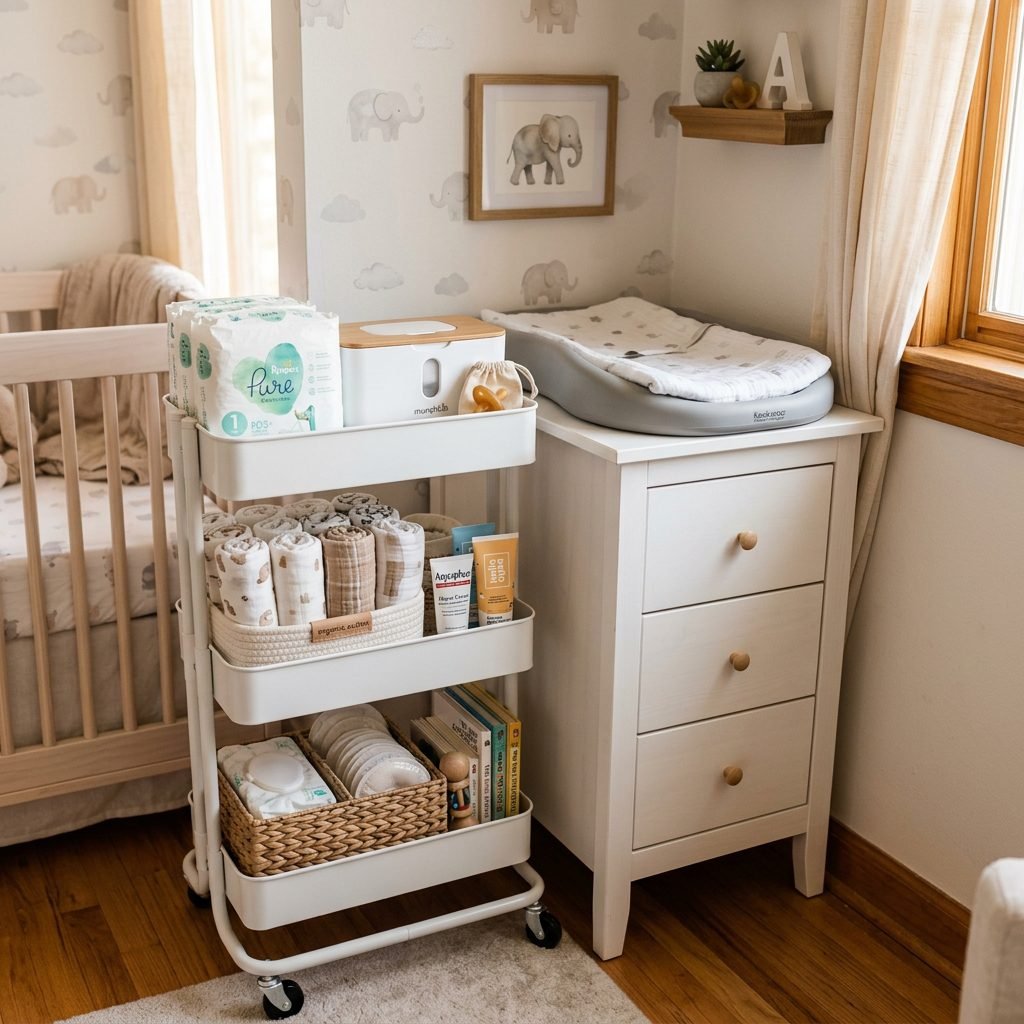
One of the biggest hurdles in a 50-square-foot nursery is figuring out where to change the baby. A traditional changing table is entirely out of the question—it eats up far too much floor space. But don’t worry, mama, we have some incredibly clever alternatives that will save your back and your sanity.
Option 1: The Dresser-Changer Combo
If you have room for a small, narrow dresser (like an IKEA Hemnes 3-drawer or a tallboy), this is your best bet. Secure a contoured changing pad to the top using non-slip grips and safety straps. The drawers below become your entire baby wardrobe. Use spring-loaded drawer dividers to separate tiny onesies, socks, and burp cloths.
Option 2: The Over-the-Crib Changer
If floor space is strictly limited to the crib itself, an over-the-crib changing tray is a game-changer. These sturdy wooden trays lock safely onto the rails of the mini crib. When baby needs a change, you simply lay them on top. When you’re done, you can lift the tray off and slide it under the crib or lean it securely against a wall.
Option 3: The Fold-Down Wall Changer
Borrowing a brilliant concept from commercial spaces, you can install a sleek, residential fold-down changing table. When closed, it looks like a slim wall cabinet. When open, it provides a safe, sturdy surface for diapering. Just ensure it is anchored directly into the wall studs!
The 3-Tier Rolling Diaper Cart
No matter which changing surface you choose, a 3-tier rolling utility cart is an absolute must-have for a small nursery. It holds everything you need vertically and can be rolled out of the way when not in use.
- Top Tier (The Urgent Needs): Diapers, a weighted wipe dispenser (so you only need one hand!), diaper cream, and hand sanitizer.
- Middle Tier (Care & Comfort): Extra burp cloths, a spare onesie, baby lotion, a nasal aspirator, and a pacifier.
- Bottom Tier (Backups & Postpartum): Extra packs of wipes, overflow diapers, and perhaps some nipple cream or snacks for mama during those late-night feeds.
Sisterly Tip: In the middle of the night, you do not want to be digging through drawers. Having everything visible and accessible on a rolling cart will make those 2 AM blowouts infinitely less stressful!
Vertical Magic: Storage Hacks for Tiny Nurseries
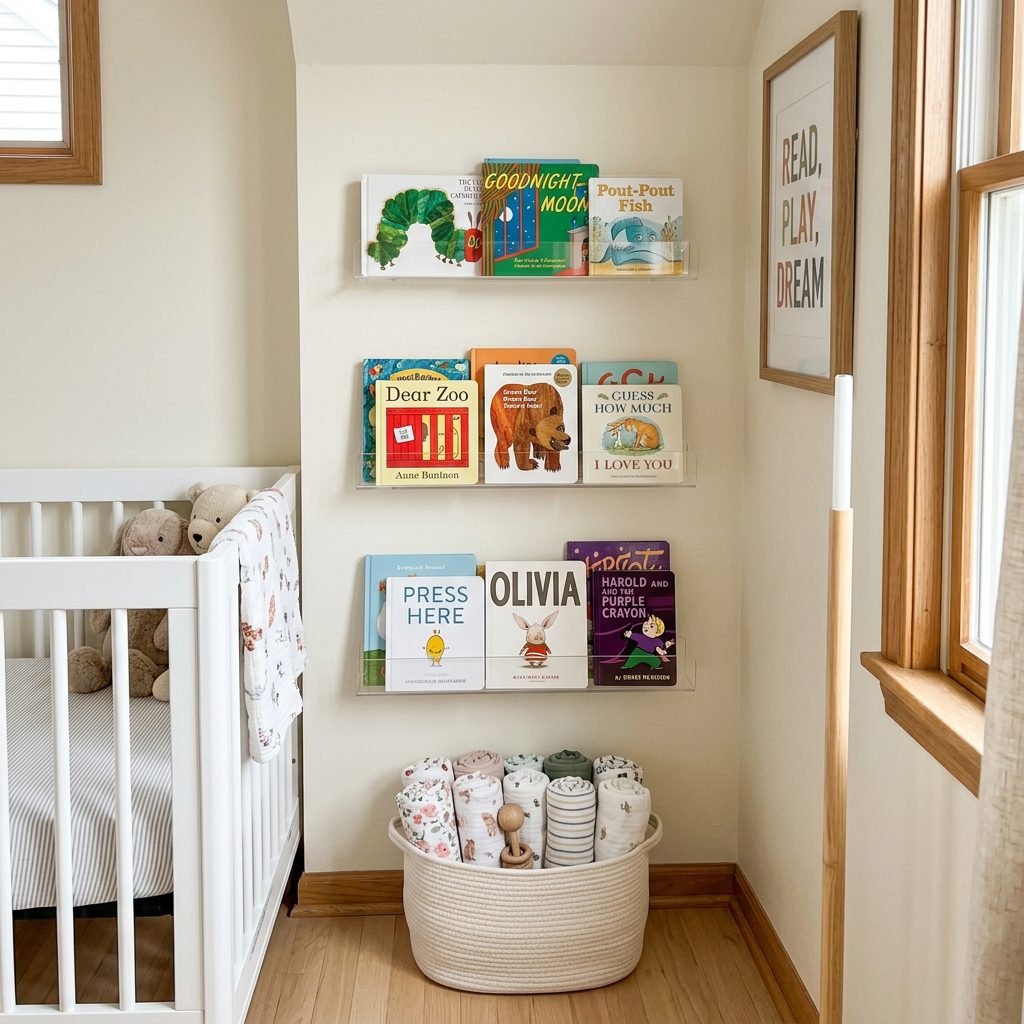
When you have no floor space, the only way to go is up. Vertical storage is the secret weapon of any small-space designer. Babies are tiny, but they come with an astonishing amount of stuff. From swaddles to sleep sacks, breast pump parts to board books, you need a system that keeps clutter at bay.
Floating Acrylic Bookshelves
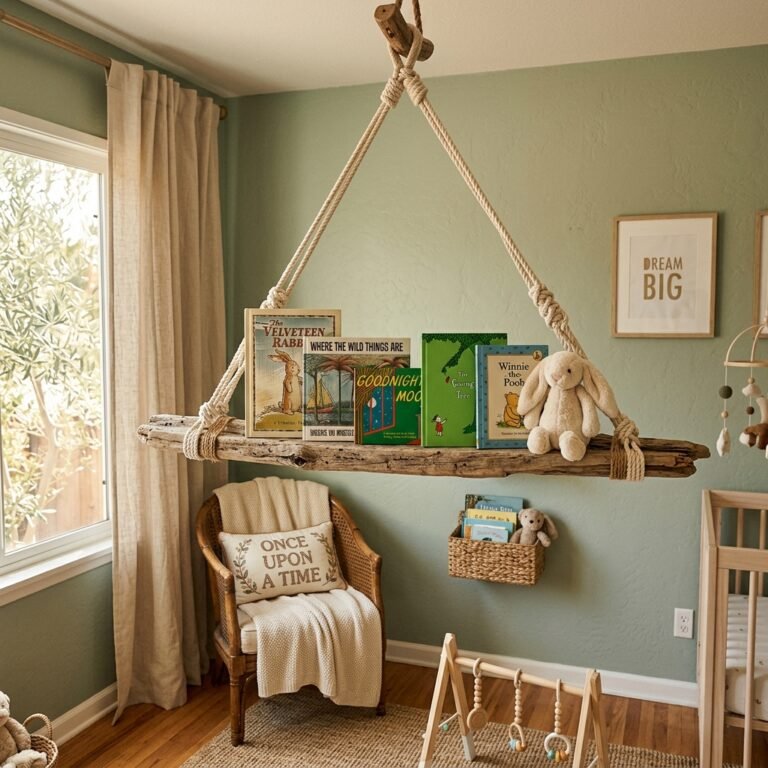
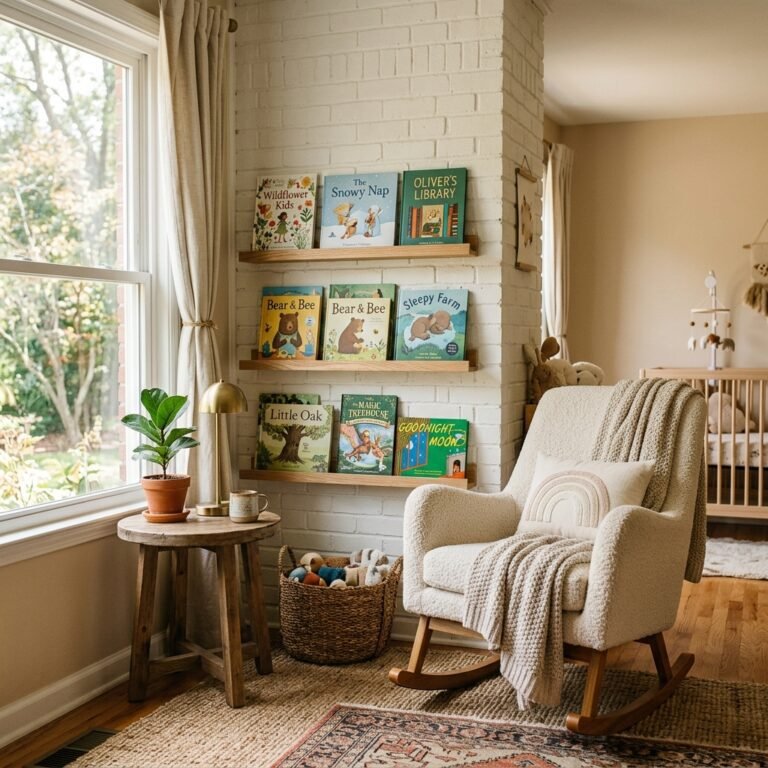
Instead of a bulky standing bookcase, install clear acrylic floating shelves on any available sliver of wall space. Because they are transparent, they take up zero visual weight in the room. Arrange your baby’s board books with the covers facing out—this not only stores the books but acts as colorful, engaging wall art for your little one to gaze at.
Over-the-Door Organizers
If your closet nursery still has a door, or if it’s adjacent to your bedroom door, an over-the-door pocket organizer is a lifesaver. Use the clear pockets to store rolled-up swaddles, tiny socks, bibs, baby shoes, and health kits (thermometers, nail clippers). It utilizes space that is otherwise completely wasted.
Double-Hanging Closet Rods
If you have a built-in clothing rod, maximize it! Baby clothes are incredibly short. By installing a second tension rod about 3 feet below the main rod, you instantly double your hanging space. Use ultra-thin velvet baby hangers to prevent tiny clothes from slipping off and to save even more space on the rod.
| Storage Challenge | Bulky Solution (Avoid) | Small Space Hack (Do This!) |
|---|---|---|
| Toy Storage | Large Wooden Toy Box | Soft Belly Baskets under the crib |
| Baby Clothes | Wide 6-Drawer Dresser | Double-hanging closet rods with velvet hangers |
| Books & Decor | Standing Bookshelf | Wall-mounted clear acrylic ledges |
| Diaper Storage | Large Diaper Pail & Caddy | Slim Diaper Pail + 3-Tier Rolling Cart |
Under-Crib Baskets
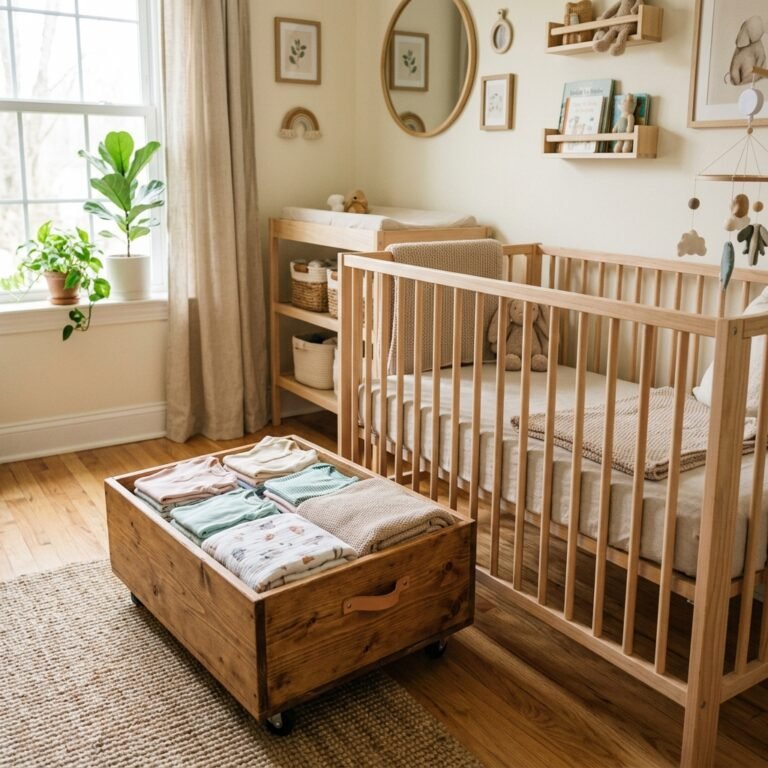
Do not let the space under your mini crib go to waste! Measure the clearance from the floor to the bottom of the crib mattress support. Purchase shallow, soft-sided canvas bins or woven baskets that slide easily underneath. This is the perfect hidden spot to store items you don’t need every day, such as next-size-up clothing, extra crib sheets, or bulk boxes of wipes.
Making it Magical: Lighting, Decor, and Ambiance
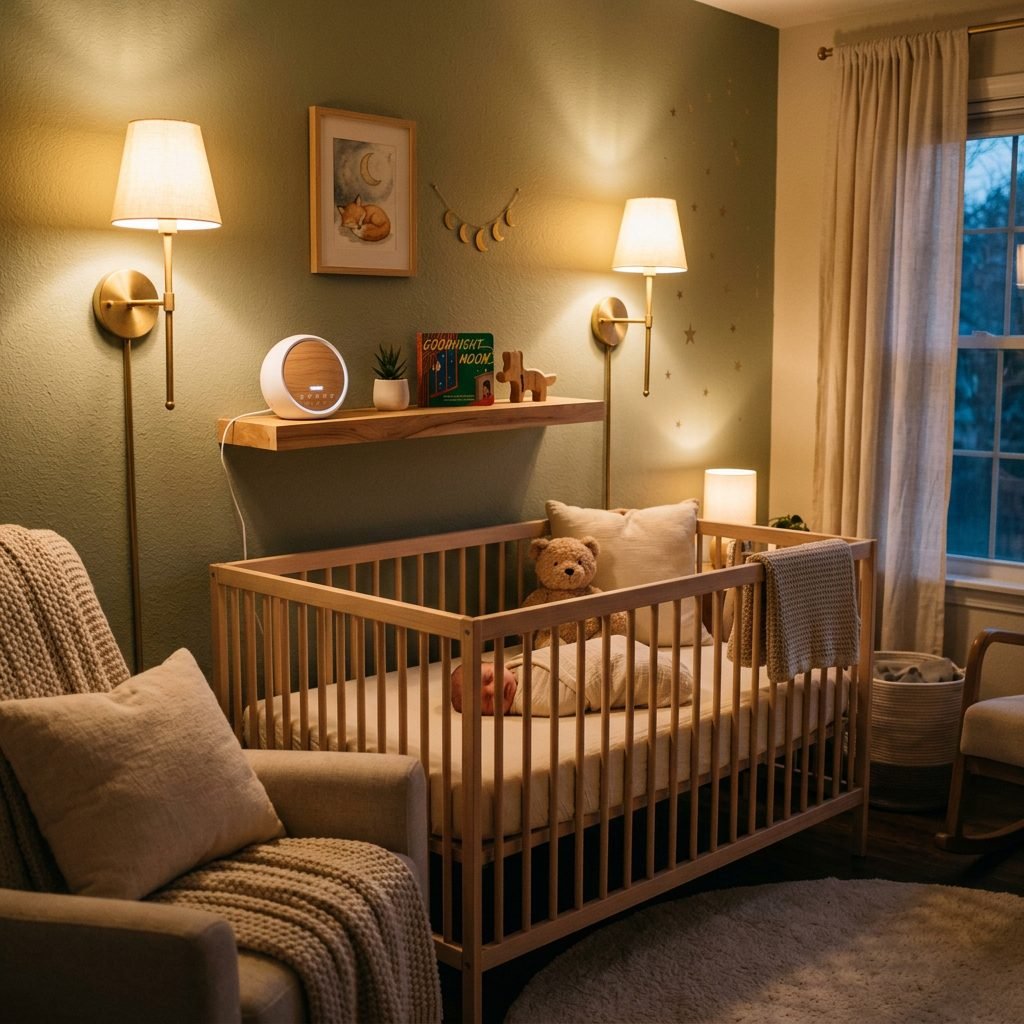
Just because a space is small doesn’t mean it can’t be breathtakingly beautiful and highly soothing. In fact, a closet nursery’s small size makes it inherently cozy—perfect for recreating the snug, secure feeling of the womb.
Cordless, Warm Lighting
Lighting is crucial for late-night feedings and diaper changes. You want enough light to see what you are doing, but not so much that it wakes the baby (or you!) fully up. Because a closet often lacks electrical outlets, battery-operated wall sconces are a brilliant solution. You can mount them anywhere without worrying about dangerous dangling cords. Look for LED puck lights with a remote control and a dimming feature. Always opt for warm, amber-toned light bulbs rather than harsh blue/white lights, as warm light helps promote the production of melatonin, the sleep hormone.
Sound and Sensory Elements
A small space can sometimes echo, or conversely, let in too much noise from the master bedroom. A portable, rechargeable white noise machine is essential. Place it between the crib and the doorway to create a sound buffer. White noise mimics the loud, rushing sounds of the womb and will help your baby link their sleep cycles without being startled by household noises.
Intentional, Minimalist Decor
When decorating a 50-square-foot space, the rule is: less is more. Avoid cluttering the walls with too many small frames, which can make the space feel chaotic. Instead, choose one large, beautiful piece of art or a delicate, minimalist mobile to hang securely over the crib. A small, washable rug on the floor can add texture and warmth underfoot for those moments when you are standing and swaying your fussy baby back to sleep.
Remember, your baby’s vision is developing. In the early months, they only see high contrast (black and white). As they grow, they will appreciate the soft colors and textures you’ve thoughtfully placed in their tiny sanctuary.
Conclusion: Love Fills the Space
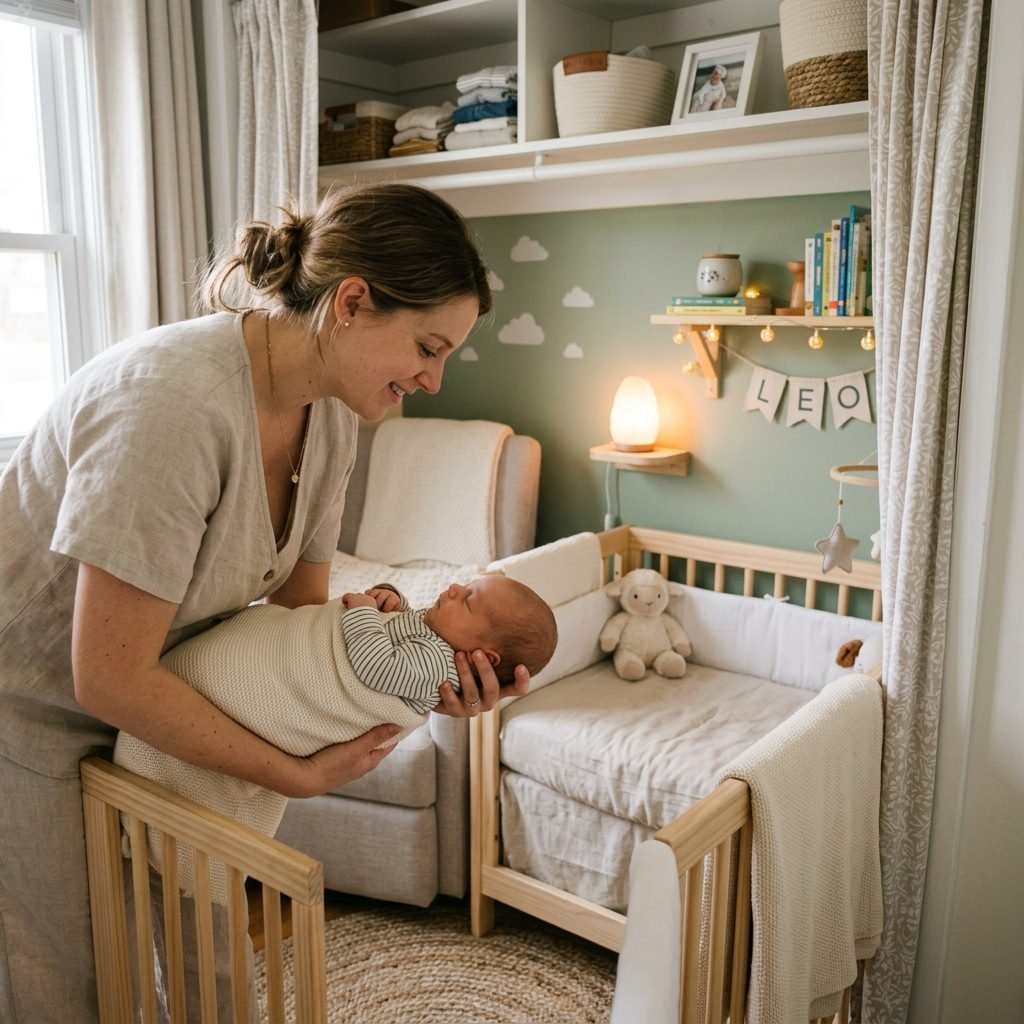
Mama, as you stand back and look at your 50-square-foot nursery, I hope you feel an overwhelming sense of pride. You have taken a tiny, overlooked corner of your home and transformed it into a safe, warm, and beautiful haven for your baby. Society often tells us we need sprawling rooms and massive budgets to be ready for parenthood, but as a doula, I can promise you this: your baby does not care about square footage.
Your baby cares about the smell of your skin, the sound of your heartbeat, and the gentle sway of your arms. By creating this intentional, organized little nook, you have ensured that everything you need to care for your baby is right at your fingertips. You’ve minimized the clutter so you can maximize the bonding.
So, hang up those tiny velvet hangers, stock that rolling cart with diapers, and turn on that warm amber sconce. You are completely ready for this next beautiful chapter. You’ve got this, and your little one is so incredibly lucky to have a mother who prepares for them with such love and care.
Conclusion
Mama, as you stand back and look at your 50-square-foot nursery, I hope you feel an overwhelming sense of pride. You have taken a tiny, overlooked corner of your home and transformed it into a safe, warm, and beautiful haven for your baby. Society often tells us we need sprawling rooms and massive budgets to be ready for parenthood, but as a doula, I can promise you this: your baby does not care about square footage.
Your baby cares about the smell of your skin, the sound of your heartbeat, and the gentle sway of your arms. By creating this intentional, organized little nook, you have ensured that everything you need to care for your baby is right at your fingertips. You’ve minimized the clutter so you can maximize the bonding.
So, hang up those tiny velvet hangers, stock that rolling cart with diapers, and turn on that warm amber sconce. You are completely ready for this next beautiful chapter. You’ve got this, and your little one is so incredibly lucky to have a mother who prepares for them with such love and care.