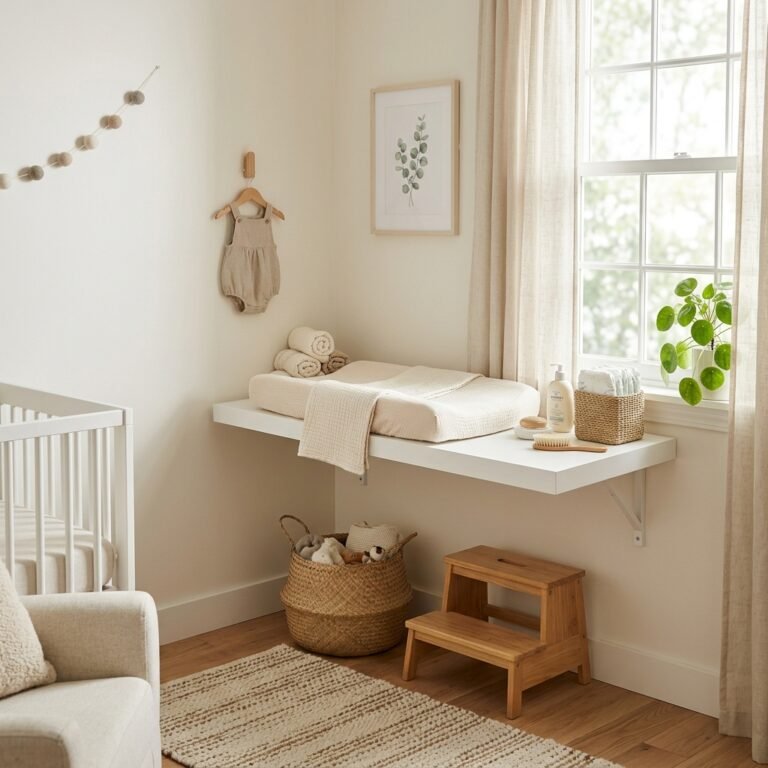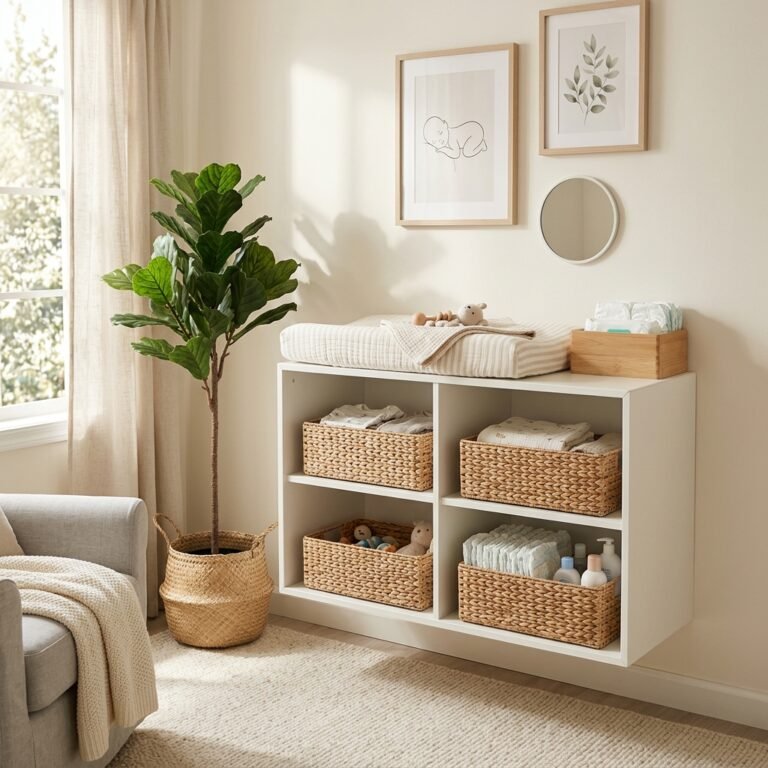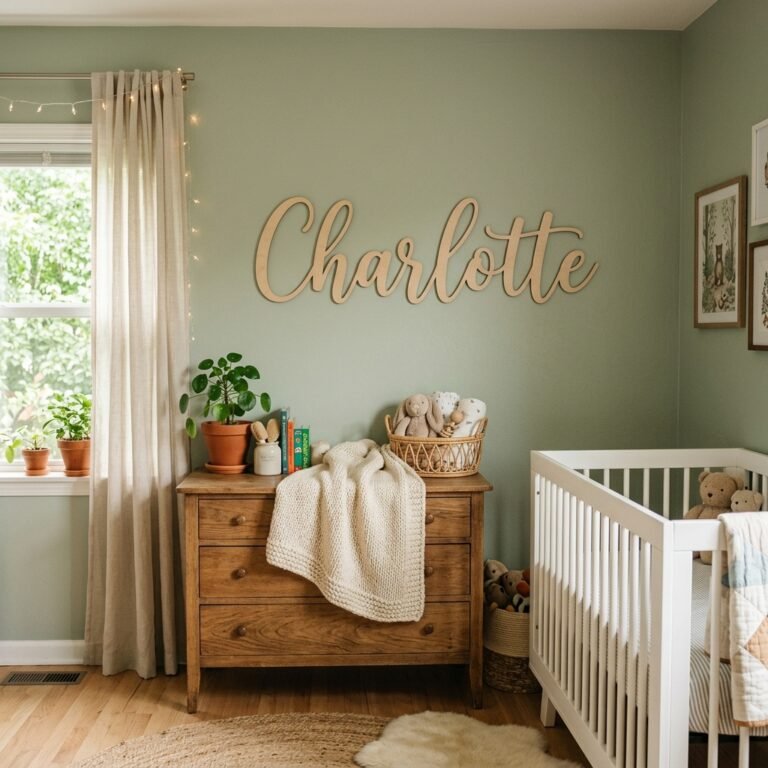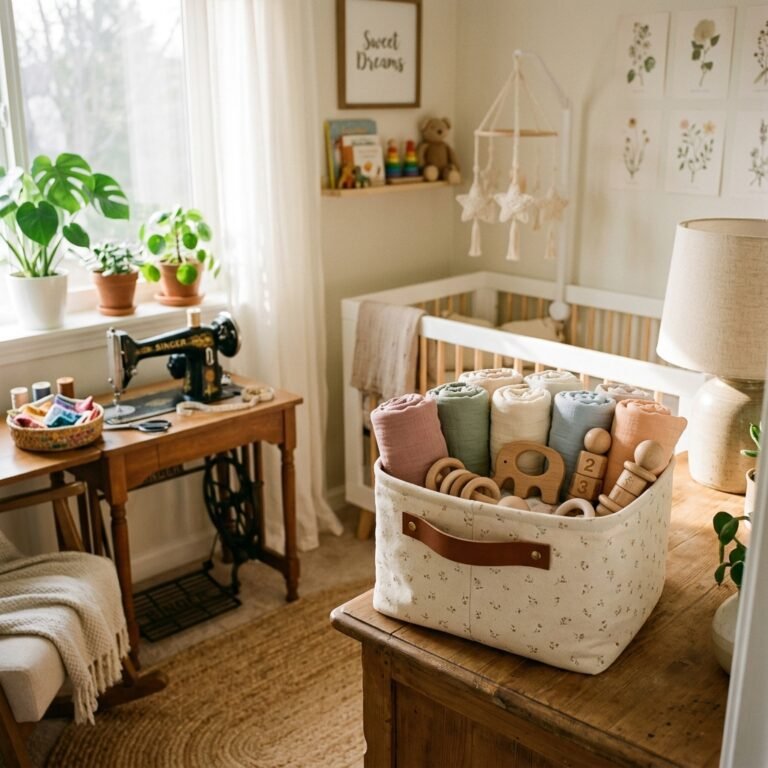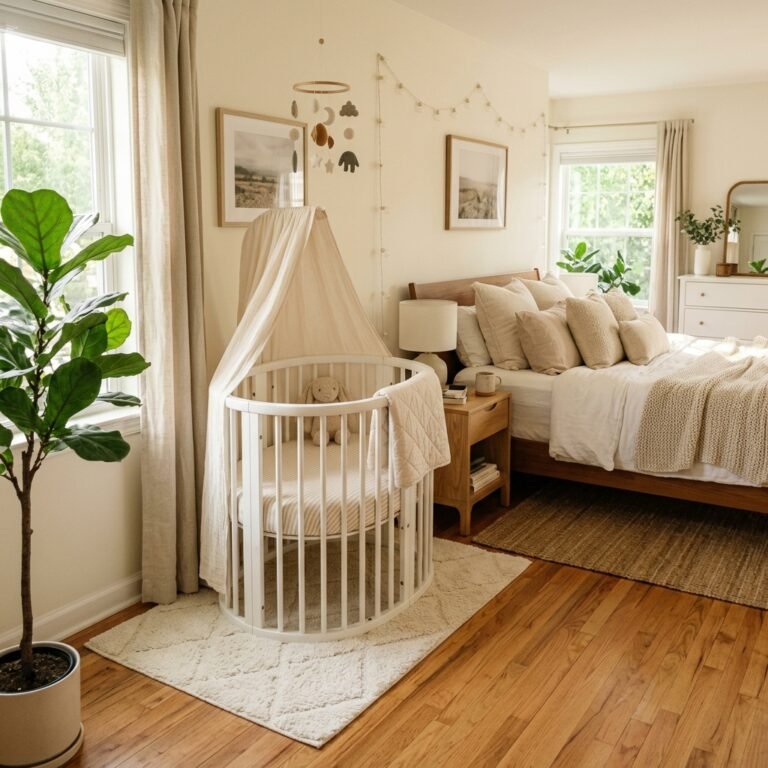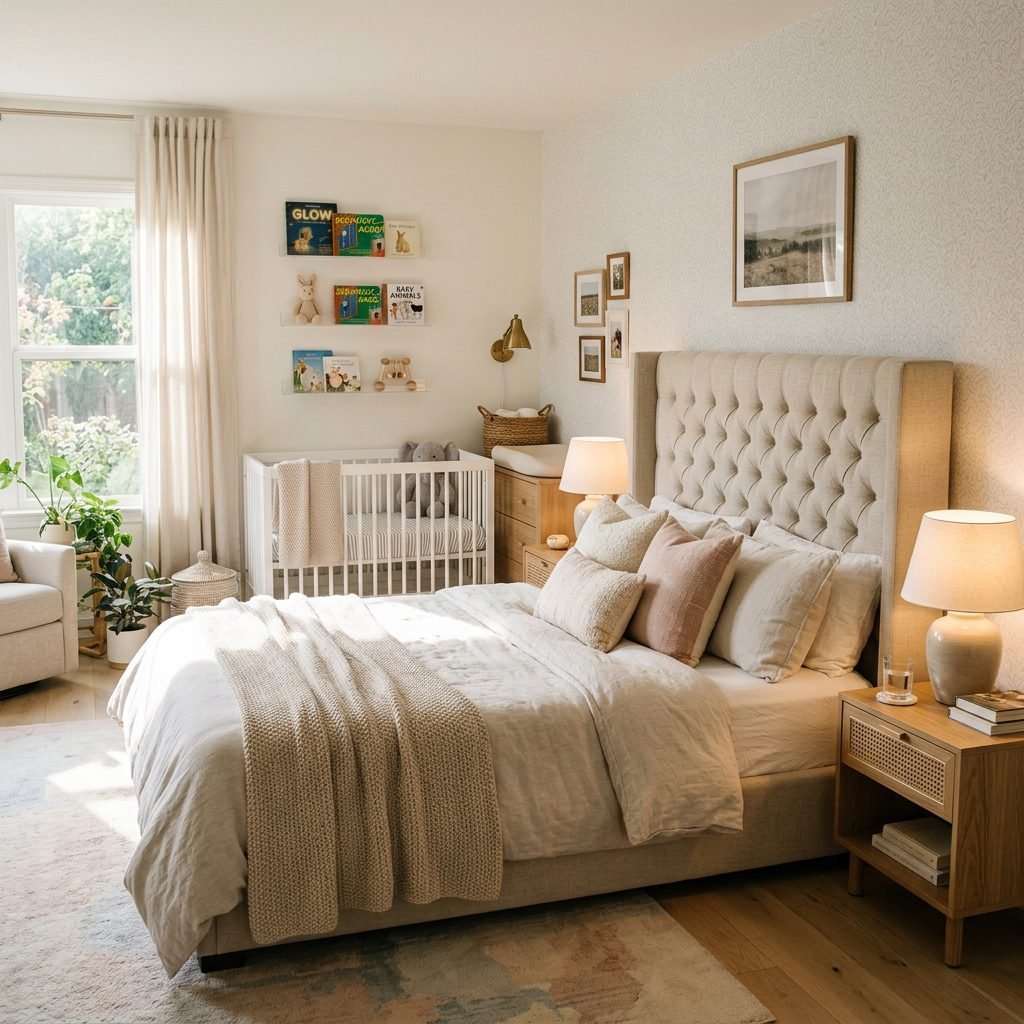
How to Create a Chic Behind-the-Bed Baby Nook in a Small Master Bedroom
Hello, beautiful mama. If you are currently standing in the doorway of your master bedroom, hands resting on your growing belly, wondering how on earth you are going to fit a baby into this tiny space—take a deep, cleansing breath. Drop your shoulders. You are absolutely in the right place, and you are not alone.
As a doula and a mama who has navigated the postpartum trenches, I know firsthand the nesting urge is fierce. You want a space that feels magical and welcoming for your little one, but you also desperately need your bedroom to remain a serene sanctuary for your own postpartum recovery. When square footage is limited, the idea of room-sharing can feel overwhelming. But what if I told you that you don’t need a sprawling, dedicated nursery to create a magazine-worthy space for your baby? Enter the brilliance of the behind-the-bed baby nook.
By rethinking the traditional layout and floating your bed just a few feet forward, you can carve out a hidden, chic, and highly functional micro-nursery right behind your headboard. This clever small-space hack not only maximizes your room’s footprint but also creates a cozy, distinct sleep zone for your baby while keeping them arm’s reach away for those frequent midnight feedings. Let’s roll up our sleeves and design a gorgeous, space-saving sanctuary that serves both you and your sweet baby perfectly.
The Magic of the Behind-the-Bed Layout: Why It Works
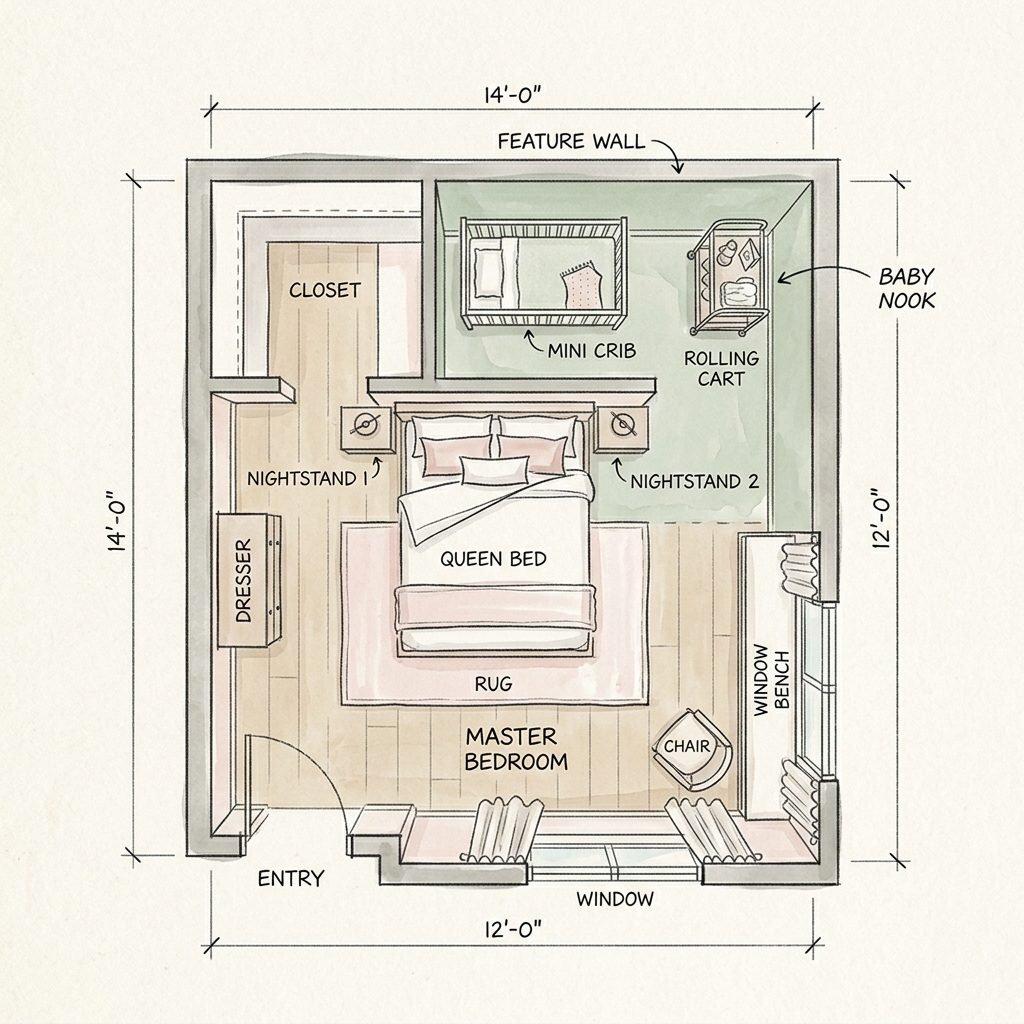
When we think of bedroom layouts, we are conditioned to push the headboard flush against the longest wall. But in a small master bedroom, this traditional setup often leaves you with awkward, unusable slivers of space on either side. By intentionally floating your bed forward by just 3 to 4 feet, you instantly create a highly functional “corridor” behind the bed. This is your new baby nook.
This layout is a game-changer for postpartum mamas. First, it offers visual separation. When you are lying in bed trying to catch a precious hour of sleep, you aren’t staring directly at the baby’s crib or the diaper cart, which helps your brain signal that it’s time to rest. Second, it gives the baby their own dedicated “room within a room,” which can be incredibly helpful for establishing healthy sleep associations as they grow.
Mama reminder: The American Academy of Pediatrics recommends room-sharing for at least the first six months to reduce the risk of SIDS. Creating a beautiful, functional nook makes this safety recommendation feel like a design triumph rather than a spatial compromise.
Furthermore, a tall headboard acts as a natural room divider. If you don’t have a tall headboard, you can easily place a chic folding screen, a beautifully draped canopy, or even a narrow console table behind your standard bed to create that essential visual boundary. The goal is to make the nook feel intentional and tucked away, a sweet little secret garden just for your baby.
Strategic Floor Planning: Measuring for Safety and Flow

Before we start buying adorable tiny furniture, we need to put on our interior organizer hats and measure. In small spaces, every single inch matters. You want to ensure that in your sleep-deprived postpartum state, you aren’t tripping over furniture or squeezing through impossibly tight gaps while holding a newborn.
Grab your measuring tape and let’s map it out. You need enough space to comfortably lower your baby into the crib, bend down, and maneuver in the middle of the night. If you are recovering from a C-section or a difficult vaginal birth, your mobility will be limited, so prioritizing clear, wide pathways is a non-negotiable act of self-care.
| Space Requirement | Recommended Measurement | Why It Matters for Postpartum Mamas |
|---|---|---|
| Pathway Width | 28 to 36 inches | Prevents tripping; allows room for a postpartum healing body to move comfortably without twisting. |
| Crib to Wall Distance | At least 12 inches | Prevents cords, curtains, or blinds from being within baby’s reach (crucial sleep safety!). |
| Space Behind Headboard | 36 to 48 inches | Provides enough depth to fit a mini crib/bassinet and stand comfortably to lift the baby. |
| Diaper Station Height | 32 to 40 inches | Saves your back! Bending too low to change diapers will exacerbate postpartum back pain. |
Once you have your measurements, use painter’s tape on the floor to outline where the crib, the cart, and the pathways will be. Walk through the taped-out space. Mimic the motion of picking up a baby and changing a diaper. Does it feel cramped? Adjust the bed forward another inch or two. Remember, this layout is temporary—you only need to maintain it while room-sharing.
Selecting Your Sleep Space: Mini Cribs and Bassinets

In a behind-the-bed nook, a standard-sized crib is usually too bulky. This is where the magic of mini cribs and bassinets comes in. As a doula, I always encourage parents to think about longevity and functionality when choosing sleep furniture for small spaces.
A bassinet is wonderful for the first few months. It’s incredibly compact, often portable, and some even swivel over your bed for easy access. However, babies outgrow bassinets very quickly—usually around 4 to 6 months, or as soon as they can roll over. If you want a piece of furniture that will last longer in your nook, a mini crib is the ultimate solution. Mini cribs offer the exact same safety standards as full-sized cribs but boast a much smaller footprint, and many can be used until your baby is up to two years old!
| Sleep Solution | Pros for a Nook | Cons to Consider |
|---|---|---|
| Bassinet | Smallest footprint; highly portable; easy to reach from bed. | Short lifespan (0-6 months); limited style options. |
| Mini Crib | Lasts up to 2 years; beautiful design options; feels like a “real” nursery. | Requires slightly more depth behind the bed; heavier to move. |
| Travel Crib (Pack ‘n Play) | Folds away easily; great for travel; breathable mesh sides. | Utilitarian look; sits lower to the ground (harder on postpartum backs). |
To keep the nook feeling airy and chic, look for mini cribs with open, spindled sides or modern acrylic slats. Solid, chunky wood ends will visually block the space and make the room feel heavier. An acrylic mini crib, for instance, practically disappears into the room, maintaining the open flow of your master bedroom while providing a safe, stunning sleep space.
Vertical Storage Hacks and Stealthy Organizers

When you don’t have room for a bulky dresser or a dedicated changing table, you have to get creative. The secret to small-space organization is looking up. Vertical space is your best friend in a baby nook. By utilizing the walls and the back of your headboard, you can store everything you need without sacrificing an inch of floor space.
My absolute favorite doula-approved hack for a small nursery is the rolling utility cart (like the famous IKEA RÅSKOG). A 3-tier rolling cart can serve as a mobile diaper station, a pumping station, and a postpartum recovery kit all in one. You can roll it right up to the bed when you need it, and tuck it neatly into the corner of the nook when you don’t.
- Top Tier: Diapers, wipes dispenser, diaper cream, and hand sanitizer.
- Middle Tier: Rolled up burp cloths, a spare swaddle, and extra crib sheets for midnight blowouts.
- Bottom Tier: Your postpartum essentials—nipple cream, a large water bottle, snacks, and your breast pump.
Organization Mantra: If it doesn’t serve a daily purpose, it doesn’t belong in the nook. Keep back-stock items (like next-size-up clothes and extra diaper boxes) stored under your main bed or in a different closet.
For books, small toys, and decor, install clear acrylic floating shelves on the wall behind the crib. They take up zero visual weight and display beautiful baby book covers as artwork. You can also use over-the-door organizers on the back of your bedroom door to hold tiny socks, bibs, and pacifiers. If your headboard is flat on the back, consider attaching adhesive hooks to hang lightweight fabric storage baskets right where you need them.
Protecting the Sleep Bubble: Lighting and Sound in a Shared Room

As a pediatric sleep consultant, I cannot stress enough how important the sleep environment is, especially when you are room-sharing. You and your partner need to be able to use your bedroom, read, or get dressed without waking the baby. Creating a “sleep bubble” within the nook is essential for everyone’s sanity.
First, let’s talk about sound. A high-quality sound machine is mandatory for room-sharing. Place the sound machine directly between your bed and the baby’s crib. This creates a sonic barrier. I highly recommend using continuous pink noise or brown noise rather than high-pitched white noise, as it is far more soothing to the newborn nervous system and less grating on adult ears as you try to sleep.
| Sleep Challenge | Nook Solution | Why It Works |
|---|---|---|
| Partner’s Reading Light | SlumberPod or Crib Canopy (ensure it is breathable & safety approved) | Blocks ambient light from reaching the baby while allowing parents to have lamps on. |
| Midnight Diaper Changes | Amber or Red LED Tap Lights | Red/amber light does not inhibit melatonin production, keeping both you and baby sleepy. |
| Creaky Floorboards | Thick, plush washable rug under the crib area | Muffles footsteps when you are sneaking away after putting the baby down. |
For lighting, absolutely avoid turning on overhead lights during night feeds. Keep a small, dimmable amber touch-light on your rolling cart. Amber light provides just enough visibility to ensure a proper latch or change a diaper without waking up the baby’s brain (or yours!). If your bedroom gets a lot of morning sun, invest in high-quality blackout curtains for the main windows to help baby sleep past dawn.
Styling Your Nook: High-Style, Low-Clutter Decor

Just because the space is small and highly functional doesn’t mean it can’t be stunningly beautiful. Creating a chic baby nook is all about cohesive aesthetics and purposeful decor. You want this space to blend seamlessly with your master bedroom while still feeling like a special, distinct area for your little one.
To define the nook visually without building walls, rely on textiles and wall treatments. A beautiful, machine-washable vintage-style rug placed specifically in the nook area instantly anchors the space. Washable is the keyword here, mama—spit-up and diaper leaks happen, and you want cleanup to be completely stress-free.
- Peel-and-Stick Wallpaper: Apply a subtle, chic peel-and-stick wallpaper (like a delicate botanical print or a soft geometric pattern) only on the wall behind the crib. It creates a stunning focal point that defines the “nursery” zone.
- Safety-First Art: Never hang heavy glass frames or bulky wooden art directly over the crib. Instead, opt for lightweight fabric banners, soft macrame wall hangings, or vinyl wall decals. They add incredible style with absolutely zero drop-hazard risk.
- Cohesive Color Palette: Pull one or two accent colors from your master bedroom bedding and incorporate them into the nook’s crib sheets and storage baskets. This makes the room feel intentionally designed rather than haphazardly thrown together.
Remember, clutter is the enemy of chic. Keep surfaces clear, utilize your hidden storage, and let the beautiful simplicity of the crib and a few curated pieces of soft art do the talking. You are creating a calm, beautiful nest that will hold so many precious, quiet moments between you and your baby.
Conclusion
Creating a chic behind-the-bed baby nook is one of the most empowering projects you can take on during your pregnancy. It proves that you don’t need a massive house or a dedicated nursery to provide a beautiful, safe, and profoundly loving environment for your baby. By utilizing strategic layout shifts, vertical storage, and intentional styling, you are making space for your new arrival in the most practical, beautiful way possible.
As you fold those tiny onesies and arrange those little books on floating shelves, remember to offer yourself grace. Nesting in a small space can be challenging, but the physical closeness you will share with your baby in those early months is a fleeting, beautiful gift. Your baby doesn’t care about square footage; they only care that when they open their eyes, their mama is right there. You’ve got this, and your space is going to be absolutely perfect.