
How to Use the ‘Captain Morgan’ Pose to Open Your Pelvis and Speed Up Labor
Welcome to Your Empowered Birth Journey, Mama
Oh, sweet friend, if you are reading this, you are likely nearing that magical, transformative moment when you finally get to meet your little one. Whether you are currently navigating the waves of early labor or you are a proactive planner preparing your ‘birthing toolbox,’ I am so glad you’re here. As a doula, I’ve seen firsthand how the right movement at the right time can turn a long, exhausting labor into an efficient, empowering experience. One of my absolute favorite ‘secret weapons’ is the Captain Morgan Pose.
Labor isn’t just about strength; it’s about space. Your pelvis is not a solid, unmoving ring of bone; it is a dynamic, multi-jointed gateway designed to shift and expand. The Captain Morgan pose leverages the power of asymmetry to create that much-needed room, helping your baby navigate the twists and turns of the birth canal. In this guide, we are going to dive deep into why this position works, how to do it safely, and how your birth partner can support you every step of the way. You’ve got this, mama—your body was made for this dance.
The Science of Asymmetry: Why the Captain Morgan Works
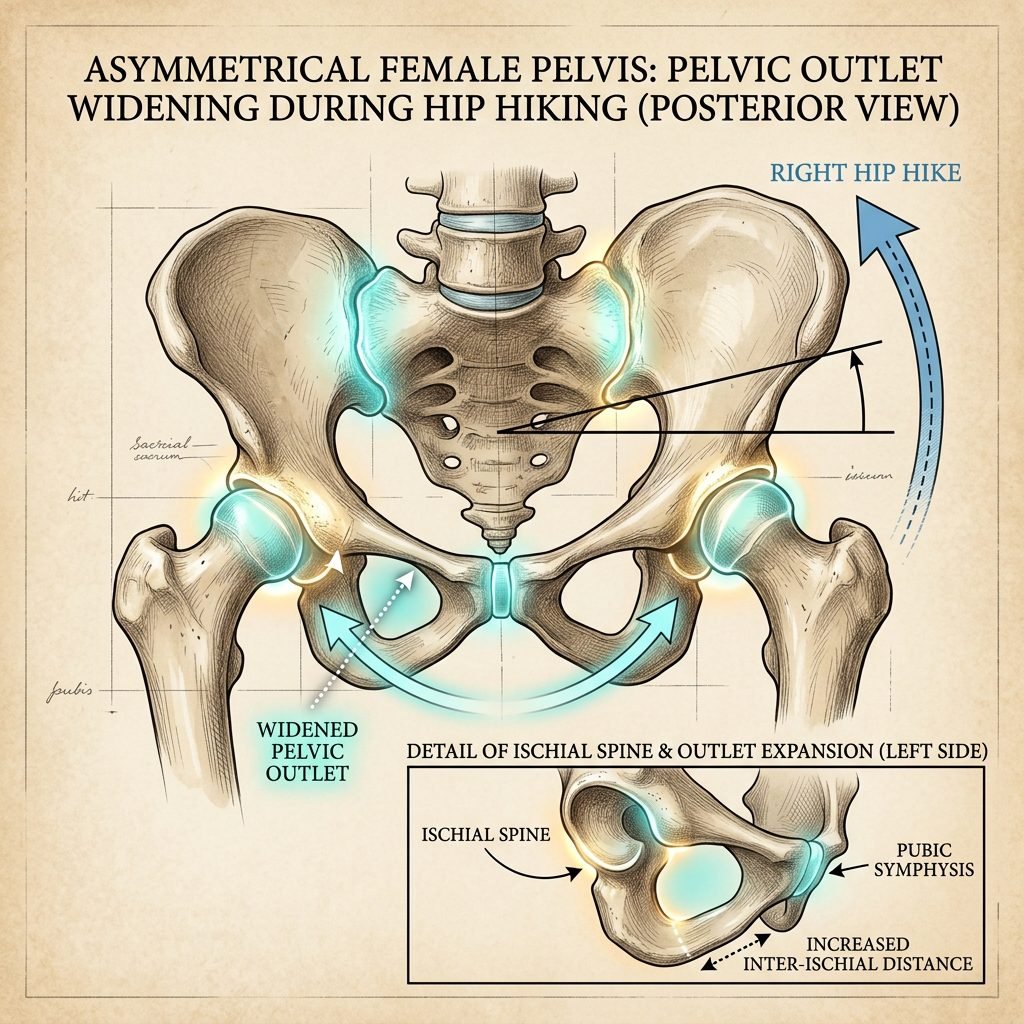
To understand why the Captain Morgan pose is so effective, we first have to look at the anatomy of your beautiful, capable pelvis. Many people think of the pelvis as one big bone, but it’s actually made up of several parts connected by ligaments that soften during pregnancy thanks to the hormone relaxin. During labor, your goal is to help the baby move through three distinct ‘levels’ of the pelvis: the inlet, the mid-pelvis, and the outlet.
Opening the Mid-Pelvis and Outlet
When you stand with both feet flat on the floor, your pelvis is symmetrical. While this is great for stability, it doesn’t do much to change the internal diameters of your birth canal. However, when you lift one leg—as if you’re striking a pose like the famous ‘Captain Morgan’ figure—something magical happens. This asymmetrical movement tilts the pelvis and shifts the pelvic bones (the ilium) in a way that can increase the transverse diameter of the pelvic outlet by up to 2 centimeters. In the world of birth, two centimeters is massive!
By creating this unevenness, you are essentially ‘jiggling’ the lock. It encourages the baby to rotate from a less-than-ideal position (like ‘sunny-side up’ or occiput posterior) into the optimal position for birth. It also gives the baby’s head more room to descend past the ischial spines, which is often where labor can feel ‘stalled.’
“Movement is the fuel of labor. When we change our shape, we change the baby’s path.”
| Pelvic Level | Goal of Movement | How Asymmetry Helps |
|---|---|---|
| Pelvic Inlet | Engaging the head | Tilts the top of the pelvis open |
| Mid-Pelvis | Rotation & Descent | Creates room for the head to turn |
| Pelvic Outlet | Emergence (Pushing) | Widens the bottom opening for birth |
Step-by-Step: How to Master the Captain Morgan Pose
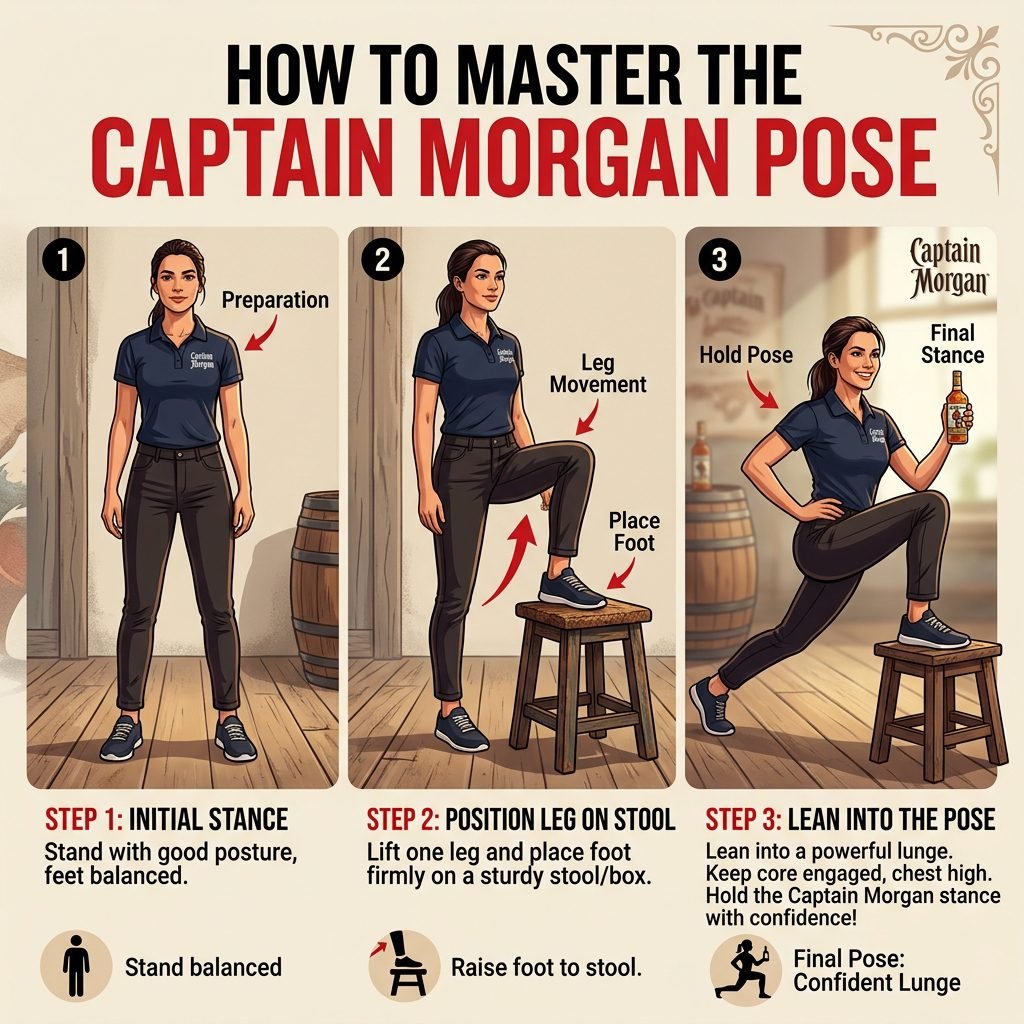
Ready to try it? The beauty of the Captain Morgan is that it can be done almost anywhere—at home, in a hospital room, or even in a birth center hallway. Here is exactly how to perform this move to maximize its effectiveness.
The Basic Setup
- Find Your Support: Stand next to a sturdy chair, a low stool, a stack of firm yoga blocks, or even the side of the hospital bed (lowered to the appropriate height).
- The Lift: Place one foot up on the elevated surface. Your raised knee should be bent at approximately a 90-degree angle.
- The Turn: This is the ‘secret sauce.’ Instead of facing your raised leg straight on, turn your standing foot slightly outward. This opens the hip joint even further.
- The Lunge: As a contraction begins, gently lean your weight into the raised leg. You don’t need to do a deep, painful lunge—just a subtle shift of weight that you can feel in your hip and pelvis.
- The Rhythm: Hold the position through the peak of the contraction, using your breath to send oxygen down to your pelvic floor.
- Switch Sides: After about 3 to 5 contractions, or whenever you feel tired, switch legs. Asymmetry is the goal, but we want to balance the work between both sides of the pelvis.
Pro-Tip for Comfort
If standing feels too taxing, you can achieve a similar effect while sitting on a birth ball. Simply place one foot on a small stool while remaining seated on the ball. This provides the asymmetrical opening while allowing your muscles to rest between contractions.
Timing is Everything: When to Use This Position
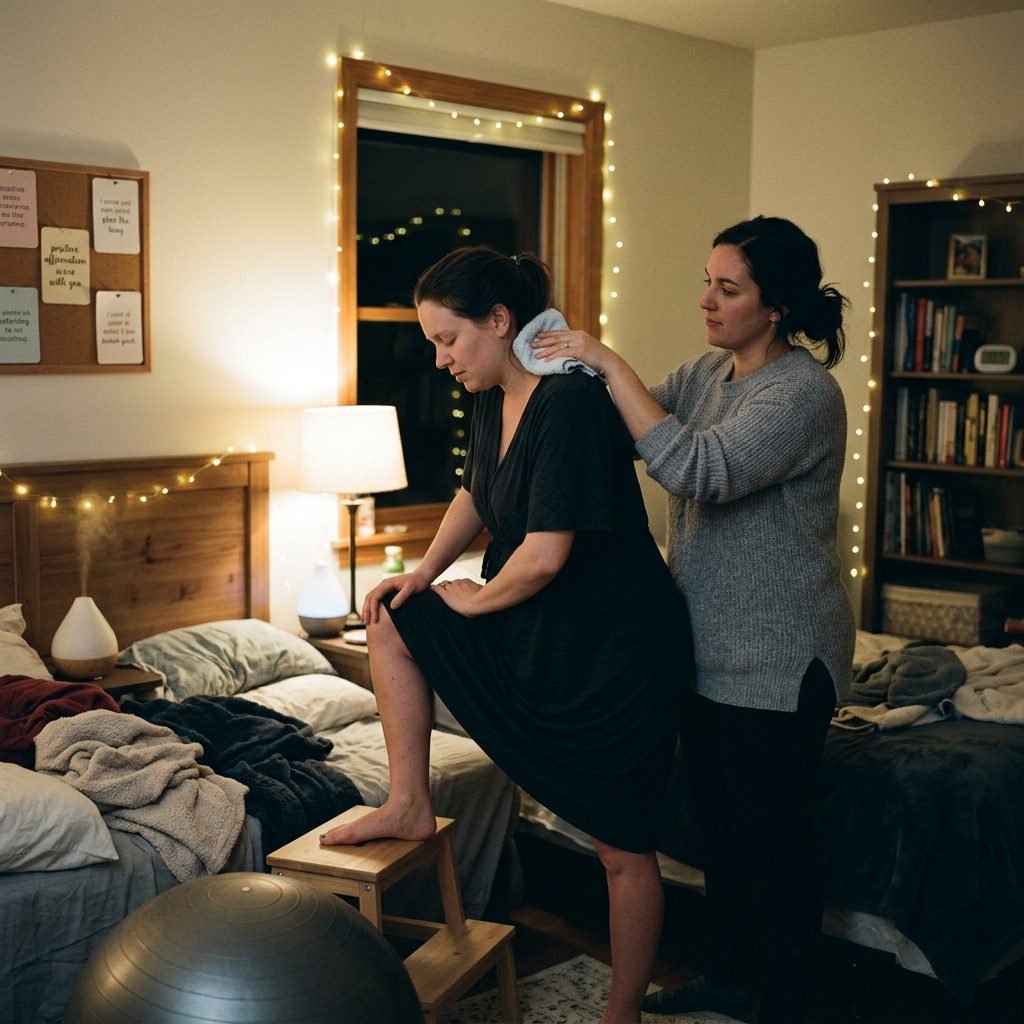
In labor, timing is just as important as technique. Using the Captain Morgan pose at the right phase can help you avoid unnecessary exhaustion and keep your labor progressing smoothly.
Active Labor: The Sweet Spot
The Captain Morgan is most effective during active labor (usually when contractions are 3-4 minutes apart and lasting 60 seconds). This is the stage where the baby is moving from the mid-pelvis down toward the outlet. If you feel like your labor has hit a plateau or if your healthcare provider mentions that the baby is ‘high,’ it’s time to strike a pose!
The ‘Stalled’ Labor Savior
If you find yourself in a ‘stall’—where contractions are strong but dilation isn’t progressing—it’s often because the baby’s head is trying to navigate a tight spot. The Captain Morgan pose acts like a key in a lock. By changing the shape of your pelvis, you might find that your water breaks or that your contractions suddenly become more productive.
| Labor Phase | Should You Use It? | Benefit |
|---|---|---|
| Early Labor | Optional | Good for practice and light movement |
| Active Labor | Highly Recommended | Speeds up descent and rotation |
| Transition | If you have energy | Helps baby clear the final pelvic hurdle |
| Pushing | Modified version | Opens the outlet for the final stage |
Partner Support: How Your Birth Team Can Help
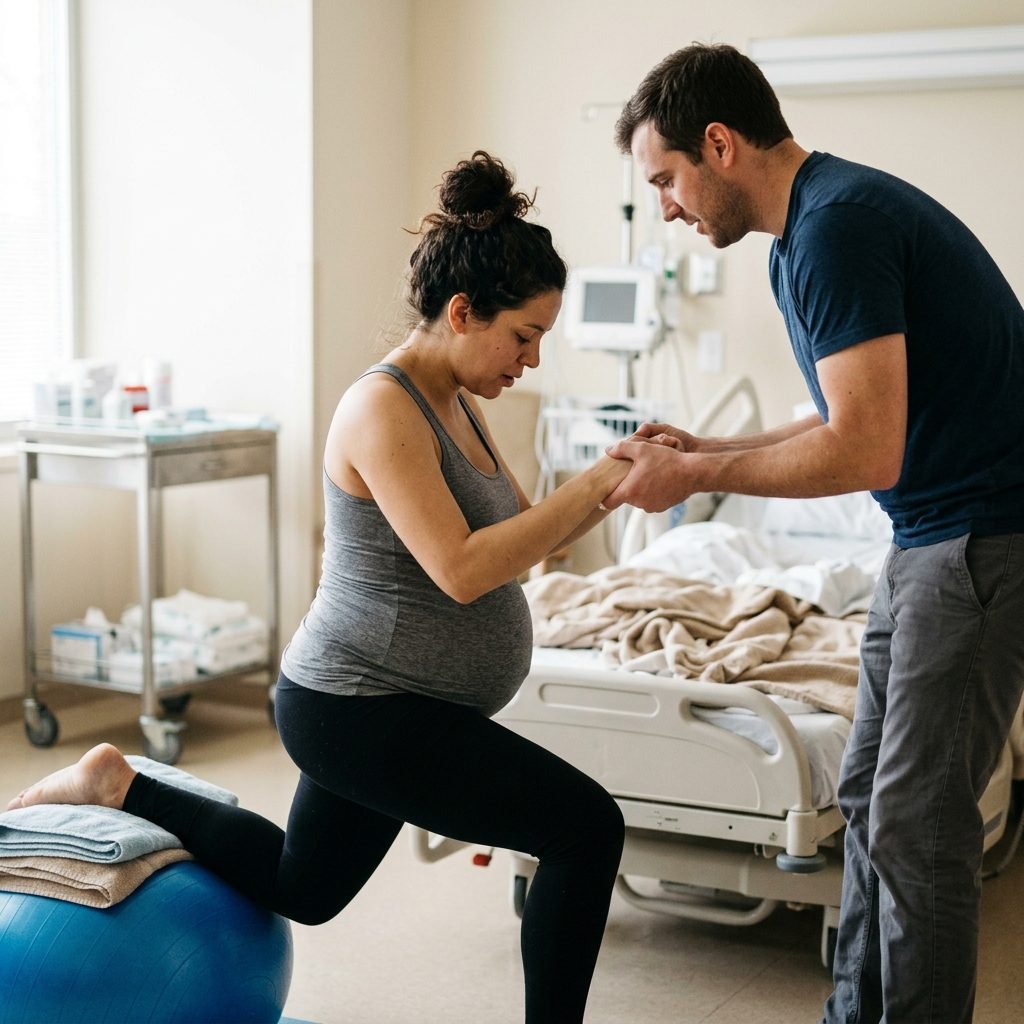
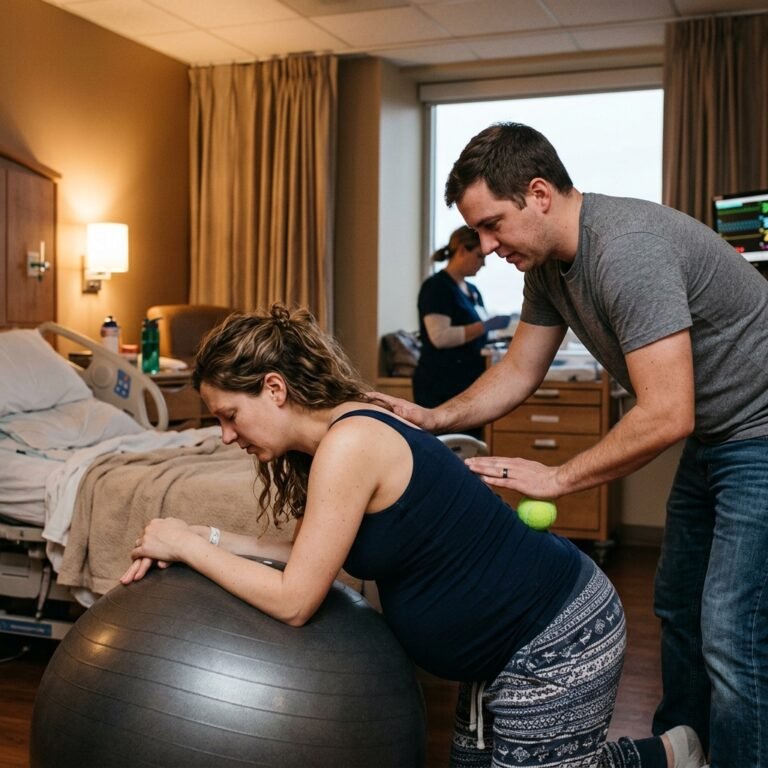
Mama, you don’t have to do this alone. Your partner or doula can play a crucial role in making the Captain Morgan pose more comfortable and effective. When you are deep in ‘labor land,’ having someone to lean on makes all the difference.
Ways for Partners to Assist:
- Be the Anchor: Stand facing the mother and let her wrap her arms around your neck or shoulders for support while she lunges. This allows her to fully relax her upper body.
- The Hip Squeeze: While the mother is in the Captain Morgan pose, the partner can apply a double hip squeeze. By pressing firmly on the outside of the hips, the partner can help relieve pressure and further open the pelvic outlet.
- Counter Pressure: If the mother is experiencing back labor, the partner can use the palm of their hand to apply firm pressure to the sacrum (the base of the spine) while she is lunged forward.
- Hydration Station: Remind her to take small sips of water or coconut water between lunges. Moving takes energy!
“You are doing the hard work of opening. Lean on me, breathe with me, and let your body do what it was born to do.”
Safety and Comfort: Listening to Your Body’s Cues

While the Captain Morgan pose is a fantastic tool, it is essential to listen to your body’s unique signals. Every birth is different, and what feels good for one mama might not feel right for another. Here is a guide to staying safe and comfortable.
Dos and Don’ts for Pelvic Movement
| Do This | Avoid This |
|---|
When to Take a Break
If you feel lightheaded, excessively shaky (beyond the normal ‘labor shakes’), or if the position causes intense discomfort in your pubic bone (which can happen if you have Symphysis Pubis Dysfunction – SPD), please ease out of the position. You can achieve similar asymmetrical benefits by lying on your side with a peanut ball between your knees, which is much gentler on the pelvic joints.
Combining the Pose with Other Techniques

To truly maximize the power of the Captain Morgan, you can stack it with other doula-approved techniques. Think of these as ‘flavor enhancers’ for your labor progress.
The Power of Vocalization
As you lunge, try making low, guttural sounds. High-pitched screaming tends to tighten the throat and, by extension, the pelvic floor. Low ‘mooing’ or humming sounds help to keep the birth canal open and relaxed. It might feel silly at first, but it works wonders!
The ‘Curb Walk’ Variation
If you are in early labor and want to get things moving, you can take the Captain Morgan ‘on the road.’ This is often called curb walking. Simply walk with one foot on the curb and one foot on the street. This creates that same asymmetrical movement with every single step you take. It’s an incredible way to encourage a baby to drop into the pelvis.
Gravity is Your Friend
By staying upright in the Captain Morgan pose, you are allowing gravity to pull the baby downward. This adds several pounds of natural pressure to the cervix, which helps it dilate faster than if you were lying flat on your back.
Conclusion
You Are Ready for This, Mama
The journey of labor is as much about surrender as it is about strength. By using tools like the Captain Morgan pose, you are actively participating in the birth of your child, helping them find their way into your arms. Remember that your pelvis is a masterpiece of engineering, designed to expand and move. Trust the process, trust your body, and don’t be afraid to change your position until you find the one that feels like ‘magic.’
You are a warrior, a creator, and soon, you will be holding your greatest reward. Take a deep breath, strike your pose, and get ready to welcome your baby to the world. You’ve got this!