How to Use the Shaking the Apple Tree Technique to Progress Labor Safely
Welcome to Your Labor Toolkit, Sweet Mama
Hello, beautiful soul. If you are reading this, you are likely preparing for one of the most transformative journeys of your life, or perhaps you are a birth worker looking to add a gentle, effective tool to your support bag. As a doula, I’ve seen firsthand how the body sometimes needs a little ‘nudge’—not a forceful one, but a rhythmic, soothing invitation to let go. That is exactly what the Shaking the Apple Tree technique offers. It is a traditional midwifery and doula practice used to help relax the large muscles of the lower body, release the fascia, and create space for your baby to navigate the pelvic path.
Labor isn’t just about contractions; it’s about yielding. When we are in pain or feeling overwhelmed, our natural instinct is to tighten—our jaws clench, our shoulders rise, and our glutes engage. Unfortunately, a tight bottom often means a tight pelvic floor. By using rhythmic vibration, we can bypass the conscious mind and tell those deep tissues: ‘It is safe to open.’ In this guide, we will explore how to perform this technique safely, the science behind why it works, and how to incorporate it into your birth plan with style and grace.
The Wisdom Behind the Shake: Why It Works
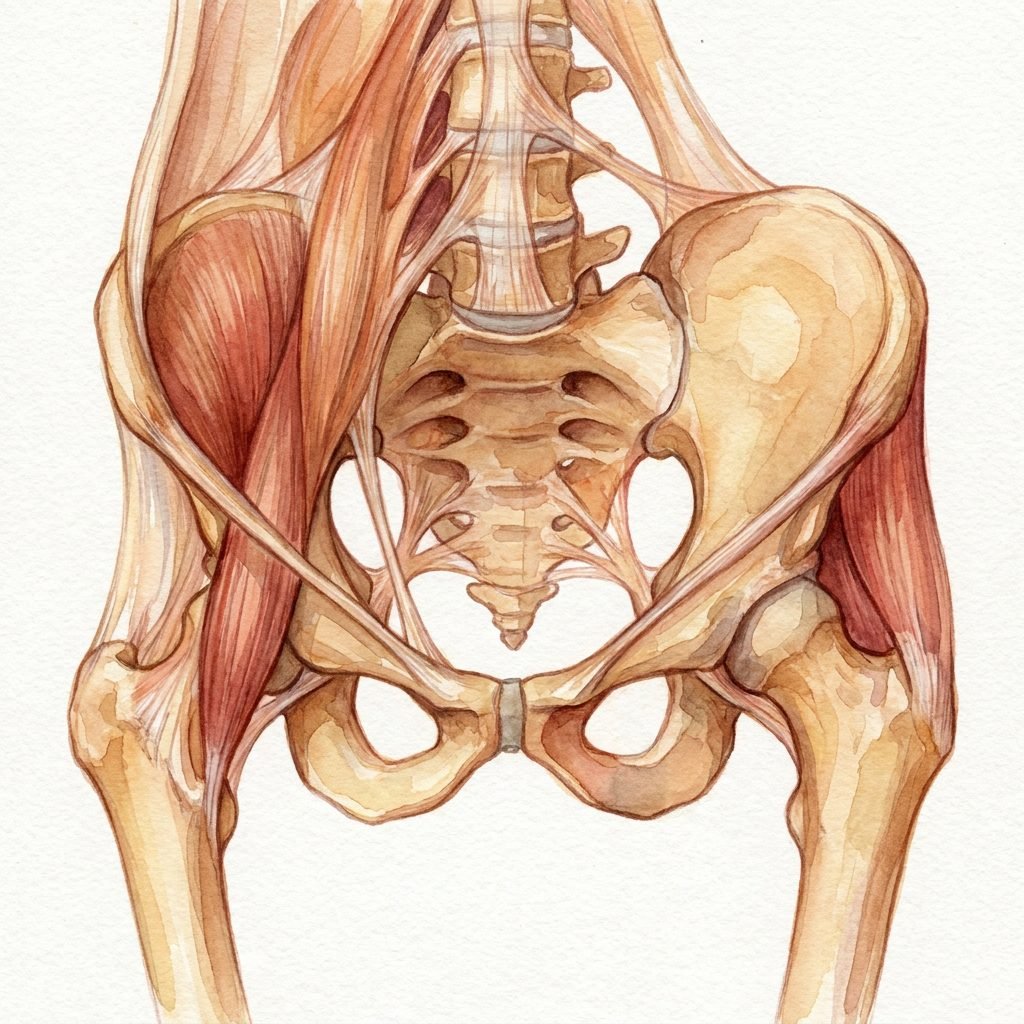
You might be wondering, ‘Why on earth would I want someone to jiggle my bottom during labor?’ It’s a fair question! The Shaking the Apple Tree technique is rooted in the understanding of the body’s myofascial system. Fascia is the connective tissue that wraps around every muscle in your body. When labor stalls or becomes intensely ‘back-heavy,’ it’s often because the fascia or the deep rotators of the hip are holding onto tension.
The Sphincter Law
In the birthing world, we often talk about ‘Ina May’s Sphincter Law.’ This principle states that the sphincters of the body (including the cervix) function best when the woman is relaxed, unobserved, and when her other sphincters (like the mouth and the anus) are also relaxed. By ‘shaking the apple tree,’ we are physically vibrating the gluteus maximus and the surrounding tissues. This vibration sends a signal to the brain to release tension in the entire pelvic region.
- Fascial Release: Rhythmic movement helps hydrate and loosen the fascia, making the tissues more pliable.
- Oxytocin Boost: Physical touch and the rhythmic nature of the movement can help stimulate the production of oxytocin, the ‘love hormone’ that drives labor.
- Baby Positioning: By relaxing the external muscles, we give the baby more room to rotate into an optimal position for birth.
Step-by-Step: How to Perform the Technique

This technique is best performed by a partner or doula while the laboring mother is in a position that allows her muscles to hang loosely. Here is your step-by-step guide to doing it effectively and comfortably.
Preparation and Positioning
- The Mother’s Position: The most common position is on hands and knees (all fours). Use plenty of pillows under the knees and hands to ensure the mother is comfortable. She can also lean over a birth ball or the back of a hospital bed.
- Hand Placement: The partner should stand behind or to the side of the mother. Place your hands firmly but gently on the ‘fleshy’ part of the buttocks (the glutes). Your palms should be flat, and your fingers should be relaxed.
- The Movement: Begin a rhythmic, gentle jiggling motion. Think of it like a bowl of jelly or, as the name suggests, gently shaking a tree to let the apples fall. The movement should be fast enough to create a visible vibration but gentle enough to feel soothing, not jarring.
- The Duration: Continue for 2 to 5 minutes during the rest period between contractions. It is usually best to stop when a contraction begins so the mother can focus on her breathing.
“Remember, mama: your only job is to be like jelly. Let the vibration travel through you, and imagine your pelvic floor melting like butter.”
When to Use the Technique: A Labor Timeline
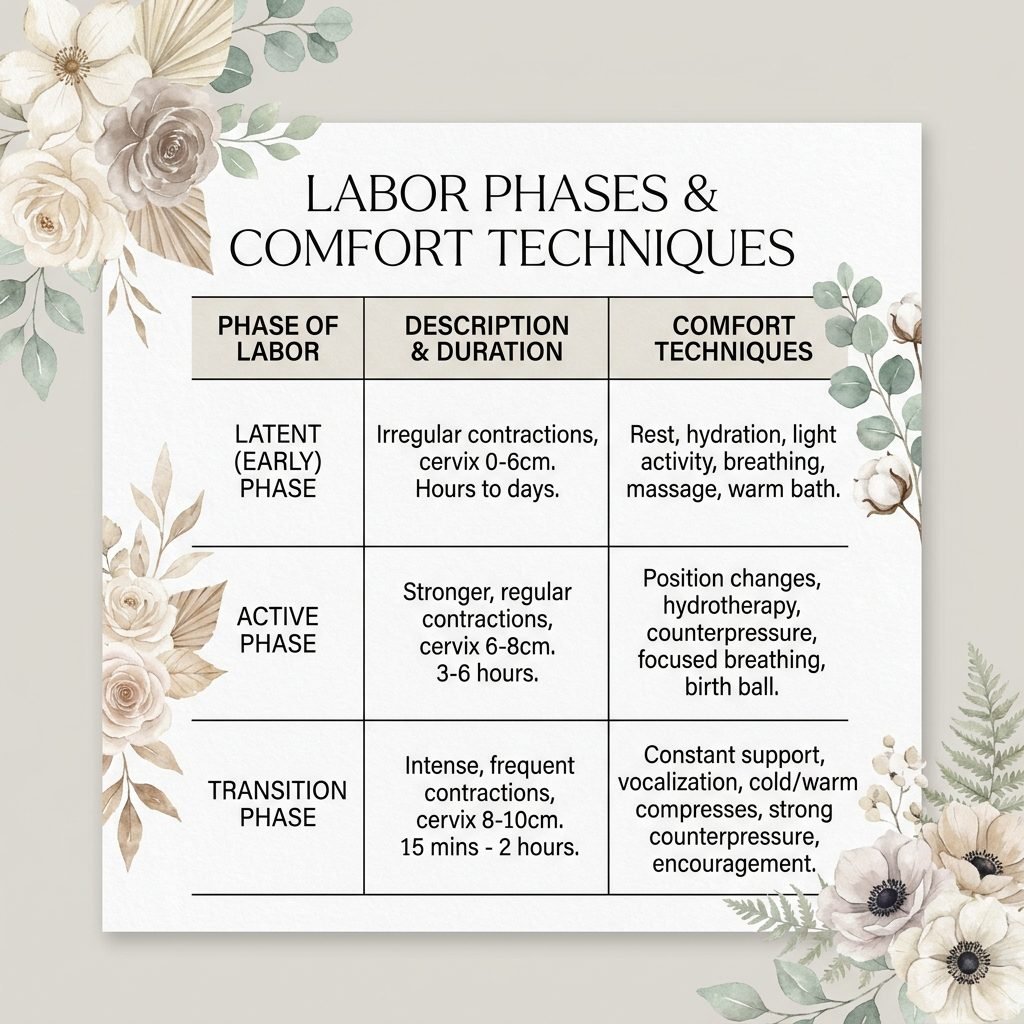
Timing is everything in labor. While ‘Shaking the Apple Tree’ is wonderful, it’s important to know when it will be most beneficial. Below is a guide to help you decide when to implement this tool.
| Labor Phase | Technique Application | Primary Goal |
|---|---|---|
| Early Labor | Gentle, slow jiggling of the thighs and hips. | Relaxation and anxiety reduction. |
| Active Labor | Full glute ‘shake’ between contractions. | Encouraging baby descent and pelvic opening. |
| Transition | Rhythmic, firm vibration or Rebozo sifting. | Pain management and grounding the mother. |
| Pushing Phase | Minimal use; focus on steady support. | Conserving energy for the final effort. |
Always check in with the mother. If she says ‘stop’ or ‘I don’t like that,’ move on to another comfort measure. Labor is dynamic, and what felt good ten minutes ago might feel irritating now—that is perfectly normal!
Safety Precautions and Contraindications

Safety is our absolute priority. While ‘Shaking the Apple Tree’ is generally very safe, there are a few instances where you should exercise caution or skip the technique altogether.
When to Avoid Shaking
- Placenta Previa or Abruption: If there are any known placental issues, avoid any vigorous movement or vibration.
- High-Risk Pregnancy: If your provider has restricted activity or movement, consult them before using this technique.
- Vaginal Bleeding: If there is unexplained bright red bleeding (other than the ‘bloody show’), stop and notify your medical team.
- Aversion to Touch: Many women enter a ‘labor land’ where they prefer not to be touched. Respect her boundaries.
Pro-Tip for Partners: Start very slowly. Watch the mother’s face. If her jaw is clenching or she is pulling away, lighten the pressure. The goal is parasympathetic activation (the ‘rest and digest’ state), not a workout!
The Rebozo Variation: A Stylish Alternative

If the mother prefers not to be touched directly, or if the partner’s hands are getting tired, the Rebozo is your best friend. A Rebozo is a traditional Mexican shawl that can be used for ‘sifting’ the hips, which is a variation of the apple tree technique.
How to Use the Rebozo for Sifting
- Place a long, sturdy scarf or Rebozo under the mother’s hips while she is on hands and knees.
- Hold the ends of the fabric firmly.
- Lift the fabric slightly so it cradles her belly and hips.
- Use a rhythmic, side-to-side motion to jiggle the hips within the fabric.
This method provides a sense of being ‘held’ and can be even more relaxing for some mothers because it distributes the vibration more evenly across the pelvis. Plus, it looks absolutely beautiful in birth photos!
Partner Communication and Affirmations

Communication during labor needs to be simple and grounding. Partners, you are the ‘anchor.’ When you are performing the Shaking the Apple Tree technique, your energy matters as much as your physical touch.
What to Say
Use these gentle scripts to help the mother sink into the relaxation:
“I am here, and I am holding you. Let your hips be heavy.”
“With every shake, imagine your muscles opening like a flower.”
“You are doing the hard work; let me take the tension for a moment.”
Observation Skills
Watch for the ‘ripple effect.’ When you shake the glutes, you should see the vibration travel up the spine and down the thighs. If the vibration ‘stops’ at the lower back, it means she is holding tension there. Gently encourage her to ‘breathe into my hands’ to help that area release.
Conclusion
Embrace the Rhythm of Your Birth
Mama, your body was designed for this. The Shaking the Apple Tree technique is simply a way to remind your muscles of what they already know how to do: open, yield, and release. Whether you use your partner’s hands or a beautiful Rebozo, remember that labor is a dance, and sometimes you just need a little rhythm to keep moving forward.
You are strong, you are capable, and you are surrounded by support. Trust the process, trust your body, and don’t be afraid to ‘shake things up’ if you need to! Wishing you a peaceful, empowered, and beautiful birth experience.