How to Do Butterfly Stretches Daily for an Easier, Faster Labor
Embracing the Power of the Butterfly
Hello, sweet mama. If you are reading this, you are likely navigating the beautiful, transformative, and sometimes physically demanding journey of pregnancy. As a doula, I have spent years witnessing the incredible strength of the female body, and I want to share a secret with you: preparation is the bridge between fear and empowerment. One of the most effective, gentle, and accessible ways to prepare your physical body for the marathon of birth is through the daily practice of the butterfly stretch. This simple movement does more than just stretch your inner thighs; it acts as a key to unlocking the pelvic gateway, allowing your baby to descend more smoothly when the big day arrives.
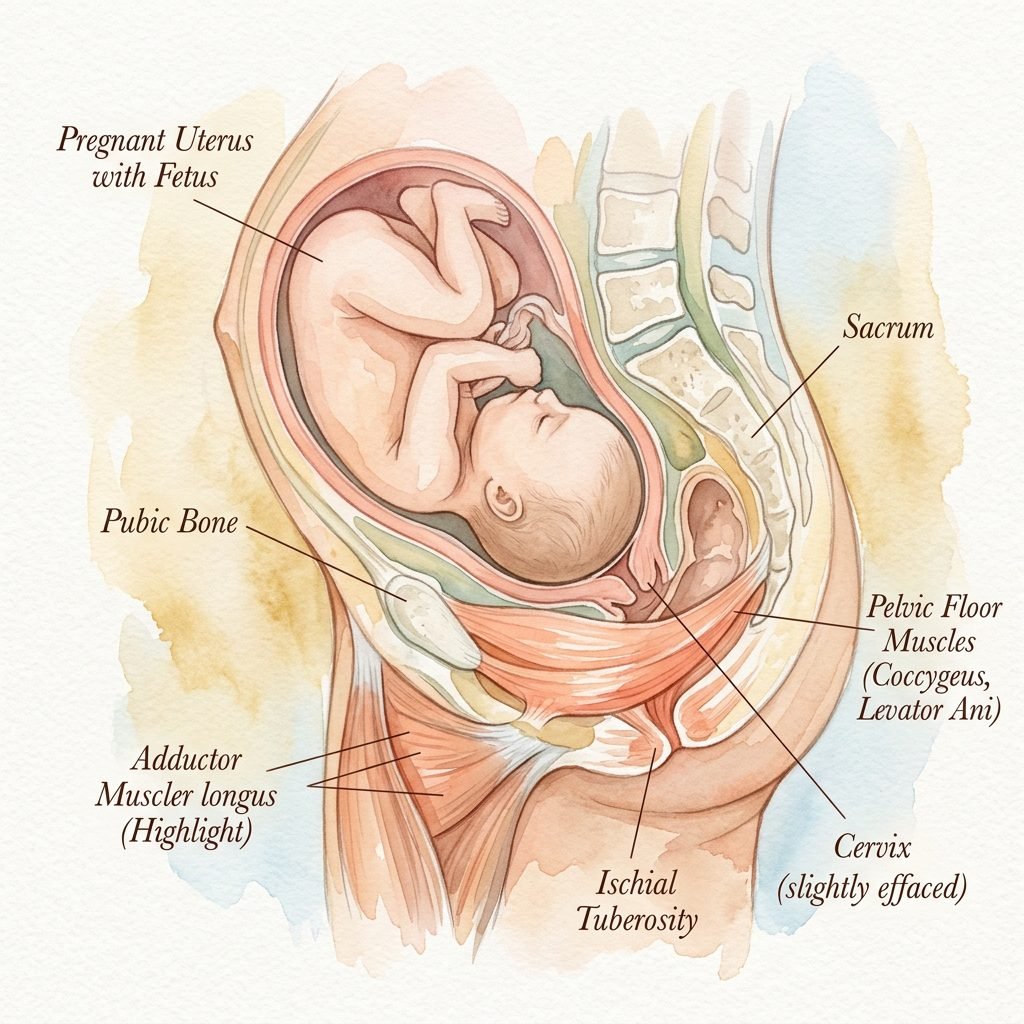
We often think of labor as something that just happens to us, but by incorporating specific movements like the butterfly stretch into your daily routine, you are actively participating in your birth preparation. This stretch targets the adductor muscles, the pelvic floor, and the hip joints, all of which play a starring role during delivery. In this guide, we are going to dive deep into the ‘how’ and ‘why’ of this essential prenatal move, ensuring you feel confident, comfortable, and ready to welcome your little one with grace.
“Your body is a temple of creation, and your pelvis is the sacred portal through which life enters the world. Treat it with movement, breath, and love.”
The Science of Hip Opening: Why the Butterfly Works
Understanding the Anatomy of Birth
To understand why the butterfly stretch is a doula-favorite, we have to look at what happens inside your body during the third trimester. Your body is currently producing a hormone called relaxin, which softens the ligaments and joints in the pelvis to allow for expansion. While this is a biological miracle, it can also lead to tightness in the surrounding muscles as they try to compensate for the extra joint laxity. The butterfly stretch helps to release this tension, specifically in the pelvic girdle.
Benefits for Labor and Delivery
- Increased Pelvic Diameter: By stretching the inner thighs and opening the hips, you help create more space in the pelvic outlet.
- Improved Circulation: This movement encourages blood flow to the reproductive organs and the pelvic floor, which can aid in healing and tissue elasticity.
- Optimal Fetal Positioning: A relaxed and open pelvis makes it easier for your baby to engage in the LOA (Left Occiput Anterior) position, which is often considered the ideal position for a faster labor.
- Pelvic Floor Awareness: This stretch allows you to practice the ‘release’ phase of pelvic floor engagement, which is crucial for the pushing stage of labor.
When you perform this stretch daily, you are essentially ‘oiling the hinges’ of your pelvic gate. Consistency is your best friend here. Even five minutes a day can make a significant difference in how your body handles the intensity of contractions.
Step-by-Step Guide: Mastering the Prenatal Butterfly

How to Perform the Perfect Butterfly Stretch
As your belly grows, your center of gravity shifts, so it is important to perform this stretch with proper alignment and support. Follow these steps for a safe and effective daily ritual:
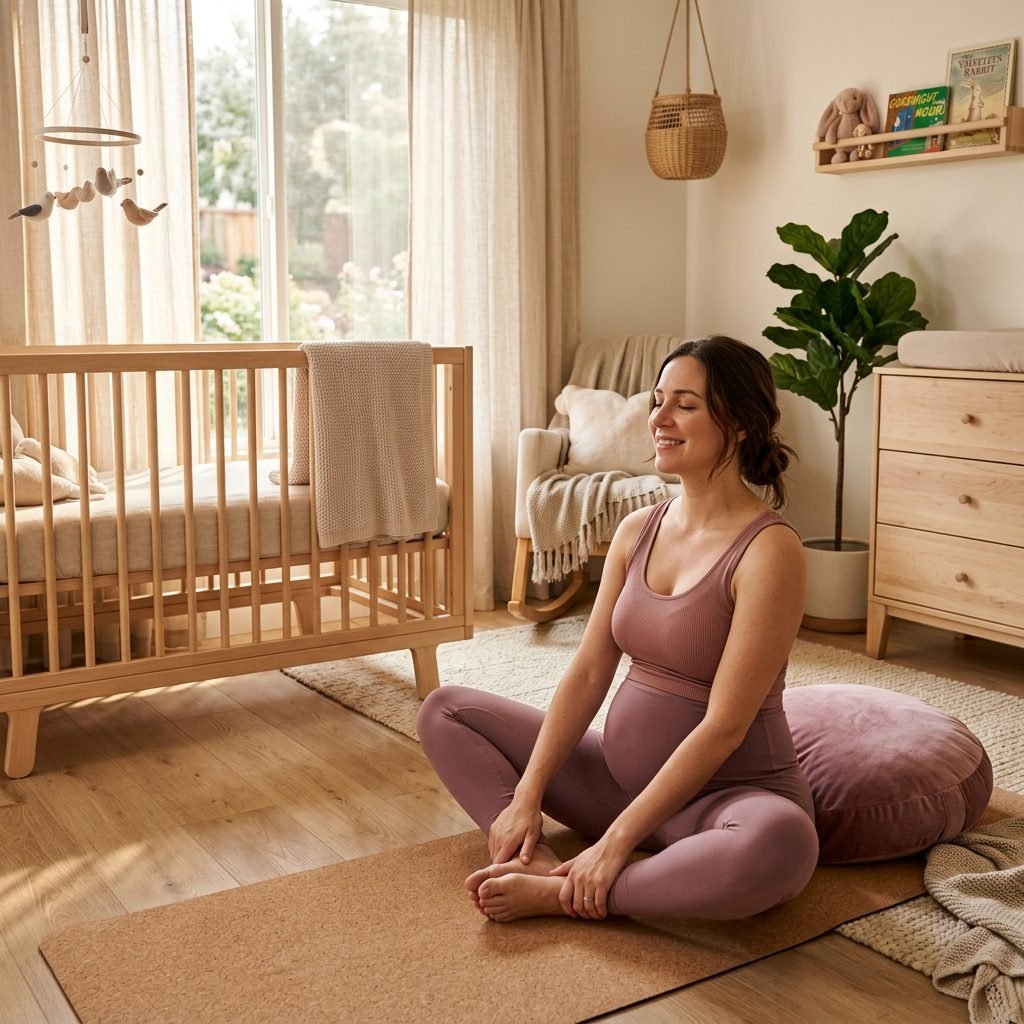
- Find Your Foundation: Sit on a firm but comfortable surface, like a yoga mat or a low-pile rug. If your hips feel very tight or your lower back is rounding, sit on the edge of a folded blanket or a firm yoga block to tilt your pelvis forward.
- Connect the Soles: Gently bend your knees and bring the soles of your feet together. Let your knees fall outward toward the floor.
- Adjust the Distance: You do not need to pull your heels all the way to your groin. In fact, during pregnancy, a diamond shape (with feet further away) is often more comfortable and safer for the pubic symphysis.
- Elongate the Spine: Imagine a silver thread pulling the crown of your head toward the ceiling. Keep your shoulders relaxed and away from your ears.
- The Gentle Press: Place your hands on your ankles or shins. Avoid pressing down on your knees with force. Instead, let gravity do the work, or use your elbows to apply very light pressure to the inner thighs.
- Breathe and Release: Inhale deeply through your nose, expanding your belly, and exhale slowly through pursed lips. With every exhale, visualize your pelvic floor softening and opening like a blooming flower.
“Inhale peace, exhale tension. My body knows how to open. I trust the process of birth.”
Trimester-by-Trimester Modifications and Props
Adapting the Stretch as You Grow
Every stage of pregnancy brings new physical sensations. What feels good at 12 weeks might feel different at 38 weeks. Here is how to style your stretch for comfort and safety at every stage:
| Trimester | Focus | Modification/Prop |
|---|---|---|
| First Trimester | Habit Building | Focus on spinal alignment; no props usually needed. |
| Second Trimester | Deepening the Opening | Use a yoga bolster behind the back for a reclined version to relieve lower back pressure. |
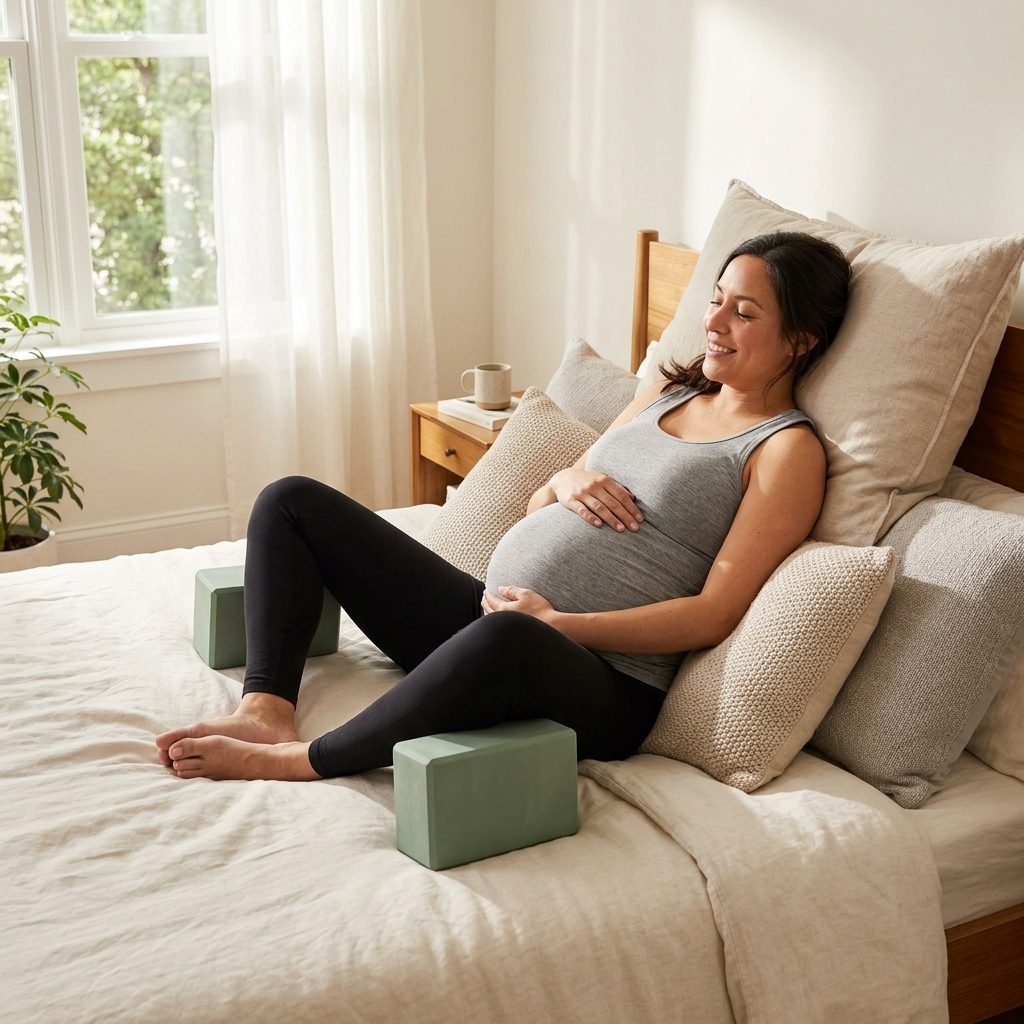
| Third Trimester | Comfort & Gravity | Place yoga blocks or firm pillows under each knee to prevent overstretching the ligaments. |
The Reclined Butterfly (Supta Baddha Konasana)
For many mamas in the third trimester, sitting upright can be tiring. The reclined butterfly is a luxurious alternative. Use a bolster or a stack of pillows to create a ramp. Lean back so your torso is supported at a 45-degree angle (avoid lying flat on your back after 20 weeks to prevent vena cava compression). This position allows you to stay in the stretch longer, perhaps while listening to a birth affirmation track or a guided meditation.
The Doula’s Labor Prep Roadmap: Positions for Every Phase

Beyond the Stretch: Movement During Labor
The butterfly stretch is incredible preparation, but how does it translate to the labor room? Use this table to understand which movements pair best with the different phases of your labor journey.
| Labor Phase | Goal | Best Position |
|---|---|---|
| Early Labor | Conserve Energy | Sitting Butterfly: Keeps the pelvis open while you rest between early contractions. |
| Active Labor | Encourage Descent | Assisted Squat: Using a partner or a birth bar to open the pelvic outlet further. |
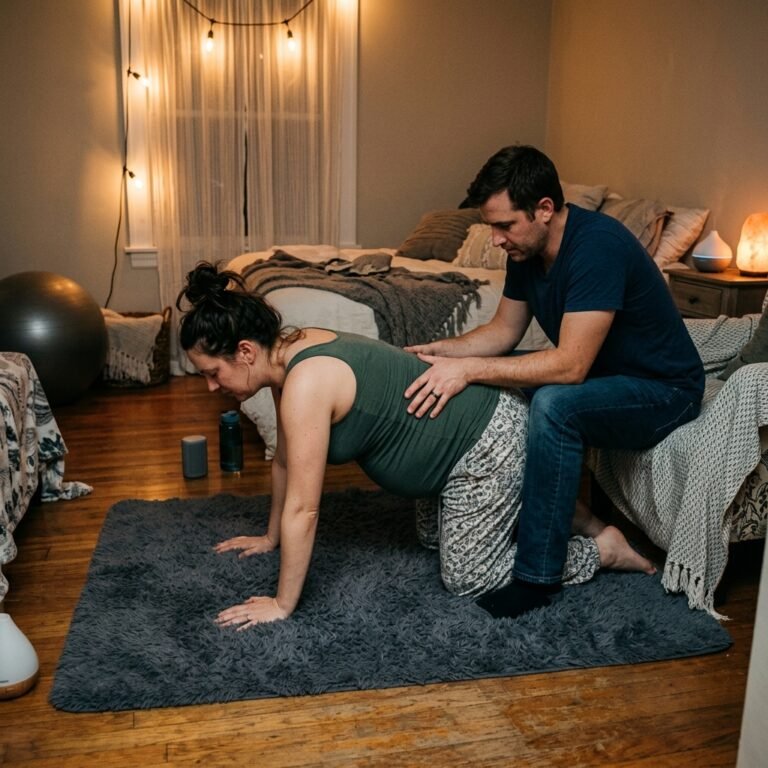
| Transition | Intensity Management | Hands and Knees: Relieves back pressure and allows for pelvic rocking. |
| Pushing | Delivery | Side-Lying or Upright Squat: Maximizes the space for the baby to emerge. |
Pro-Tip: During early labor, you can perform a ‘modified butterfly’ while sitting on a birth ball. Gently bounce or make small circles with your hips while keeping your feet wide and soles angled toward each other. This combines the benefits of the stretch with the rhythmic movement that helps baby descend.
Safety, Precautions, and Listening to Your Body

When to Modify or Pause
While the butterfly stretch is generally very safe, pregnancy requires us to be deeply in tune with our bodies. There are a few conditions where you should exercise caution:
- Symphysis Pubis Dysfunction (SPD): If you feel a sharp, shooting pain in your pubic bone or groin when your legs are apart, avoid the butterfly stretch. Instead, keep your legs parallel and focus on gentle pelvic tilts.
- Sciatica: If the stretch causes tingling or numbness down your leg, adjust your position or sit higher on a cushion.
- Overstretching: Because of the relaxin in your system, it is easy to stretch too far without realizing it. Never push to the point of pain; a gentle pull is all you need.
Always consult with your midwife or OBGYN before starting a new exercise routine, especially if you have a history of preterm labor or cervical issues. Remember, mama, the goal is comfort and preparation, not flexibility for the sake of a photo. If it doesn’t feel right today, honor that feeling and rest.
Conclusion
Your Journey to an Empowered Birth
Mama, you are doing an incredible job. Preparing for labor isn’t just about the big moments; it’s about the small, daily acts of love you show your body and your baby. By committing to just a few minutes of butterfly stretches each day, you are building the physical and mental stamina needed for the beautiful transformation of birth. You are softening, you are opening, and you are preparing the way for your little one. Trust your body, lean into the stretch, and know that you have the strength of a thousand mothers within you. You’ve got this!