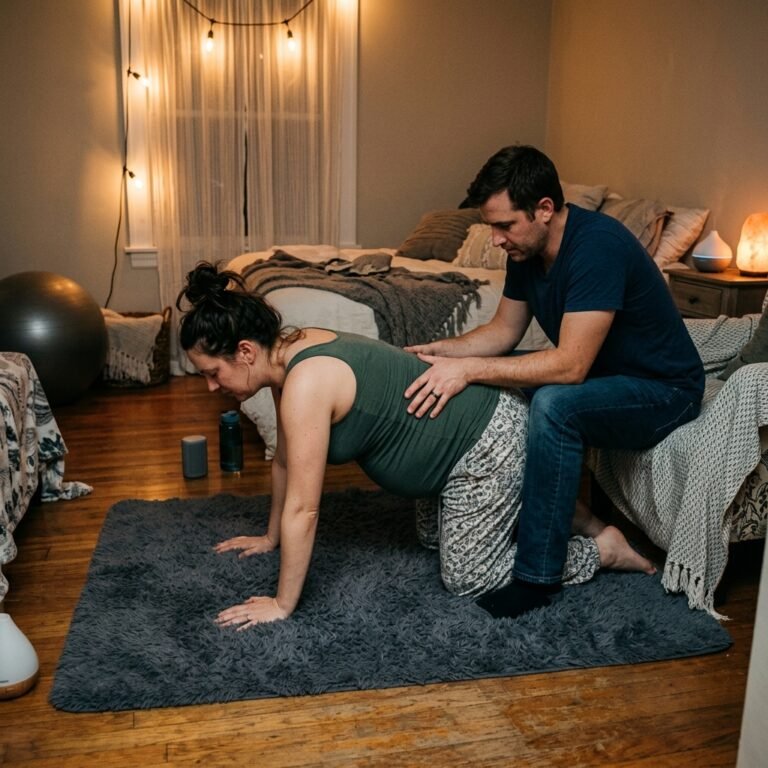

What to Include in Your Water Birth Preferences List Template
Welcome, beautiful mama. If you are reading this, you are likely dreaming of a peaceful, buoyant, and empowering water birth. As a doula and maternal wellness companion, I am here to tell you that utilizing hydrotherapy—often lovingly called the ‘natural epidural’—is one of the most incredible, evidence-based ways to manage active labor. The warm water soothes aching muscles, increases your body’s natural oxytocin production, and provides a sense of weightlessness that allows you to move freely through your contractions.
But here is the doula secret to a truly transformative water birth: meticulous preparation. A standard birth plan is wonderful, but a water birth requires a highly specific set of preferences. You need a dedicated Water Birth Preferences List Template to ensure your birth team, your partner, and your providers are all on the exact same page regarding safety, ambiance, and delivery protocols.
In this comprehensive, sisterly guide, we are going to walk through exactly what you need to include in your preferences list. From the precise temperature of the water to the magical moment your sweet baby breaches the surface and is placed on your chest, we will cover every detail. Grab a warm cup of red raspberry leaf tea, get cozy in your favorite spot, and let us design your sacred birth space together.
Setting the Scene: Crafting Your Sacred Water Birth Environment
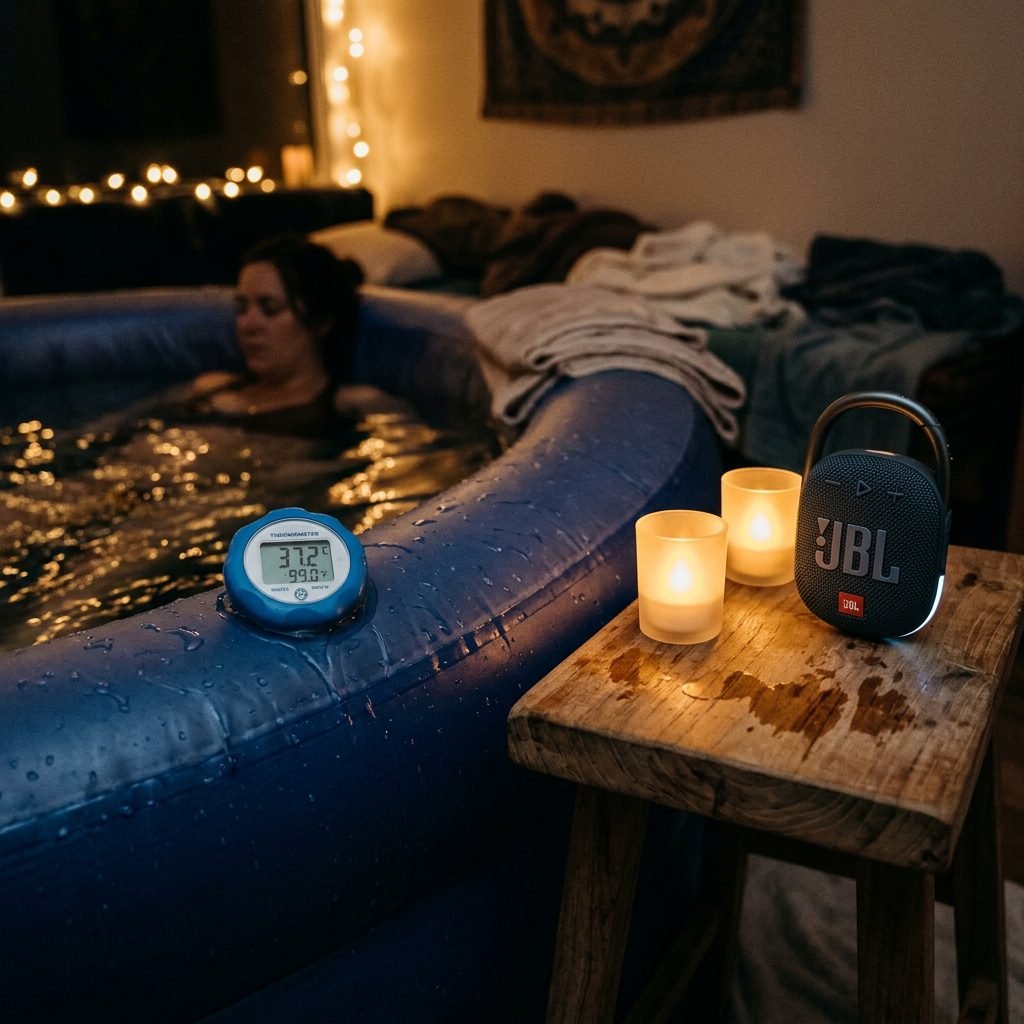
When you step into your birth pool, you are stepping into your own private sanctuary. The environment outside the tub directly impacts your hormonal flow inside the tub. To keep your oxytocin (the hormone of love and labor) high and your adrenaline (the fight-or-flight hormone that stalls labor) low, your preferences list must address the sensory details of your birthing room.
Lighting and Atmosphere
Bright, clinical lights can immediately pull you out of your labor zone. In your preferences list, specifically request dim lighting. If you are in a hospital, ask that the overhead fluorescent lights remain off and that your nurses use softer spotlighting or the natural light from a window. Bring battery-operated LED candles or fairy lights to place around the edge of the tub or the room.
Sound and Scent
Water amplifies your sensory experience. Detail your preferences for auditory and olfactory comfort. Do you want a specific birthing playlist playing softly on a waterproof Bluetooth speaker? Do you prefer absolute silence during contractions? If your facility allows it, mention your preferred essential oils (like lavender for relaxation or sweet orange for energy) to be diffused in the room—never directly in the birth pool water, as this can irritate your baby’s delicate skin and eyes upon birth.
Protecting the Space
Your partner is your gatekeeper. Include a clear directive in your template about who is allowed to speak to you while you are in the water. Often, mamas in the tub enter a deep, meditative state. Here is a script you can include in your preferences list for your partner to use:
“Please direct all non-emergent medical questions, logistical inquiries, and updates to my partner or doula. We ask that the room remains as quiet and calm as possible while I am laboring in the water. If you need to check my vitals, please do so gently and between contractions.”
Hydrotherapy in Action: Positions and Partner Support
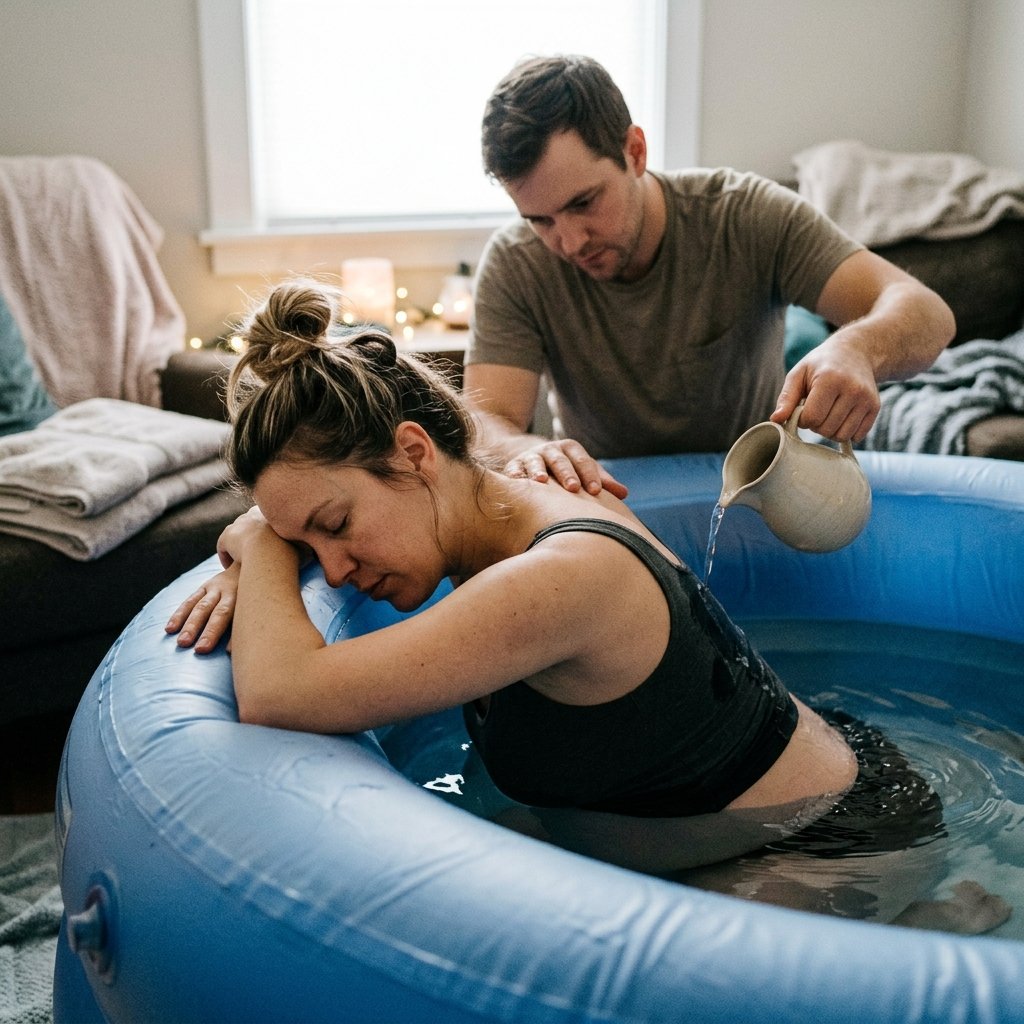
One of the greatest benefits of a water birth is the profound freedom of movement it offers. The buoyancy of the water supports your weight, taking immense pressure off your pelvis, back, and joints. Your preferences list should outline how you plan to move and how your partner and doula can support you physically while you are in the tub.
Step-by-Step Water Labor Positions
Include a section in your preferences that notes you wish to intuitively move through various positions. Here are the most effective water birth positions to practice and list:
- The Forward Lean: Kneel on the soft bottom of the pool and lean your chest and arms over the inflated edge of the tub. This is excellent for resting between contractions and gives your partner perfect access to your back for counter-pressure.
- The Supported Squat: Squatting in the water opens your pelvis by up to 30 percent. Hold onto the sides of the tub or have your partner sit outside the tub, supporting your arms as you squat during a surge.
- The Mermaid Float: Lie back with your belly completely submerged, resting your head on a waterproof bath pillow. Let your legs float freely. This is a wonderful position for the resting phase between intense active labor contractions.
- The Hands and Knees: Being on all fours in the water is incredibly effective for relieving back labor and helping a posterior baby rotate into an optimal birthing position.
Partner Support Directives
Your partner needs to know exactly what to do when you are in the water. Add these specific partner tasks to your preferences list:
- Hydration Duty: “My partner will offer me a sip of coconut water or electrolyte drink from a straw after every single contraction. The warm water can cause dehydration quickly.”
- Temperature Control: “My partner will use cool washcloths on my forehead and the back of my neck to keep me from overheating while in the tub.”
- Water Pouring: “During contractions, my partner or doula will use a small plastic pitcher to continuously pour warm water over my lower back or belly for pain relief.”
The Non-Negotiable Logistics: What Needs to Be on Paper
While we love to focus on the beautiful ambiance of a water birth, the clinical logistics are equally important. Whether you are at a hospital, a birth center, or at home, your care providers need to know your preferences regarding the medical protocols of hydrotherapy. Being clear about these logistics ensures a safe, evidence-based experience.
When to Enter the Pool
Timing is everything. Entering the birth pool too early in labor can sometimes slow down contractions. Evidence suggests the optimal time to enter the water is during active labor, typically when you are dilated to 5 to 6 centimeters and contractions are strong and regular. State your preference clearly: “I prefer to wait until active labor is well established before entering the birth pool, and I will rely on my doula and provider’s guidance to time this correctly.”
Monitoring in the Water
Your baby’s heart rate will need to be monitored while you are in the tub. Request intermittent fetal monitoring using a waterproof Doppler. This allows your provider to listen to the baby’s heart rate without requiring you to step out of the warm water. State clearly: “I consent to intermittent fetal monitoring using a waterproof Doppler while I remain in the pool, provided both baby and I are tolerating labor well.”
Backup Plans and Exiting the Tub
Birth is wildly unpredictable, and flexibility is your greatest tool. There are several reasons you might need or want to exit the tub—perhaps you feel too hot, your labor stalls, or your provider recommends it for safety. Acknowledge this in your plan. Create a matrix of your preferences based on different scenarios so your team knows exactly what to do.
| Labor Scenario | Water Birth Preference & Protocol |
|---|---|
| Active Labor Progressing Well | Remain in the tub, intermittent waterproof Doppler monitoring every 15-30 minutes, partner provides hydration. |
| Labor Stalls or Slows Down | Will exit the tub temporarily to walk, use the peanut ball, or try nipple stimulation before re-entering. |
| Maternal Exhaustion or Overheating | Will exit the tub for a cool shower or rest on the bed. Keep the pool water at exactly 97°F to 100°F to prevent maternal fever. |
| Provider Recommends Exiting for Safety | Will follow provider guidance to exit the tub immediately. Request warm towels and a seamless transition to the bed. |
The Golden Moment: Delivery and Immediate Postpartum Preferences

The moment you have been working so hard for has arrived. Pushing and delivering in the water is a gentle, peaceful transition for your baby. They move from the warm amniotic fluid directly into the warm water of the birth pool. However, the exact mechanics of how your baby is caught and handled in those first few seconds must be explicitly stated in your preferences list.
Catching the Baby
Who is going to catch your baby? Many mothers choose to reach down and catch their baby themselves, bringing the baby directly to their chest. Others prefer their partner to catch the baby, or they feel most comfortable having their midwife or OBGYN guide the baby out. Detail your exact preference: “If all is well, I would like to catch my baby myself and bring them directly to my chest, with my provider’s hands-off guidance.”
Bringing Baby to the Surface
When a baby is born in the water, they still receive oxygen through the umbilical cord and do not take their first breath until their face meets the cool air. It is standard safety protocol to bring the baby’s face to the surface of the water gently but immediately. State your preference for this transition, ensuring that once the baby’s head is above water, it is never submerged again.
Delayed Cord Clamping and Placenta Delivery
Delayed cord clamping is highly beneficial, allowing your baby to receive vital blood, iron, and stem cells. Because you are in the tub, the logistics of this need to be clear. Include a statement like: “We request delayed cord clamping until the umbilical cord has completely stopped pulsing and has turned white.”
Regarding the placenta, most hospitals and birth centers require you to exit the birth pool to deliver the placenta. This is because it is difficult to accurately measure maternal blood loss in a tub of water. Be prepared for this transition. Request that your partner or doula have warm, dry blankets ready to wrap around your shoulders as you hold your baby to your chest and carefully step out of the tub to move to the bed.
Your Copy-Paste Water Birth Preferences Template
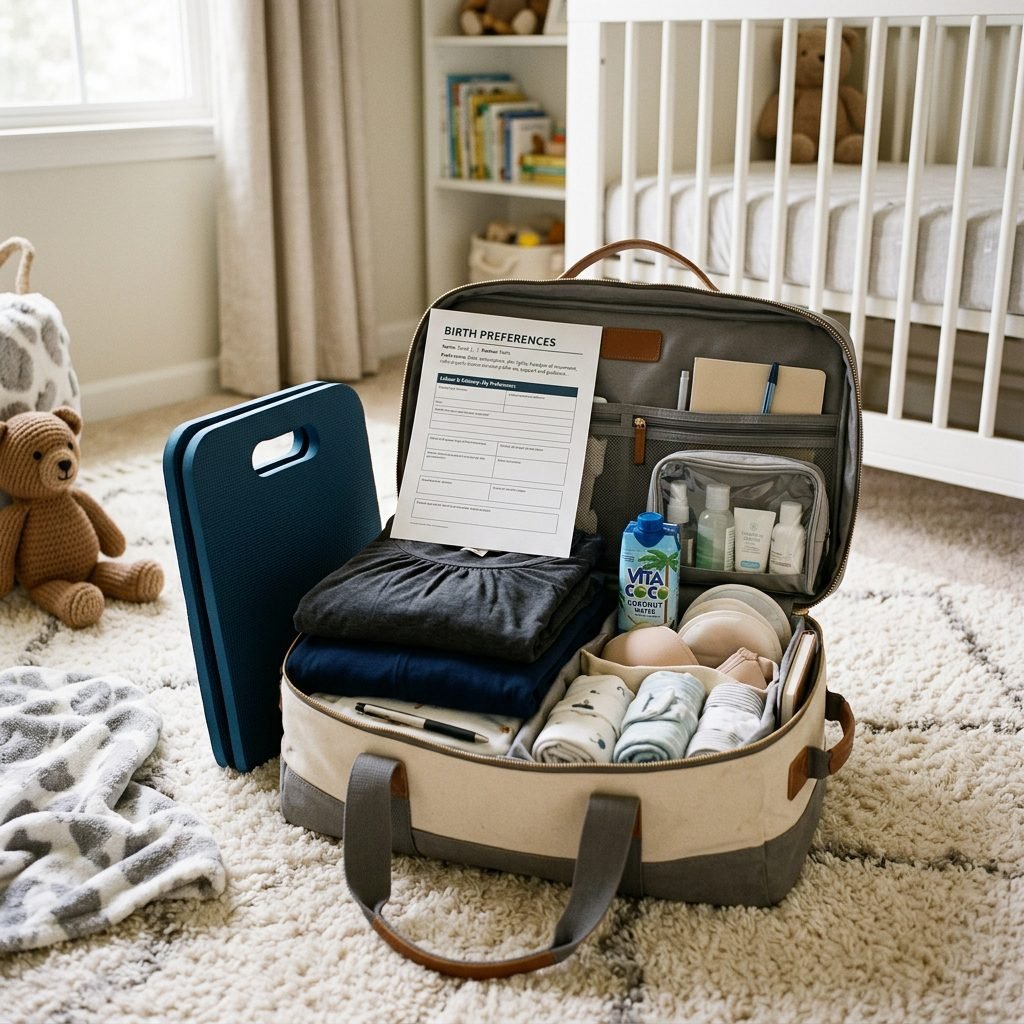
To make your preparation as seamless and stress-free as possible, I have created a comprehensive, sisterly, and highly professional template. You can copy this text directly, edit it to fit your unique desires, and hand it to your care provider at your next prenatal visit. Keep it to one page, use an easy-to-read font, and bring multiple copies in your hospital bag.
Water Birth Preferences for [Your Name]
Due Date: [Date]
Partner/Support Person: [Name]
Doula: [Name]
Provider/Midwife: [Name]Dear Birth Team,
Thank you so much for supporting us during this incredible journey. We are planning for an unmedicated water birth. We understand that birth is unpredictable, and we trust you to guide us if medical intervention becomes necessary for the safety of myself or our baby. If all is progressing normally, please honor the following preferences:Environment & Atmosphere:
– Please keep the room lighting as dim as possible.
– We will be playing soft music; please keep voices low and calm.
– Please direct all non-emergent questions to my partner or doula.Labor & Monitoring in the Water:
– I prefer to labor intuitively and change positions frequently.
– Please use a waterproof Doppler for intermittent fetal monitoring so I do not have to exit the tub.
– My partner will manage the water temperature, keeping it between 97°F and 100°F.
– Please limit vaginal exams, and if necessary, allow me to consent before proceeding.Delivery & Immediate Postpartum:
– I would like to catch the baby myself or have my partner catch the baby under your guidance.
– Please allow for physiological delayed cord clamping until the cord is completely white and limp.
– I prefer immediate, uninterrupted skin-to-skin contact in the tub before exiting to deliver the placenta.
– Please delay all routine newborn procedures (weighing, measuring, eye ointment) until after the first golden hour and our first breastfeeding session.Thank you for your warmth, expertise, and respect for our birth space!
To help you pack and prepare, here is a quick checklist of items you must bring to support your water birth preferences:
| Water Birth Supply Item | Purpose & Importance |
|---|---|
| Swimsuit Top or Sports Bra | For comfort and modesty in the tub (though going naked is perfectly fine and encouraged!). |
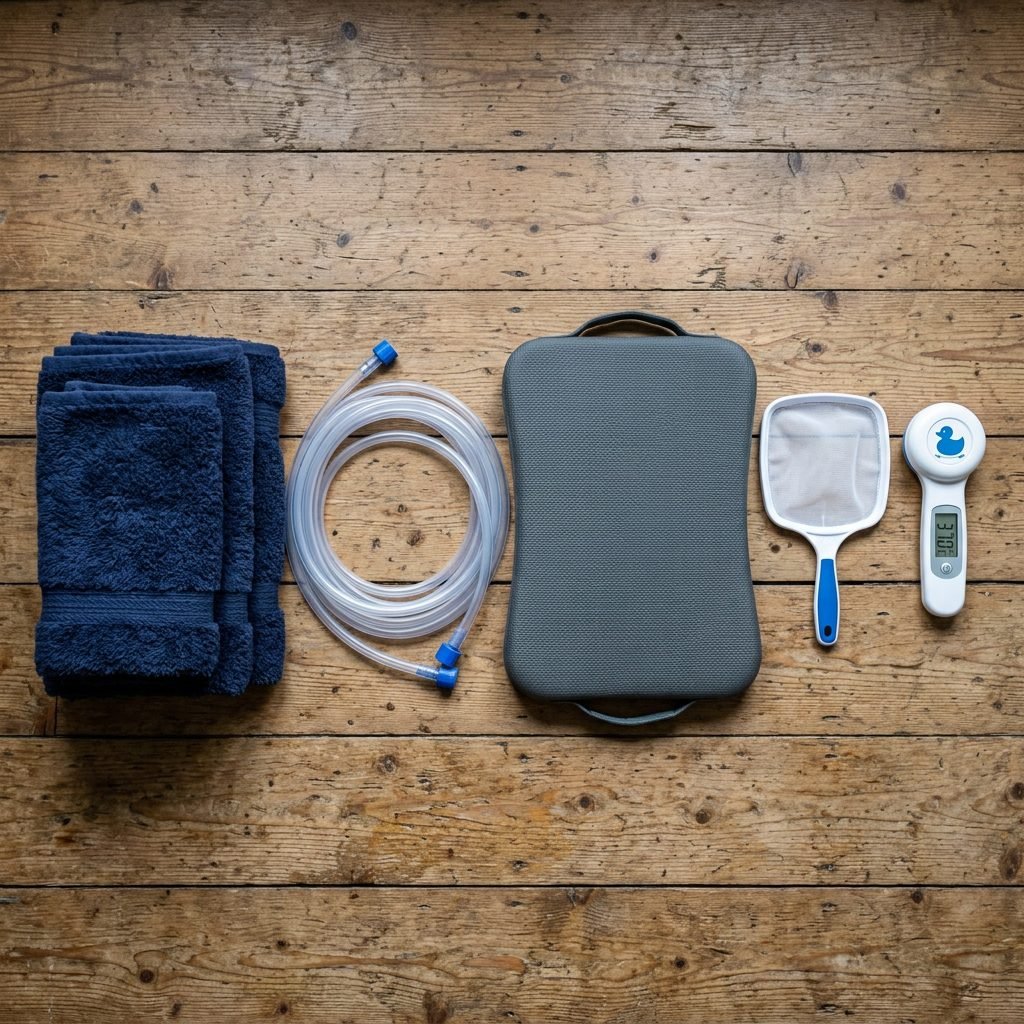
| Floating Pool Thermometer | Crucial to ensure the water stays strictly between 97°F to 100°F to prevent overheating. |
| Waterproof Kneeling Pad | To protect your knees from the hard bottom of the tub during hands-and-knees laboring. |
| Dark-Colored Towels | Provide at least 3-4 warm, dark towels for exiting the tub (dark colors hide blood and stains). |
| Electrolyte Drinks & Flexible Straws | Essential for keeping you hydrated without needing to lift your head or change positions. |
Conclusion
Designing your Water Birth Preferences List Template is an act of profound self-love and empowerment. By putting your desires on paper, you are taking ownership of your body, your baby, and your birthing experience. Remember, sweet mama, birth is a fluid journey. Even with the most meticulous planning, the waves of labor may take you in an unexpected direction. If you end up needing to leave the tub, or if your water birth transforms into a bed birth or a cesarean, you have not failed. You are incredibly strong, and your ability to adapt is your very first act of spectacular motherhood.
Surround yourself with a birth team that respects your voice, lean into the support of your partner and doula, and trust that your body knows exactly what to do. You are ready for this. Wishing you a beautiful, peaceful, and deeply empowering birth day.