

How to Create a Birth Plan for a High-Risk Pregnancy
Reclaiming Your Birth Story in a High-Risk Journey
Mama, first, take a deep breath. Hearing the term high-risk can feel like a heavy weight, often sparking a whirlwind of anxiety and a sense that your birth experience is no longer in your hands. But I want you to know something vital: your voice matters just as much now as it would in any other pregnancy. A high-risk label is simply a signal for extra care, not a reason to surrender your autonomy.
As your sisterly doula guide, I’m here to tell you that you can still have a beautiful, sacred, and empowering birth. Creating a birth plan for a high-risk pregnancy isn’t about controlling every second—it’s about communication, preparation, and partnership with your medical team. We are going to bridge the gap between medical necessity and your personal soul-needs, ensuring you feel safe, heard, and respected throughout the process.
Understanding the ‘High-Risk’ Landscape with Compassion

Knowledge is the antidote to fear. When we understand why a pregnancy is labeled high-risk, we can better navigate the medical requirements while keeping our comfort a priority. Whether it is gestational diabetes, preeclampsia, multiples, or a pre-existing condition, each scenario has its own set of ‘standard’ protocols. Our goal is to look at these protocols and find where your personal preferences can live alongside them.
Common High-Risk Scenarios & Proactive Mindsets
- Gestational Diabetes: Focus on movement during labor to help manage blood sugar.
- Preeclampsia: Prioritize a calm, low-stimulation environment to keep blood pressure stable.
- Multiples: Discuss positions for delivery that accommodate more than one baby while still honoring your physical comfort.
- Previous C-Section (VBAC): Focus on monitoring that allows for as much mobility as possible.
Your ‘high-risk’ status is a roadmap for safety, but you are still the driver of the vehicle. We are just choosing the safest route together.
The ‘Safety First, Soul Second’ Framework
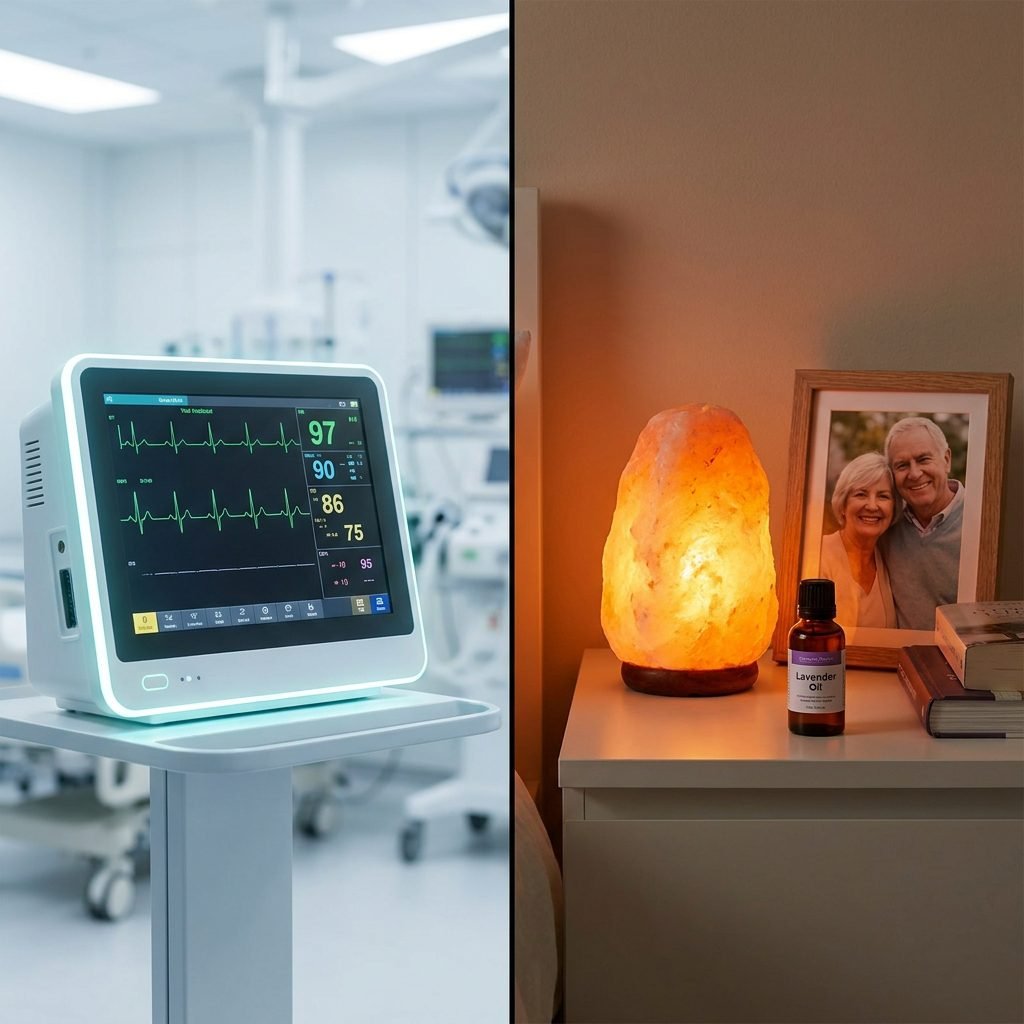
In a high-risk birth plan, we use a tiered approach. We acknowledge the medical non-negotiables first, which builds trust with your doctors, and then we layer in your environmental and emotional preferences. This shows your team that you are informed and collaborative.
| Category | Medical Considerations | Your Soul-Centered Preferences |
|---|---|---|
| Monitoring | Continuous EFM (Electronic Fetal Monitoring) may be required. | Request a wireless telemetry monitor to allow for walking and swaying. |
| Induction | May be medically necessary for baby’s safety. | Request a ‘gentle induction’ with dimmed lights and minimal cervical checks. |
| Pain Management | Epidural might be recommended early for certain conditions. | State your desire to try hydrotherapy or breathing first, if safe. |
| Environment | Hospital setting is likely required. | Bring your own pillow, essential oil diffuser, and a custom playlist. |
By using this table as a guide, you can start to see that even within a medicalized environment, there are hundreds of small choices that belong entirely to you.
Step-by-Step: Drafting Your Empowered Plan

Let’s get practical. When you sit down to write, keep it to one page with clear bullet points. Doctors and nurses love brevity! Here is the step-by-step process for a high-risk mama:
- Consult Your Provider Early: Schedule a specific ‘birth plan’ appointment at 32 weeks to discuss which interventions are likely and why.
- Define Your ‘Must-Haves’: Choose three non-negotiables (e.g., delayed cord clamping, immediate skin-to-skin if baby is stable, or a quiet room during the golden hour).
- Address the ‘What-Ifs’: Create a section for ‘In the event of a C-section.’ This is crucial for high-risk pregnancies. You can request a gentle cesarean (clear drape, music, one hand free to touch baby).
- The BRAIN Tool: Include a note that you wish to use the BRAIN acronym for any mid-labor decisions.
- Visual Aids: Use simple icons or bold text for quick reading during a shift change.
“We would like to use the BRAIN tool for all non-emergency decisions: What are the Benefits, Risks, Alternatives, what does my Intuition say, and what happens if we do Nothing for 20 minutes?”
Labor Positions & Comfort Measures for Monitored Births
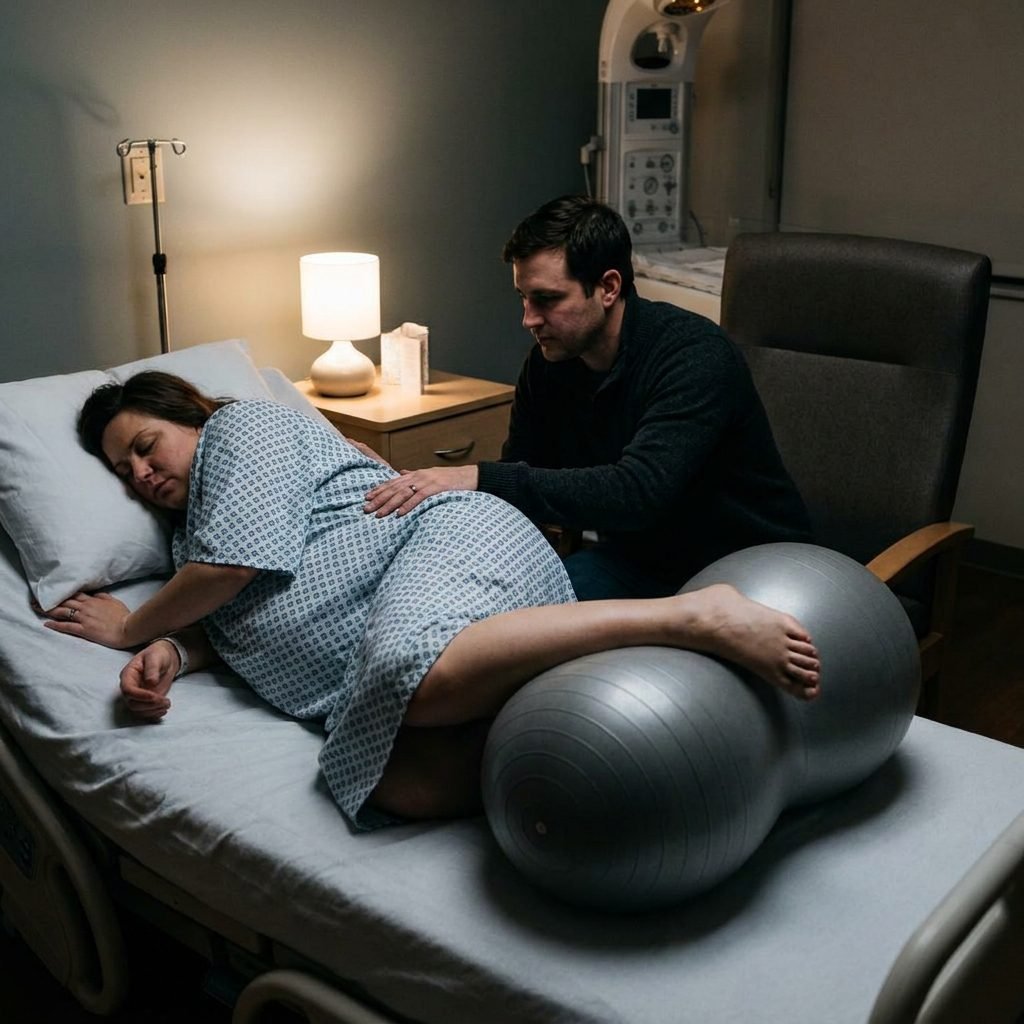
Many high-risk mamas worry that being ‘hooked up to machines’ means they have to stay flat on their backs. This is a myth! Even with continuous monitoring and an IV, movement is often possible and highly beneficial for labor progress.
Movement Matrix for High-Risk Labor
| Position | Why it Works | High-Risk Modification |
|---|---|---|
| Sitting on Birth Ball | Opens the pelvis and uses gravity. | Keep the monitor straps snug; your doula can help adjust them. |
| Side-Lying with Peanut Ball | Great for rest while keeping the pelvis open. | Perfect for when an epidural or blood pressure cuff is in use. |
| Hands and Knees | Relieves back pain and helps baby rotate. | Can be done on the hospital bed with the head tilted up for support. |
| The ‘Slow Dance’ | Gravity-assisted and comforting. | Stay near the monitor base or use a wireless unit if available. |
Encourage your partner or doula to learn these positions. Movement is medicine, even in a high-risk setting. It helps baby navigate the birth canal and can actually improve the readings on those monitors by reducing maternal stress.
Communication Strategies: Speaking ‘Medical’ with Grace

How you present your plan is just as important as what is in it. We want to foster a collaborative spirit. Instead of saying ‘I don’t want X,’ try ‘I would prefer to avoid X unless it becomes medically necessary for the safety of me or my baby.’ This shows you are on the same team as your providers.
Script for Your Next Appointment
Use these templates to start the conversation with your OB or Perinatologist:
“I’ve been thinking a lot about my birth preferences. I know that because of my [Condition], we need to be extra cautious. I’ve drafted a plan that honors those safety needs while also including things that will help me stay calm and focused. Can we go over it together?”
If you meet resistance, remember you can always ask: ‘Is this a hospital policy or a medical necessity for my specific case?’ This gentle inquiry often opens up room for negotiation and personalized care.
The Postpartum Plan: Recovery for the High-Risk Mama

High-risk pregnancies often require a more intentional postpartum recovery period. Whether you are managing blood pressure medication post-birth or recovering from a more intensive delivery, your birth plan should extend into the ‘Fourth Trimester.’
- Monitoring Post-Birth: Ask how long you will need to be monitored after delivery before you can move to a standard postpartum room.
- Lactation Support: High-risk conditions can sometimes delay milk coming in. Note that you want immediate access to a lactation consultant.
- Mental Health: High-risk journeys can be traumatic. Include a contact for a postpartum therapist or support group in your plan.
- Restricted Visitors: If you need to keep your blood pressure down, state that you want ‘No Visitors’ for the first 24-48 hours.
You are not alone. Many mamas find that the high-risk journey makes the final embrace of their baby even sweeter. You are doing the hard work now to ensure a safe landing for both of you.
Conclusion
Your Strength is Your Foundation
Mama, creating a birth plan for a high-risk pregnancy is an act of profound love and bravery. It shows that you are deeply tuned into your baby’s needs and your own. By preparing for the medical realities while fiercely guarding your emotional well-being, you are setting the stage for a positive birth experience, no matter the path it takes.
Remember, a plan is a living document. It is a guide, not a contract. If things change during labor, you haven’t ‘failed’ your plan; you are simply evolving with the needs of the moment. You are strong, you are capable, and you are the perfect mother for this baby. Trust your body, trust your team, and hold onto your voice. You’ve got this!