Rock and Sway: Why the Slow Dancing Labor Position Speeds Up Labor
Hello, mama. If you are reading this, you are likely preparing for one of the most transformative journeys of your life: bringing your baby into the world. As a doula, I have stood beside hundreds of women as they navigated the waves of labor, and if there is one ‘secret weapon’ I recommend to almost every client, it is the slow dancing labor position. It sounds romantic, doesn’t it? But beyond the sweetness of leaning into your partner, there is profound physiological magic happening in this position.
Labor is not meant to be a static, stationary event. Our bodies are designed to move, to shift, and to open. When we move, we help our babies move. The ‘Rock and Sway’—or the slow dance—is a vertical, active labor position that leverages gravity, pelvic mobility, and emotional connection to help your labor progress more efficiently. In this guide, we are going to dive deep into why this position works, how to do it perfectly, and how it can help you meet your little one just a little bit sooner.
The Science of Verticality: Why Standing Beats Lying Down
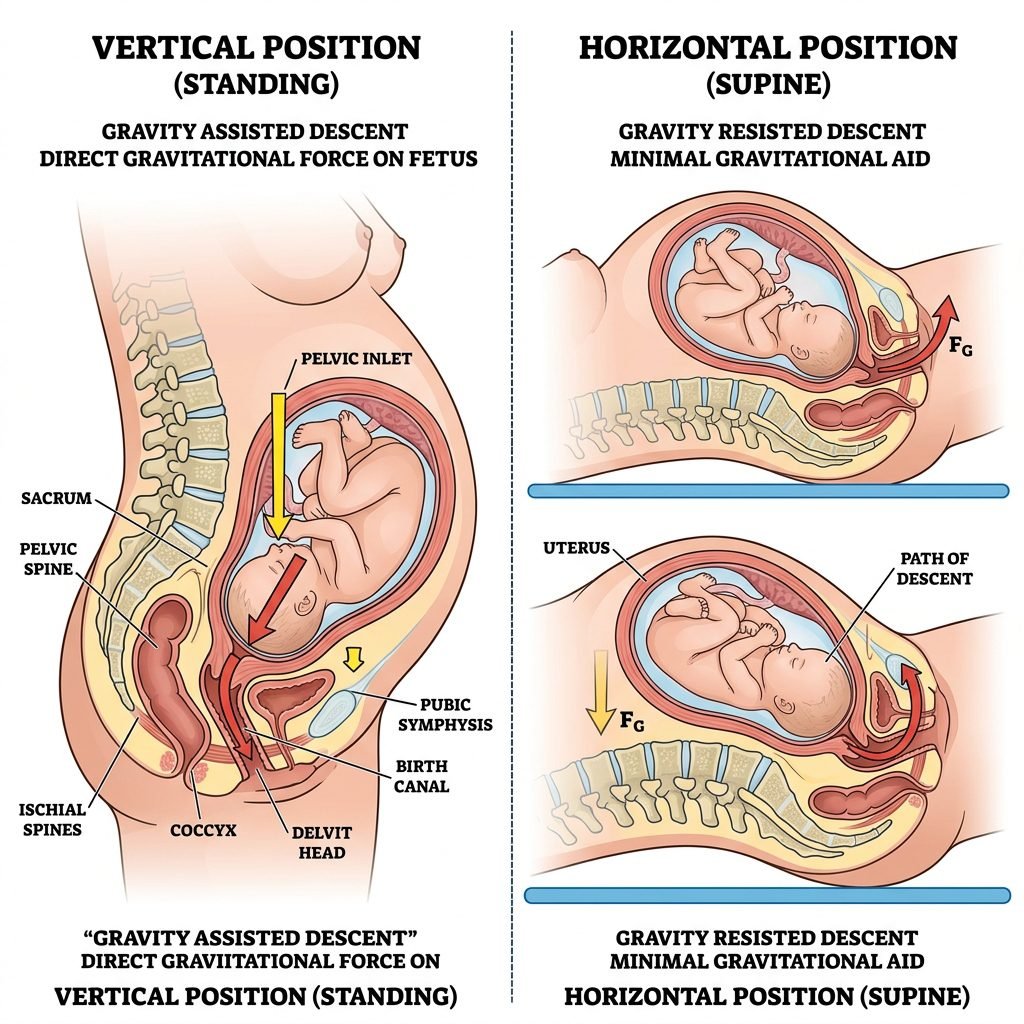
For decades, Hollywood has conditioned us to believe that labor happens on our backs, with our feet in stirrups. However, from a physiological standpoint, lying flat on your back (the lithotomy position) is often the least effective way to labor. When you are upright and swaying, you are working with your body instead of against it.
Standing and swaying allows your pelvis to remain mobile. Your pelvis is not one solid bone; it is a series of joints and ligaments that can expand to create more space for the baby’s head. When you are upright, the weight of the baby’s head presses directly onto the cervix. This consistent pressure acts as a natural stimulus, encouraging the cervix to dilate and efface more rapidly. Furthermore, being upright prevents the heavy uterus from compressing the vena cava, ensuring better oxygen flow to both you and your baby.
| Position Type | Impact on Pelvis | Gravity Benefit | Pain Perception |
|---|---|---|---|
| Lying Down (Supine) | Compressed/Restricted | None (Neutral) | Often Higher |
| Standing/Swaying | Open and Mobile | Maximum Descent | Lower (Active Coping) |
| Sitting | Semi-Restricted | Moderate | Variable |
By choosing to stay vertical, you are essentially letting gravity do a portion of the work for you. Every time you sway your hips from side to side, you are encouraging the baby to find the path of least resistance through the birth canal.
Step-by-Step: How to Master the Slow Dance Position

Mastering the slow dance is less about the ‘steps’ and more about the surrender. Here is how you and your birth partner can execute this position for maximum comfort and effectiveness during active labor:
- Face Your Partner: Stand face-to-face with your partner. They should stand with a wide, sturdy base, feet shoulder-width apart.
- The Embrace: Wrap your arms around your partner’s neck or shoulders. If you are shorter, you can rest your head on their chest. Let your upper body go limp and heavy.
- Partner Support: Your partner should wrap their arms around your waist or lower back. They can use their palms to apply firm counter-pressure on your sacrum (the bony plate at the base of your spine) if you are experiencing back labor.
- The Sway: Begin to gently shift your weight from foot to foot. Think of a slow, rhythmic ‘figure-eight’ motion with your hips. This movement helps the baby’s head navigate the different diameters of your pelvic brim.
- The Sag: During a contraction, allow your knees to soften and your weight to ‘sag’ into your partner’s support. This creates a traction-like effect that can relieve pressure on your lower back.
“In the rhythm of the sway, find your breath. You are not just moving your body; you are moving your baby closer to your arms.”
Remember to keep your knees ‘soft’ and never locked. Locking your knees can restrict blood flow and lead to dizziness. Keep your jaw relaxed, as a relaxed jaw often correlates to a relaxed pelvic floor.
Partner Support: Becoming the Anchor
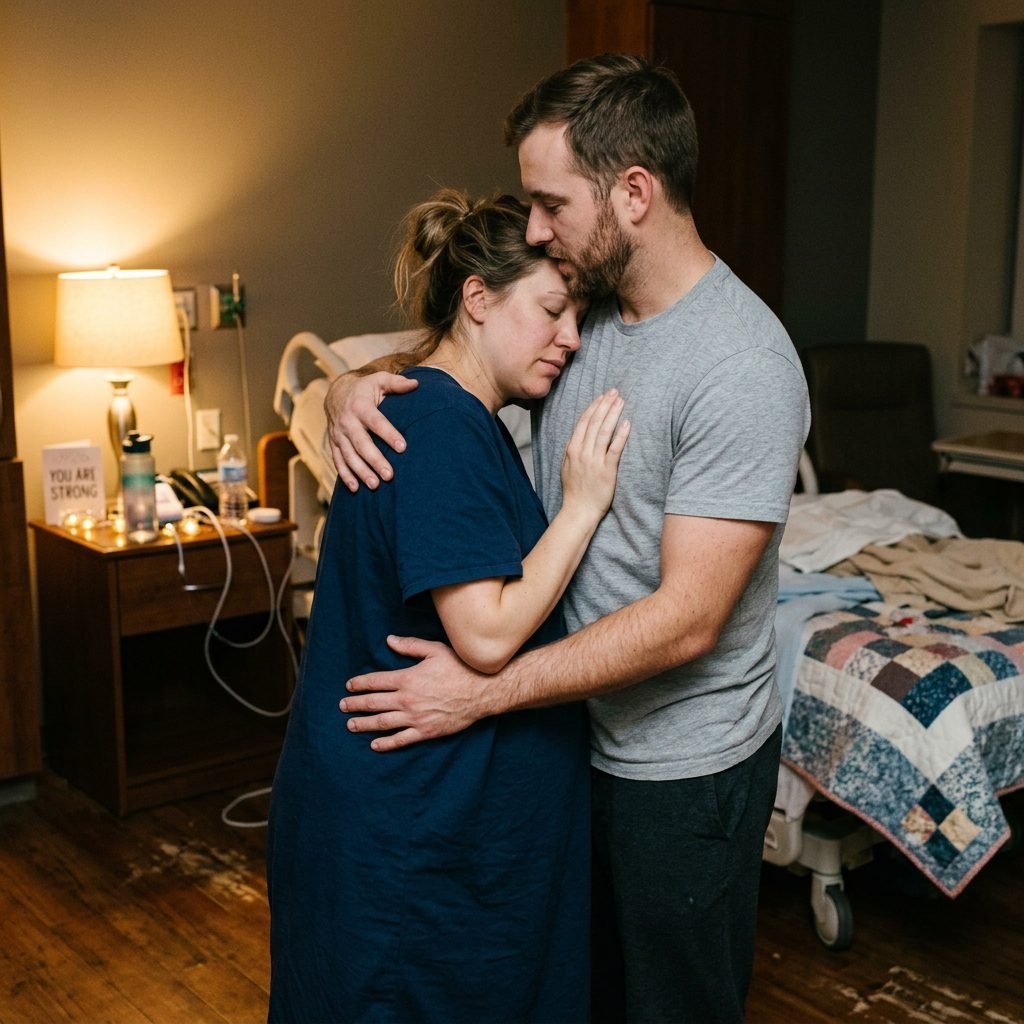
The slow dance is as much about the partner as it is about the laboring mother. For the partner, this is a chance to be a physical and emotional anchor. You aren’t just standing there; you are providing the structural support that allows her to let go of her muscle tension.
As the ‘anchor,’ your job is to remain steady. If she begins to vocalize or lean more heavily during a contraction, do not pull away. Instead, lean in. Use this time to whisper affirmations or simply breathe with her. If she is swaying, match her rhythm. This synchronization can help regulate her nervous system, keeping her out of a ‘fight or flight’ state and in a ‘rest and digest’ (oxytocin-producing) state.
| Partner Action | Why it Helps |
|---|---|
| Sacral Pressure | Relieves intense back labor pain |
| Rhythmic Breathing | Helps the mother stay grounded and calm |
| Soft Whispering | Boosts oxytocin and focus |
| Holding Weight | Allows her to relax her legs and pelvic floor |
If your partner becomes tired, you can adapt this position by having the mother lean against a wall or over a high hospital bed while still maintaining that rhythmic hip sway. The goal is the movement, not just the embrace.
Managing the Waves: Breathing and Rhythm
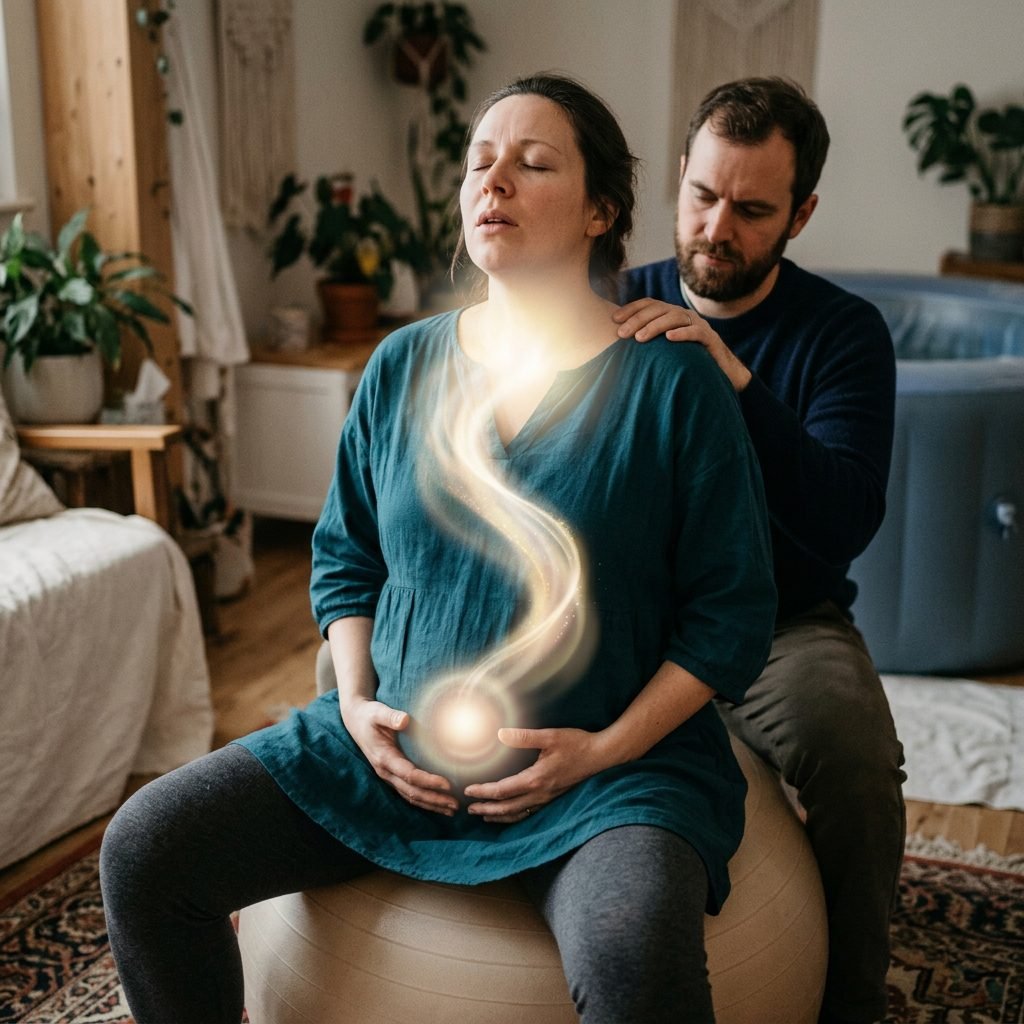
When a contraction (a ‘wave’) begins, the natural instinct is to tense up and hold your breath. However, tension is the enemy of dilation. In the slow dance position, you have the perfect setup to practice rhythmic coping.
As you sway, focus on a deep ‘in through the nose, out through the mouth’ breath. Try to make your exhales longer than your inhales. This signals to your brain that you are safe. Many mothers find that low-toned moaning or humming during the sway helps to move the energy downward. Imagine the breath traveling all the way down to your cervix, helping it to open like a flower.
“Low tones, loose jaw, open hips. Every breath brings you closer to your baby.”
If the labor is moving very quickly, the sway might become faster or more intense. Trust your body’s lead. If you feel the urge to stomp your feet or moan loudly while swaying, do it! These are all signs that your body is doing exactly what it needs to do to bring your baby down.
The Evidence: How Movement Shortens Labor
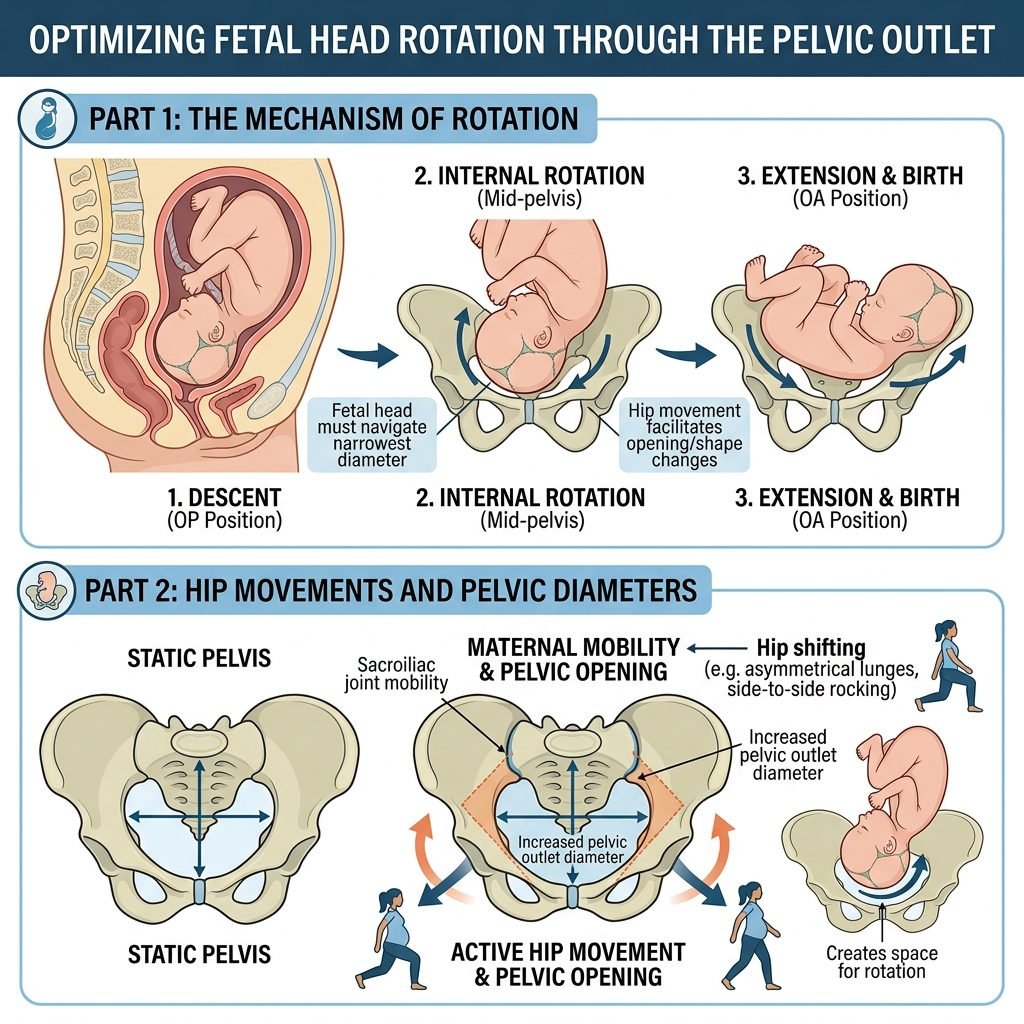
Is there actual proof that moving and swaying helps? Absolutely. Clinical studies have consistently shown that women who use upright and mobile positions during the first stage of labor often experience shorter labor durations and a decreased need for interventions like epidurals or synthetic oxytocin (Pitocin).
When you are in the slow dance position, you are facilitating ‘fetal rotation.’ Most babies need to rotate to an occiput anterior position (facing your back) to fit through the pelvis most easily. The asymmetrical movement of swaying your hips helps the baby ‘wiggle’ into that optimal position. If a baby is ‘sunny-side up’ (occiput posterior), the slow dance combined with a slight forward lean can encourage them to turn, significantly reducing the duration of the pushing stage later on.
| Labor Phase | Focus of Movement | Recommended Sway Style |
|---|---|---|
| Early Labor | Distraction & Rest | Gentle, slow swaying between rests |
| Active Labor | Dilation & Descent | Rhythmic, deep swaying with partner support |
| Transition | Focus & Surrender | Intense, heavy leaning and vocalized swaying |
By staying mobile, you are also reducing the risk of fetal distress, as movement helps maintain optimal blood flow to the placenta. It is a win-win for both mother and child.
Practical Tips: Styling and Comfort for the Sway

To truly enjoy the benefits of the rock and sway, you need to feel comfortable in your environment. Here are some ‘doula-pro’ tips for setting the stage:
- Footwear Matters: You will be on your feet for a while. Wear supportive, non-slip socks or comfortable slippers. Avoid going completely barefoot on cold hospital floors, as cold feet can lead to a tense body.
- Dress for Movement: Skip the restrictive hospital gown if possible. Opt for a soft, stretchy nursing bra and a loose sarong, or a specialized labor gown that opens in the back but allows for full leg movement.
- Set the Vibe: Create a ‘labor playlist’ with songs that have a steady, slow beat (60-80 beats per minute). This gives you a natural tempo to sway to.
- Stay Hydrated: Swaying is a physical workout! Have your partner offer you sips of coconut water or electrolyte drinks between contractions to keep your energy up.
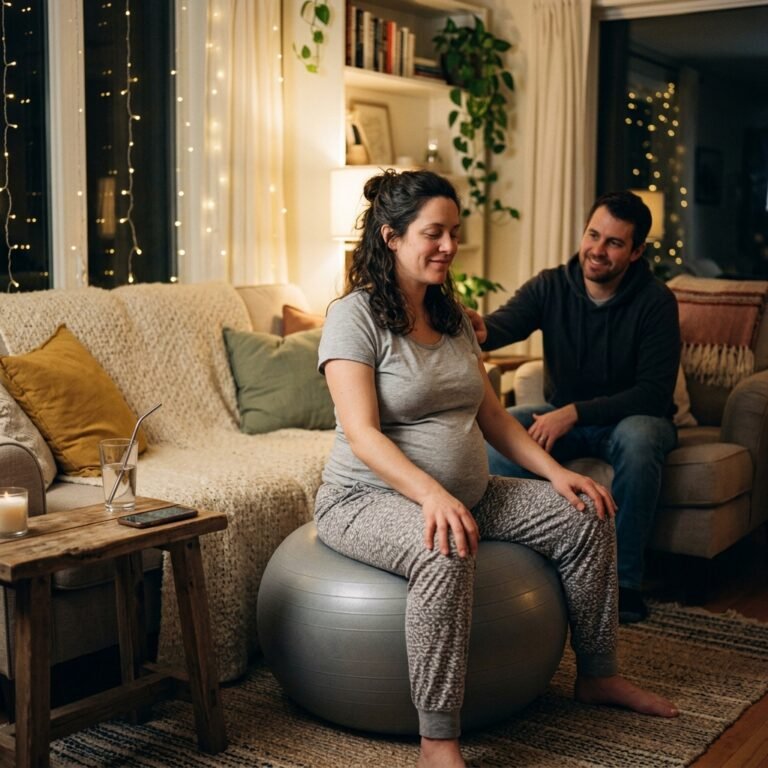
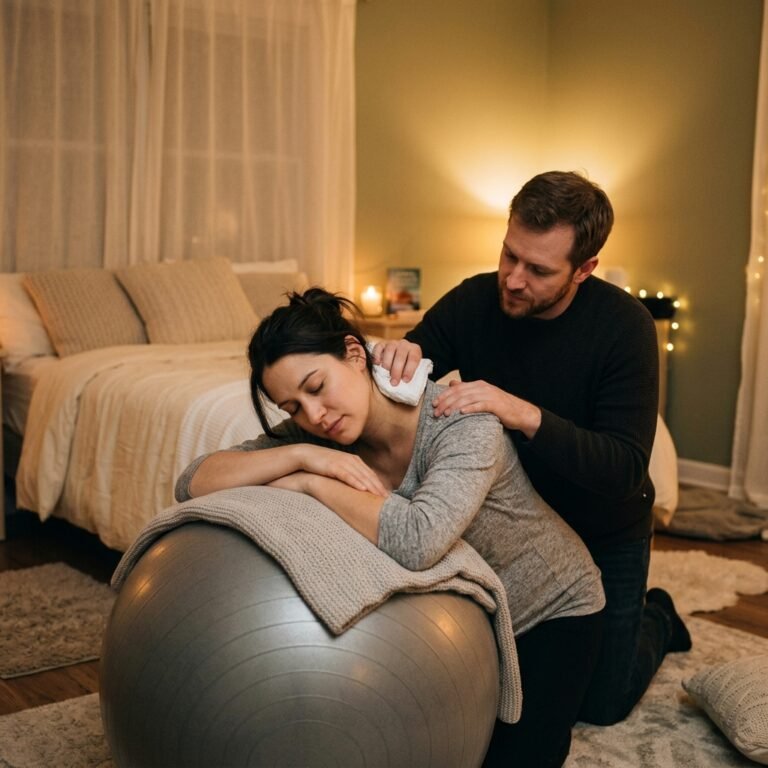
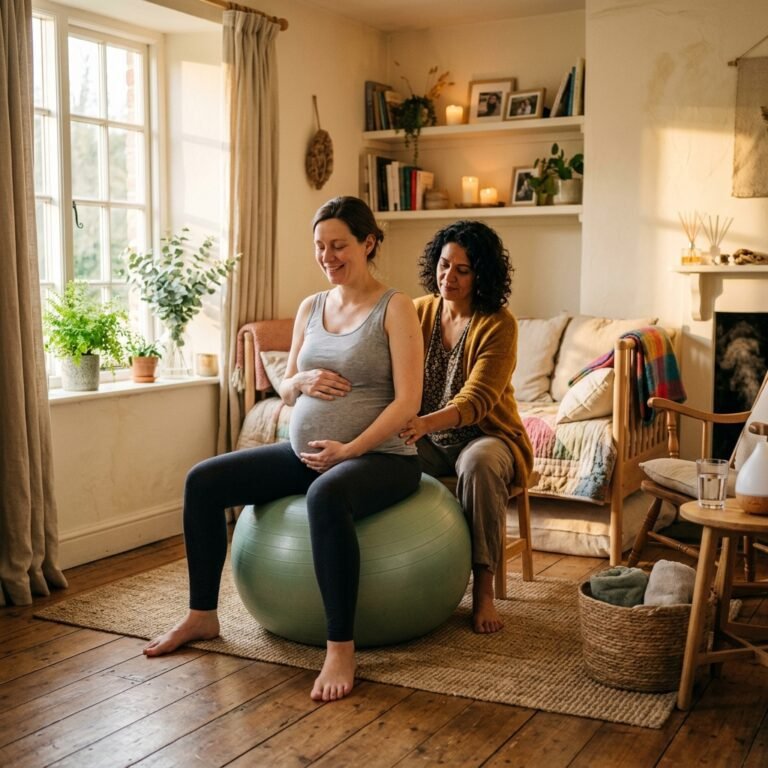
If you find your legs getting tired, don’t be afraid to take a ‘rest’ on a birth ball while continuing the swaying motion with your hips. The key is to keep the pelvis moving, even if your feet need a break.
Conclusion
The slow dancing labor position is more than just a way to manage pain; it is a way to celebrate the incredible strength and rhythm of your birthing body. By choosing to Rock and Sway, you are honoring the physiological needs of your baby and yourself. You are using gravity as your ally, your partner as your anchor, and your movement as the key to unlocking your birth path. You’ve got this, mama. Trust your rhythm, trust your body, and soon enough, that slow dance will turn into the first time you hold your baby in your arms.