

A Birth Partner’s Guide to Using Warm Compresses for Labor Pain Relief
The Power of Warmth in the Birth Room
Welcome, dear birth partner. Whether you are a spouse, a sister, a friend, or a doula-in-training, your presence in the labor room is a profound gift. You are the guardian of the space, the anchor in the storm, and the hands that provide physical comfort when the waves of labor intensify. One of the most effective, time-honored, and evidence-based tools in your support kit is the humble warm compress. It is more than just a piece of cloth; it is a conduit for relaxation, a signal to the nervous system that it is safe to open, and a tangible expression of your love and care.
As a doula, I have seen the immediate shift in a laboring person’s body the moment a warm compress touches their skin. The shoulders drop, the breath deepens, and the tension that once held them tight begins to melt away. Heat therapy works through the Gate Control Theory of Pain, essentially ‘crowding out’ pain signals to the brain with soothing sensations of warmth. In this guide, we will walk through exactly how to use this tool safely and effectively, ensuring you feel confident and prepared to be the ultimate source of comfort during this transformative journey.
Remember, your calm is her calm. When you move with intention and provide steady, warm support, you are helping her body produce the oxytocin needed to bring baby into the world.
The Science of Soothing: Why Heat Works for Labor
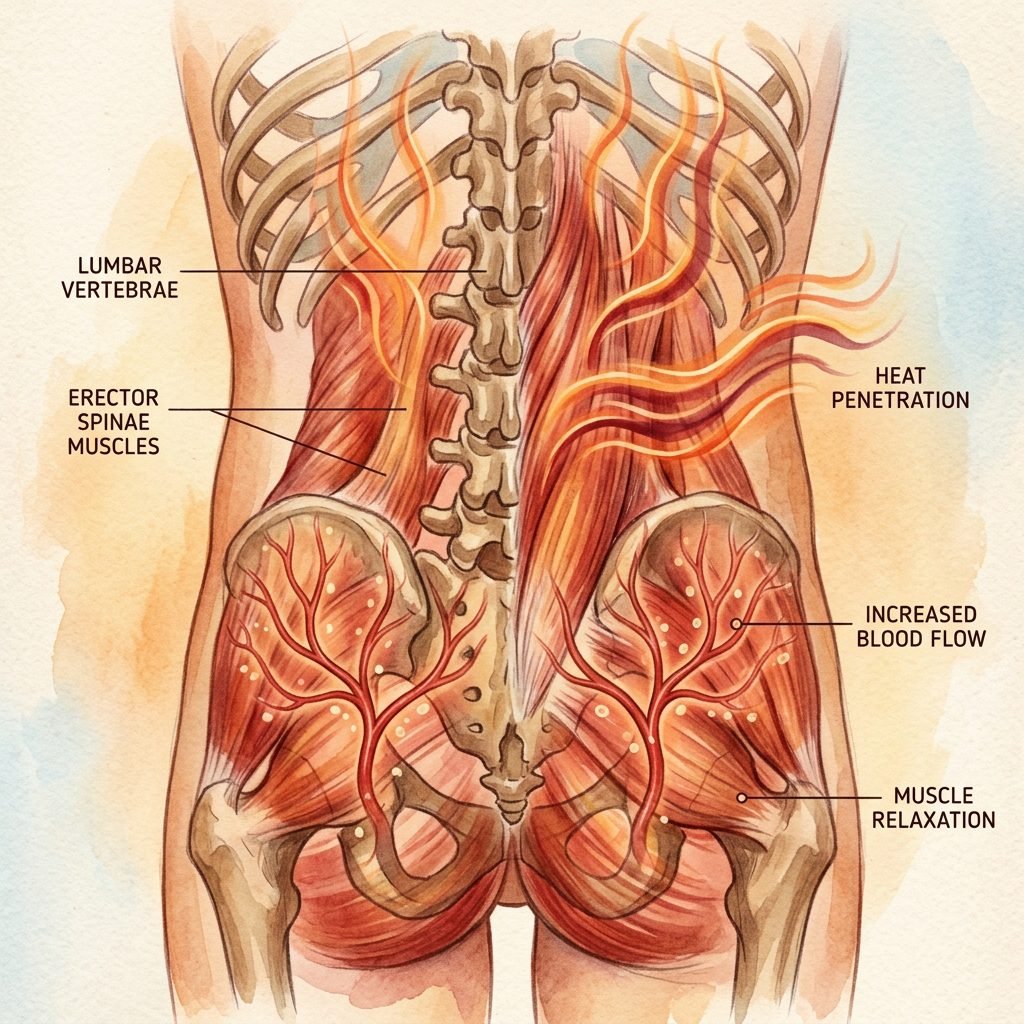
To be an effective birth partner, it helps to understand why warmth is so transformative during the labor process. Labor involves the intense stretching and contracting of uterine muscles, which can lead to significant discomfort in the lower back, abdomen, and pelvis. Heat functions as a natural analgesic in several key ways:
- Vasodilation: Heat causes blood vessels to dilate, increasing blood flow to the area. This brings fresh oxygen to hard-working muscles and helps flush out lactic acid, which can contribute to cramping.
- Muscle Relaxation: Just as a warm bath relaxes you after a long day, localized heat helps the uterine and pelvic muscles soften, reducing the intensity of the ‘tight’ feeling during contractions.
- The Gate Control Theory: By stimulating thermoreceptors in the skin, you are sending ‘warmth’ signals to the brain. These signals travel faster than ‘pain’ signals, effectively closing the ‘gate’ and reducing the perception of labor intensity.
By using warm compresses, you are not just masking pain; you are actively encouraging the body to stay in a state of parasympathetic nervous system activation (rest and digest), which is essential for a smooth labor progression.
Your Warmth Toolkit: Preparing Your Supplies
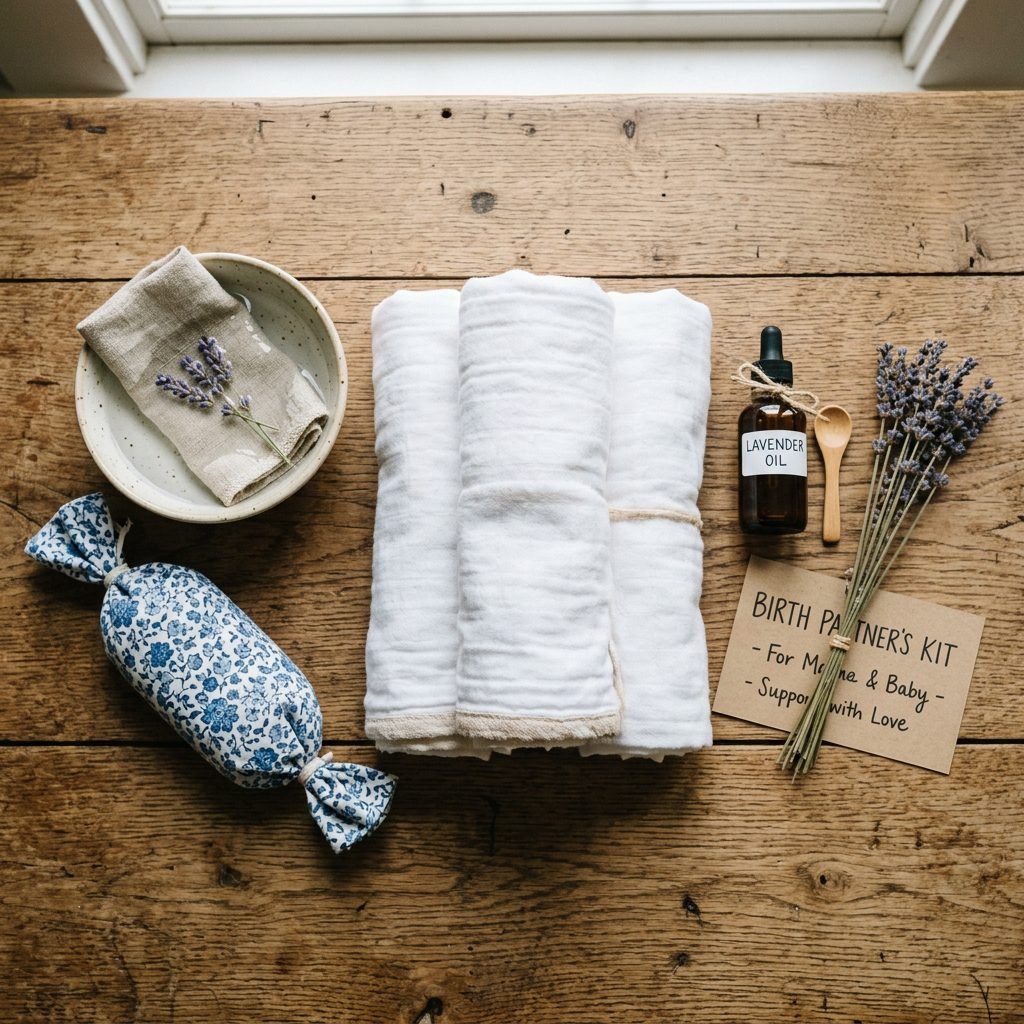
Before the first contraction hits, you want to have your supplies organized. You don’t need fancy equipment; some of the best tools are already in your linen closet. However, being prepared means you won’t have to leave her side when she needs you most.
Essential Supplies Checklist
- High-Quality Washcloths: Choose 100% cotton cloths that hold heat well. Thicker fabrics are generally better for retaining temperature.
- A Heat Source: This could be a slow cooker filled with water (set to low), a thermos of hot water, or a microwave-safe rice sock.
- Waterproof Barrier: A small piece of plastic wrap or a dry towel to place over the compress to keep her clothes and the bedding dry.
- Essential Oils (Optional): A drop of lavender or clary sage in the water can add an element of aromatherapy to the physical warmth.
| Compress Type | Pros | Cons |
|---|---|---|
| Moist Washcloths | Provides deep, penetrating heat; easy to mold to the body. | Cools down quickly; requires frequent changing. |
| Rice or Flax Socks | Holds heat for a long time (20-30 mins); dry and mess-free. | Can feel heavy; heat is less ‘penetrating’ than moist heat. |
| Electric Heating Pads | Consistent temperature; no prep needed. | Limited mobility due to cords; not safe for use near water/tubs. |
Step-by-Step: Mastering the Warm Compress Technique
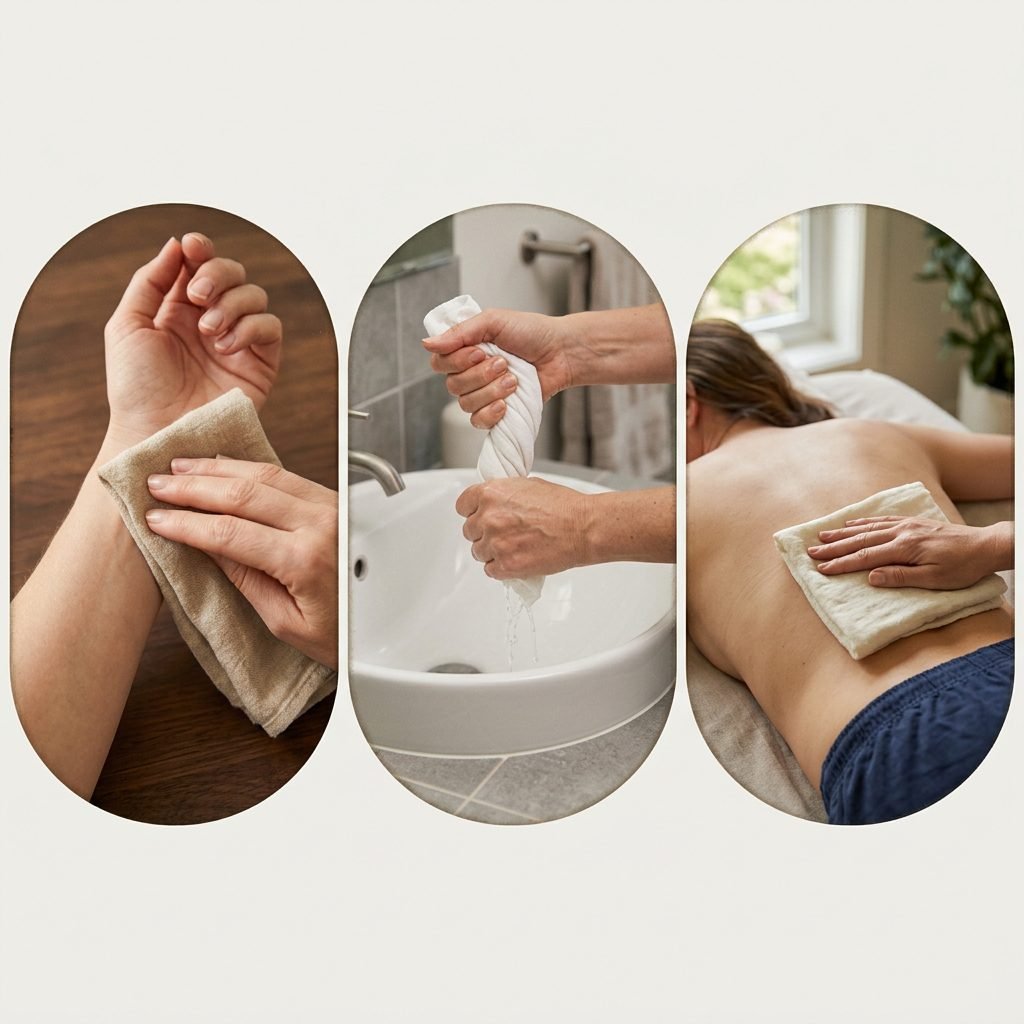
Now, let’s get into the practical application. Precision and communication are your best friends here. Follow these steps to ensure the experience is soothing rather than stressful.
- Test the Temperature First: Never apply a compress directly to her skin without testing it on the inside of your own wrist first. Her skin may be more sensitive during labor, and we must avoid any risk of burns.
- Prepare the Cloth: If using moist heat, soak the cloth in hot water (around 105-110 degrees Fahrenheit). Wring it out thoroughly so it is damp but not dripping.
- The ‘Double Layer’ Method: To keep the heat in longer, place the warm, damp cloth on the target area, then immediately cover it with a dry towel or a piece of plastic wrap. This traps the steam and prolongs the relief.
- Rhythmic Replacement: During active labor, you may need to refresh the cloth every 5 to 10 minutes. Try to time the changes between contractions so you aren’t disturbing her focus during the peak of a wave.
- Communicate and Adjust: Ask her, ‘Is this temperature okay?’ or ‘Would you like it higher or lower?’ Sometimes she may want firm pressure with the warmth, and other times just a light touch.
Affirmation for the Partner: ‘I am here, I am steady, and I am providing exactly what she needs. My hands are tools of healing.’
Strategic Placement: Where to Apply the Heat
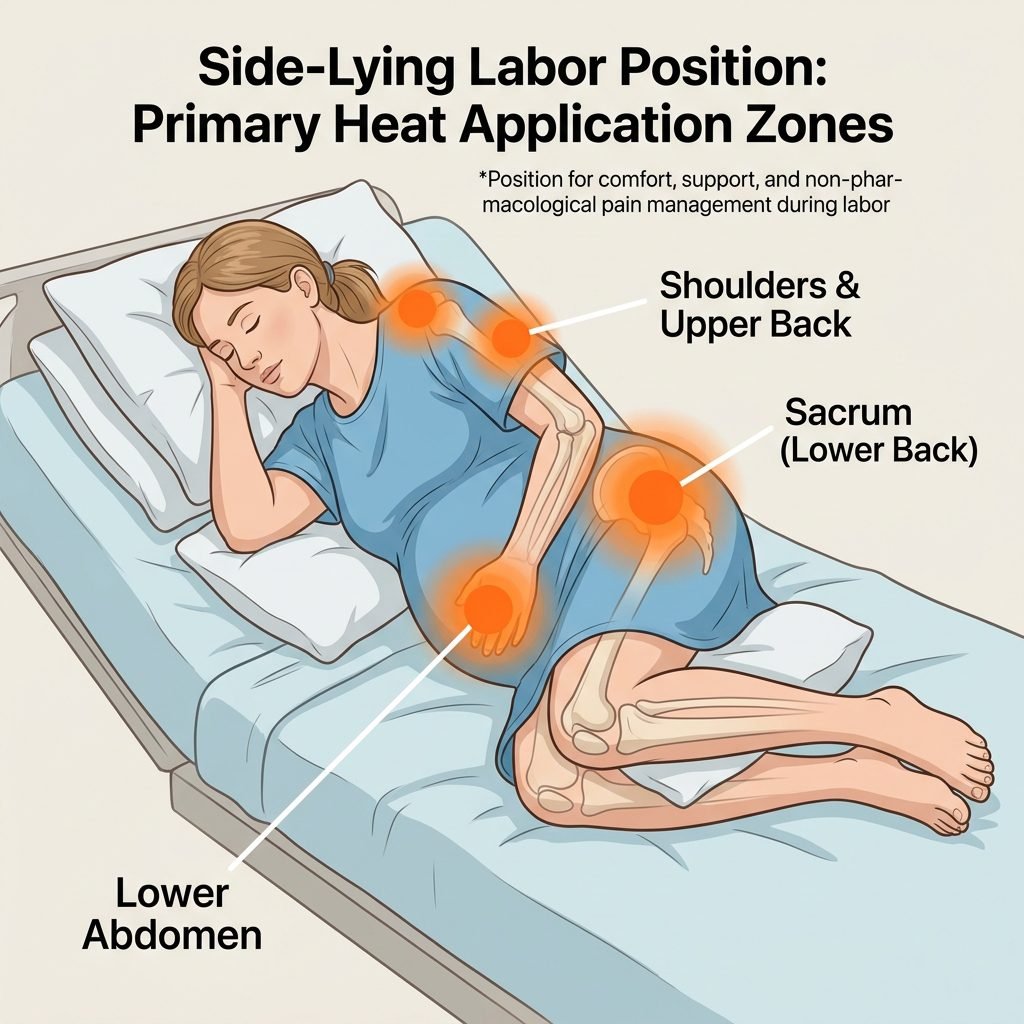
The beauty of warm compresses is their versatility. As labor progresses, the location of her discomfort will likely shift. You must be ready to follow the pain with your warmth.
The Lower Back and Sacrum
This is the most common area for labor discomfort, especially if the baby is in an ‘occiput posterior’ (sunny-side up) position. Apply the compress to the very base of the spine. You can combine this with counter-pressure by pressing your palm into the compress during a contraction.
The Lower Abdomen
In early and active labor, many women feel the tightening most intensely in the lower abdomen, similar to intense menstrual cramps. A warm compress here can help the uterine muscles work more efficiently and reduce the ‘stinging’ sensation of the stretch.
The Perineum (During Pushing)
During the second stage of labor (pushing), applying a warm, moist compress to the perineum can be incredibly helpful. It helps the tissues soften and stretch more easily, which may reduce the risk of tearing and provides a soothing sensation as the baby crowns. Note: Always check with your midwife or doctor before applying heat to the perineum during delivery.
Shoulders and Neck
Often, laboring people hold a tremendous amount of tension in their upper body. If you notice her ears are ‘meeting her shoulders,’ place a warm cloth across the back of her neck to encourage her to drop her weight and breathe into her belly.
Safety Precautions and Professional Tips
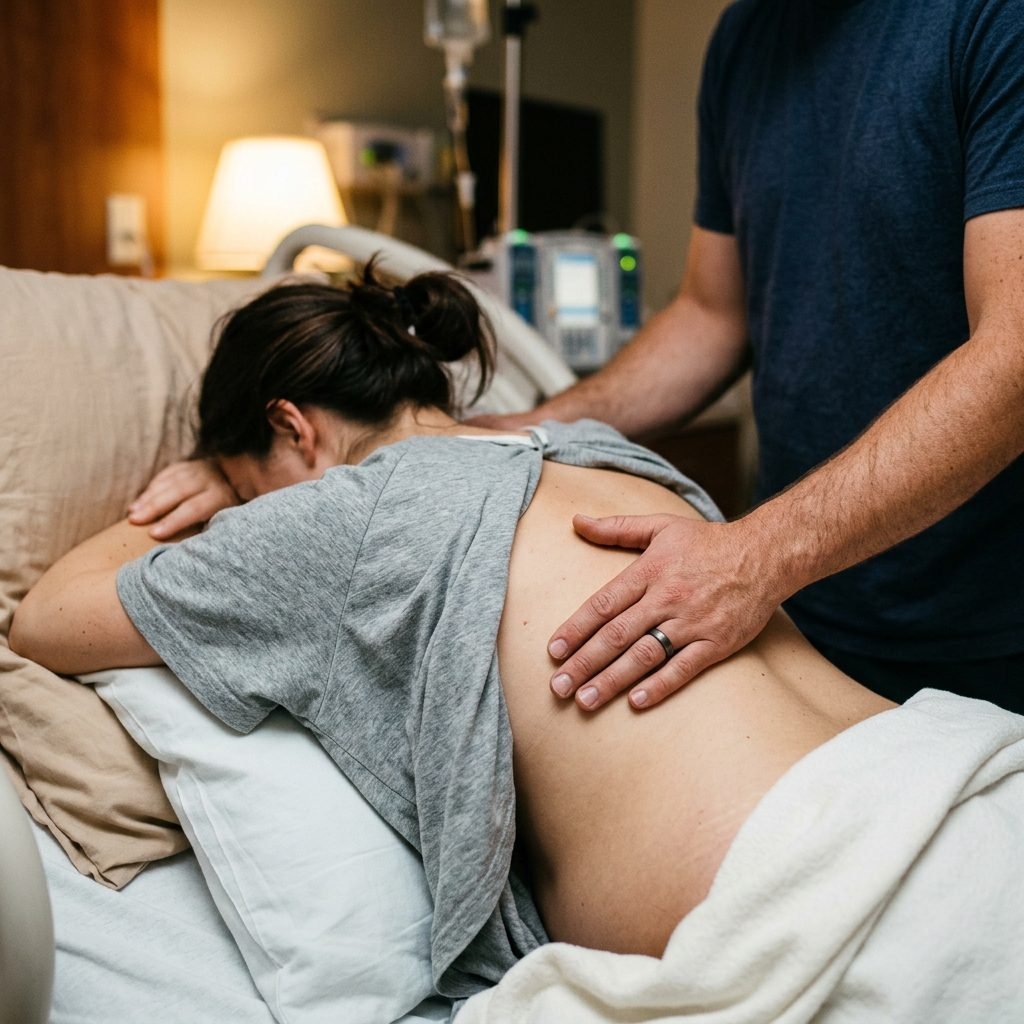
While warm compresses are generally very safe, as a birth partner, you are the safety monitor. Here are the ‘Golden Rules’ for heat therapy during birth:
- Avoid Numb Areas: If she has had an epidural, do not apply heat to the areas where she has lost sensation (usually from the waist down). Because she cannot feel the temperature, there is a significant risk of burning the skin without her realizing it.
- Check the Skin: Every time you refresh the compress, look at the skin. It should be a healthy pink. If it looks bright red or mottled, the heat is too high.
- Hygiene is Key: In the birth environment, especially if her water has broken, ensure your hands are clean and the cloths are freshly laundered. If applying to the perineum, use a clean cloth for every application.
- Follow Her Lead: Some women experience ‘sensory overload’ during transition. If she suddenly pushes your hand away or says the heat feels ‘too much,’ don’t take it personally! Simply remove the compress and offer a cool cloth or just your silent presence instead.
| Labor Phase | Best Heat Location | Partner Focus |
|---|---|---|
| Early Labor | Lower Back / Abdomen | Relaxation and rest. |
| Active Labor | Sacrum / Pelvis | Rhythmic breathing and counter-pressure. |
| Transition | Shoulders / Face (Cool) | Grounding and emotional support. |
| Pushing | Perineum | Softening and opening. |
Integrating Warmth with Other Comfort Measures

Warm compresses work best when integrated into a holistic support plan. You are not just a ‘heat dispenser’; you are a multi-faceted support system. Try these combinations:
The ‘Fire and Ice’ Technique
Some women find incredible relief in alternating between a warm compress on the back and a cool washcloth on the forehead or back of the neck. This sensory contrast can help ground her and provide a focal point during intense contractions.
Aromatherapy Infusion
Add 2 drops of Frankincense or Lavender to the warm water basin. The steam from the compress will carry the scent, creating a spa-like atmosphere in the hospital or birth center. Frankincense is particularly grounding, while Lavender is famous for its calming properties.
Movement and Warmth
She doesn’t have to stay still! You can apply a warm compress while she is:
- Leaning over a birth ball.
- Swaying in your arms (the ‘Slow Dance’).
- Resting in a side-lying position with a peanut ball.
Your job is to follow her movement, keeping the compress in place as she finds the rhythm that works for her body.
Conclusion
You Are Her Greatest Comfort
As we wrap up this guide, remember that the most important element you bring to the labor room isn’t the cloth or the hot water—it’s you. Your intuition, your steady hands, and your unwavering belief in her ability to birth are what truly make the difference. Warm compresses are a beautiful way to channel that support into physical relief. By mastering these techniques, you are taking an active role in her comfort and helping to create a positive, empowered birth experience. You’ve got this, partner. Breathe with her, hold space for her, and let the warmth do its work.