The Best Folding Screen Room Dividers to Create a Private Baby Corner in Your Bedroom
Welcome to Your Shared Sanctuary, Mama
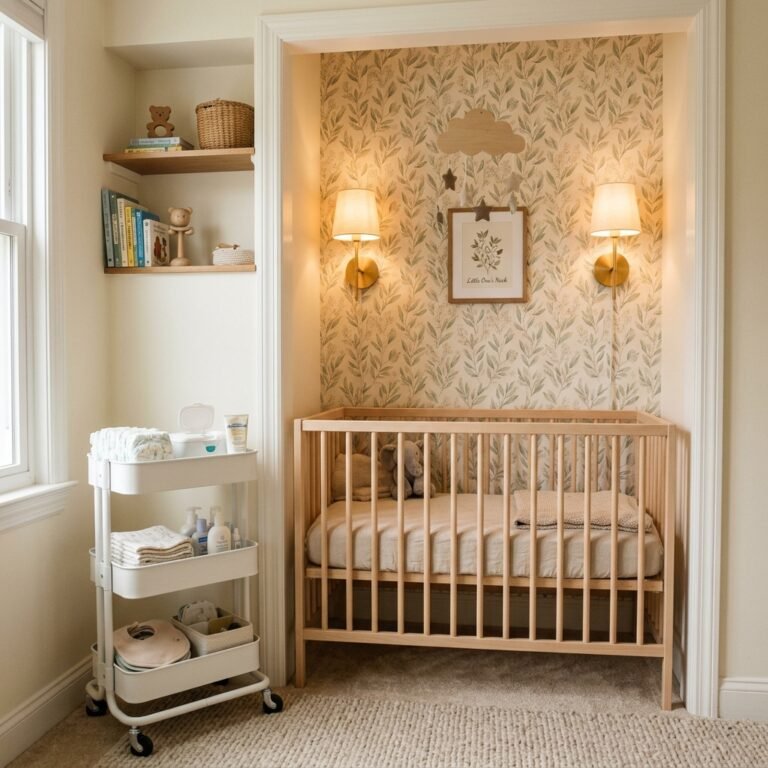
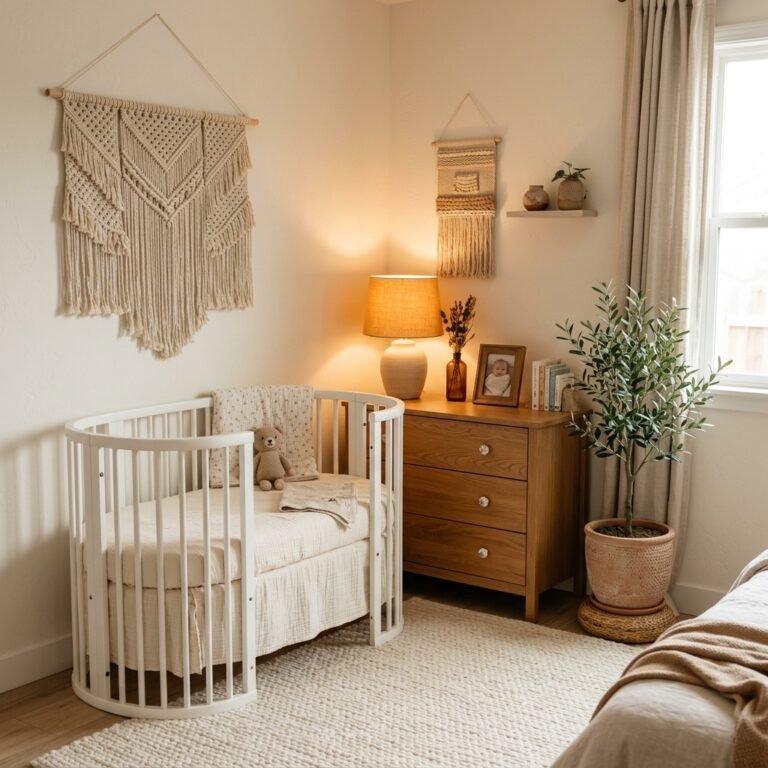
Oh, sweet mama, I see you. You’re looking at your bedroom and wondering how on earth you’re going to fit a whole new human—and all their gear—into your personal sanctuary. Whether you are living in a cozy city apartment, keeping your little one close for those first six to twelve months as recommended by the AAP, or simply want to maintain a sense of adult space, creating a ‘room within a room’ is a beautiful solution. As a doula, I’ve seen firsthand how a dedicated baby corner can reduce postpartum anxiety by providing ‘visual quiet.’ When you are trying to rest, seeing a pile of diapers shouldn’t be your view, and when baby is sleeping, they shouldn’t be distracted by your bedside lamp. Using a folding screen room divider is the most flexible, stylish, and non-permanent way to carve out that precious space. Let’s walk through how to choose the perfect one for your home and your heart.
The Psychology of ‘Visual Quiet’ for Mom and Baby
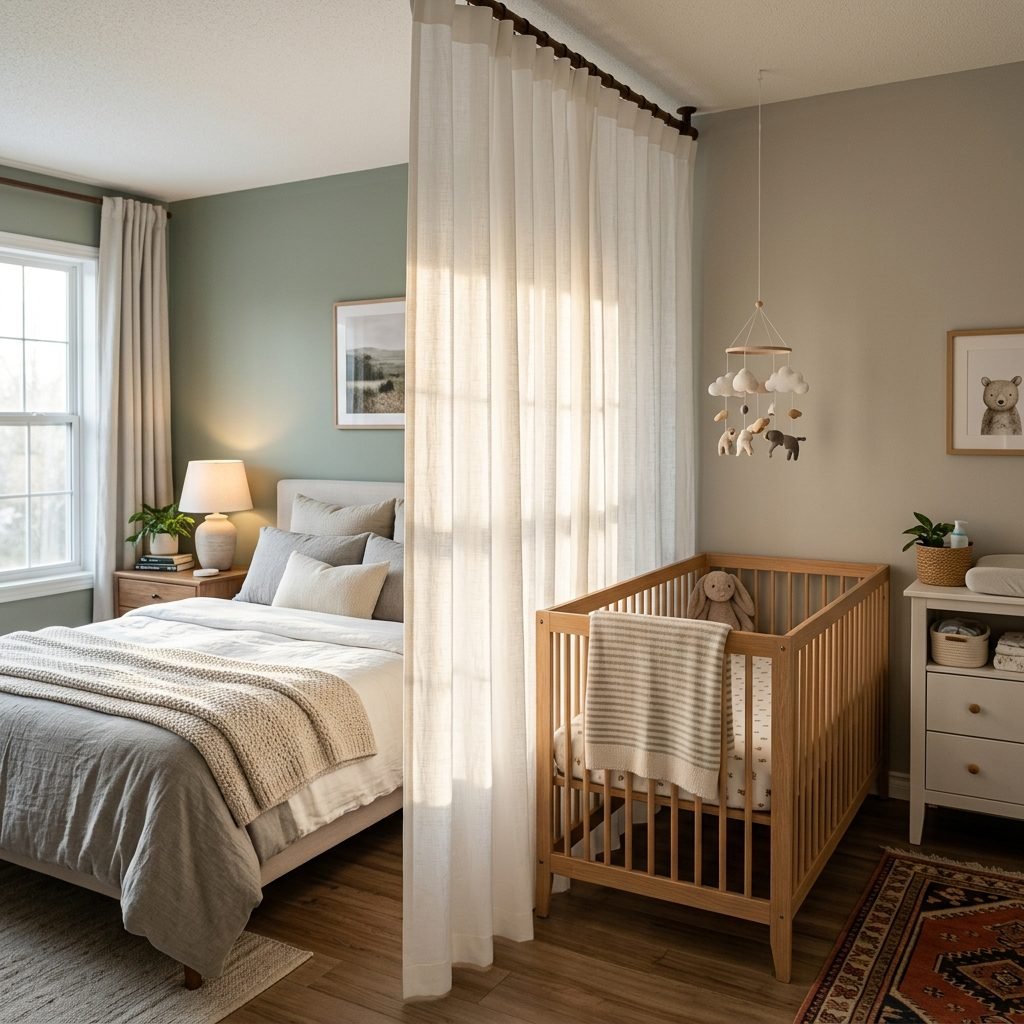
When we talk about nursery design, we often focus on the aesthetics, but as your doula, I want to talk about your nervous system. In the fourth trimester, your brain is hyper-vigilant. Having a clear physical boundary between ‘The Nursery’ and ‘The Adult Bedroom’ helps your brain switch modes. When you step behind that screen, it’s baby time. When you are in your bed, it’s recovery time.
Benefits of a Divided Space
- Reduced Overstimulation: For a newborn, the world is a whirlwind of light and shadow. A screen blocks out the flickering of a TV or the glow of a phone.
- Better Sleep Hygiene: It prevents the ‘eye-contact-at-3-AM’ trap. If baby wakes up and sees you, they are more likely to fully rouse than if they are in a darkened, private nook.
- Postpartum Identity: Keeping your bed as a ‘baby-free’ visual zone helps you feel like a person, not just a feeding station.
“Creating a boundary isn’t about distance; it’s about creating a focused space for love to grow without the clutter of the rest of the world intruding.”
Material Matters: Choosing the Right Screen for Your Lifestyle
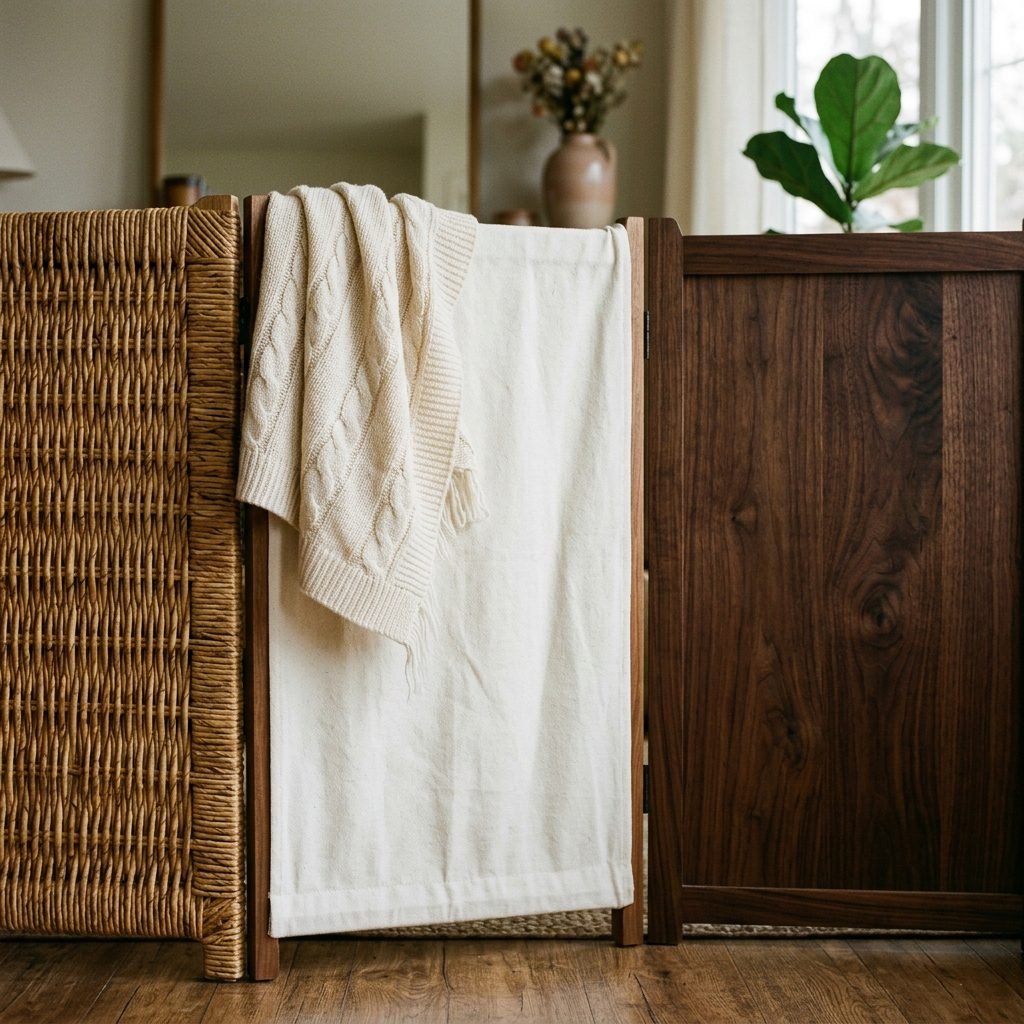
Not all dividers are created equal, especially when you have a curious crawler on the horizon. We need to balance opacity (how much light gets through), weight (safety first!), and breathability.
| Material Type | Best For… | Pros | Cons |
|---|---|---|---|
| Rattan/Wicker | Boho & Airy Vibes | Lightweight, breathable, beautiful texture. | Semi-transparent (lets light through). |
| Canvas/Fabric | Total Privacy | Blocks light completely, soft if bumped. | Can be a dust magnet; harder to clean. |
| Solid Wood | Durability | Sturdy, blocks light and some sound. | Very heavy; potential tipping hazard. |
| Shoji (Paper) | Minimalist Spaces | Extremely light, diffuses light beautifully. | Fragile; paper can be torn by toddlers. |
Safety Tip: The ‘Tip-Test’
As a doula-expert, I must remind you: Safety is non-negotiable. Once baby starts pulling up (around 6-9 months), any divider becomes a potential ladder. Always choose a model with a wide footprint or plan to anchor it to a wall. We will cover anchoring in detail later!
Top Recommendations: The Best Dividers for a Private Baby Nook
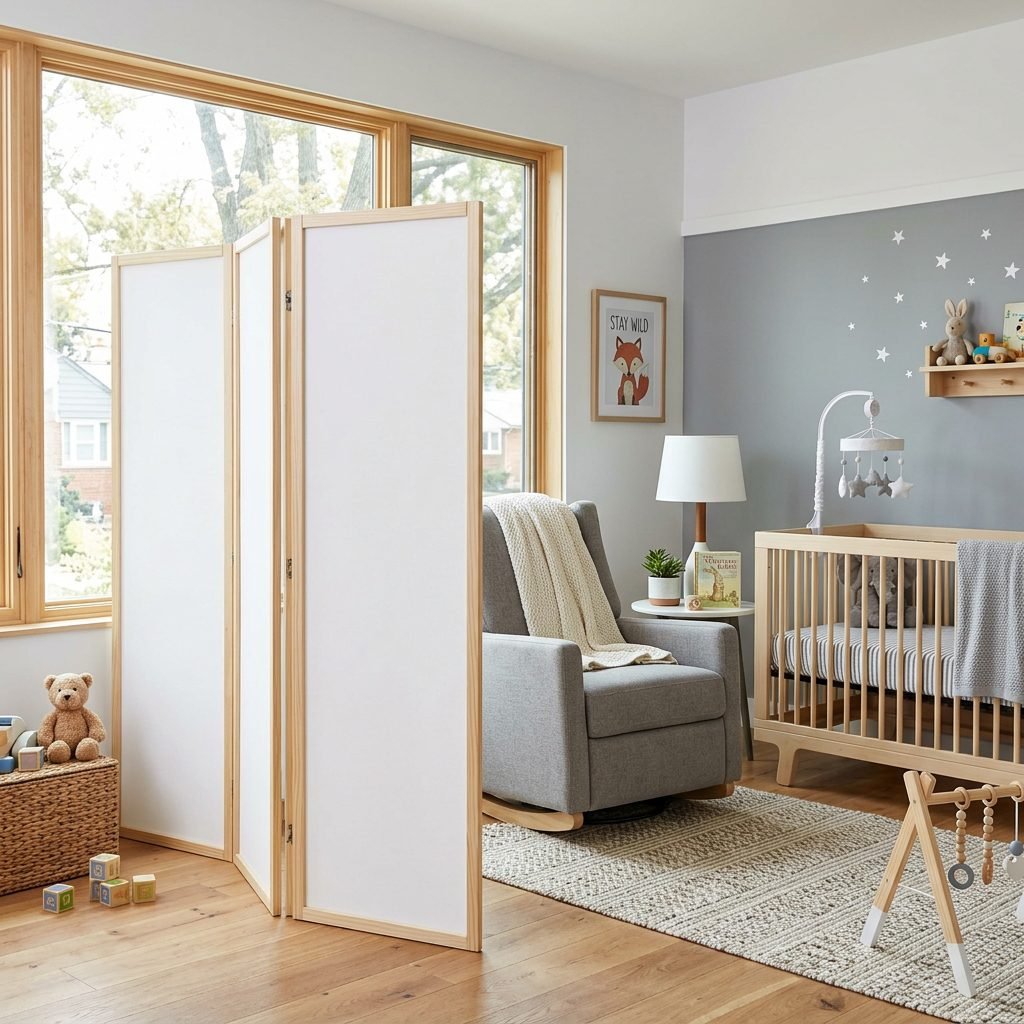
1. The Boho Mama’s Choice: Hand-Woven Rattan
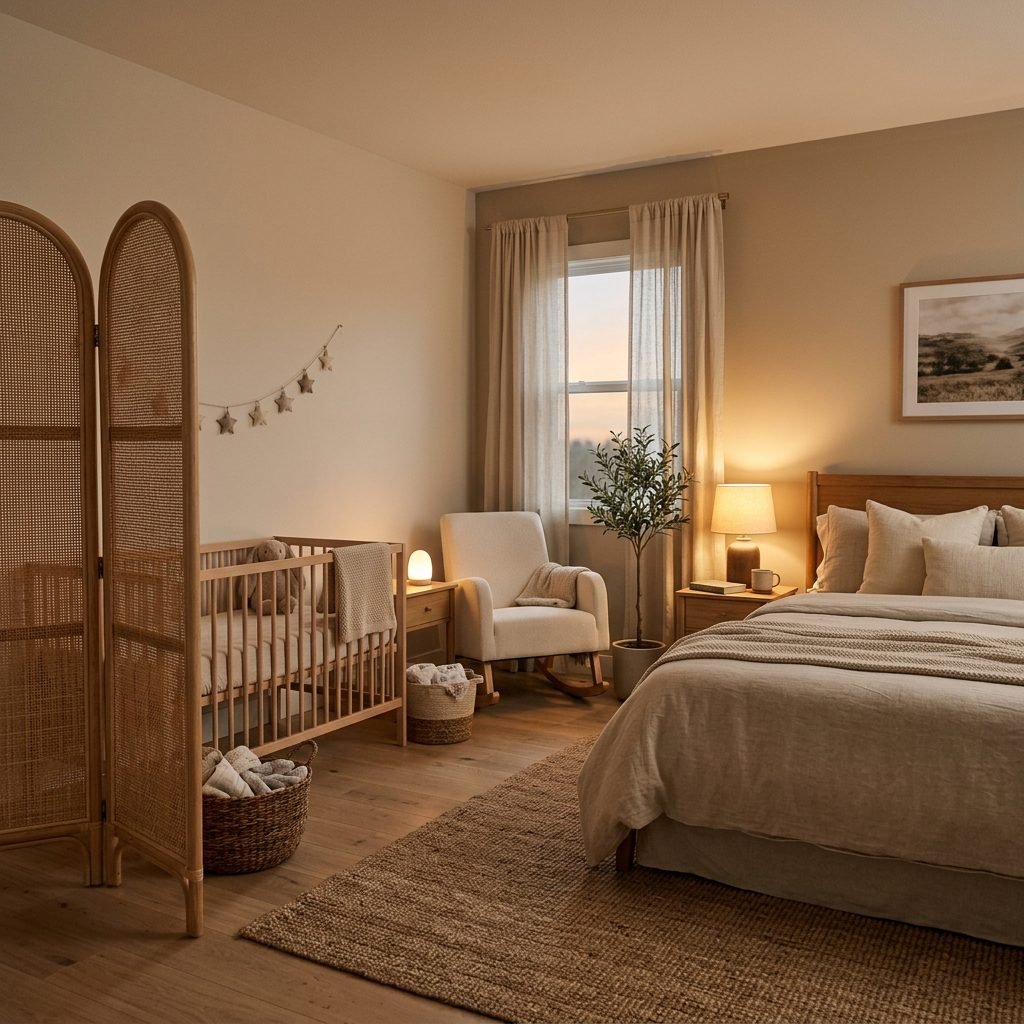
Rattan screens are the gold standard for nurseries right now. They add warmth and a natural element that feels very ‘earth mama.’ Because they aren’t 100% opaque, they don’t make a small room feel ‘closed in.’ Look for 3-panel or 4-panel options to create a curved ‘C-shape’ around the crib.
2. The Light-Sleeper’s Choice: Extra-Tall Canvas Screens
If your baby is easily distracted by the glow of your Kindle or the hallway light, go for a 6-foot tall canvas screen. These act like blackout curtains for the crib area. Make sure the fabric is ‘non-toxic’ and ‘fire-retardant free’ to keep the air quality in the nook pristine.
3. The Practical Organizer’s Choice: Shelving Dividers
While not a ‘folding’ screen in the traditional sense, an open-backed shelving unit (like an IKEA Kallax) can serve as a divider. Caution: This must be bolted to the wall studs. It provides a place for diapers, burp cloths, and sound machines right where you need them.
“Remember, the best divider is the one that makes you feel a sense of ‘ahhh’ when you walk into the room, not ‘ugh, more clutter.'”
The Doula’s Setup Guide: Positioning Your Baby Corner

Where you place the screen is just as important as which one you buy. We want to maximize flow and minimize stubs-toes in the middle of the night!
The Ideal Layout Steps:
- Identify the ‘Low-Traffic’ Corner: Choose a corner away from the main bedroom door to minimize noise when people walk by.
- Measure the ‘Swing Zone’: Ensure the screen doesn’t block your closet doors or the path to the bathroom. You don’t want to be maneuvering around a screen at 2 AM with a full bladder.
- Create the ‘L-Shape’: Position the screen in an ‘L’ shape against a wall. This provides the most stability.
- Airflow Check: Ensure the screen isn’t blocking a heater vent or an AC unit. We want baby to have a consistent temperature of 68-72°F (20-22°C).
Position vs. Function Matrix
| Placement | Primary Benefit | Best For… |
|---|---|---|
| Parallel to Bed | Co-sleeping feel | Breastfeeding moms who want easy access. |
| Corner Enclosure | Maximum privacy | Easily distracted babies. |
| Foot of the Bed | Space separation | Studio apartments or very long rooms. |
Safety & Stability: Protecting Your Little Explorer
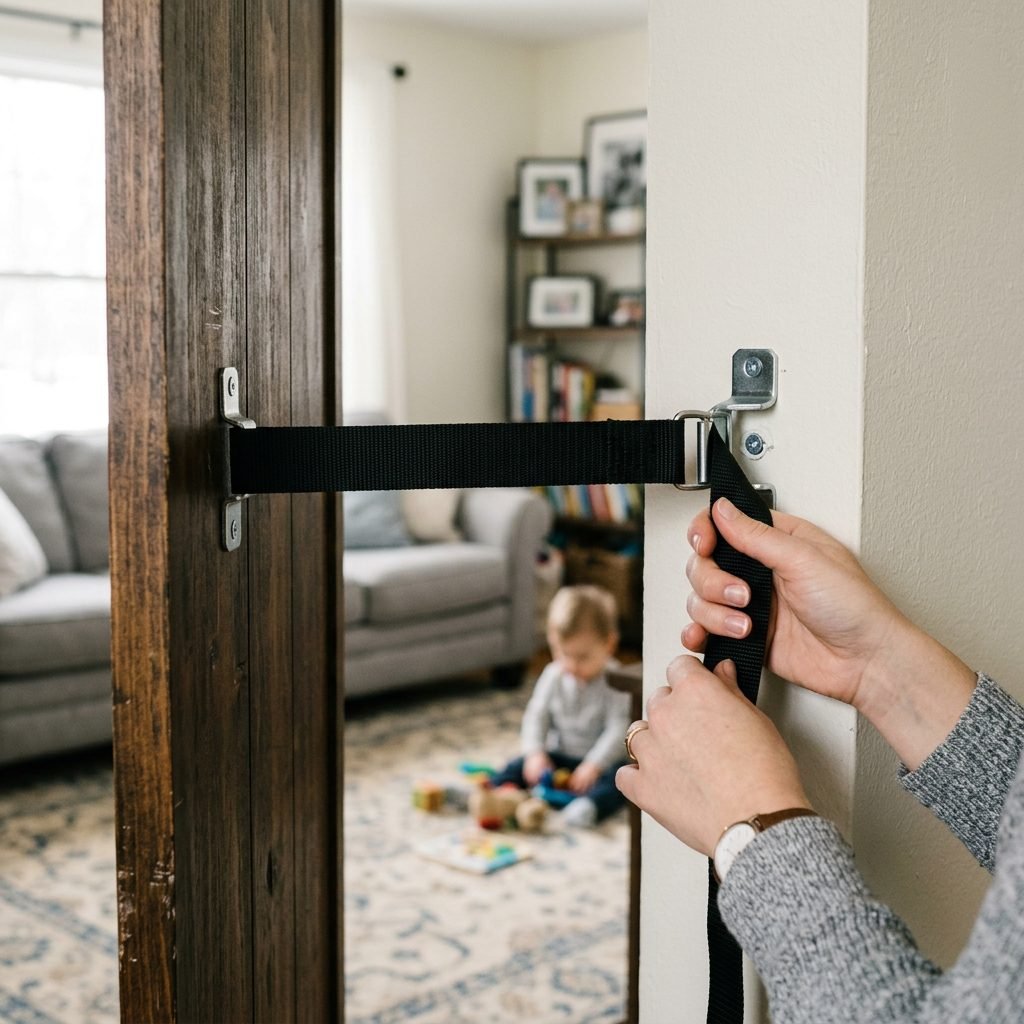
Listen to me closely, sister: Folding screens are temporary furniture. As your baby grows from a sleepy newborn to a wiggly ‘gymnast,’ your setup must evolve. Here is how to keep it safe.
Securing the Screen
- Furniture Anchors: If the screen is against a wall, use clear adhesive furniture straps to prevent it from being pulled over.
- Weighted Bases: For freestanding screens, you can use ‘sandbag’ weights hidden in decorative baskets at the base of the panels.
- The 12-Inch Rule: Keep the screen at least 12 inches away from the crib rails. You don’t want baby reaching through the slats and pulling the screen onto themselves.
When to Retire the Screen
Once your baby can stand up and reach the top of the screen, or if they start using it to ‘peek-a-boo’ with enough force to wobble it, it’s time to move the screen to a different part of the house or secure it permanently as a wall headboard. Safety over aesthetics, always.
DIY Style Hacks: Making the Screen Multi-Functional
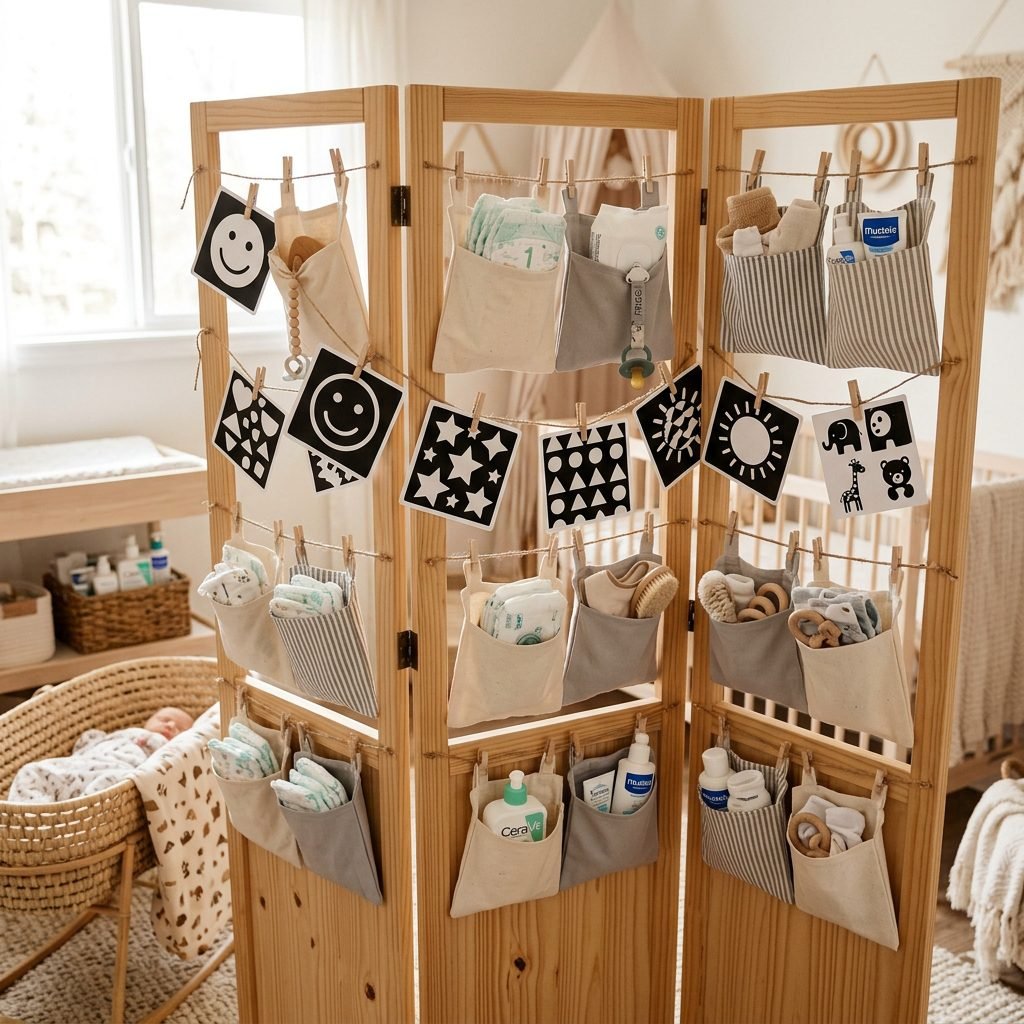
Since the screen is taking up real estate, let’s make it work for its living! Here are some crafty ways to add functionality to the baby’s side of the divider.
The Organizer Hack
Attach over-the-door pocket organizers or lightweight S-hooks to the top of the screen. Use these to hold:
- Extra pacifiers (because they always disappear!)
- Lightweight muslin swaddles
- A small, battery-operated clip-on reading light for night changes
The Sensory Hack
On the side facing the baby, you can hang high-contrast (black and white) art cards. This gives baby something to look at during ‘quiet time’ in the crib, helping with their visual development. Ensure they are taped securely and cannot be reached by tiny hands.
The Sound Dampening Hack
If you have a fabric screen, you can pin acoustic foam or even a thick decorative quilt to the back. This helps muffle the sound of your alarm clock or the rustle of sheets, keeping baby in dreamland a little longer.
Conclusion
You’ve Got This, Mama
Creating a private baby corner isn’t just about interior design; it’s about intentional living. It’s about acknowledging that while you and your baby are a unit, you are also individuals who need your own space to breathe and rest. By choosing the right folding screen room divider, you are setting the stage for better sleep, a calmer postpartum recovery, and a beautiful first year together. Take a deep breath, pick the style that speaks to your soul, and know that you are doing an incredible job preparing for your little one. Your bedroom is still your sanctuary—it’s just a sanctuary with a little extra love tucked in the corner now.