How to Turn a Master Bedroom Closet into a Cozy Crib Nook with Barn Doors
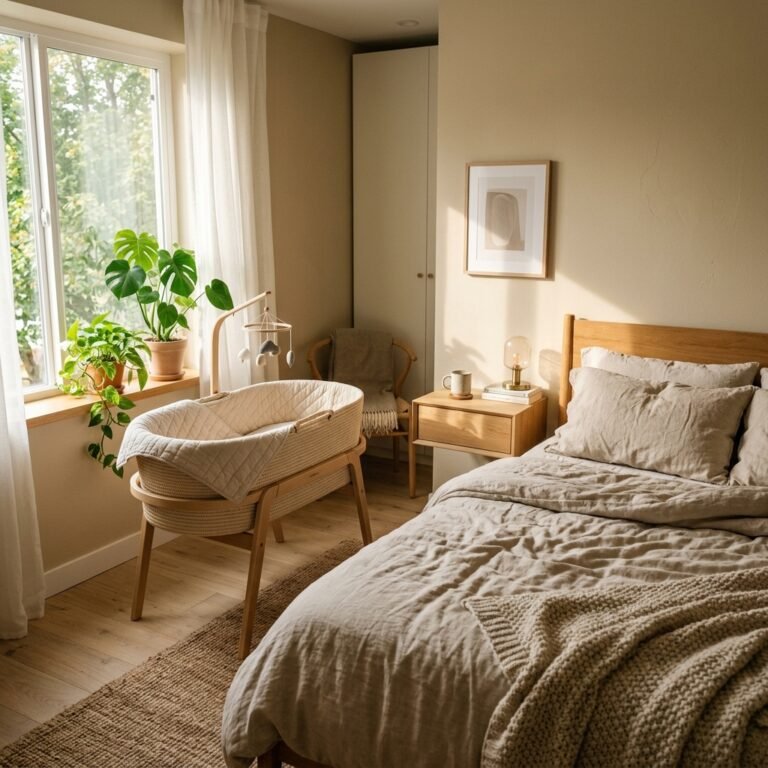
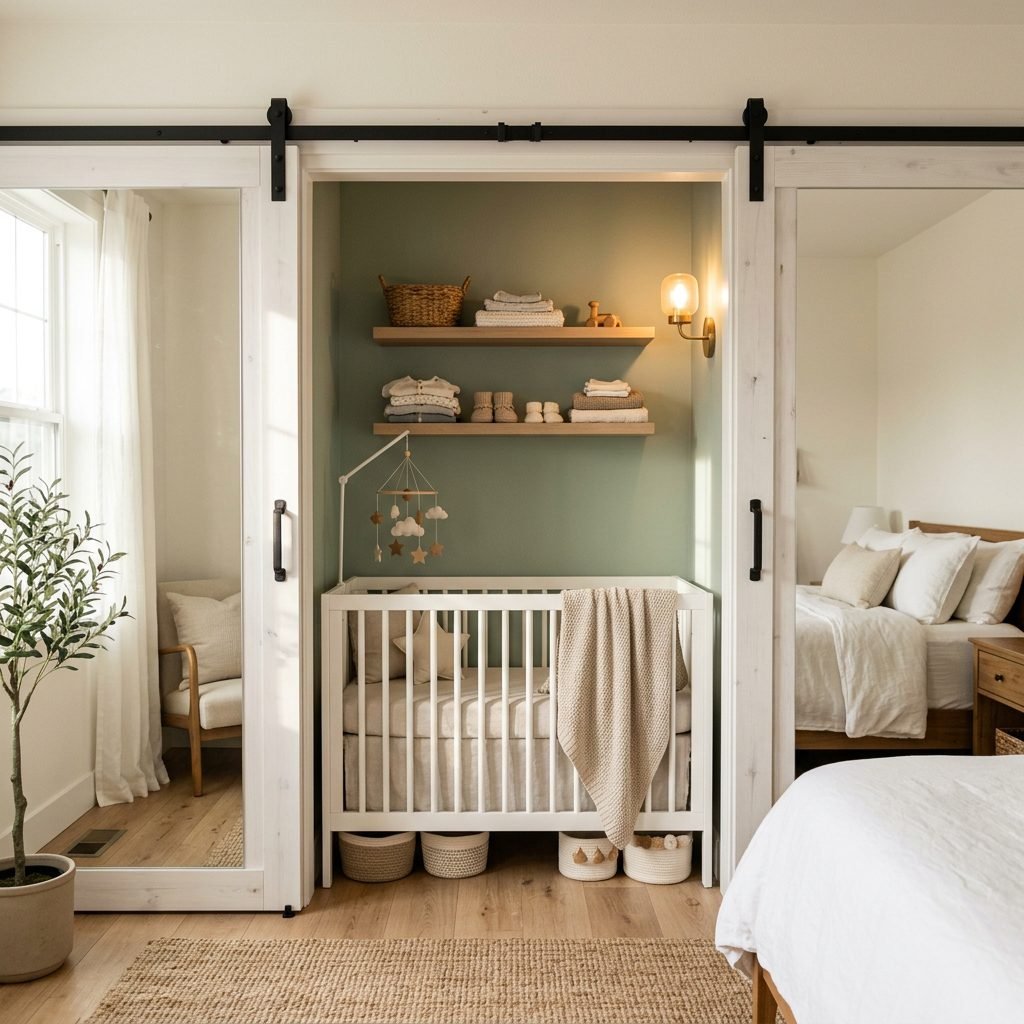
Oh, mama, I see you. You are in that beautiful, slightly frantic nesting phase where every square inch of your home is being evaluated for its ‘baby potential.’ Whether you are living in a cozy city apartment, a charming bungalow, or you simply want to keep your little one close during those first precious months, the ‘closet-to-nursery’ transformation is a stroke of pure genius. As a doula and a stylist, I’ve seen so many parents struggle with the ‘big nursery’ pressure, but let me tell you a secret: your baby doesn’t need a palatial suite. They need a safe, snug, and quiet corner near the sound of your breathing. Turning your master bedroom closet into a crib nook is not just a space-saving hack; it is a way to create an intimate sanctuary that fosters bonding while maintaining the aesthetic of your bedroom. By adding barn doors, you gain the ability to tuck the ‘baby zone’ away during the day or create a dark, quiet environment for naps without the swing-radius of a traditional door. Let’s walk through this together, step by step, with a cup of tea in hand and a vision of your perfect, tiny nook.
The Planning Phase: Measuring for Safety and Flow
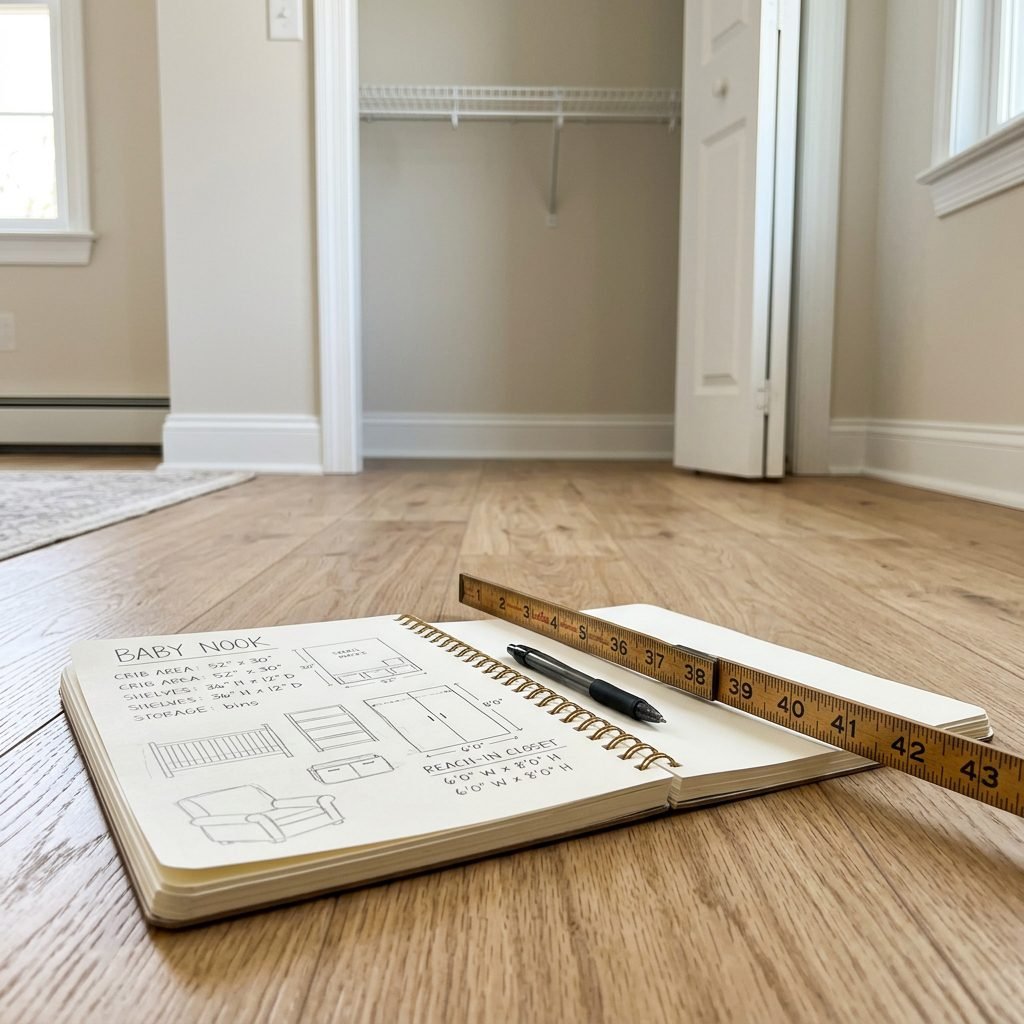
Before we pick up a hammer or a paintbrush, we have to talk about the ‘boring’ but vital stuff: dimensions. A standard reach-in closet is usually about 24 inches deep, which is a tight fit for a full-sized crib but absolutely perfect for a mini-crib or a bassinet. Safety is our North Star here. You need to ensure there is enough clearance for the crib to sit without touching the walls on all sides if possible, or at least ensuring there are no cords, curtains, or shelving units within reach of those curious little hands. When planning for barn doors, you must measure the wall space on either side of the closet opening. Do you have enough ‘runway’ for the doors to slide open fully? If not, we might look at a single door or a bypass system.
Essential Dimensions Checklist
Take your measuring tape and note down these key numbers before ordering any furniture or hardware. Remember, mama, we want a snug fit, not a cramped one.
| Feature | Required Measurement | Why It Matters |
|---|---|---|
| Closet Depth | Minimum 24-30 inches | Ensures the crib fits without protruding into the main room. |
| Wall Runway | Equal to closet width | Required for the barn doors to slide completely open. |
| Crib Height | Variable | Ensure top shelves are at least 3 feet above the mattress. |
| Header Space | 6-10 inches | The clearance needed above the door frame for the barn door track. |
Always measure twice and buy once. In the fog of pregnancy brain, it is so easy to flip a 6 and a 9. Have your partner or a friend double-check your numbers!
Demolition and Prep: Creating a Blank Canvas
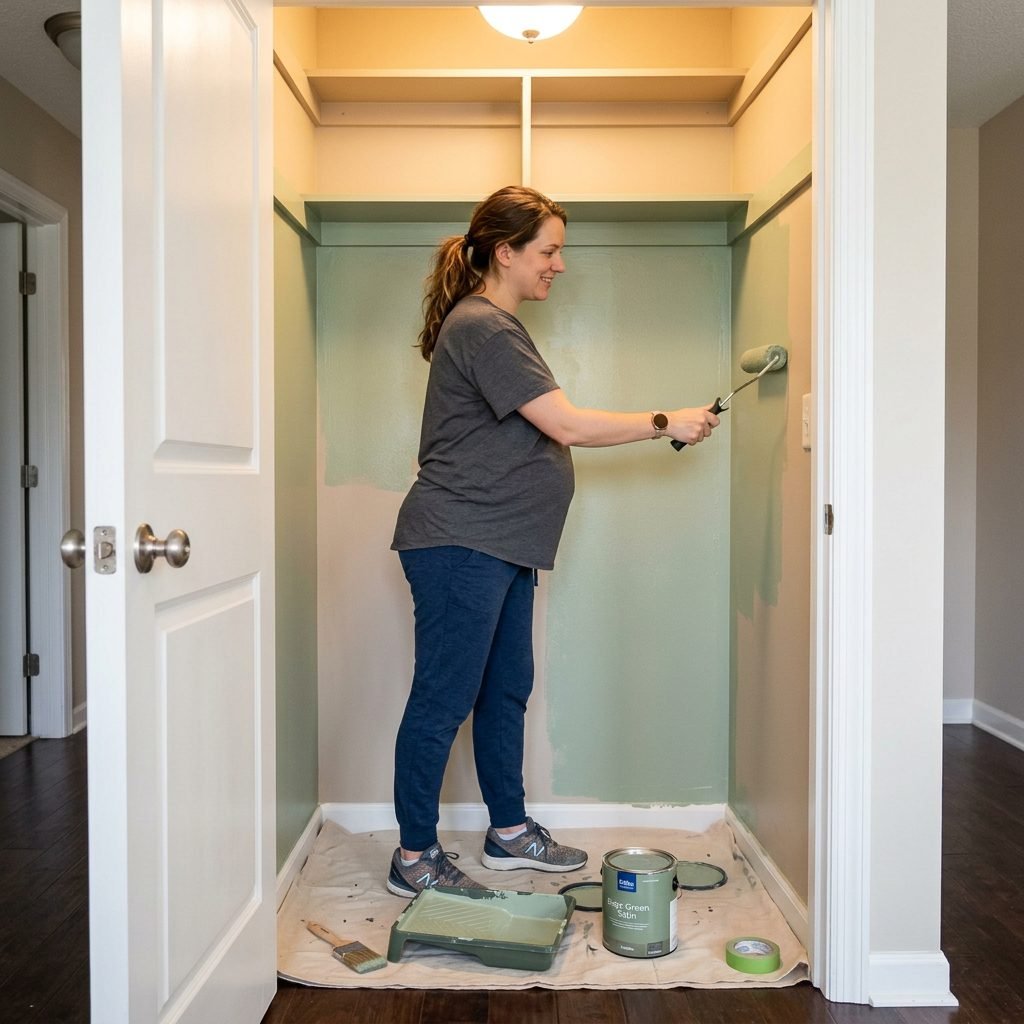
Now comes the satisfying part! To create a truly integrated nook, we need to remove the existing closet doors and any wire shelving that usually comes standard. Removing those old bi-fold doors will instantly make the room feel larger. Once the space is clear, inspect the walls. If your closet hasn’t been painted in years, this is the time for a fresh coat of Zero-VOC paint. Since this is a small, enclosed space, using non-toxic paint is non-negotiable for your baby’s respiratory health. I love a soft, receding color like a muted terracotta, a dusty blue, or a creamy off-white to make the nook feel like an intentional room rather than a ‘closet with a bed in it.’
Lighting and Airflow Prep
Closets are notoriously dark and stuffy. Since we are adding barn doors, we need to address two things: light and air.
- Lighting: Consider a plug-in wall sconce with a dimmer switch. Avoid floor lamps which are a tipping hazard.
- Airflow: If the closet feels stagnant, plan for a small, high-mounted oscillating fan or ensure the barn doors are slatted to allow air to circulate even when closed.
- Flooring: If the closet floor is different from the bedroom, a small, low-pile rug can unify the space and provide sound dampening.
Don’t forget to check for outlets! If you don’t have one inside the closet, you may need a professional electrician to add a ‘clock outlet’ high up for a baby monitor or a sound machine. Keeping cords hidden and out of reach is the gold standard for nursery safety.
Installing the Barn Doors: Style Meets Function

Barn doors are the ‘secret sauce’ of this project. Unlike traditional doors that swing out and eat up floor space, barn doors glide parallel to the wall. This allows you to place your own bed or a nursing chair closer to the nook without interference. For a nursery, I highly recommend Soft-Close Hardware. There is nothing worse than finally getting a fussy baby to sleep, only to have the heavy barn door ‘clack’ shut and wake them up. Soft-close mechanisms catch the door and glide it to a silent stop.
Choosing Your Door Style
The style of door you choose sets the tone for the entire master suite.
| Door Type | Pros | Cons |
|---|---|---|
| Solid Wood | Excellent sound muffling; very durable. | Heavy; requires a sturdy wall header. |
| Slatted/Louvered | Superior airflow; lighter weight. | Less light blocking; harder to clean. |
| Glass Insert (Frosted) | Aesthetic and airy; allows some light. | Safety concerns (ensure it is tempered); less privacy. |
| Mirrored Barn Door | Makes the bedroom look huge. | Fingerprint magnet; can be heavy. |
When installing the track, ensure you are hitting the studs. A barn door is heavy, and with a baby nearby, we cannot take risks with structural integrity. If your studs don’t align with the track holes, install a ‘header board’ (a 1×4 or 1×6 piece of wood) first, then mount the track to that header. This adds a beautiful, professional look and ensures the door is rock solid.
Vertical Organization: Storage Hacks for Tiny Nooks
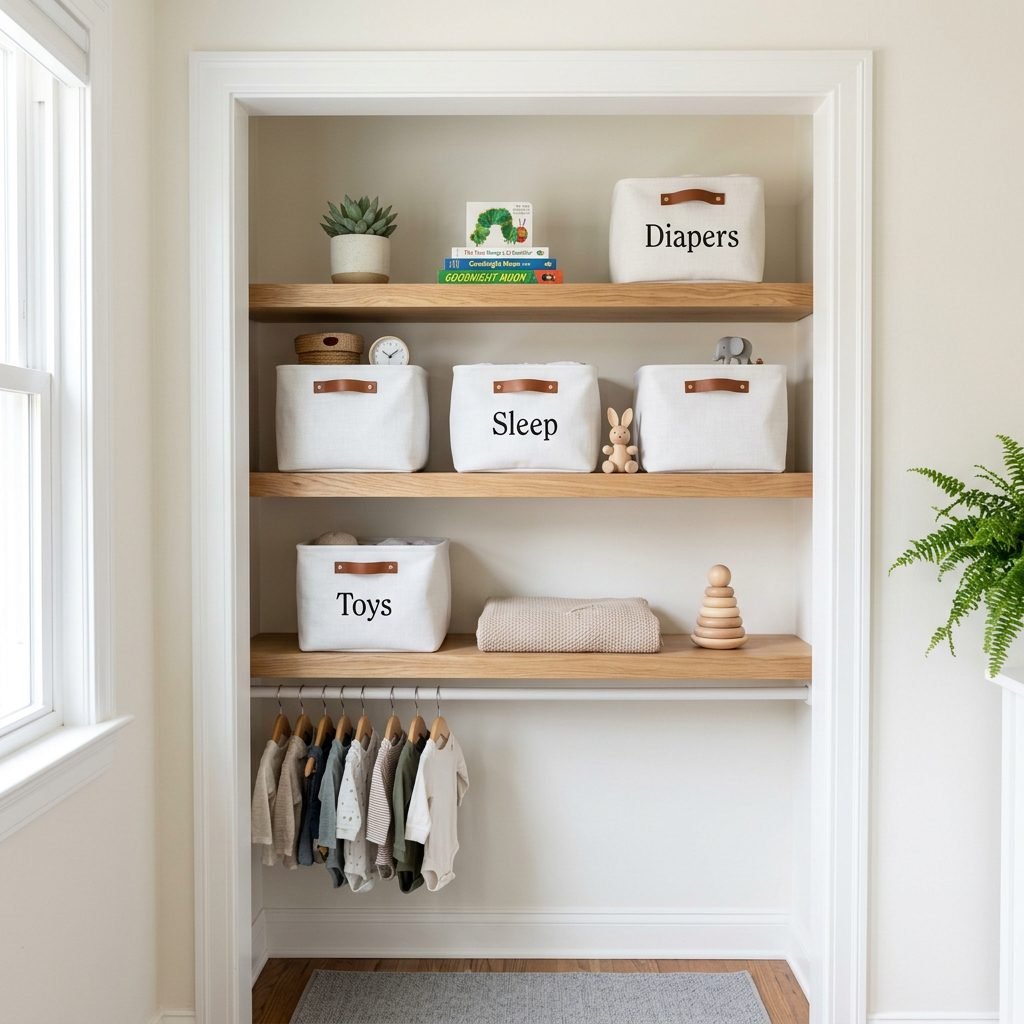
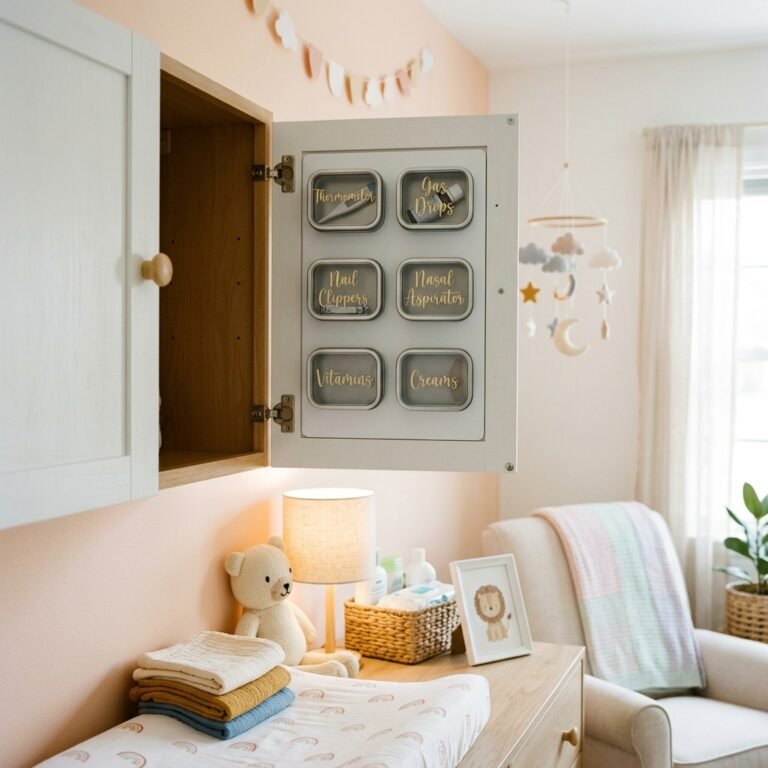
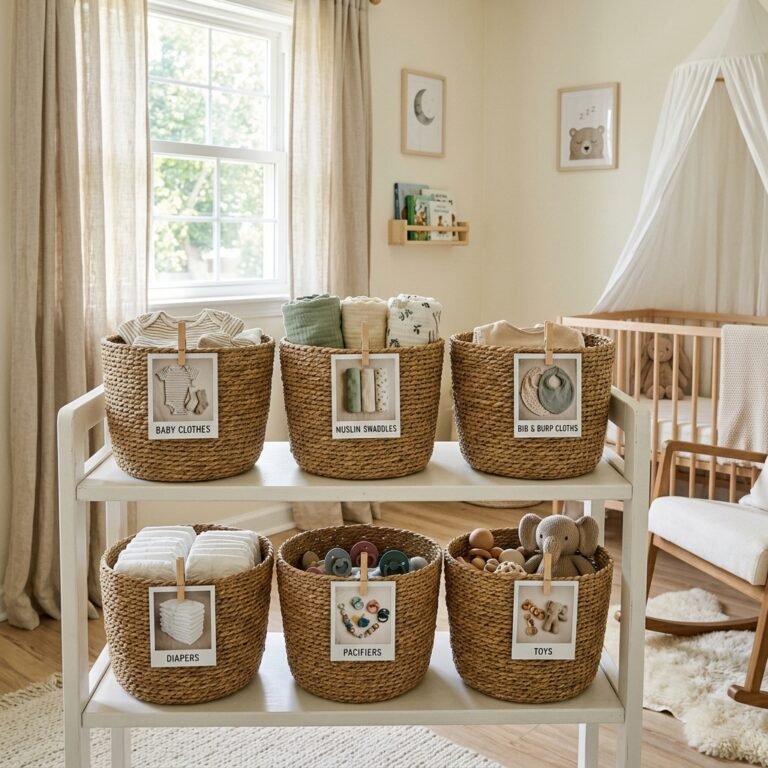
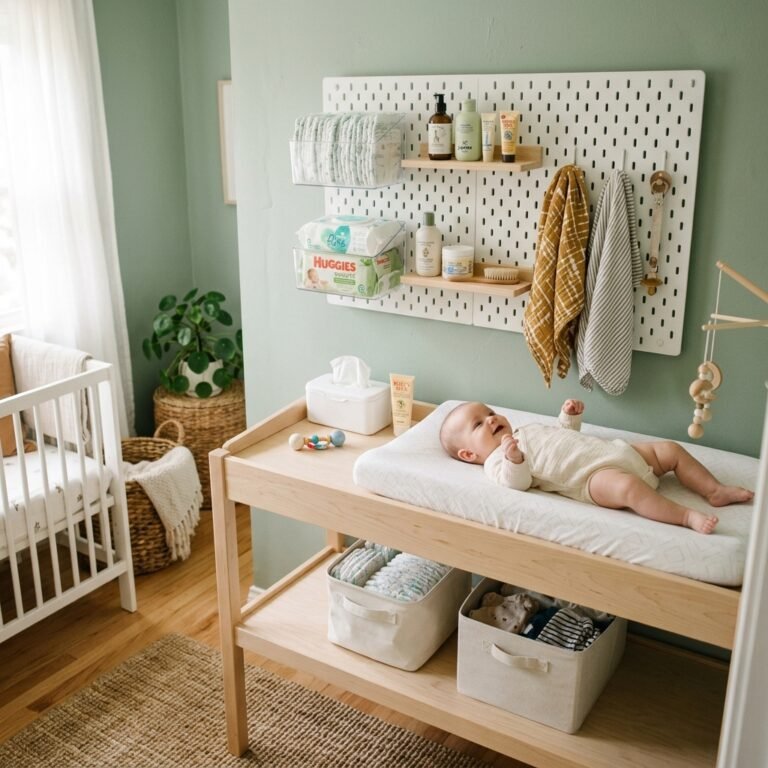
Since we’ve sacrificed closet space for a crib, we have to get creative with storage. We are going to ‘build up.’ The area above the crib is prime real estate for essentials like diapers, wipes, and those adorable tiny onesies. The key is to use uniform bins. When the barn doors are open, you want the space to look curated, not cluttered. Use floating shelves that match your bedroom furniture to create a cohesive look. I recommend placing the lowest shelf at least 36 inches above the mattress height to ensure that as your baby grows and starts to stand, they can’t reach the items on the shelf.
The ‘Reach and Grab’ System
Organize your shelves based on frequency of use:
- Eye Level: Diapers, wipes, burp cloths, and frequently used swaddles.
- High Shelves: Out-of-season clothes, extra blankets, and back-stock wipes.
- Under-Crib: If your crib has space underneath, use low-profile rolling bins for toys or heavy sleep sacks.
Sisterly Tip: Use baskets with soft liners. Wicker can sometimes snag delicate baby knits, and we want those heirloom sweaters to last!
The Doula’s Safety Checklist: Peace of Mind for Mama
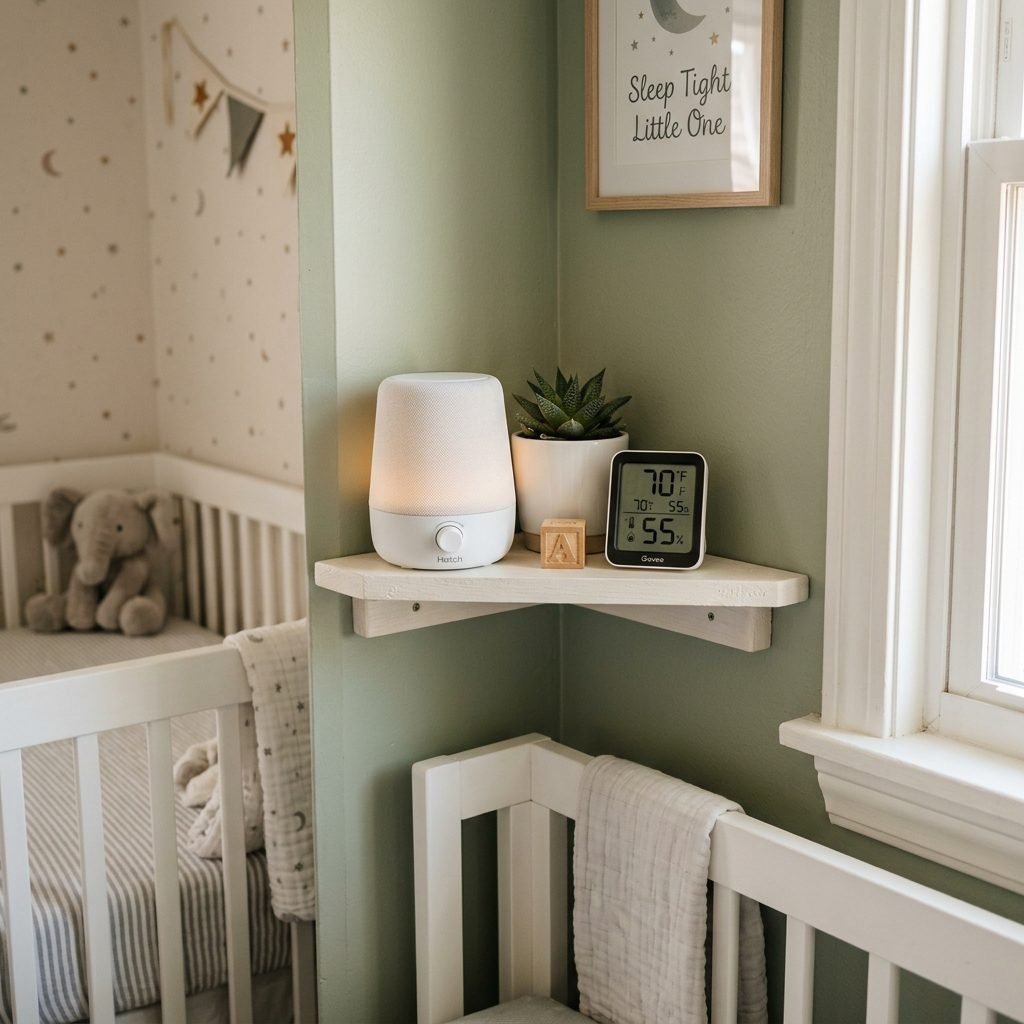
As a doula, my priority is always the safety of your little one and your peace of mind. A closet nook is a wonderful solution, but it does require a few extra safety considerations compared to a standard room. The most important factor is carbon monoxide and smoke detection. Because closets can sometimes have different airflow patterns, ensure your bedroom’s detectors are functioning perfectly and are located close to the nook opening. Second, let’s talk about ‘The Gap.’ Ensure the crib is flush against the back wall or has a significant gap that a baby cannot get stuck in. Never use ‘bumpers’ or extra padding to fill gaps; a firm, tight-fitting mattress is the only thing that belongs in that crib.
Safe Sleep & Environment Matrix
| Safety Concern | The Solution | Doula Recommendation |
|---|---|---|
| Air Circulation | Slatted doors or a small fan. | Keep the room between 68-72°F. |
| Cord Safety | Cord covers or wireless monitors. | Never have a cord within 3 feet of the crib. |
| Wall Decor | Lightweight vinyl decals. | Avoid heavy framed art above the crib. |
| Dust Accumulation | Regular vacuuming of the nook. | Closets trap dust; clean weekly to prevent allergies. |
Lastly, consider the ‘noise floor’ of your master bedroom. If you have a TV in the room, you might want to invest in a high-quality white noise machine placed inside the nook to create a consistent sound environment for the baby, shielding them from your evening movements.
Aesthetics and Finishing Touches: Making it Homey

Now for the fun part—styling! Just because it’s a closet doesn’t mean it shouldn’t be beautiful. Since the space is small, a little goes a long way. Use a ‘tonal’ palette—shades of the same color—to keep the space from feeling visually cluttered. A single piece of meaningful art (securely fastened!) or a beautiful mobile can serve as a focal point. Think about the view from your bed. You want to look over and see a peaceful, organized space that makes you smile, not a reminder of a DIY project. Adding a small, battery-operated LED strip under the shelves can provide a ‘moonlight’ glow for those 2 AM diaper changes without waking the baby up fully with overhead lights.
The Final Styling Formula
- Texture: A soft rug and a muslin drape.
- Nature: A small, non-toxic plant (like a Spider Plant) on a high shelf to purify the air.
- Personalization: A wooden name sign or a framed birth announcement.
When those barn doors are closed, your room returns to being your adult sanctuary. When they glide open, you are greeted by the sweetest little corner of the world. It’s the best of both worlds, mama.
Conclusion
Transforming your master closet into a crib nook is more than just a home improvement project; it is a labor of love that honors both your needs as a parent and your baby’s need for closeness. By choosing the right barn doors, prioritizing safety and airflow, and utilizing clever vertical storage, you have created a functional masterpiece. Remember, mama, the size of the room doesn’t determine the quality of the love within it. Whether your baby is in a grand nursery or a cozy closet nook, they are exactly where they need to be: right by your side. You’ve done an incredible job creating this sanctuary. Now, take a deep breath, slide those barn doors closed for a moment of quiet, and rest—you’ve earned it.