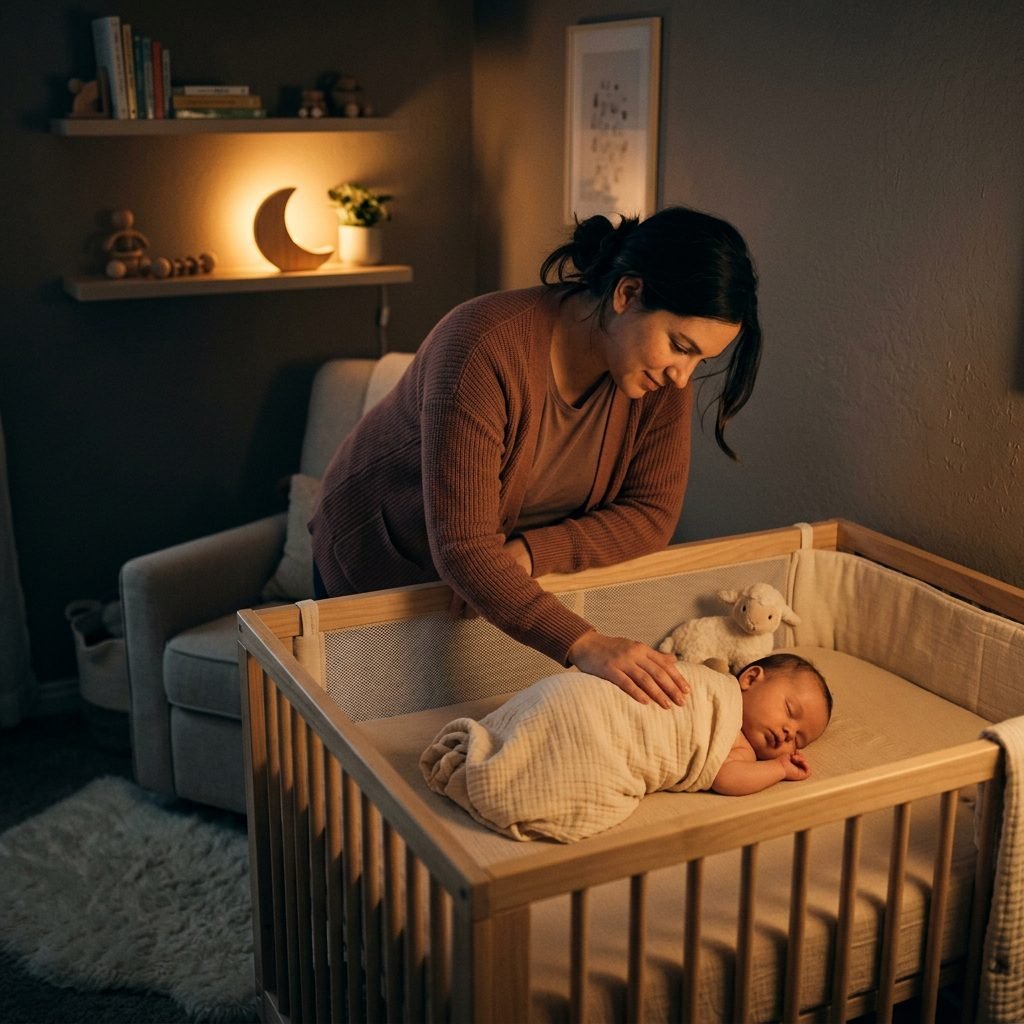
The Shush-Pat Method: How to Sleep Train Your Baby Without Crying It Out
Welcome to Your Restful New Chapter
Oh, mama, I see you. I see the heavy eyelids, the fourth cup of lukewarm coffee, and that deep, soul-aching desire to just have four consecutive hours of sleep. As a doula and a fellow traveler on this wild road of motherhood, I want to wrap you in a virtual hug and tell you: it doesn’t have to be a choice between total exhaustion and letting your baby cry for hours. There is a middle ground, a gentle path that honors your baby’s need for security while teaching them the vital skill of self-soothing. Enter the Shush-Pat Method.
Popularized by the legendary Tracy Hogg, ‘The Baby Whisperer,’ this technique is the gold standard for parents who want to be physically present and supportive as their little ones learn to navigate the transition into sleep. It is not a ‘magic wand,’ but rather a rhythmic, sensory-based communication tool. Today, we are going to dive deep into the how, the why, and the when of this beautiful method, ensuring you feel empowered, capable, and—eventually—well-rested.
Understanding the Gentle Philosophy: Why Shush-Pat Works
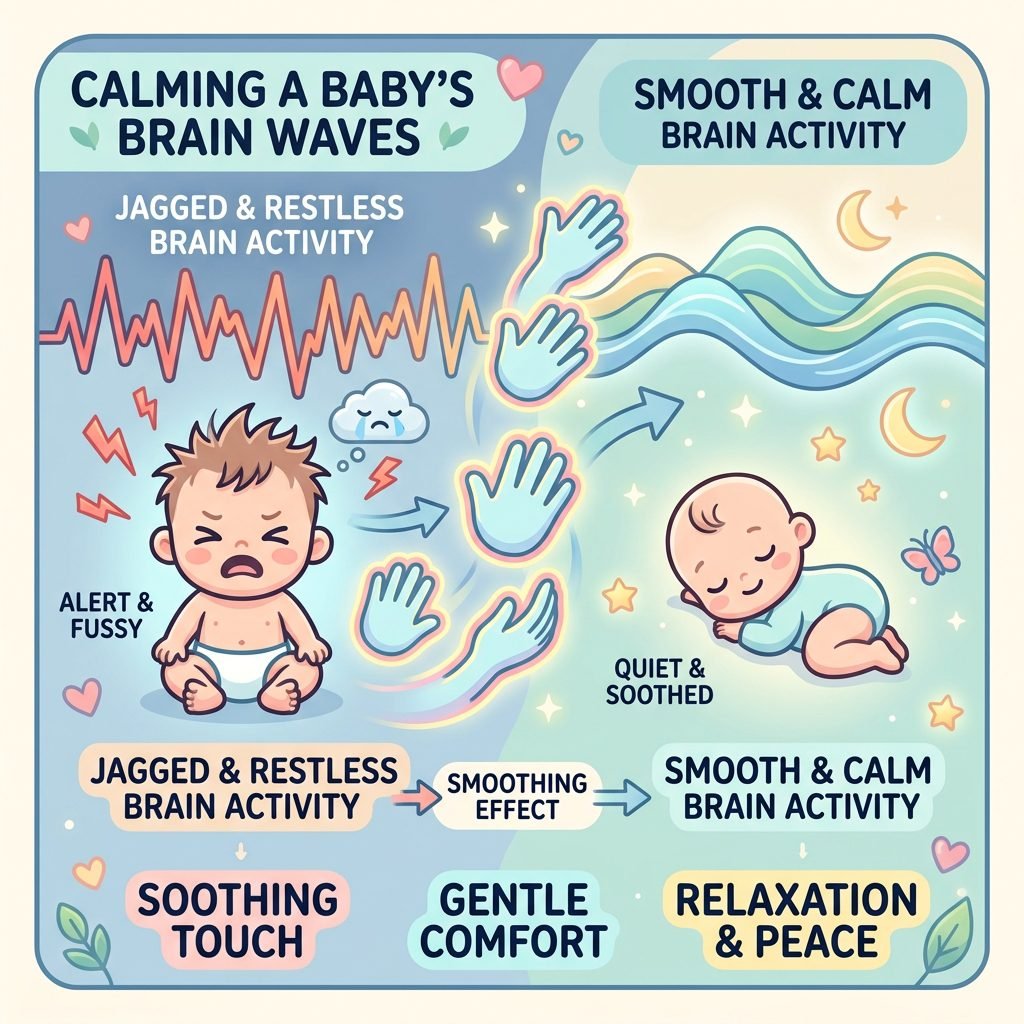
The Shush-Pat method works on a very simple biological principle: babies cannot easily focus on three things at once. When a baby is overstimulated or struggling to settle, their nervous system is in overdrive. By introducing a rhythmic ‘shush’ (auditory) and a rhythmic ‘pat’ (tactile), you provide a sensory anchor. This rhythmic input effectively ‘distracts’ the brain from the crying, allowing the baby’s heart rate to slow and their body to relax.
Unlike ‘Cry It Out’ (CIO) methods, Shush-Pat is a parent-present technique. You are right there, offering comfort and reassurance. You aren’t leaving them to figure it out alone; you are coaching them through the process. This builds a secure attachment while preventing the ‘overtired’ cycle that often leads to midnight meltdowns.
| Feature | Shush-Pat Method | Traditional Cry It Out (CIO) |
|---|---|---|
| Parental Presence | High – You are physically touching the baby. | Low – Parent usually leaves the room. |
| Emotional Impact | Reassuring and responsive. | Can be stressful for both parent and baby. |
| Skill Taught | Guided self-soothing. | Independent self-soothing. |
| Age Appropriateness | Ideal for 0 to 6 months. | Usually recommended after 6 months. |
Remember, sweet mama: You are not ‘training’ a robot; you are teaching a tiny human how to feel safe enough to let go of the day.
The Physical Technique: A Step-by-Step Guide to the Shush-Pat
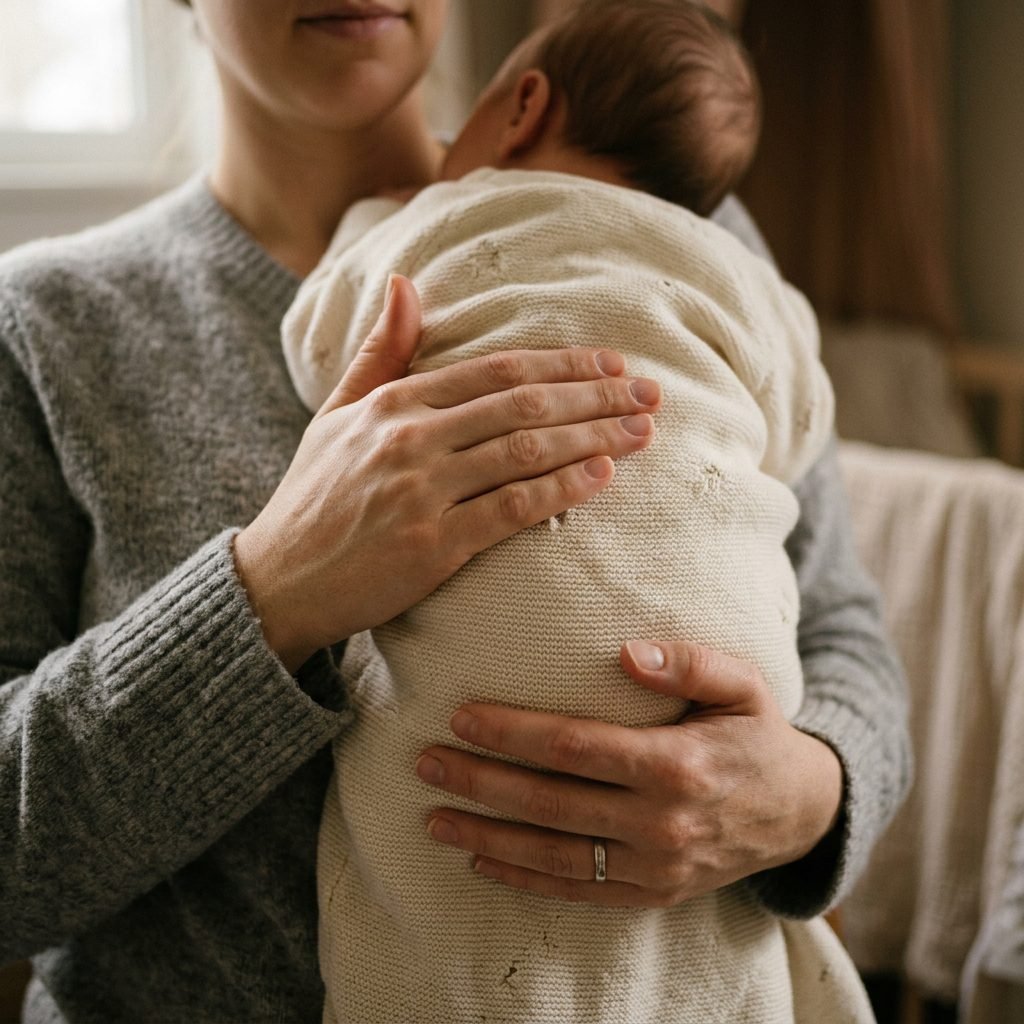
To master the Shush-Pat, you need to understand that your rhythm is your baby’s anchor. If you are frantic, they will feel it. Take a deep breath, drop your shoulders, and follow these precise steps:
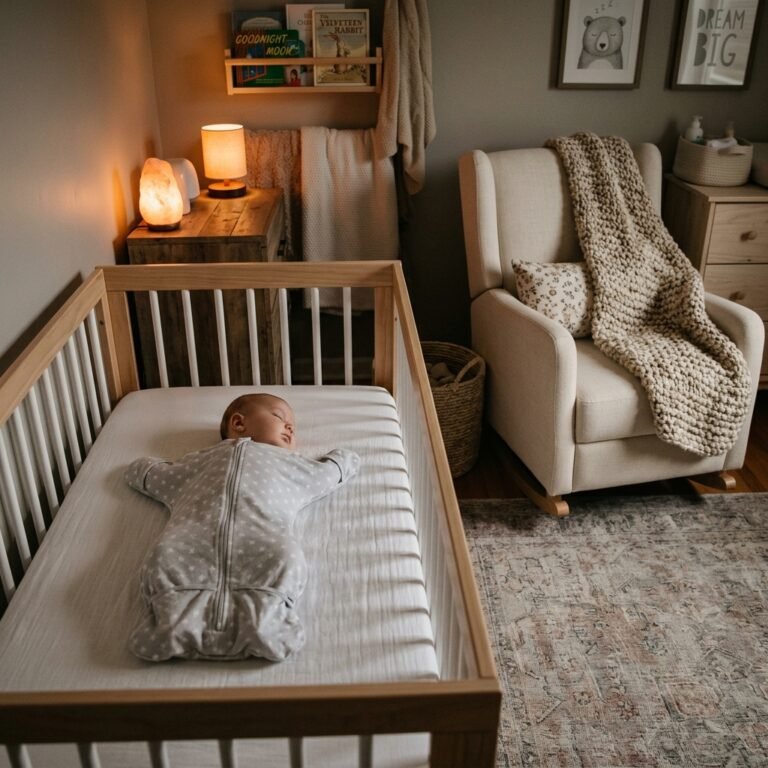
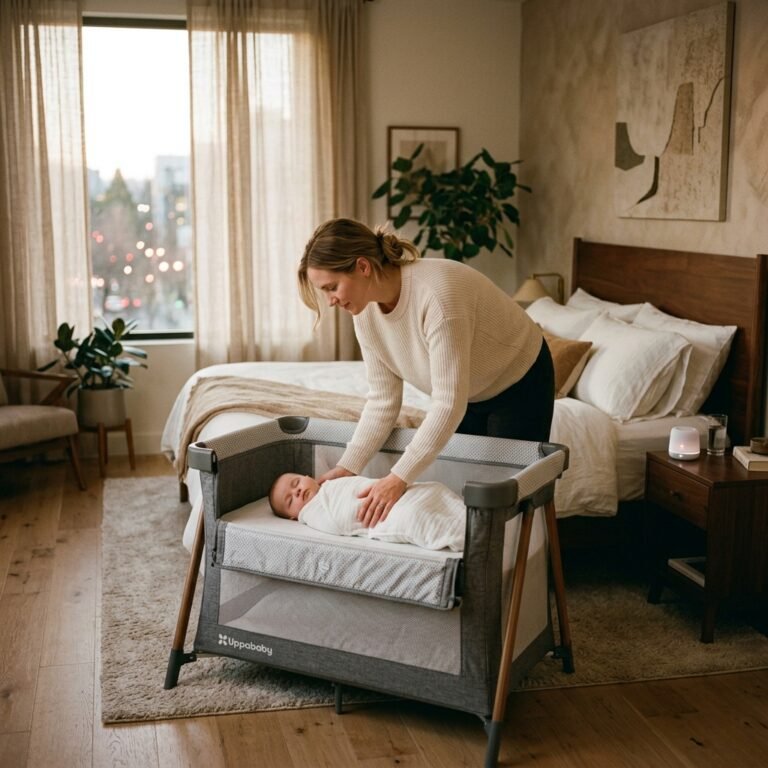
- The Setup: Ensure the room is dark and the baby is in a safe sleep environment (flat mattress, no loose blankets). If your baby is under 4 months, a snug swaddle is highly recommended to prevent the startle reflex from undoing your hard work.
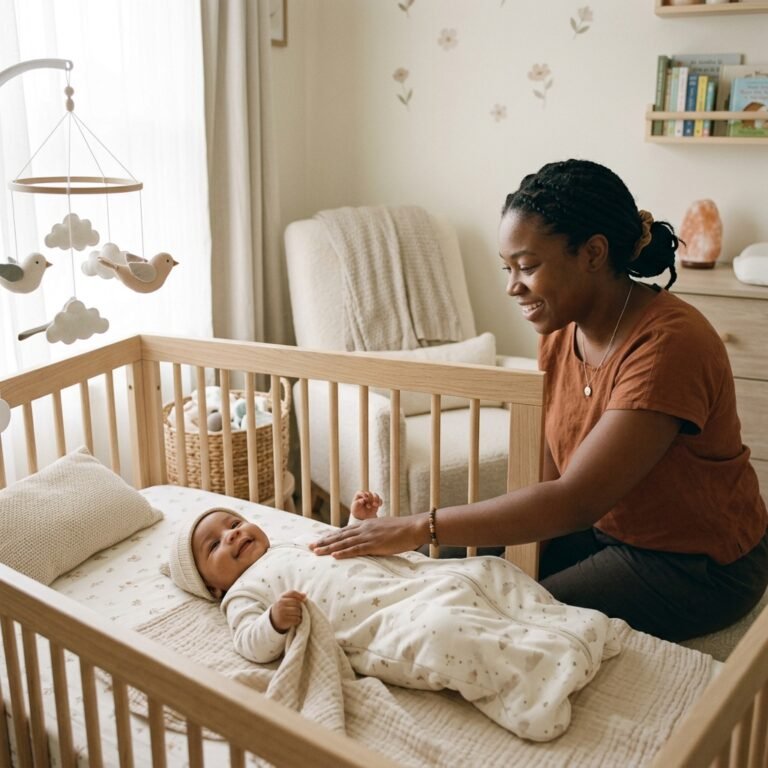
- The Position: Place your baby on their side in the crib (only while you are patting; you will roll them to their back once asleep). This allows you to pat their back and center of gravity more effectively.
- The Shush: Place your mouth about 2 to 4 inches from the baby’s ear. Make a long, loud, rhythmic ‘Shhhhhhh, Shhhhhhh’ sound. It needs to be louder than the baby’s cry so they can actually hear it over their own noise.
- The Pat: Use a firm, rhythmic pat in the center of their back, like a heartbeat (thump-thump, thump-thump). Don’t be too timid; a rhythmic, firm pressure is more soothing than a light tickle.
- The Transition: As the baby’s cries turn to whimpers, slow down the tempo of your shushing and patting. Once they are still, stop the shushing but continue the patting for a few more minutes.
- The Final Roll: Gently roll the baby onto their back for safe sleep once they are fully settled and in a deep enough sleep (usually indicated by limp limbs).
Pro Tip: If your baby is older (4+ months) and rolling, you can perform the patting while they are on their back by gently patting their tummy or shoulder, though back-patting is generally more effective for the calming reflex.
Creating the Sanctuary: Nursery Prep for Sleep Success

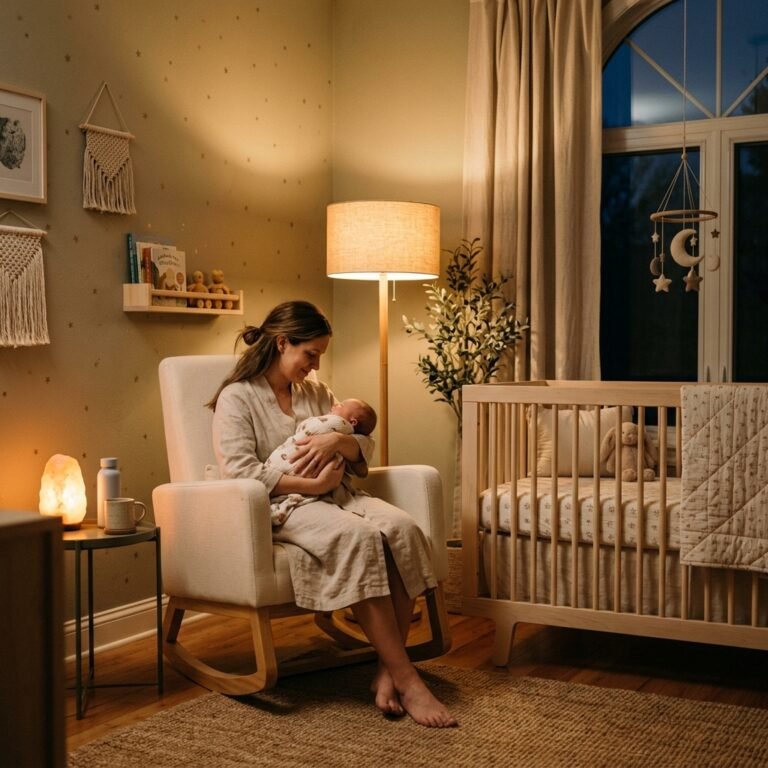
You wouldn’t want to sleep in a bright, loud disco, and neither does your baby. To make the Shush-Pat method effective, the environment must signal to the baby’s brain that melatonin production should begin. As a nursery organizer, I recommend focusing on the ‘Sensory Three’: Sight, Sound, and Temperature.
- Total Darkness: Use blackout curtains. If you can see your hand in front of your face, it’s too bright. Darkness is the primary trigger for sleep hormones.
- Continuous White Noise: While you will provide the ‘Shush,’ a white noise machine provides a consistent background hum that masks household noises (like a barking dog or a dropped pot).
- Optimal Temperature: Keep the room between 68 and 72 degrees Fahrenheit. An overheated baby is a restless baby.
| Item | Why It Matters | Doula’s Choice |
|---|---|---|
| Swaddle/Sleep Sack | Prevents Moro reflex. | Velcro swaddle or weighted sack. |
| Blackout Solution | Maintains circadian rhythm. | Travel suction-cup blinds. |
| Sound Machine | Masks ‘startle’ noises. | Non-looping pink or white noise. |
Troubleshooting the ‘Stop and Go’: When to Intervene
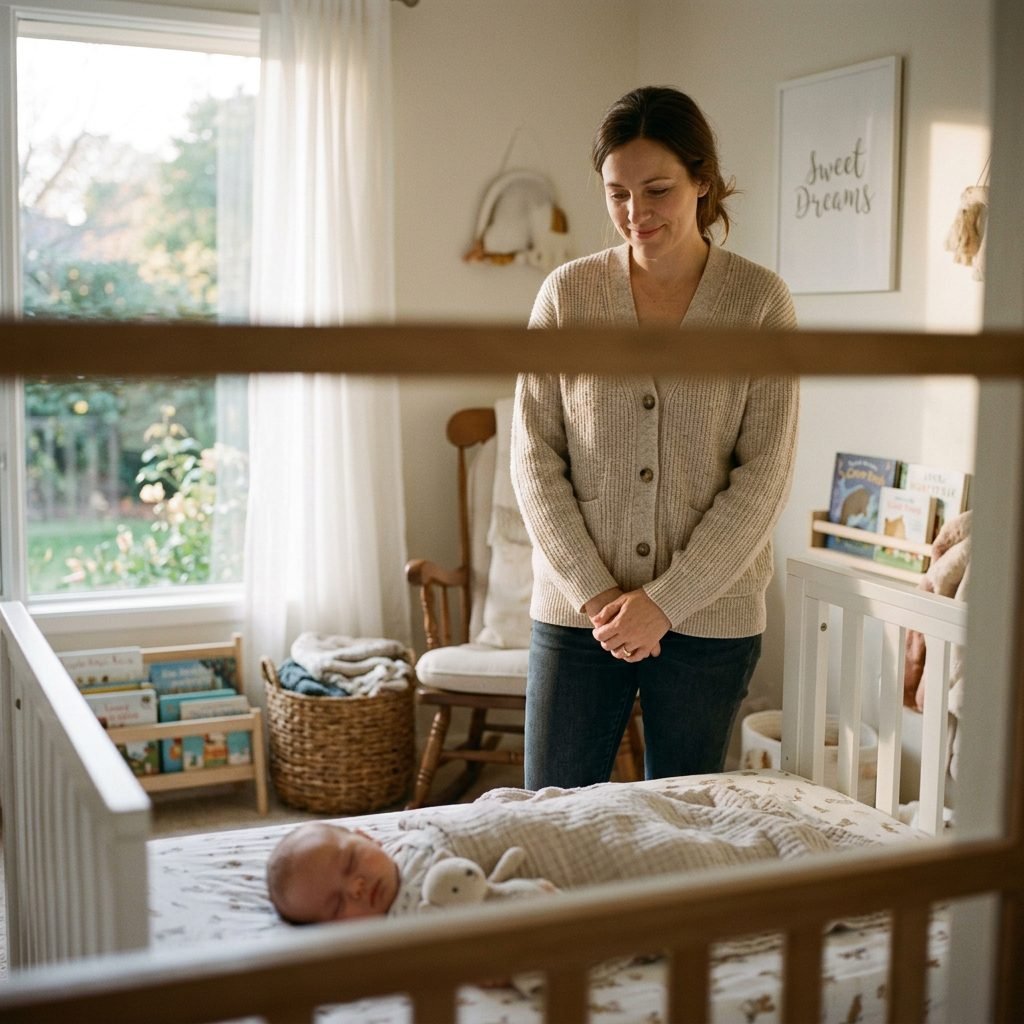
One of the biggest mistakes parents make with the Shush-Pat is over-assisting. The goal is for the baby to eventually fall asleep without the patting. This requires a delicate dance of ‘Stop and Go.’ You must learn to read your baby’s ‘mantra cry’ versus their ‘distress cry.’
The Mantra Cry
This is a rhythmic, grumbly, or whiny sound babies make when they are winding down. It’s their way of ‘talking’ themselves to sleep. Do not Shush-Pat during a mantra cry! If you intervene now, you are actually waking them up or overstimulating them. Step back, keep your hand near, but let them try to bridge the gap to sleep on their own.
The Distress Cry
This is sharp, escalate, and breathless. This is your cue to move in. Start the Shush-Pat immediately to bring their heart rate back down. Once they move back into a ‘mantra’ or heavy-lidded state, slowly fade your intervention.
Common Hurdles Table:
| The Problem | The Likely Cause | The Sisterly Fix |
|---|---|---|
| Baby arches back. | Overstimulation. | Stop patting, just hold firmly. |
| Baby gets louder. | Your ‘Shush’ is too quiet. | Increase volume of ‘Shush’ above their cry. |
| Baby wakes after 20 mins. | Missed the ‘Deep Sleep’ roll. | Stay in the room for 20 mins; pat through the transition. |
Age-Appropriate Expectations & Sample Schedules
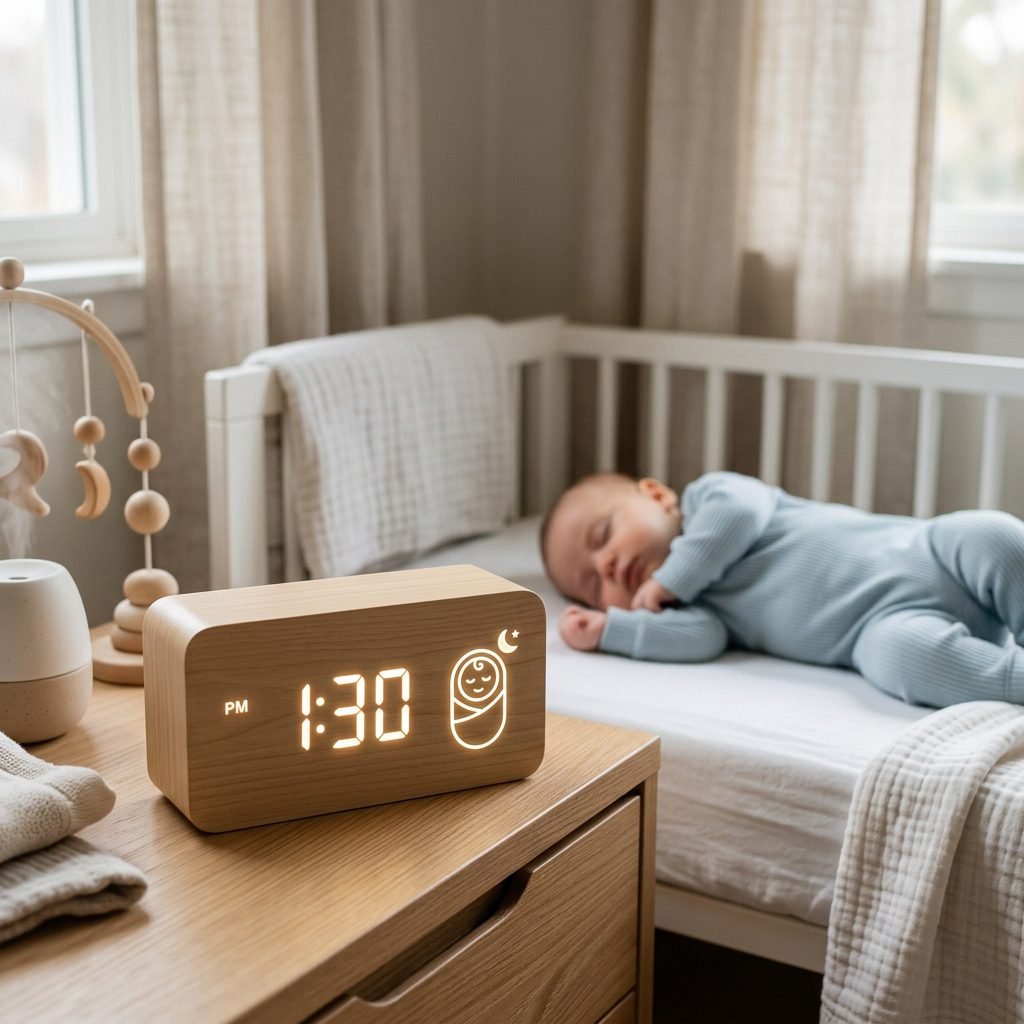
The Shush-Pat method looks different at 8 weeks than it does at 5 months. As your baby grows, their ‘awake windows’ (the time they can comfortably stay awake between naps) expand. If you try to Shush-Pat a baby who isn’t tired yet, you’ll be met with a wrestling match. If you try it on a baby who is overtired, you’ll be met with a meltdown.
Follow these general guidelines for awake windows to ensure you are hitting that ‘sweet spot’ for sleep:
| Baby Age | Awake Window Duration | Naps per Day |
|---|---|---|
| 0-6 Weeks | 45 – 60 Minutes | 5-6 (sporadic) |
| 2-3 Months | 1 Hour – 1 Hour 30 Mins | 4-5 |
| 4-5 Months | 1 Hour 45 Mins – 2 Hours | 3-4 |
| 6 Months | 2 Hours 15 Mins – 3 Hours | 2-3 |
When you follow these windows, the Shush-Pat method usually takes 10 to 20 minutes. If it is taking longer than 40 minutes, your baby likely needs a shorter or longer awake window, or there may be an underlying discomfort like gas or reflux.
Conclusion
You’ve Got This, Mama
Teaching your baby to sleep is one of the first major ‘parenting’ hurdles you will face, and it is okay to feel emotional about it. The Shush-Pat method is a gift—it allows you to remain the source of comfort while giving your child the independence they need to grow. Be patient with yourself and your little one. Some nights will feel like a victory, and others will feel like you’re back at square one. That is normal.
Consistency is your best friend. Stick with the method for at least 7 to 10 days before deciding if it works for your family. You are doing an incredible job, and soon, very soon, those long stretches of sleep will return. Until then, keep shushing, keep patting, and keep believing in your intuition.