How to Set Up a Cozy Sensory Reading Nook to Encourage Early Literacy
Creating a Sanctuary for Stories
Welcome, mama. As a doula and a lover of all things cozy, I know that the environment we curate for our little ones is more than just decor—it is the soil in which their growing minds take root. Early literacy isn’t about teaching a six-month-old to decode words; it is about connection, curiosity, and comfort. By setting up a dedicated sensory reading nook, you are signaling to your child that stories are a safe harbor. This guide will walk you through the practical, stylish, and evidence-based steps to creating a space that engages all five senses, making the ‘magic of books’ a physical reality for your baby.
The Foundation of Comfort: Choosing the Perfect Spot
Finding the ‘Nest’ Within the Room
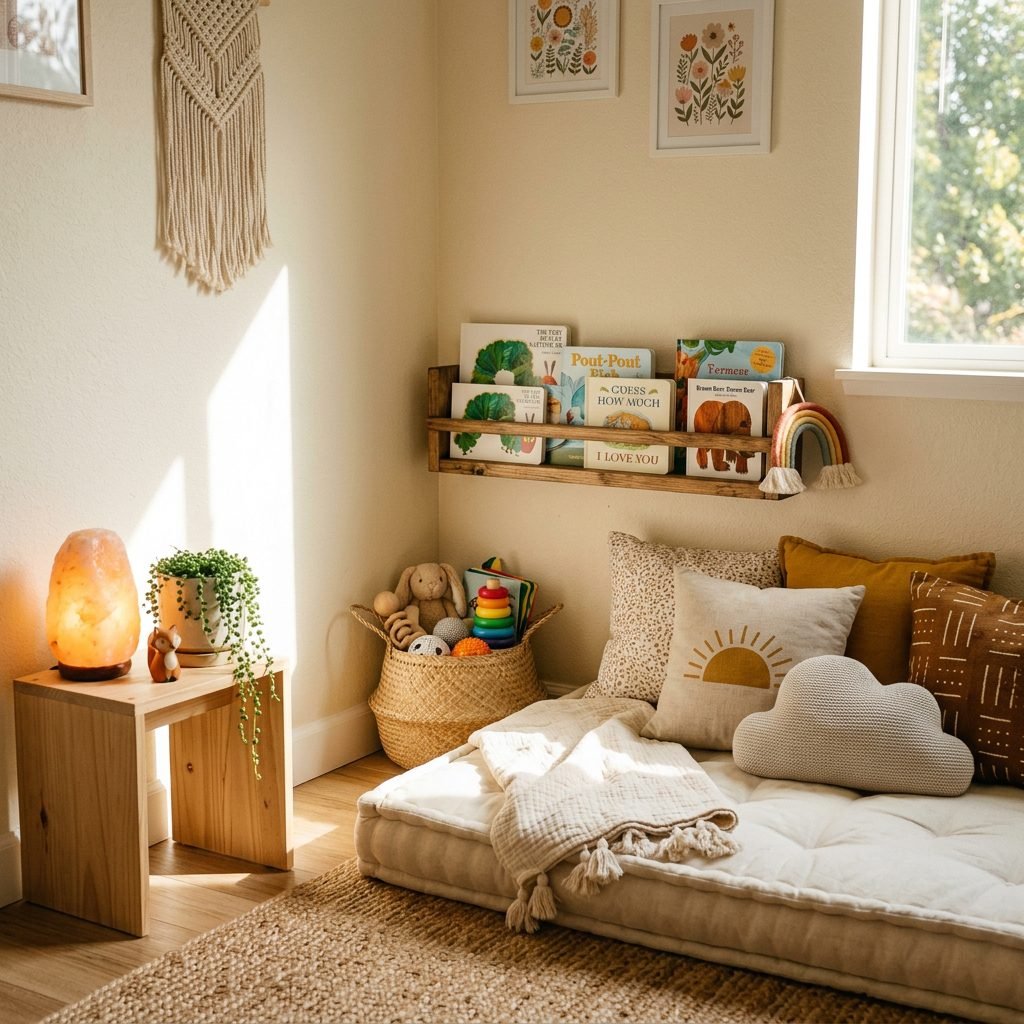
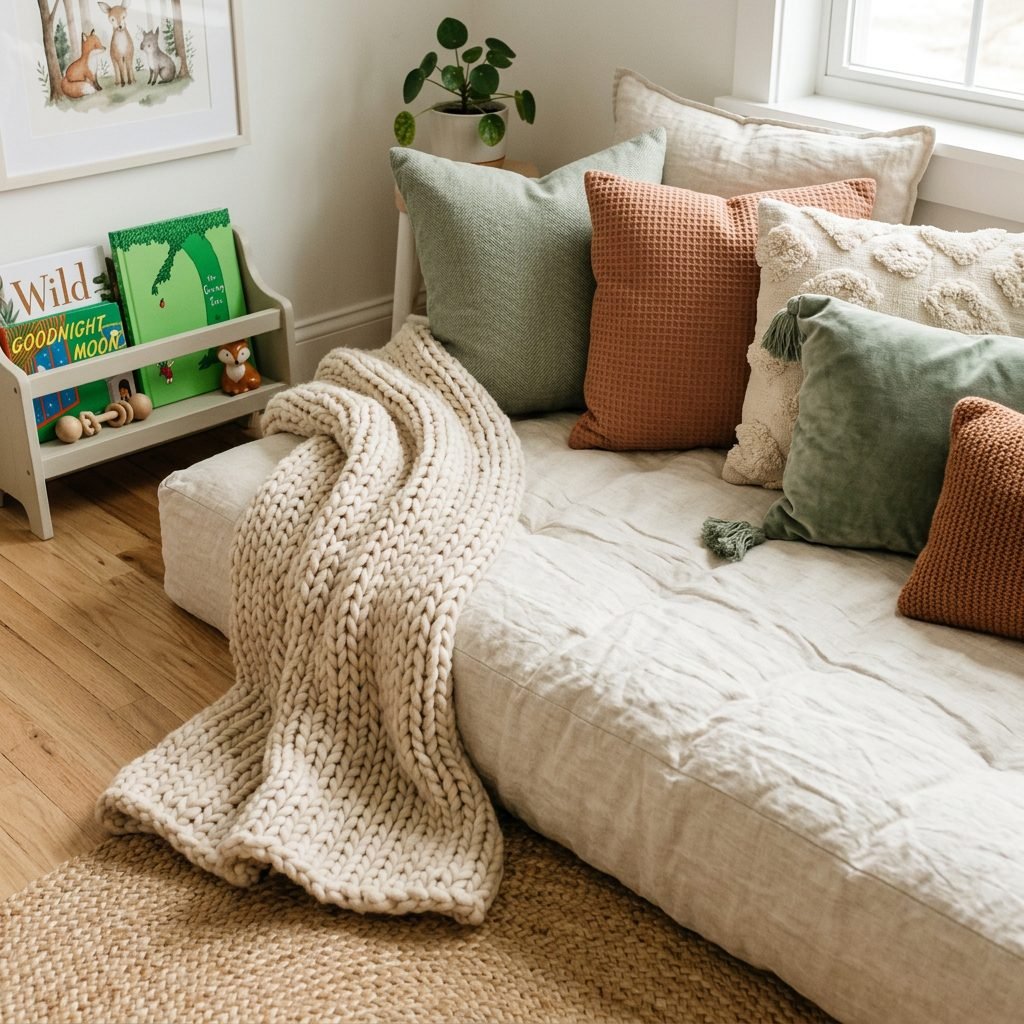
The first step in your journey is identifying a low-traffic, high-comfort corner. Ideally, this spot should be away from the main ‘play zone’ to distinguish it as a place for quiet reflection. As a maternal stylist, I recommend focusing on soft textures and grounded seating. A floor-based approach is essential for the Montessori-inspired philosophy of independence.
Seating Options for Every Budget
Whether you are repurposing a crib mattress or investing in a designer floor lounger, the goal is to create a ‘hug’ for the body. Consider these options:
- The Repurposed Crib Mattress: Wrapped in a soft linen sheet, this provides excellent back support for you and a firm yet soft base for baby.
- Sheepskin or Faux-Fur Rugs: These provide high-tactile sensory input that babies find incredibly soothing.
- Floor Poufs: Great for propping up your own tired back during long reading sessions.
| Seating Type | Pros | Best For |
|---|---|---|
| Floor Mattress | Spacious, durable | Tummy time reading |
| Overstuffed Pillows | Easy to move | Small spaces |
| Padded Play Mat | Wipeable, hygienic | Spit-up prone babies |
“In this corner, time slows down. Here, we aren’t rushing to the next milestone; we are simply breathing and being together among the pages.”
Engaging the Senses: More Than Just Sight
The Five-Sense Framework
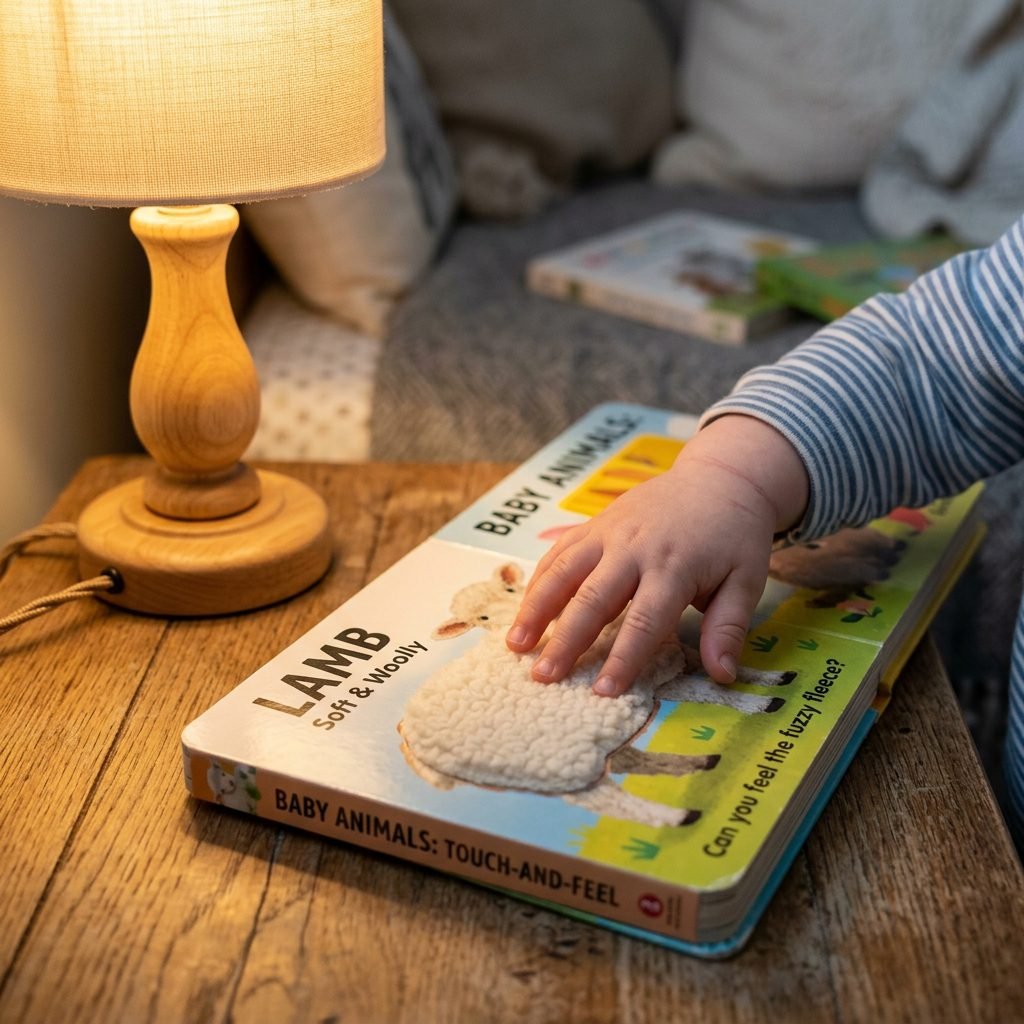
A true sensory nook engages more than just the eyes. To encourage early literacy, we must make the experience of ‘the book’ immersive. We want to stimulate the brain’s neural pathways by layering different inputs.
Visual & Auditory Cues
Lighting is crucial. Avoid harsh overhead LEDs. Instead, use a warm amber glow lamp or soft fairy lights. This signals the parasympathetic nervous system to relax. For sound, consider a small white noise machine or a dedicated ‘reading playlist’ of soft instrumental music that only plays when you are in the nook.
Tactile & Olfactory Elements
Introduce different fabrics—silk, corduroy, and cotton—within the pillow covers. For smell, a faint hint of lavender or chamomile (via a baby-safe linen spray) can create a powerful olfactory anchor that associates reading with sleepiness and safety.
| Sense | Element to Add | Developmental Benefit |
|---|---|---|
| Touch | Textured Board Books | Fine motor skill mapping |
| Sight | High-Contrast Art | Optic nerve stimulation |
| Sound | Soft Rattle/Crinkle Paper | Auditory processing |
| Smell | Lavender Sachets | Emotional regulation |
The Library Layout: Accessibility is Key
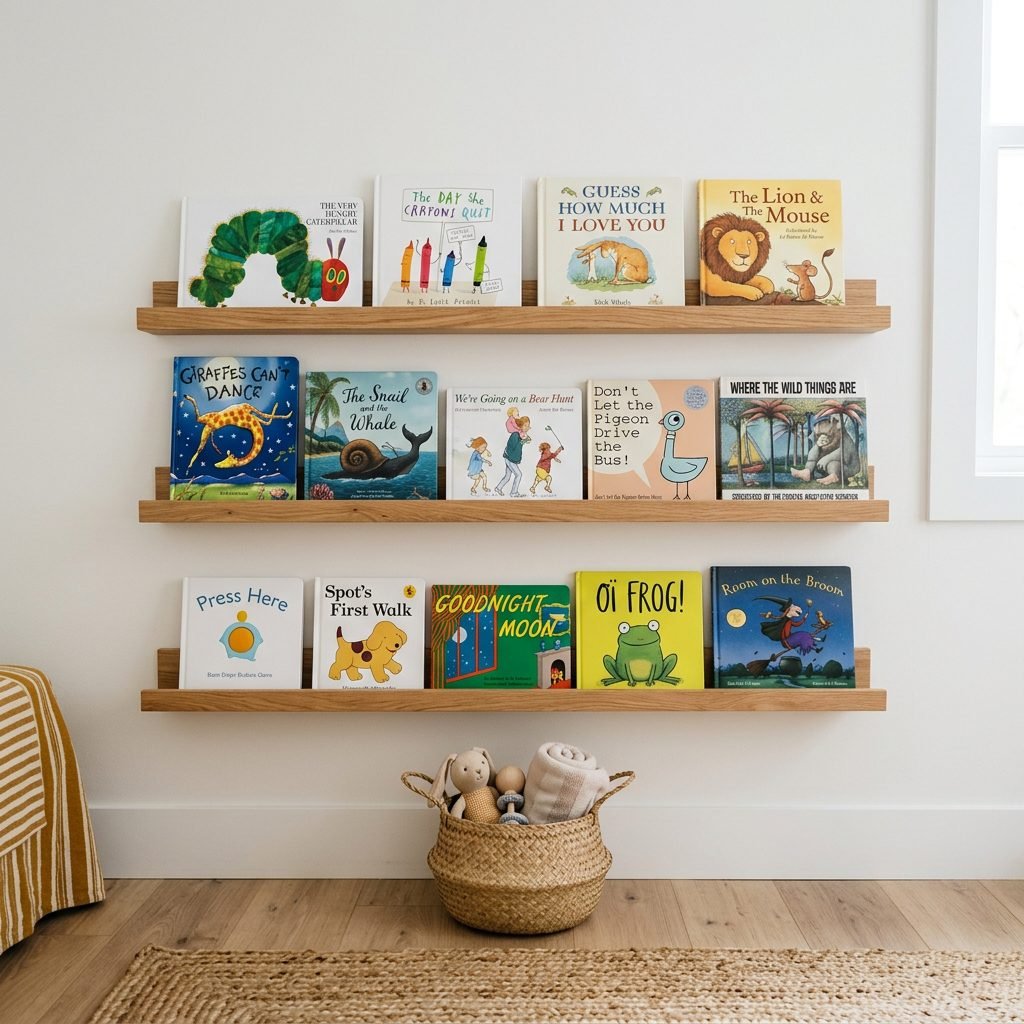
The Magic of the Front-Facing Shelf
Traditional bookshelves show the spine, which is useless for a pre-literate child. To encourage early literacy, you must use front-facing bookshelves. Seeing the cover art is what draws a child in. I love using the IKEA Mosslanda picture ledges or acrylic floating shelves for a sleek, modern look.
The ‘Toy Rotation’ for Books
Don’t overwhelm the space. Display only 5 to 7 books at a time. This reduces ‘choice paralysis’ and encourages the child to master a single story through repetition. Repetition is the bedrock of language acquisition.
- Top Tier: Books for you to read aloud (paper pages).
- Bottom Tier: Books for baby to explore independently (board books, cloth books).
- The ‘Special’ Basket: A small wicker basket on the floor for their current absolute favorite.
“Accessibility breeds autonomy. When a child can reach their own story, they are choosing their own adventure.”
Evidence-Based Reading: How to Use the Nook
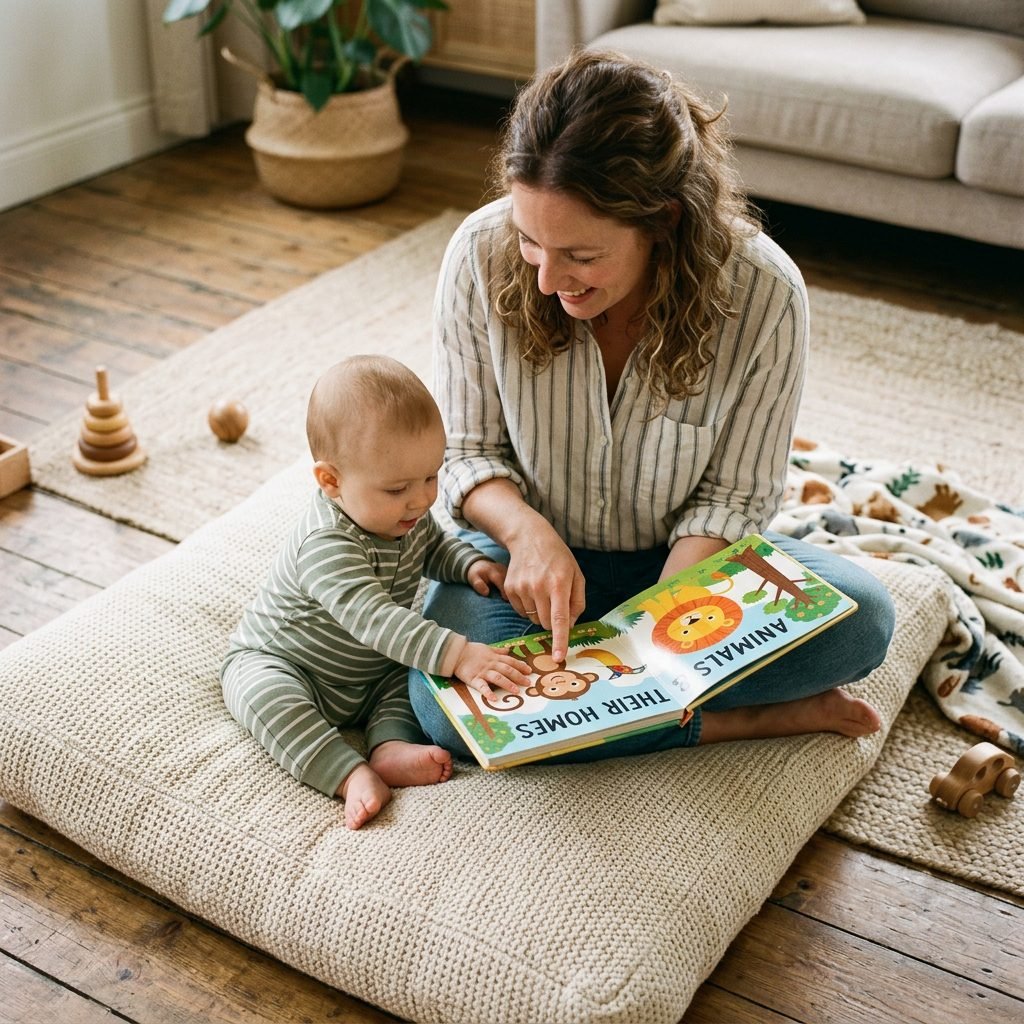
Dialogic Reading Techniques
Now that the space is set, how do we use it? As a doula and educator, I recommend Dialogic Reading. This isn’t just reading the words on the page; it’s having a conversation *about* the book. Even with a newborn, your voice is their favorite instrument.
Step-by-Step Engagement
- The Settle-In: Spend 2 minutes just cuddling in the nook before opening a book. This lowers cortisol.
- The Cover Talk: Point to the picture. “Look, a red bird!” Wait for a coo or a kick in response.
- The Sensory Link: If the book mentions a ‘soft cat,’ touch the soft pillow in your nook.
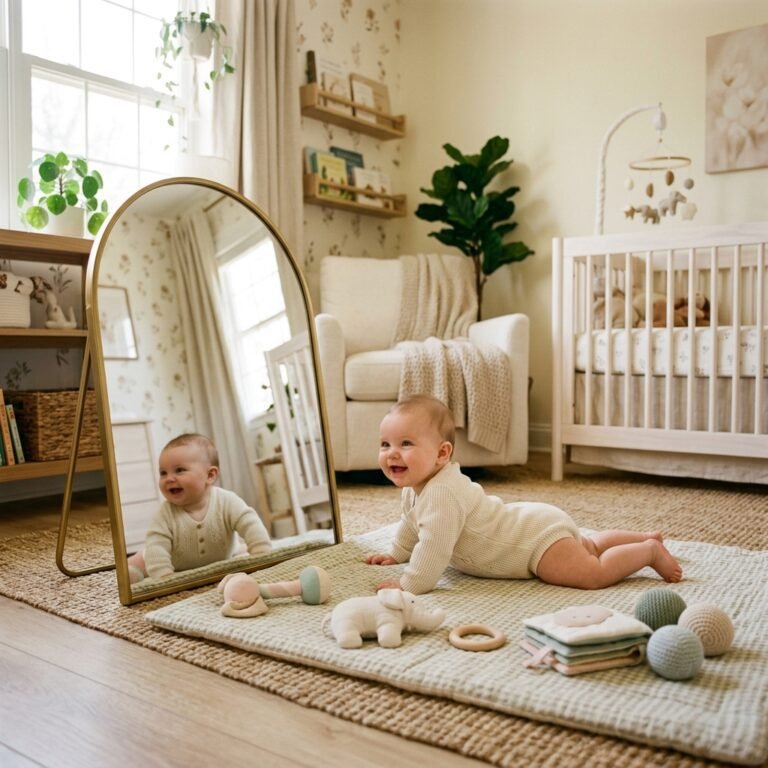
- The Mirror Play: Keep a small, shatter-proof mirror in the nook. When a character is happy, show the baby their own happy face.
| Age Group | Focus Area | Reading Duration |
|---|---|---|
| 0-6 Months | Voice & Rhythm | 5-10 Minutes |
| 6-12 Months | Object Naming | 10-15 Minutes |
| 12-24 Months | Simple Narrative | 15-20 Minutes |
DIY Sensory Crafts for Your Nook
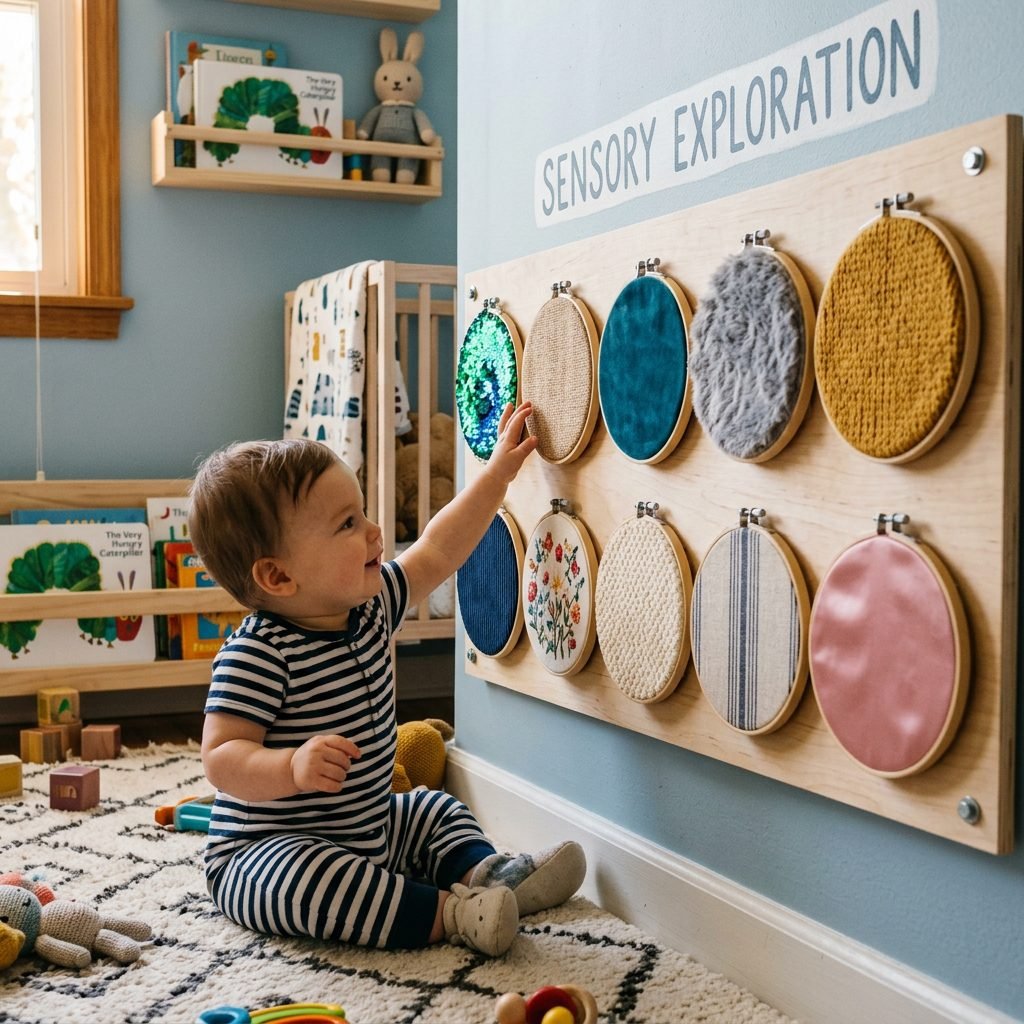
Budget-Friendly Customizations
You don’t need a designer budget to create a high-end sensory experience. Some of the best literacy tools are handmade with love. Here is a quick breakdown of DIY elements you can add this weekend.
Creating a ‘Story Box’
A story box is a collection of small objects that represent items in a specific book. If you are reading ‘The Very Hungry Caterpillar,’ include a plastic leaf, a wooden strawberry, and a piece of green velvet ribbon. This makes the abstract story concrete and tactile.
| DIY Project | Materials Needed | Estimated Cost |
|---|---|---|
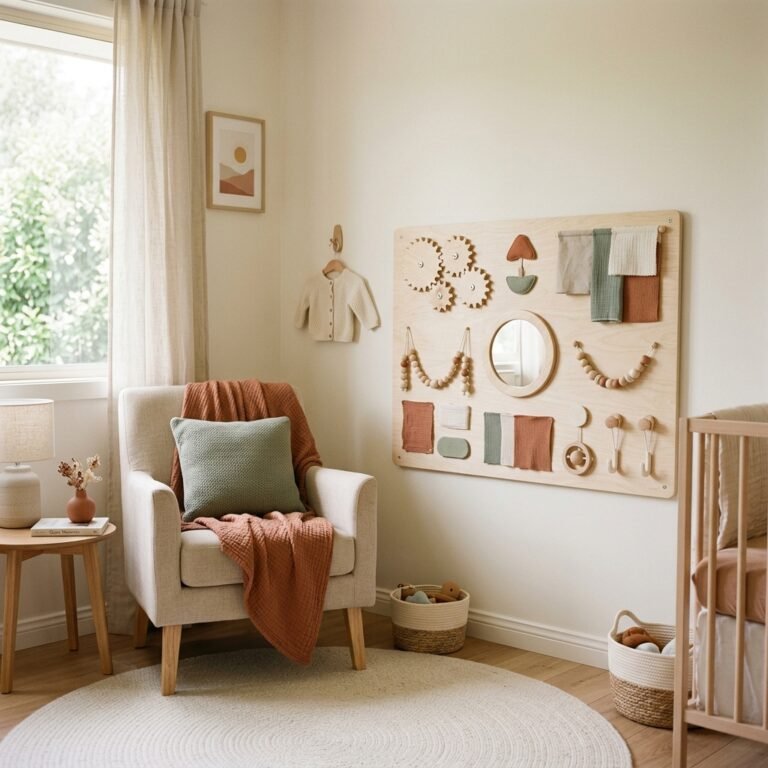
| Texture Wall | Fabric scraps, embroidery hoops | $10 – $15 |
| Sensory Bottles | Plastic bottles, glitter, oil, water | $5 |
| Ribbon Curtain | Wooden dowel, multi-colored ribbons | $12 |
Safety Warning: Always ensure DIY items are securely fastened and do not pose a choking hazard. Check for loose threads or small parts daily.
Safety, Sustainability & The Long Game

A Space That Grows With Them
As your little one moves from scooting to walking, your nook will need to evolve. Ensure all floating shelves are anchored to the wall studs. Use corner protectors on any sharp furniture edges. Opt for organic, non-toxic materials whenever possible, as babies often ‘read’ with their mouths first!
The Postpartum Pivot
For the postpartum mama, this nook is also for *you*. It is a place where you can sit and recover while still engaging with your child. Keep a small basket nearby for your own essentials: a water bottle, a nursing pillow, and perhaps a book of affirmations for those harder days.
- Check for: Heavy frames that could fall.
- Check for: Cord hazards from lamps.
- Check for: Dust mites in heavy plush items (wash weekly).
Conclusion
Your Legacy of Literacy
Mama, by creating this cozy sensory reading nook, you are doing more than just decorating a room. You are building a launchpad for your child’s imagination. You are providing the sensory ‘hooks’ that will help them catch and hold onto language for the rest of their lives. Remember, it doesn’t have to be picture-perfect; it just has to be warm, present, and filled with your voice. Happy reading!