9 Mess-Free Outdoor Sensory Play Ideas for Your 6-Month-Old Baby
Hello, sweet Mama. I see you. You are navigating that beautiful, exhausting, and transformative stage where your little one is suddenly much more aware of the world. At 6 months old, your baby is likely sitting up, perhaps with a little support, and their curiosity is blooming like a springtime garden. You want to nourish that curiosity, to provide the sensory stimulation that science tells us is vital for brain development, but let’s be honest: the thought of cleaning up mud, stained clothes, or sticky paint feels like one task too many today. As a doula and a fellow mom, I want you to know that sensory play doesn’t have to mean a mess. We can harness the magic of the outdoors—the dappled sunlight, the rustle of leaves, and the fresh air—while keeping things clean, manageable, and stylish. Today, we are exploring 9 mess-free ways to engage your baby’s senses under the open sky. These activities are designed to be low-prep and high-reward, giving you a chance to breathe and bond while your baby learns through touch, sight, and sound. Grab your favorite iced latte, lay out that beautiful picnic blanket, and let’s dive into some practical magic.
“Your baby isn’t just playing; they are building a brain. And you, Mama, are the architect. Take a breath and enjoy the sunshine.”
The Science of the Senses: Why 6 Months is a Sensory Sweet Spot
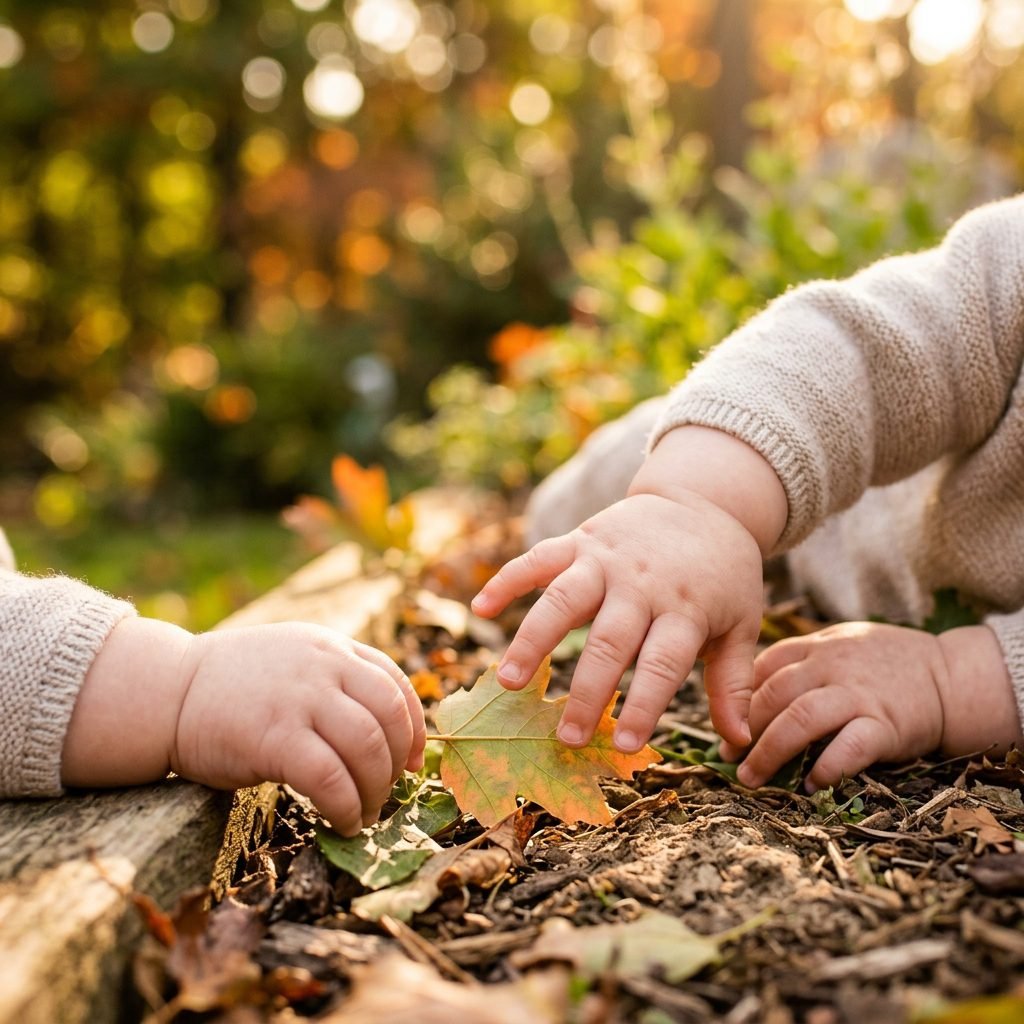
At the half-year mark, your baby’s brain is like a sponge, soaking up every tactile, visual, and auditory input. This is a critical window for sensory integration. From a pediatric nursing perspective, 6 months is when babies transition from reflexive movements to intentional exploration. They are developing fine motor skills, such as the ‘raking grasp,’ and their proprioception—their sense of where their body is in space—is sharpening as they learn to sit and reach.
The Benefits of Outdoor Play
- Vitamin D and Circadian Rhythms: Safe exposure to natural light helps regulate your baby’s sleep-wake cycle (and yours too!).
- Visual Tracking: The movement of trees and shadows provides natural ‘high-contrast’ stimulation that helps develop depth perception.
- Auditory Discrimination: Distinguishing the sound of a bird from the rustle of wind is a complex task that builds early language foundations.
By taking sensory play outside, you are providing a multi-dimensional environment that no indoor playroom can replicate. And by keeping it mess-free, you are ensuring that the experience remains joyful and stress-free for you, which is just as important for your baby’s well-being.
Creating Your Stress-Free Outdoor Play Station
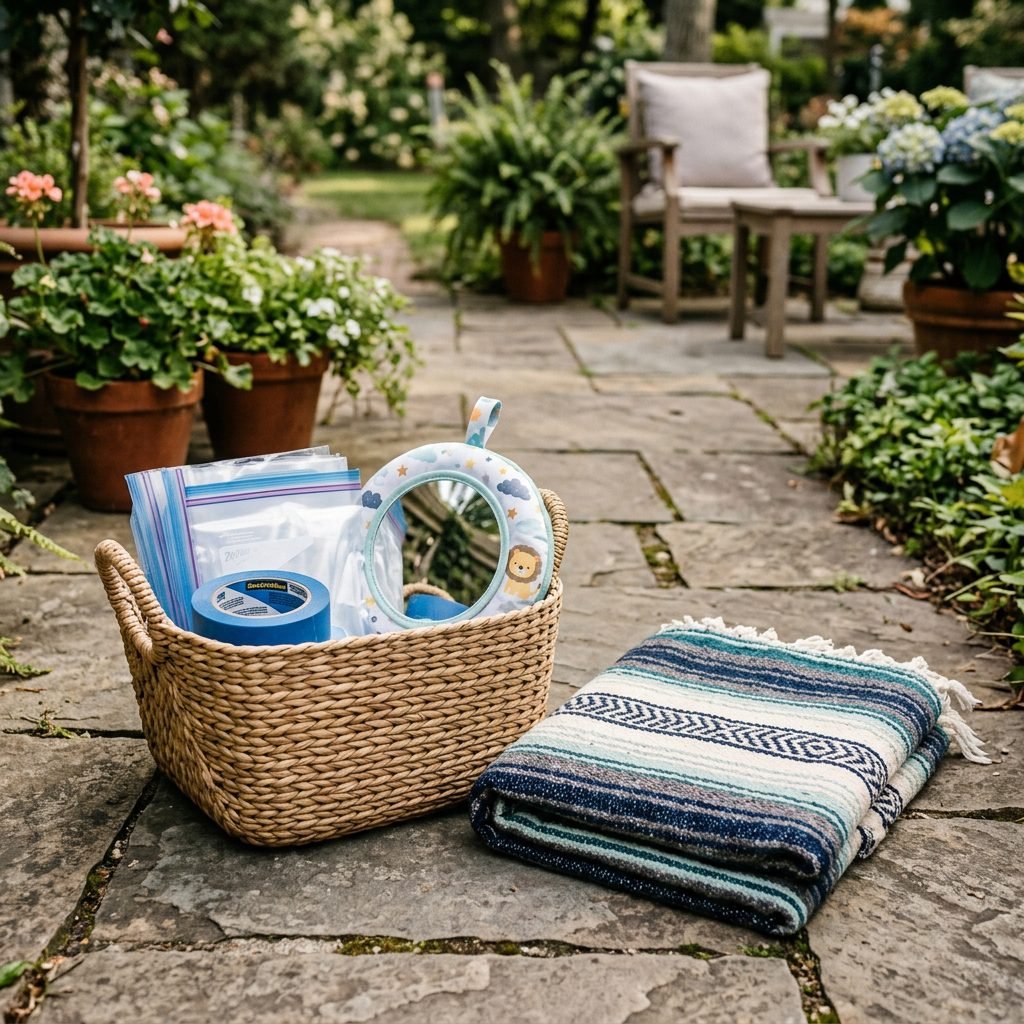
Before we jump into the activities, let’s talk about the ‘set-up.’ As an interior organizer, I believe that the environment dictates the experience. You don’t need an elaborate playground; you just need a designated ‘clean zone.’ Start with a large, wipeable outdoor mat or a thick, quilted blanket. This defines the space and protects your baby’s sensitive skin from prickly grass or damp soil.
Your Mess-Free Essentials Kit
Keep these items in a dedicated basket near the door so you can head outside in under 2 minutes:
- Painter’s Tape: The secret weapon for securing sensory bags and contact paper to the mat or a low table.
- Gallon-Sized Ziploc Bags: The ‘container’ for all things sensory.
- A Safe Mirror: To catch the sunlight and baby’s own reflection.
- Clips or Clothespins: To hang ribbons or fabric from a low-hanging branch.
| Material | Purpose | Mess Factor |
|---|---|---|
| Painter’s Tape | Secures activities | Zero |
| Ziploc Bags | Contains liquids/textures | Zero |
| Outdoor Mat | Defines play space | Low |
9 Mess-Free Outdoor Sensory Activities
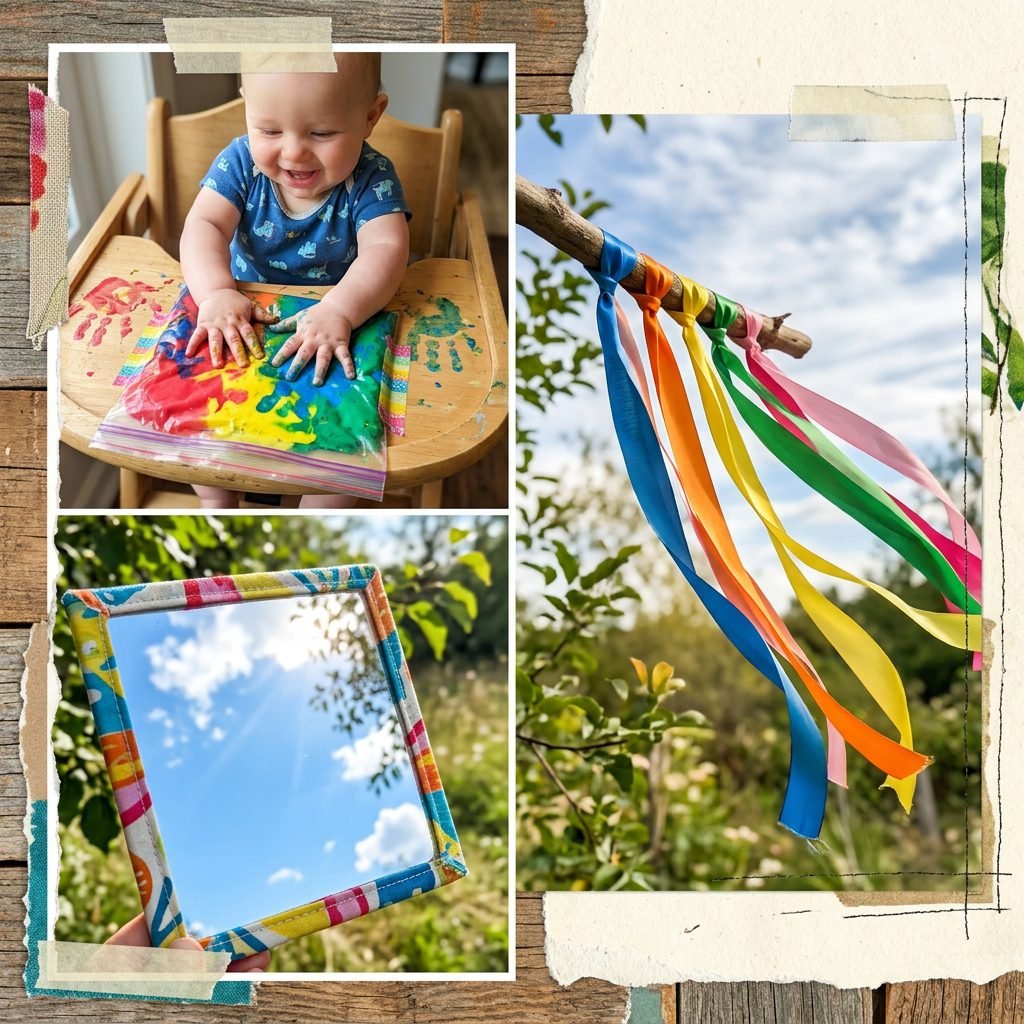
Here are nine curated ideas that maximize sensory input while minimizing cleanup. These focus on the three primary senses babies explore at this age: Tactile, Visual, and Auditory.
1. The ‘No-Mess’ Ziploc Masterpiece
Squirt 3-4 drops of non-toxic, washable paint into a gallon-sized Ziploc bag. Squeeze out the air and seal it tightly. Tape the bag to your baby’s high chair tray or directly onto the outdoor mat. As they sit in the sun, the colors will appear vibrant and glowing. They can squish and move the paint with their fingers, learning about cause and effect without a single drop touching their skin.
2. The Floating Nature Bag
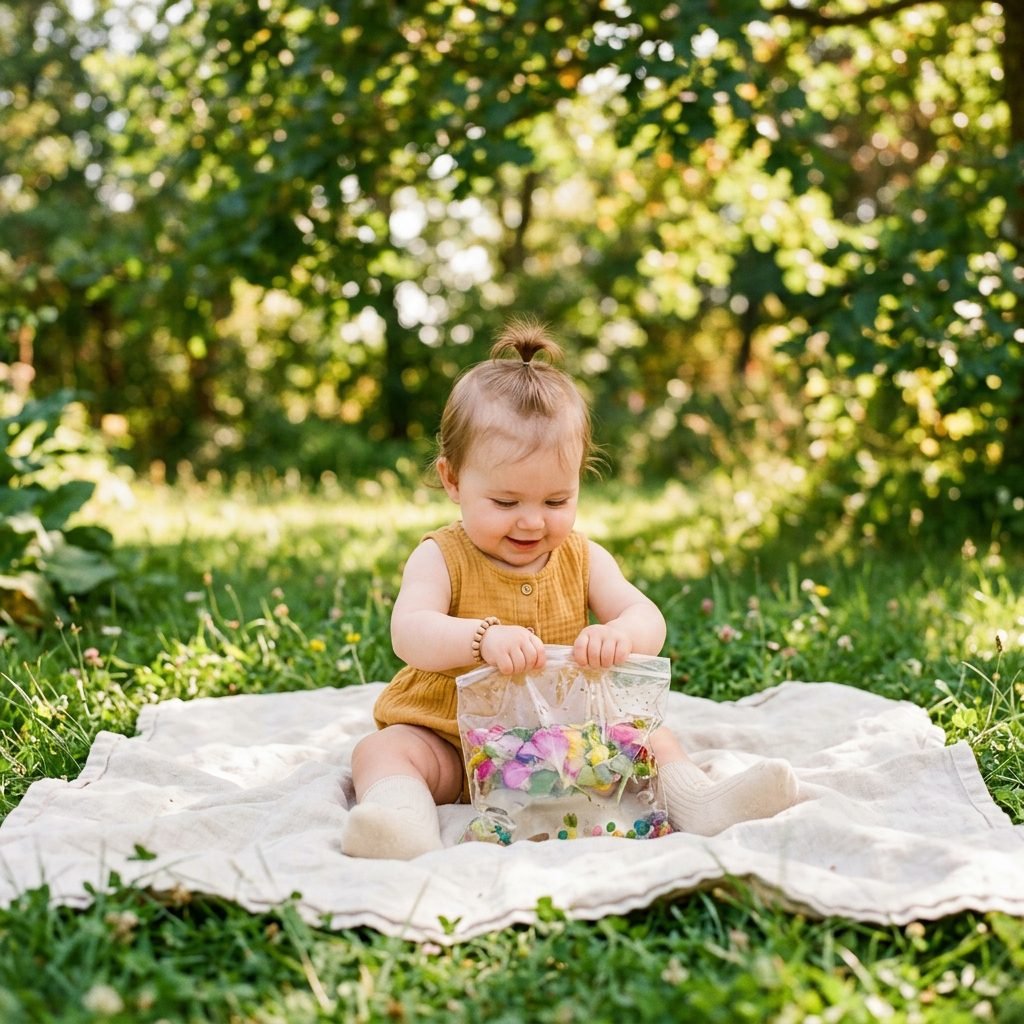
Fill a sturdy bag with water, a few drops of blue food coloring (optional), and some natural elements like flower petals, grass clippings, or flat leaves. Seal it and tape it down. The baby can watch the elements ‘swim’ as they press on the bag, providing a cooling tactile sensation that is perfect for warm days.
3. The Sticky Nature Wall
Tape a piece of clear contact paper (sticky side out) to a fence, a low wall, or even the side of a cardboard box. Hand your baby leaves or large feathers you’ve collected. Show them how to stick the items on and pull them off. This is incredible for fine motor development and exploring different textures like ‘smooth’ vs. ‘sticky.’
4. The Rainbow Ribbon Breezeway
If you have a low-hanging tree branch or a play gym, tie various lengths of colorful ribbons to it. As the wind blows, the ribbons dance. For a 6-month-old, this provides visual tracking exercise. You can also use different fabrics like silk, lace, and velvet to introduce various tactile sensations when they reach out to grasp them.
5. The Shimmering Suncatcher Bag
Fill a bag with clear hair gel and a handful of large, colorful sequins or glitter. Tape it to a spot where the sun hits directly. The light will catch the sequins, creating a mesmerizing high-contrast visual experience that can keep a baby occupied during tummy time for 10-15 minutes.
6. The Sound of Nature Shakers
Take two empty, clear plastic water bottles. Fill one with dried beans and the other with small pebbles or acorns. Glue the caps shut. These become ‘nature shakers.’ Outside, the sound of the beans mimics the rustle of leaves, while the pebbles provide a sharper, louder sound. This helps with auditory discrimination.
7. The Mesh Feeder Ice Exploration
Place a large ice cube inside a silicone mesh feeder. Let your baby hold it and move it around. The cold sensation is a powerful sensory input, and as the ice melts, they get a tiny, refreshing taste of water. It’s a great way to cool down while exploring the concept of ‘cold’ in a safe, mess-free way.
8. The Shadow Puppet Show
On a sunny day, use a white sheet or just the sidewalk. Use your hands or simple cardboard cutouts to create shadows. Move them closer and further from the ground to change the size. This helps babies understand depth and light, and the high-contrast black-and-white nature of shadows is perfect for their developing vision.
9. The Texture Quilt Picnic
Lay out a ‘quilt’ made of different fabric swatches—burlap, satin, faux fur, and cotton. Place your baby in the center. As they pivot or crawl, they encounter different sensations. This encourages gross motor movement and tactile curiosity without needing any ‘stuff’ that can be spilled or smeared.
Maximizing Milestones: What Your Baby is Learning
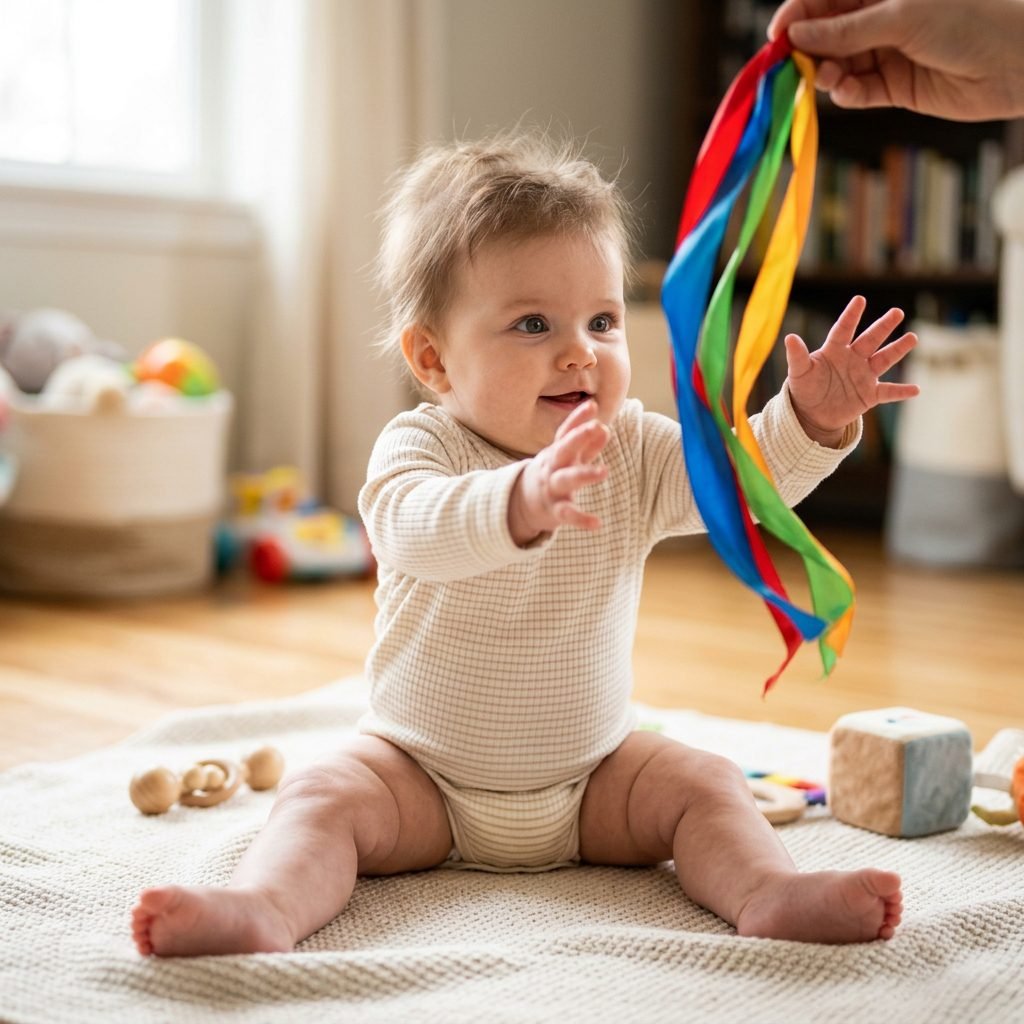
As a doula, I always remind parents that play is a baby’s ‘work.’ When your 6-month-old engages in these activities, they aren’t just being entertained; they are reaching major developmental milestones. By 6 months, most babies are beginning to transfer objects from one hand to another. The ‘Nature Shakers’ and ‘Mesh Feeders’ are perfect for practicing this skill.
Cognitive and Physical Growth
- Object Permanence: When a leaf ‘disappears’ behind a shadow or moves inside a bag, baby begins to understand that things exist even when they aren’t immediately reachable.
- Core Strength: Reaching for ribbons or leaning over a sensory bag builds the abdominal and back muscles necessary for crawling.
- Language Priming: As you describe what they are seeing (“Look at the red flower!” or “Hear the loud beans!”), you are building their receptive vocabulary.
“Every time your baby touches a new texture or tracks a moving ribbon, a new neural connection is forged. You are literally helping them grow.”
Safety First: Protecting Your Little Explorer
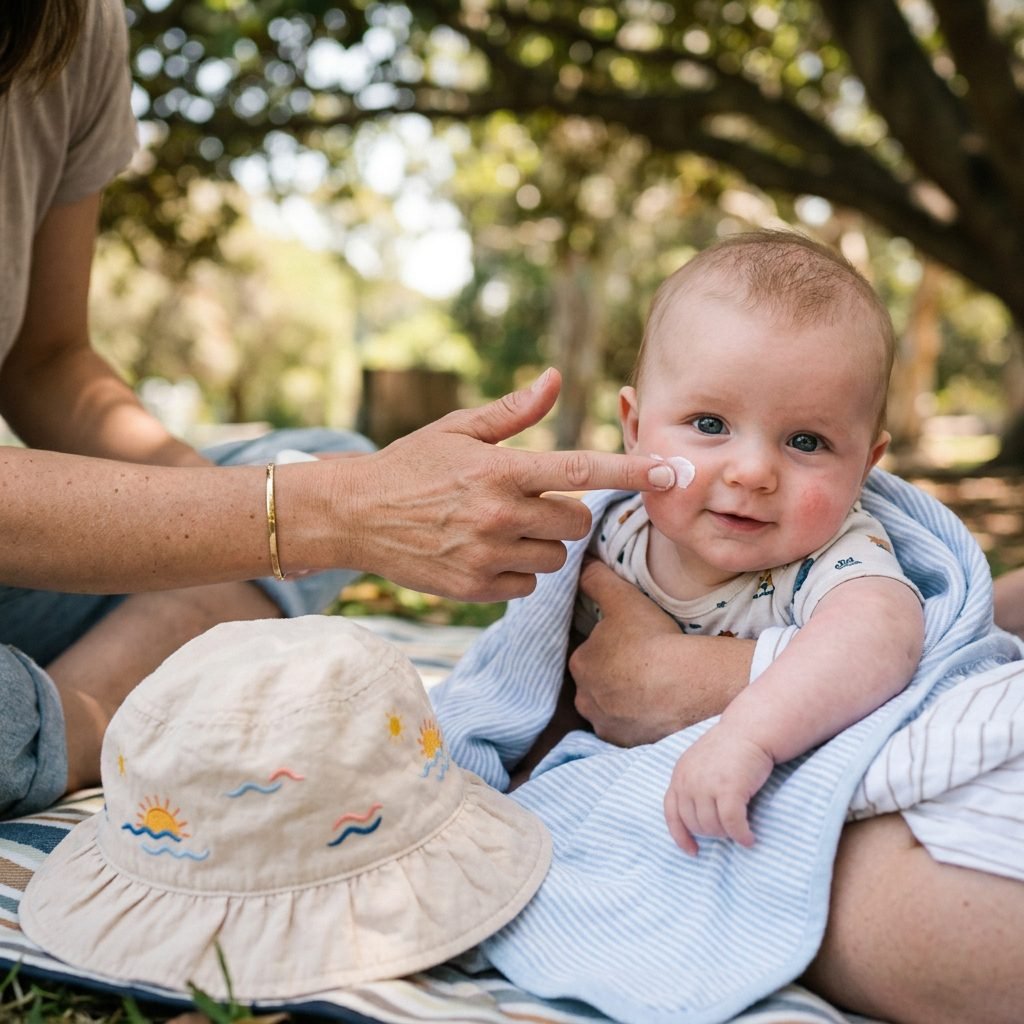
While we want to encourage exploration, safety is our top priority. Outdoor play requires a few extra precautions to ensure everyone stays happy and healthy.
The Outdoor Safety Checklist
- Sun Protection: At 6 months, babies can wear small amounts of baby-safe sunscreen, but shade is always best. Use a wide-brimmed hat and stay under a tree or umbrella.
- Choking Hazards: This is why the ‘mess-free’ bags are so brilliant—they contain small items like sequins or beans. Always double-bag and check the seals before play.
- Temperature Check: Always touch the outdoor mat or pavement with the back of your hand. If it’s too hot for you, it’s too hot for baby’s delicate skin.
- Hydration: Whether you are breastfeeding or formula feeding, ensure baby is getting plenty of fluids on warm days.
Medical Disclaimer: Always supervise your baby closely during sensory play. While these activities are designed to be safe, small parts can become choking hazards if bags break or caps come loose. If you have concerns about your baby’s skin reactions to sun or materials, consult your pediatrician.
The Mama’s Guide to Materials and Budget
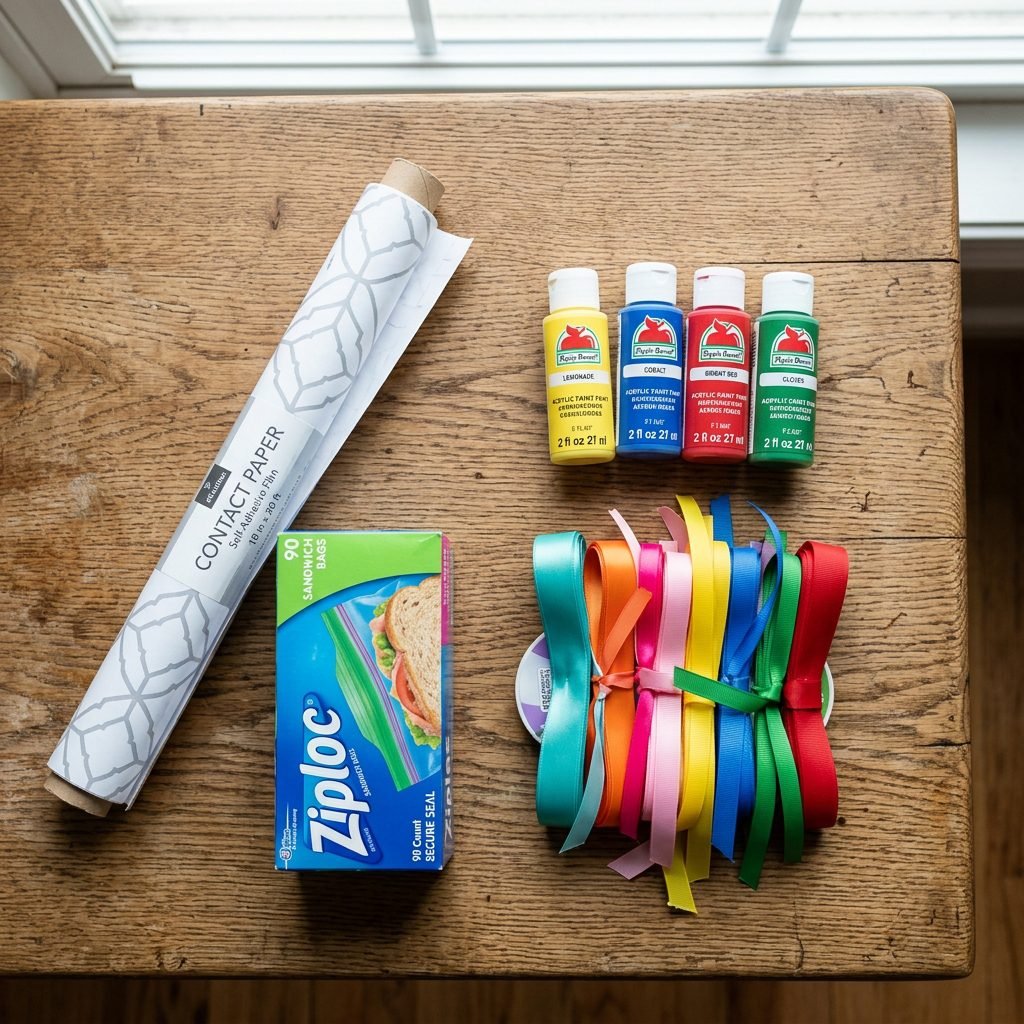
You don’t need a huge budget to be a ‘crafty mom.’ Most of these items are likely already in your kitchen or craft drawer. Here is a breakdown of how to keep this project affordable and organized.
| Activity | Main Materials | Estimated Cost |
|---|---|---|
| Ziploc Art | Bags, Washable Paint | $5.00 |
| Sticky Nature | Contact Paper, Leaves | $3.00 |
| Ribbon Breezeway | Scrap Ribbon, Branch | $0.00 |
| Nature Shakers | Recycled Bottles, Beans | $1.00 |
Pro-Tip: Store your sensory bags in the refrigerator for 20 minutes before heading outside on a hot day. The added thermal sensory input is a game-changer for a teething 6-month-old!
Conclusion
Mama, you are doing an incredible job. Taking the time to set up these little moments of wonder for your 6-month-old is a testament to your love and dedication. Sensory play doesn’t have to be a Pinterest-perfect explosion of glitter and mud. It can be as simple as a bag of water and some sunlight. These 9 mess-free ideas are here to make your life easier while making your baby’s world bigger. So, take that deep breath, enjoy the feeling of the grass under your feet, and watch your little one discover the magic of the outdoors. You’ve got this!