

How to Write a Breech Vaginal Birth Plan: Crucial Preferences to Include
Embracing the Unexpected: Your Path to a Vaginal Breech Birth
Hello, sweet mama. If you are reading this, you might have recently discovered that your little one is nestled in a breech position—head up, bottom or feet down—and you are navigating the complex emotions that come with that news. First, take a deep, grounding breath. While the modern obstetrical world often treats breech as an automatic ticket to the operating room, it is important to remember that breech is a variation of normal. With the right team, the right skills, and a solid plan, a vaginal breech birth (VBB) can be a safe and deeply empowering experience.
As your virtual doula and sister-in-arms, I want to help you navigate this path with clarity and confidence. Writing a birth plan for a breech baby requires a bit more specificity than a cephalic (head-down) birth. It’s about more than just lighting and music; it’s about protecting the physiological process and ensuring your providers are skilled in the specific maneuvers required for a safe delivery. In this guide, we will walk through the crucial preferences you need to include to ensure you and your baby are supported every step of the way.
Understanding the Nuances: Types of Breech and Their Implications

Before we dive into the logistics of your plan, we need to understand exactly how your baby is sitting. Not all breech positions are created equal when it comes to vaginal delivery. Your birth plan should reflect your specific situation, as some providers may have different comfort levels based on the baby’s ‘presentation.’
| Breech Type | Description | Vaginal Birth Suitability |
|---|---|---|
| Frank Breech | Baby’s bottom is down, with legs extended straight up toward the face. | Highly favorable; the bottom acts as a good wedge for the cervix. |
| Complete Breech | Baby is ‘sitting’ cross-legged with hips and knees flexed. | Generally favorable; similar to frank breech. |
| Footling Breech | One or both feet are positioned to come out first. | Higher risk of cord prolapse; requires a very skilled provider. |
When drafting your plan, explicitly state that you understand your baby’s current position and that you wish to proceed with a vaginal birth based on the latest evidence-based guidelines (such as those from the RCOG or SOGC) which support VBB under specific safety criteria.
“My body is capable, my baby is positioned for a purpose, and we are a team working in harmony with the rhythm of birth.”
The Foundation: Choosing and Specifying Your Skilled Birth Team

The most critical element of a breech birth plan isn’t actually a preference—it’s the provider. Vaginal breech birth is a lost art in many hospitals, so your plan must identify who will be attending. If you are working with a specific breech-skilled practitioner, ensure this is documented clearly.
Key Team Preferences to Include:
- Primary Attendant: Explicitly name the provider who has the specific training in breech maneuvers (e.g., the Løvset maneuver or the Mauriceau-Smellie-Veit maneuver).
- Consultation Protocol: Request that if a transfer of care is needed, it be to another breech-positive provider rather than a default surgical team.
- Doula Support: State that your doula is an essential part of your medical team to help with physical comfort and advocacy.
Remember, mama, you have the right to informed refusal and informed consent. If a provider is not comfortable with VBB, your birth plan serves as a starting point for a conversation about finding someone who is.
Active Labor Preferences: Protecting the Physiological Process
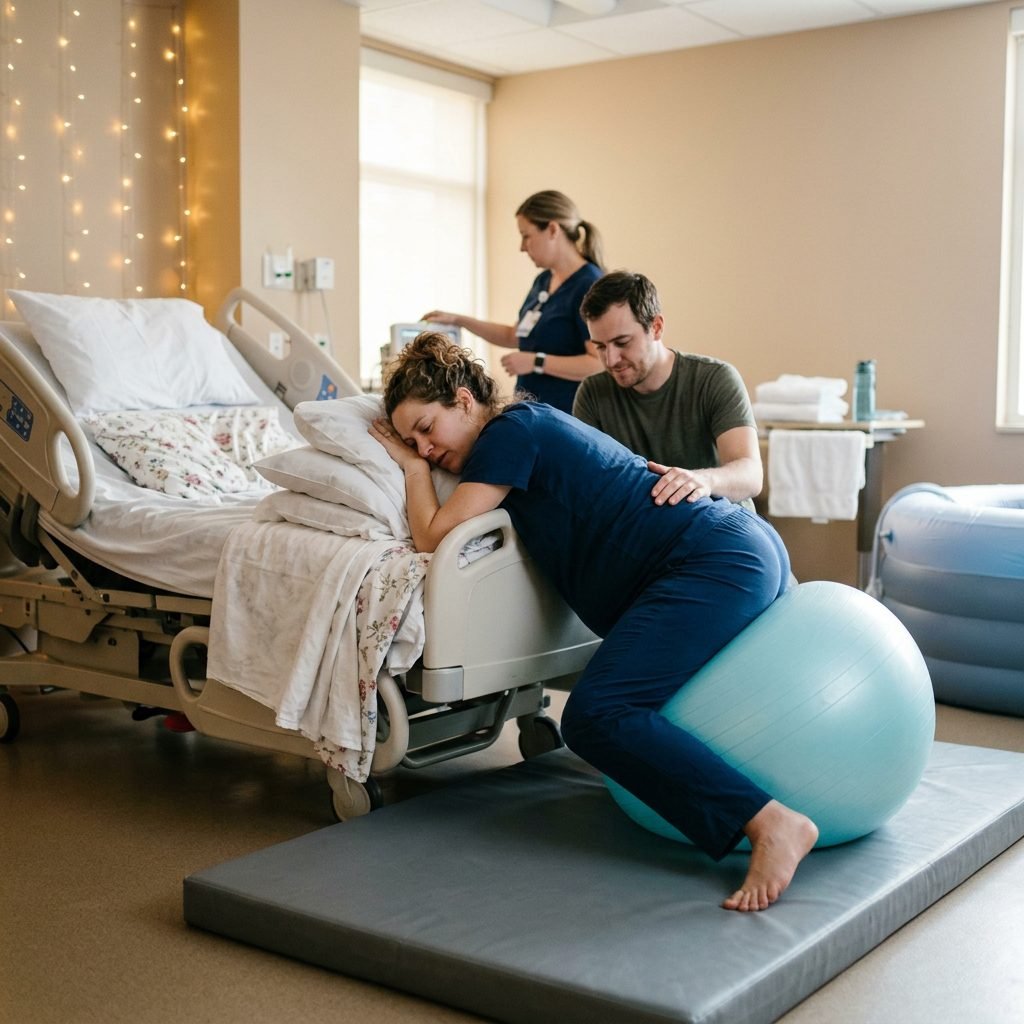
In a breech birth, the mechanics of labor are slightly different. We want the baby to descend deeply into the pelvis before the pushing stage begins. Your birth plan should emphasize patience and mobility.
| Labor Phase | Standard Hospital Protocol | Breech-Positive Preference |
|---|---|---|
| Mobility | Often confined to bed for monitoring. | Freedom of movement to help baby rotate and descend. |
| Monitoring | Continuous electronic fetal monitoring (EFM). | Intermittent auscultation or wireless telemetry to allow movement. |
| Vaginal Exams | Routine exams every 2-4 hours. | Minimal vaginal exams to reduce the risk of premature rupture of membranes. |
| Hydration | IV fluids and NPO (nothing by mouth). | Oral hydration and light snacks to maintain energy for the long haul. |
Specifically, your plan should request expectant management of the second stage. This means allowing the baby to descend purely through your body’s natural expulsive reflex rather than coached, purple-faced pushing. This reduces the risk of the baby’s head becoming trapped or the arms reaching above the head (nuchal arms).
The ‘Hands-Off’ Approach: Preferences for the Second Stage

This is perhaps the most vital section of a breech birth plan. In a cephalic birth, providers often help ‘catch’ the baby. In a breech birth, the rule is “Hands-Off the Breech.” Touching the baby before the umbilicus is born can trigger the baby to start breathing too early or cause them to startle and extend their arms.
Step-by-Step Second Stage Preferences:
- Upright Birthing Positions: Request to birth on all fours, kneeling, or using a birth stool. Gravity is your best friend in a breech birth, as it helps the baby’s head stay tucked (flexed).
- No Manual Traction: Explicitly state that no one should pull on the baby. The baby should be allowed to emerge by maternal effort alone until the shoulder blades are visible.
- Temperature Regulation: Request that the room be kept warm and that no cold air or hands touch the baby’s body as it emerges to prevent the gasp reflex.
- Maneuvers Only When Necessary: State that maneuvers (like the Løvset) should only be used if there is a documented delay in the birth of the arms or head.
By including these specifics, you are ensuring that your birth team respects the delicate physics of a breech delivery.
Contingency Planning: When the Plan Needs to Shift

Being prepared is not the same as expecting failure; it is about being empowered in every scenario. A breech birth plan must include a section on what happens if a Cesarean becomes the safest path for you or the baby.
Preferences for a ‘Gentle’ or ‘Family-Centered’ Cesarean:
- Clear Drape: To see the baby being born.
- Immediate Skin-to-Skin: Provided you and baby are stable.
- Vaginal Seeding: If this is something you’ve discussed with your provider to support baby’s microbiome.
- Music and Atmosphere: Maintaining the same calm environment in the OR as in the labor room.
Knowing that you have a plan for a positive surgical experience can alleviate the fear of the ‘what-ifs’ and allow you to fully commit to your vaginal birth attempt.
Postpartum and Newborn Care: The Golden Hour

Once your breech baby is in your arms, the focus shifts to recovery and bonding. Breech babies sometimes need a moment to ‘unfold’ and may have slightly different immediate needs.
Postpartum Preferences:
- Delayed Cord Clamping: Request at least 90 seconds to 3 minutes (or until the cord goes limp) to ensure baby receives their full blood volume.
- Breech-Specific Assessment: Request that hip checks (to screen for developmental dysplasia of the hip, which is more common in breech babies) be done gently and potentially followed up with an ultrasound at 6 weeks.
- Golden Hour: Uninterrupted skin-to-skin for at least the first 60 minutes to stabilize baby’s temperature and blood sugar.
Your plan should also mention your preferences for breastfeeding support, as breech babies can sometimes be a bit ‘stiff’ initially and may benefit from specific nursing positions like the football hold.
Conclusion
You Are Your Own Best Advocate
Mama, writing a breech vaginal birth plan is an act of courage and deep love. It shows that you are willing to do the research, ask the hard questions, and stand up for the physiological birth you desire. While we cannot control every outcome, we can control how we prepare and who we invite into our birthing space.
Keep your plan concise—ideally one page—and use bold text for the most crucial points like ‘Hands-Off the Breech’ and ‘Upright Pushing.’ Bring copies for every nurse on shift, your OB/midwife, and your doula. You’ve got this, sister. Your strength is as old as time, and your baby is lucky to have such a fierce advocate.