Pregnant Hiking 101: The Essential Safety Gear List for Adventurous Moms
Hello there, adventurous mama! If you are reading this, chances are the call of the wild is still singing to your soul, even as your body undergoes the most miraculous transformation of your life. As a doula and a lover of the great outdoors, I want to tell you right now: yes, you can still hit those trails! Nature is one of the most healing spaces for an expectant mother, offering a sanctuary to breathe deep, connect with your growing baby, and find your strength. However, hiking while pregnant isn’t quite the same as your pre-pregnancy treks. Your center of gravity is shifting, your joints are loosening thanks to a hormone called relaxin, and your heart is working overtime to pump 50% more blood than usual. That doesn’t mean you have to hang up your boots; it just means we need to be a bit more intentional about the gear we carry and the safety measures we take. In this guide, we are going to walk through everything you need to stay safe, comfortable, and empowered on the trail. We’ll talk about the ‘why’ behind the changes in your body and the ‘how’ of choosing gear that supports your new, beautiful shape. So, lace up those boots—well, maybe loosen them a bit first—and let’s dive into the world of pregnant hiking.
Stepping with Confidence: Why Your Feet Need Extra Love
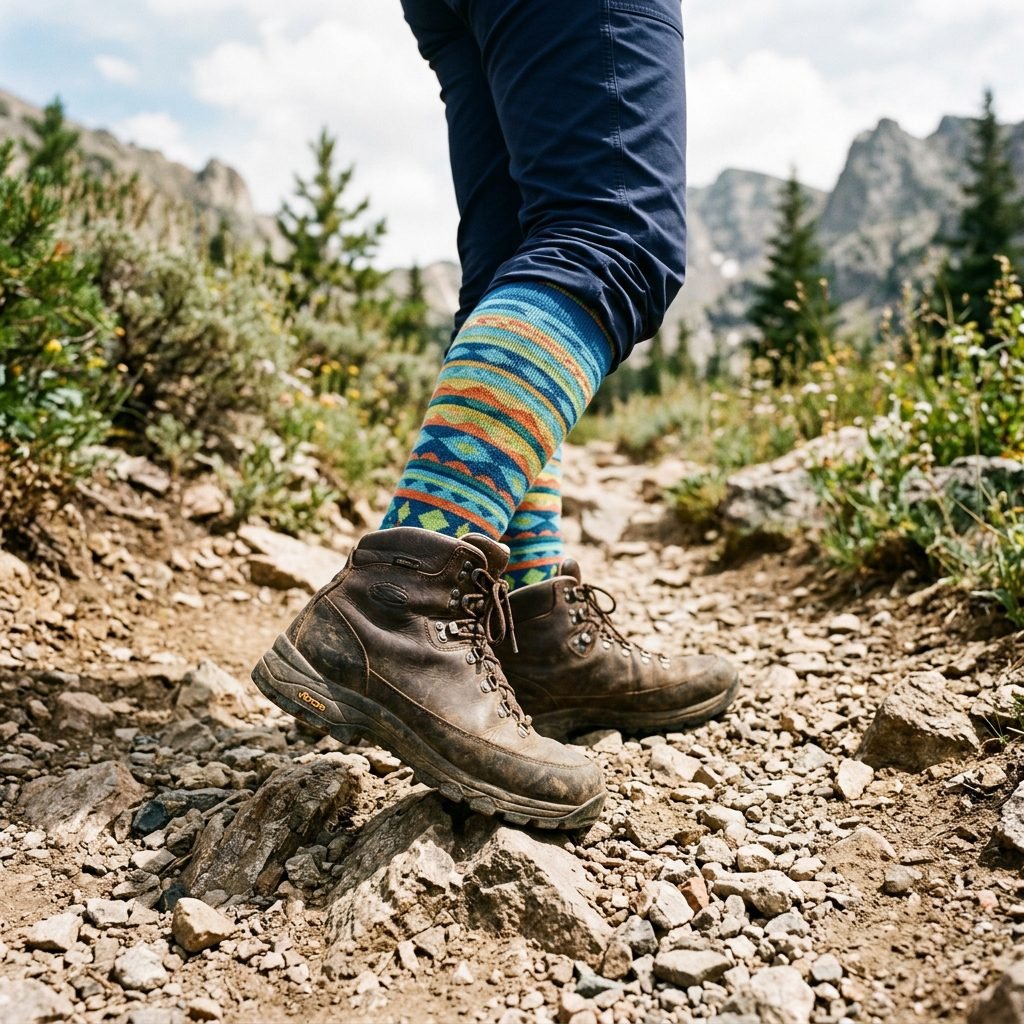
The first thing many mamas notice is that their favorite hiking boots suddenly feel a bit… snug. This isn’t just in your head! During pregnancy, your body produces relaxin, a hormone designed to soften the ligaments in your pelvis to prepare for birth. The catch? Relaxin doesn’t just target the pelvis; it affects every joint in your body, including the 26 bones and dozens of ligaments in your feet. This can cause your arches to flatten and your feet to widen or even grow a half-size. When you’re hiking, this joint laxity increases your risk of ankle sprains and foot fatigue. Choosing the right footwear is your first line of defense. Look for boots with a wider toe box to accommodate natural swelling and a higher ankle cut for stability. If your current boots are tight, don’t try to ‘tough it out.’ Pressure on the feet can lead to plantar fasciitis, a common pregnancy ailment.
Actionable Relief for Your Feet
- Size Up: Consider buying a pair of boots a half-size larger than your pre-pregnancy size.
- Supportive Insoles: Add a high-quality orthopedic insole to support your arches as they bear the extra weight of the baby.
- Compression Socks: These are a game-changer! Wearing 15-20 mmHg compression socks helps prevent blood from pooling in your lower legs, reducing the risk of swelling and deep vein thrombosis (DVT).
| Feature | Why It Matters for Pregnancy | What to Look For |
|---|---|---|
| Ankle Support | Prevents rolls due to loose ligaments | Mid-to-high top height |
| Toe Box | Allows for natural swelling | Wide or ‘foot-shaped’ design |
| Traction | Prevents slips as balance shifts | Vibram or deep lug soles |
Finding Your Center: The Magic of Trekking Poles
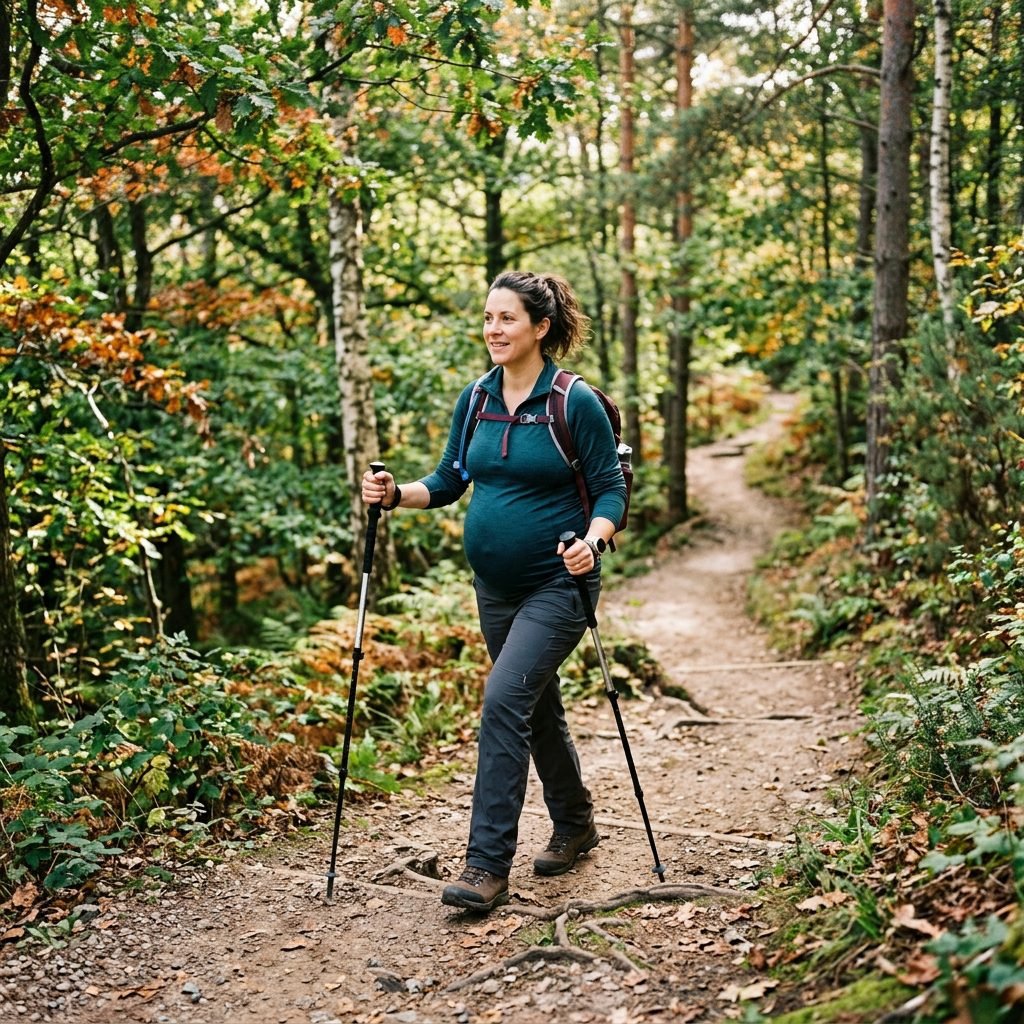
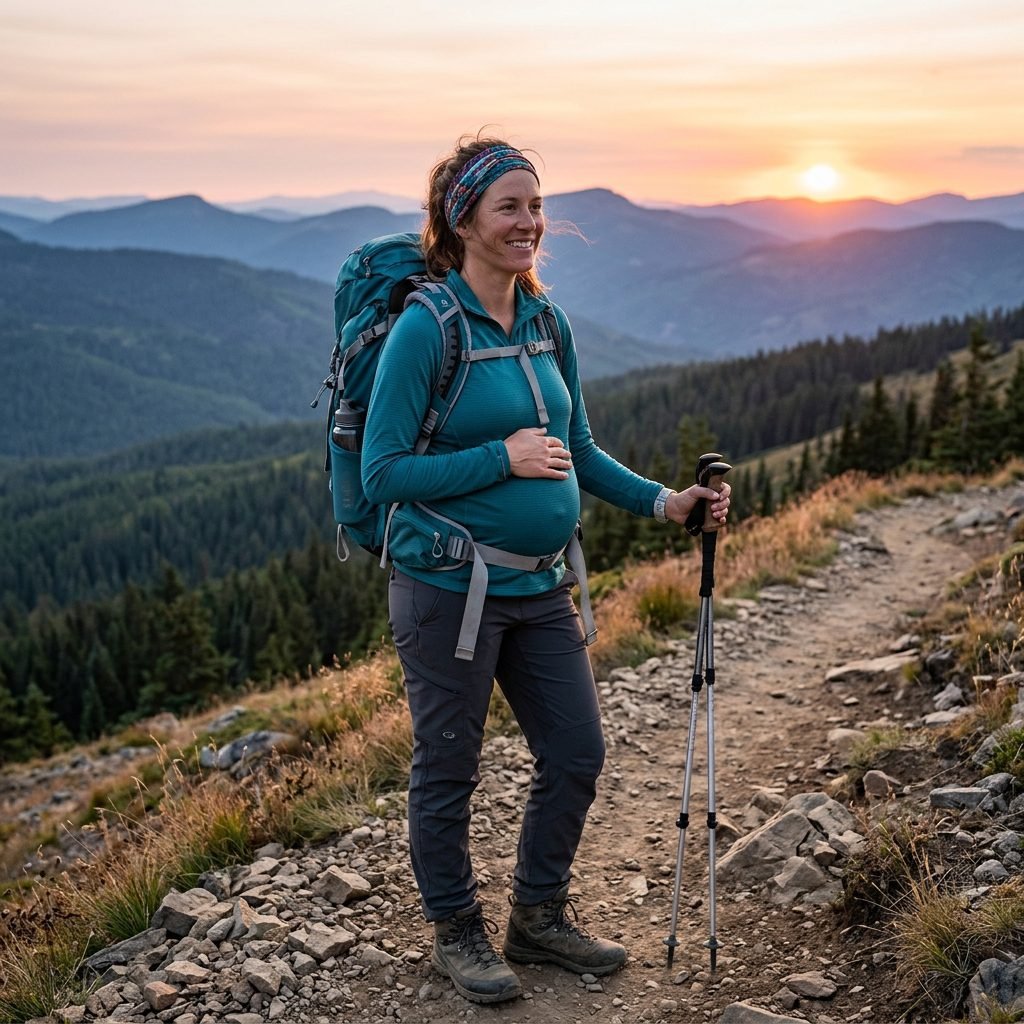
As your bump grows, your center of gravity moves forward, which can make you feel a bit like a teeter-totter on uneven terrain. This shift puts immense pressure on your lower back and knees, especially during descents. This is where trekking poles become your best friend. I often call them ‘the doula of gear’ because they provide the support you need when things get heavy. Using poles essentially turns you into a quadruped, distributing your weight across four points instead of two. This reduces the impact on your knee joints by up to 25%, which is vital when you’re carrying extra ‘baby weight.’
Mama, don’t let pride stop you from using poles. They aren’t a sign of weakness; they are a tool for longevity and safety. They allow you to focus on the beauty of the trail rather than the fear of falling.
Tips for Using Poles While Pregnant
- Adjust for Incline: Shorten the poles when going uphill and lengthen them when going downhill to keep your posture upright.
- The 90-Degree Rule: On flat ground, your elbows should be at a 90-degree angle when holding the poles.
- Wrist Straps: Use the straps correctly (threading your hand up through the bottom) to take the pressure off your grip strength.
Fueling the Journey: Hydration and Nutrition for Two
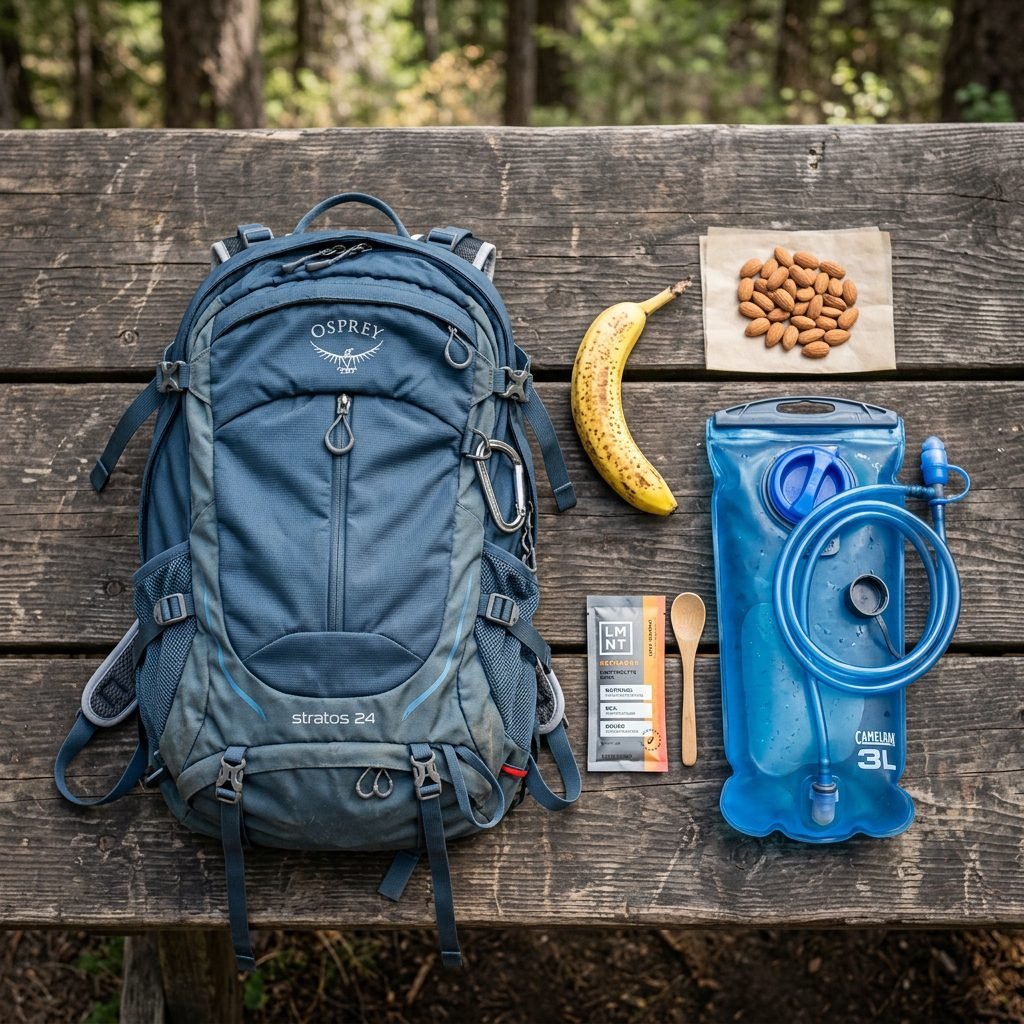
When you’re hiking for two, your hydration needs skyrocket. You are not just hydrating yourself; you are maintaining the amniotic fluid levels for your baby and supporting your increased blood volume. Dehydration in pregnancy can lead to Braxton Hicks contractions, dizziness, and even preterm labor in extreme cases. On the trail, you should aim to drink at least 8-10 ounces of water every 20 minutes. Don’t wait until you’re thirsty! By the time thirst kicks in, you’re already slightly dehydrated. Nutrition is equally important. Your body is burning through glucose faster than usual. Instead of three big meals, focus on ‘grazing’—eating small, nutrient-dense snacks every hour to keep your blood sugar stable.
The Pregnancy Trail Snack List
- Complex Carbs: Whole-grain crackers or oatmeal bars for sustained energy.
- Protein: Nut butters, jerky (ensure it’s from a safe source), or hard-boiled eggs.
- Electrolytes: Add a pregnancy-safe electrolyte powder to one of your water bottles to replenish magnesium and potassium, which help prevent those middle-of-the-night leg cramps.
| Hiking Activity | Safe & Recommended | Proceed with Caution / Avoid |
|---|---|---|
| Hydration | Water + Electrolytes | Caffeinated energy drinks |
| Snacking | Frequent, small, high-protein snacks | Large, heavy meals that cause indigestion |
| Altitude | Well-hydrated, gradual ascents | Rapid climbs above 10,000 feet |
Dressing the Bump: Layers and Support for the Changing Body
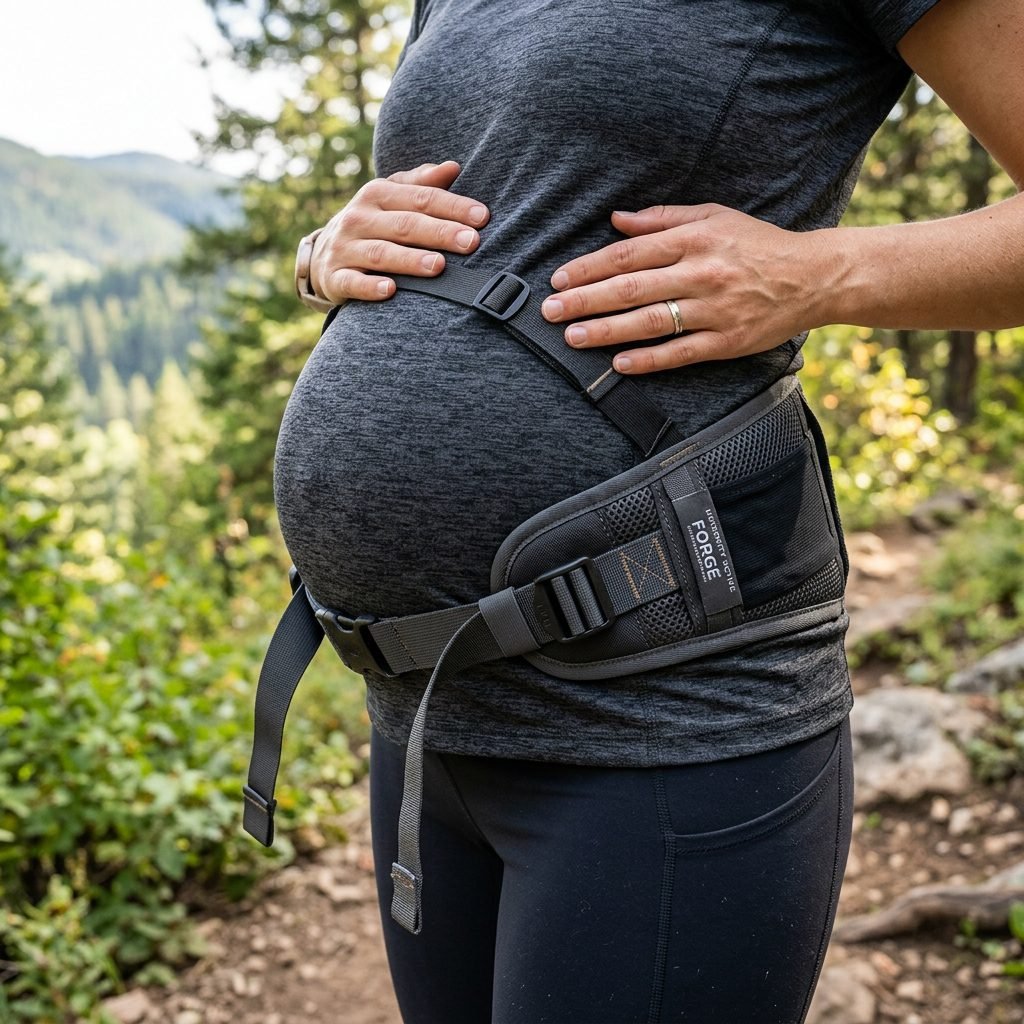
Your internal thermostat is set a few degrees higher these days, mama! Pregnancy makes you more prone to overheating, which can be dangerous for the baby, especially in the first trimester. The key to staying comfortable is moisture-wicking layers. Avoid cotton at all costs; it holds moisture and can lead to chills or chafing. The most critical piece of ‘clothing’ you can wear is a maternity support belt. As your belly grows, the weight pulls on your round ligaments and lower back. A high-quality support band acts like a sports bra for your bump, lifting the weight off your pelvis and stabilizing your core.
The Pregnant Hiker’s Capsule Wardrobe
- Base Layer: A moisture-wicking maternity tank top with side ruching.
- Support: A medical-grade maternity belly band designed for high activity.
- Bottoms: Maternity-specific hiking leggings or shorts with a supportive over-the-belly panel.
- Outer Layer: A lightweight, breathable windbreaker that you can easily tie around your waist.
Remember, your skin is also more sensitive to the sun due to hormonal changes (hello, melasma!). Wear a wide-brimmed hat and use a mineral-based, pregnancy-safe sunscreen with SPF 30 or higher.
Trail Safety and the ‘Talk Test’: Listening to Your Body’s Cues
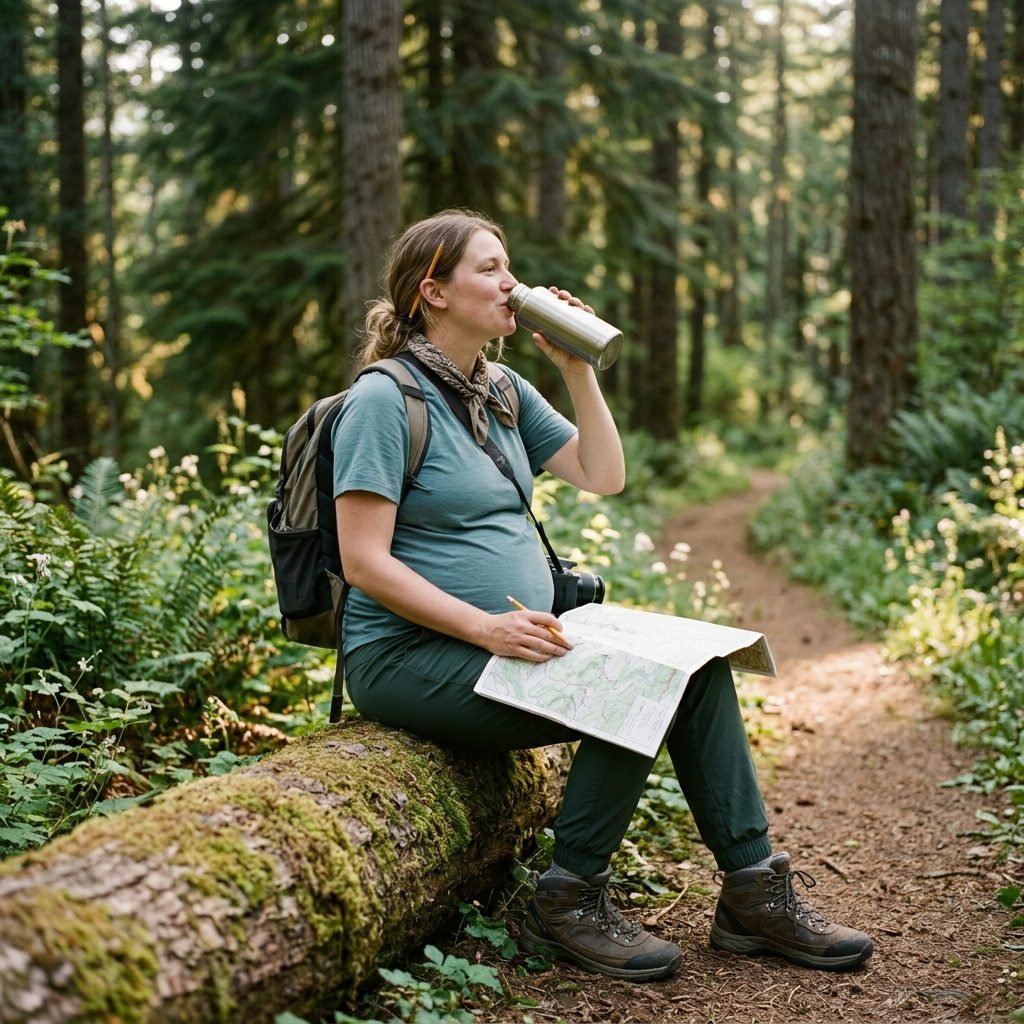
Safety on the trail is about more than just gear; it’s about intuition. In the past, doctors used to say ‘keep your heart rate under 140,’ but modern research suggests that Perceived Exertion is a much better metric. The easiest way to monitor this is the ‘Talk Test.’ If you can’t hold a full conversation while hiking, you’re pushing too hard. Slow down, mama. There is no prize for speed here.
When to Turn Back
It’s important to know the difference between ‘normal pregnancy discomfort’ and ‘stop immediately’ signs. If you experience any of the following, find a shaded spot to rest, hydrate, and head back to the trailhead:
- Dizziness or Faintness: This can indicate a drop in blood pressure or blood sugar.
- Vaginal Bleeding or Fluid Leaking: This requires immediate medical attention.
- Sharp Pelvic Pain: Not to be confused with mild round ligament stretching, sharp or rhythmic pain should be taken seriously.
- Shortness of Breath: If you can’t catch your breath even after resting, it’s time to end the hike.
Always tell someone your exact trail route and expected return time. Better yet, hike with a ‘trail buddy’ who knows you’re pregnant and can carry the heavier items in their pack!
Conclusion
Hiking during pregnancy is a beautiful way to stay active, reduce stress, and prepare your body for the marathon of labor. By investing in the right gear—like those life-saving trekking poles and supportive boots—you are giving yourself the gift of confidence. Remember, mama, your body is doing incredible work every single second of the day. Some days you might feel like a mountain goat, and other days you might only make it a half-mile before needing a snack and a nap. Both are perfectly okay. Listen to your intuition, honor your limits, and soak in the trail magic. You’re doing a great job, and that little one in your belly is already getting their first taste of adventure! Happy trails!