How to Establish a Gentle Bedtime Routine That Helps Baby Sleep Longer
The Magic of the Golden Hour
Oh, mama, I see you. I see the heavy eyelids, the fourth cup of lukewarm coffee, and that deep, soul-aching desire for just four consecutive hours of sleep. As a doula and sleep consultant, I want to wrap you in a virtual hug and tell you: it gets better. Establishing a bedtime routine isn’t about rigid ‘sleep training’ or letting your little one cry it out; it is about creating a predictable, sensory-rich bridge between the busyness of the day and the stillness of the night.
Babies thrive on rhythm. Their nervous systems are like delicate sponges, soaking up every light, sound, and touch. When we create a gentle, consistent bedtime flow, we aren’t just ‘putting them to bed.’ We are signaling to their developing brains that the world is safe, the sun has set, and it is time for their bodies to produce that glorious sleep hormone, melatonin. In this guide, we will walk through the exact steps to build a routine that honors your baby’s temperament and your need for rest.
The Science of Sleep Pressure and Melatonin
Before we dive into the ‘how,’ we need to understand the ‘why.’ A baby’s sleep is governed by two main factors: sleep pressure (adenosine buildup) and the circadian rhythm (the internal body clock). By the time your baby is around 8 to 12 weeks old, they begin to produce their own melatonin, but they need environmental cues to help that process along.
The Sunlight-Sleep Connection
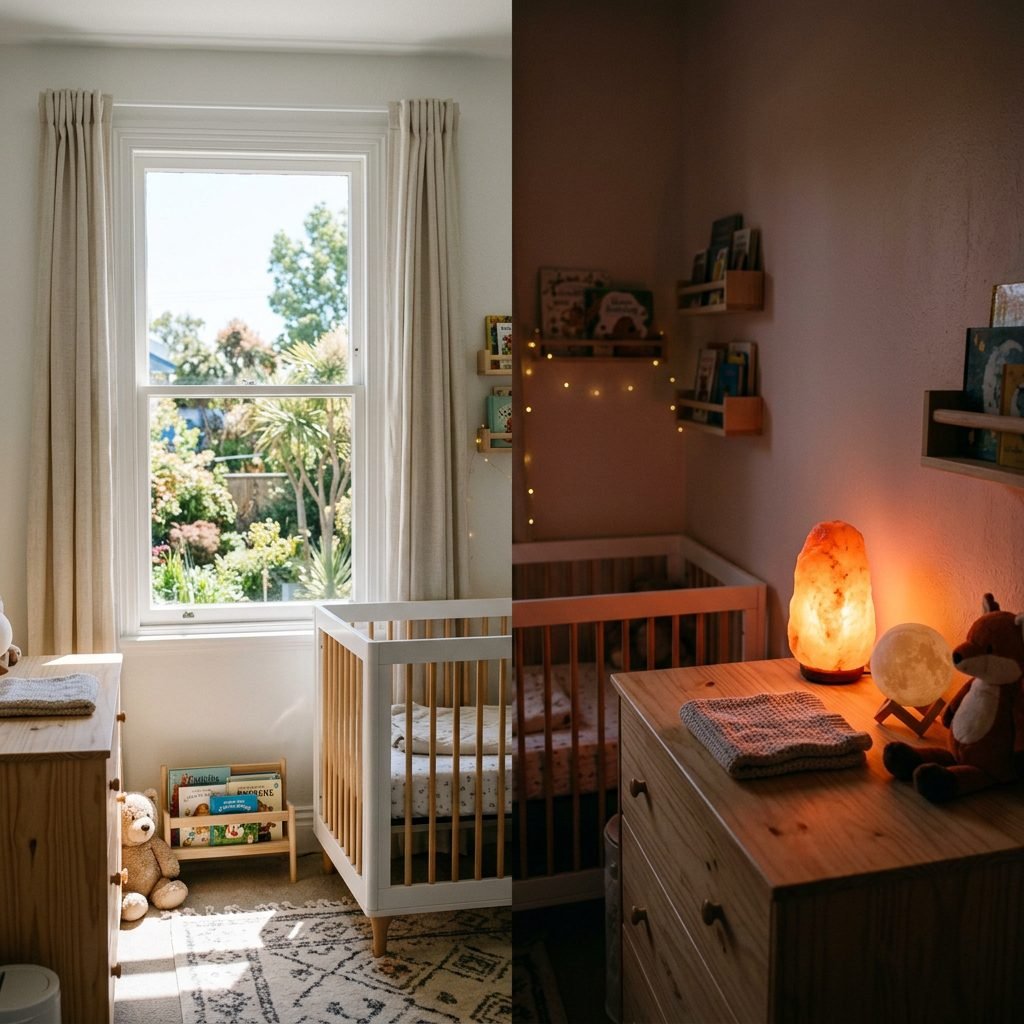
Did you know that sleep starts in the morning? Exposure to natural daylight early in the day helps set your baby’s internal clock, making it easier for them to wind down at 7:00 PM. As evening approaches, we want to avoid ‘blue light’ (from TV screens or bright LED bulbs) which can inhibit melatonin production.
| Light Type | Effect on Baby | Best Use |
|---|---|---|
| Natural Sunlight | Regulates Circadian Rhythm | Morning and Mid-day |
| Bright White/Blue Light | Inhibits Melatonin | Avoid after 5:00 PM |
| Warm Amber/Red Light | Promotes Relaxation | During Bedtime Routine |
“Your baby’s sleep is a journey, not a destination. Each gentle night is a step toward a more rested family.”
The Step-by-Step Gentle Wind-Down Flow

Creating the Evening Rhythm
A successful routine should take between 30 to 45 minutes. If it’s too short, the baby doesn’t have time to transition; if it’s too long, you risk missing the ‘sleep window’ and entering the dreaded overtired zone, where cortisol spikes and makes falling asleep nearly impossible.
The 4-Step Bedtime Sequence
- The Sensory Bath: Use warm water (around 98-100°F) and a lavender-infused wash. The drop in body temperature after leaving the bath actually triggers sleepiness.
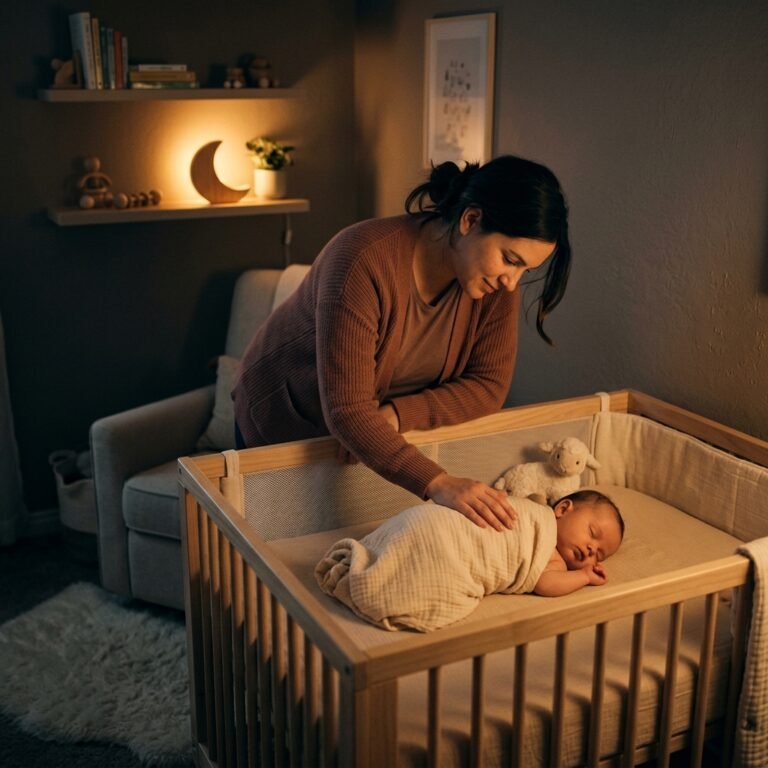
- The Infant Massage: Using a cold-pressed organic oil, use slow, rhythmic strokes. Focus on the legs and tummy to help release any trapped gas.
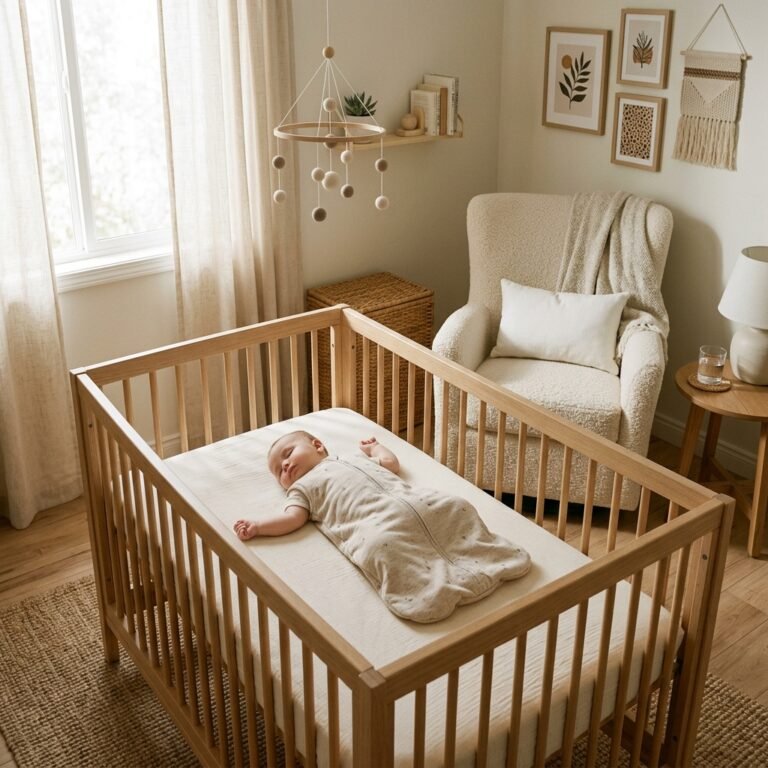
- The ‘Dressed for Rest’ Moment: Choose breathable fabrics like bamboo or organic cotton. This is when you apply the swaddle or sleep sack.
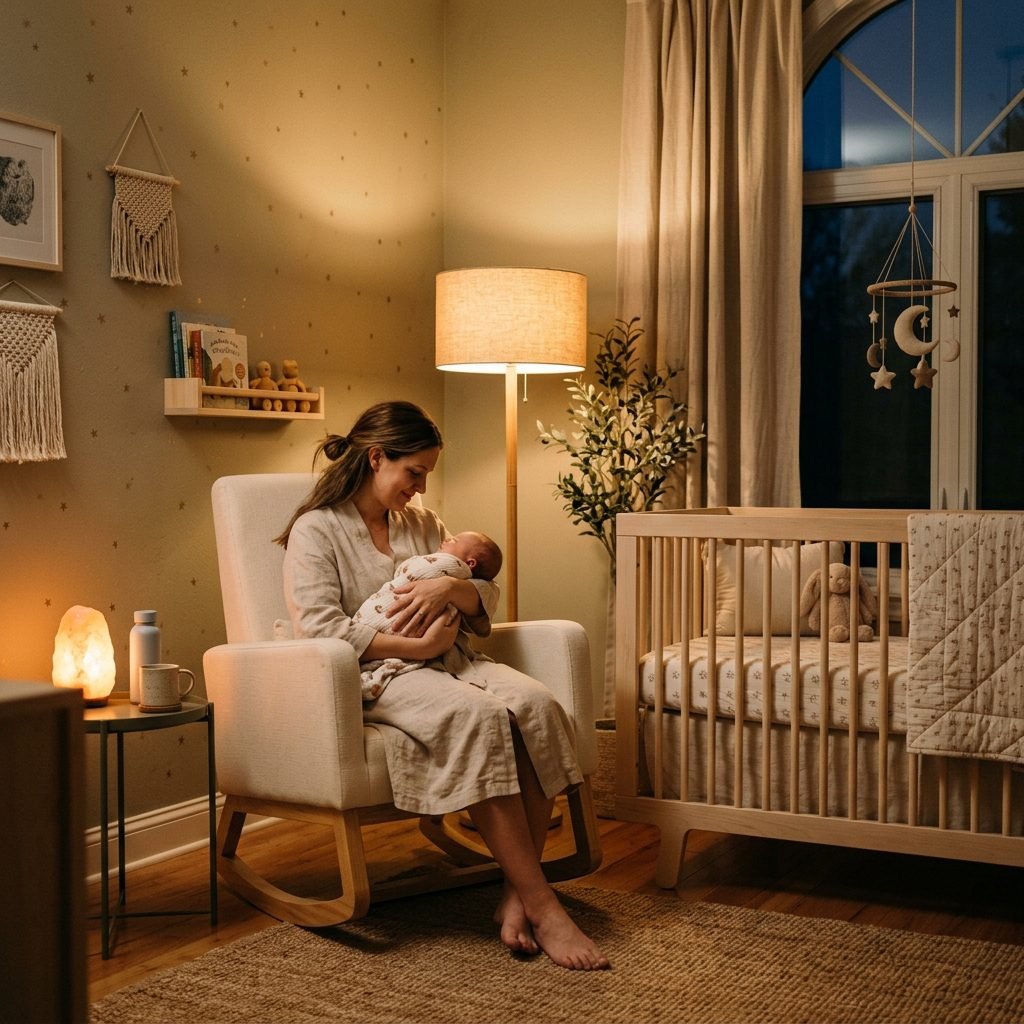
- The Final Feed: Whether breastfeeding or bottle-feeding, keep this session quiet and low-light.
| Time | Activity | Goal |
|---|---|---|
| 6:15 PM | Warm Bath | Physical Relaxation |
| 6:30 PM | Massage & PJs | Sensory Calming |
| 6:45 PM | Final Feed | Satiety & Connection |
| 7:00 PM | In Crib / Sleepy | Independent Transition |
Dressing for Success: Swaddles, Sacks, and TOG Ratings

Temperature regulation is vital for safe and long sleep. If a baby is too hot, they will be restless; too cold, and they will wake up seeking warmth. This is where TOG (Thermal Overall Grade) ratings come in. As a doula, I always recommend natural fibers that allow the skin to breathe.
Understanding TOG Ratings
- 0.5 TOG: For hot summer nights (above 75°F).
- 1.0 TOG: The ‘Goldilocks’ weight, perfect for year-round use (68-72°F).
- 2.5 TOG: For chilly winter nights (below 65°F).
Pro-Tip: Always touch your baby’s chest or the back of their neck to check their temperature. Their hands and feet are naturally cooler and are not an accurate gauge of their core warmth.
“A comfortable baby is a sleeping baby. Trust the natural fibers to do the work for you.”
Environmental Mastery: Sound and Atmosphere
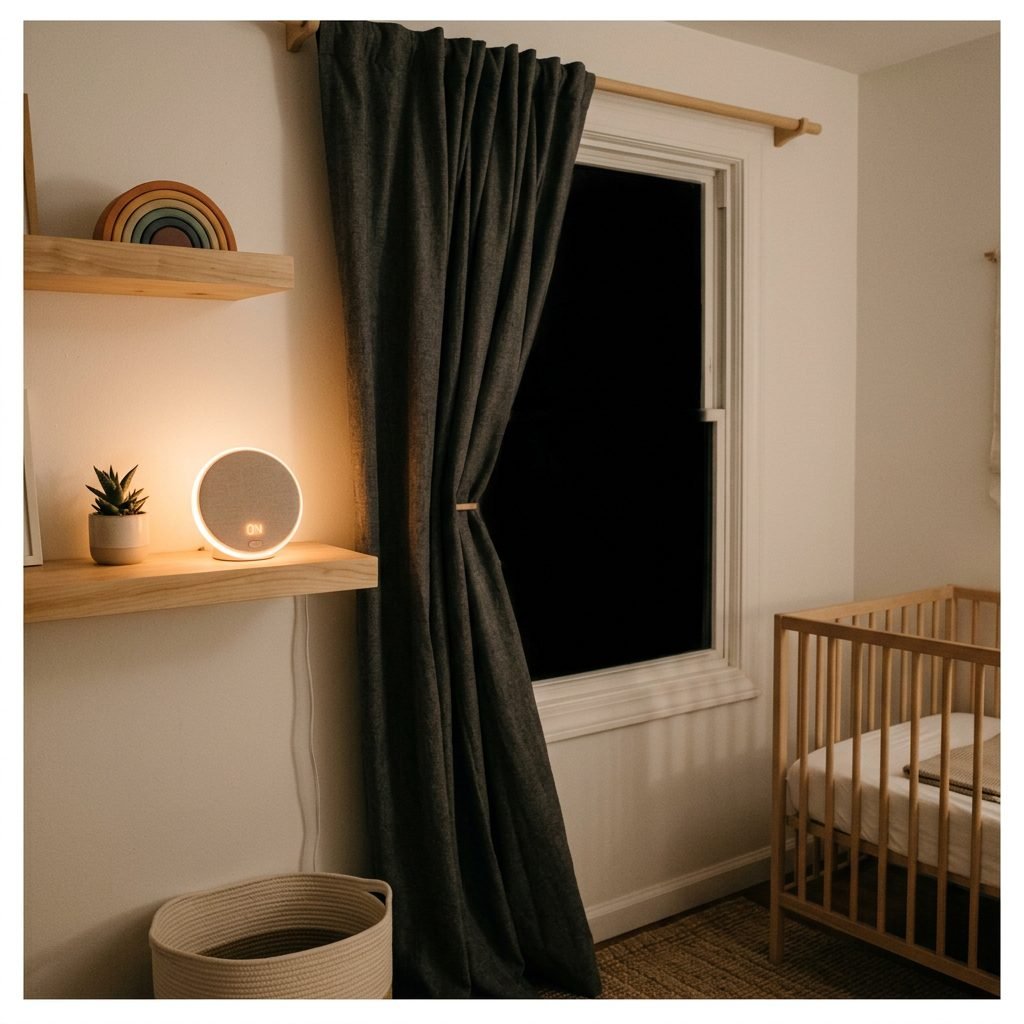
The Ultimate Sleep Sanctuary
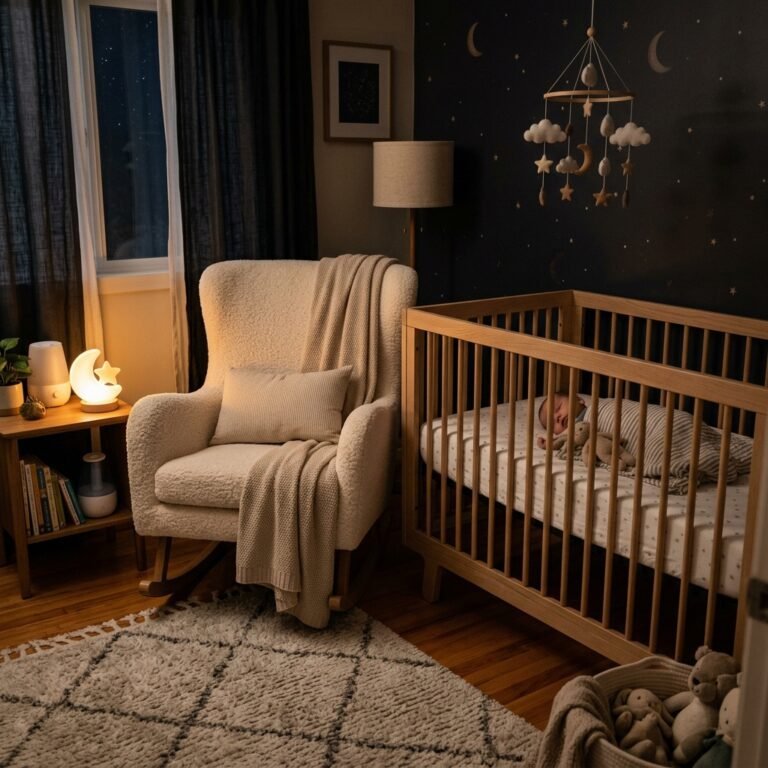
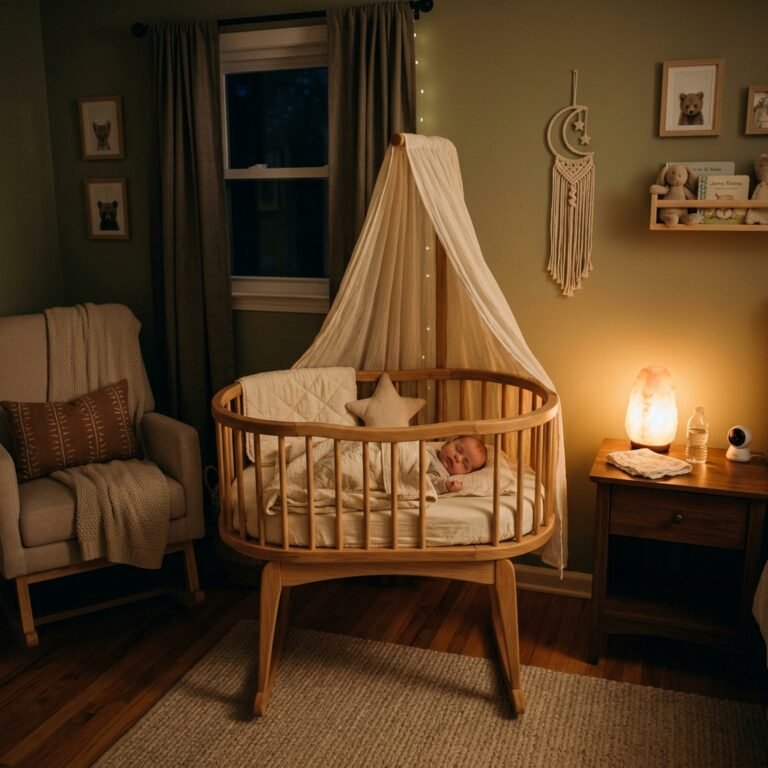
Your baby’s nursery should be a sensory deprivation chamber for the night. We want to eliminate ‘startle’ triggers. This means blackout curtains are your best friend. If any sliver of street lighting or early morning sun enters the room, it can signal the brain to wake up.
The Power of White Noise
Babies are used to the 80-90 decibel roar of the womb. A silent room can actually be unsettling for them. A high-quality white noise machine provides a consistent ‘audio blanket’ that masks the sound of a barking dog or a dropped dish in the kitchen.
| Sound Type | Frequency Profile | Best For |
|---|---|---|
| White Noise | All frequencies equal | Blocking external household noise |
| Pink Noise | Deeper, lower frequencies | Deepening sleep quality |
| Brown Noise | Deep bass/rumble | Calming colicky or fussy babies |
Ensure the sound machine is placed at least 3 feet away from the crib and set to a volume no louder than a soft shower (around 50-60 dB).
The Nutrition-Sleep Connection: Burping and Gas Relief

Nothing disrupts a beautiful bedtime routine faster than a gas bubble. Many babies who ‘can’t sleep’ are actually just uncomfortable. Incorporating physiotherapeutic burping into your routine can change everything.
The ‘Tiger in the Tree’ Hold
If your baby is fussy during the wind-down, try the ‘Tiger in the Tree’ position. Lay the baby face-down along your forearm, with their head in your hand and their legs straddling your elbow. The gentle pressure on their tummy helps move gas along. Pair this with ‘Bicycle Legs’ during the massage portion of your routine.
The Dream Feed
For babies between 3 and 6 months, a ‘dream feed’ can help extend the first sleep stretch. Around 10:00 PM or 11:00 PM, gently lift the baby while they are still asleep and offer a breast or bottle. They will often drink reflexively without fully waking up, allowing you to get a longer stretch of sleep when you finally go to bed.
Troubleshooting the Witching Hour and Regressions

When the Routine Feels Impossible
We’ve all been there: the 5:00 PM to 7:00 PM window where your sweet angel turns into a tiny, screaming pterodactyl. This is the ‘Witching Hour.’ It is usually caused by a combination of overstimulation and the day’s fatigue catching up to them.
Survival Strategies
- Lower the stimulation: Turn off the lights, stop the loud play, and move to a quiet space earlier.
- The ‘Reset’ Bath: If they are inconsolable, a warm bath can act as a sensory reset for their nervous system.
- Fresh Air: Sometimes just stepping outside for 5 minutes can change the baby’s (and your!) perspective.
| Challenge | Likely Cause | The Solution |
|---|---|---|
| Waking 20 mins in | Overtiredness | Move bedtime 15 mins earlier |
| Excessive Squirming | Trapped Gas | Extended burping/Bicycle legs |
| Frequent Night Wakes | Hunger or Habit | Increase daytime calories/Check TOG |
“You are doing a great job, mama. Even the hardest nights have a sunrise.”
Conclusion
Rest is a Family Affair
Establishing a gentle bedtime routine is one of the greatest gifts you can give to your baby—and yourself. It isn’t about perfection; it’s about consistency and connection. Some nights will go perfectly, and other nights will feel like a marathon. That is okay. By leaning into these rhythmic cues, you are building a foundation of security that will serve your child for years to come.
Remember, you cannot pour from an empty cup. Once that baby is tucked in, take ten minutes for yourself. Drink a cup of tea, stretch, or just sit in the silence. You’ve earned it. Sweet dreams to you both.