Our Honest Guide to Transitioning Baby From Swaddle to Zipadee Zip Painlessly
The Great Swaddle Transition: From Snug as a Bug to Starfish Sleep
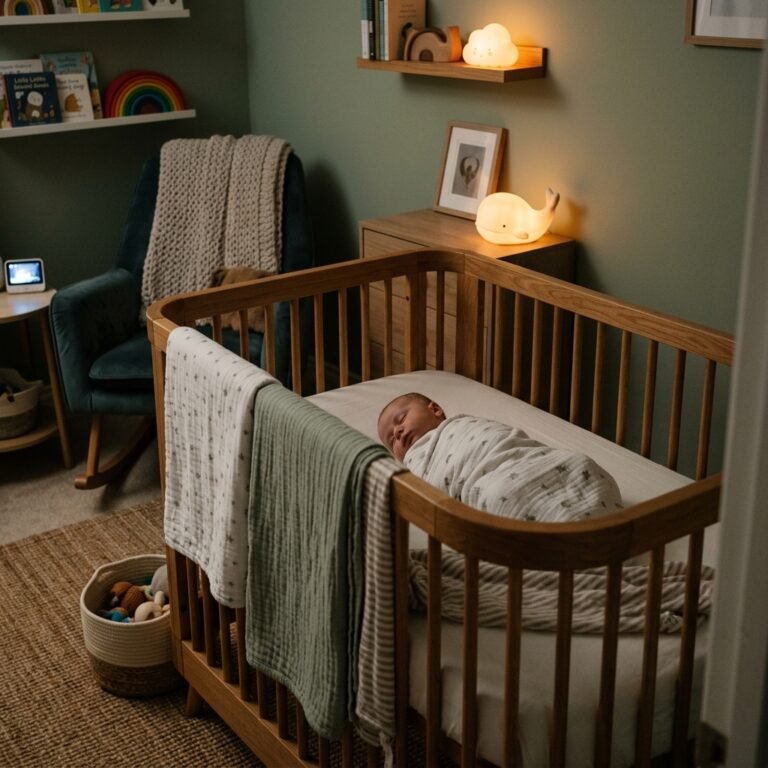
Mama, I see you. It is 2:00 AM, and you are staring at the baby monitor, watching your little one start to kick their legs and arch their back. For months, that snug velcro swaddle has been your best friend—the magic cloak that kept the Moro reflex at bay and gave you those precious four-hour stretches of sleep. But now, the signs are there: a little roll to the side, a stronger push with the legs, or perhaps the dreaded four-month sleep regression has arrived early.
As a doula and a fellow mom who has paced the hallway at midnight, I know the ‘swaddle dread’ is real. You’re terrified that once those arms are free, sleep will vanish like a puff of smoke. That is exactly where the Zipadee-Zip comes in. It is often called the ‘miracle’ transition piece for a reason. It provides that enclosed feeling babies crave while remaining safe for little ones who are learning to roll. In this guide, we are going to walk through this transition hand-in-hand, ensuring both you and your baby get the rest you deserve.
Recognizing the ‘Rolling Point’: When to Ditch the Traditional Swaddle

Safety is our absolute priority in the nursery. The American Academy of Pediatrics (AAP) is very clear: once a baby shows any signs of attempting to roll over, the traditional arms-in swaddle must go. This is because if a baby rolls onto their tummy while their arms are pinned, they cannot push themselves up or turn their head to clear their airway.
Signs Your Baby is Ready to Move On:
- The Side-Roll: You find your baby sleeping on their side consistently.
- The Breakout Artist: Your baby is frequently escaping the swaddle, leaving loose fabric in the crib (a major safety hazard).
- The Leg Lift: They are lifting their legs and slamming them down, or scooting toward the top of the crib.
- Age Milestones: Most babies need to transition between 8 and 14 weeks of age.
If you see these signs, do not panic. We aren’t throwing them into the deep end of the sleep pool just yet. We are simply shifting gears to a safer, more flexible option.
Why the Zipadee-Zip? The Science of the Starfish Shape
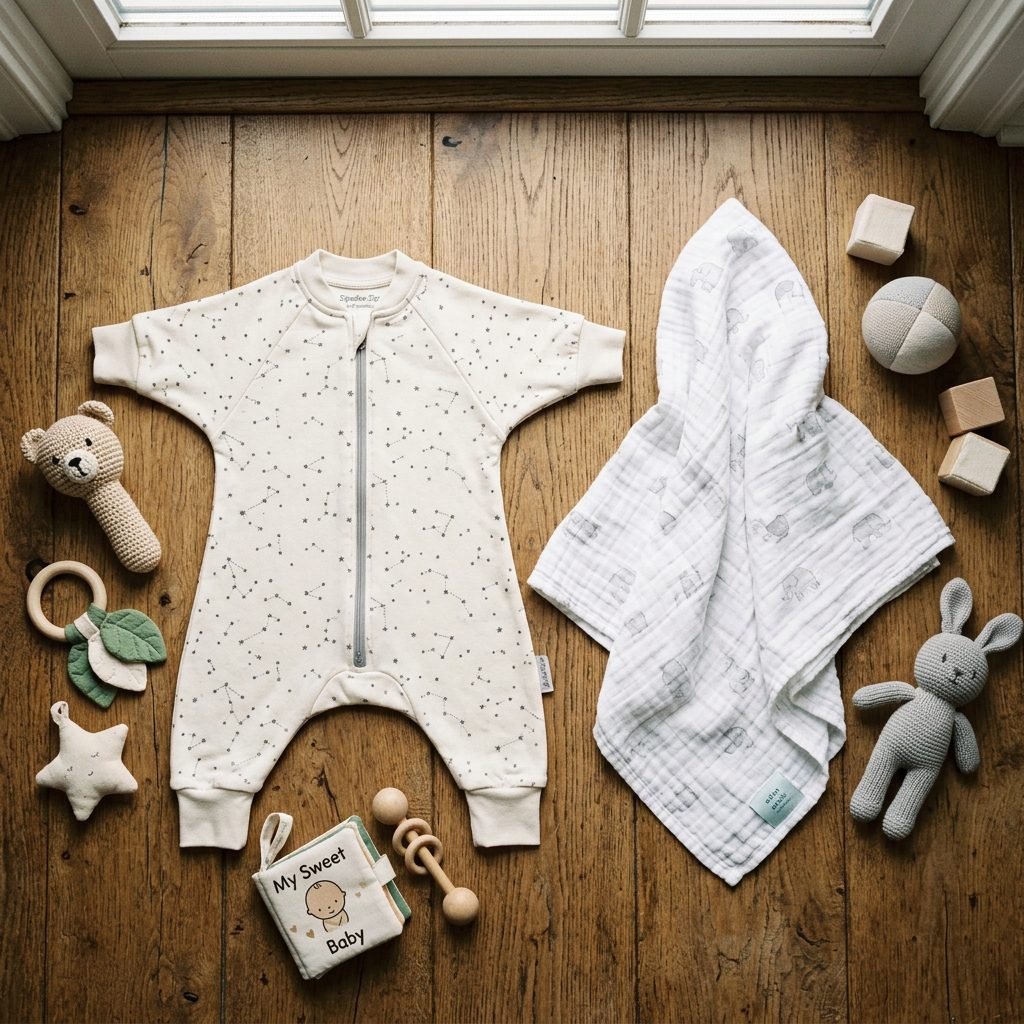
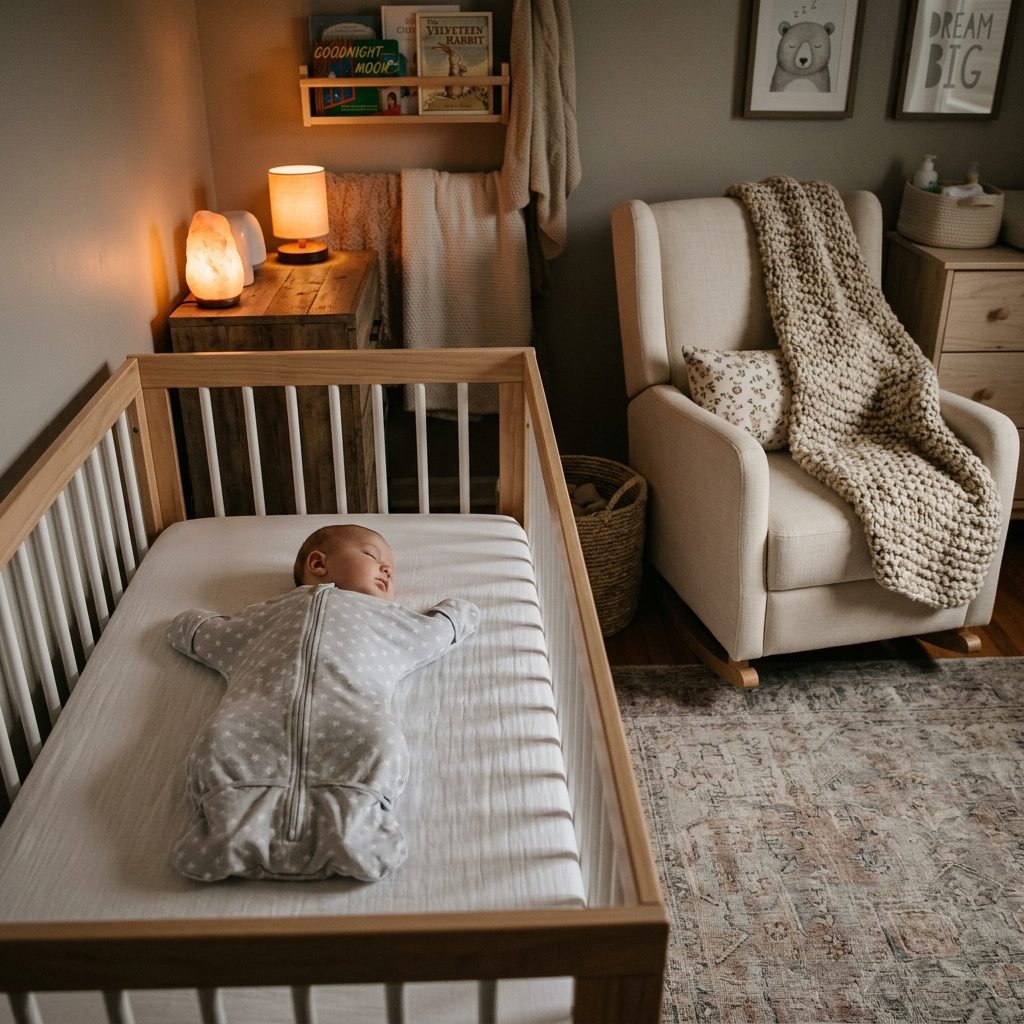
You might be wondering, ‘Why not just go straight to a sleeveless sleep sack?’ For many babies, the jump from a tight swaddle to completely free arms is too jarring. The Zipadee-Zip is unique because of its patented ‘starfish’ design. It provides just enough resistance at the hands and feet so that when the startle reflex occurs, the baby feels the fabric against their skin, which mimics the edges of the womb.
The Benefits of the ‘Starfish’ Design:
- Moro Reflex Dampening: The pointed sleeves prevent the arms from flailing wildly, which often wakes babies up.
- Full Range of Motion: Unlike a swaddle, your baby can push themselves up, roll over, and even sit up while wearing a Zipadee-Zip.
- Self-Soothing: The fabric over the hands allows babies to chew on their ‘fists’ or rub their cheeks for comfort without scratching themselves.
| Feature | Traditional Swaddle | Zipadee-Zip | Sleeveless Sleep Sack |
|---|---|---|---|
| Safety for Rolling | No | Yes | Yes |
| Moro Reflex Control | High | Moderate | Low |
| Hip Health | Restrictive if tight | Loose/Safe | Loose/Safe |
| Ease of Use | Can be tricky | Simple Zip | Simple Zip |
The 7-Day Painless Transition Plan
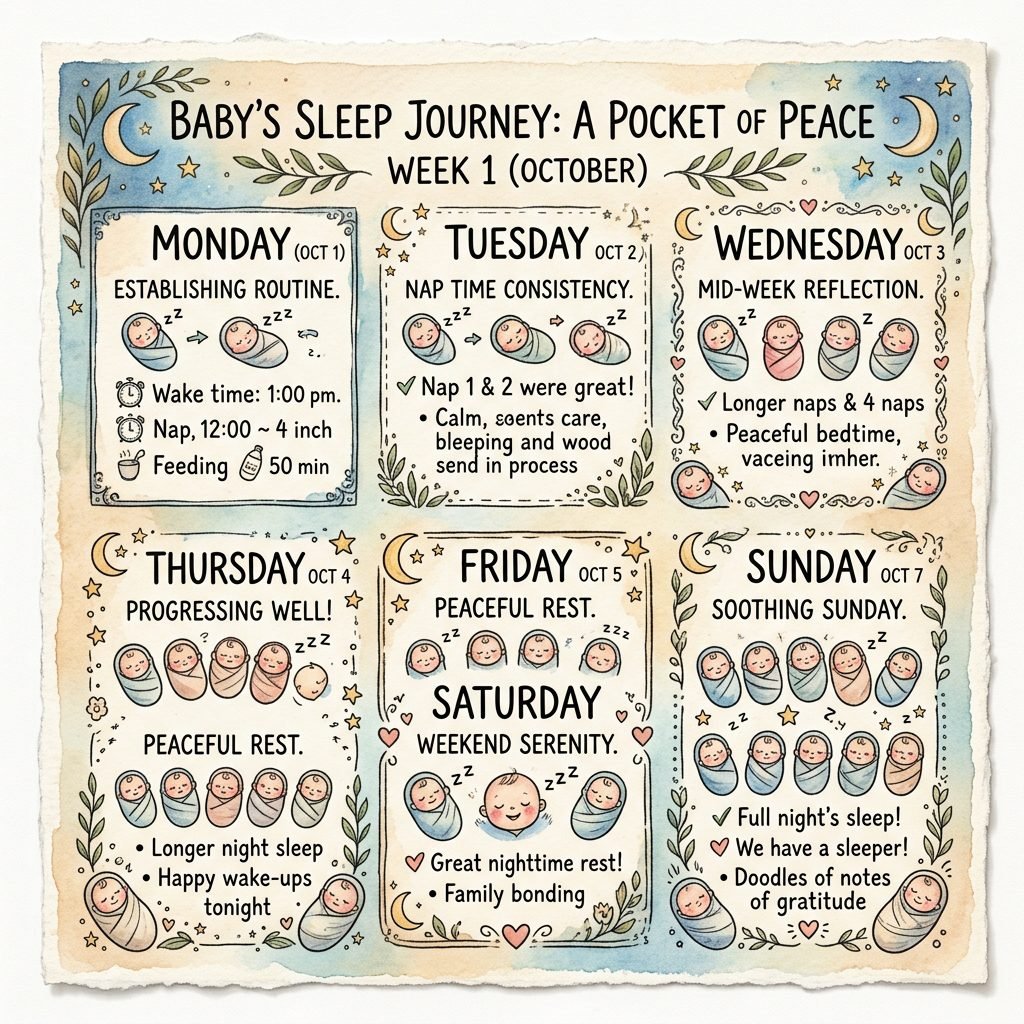
We don’t want to shock your baby’s nervous system. A phased approach is usually the kindest way to handle this change. Here is my doula-recommended 7-day schedule to make the switch seamlessly.
- Days 1-2: The Nap Trial. Start by using the Zipadee-Zip only for the first nap of the day. This is usually when sleep drive is highest. For all other naps and nighttime, stick to your usual routine.
- Days 3-4: All Naps. Move all daytime sleep into the Zipadee-Zip. If a nap is a total disaster, give yourself grace and try again the next time.
- Day 5: The Nighttime Debut. Use the Zipadee-Zip for the first stretch of night sleep. If they wake up after the first cycle and won’t settle, you can switch back to the swaddle for the rest of the night (unless they are already rolling!).
- Days 6-7: Full Commitment. By now, the ‘newness’ of the arm freedom should be wearing off. Commit to the Zipadee-Zip for all sleep.
“Mama, remember that one bad night does not mean the transition is a failure. It means your baby is learning a new skill. Stay consistent, stay calm, and breathe through the wobbles.”
Dressing for the TOG: Temperature Regulation and Comfort

One of the biggest mistakes parents make when transitioning is over-dressing the baby. Because the Zipadee-Zip covers the hands and feet, it traps more heat than a standard sleep sack. You must consider the TOG (Thermal Overall Grade) of the garment and the temperature of your nursery.
Layering Guide for the Zipadee-Zip:
- Nursery 72°F – 75°F: A short-sleeved onesie or just a diaper underneath a cotton Zipadee-Zip.
- Nursery 68°F – 71°F: A long-sleeved cotton sleeper (pajamas with feet) underneath the Zipadee-Zip.
- Nursery below 68°F: Use a fleece Zipadee-Zip or a warmer base layer, but monitor for signs of overheating like a sweaty chest or neck.
Pro Tip: Always feel your baby’s chest or the back of their neck to check their true temperature. Hands and feet are naturally cooler and are not a reliable gauge of core warmth.
Troubleshooting the ‘Flail’: What to Do if They Won’t Settle

Even with the best plan, some babies are ‘extra’ sensitive to the feeling of free arms. If your little one is struggling to settle, try these doula-tested soothing techniques:
The ‘Hands-On’ Settle:
When you place them in the crib, keep your hands firmly but gently on their chest and belly for 60 seconds. This provides the ‘grounding’ sensation they miss from the swaddle. If they start to flail, gently hold their arms down against their chest until they calm, then slowly release.
The White Noise Factor:
During a transition, environmental sounds are more likely to wake a baby who is already in a lighter stage of sleep. Ensure your white noise machine is set to about 50-60 decibels (the volume of a running shower) and is placed at least 7 feet away from the crib.
The Scent Trick:
If your baby is particularly clingy, sleep with the Zipadee-Zip against your skin for an hour before putting it on them. Your scent is the most powerful regulator for their nervous system.
Conclusion
You’ve Got This, Mama!
Transitioning away from the swaddle feels like the end of an era, but it is actually the beginning of a wonderful new chapter of developmental freedom. By choosing a tool like the Zipadee-Zip, you are giving your baby the bridge they need to move from the womb-world to the ‘big kid’ sleep-world safely. Be patient with yourself and your little one. Some babies take two nights to adjust; others take two weeks. Both are normal, and both are okay.
Soon enough, you’ll be watching your baby comfortably rolling, grabbing their toes, and sleeping with their arms tossed back in total relaxation. Hang in there, keep the coffee brewing, and trust the process. You are doing an incredible job.