How to Safely Walk the Stairs to Induce Labor and Dilate Faster at Home
Welcome, sweet mama. If you are reading this, you are likely in those final, heavy days of pregnancy where every Braxton Hicks contraction feels like a promise and every night feels just a little bit longer. First, take a deep breath. Your body is a masterpiece of design, and your baby is preparing for their grand debut. As a doula, I often hear the question: “Is there anything I can do to help things move along?” While we always respect the baby’s timeline, there are gentle, evidence-based ways to encourage your body to find its rhythm. One of the most effective, accessible, and time-honored methods is walking the stairs. This isn’t just about “getting steps in”; it is about using the laws of physics—specifically gravity and asymmetry—to help your baby navigate the beautiful, complex curves of your pelvis. In this guide, we are going to walk through (quite literally!) how to use your home staircase as a tool for labor preparation, ensuring you stay safe, comfortable, and empowered every step of the way.
“Your pelvis is not a static bone; it is a dynamic gateway. Movement is the key that unlocks it.”
When we talk about walking the stairs to induce labor, we are focusing on two main goals: fetal descent and cervical dilation. By moving your hips in an asymmetrical fashion, you are effectively creating more space for the baby’s head to tuck into the cervix, which in turn signals your body to release more oxytocin. Let’s dive into the science and the safety of this practice so you can feel confident in your movement.
The Science of the Staircase: Why Asymmetry is Your Best Friend
Understanding Pelvic Dynamics
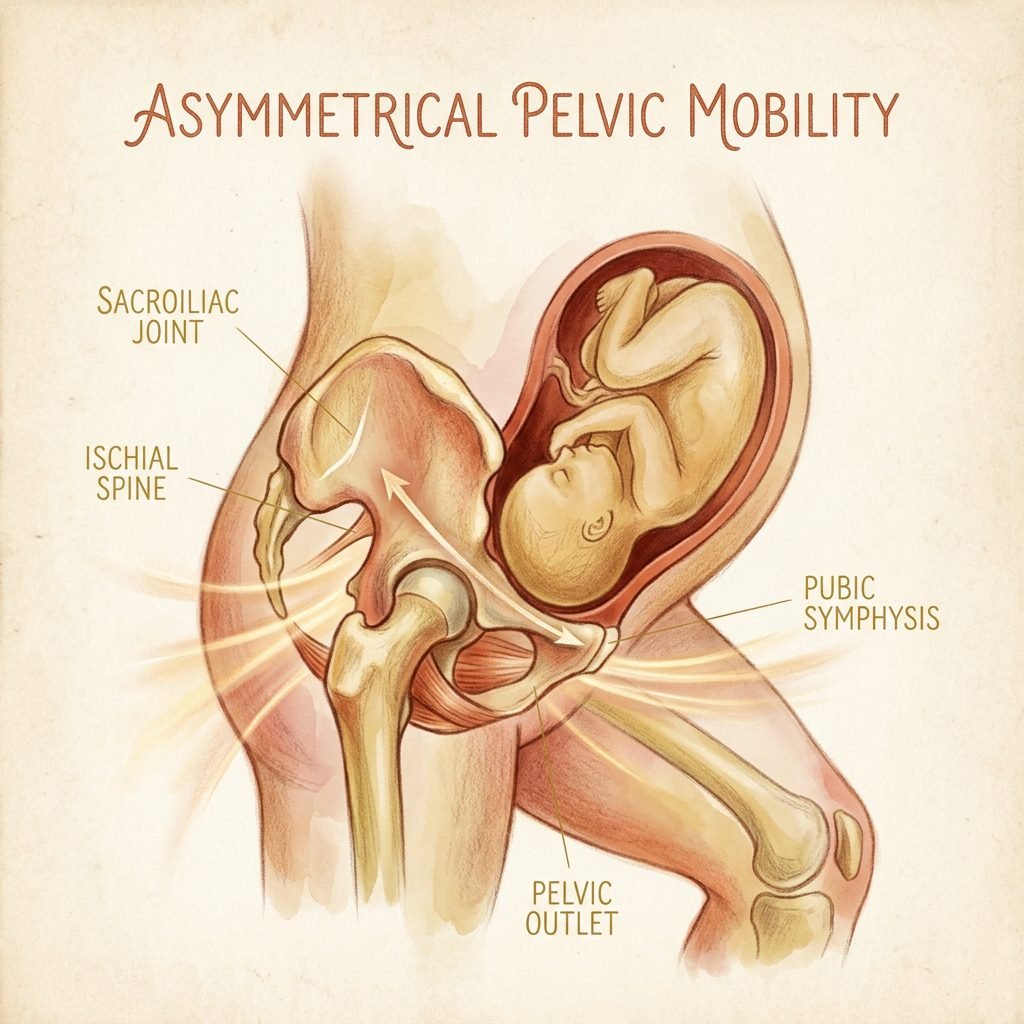
To understand why walking stairs works, we have to look at the anatomy of the late-pregnancy pelvis. Your pelvis is composed of several bones held together by ligaments that have become wonderfully soft and stretchy thanks to the hormone relaxin. During the third trimester, your goal is to help the baby’s head engage with the pelvic inlet. When you walk on flat ground, your hips move in a relatively symmetrical pattern. However, when you climb stairs, one hip is raised significantly higher than the other. This asymmetrical movement shifts the pelvic bones, specifically the sacroiliac (SI) joints, allowing the pelvic outlet to open wider than it would during standard walking.
Gravity and the Fetal Wedge
Gravity is the most underrated member of your birth team. When you are upright and moving, gravity pulls the heaviest part of the baby (the head) downward. This pressure against the cervix acts like a natural wedge. Each time the baby’s head presses against the cervix, it stimulates the production of prostaglandins and oxytocin, the hormones responsible for thinning and dilating the cervix. Walking stairs intensifies this pressure compared to standing still because the rhythmic, vertical shifting of the pelvis encourages the baby to wiggle deeper into the birth canal.
The Three Planes of the Pelvis
Your doula will tell you that labor is a journey through three planes: the inlet, the mid-pelvis, and the outlet. Stair walking is particularly effective for the inlet and mid-pelvis. By lifting your knees high, you help the baby’s head find the optimal angle (the OA position) to pass through the mid-pelvis. If the baby is slightly “sunny-side up” (OP position), the rocking motion of stair climbing can often encourage them to rotate into a more favorable position for birth.
Safety First: Preparing Your Body and Your Environment
Assessing Your Readiness
Before you start your stair workout, it is vital to listen to your body. Walking stairs for labor induction is intended for those who are full-term (37+ weeks) and have received clearance from their OB-GYN or midwife. If you have been diagnosed with placenta previa, are experiencing high blood pressure (Preeclampsia), or have been put on pelvic rest, please skip this activity and focus on deep breathing and relaxation instead.
Creating a Safe Space
Your safety is paramount. Pregnancy shifts your center of gravity forward, making you more prone to trips and falls. Follow these safety protocols before you begin:
- The Buddy System: Never walk the stairs alone if you are feeling dizzy or if you are already experiencing regular contractions. Have your partner or a friend nearby to offer a steady hand.
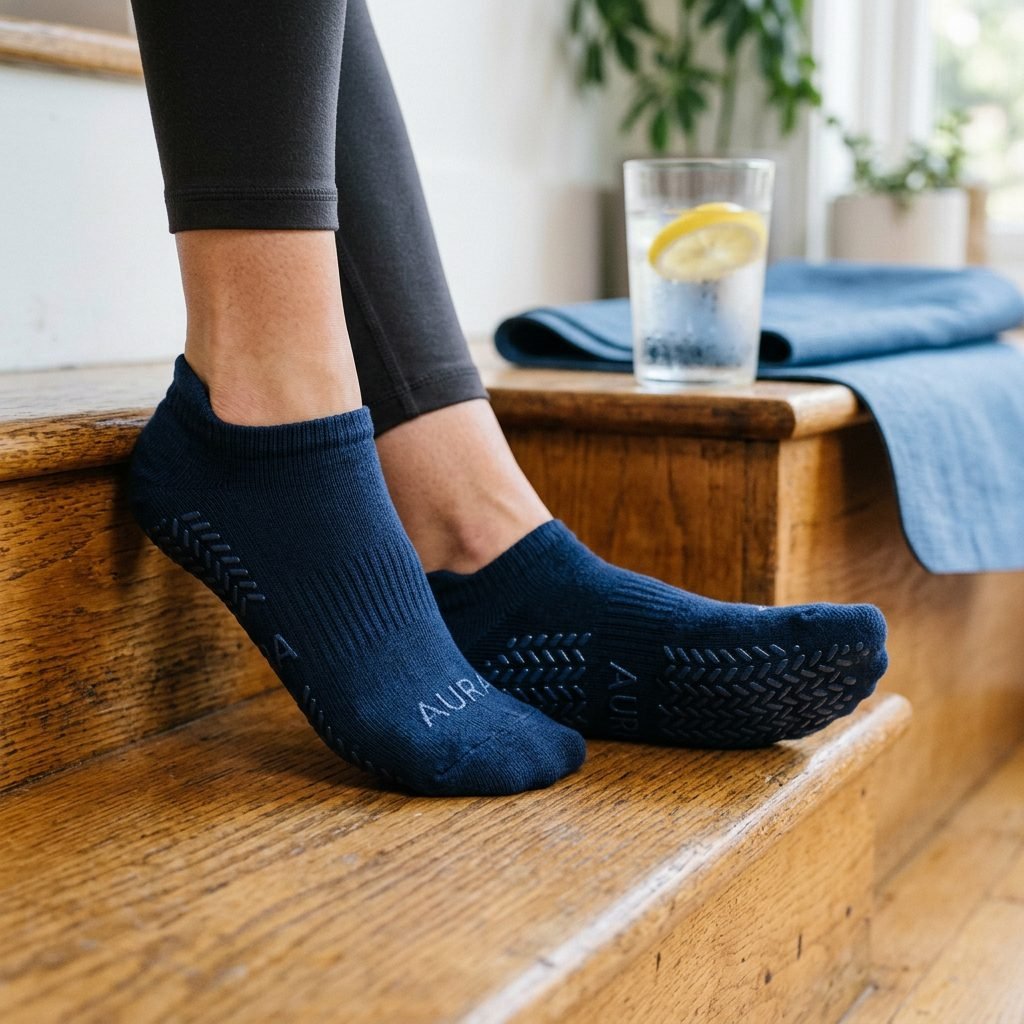
- Footwear Matters: Ditch the slippers or the loose flip-flops. Wear non-slip socks with grips on the bottom or, better yet, a supportive pair of athletic sneakers that are tied securely.
- Hydration Station: Place a bottle of water (ideally with electrolytes) at both the top and the bottom of the staircase. You want to stay hydrated to prevent premature muscle fatigue.
- Lighting: Ensure the staircase is well-lit. Shadows can be deceptive when you can’t see your feet over your beautiful belly!
| Safety Check | Requirement | Why it Matters |
|---|---|---|
| Footwear | Sneakers or Grip Socks | Prevents slipping and provides arch support. |
| Hydration | Electrolyte Water | Prevents dehydration-induced Braxton Hicks. |
| Environment | Clear, well-lit stairs | Reduces trip hazards. |
| Support | A ‘Spotter’ or Railing | Maintains balance as center of gravity shifts. |
The Step-by-Step Guide to Labor-Inducing Stair Techniques
Mastering the Move
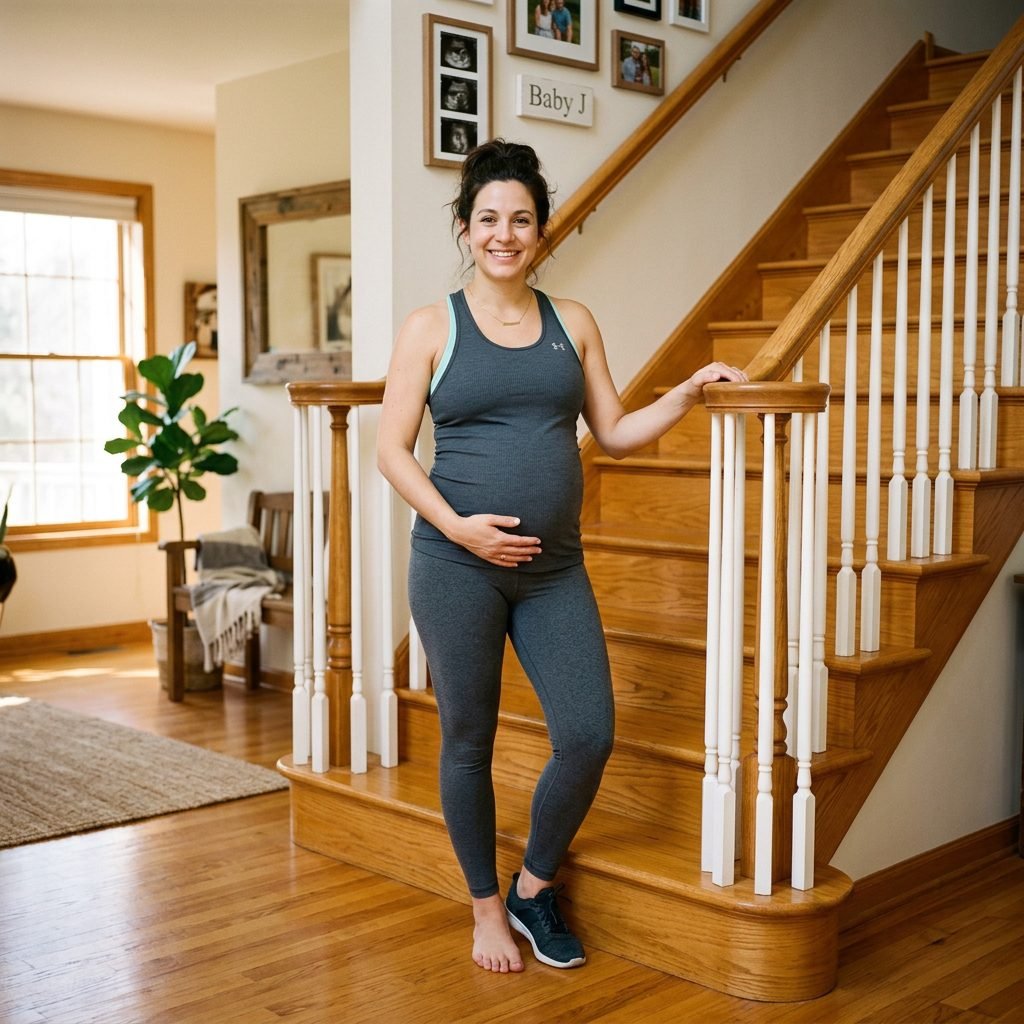
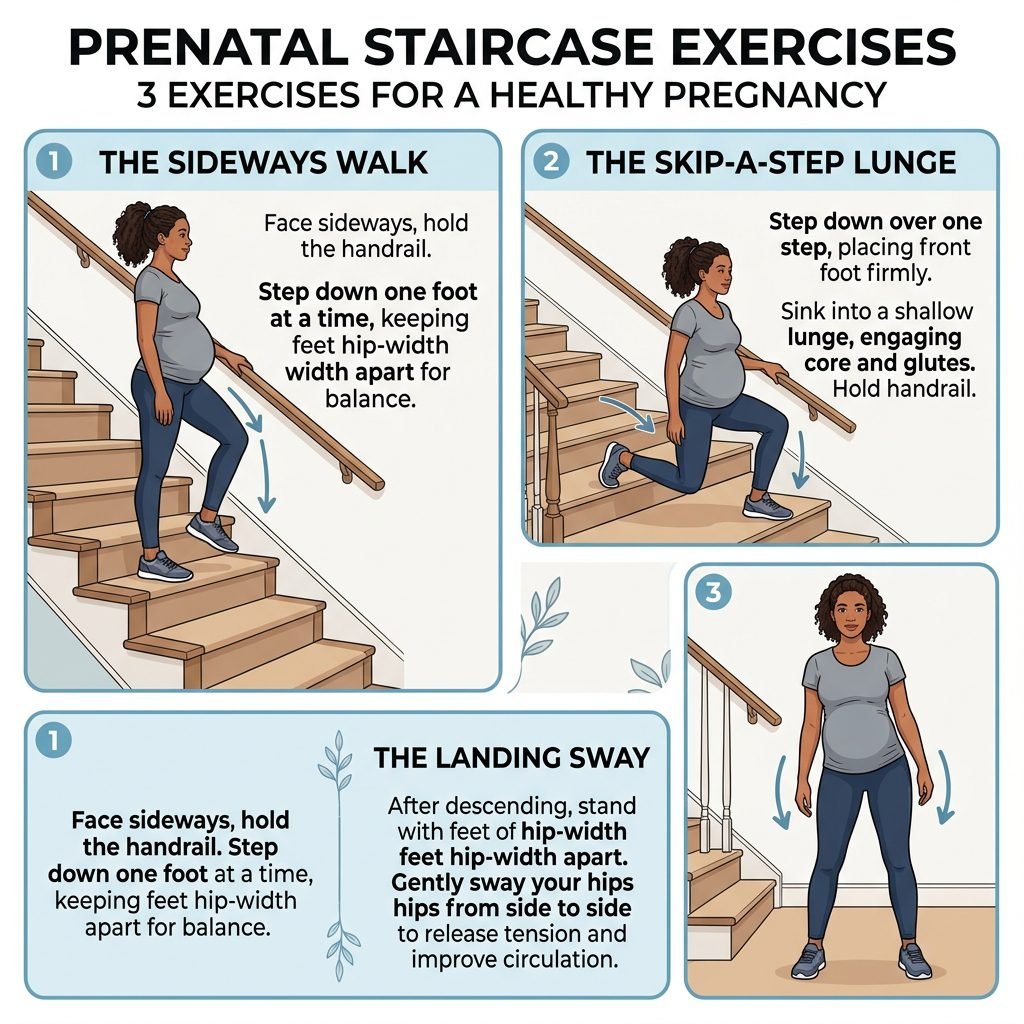
Don’t just walk up and down like you’re doing laundry. To maximize the benefits for labor, we want to use specific movements that prioritize pelvic opening. Here is your step-by-step physical guide:
- The Sideways Ascent (The Crab Walk): Stand at the bottom of the stairs, facing the railing (sideways). Grip the railing with both hands. Step up sideways, bringing your trailing foot to meet your leading foot on each step. This wide-legged, lateral movement is incredible for opening the mid-pelvis. Do 10-15 steps in one direction, then turn around and do the same in the other direction.
- The Skip-a-Step Lunge: If you feel stable, try taking steps two at a time. This creates a deep lunge effect. As you lift your leg higher, you are tilting the pelvis in a way that encourages the baby to drop lower. Ensure you are holding the railing firmly. Caution: Only do this if you have the balance and strength; do not overexert yourself.
- The Staircase Sway: Stop on a landing or a wide step. Keep your feet wider than hip-width apart, knees slightly bent. Gently sway your hips from side to side or in small circles. This uses the vertical height of the step to create an even deeper stretch in the pelvic floor muscles.
- The Forward Lean: While walking up normally, lean your torso slightly forward. This helps shift the baby’s weight off your spine and onto the cervix, which can be particularly helpful if you are experiencing back labor.
“Every step is a contraction’s friend. Every movement is a step closer to meeting your soul’s delight.”
Remember to take breaks. This is not a HIIT workout; it is a functional movement session. If you feel short of breath, stop and rest. We want to conserve your energy for the actual labor!
Timing and Intensity: When to Walk and When to Rest

Finding the Sweet Spot
Timing is everything. You don’t want to exhaust yourself before labor even begins. Ideally, you should start these movements when you are in early labor (contractions are present but mild and spaced out) or when you are past your due date and looking to encourage engagement. If you are in active labor (contractions are 4 minutes apart, 1 minute long, for 1 hour), the stairs can be used briefly to help a stalled labor, but your focus should shift toward rest and rhythmic breathing.
The Movement vs. Phase Matrix
Use this table to determine which movement fits your current stage of the journey:
| Labor Phase | Goal | Recommended Movement | Duration |
|---|---|---|---|
| Pre-Labor / Overdue | Engagement | Standard Stair Walking | 20 minutes, twice a day |
| Early Labor | Dilation | Sideways Crab Walk | 10 minutes on / 20 minutes rest |
| Stalled Active Labor | Rotation / Descent | Deep Step Lunges | 5-10 steps during contractions |
| Active Labor | Progression | Gentle Swaying on Landing | As needed for comfort |
Listen to the “Stop” Signals
Your body will tell you when it has had enough. You should stop stair walking immediately if you experience:
- Sharp, localized pain (different from contraction pressure).
- Dizziness or blurred vision.
- Sudden, extreme shortness of breath.
- Vaginal bleeding (other than the ‘bloody show’).
- A sudden decrease in fetal movement.
Fashion and Comfort: Styling Your Labor Prep
Comfort-First Maternity Style
Let’s be honest, mama: when you’re 39 weeks pregnant, comfort is the only fashion trend that matters. However, feeling put-together can actually boost your oxytocin levels! For your stair-walking sessions, choose a stylish yet practical outfit that supports your changing body.
The Ultimate Stair-Walking Outfit
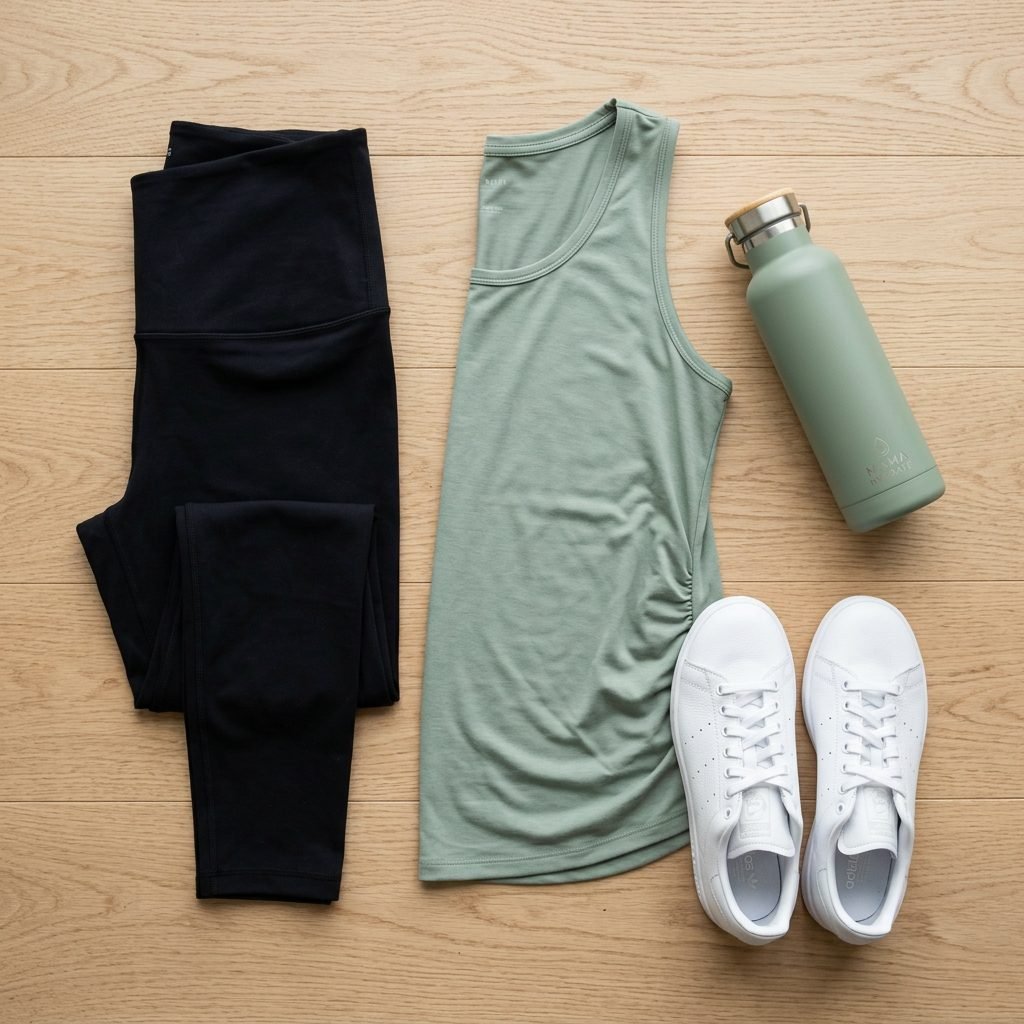
- High-Waisted Compression Leggings: Look for leggings specifically designed for the third trimester. They provide gentle lift for your belly and support for your lower back, which can take a lot of strain during stair climbing.
- Breathable Layers: You will get warm. Wear a moisture-wicking maternity tank top paired with a lightweight, open cardigan that you can easily toss aside when your internal thermostat rises.
- The Supportive Bra: Your breasts are likely heavier than usual. A high-quality seamless nursing bra or maternity sports bra will prevent discomfort as you move vertically.
Postpartum Prep Hint
While you are thinking about your outfit, make sure your stairs are also “styled” for your return. Clear any clutter now so that when you come home with your baby, your path is clear. Consider placing a small basket at the top and bottom of the stairs to catch items that need to go up or down, saving you extra trips during those first few weeks of recovery.
Complementary Techniques: Beyond the Stairs

The Holistic Approach
Stair walking is a powerful tool, but it works best when combined with other natural methods. Think of it as part of a labor-readiness toolkit. If the stairs feel too intense, or if you want to vary your routine, consider these alternatives:
The Birthing Ball
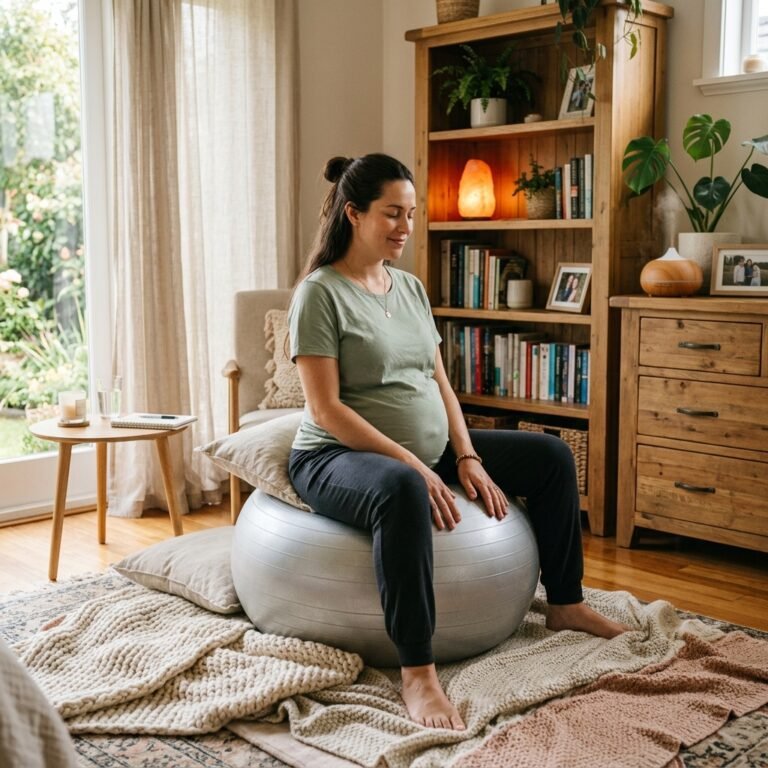
If your legs are tired, sit on a birthing ball (an exercise ball). Bouncing gently or doing figure-eight hip circles provides similar pelvic movement to stair walking but with much less physical exertion. This is perfect for the evening when you want to relax while still encouraging the baby to move down.
Curb Walking
If you don’t have stairs in your home, curb walking is the outdoor equivalent. Walk with one foot on the sidewalk and one foot in the street (the gutter). This creates that same asymmetrical pelvic tilt that we love so much for labor induction. It’s also a great way to get some fresh air and Vitamin D!
The Power of Rest
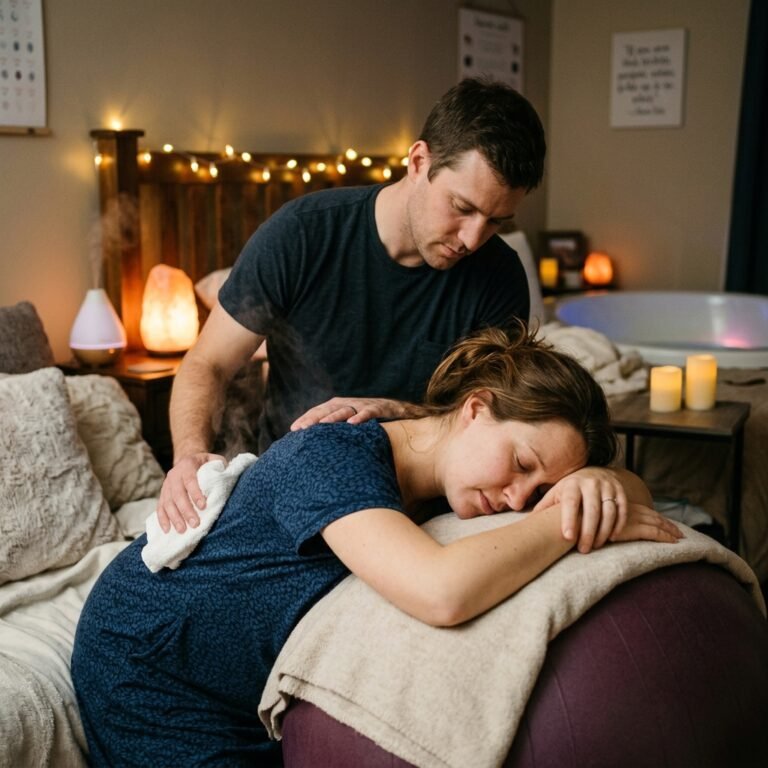
It might sound counterintuitive, but rest induces labor just as much as movement does. If your body is in a state of high stress (cortisol), it may inhibit oxytocin. Ensure you are balancing your stair walking with “rest and digest” activities—a warm bath, listening to birth affirmations, or a gentle prenatal massage. Your uterus is a muscle, and like any muscle, it performs best when it is well-rested and well-oxygenated.
Conclusion
Walking the stairs is a beautiful, rhythmic way to honor the transition your body is making. By using gravity and asymmetry, you are not just “inducing labor”; you are partnering with your baby to find the easiest path into the world. Remember, sweet mama, that every step you take is a labor of love. Whether you walk five flights or fifty, your body is doing the work it was designed to do. Trust the process, lean on your support system, and know that very soon, those stairs will be the path you walk to bring your little one home for the very first time. You are strong, you are capable, and you are almost there.