
Hiding the Bump? How to Ace a Job Interview While Pregnant (And When to Tell)
Hello, sweet mama-to-be! First, take a deep breath. I can almost feel the flutter of your heart—and maybe those tiny kicks, too—as you prepare for this big career move. Whether you are job hunting because you need a better environment for your growing family, or you are simply pursuing a dream that did not stop just because a baby is on the way, I want you to know one thing: You are a powerhouse.
As your sisterly doula and professional guide, I know that interviewing while pregnant brings a unique set of jitters. You are not just thinking about your resume; you are thinking about morning sickness, your changing silhouette, and the complex dance of when to disclose your pregnancy. Is it okay to hide the bump? Is it legal for them to ask? How do you negotiate maternity leave before you even have the job? We are going to cover all of it. We will dive into the nuances of maternity professional fashion, the legal protections that act as your shield, and the exact scripts you can use to navigate the conversation with grace and confidence. You are not ‘hiding’ a secret; you are managing your personal medical information with wisdom. Let’s get you that job.
Dressing the Bump: The Pregnancy Professional Lookbook
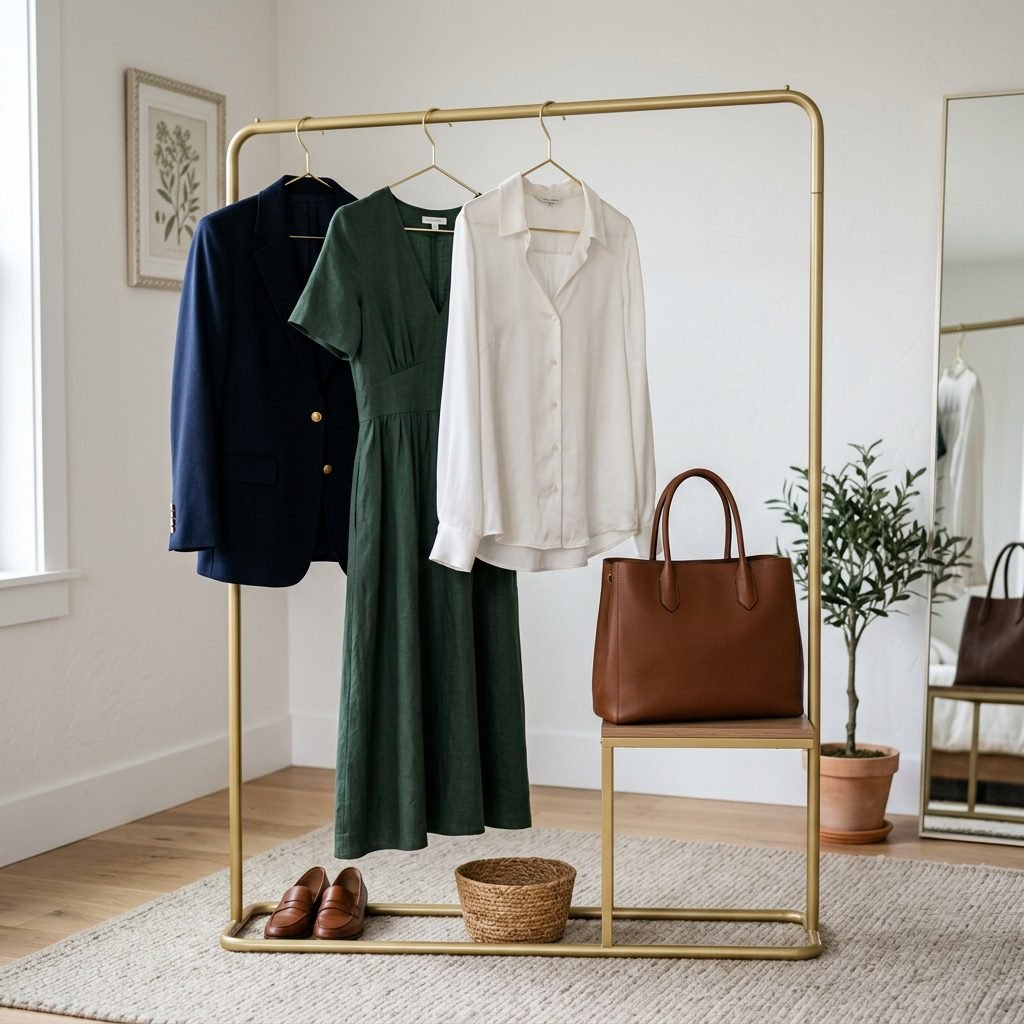
When you are in those middle months, the goal is often to keep the focus on your face and your expertise, not your midsection. The key to a successful ‘incognito’ interview outfit is structure and silhouette. You want pieces that skim the body rather than cling to it. As a maternal stylist, I recommend investing in high-quality ‘transition’ pieces that look like standard professional wear but offer the comfort you need.
Strategic Silhouettes
- The Power Blazer: A well-tailored, open blazer creates vertical lines that draw the eye up and down, effectively camouflaging a bump from the side profile. Choose a blazer with a slight stretch.
- Empire Waists: Dresses that cinch just below the bust and flow outward are the gold standard. They provide ample room for the baby while maintaining a professional ‘A-line’ look.
- Dark Monochromatics: Navy, charcoal, and black are your best friends. A monochromatic dark outfit minimizes shadows and contours, making a bump less noticeable under soft office lighting.
Avoid thin, jersey-knit fabrics that show every curve. Instead, opt for woven fabrics, crepe, or heavy ponte. These materials hold their shape and provide a crisp, professional finish. Remember to wear comfortable, supportive shoes—low block heels or polished loafers are perfect for maintaining your posture without straining your back.
| Wardrobe Item | Why It Works | Styling Tip |
|---|---|---|
| Navy Structured Blazer | Creates vertical lines and hides side-view depth. | Leave it unbuttoned for a relaxed but sharp look. |
| Empire-Waist Crepe Dress | Flows over the abdomen without clinging. | Add a statement necklace to draw the eye upward. |
| High-Waisted Ponte Trousers | Provides belly support and a smooth silhouette. | Pair with a crisp, untucked tunic-style button-down. |
| Patterned Silk Scarf | Acts as a visual distraction and adds personality. | Drape vertically over your chest and torso. |
Your Legal Shield: Understanding Your Rights

Before you walk into that room, I want you to feel the strength of the law behind you. In the United States, the Pregnancy Discrimination Act (PDA) and the Pregnant Workers Fairness Act (PWFA) are your best friends. It is important to remember that you are under no legal obligation to disclose your pregnancy during an interview. In fact, an employer is generally prohibited from asking if you are pregnant, planning to become pregnant, or have children.
The ‘Need to Know’ Basis
Think of your pregnancy like any other personal medical detail. You wouldn’t lead an interview by talking about your cholesterol or a recent knee surgery, right? Your pregnancy is a temporary physical state; your skills, experience, and work ethic are permanent assets. If an interviewer does ask a pointed question about your ‘family plans,’ you can gently pivot back to your professional goals.
“I am so glad you asked about my long-term plans! I am looking for a role where I can grow over the next several years and really contribute to the team’s success in [Project Name].”
By staying focused on your value proposition, you remind the employer that you are a candidate worth investing in for the long haul. Remember, you are protected from being passed over for a job solely because of your pregnancy. If you feel a company culture is hostile toward the idea of family, that is a vital piece of data for you to consider as you decide if you even want to work there.
The Strategy of the Reveal: When is the Right Time?
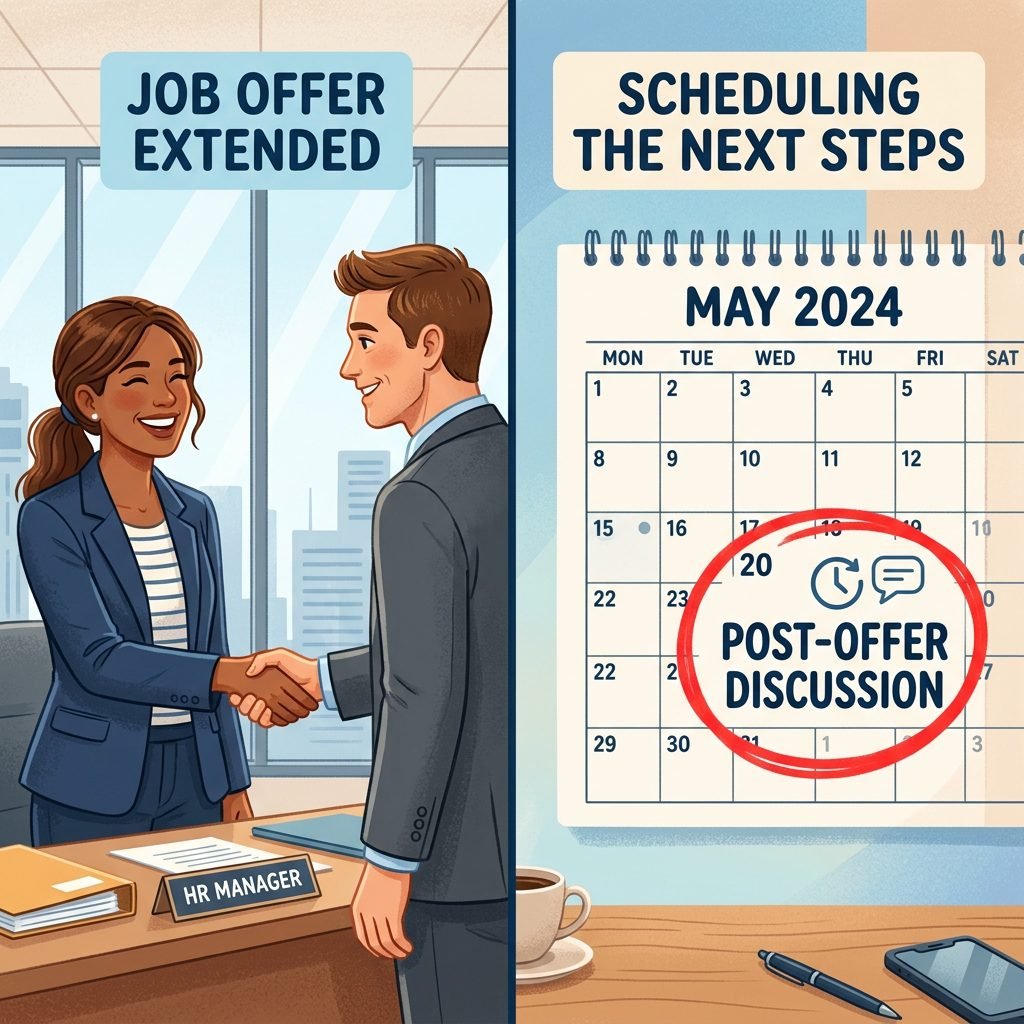
This is the question every mama-to-be asks: ‘When do I tell them?’ There is no one-size-fits-all answer, but as a doula and career coach, I recommend a three-stage evaluation process. Your decision should be based on your comfort level, the visibility of your bump, and the specific culture of the company.
Option 1: During the Interview (The Radical Transparency Route)
Some women prefer to disclose early to gauge the company’s reaction. If they react with joy and support, you know you’ve found a ‘family-friendly’ home. However, the risk is ‘unconscious bias’—even well-meaning managers might worry about your upcoming leave rather than your talent.
Option 2: After the Written Offer (The Strategic Window)
This is often considered the ‘sweet spot.’ Once you have a written offer, the company has officially chosen you. Disclosing at this point allows you to negotiate your maternity leave and start date as part of your benefits package. It protects you from discrimination during the initial selection process while allowing you to start the relationship with honesty.
Option 3: After Starting the Job (The Standard Procedure)
If you are early in your pregnancy, you may choose to wait until you have been in the role for a few weeks or months. This allows you to prove your worth and build relationships before sharing the news. Most experts recommend sharing the news at least 12 to 15 weeks before your due date to allow for transition planning.
| Disclosure Timing | Pros | Cons | |
|---|---|---|---|
| During Interview | Builds immediate trust; weeds out toxic cultures. | Risk of unconscious bias; may overshadow skills. | |
| After Written Offer | Protects legal standing; allows for leave negotiation. | May feel slightly awkward if the hiring manager is sensitive. | |
| After Starting Job | Allows you to prove your value first. | May limit your access to FMLA if you haven’t worked 12 months. |
Scripts for a Graceful Disclosure

When you are ready to share the news, the tone you set is everything. You want to be joyful but professional, emphasizing your commitment to the role. Avoid sounding apologetic. You are not ‘sorry’ you are having a baby; you are excited about your life and your career! Here are a few scripts to help you navigate the conversation.
If Disclosing After the Offer:
“I am so thrilled to accept this offer! I am really looking forward to joining the team. In the spirit of transparency, I wanted to share that I am expecting a baby in [Month]. I am fully committed to ensuring a seamless transition and am already thinking about how we can manage my projects during my leave.”
If Disclosing After Starting the Job:
“I have been so enjoying my first few weeks here! I wanted to share some happy personal news—I am pregnant and due in [Month]. I wanted to tell you early so we have plenty of time to plan for my maternity leave and ensure everything stays on track while I am away.”
Notice the focus on planning and commitment. This reassures your manager that you are a professional who takes your responsibilities seriously. It turns the ‘problem’ of leave into a ‘project’ to be managed, which is exactly how high-level professionals handle transitions.
Managing Symptoms: The ‘Invisible’ Interview Prep

Let’s get real for a second, sister. Interviewing is exhausting enough without the ‘pregnancy brain,’ the nausea, and the frequent need to pee. To ace your interview, you need a physical survival plan. Your body is doing the hard work of growing a human; we need to support it so your brain can focus on those tough interview questions.
The Interview Survival Kit
- Hydration with a Twist: Carry a reusable water bottle. If you are struggling with nausea, add a slice of lemon or ginger. It settles the stomach and keeps you sharp.
- The High-Protein Snack: Eat a small, protein-rich snack (like almonds or a cheese stick) 30 minutes before your interview. A stable blood sugar level prevents that mid-interview ‘crash’ or dizzy spell.
- Anti-Nausea Secret Weapons: Keep ginger mints or ‘Preggie Pop’ drops in your bag. A quick mint before you walk into the building can be a lifesaver.
- The Bathroom Break: Always arrive 15 minutes early. Use that time to visit the restroom so you aren’t sitting through a 60-minute panel interview with a full bladder.
If you experience a ‘pregnancy brain’ moment where a word escapes you, don’t panic! Simply smile and say, ‘That’s a great question, let me take a moment to give you the most accurate answer.’ It shows poise and gives your brain a second to catch up. You’ve got this!
| Symptom | Quick Fix | Pro-Tip |
|---|---|---|
| Morning Sickness | Ginger mints or iced lemon water. | Schedule interviews for your ‘best’ time of day (usually afternoons). |
| Fatigue | A 10-minute power nap or deep breathing. | Avoid heavy carbs before the meeting to prevent a slump. |
| Frequent Urination | Strategic hydration timing. | Empty your bladder immediately before the interview starts. |
| Overheating | Lightweight, breathable natural fabrics. | Carry a small handheld fan in your car for a pre-interview cool down. |
Negotiating Your Leave: Thinking for Two
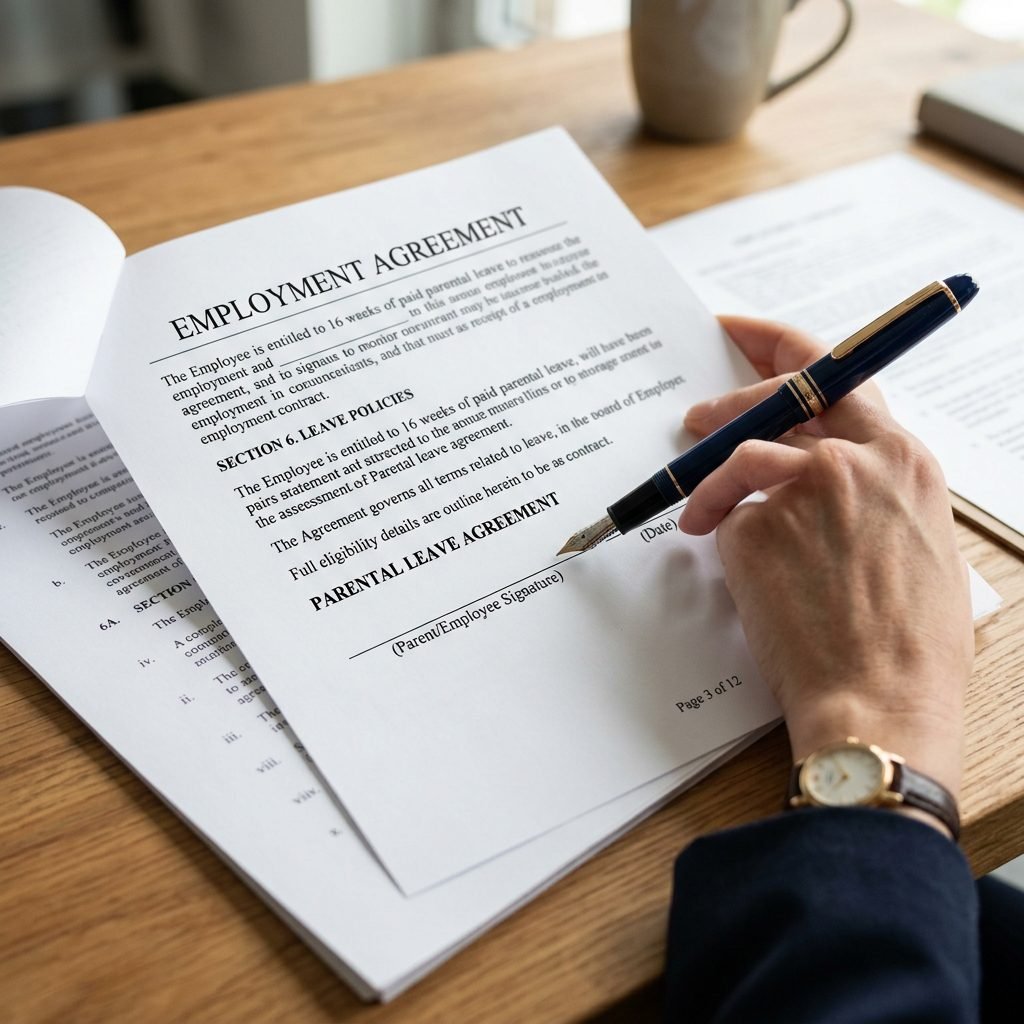
Once the offer is on the table and the news is out, it is time to talk about the future. This is where you transition from ‘candidate’ to ‘valued employee.’ If you are in the U.S., remember that FMLA (Family and Medical Leave Act) typically requires you to have worked for the employer for 12 months. If you are starting a job while pregnant, you may not automatically qualify.
Securing Your Time Off
This is why negotiating before you sign the final contract is so vital. You can ask for a ‘maternity leave equivalent’ to be written into your offer letter. Frame it as part of your overall compensation package. You are negotiating for your health and your baby’s well-being, which is the most important ‘job’ you will ever have.
- Research the Company Policy: Look at Glassdoor or the company handbook if available to see what they typically offer.
- Be Specific: Don’t just ask for ‘time off.’ Ask for a specific number of weeks (e.g., 12 weeks of leave, with 6 or 8 weeks paid).
- Propose a Re-Entry Plan: Suggest a ‘phased return’ where you work part-time for the first two weeks back. This shows you are thinking about long-term success.
You are a skilled professional, and a good company will see that 12 weeks of leave is a small ‘blip’ in what will hopefully be a multi-year relationship. Stand firm in your value, mama!
Conclusion
Mama, as we wrap up this guide, I want you to look in the mirror and see what I see: a woman who is navigating one of life’s biggest transitions while simultaneously reaching for her professional dreams. That is nothing short of heroic. Whether you choose to hide the bump for now or shout it from the rooftops, know that your pregnancy does not diminish your talent, your drive, or your worth as an employee. In fact, the multitasking, resilience, and perspective you are gaining right now will make you an even better leader and teammate. Go into that interview with your head high, your shoulders back, and your heart full. You aren’t just interviewing for a job; you are building a future for yourself and your little one. I am cheering for you every step of the way. You’ve got this!