

Get Paid: How to Maximize Short Term Disability for Maternity Leave
Welcome Home, Mama: Let’s Secure Your Peace of Mind
Hello, sweet friend. If you are reading this, chances are you’re either dreaming of a baby, currently growing a tiny human, or supporting someone who is. As a doula, I spend a lot of time talking about birth plans, breathing techniques, and nursing positions, but there is one topic that often causes more anxiety than labor itself: finances. Specifically, how on earth do we navigate the labyrinth of Short Term Disability (STD) to make sure you are paid while you bond with your new little love?
Think of me as your financial doula today. We are going to strip away the confusing corporate jargon and replace it with a clear, sisterly roadmap. You deserve to focus on your recovery and your baby’s sweet scent, not on whether your direct deposit is going to hit. Let’s dive into how you can maximize your benefits, protect your income, and create a soft landing for your postpartum fourth trimester.
Understanding the Foundation: What Exactly is Short Term Disability?

In the world of maternity leave, Short Term Disability is often the ‘meat and potatoes’ of your income. Essentially, it is an insurance policy that pays you a portion of your salary when you are unable to work due to a medical condition—and yes, childbirth is considered a qualifying medical condition.
However, many mamas get confused between STD and FMLA. It is vital to understand that while FMLA (Family and Medical Leave Act) protects your job (meaning they can’t fire you for being gone), it is unpaid. STD is what actually provides the paycheck. Here is a quick breakdown of how they compare:
| Feature | FMLA (Family & Medical Leave Act) | STD (Short Term Disability) |
|---|---|---|
| Purpose | Job protection & unpaid leave | Income replacement |
| Duration | Typically 12 weeks | Typically 6–8 weeks |
| Pay Rate | $0 (Unpaid) | 50% to 100% of your salary |
| Eligibility | Company size & tenure requirements | Policy enrollment & medical necessity |
To maximize your benefit, you must first confirm if your employer provides a group policy or if you need to purchase an individual policy. Crucial Tip: Most individual STD policies must be in place before you are pregnant. If you are already expecting, check your employee handbook immediately to see if you are covered under a group plan, which often has more flexible enrollment rules.
The Golden Rule of Timing: Enrollment and the Elimination Period

When it comes to STD, timing isn’t just everything—it’s money. There are two major timing factors you need to master to maximize your payout: the enrollment window and the ‘Elimination Period.’
1. The Pre-Pregnancy Enrollment
If you are planning a pregnancy, the time to act is now. Many private insurance companies view pregnancy as a ‘pre-existing condition.’ If you sign up for a policy while already pregnant, they may deny your claim. Always aim to have your policy active at least 30 days before conception to be safe.
2. Navigating the Elimination Period
Most STD policies have what’s called an ‘elimination period’ (also known as a waiting period). This is the number of days you must be ‘disabled’ (aka postpartum) before the insurance starts paying out. Common periods are 7 days or 14 days.
- Pro Tip: Use your accrued PTO (Paid Time Off) or sick days to cover this elimination period. This ensures there is no gap in your income.
- Check the Math: If you have a 7-day elimination period and your policy covers 6 weeks, you will only receive 5 weeks of actual pay. Planning for this gap is essential for your budget.
“Mama, remember: Your worth is not defined by your productivity. Taking the time to set up these financial safety nets is an act of deep love for yourself and your baby.”
Maximizing the Payout: 6 Weeks vs. 8 Weeks and Beyond
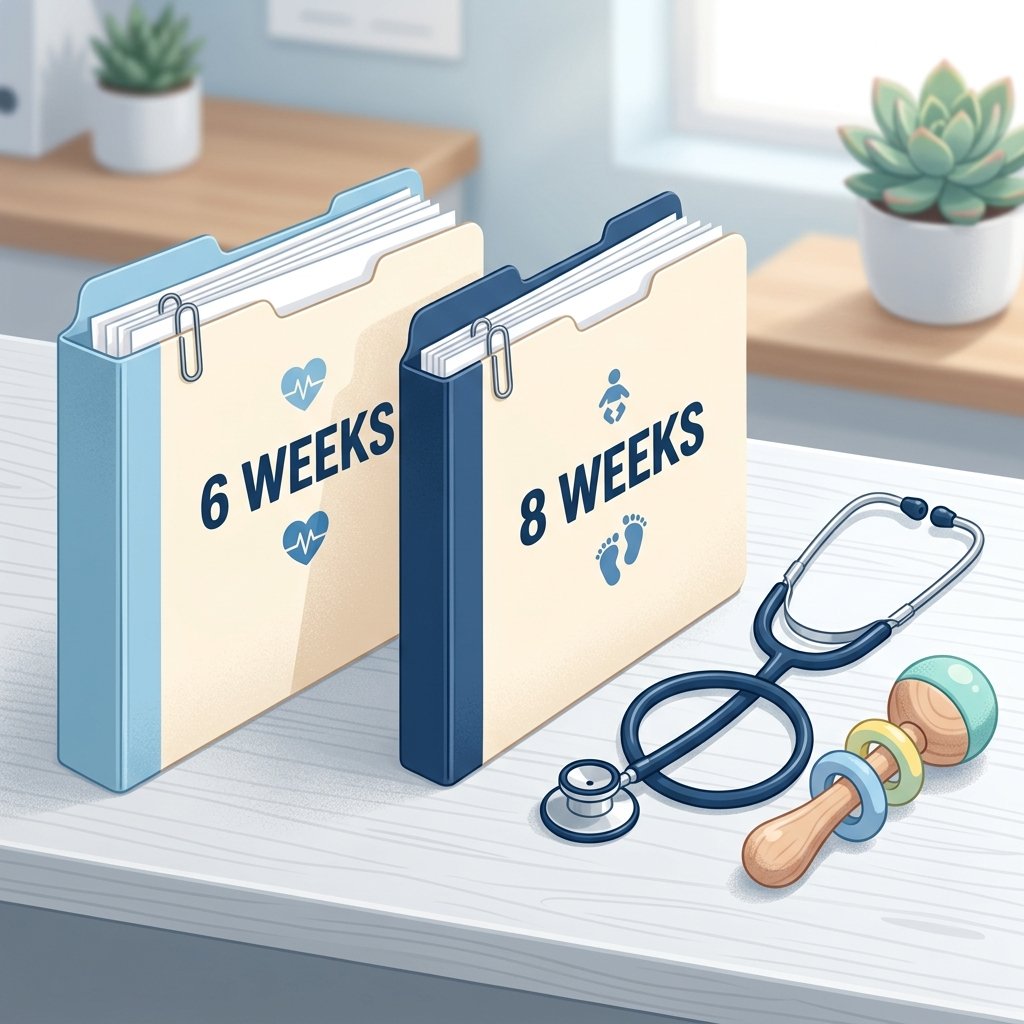
Standard STD policies typically pay out based on the type of delivery you have. This is because the recovery time for a major surgery is longer than a vaginal birth. Understanding this helps you project exactly how much you will receive.
| Delivery Type | Standard Coverage Duration | Why? |
|---|---|---|
| Vaginal Delivery | 6 Weeks | Standard recovery time for physical healing. |
| C-Section Delivery | 8 Weeks | Extended time for major abdominal surgery recovery. |
| Complications | Extended (Case-by-Case) | Conditions like preeclampsia or severe postpartum depression. |
To maximize this, ensure your OB-GYN or Midwife is prepared to document your recovery accurately. If you have a C-section, the insurance company must be notified immediately to trigger that extra two weeks of pay.
What About ‘Stacking’ Benefits?
In some states (like California, New Jersey, or New York), you may have access to state-funded disability in addition to your employer’s plan. However, be careful! Many policies have an ‘offset’ clause, meaning they will reduce their payment by whatever the state pays you. Always ask your HR representative: ‘Does this policy offset with state benefits or other insurance?’
The Paperwork Protocol: A Step-by-Step Guide to Filing
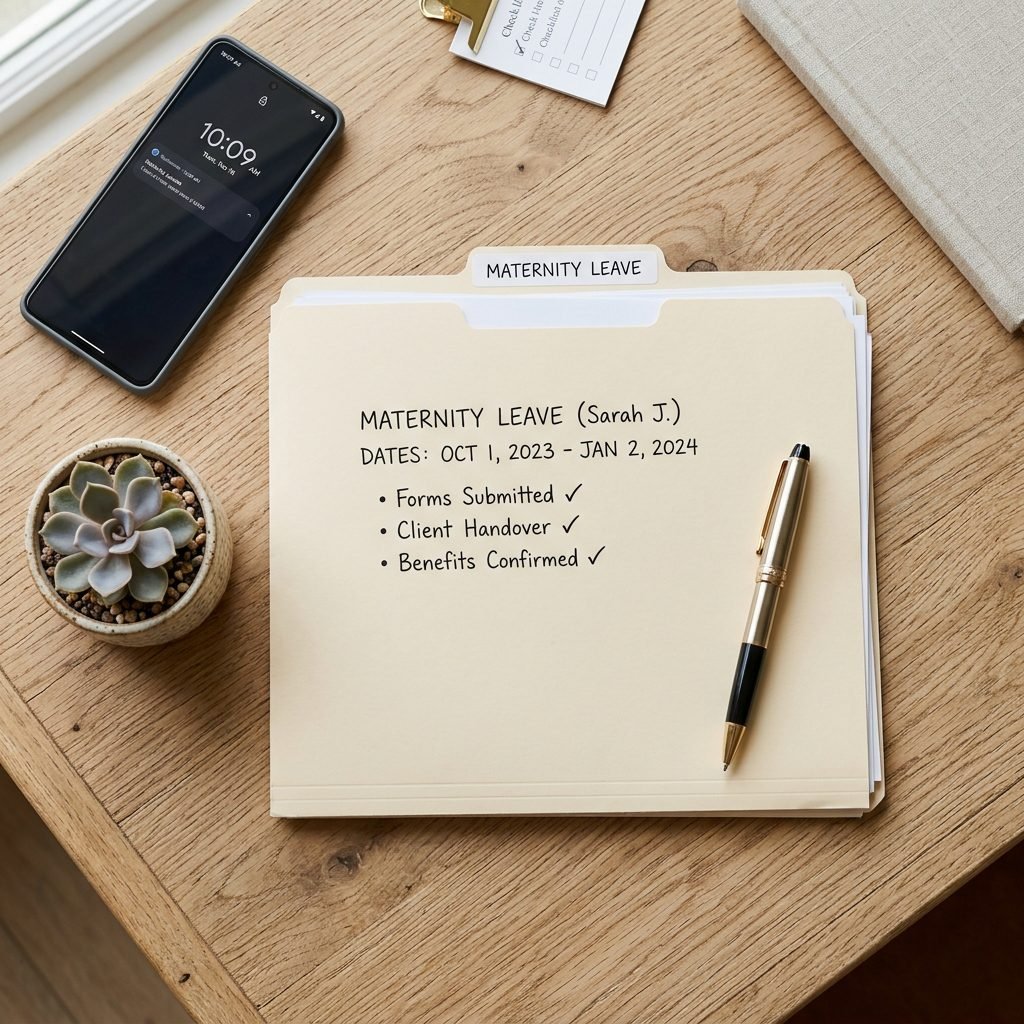
Nothing kills the ‘new baby smell’ vibe faster than a mountain of confusing forms. To keep your stress levels low, follow this step-by-step physical guide to filing your claim:
- The 20-Week Check-in: Around your 20th week of pregnancy, request the ‘Claim Packet’ from your HR department or insurance provider. Read it thoroughly.
- The Physician’s Statement: Take the medical portion of the forms to your doctor. Many offices charge a small fee (usually $25-$50) to fill these out, so be prepared.
- The Employer Statement: Ensure your HR manager completes their portion. This confirms your salary and last day of work.
- The Birth Notification: Within 24 to 48 hours of giving birth, you (or your partner) must call the insurance company to ‘initiate’ the claim. They will ask for the baby’s birth date and delivery type.
If you find yourself struggling to talk to HR, here is a script you can use to ensure you are getting the right info:
“I am preparing for my upcoming maternity leave and want to ensure I maximize my Short Term Disability benefits. Could you please provide the Summary Plan Description (SPD), confirm my elimination period, and let me know if there are any offsets I should be aware of?”
Bridging the Gap: What to Do When STD Ends

For many mamas, 6 or 8 weeks of pay is simply not enough. Your body is still healing, and your baby is just starting to find a rhythm. If your STD ends but you aren’t ready to return to work, consider these ‘bridge’ strategies:
- Supplemental Insurance: Policies like Aflac can sometimes be added to pay a flat ‘hospital indemnity’ fee (e.g., $500-$1,000) just for being admitted for birth.
- PTO Sequencing: Ask if you can use your PTO after your STD ends to extend your paid time at home.
- The ‘Transition Back’ Plan: Some companies allow you to use remaining FMLA weeks to work part-time while receiving a partial paycheck.
Setting up a ‘Maternity Savings Buffer’ before the baby arrives is the best way to handle the 40% of your salary that STD usually doesn’t cover. Here is a sample savings goal:
| Expense Category | Monthly Estimate | 3-Month Buffer Goal |
|---|---|---|
| Rent/Mortgage | $2,000 | $6,000 |
| Groceries & Baby Supplies | $800 | $2,400 |
| Utilities & Insurance | $400 | $1,200 |
| Total Needed | $3,200 | $9,600 |
Subtract your expected STD payout from this total to find your ‘Savings Gap’ number. Knowing this number early gives you the power to save incrementally during your pregnancy.
Postpartum Advocacy: When You Need More Time

Listen to me closely, mama: If you are struggling with your physical recovery or your mental health (such as Postpartum Anxiety or Depression), you can often extend your disability leave. Short Term Disability is based on your inability to perform your job duties. If a doctor certifies that you are medically unable to work due to mental health or physical complications, the insurance may extend your benefits up to the policy maximum (often 13 to 26 weeks).
Never feel guilty for needing more time. Your health is the foundation of your baby’s well-being. Work closely with your doula, your therapist, or your OB-GYN to document your symptoms clearly. The insurance company needs ‘functional limitations’—meaning, you must describe why you cannot work (e.g., ‘unable to concentrate due to severe sleep deprivation and anxiety’ or ‘unable to sit for long periods due to surgical complications’).
“You are doing a brave thing by asking for what you need. A healthy mother is the greatest gift a baby can have.”
Conclusion
Your Financial Peace is a Form of Self-Care
Navigating Short Term Disability might feel like a full-time job, but the effort you put in now will pay dividends in the form of stress-free snuggles later. By understanding your policy, timing your enrollment, and staying on top of the paperwork, you are advocating for yourself and your growing family. Remember, you don’t have to do this alone. Reach out to your HR department, talk to your partner, and keep this guide handy.
You are strong, you are capable, and you are going to be an incredible mother. Now, take a deep breath, grab a snack, and pat yourself on the back for being so proactive. You’ve got this!