
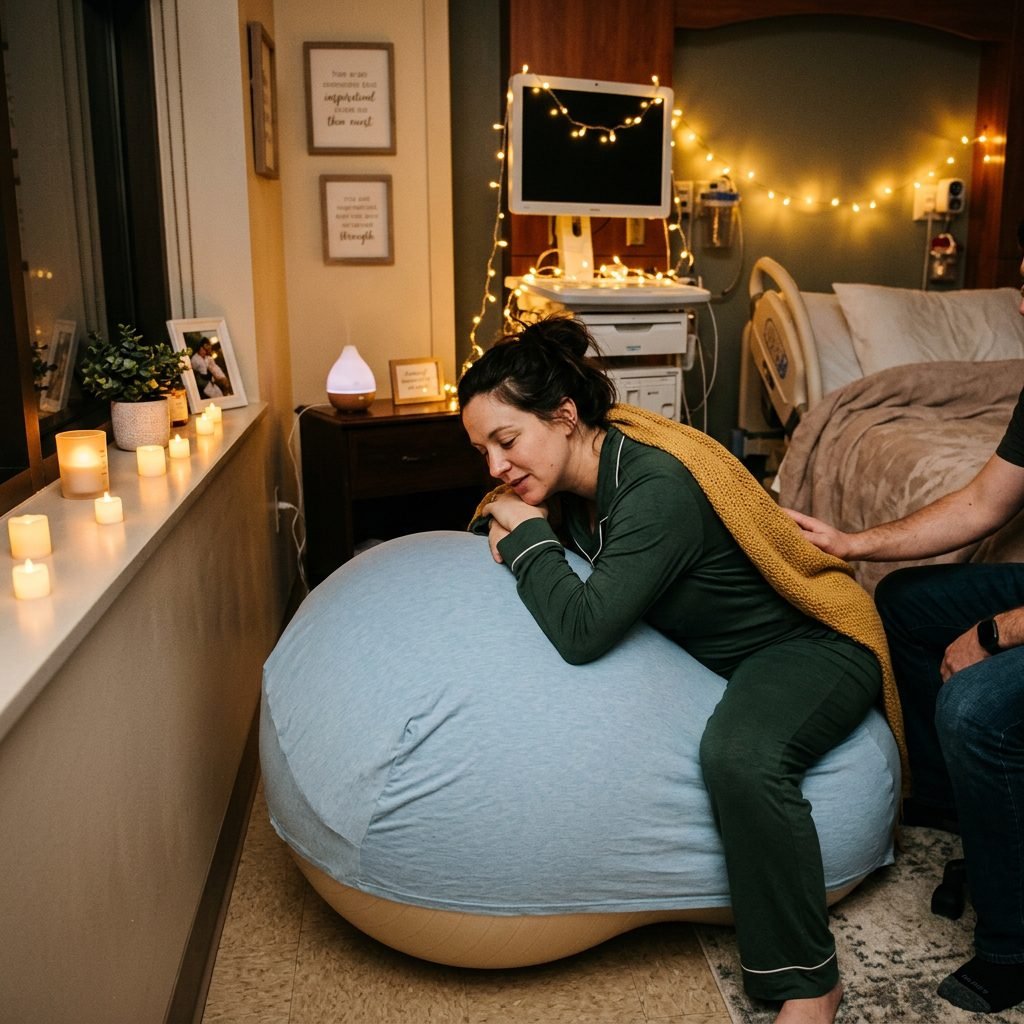
The Labor Room Ambiance Checklist: Creating a Calming Space in the Hospital
Welcome, sweet mama. If you are reading this, you are likely in the beautiful, anticipatory nesting phase of your pregnancy. You have probably washed the tiny onesies, packed the baby’s going-home outfit, and installed the car seat. But as a certified doula and postpartum expert, I want to ask you about something just as crucial: Have you planned your labor room ambiance?
Hospital rooms are inherently clinical. They are designed for medical efficiency, featuring bright fluorescent lights, beeping monitors, sterile white walls, and constant foot traffic. While this environment is wonderful for safety and medical care, it is the exact opposite of what your body naturally needs to progress in labor. To labor effectively, your body relies on a delicate cocktail of hormones—most importantly, oxytocin (the hormone of love and contractions) and melatonin (the sleep and relaxation hormone). These hormones thrive in environments that feel private, safe, warm, and dark. They shy away from bright lights, loud noises, and feeling observed.
The good news? You absolutely have the power to transform a standard hospital room into a calming, oxytocin-boosting sanctuary. Think of it as creating a “birth cave.” By intentionally engaging your five senses, you can trick your brain into feeling as safe and relaxed as you would in your own bedroom. In this comprehensive guide, we are going to walk through exactly how to curate a serene environment, what to pack in your ambiance bag, and how your birth partner can take the lead on setting it all up. Let’s dive into the evidence-based comfort measures that will make your birthing space feel like a warm, supportive embrace.
Transforming the Clinical: The Magic of Low Lighting
Let’s start with the most impactful change you can make to a hospital room: the lighting. When you arrive in triage or your labor and delivery room, the overhead fluorescent lights will likely be blazing. Bright lights stimulate the neocortex (the logical, thinking part of your brain) and trigger the release of adrenaline. Adrenaline is the enemy of oxytocin; it can actually slow down or stall your contractions.
Why Darkness Matters for Labor
Dimming the lights signals to your mammalian brain that you are safe from predators, allowing you to retreat inward and focus on the deep, physical work of birthing. Melatonin, which works synergistically with oxytocin to bring on strong, effective contractions, is only produced in dim lighting. This is why so many women naturally go into labor in the middle of the night!
How to Hack Hospital Lighting
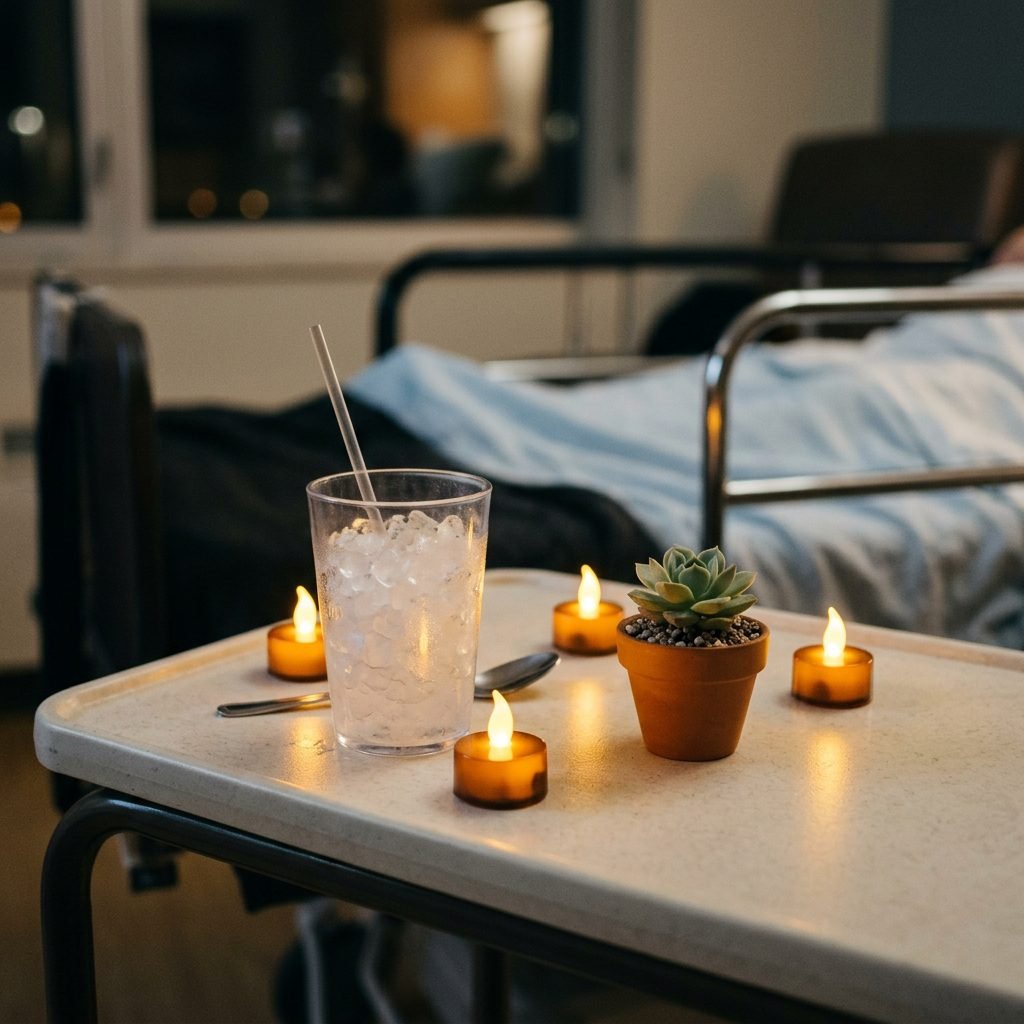
- Battery-Operated Tea Lights: These are a doula’s best friend. Bring a pack of 12-24 warm-glow LED tea lights. Your partner can line the windowsills, the bathroom counter, and the bedside tables. They provide enough light for the nurses to safely check your vitals without turning on the harsh overheads.
- Fairy Lights: A simple string of battery-operated fairy lights draped over a chair or the headboard instantly softens the room’s clinical edge.
- Sleep Mask: If you are laboring during the day and the room has large windows without blackout curtains, a plush sleep mask can help you retreat into your own dark, private world, especially during early labor or if you are resting with an epidural.
“I am safe. My baby is safe. My body is doing exactly what it was designed to do.”
Doula Tip: Always opt for battery-operated lights. Hospitals have strict safety protocols, and plug-in lights with trailing cords can be a tripping hazard for your medical team in an emergency.
Curating Your Birth Soundtrack: Soundscapes for Every Phase
Hospitals are noisy. Between the rhythmic beeping of the fetal monitor, the chatter in the hallways, and the clattering of medical carts, the auditory environment can be highly distracting. Sound is a powerful anchor for your nervous system. By controlling what you hear, you can maintain your focus and keep your breathing steady.
Building Your Birth Playlists
I always recommend that my clients create not one, but three distinct playlists for their labor experience, as your mood and needs will shift dramatically as labor progresses.
- Early Labor (The “Upbeat & Distracting” Playlist): When contractions are mild and manageable, you want music that keeps your spirits high. Think of your favorite feel-good songs, nostalgic hits, or acoustic covers that make you smile and sway.
- Active Labor (The “Deep Focus” Playlist): As contractions intensify and require all your concentration, transition to music without lyrics. Binaural beats, singing bowls, deep cello music, or rhythmic drumming can help you find a trance-like state. Many moms love looping a single 10-minute track of ocean waves or rain sounds to help them time their breathing.
- Pushing (The “Empowerment” Playlist): When it is time to meet your baby, you might want high-energy, empowering anthems that make you feel invincible, or you might prefer absolute, reverent silence. Have an upbeat, powerful playlist ready just in case you need that extra burst of adrenaline!
Essential Audio Gear
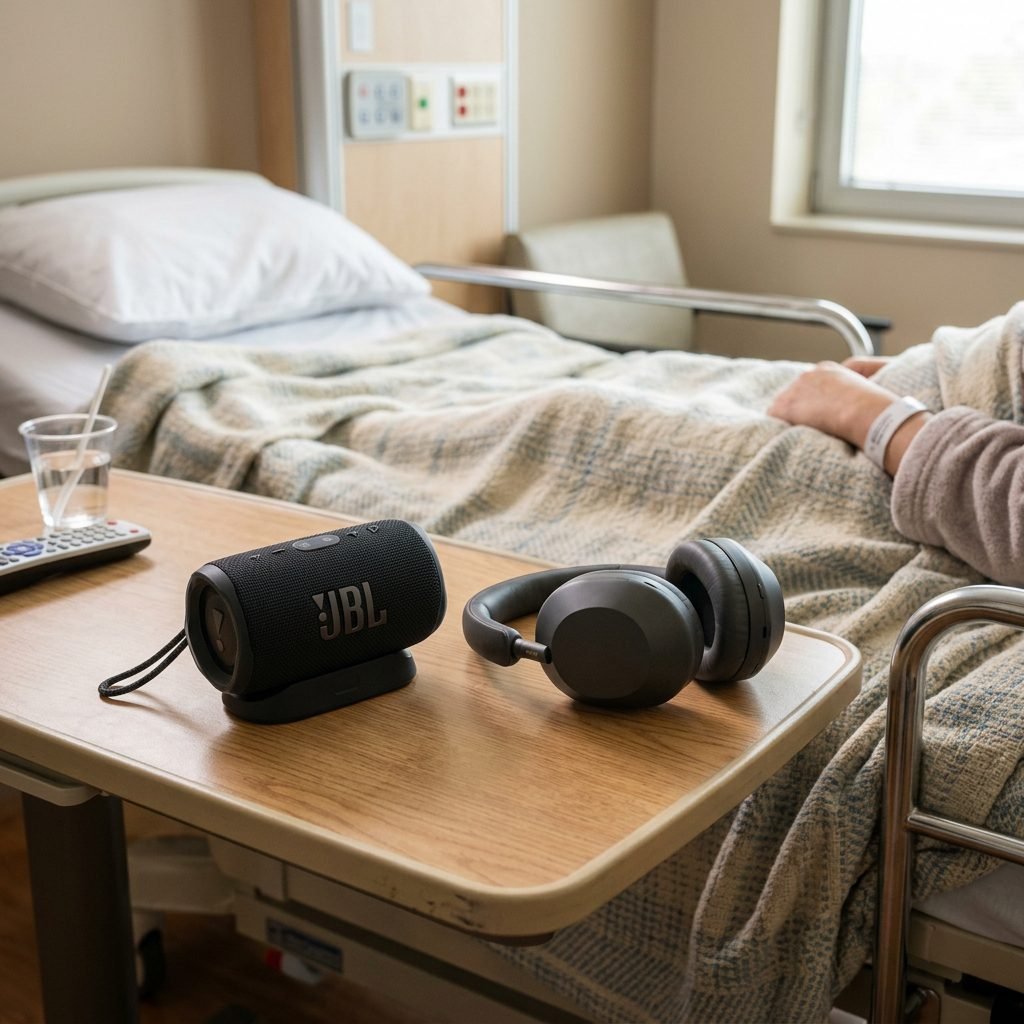
Pack a small, portable Bluetooth speaker for the room, but do not forget noise-canceling headphones or earbuds. If you need to tune out a chatty nurse, block out the sounds of a neighboring room, or simply retreat deep into your own mind during a challenging contraction, noise-canceling headphones are an absolute game-changer.
Aromatherapy: Harnessing the Power of Scent
The sense of smell is directly wired to the limbic system, the brain’s emotional center. The standard hospital smell—antiseptic, bleach, and rubbing alcohol—can subconsciously trigger anxiety. Replacing those clinical smells with familiar, grounding scents can significantly lower your heart rate and blood pressure.
Safe Hospital Aromatherapy Hacks
While an essential oil diffuser might seem like a great idea, most hospitals do not allow electronic diffusers. Because hospitals use shared HVAC systems, diffusing strong scents into the air can affect patients in neighboring rooms or trigger allergies in your medical staff. But don’t worry, there are highly effective, hospital-approved ways to use aromatherapy!
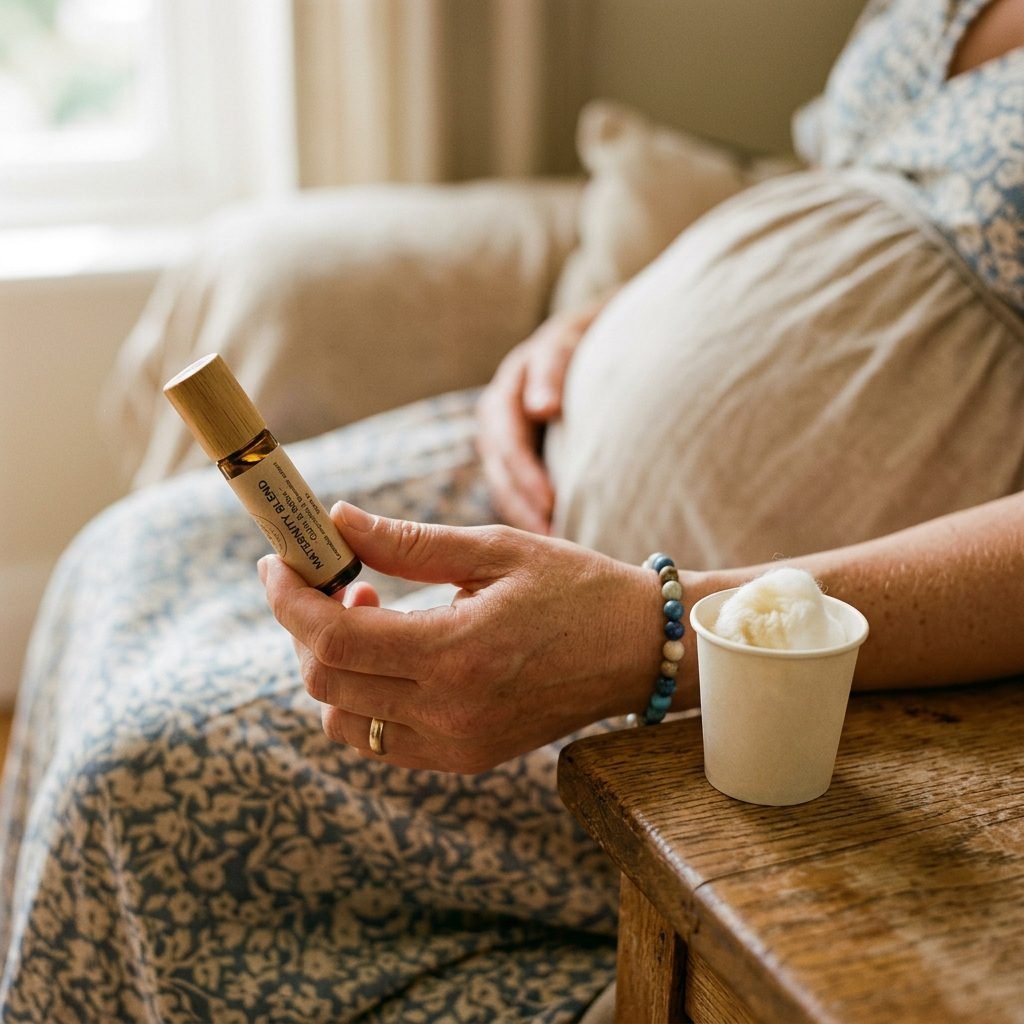
- The Cotton Ball Trick: Place a few drops of your chosen essential oil onto a cotton ball and place it in a small paper medicine cup near your pillow. If the scent becomes overwhelming (which can happen quickly during labor nausea), your partner can simply throw the cotton ball in the trash, instantly removing the smell.
- Personal Inhalers or Rollers: Pre-diluted essential oil rollers applied to your wrists or collarbone are perfect. You can also use personal nasal inhalers.
- Scented Washcloths: Ask your nurse for a basin of warm water and ice water. Add a drop of essential oil to the water and soak a few washcloths. A cool, peppermint-scented washcloth on the back of the neck is pure magic for labor nausea, while a warm, lavender-scented washcloth on the lower abdomen can soothe contraction pain.
Best Essential Oils for Labor
Lavender is universally loved for relaxation and anxiety reduction. Clary Sage is highly regarded in the doula world for helping to strengthen contractions and promote effective labor (only use once you are full-term and in active labor). Peppermint or Sweet Orange are fantastic for combating the sudden waves of nausea that often accompany the transition phase of labor.
Tactile Comforts: Bringing Home to the Hospital Bed

Physical comfort is paramount when you are asking your body to perform the marathon of birth. Hospital beds are notoriously firm, the sheets are scratchy, and the gowns are stiff and drafty. Bringing tactile comforts from home bridges the gap between the clinical environment and your cozy sanctuary.
What to Pack for Physical Comfort
To keep your body relaxed and your oxytocin flowing, focus on temperature regulation and soft textures.
- Your Own Pillow (With a Catch!): Bringing your own pillow is the number one comfort item I recommend. However, you must put it in a brightly colored or patterned pillowcase. Hospital pillows are white, and in the chaotic aftermath of birth when the staff strips the bed, a white pillow from home will accidentally get tossed into the industrial laundry, never to be seen again.
- A Comforting Labor Gown: You do not have to wear the hospital-provided gown! There are many beautiful, incredibly soft labor gowns on the market that open in the back for epidural access and snap at the shoulders for immediate skin-to-skin and breastfeeding. Wearing something soft that belongs to you can make you feel more dignified and human.
- Cozy Socks and Slippers: Hospital floors are cold and unforgiving. Pack thick, fuzzy socks with non-slip grips on the bottom for pacing the halls, and a pair of easily washable slide slippers for trips to the bathroom.
- A Portable Stroller Fan: The hormonal shifts during labor can cause wild temperature swings. One minute you are freezing, and the next you are sweating profusely. A small, clip-on stroller fan that can attach to the bed rail will be your absolute best friend during the sweaty work of pushing.
The Birth Partner’s Setup Guide: Step-by-Step Room Transformation
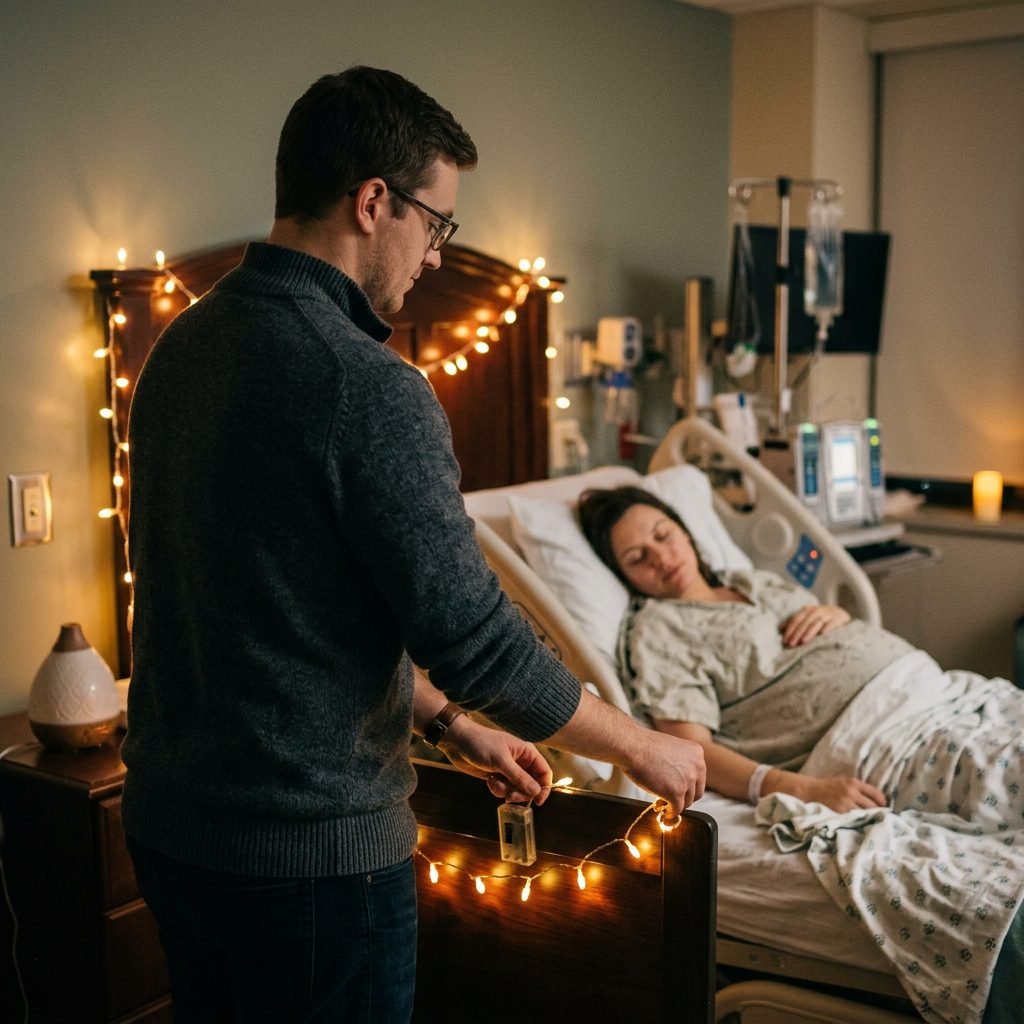
To the birth partners reading this: You are the guardian of the birth cave. When a laboring mother enters the hospital, her only job is to focus on her breath and her baby. Your job is to manage the environment. Here is your step-by-step guide to transforming the room the moment you are moved from triage to your official labor and delivery suite.
The 5-Minute Room Transformation
- Communicate with the Nurse: Before you start unpacking, introduce yourself to the labor nurse. Use this script:
“Hi, I’m [Name]. We are so grateful for your help today. We are really hoping for a calm, low-intervention environment. Is it okay if I dim the overhead lights and set up some battery-operated tea lights? I’ll make sure they are completely out of your way!”
Nurses are wonderful and almost always thrilled to support a calm environment when asked respectfully.
- Adjust the Lighting: Turn off the harsh overheads. Turn on the bathroom light and leave the door cracked for a soft glow. Distribute your battery-operated tea lights along the windowsill, the sink counter, and the bedside table.
- Set Up the Sound: Connect your phone to the Bluetooth speaker, plug the speaker into the wall so it doesn’t die, and start the “Early Labor” playlist at a low, ambient volume.
- Prepare the Scents: Prep a cotton ball with 2 drops of lavender oil and place it in a cup near her pillow. Do not put it directly on the bed sheets.
- Unpack the Comforts: Swap the hospital pillow for her brightly colored home pillow. Have her fuzzy socks, lip balm, and insulated water bottle filled with ice water easily accessible on the tray table. Clip the portable fan to the bed rail so it’s ready when she needs it.
By taking ownership of the physical space, you are actively protecting her peace, allowing her to labor with confidence and surrender.
The Ultimate Labor Room Ambiance Packing List
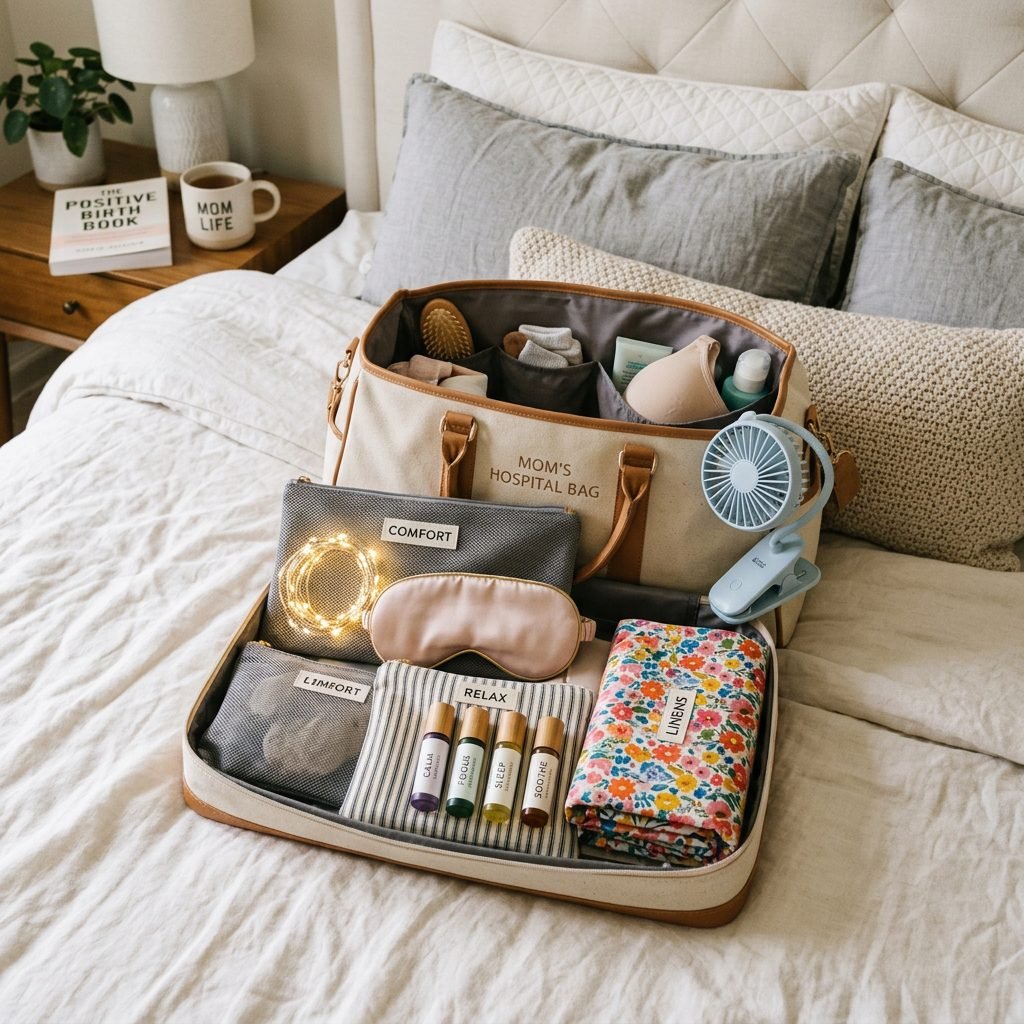
To make packing your hospital bag as stress-free as possible, I have broken down the ambiance essentials by the five senses. Screenshot this table, print it out, and use it as your definitive checklist as your due date approaches.
| Sensory Category | Items to Pack | Doula Pro-Tip |
|---|---|---|
| Sight (Lighting & Vision) | Battery-operated tea lights, string fairy lights, comfortable sleep mask | Always skip anything that plugs into the wall to avoid tripping hazards for your medical team. |
| Sound (Auditory) | Bluetooth speaker, noise-canceling headphones, long charging cord (10ft) | Download your playlists for offline use on Spotify or Apple Music in case the hospital Wi-Fi is spotty. |
| Smell (Aromatherapy) | Essential oil rollers (Lavender, Peppermint), cotton balls, paper cups | Avoid electronic diffusers; hospitals often ban them due to shared patient HVAC systems. |
| Touch (Comfort) | Your own pillow (colored pillowcase!), fuzzy grip socks, soft labor gown, clip-on fan | A brightly colored pillowcase ensures your favorite pillow isn’t accidentally taken to the hospital laundry. |
| Taste (Hydration & Energy) | Electrolyte packets, favorite lip balm, honey sticks, insulated tumbler | Keep lip balm easily accessible; hospital air and deep breathing will dry out your lips incredibly fast. |
Remember, you do not need to bring your entire house to the hospital. A few carefully selected items are all it takes to shift the energy of the room from sterile to sacred.
Conclusion
Creating a calming space in the hospital is not about having an “aesthetic” birth for photos; it is a deeply practical, evidence-based strategy to protect your physiology, encourage your hormones, and help your labor progress safely. You are doing incredible, hard, beautiful work, sweet friend. By preparing your environment, you are giving your body the ultimate gift of safety and comfort. Trust your instincts, lean on your partner, and remember that no matter what twists and turns your birth story takes, you have the tools to stay grounded, calm, and empowered. You’ve got this, mama!