Brilliant Tummy Time Hacks For Babies Who Absolutely Hate Tummy Time
The Tummy Time Struggle is Real, Mama
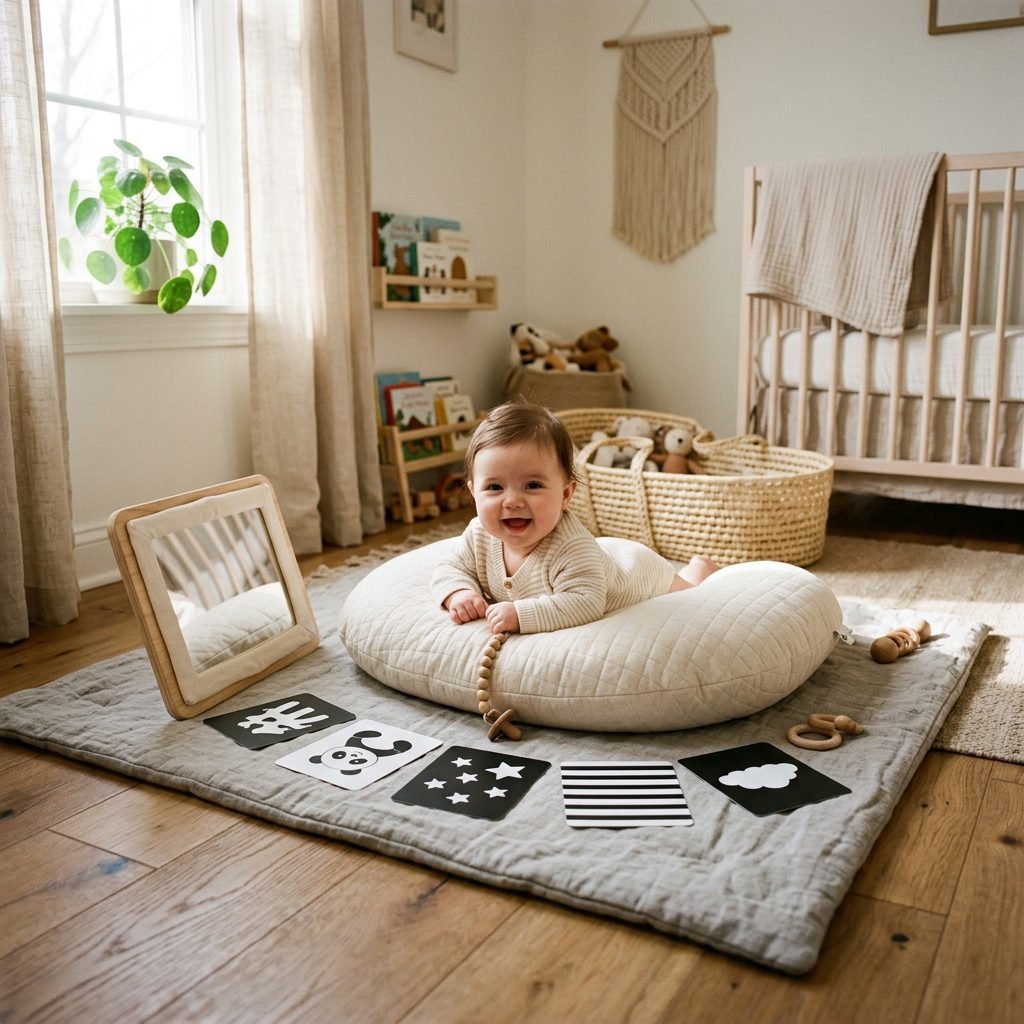
I see you, mama. You’ve laid out the beautiful organic cotton playmat, set up the Montessori mirrors, and gently placed your sweet babe down for some developmental work—only for them to let out a scream that sounds like they’ve been asked to climb Everest. If your baby treats tummy time like a personal affront, please know you are not alone. As a doula and postpartum specialist, I hear this every single week. We know the science: tummy time is crucial for preventing Plagiocephaly (flat head syndrome) and building the neck, shoulder, and core strength needed for rolling, sitting, and eventually crawling. But knowing the benefits doesn’t make the crying any easier to hear.
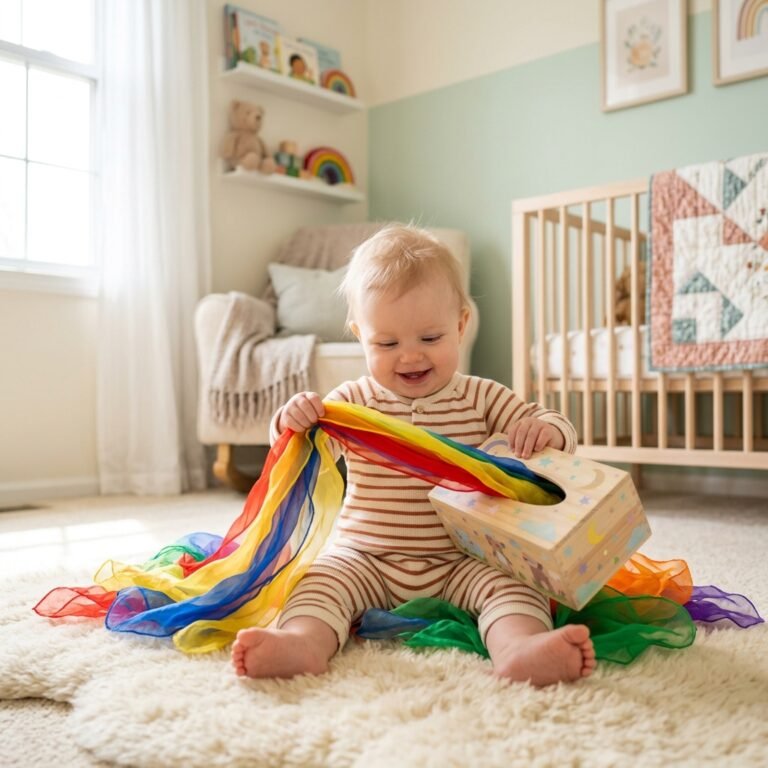
The secret isn’t to force it; the secret is to reframe it. We aren’t just ‘putting them on their belly’; we are creating a sensory-rich environment where they feel safe, supported, and just a little bit distracted by the wonder of the world. In this guide, we’re going to dive into brilliant, gentle hacks that transition your little one from a tummy-time hater to a tummy-time pro—without the heartache.
The ‘Why’ Behind the Whine: Understanding the Sensory Challenge

Why Do They Hate It So Much?
To a tiny human who has spent nine months curled in a cozy, weightless womb, being placed face-down on a flat, hard surface feels incredibly vulnerable and physically demanding. Imagine being asked to do a plank for several minutes when you can barely hold your own head up! For some babies, it’s a matter of vestibular sensitivity; for others, it’s simply that the floor is boring. They can’t see you, their favorite person, and that causes immediate distress.
Before we dive into the hacks, let’s look at the physical reasons your baby might be struggling:
- Reflux & Gas: Pressure on a full or gassy tummy can be genuinely painful.
- Weak Core Muscles: It is hard work! They get tired quickly, just like we do at the gym.
- Visual Frustration: Newborns can only see 8 to 12 inches in front of them. If nothing is in that range, they feel isolated.
Your baby isn’t being difficult; they are simply communicating that this new ‘job’ is physically and emotionally taxing. We are going to build their stamina together, one minute at a time.
The Chest-to-Chest Method: The Gentlest Starting Point

Tummy Time Doesn’t Have to Happen on the Floor
If your baby is a newborn or a particularly sensitive soul, the best place for tummy time is on you. This counts! When you recline on the sofa (at about a 45-degree angle) and place your baby on your chest, heart-to-heart, they are practicing those same neck-lifting muscles while feeling the warmth of your skin and the rhythm of your heartbeat.
How to do it effectively:
- Prop yourself up with plenty of pillows so you are comfortable and supported.
- Place baby chest-to-chest with their head turned to one side.
- Talk to them, sing softly, or make gentle ‘cooing’ sounds. This encourages them to lift their head to look at your face.
- As they get stronger, gradually decrease the angle of your recline until you are lying flatter.
This method utilizes skin-to-skin contact, which regulates baby’s temperature and heart rate, making the ‘work’ feel like a cuddle. It’s the ultimate hack for the first 0-8 weeks of life.
The Prop-Up Strategy: Using Tools for Success
Elevating the Perspective
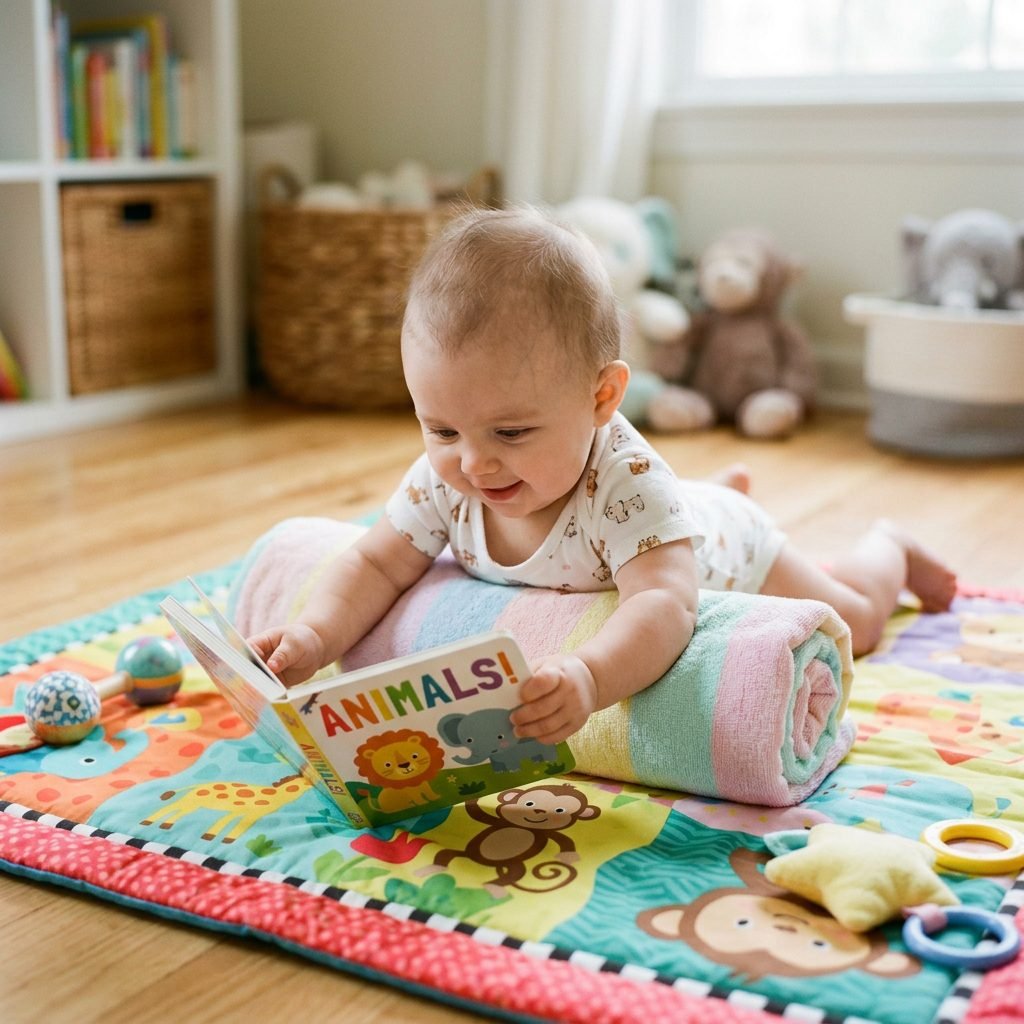
Sometimes the floor is just too daunting because the ‘view’ is non-existent. Propping your baby up slightly can shift their center of gravity, making it easier for them to lift their head and see the world. This is a game-changer for babies who feel ‘stuck’ when flat on their bellies.
You can use a nursing pillow (like a Boppy), a tightly rolled-up receiving blanket, or even a small wedge. Place the prop under their chest, ensuring their arms are draped over the top and their armpits are resting on the roll. This positions their elbows in a way that provides a stable base for pushing up.
| Prop Type | Best For | Benefit |
|---|---|---|
| Rolled Towel | Newborns (0-2 months) | Customizable thickness and firm support. |
| Nursing Pillow | 3 Months + | High elevation for better visual range. |
| Your Thighs | Any Age | Interactive; allows for gentle rocking motion. |
Safety Note: Never leave a baby unattended while propped up, as they can easily slide down or lose their airway if their chin tucks into their chest.
High-Contrast Magic & Sensory Distractions
The Power of Visual Stimulation
Babies are biologically wired to seek out high-contrast patterns. In the early months, their retinas are still developing, and black-and-white imagery sends the strongest signals to the brain. If you want to keep a baby on their tummy longer, give them something worth looking at!
- High-Contrast Flashcards: Tape these to the baseboards or prop them up in a circle around the baby.
- The Mirror Trick: Babies are fascinated by faces—even their own! Place a shatterproof floor mirror in front of them. They will strive to lift their head to see ‘the other baby.’
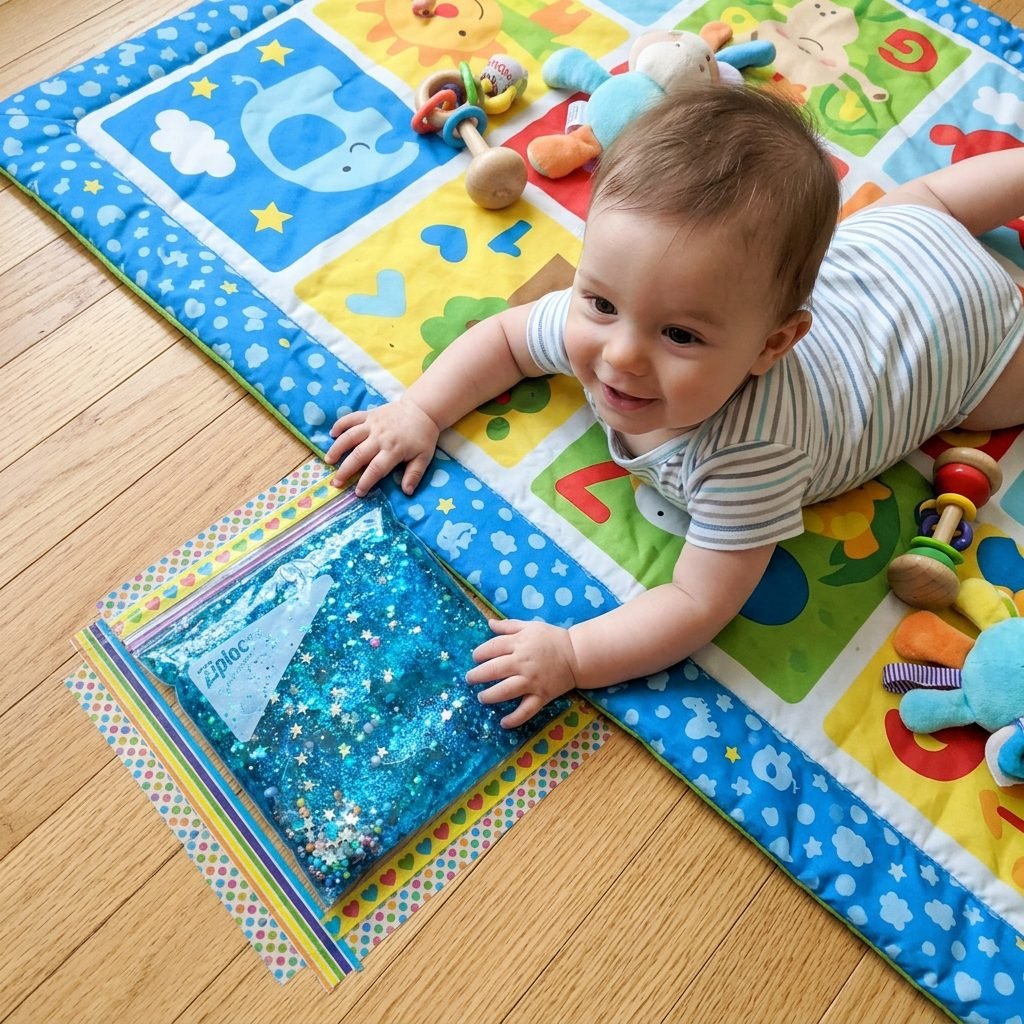
- DIY Sensory Bags: Take a gallon-sized freezer bag, fill it with water, hair gel, and some colorful sequins or flat plastic shapes. Tape it securely to the floor with painter’s tape. As the baby pushes down, the items move, providing tactile and visual feedback.
By turning tummy time into a ‘sensory station,’ you move the focus away from the physical exertion and toward curiosity. Aim for 3 to 5 minutes of high-engagement play per session.
The Yoga Ball & Motion Hacks

Movement as a Secret Weapon
Static tummy time can be boring. Dynamic tummy time? That’s an adventure! If you have a birthing ball or yoga ball left over from your pregnancy, it is about to become your favorite baby gear item. Holding your baby securely on top of the ball and gently rolling them forward and backward (or side to side) engages their core muscles and stimulates their vestibular system.
Step-by-Step Yoga Ball Tummy Time:
- Place baby on their tummy on top of the ball, facing away from you or toward a mirror.
- Firmly hold baby around their hips or torso.
- Slowly roll the ball forward until their hands touch the floor (if they are older) or just until they feel the slight incline.
- Roll them back toward you. The shifting movement encourages them to adjust their head and neck position constantly.
“Movement is the first language of the brain. When we move the body, we wake up the mind.” — A Doula’s Reminder.
A Realistic Tummy Time Schedule & Troubleshooting

How Much is Enough?
Don’t feel pressured to do 20 minutes at once. The goal is frequency over duration. Think of it like ‘snacking’ on tummy time throughout the day. A good rule of thumb is to try for a few minutes after every diaper change. The baby is already on a flat surface, and it creates a predictable routine.
| Baby’s Age | Daily Goal | Session Length |
|---|---|---|
| Newborn | 15-20 mins total | 1-2 mins per session |
| 2-3 Months | 30-60 mins total | 5-10 mins per session |
| 4-6 Months | 60-90 mins total | 15-20 mins per session |
Troubleshooting Common Issues:
- If they cry immediately: Try the ‘Football Carry.’ Hold them face down along your forearm with their head in your hand and legs straddling your elbow. This provides the benefits of tummy time while you move around the house.
- If they have reflux: Wait at least 20 to 30 minutes after a feeding before attempting tummy time to prevent ‘spit-up’ accidents and discomfort.
- If they are tired: Never do tummy time when a baby is overtired. It will only result in a negative association. Always aim for the ‘quiet alert’ state.
Conclusion
You’re Doing Great, Mama
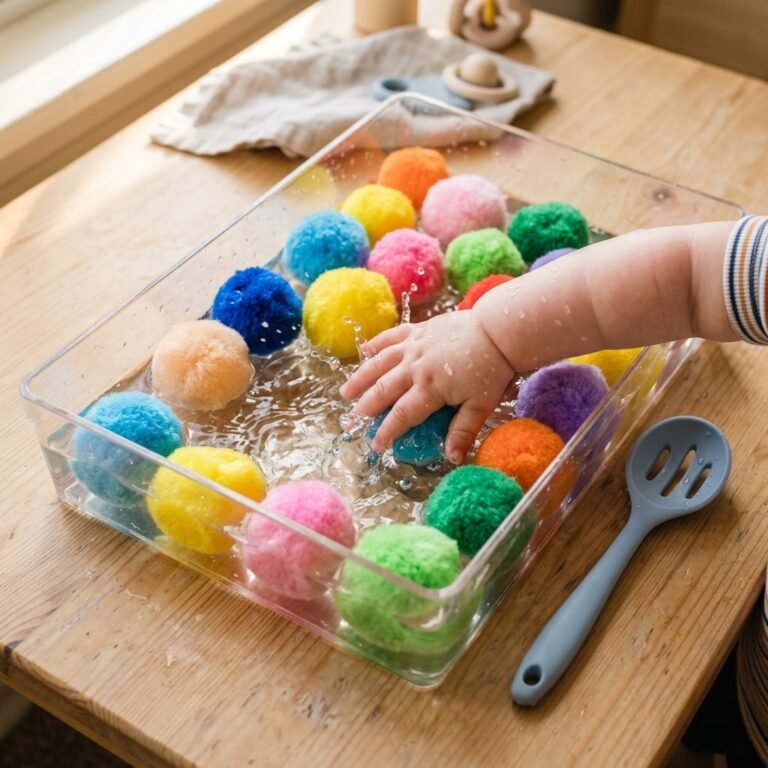
Tummy time doesn’t have to be a battleground. By using these hacks—from the intimacy of chest-to-chest bonding to the excitement of sensory water mats—you are giving your baby the tools they need to grow strong and confident. Remember, every second counts. If they only last 30 seconds today, that is 30 seconds of progress. Celebrate the small wins, stay consistent, and soon enough, you’ll be chasing a crawling toddler across the room!
Be patient with yourself and your little one. You are building their foundation for movement, and you’re doing it with love and grace. You’ve got this!