
The Truth About The Postpartum Fundal Massage (And How To Cope)
Welcome to the Raw Reality of the Golden Hour
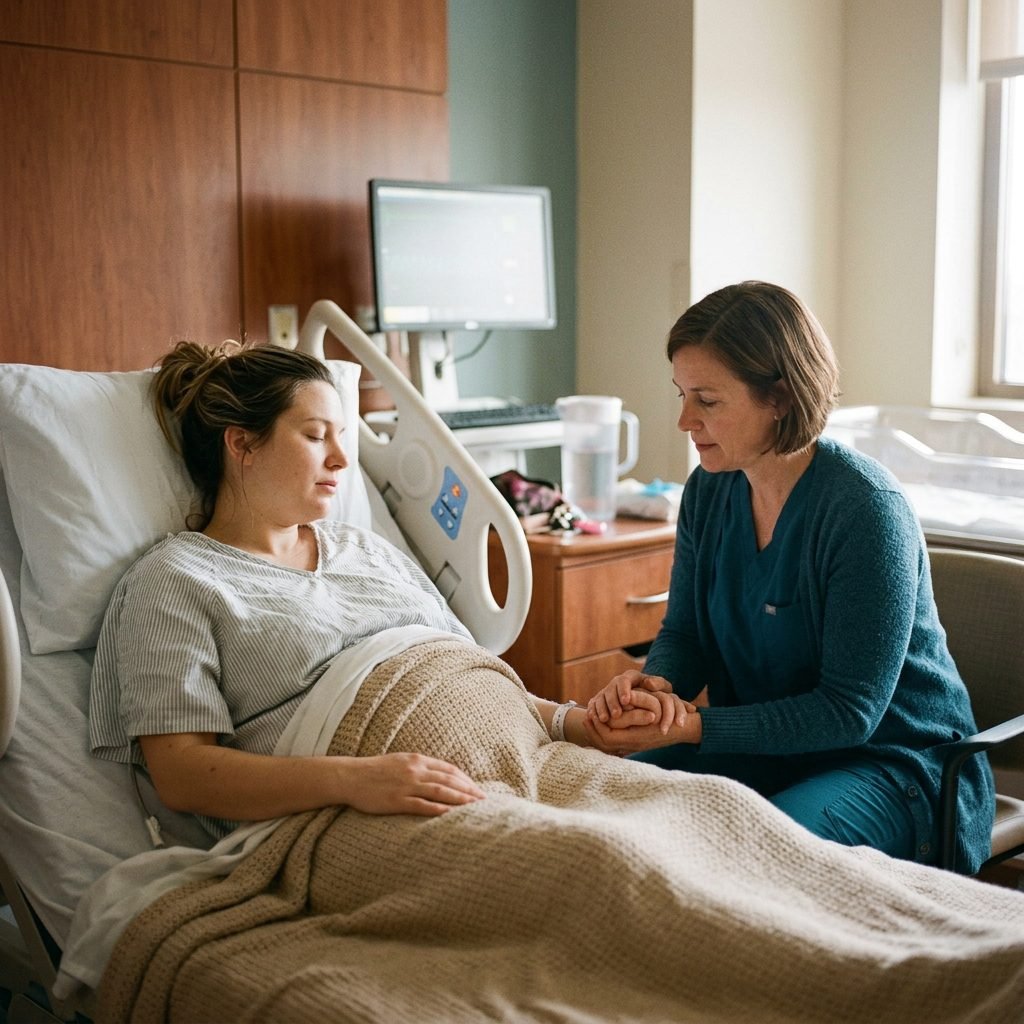
Oh, sweet sister, you’ve done it. You’ve brought a literal miracle into this world. Your heart is overflowing, your body is exhausted, and you are finally ready to soak in those newborn snuggles. But then, a nurse walks in, smiles kindly, and proceeds to press down on your soft, vulnerable belly with a firmness that feels… well, let’s be honest, quite startling. This is the postpartum fundal massage. It is often the one part of birth that no one warns you about in the baby shower cards, yet it is one of the most critical steps in ensuring your safety during those first few hours of motherhood.
As a doula, I’ve sat by the bedside of hundreds of women as they navigate this ‘massage’ (which, let’s be real, feels more like a deep-tissue squeeze than a spa treatment). I want to pull back the curtain for you today. We are going to talk about why it happens, exactly what is going on inside your amazing body, and—most importantly—how you can breathe through it and cope with the intensity. You are strong, you are capable, and you are absolutely not alone in feeling a bit ‘done’ with being touched. Let’s dive into the truth together, mama.
The Science of the Squeeze: What is a Fundal Massage?
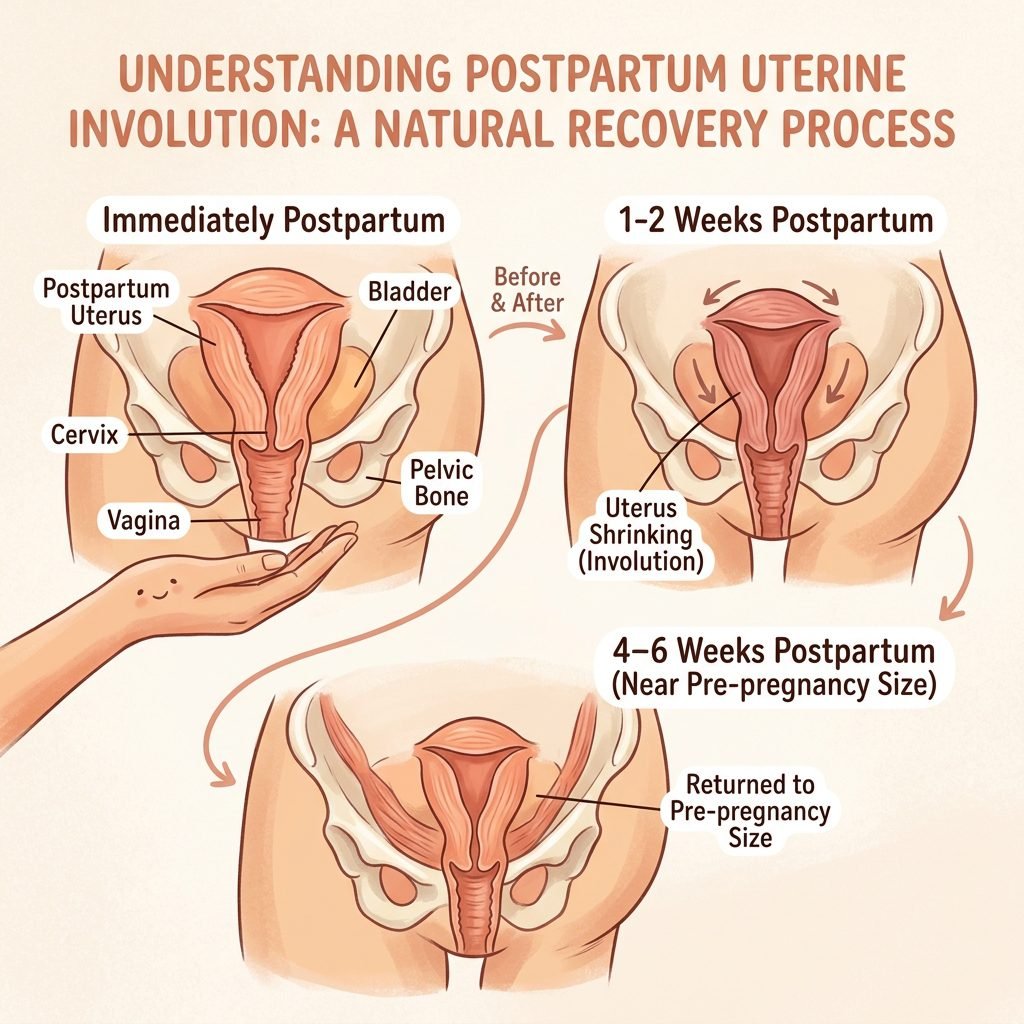
First things first: what is the ‘fundus’? The fundus is simply the top part of your uterus. During pregnancy, your uterus expanded from the size of a small pear to the size of a watermelon. After your baby and the placenta are delivered, that massive muscle needs to shrink back down immediately to prevent excessive bleeding. This process is called involution.
The fundal massage is a physical check performed by your medical team to ensure your uterus is ‘firm’ and ‘contracted.’ If the uterus feels soft or ‘boggy,’ it means the muscle fibers aren’t tightening enough to compress the blood vessels where the placenta was attached. By applying firm pressure, the nurse is manually helping your uterus to clamp down and stay hard, which is your body’s natural way of stopping postpartum hemorrhage.
Why It Matters for Your Recovery
- Prevents Hemorrhage: The primary goal is to stop heavy bleeding by ensuring the uterus stays contracted.
- Expels Clots: The pressure helps push out any remaining blood clots or placental fragments that might be lingering.
- Monitors Progress: It allows your team to track how quickly your uterus is descending back into your pelvis.
Think of your nurse as a guardian of your health. Every time they press down, they are checking to make sure you are safe and healing exactly as you should.
The Honest Truth: Why It Feels So Intense

Let’s not sugarcoat it, sister: the fundal massage can be uncomfortable, and for some, it can be downright painful. After hours of labor, your abdominal muscles are sore, your skin is sensitive, and your uterus is essentially one giant, tender bruise. When someone applies firm, downward pressure to that area, your body naturally wants to guard itself.
The intensity of the sensation depends on several factors, including your individual pain threshold, whether you had an episiotomy or tearing, and how ‘boggy’ your uterus is. If your uterus is struggling to stay firm, the nurse may have to massage more vigorously or more frequently. It’s a strange paradox: the very thing that is keeping you safe is also the thing that feels like the last thing you want to endure right now.
“You have just climbed a mountain. It is okay to feel sensitive. It is okay to say ‘ouch.’ Your body has done a massive job, and this is the final hurdle of the physical delivery process.”
The 24-Hour Timeline: What to Expect
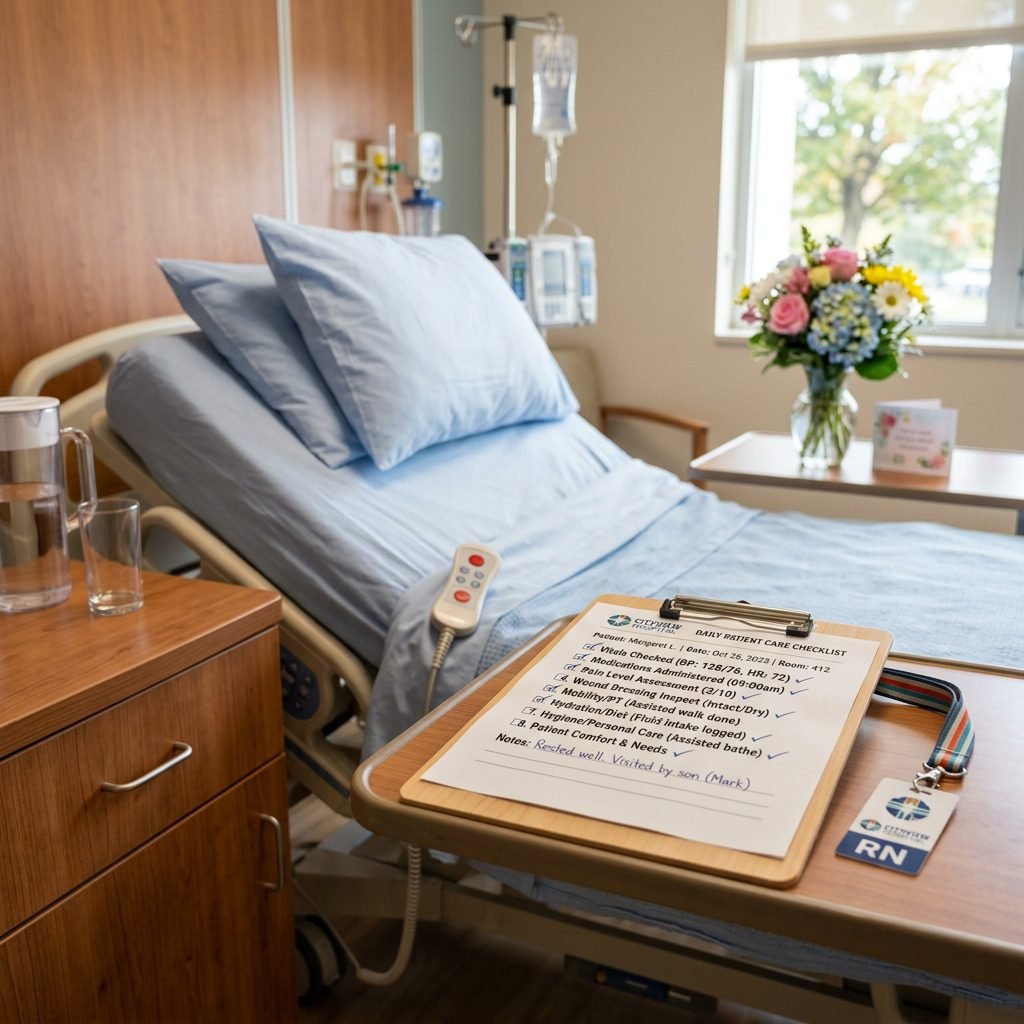
Knowledge is power, and knowing when the checks will happen can help you prepare mentally. In most hospitals and birth centers, there is a standard protocol for how often they will check your fundus. While every facility is different, here is a general guide of what the first 24 hours look like:
| Timeframe | Frequency of Checks | What They Are Looking For |
|---|---|---|
| First 2 Hours | Every 15 Minutes | Immediate firmness and minimal bleeding. |
| Hours 2 to 6 | Every 30 to 60 Minutes | Ensuring the uterus stays mid-line and firm. |
| Hours 6 to 24 | Every 4 to 8 Hours | Checking the descent of the fundus (usually 1 finger-width per day). |
| After 24 Hours | Once per shift | General monitoring until discharge. |
If you had a C-section, the checks are still performed, but your nurse will be extra careful around your incision site. They will often ‘splint’ the incision with one hand while checking the fundus with the other to minimize pulling on your stitches.
Doula-Approved Coping Strategies

As your virtual doula, I want to give you a toolkit to manage these checks. You don’t have to just ‘grin and bear it.’ You can actively participate in your comfort.
1. The Low-Moan Breath
When the nurse begins the massage, your instinct will be to hold your breath and tense your shoulders. Do the opposite. Take a deep breath in through your nose, and as they press, let out a low, deep moan or a ‘horse breath’ (fluttering your lips). This keeps your pelvic floor relaxed and prevents you from fighting the pressure.
2. Empty Your Bladder
A full bladder is the enemy of a happy fundus. If your bladder is full, it pushes the uterus out of place and makes it harder for it to contract, which actually makes the massage more painful. Try to pee as often as possible in those first few hours.
3. Use Visualizations
Close your eyes and imagine your uterus as a strong, powerful fist, clamping shut to keep you safe. Visualize the blood flow slowing down and your body returning to its center. Focus on the scent of your baby’s head—that ‘new baby smell’ actually triggers oxytocin, which helps your uterus contract naturally!
4. Ask for a Warning
Don’t be afraid to say, “Could you please tell me right before you press so I can take a deep breath?” Having that 2-second warning allows you to prepare your mind and body.
You Are Not Alone: This is Normal

Sister, if you find yourself crying during a fundal check, or if you feel a flash of ‘postpartum rage’ because you just want to be left alone, please hear me: this is normal. You are in a state of extreme vulnerability. You have just gone through a major medical event, your hormones are shifting faster than a tectonic plate, and your privacy has been non-existent for hours.
It is common to feel:
- Over-touched: After cervical checks, monitors, and labor, one more person touching your body can feel like too much.
- Vulnerable: Having your belly exposed and pressed can feel invasive.
- Exhausted: You just want to sleep, and the 15-minute interruptions are draining.
You are not a ‘difficult patient’ for finding this hard. You are a human being. Be gentle with yourself. If you need a moment after the check to just cry or hold your baby, take it. Your emotional recovery is just as important as your physical involution.
The Postpartum Care Kit: Comfort Beyond the Massage

While the fundal massage happens in the hospital, your recovery continues at home. Managing your comfort involves choosing the right gear. Many moms wonder about the best way to handle the ‘lochia’ (postpartum bleeding) that follows those uterine contractions.
| Feature | Mesh Panties + Giant Pads | Disposable Adult Diapers |
|---|---|---|
| Comfort | Breathable, but can shift around. | Secure, ‘all-in-one’ feeling. |
| Incision Safety | Great for C-sections (soft waistband). | Can sometimes rub on low incisions. |
| Absorbency | Depends on the pad used. | Maximum absorbency, great for sleep. |
| Ease of Use | Requires frequent changing of pads. | Step in and out; easy to tear sides. |
Pro Tip: Regardless of which you choose, keep a ‘peri-bottle’ filled with warm water nearby. It will be your best friend for cleansing after the nurse’s checks and during your first week at home!
Conclusion
You’ve Got This, Mama
The postpartum fundal massage is a short-lived but intense part of the journey into motherhood. It is the final ‘work’ your body does to transition from pregnancy to recovery. Remember that every squeeze is a step toward healing, every breath you take is a testament to your strength, and every check is ensuring you stay healthy for the little one in your arms.
Be vocal about your needs, use your doula breathing, and don’t forget to celebrate the incredible feat your body has just accomplished. You are a warrior, and even the ‘truth’ of the fundal massage cannot take away the magic of what you’ve created. Rest well, breathe deep, and welcome to the sisterhood of motherhood.