
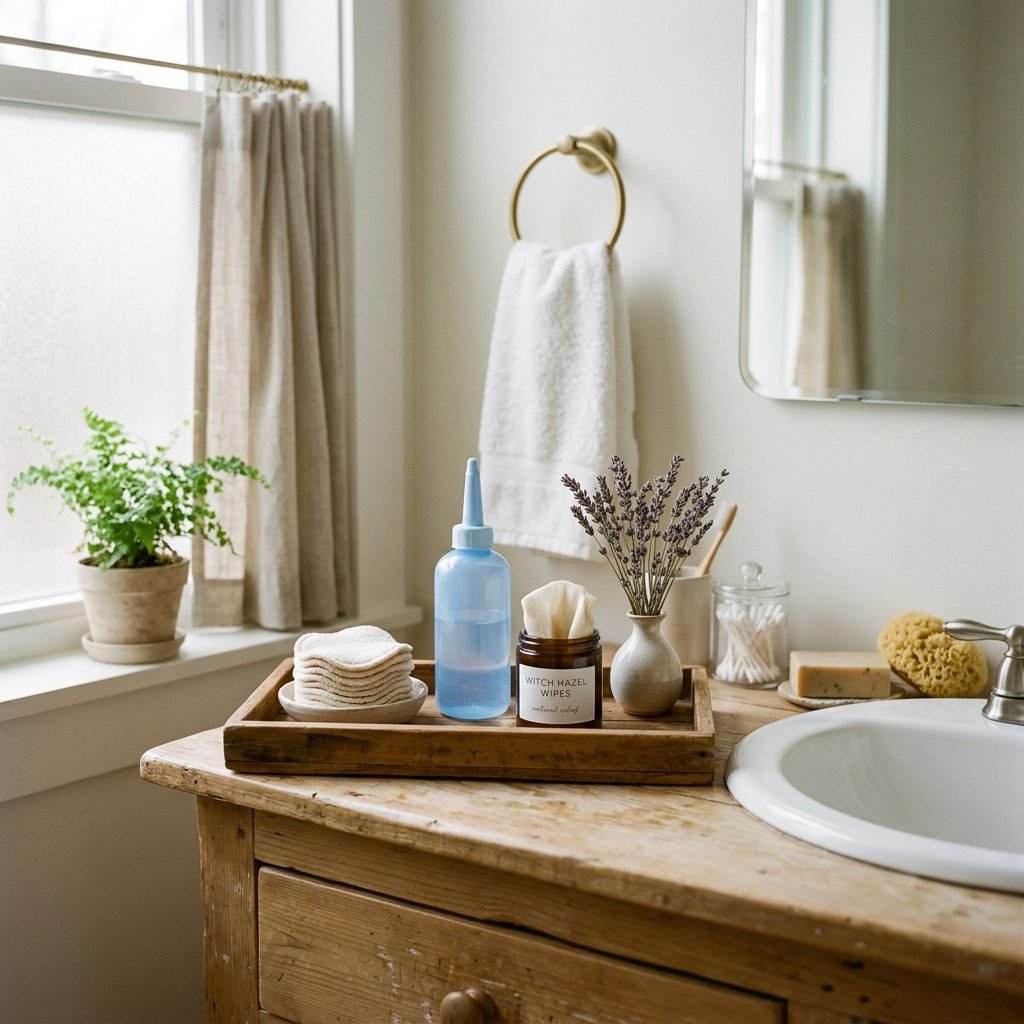
The Down There Care Kit: 10 Things You Need After A Vaginal Birth
Welcome to the raw, beautiful, and slightly tender world of the fourth trimester, mama. You have just performed the most incredible feat of human endurance: bringing a new life into this world. While your heart is likely overflowing as you gaze at your little one, your body—specifically your ‘down there’ region—is probably feeling like it’s been through a marathon, a boxing match, and a construction project all at once. As a doula who has walked this path with hundreds of women, I want you to know that what you are feeling is completely normal. The swelling, the soreness, and the ‘how-on-earth-am-I-going-to-pee’ anxiety are all part of the process. But you don’t have to just ‘tough it out.’ Recovery is a sacred time, and having the right tools in your Down There Care Kit can transform your postpartum experience from one of pure survival to one of supported healing.
Your body is not broken; it is healing from a miracle. Be as gentle with yourself as you are with your newborn.
In the coming weeks, your perineum will need a little extra TLC. Whether you had a completely intact delivery, a few ‘skid marks,’ or a more significant tear requiring stitches, the goal is the same: to keep the area clean, reduce inflammation, and provide soothing relief. This guide isn’t just a list of products; it’s a sisterly roadmap to reclaiming your physical comfort. We are going to dive deep into the essentials that will make those first trips to the bathroom less daunting and help you feel like yourself again, one sitz bath at a time.
The Unfiltered Truth About Postpartum Healing
Before we unpack the kit, let’s talk about what’s actually happening down there. After a vaginal birth, your perineum (the area between the vagina and the anus) has undergone tremendous stretching. It is common to experience lochia, which is the shedding of the uterine lining, and it can last for 4 to 6 weeks. You are also dealing with significant inflammation. If you have stitches, they are dissolvable, but they can feel tight and itchy as they heal.
The First 72 Hours
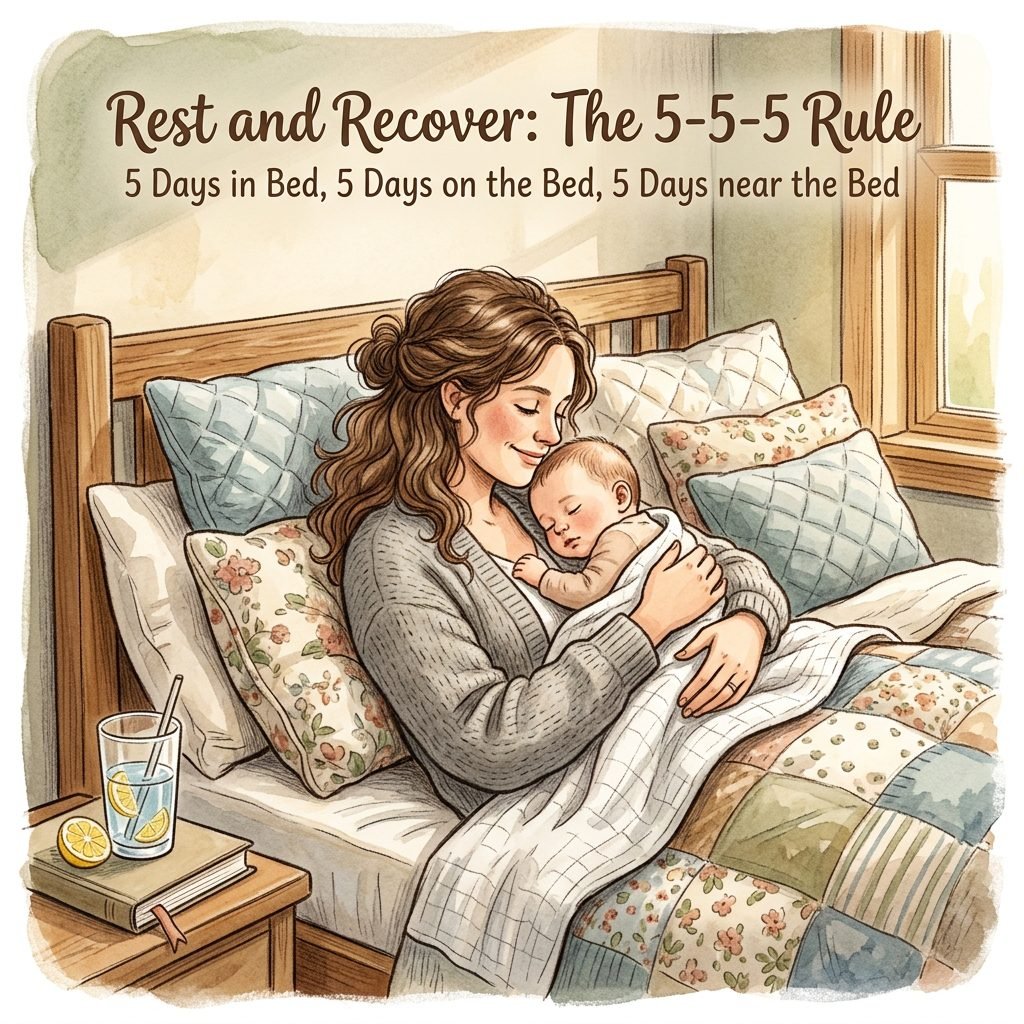
The first three days are the most intense. This is when the swelling is at its peak. You might feel a heavy, dragging sensation in your pelvic floor. This is why rest is your best friend. Gravity is not your ally right now, so staying horizontal as much as possible helps reduce that pressure. Remember the 5-5-5 rule: 5 days in the bed, 5 days on the bed, and 5 days around the bed.
The ‘You Are Not Alone’ Moment
I want to pause here and say: if you feel overwhelmed by the sight of your postpartum body, or if the bathroom routine feels like a chore, you are not alone. It is okay to cry because it hurts to sit down. It is okay to feel frustrated that your body doesn’t feel like ‘yours’ yet. Every mother you see has, in some way, navigated this tender threshold. You are part of a massive, silent sisterhood of healing. Take a deep breath. We’ve got this.
The Essential 10: Your ‘Down There’ Care Kit Breakdown
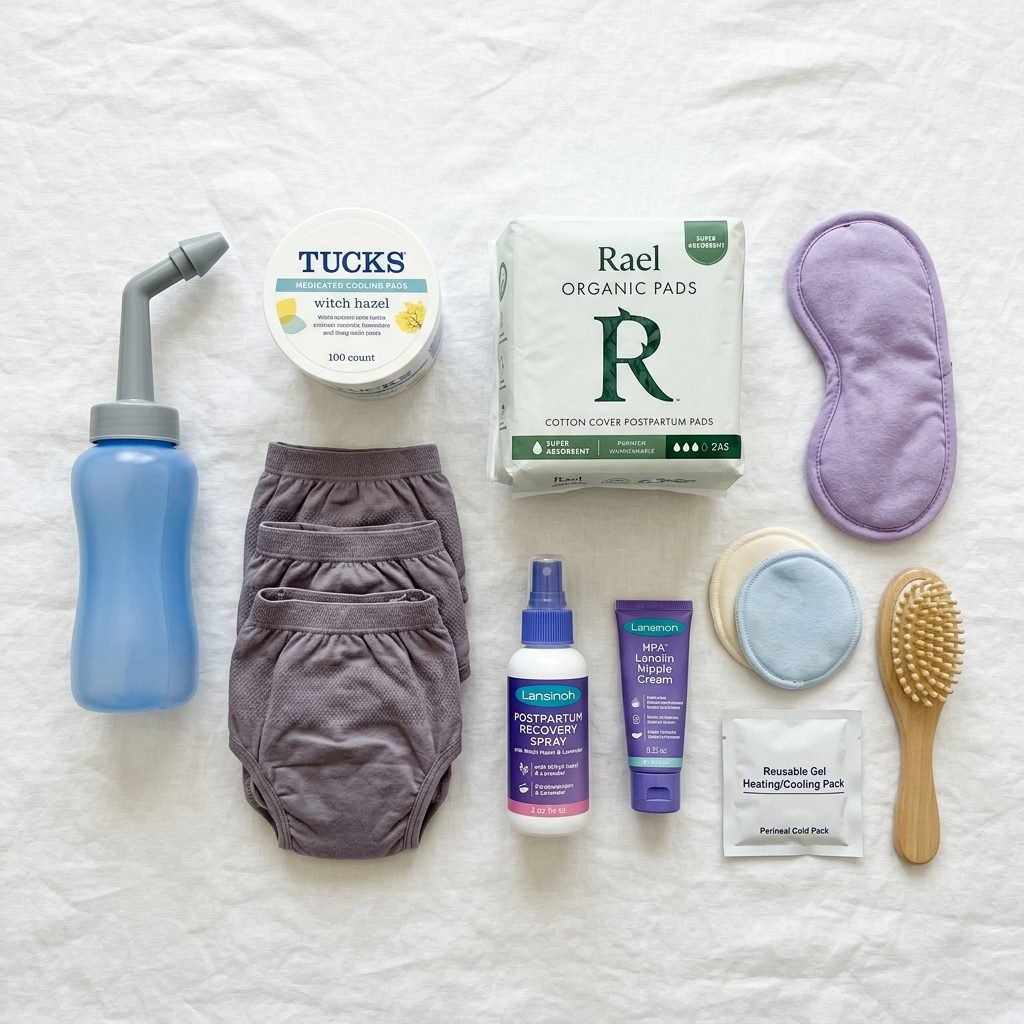
Let’s build your arsenal. These ten items are the gold standard for postpartum recovery. I recommend having these staged in your primary bathroom before you even head to the hospital.
- 1. The Ergonomic Peri Bottle: Forget the standard hospital squirt bottle. You want the one with the angled neck. It allows you to spray upward without having to do gymnastics on the toilet. Use warm water to dilute your urine, which prevents that ‘stinging’ sensation on any tears or abrasions.
- 2. Witch Hazel Liners (Tucks): These are cooling miracles. Witch hazel is a natural astringent that reduces swelling and calms hemorrhoids. Line your pad with these from front to back for an instant cooling sensation.
- 3. Perineal Healing Foam: Look for a foam that contains witch hazel and peppermint. Unlike sprays, the foam sits right on top of the pad and makes direct contact with the sore tissue, providing a barrier of relief.
- 4. Maximum Absorbency Pads: For the first few days, you need the ‘industrial’ strength ones. Look for organic cotton options to ensure breathability and avoid irritating synthetic fragrances.
- 5. Disposable Postpartum Underwear: While the hospital mesh panties are iconic, many moms prefer the modern disposable ‘diaper-style’ underwear for the first 48 hours. They provide 360-degree protection and hold everything (including ice packs) in place securely.
- 6. The Sitz Bath Basin: A small plastic basin that fits over your toilet. Soaking your perineum in warm water for 10-15 minutes several times a day increases blood flow to the area, which speeds up healing.
- 7. Epsom Salts & Postpartum Herbs: Adding magnesium-rich Epsom salts or a ‘postpartum sitz herb’ blend (with calendula and comfrey) to your soak can work wonders for muscle recovery and skin repair.
- 8. Stool Softeners: The ‘first postpartum poop’ is a legendary fear. Taking a gentle, non-stimulant stool softener (as recommended by your provider) keeps things moving without straining your pelvic floor.
- 9. Numbing Spray (Dermoplast): The blue-cap bottle is a postpartum staple. A quick spray before and after using the bathroom can take the edge off the sharp stinging of stitches.
- 10. The Doughnut or Waffle Cushion: Sitting directly on a hard chair is a no-go. A specialized cushion redistributes your weight away from the perineum, allowing you to eat dinner or hold your baby in a chair without wincing.
Mesh Panties vs. Adult Diapers: The Great Debate
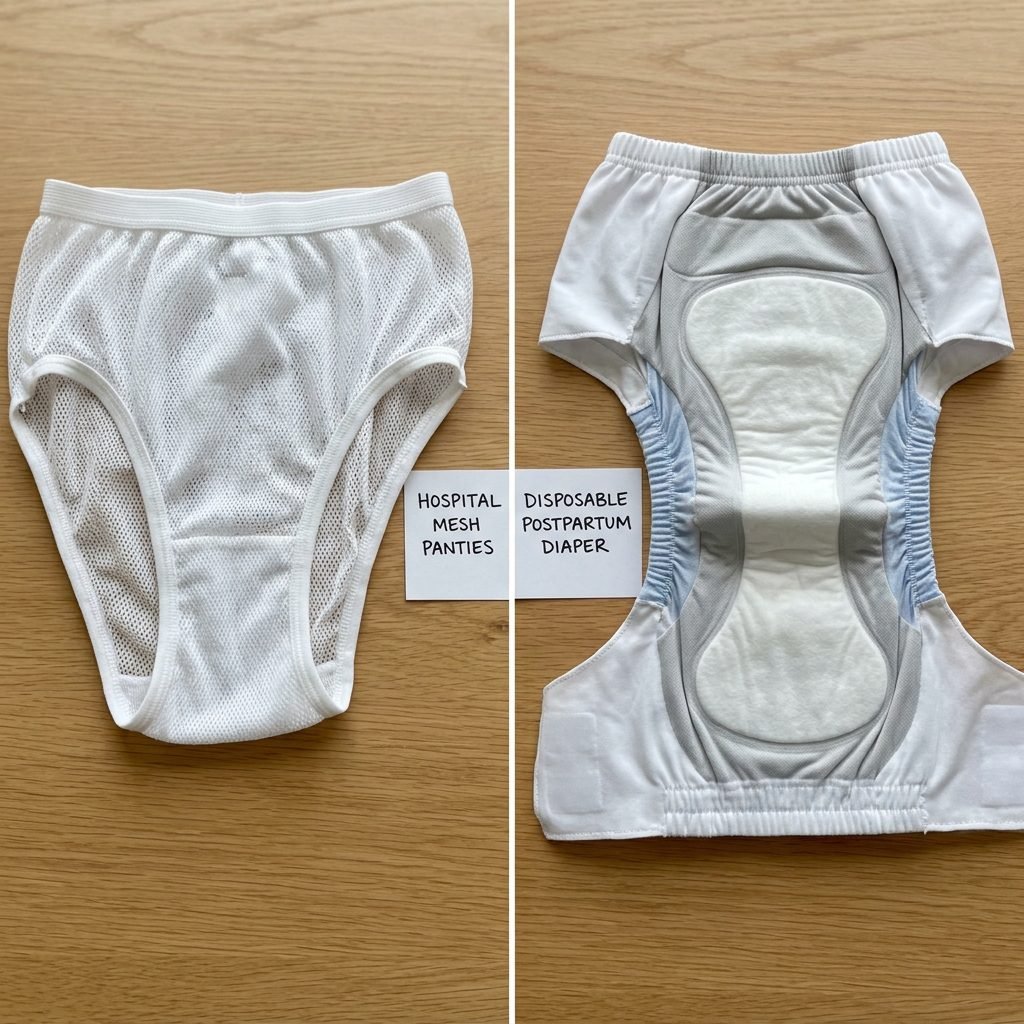
Every mama has a preference when it comes to what holds their recovery supplies in place. Let’s look at the pros and cons of the two most popular options so you can decide what to pack in your hospital bag.
| Feature | Hospital Mesh Panties | Disposable Adult Diapers |
|---|---|---|
| Breathability | High – Great for airflow to stitches. | Moderate – Can get warm. |
| Security | Lower – Pads can shift around. | High – Everything stays locked in. |
| Ease of Use | Requires layering pads and liners. | All-in-one solution; just pull on. |
| Comfort | Very soft, no pressure on waist. | Snug fit, feels like regular underwear. |
| Best For | Days 3-7 when flow slows down. | Days 1-3 when flow is heaviest. |
Pro-Tip: Many doulas suggest starting with the adult diapers for the first 48 hours because they are leak-proof, then transitioning to the mesh panties once you are ready to use the cooling foam and witch hazel liners more precisely.
The Art of the ‘Padsicle’: A Step-by-Step Guide
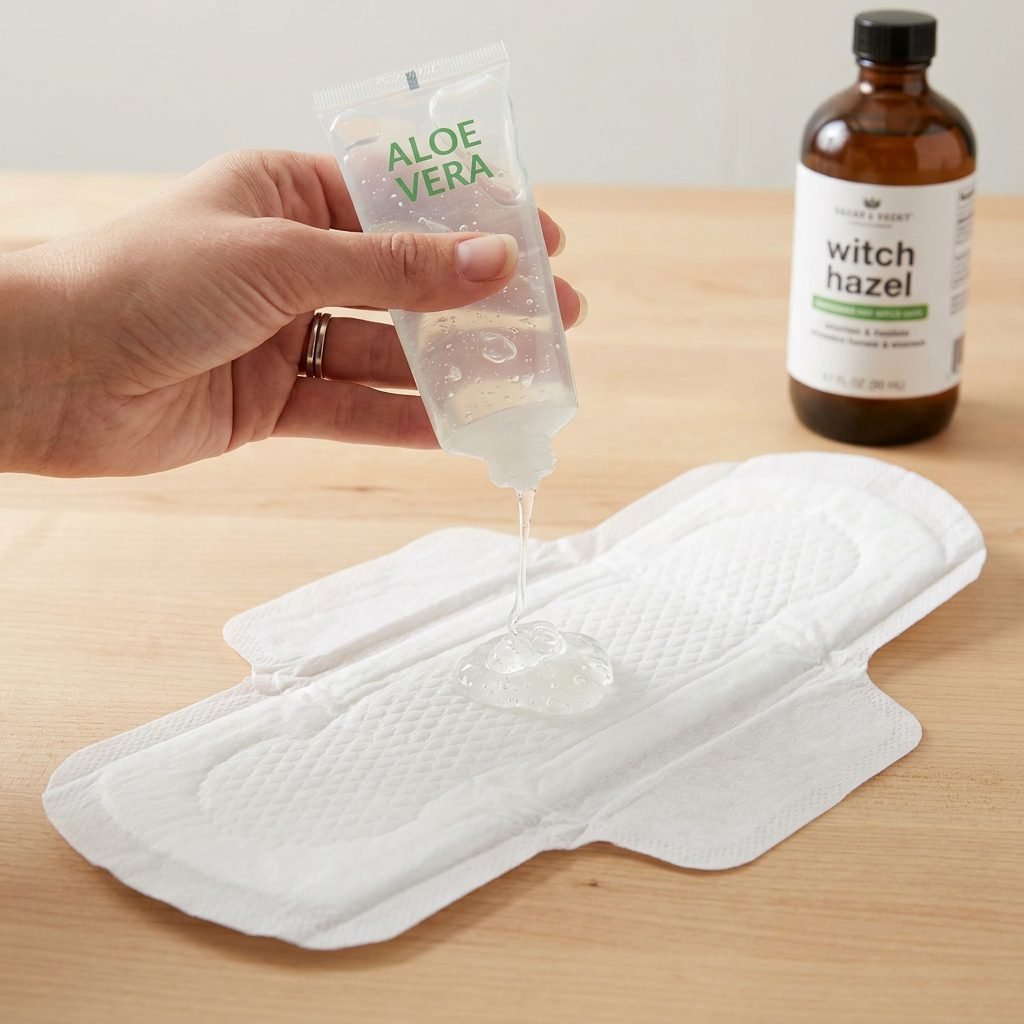
If there is one ‘DIY’ project you do before birth, let it be the Padsicle. These are chilled, medicated pads that provide cryotherapy and herbal healing directly to your lady bits. Here is how to make them:
- Unfold a heavy-duty maxi pad but keep the adhesive backing on.
- Spread a generous layer of pure Aloe Vera gel (ensure it is 100% pure, no alcohol or dyes) down the center of the pad.
- Add 3-5 drops of alcohol-free witch hazel over the aloe.
- Optional: Add 1 drop of lavender essential oil for calming properties.
- Fold the pad back up and place it in a freezer bag.
- Freeze for at least 4 hours.
When you are ready to use one, let it sit out for 2 minutes so it’s not ‘ice-cube’ cold, then tuck it into your underwear. The relief is instantaneous. Use these for 20 minutes at a time to reduce swelling.
Navigating the First Bathroom Trip (The ‘Poop’ Talk)
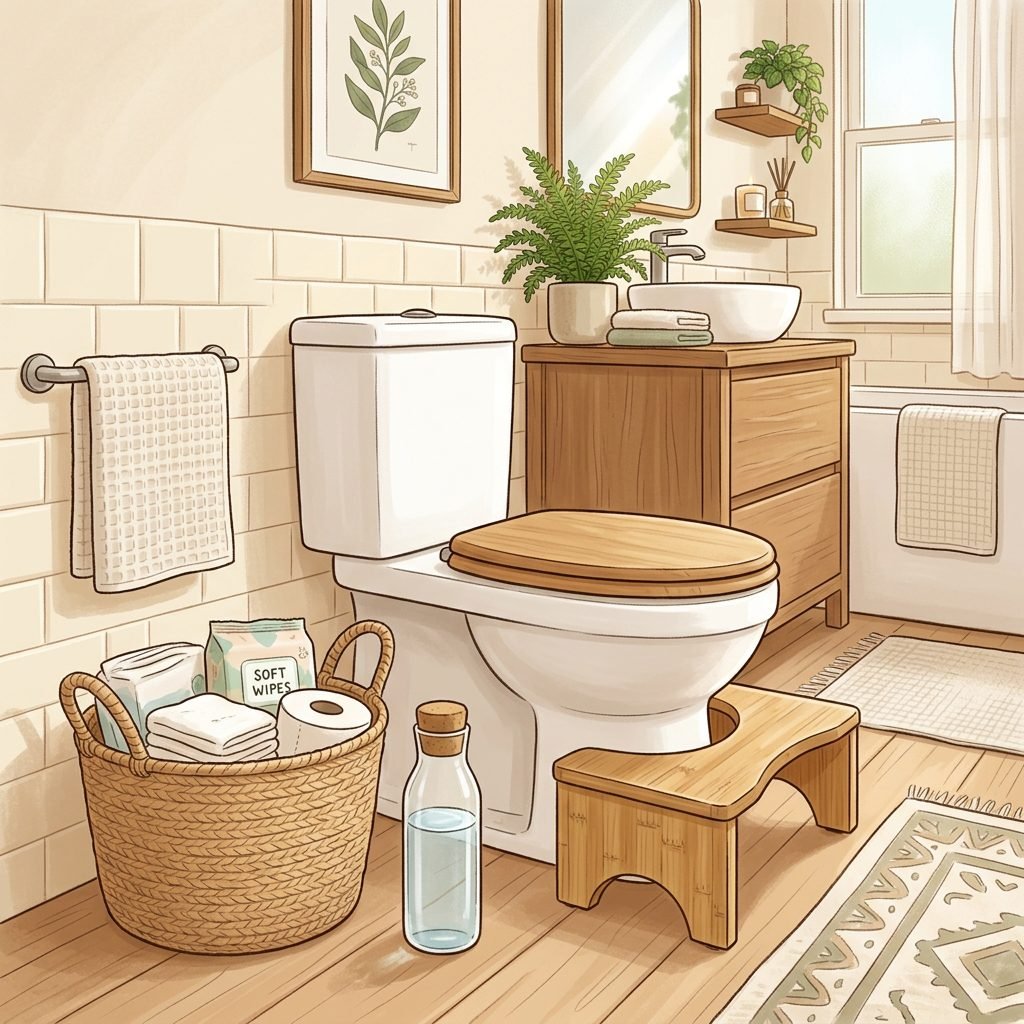
Let’s be real, sister: that first trip to the bathroom can be terrifying. You might feel like your stitches are going to pop (they won’t!) or that everything is just going to ‘fall out’ (it isn’t!). Here is your doula-approved script for the bathroom:
Take a deep breath. Your body knows how to heal. You are safe, and this is just the next step in your recovery.
- Hydration is Key: Drink at least 80-100 ounces of water a day. If you are dehydrated, your stool will be hard, making the process much more difficult.
- The ‘Splinting’ Technique: When you feel the urge to go, take a clean pad and press it firmly but gently against your perineum/stitches. This ‘splinting’ provides physical and psychological support, making you feel more secure as you bear down.
- Use a Footstool: Using a Squatty Potty or a small stool to lift your knees above your hips aligns your colon for an easier exit without straining.
- Don’t Hold It: The longer you wait, the harder it gets. Go as soon as you feel the urge.
Recovery Timeline: What to Expect
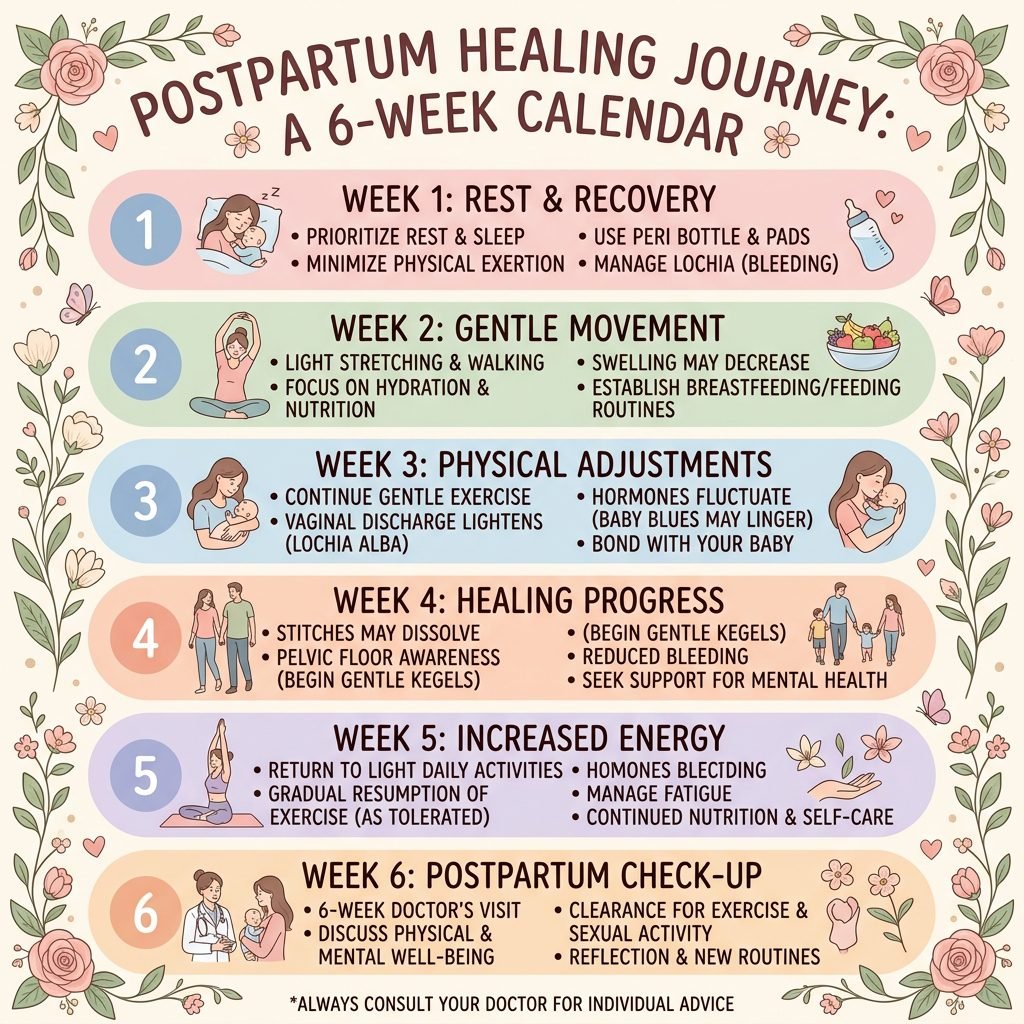
Healing isn’t linear, but having a general idea of the milestones can help you stay patient with your body. Remember, your 6-week checkup is just the beginning, not the finish line.
| Timeline | Physical Experience | Care Focus |
|---|---|---|
| Days 1-3 | Heavy bleeding, significant swelling, soreness. | Ice, rest, and peri-bottle use. |
| Week 1-2 | Bleeding turns pink/brown, stitches may itch. | Sitz baths and gentle walking. |
| Week 3-4 | Bleeding tapers off, energy slightly increases. | Pelvic floor rest, avoid heavy lifting. |
| Week 6+ | Tissue mostly healed, lochia usually stopped. | Pelvic floor physical therapy (PFPT) consult. |
If at any point you notice a foul odor, clots larger than a golf ball, or fever/chills, please call your care provider immediately. These can be signs of infection or retained tissue.
Conclusion
Mama, the journey through postpartum recovery is a testament to your incredible strength. While the ‘down there’ care might feel clinical or messy right now, it is an act of deep self-love. By preparing your Down There Care Kit, you are telling yourself that your comfort and your healing matter just as much as the baby’s well-being. Take it one day at a time, use your peri bottle with pride, and remember that this phase is temporary. Soon, the soreness will fade, the swelling will go down, and you will emerge from this fourth trimester stronger and more resilient than ever. You’ve got this, sister.