
Drenched Sheets? How To Survive The Gross Reality Of Postpartum Night Sweats
Welcome to the Secret Society of the Soggy Pajamas
Oh, mama, I see you. It is 3:00 AM, the baby is finally asleep in the bassinet, and you have just woken up feeling like you went for a swim in your sleep. Your hair is matted to your neck, your favorite nursing tank is heavy with moisture, and the sheets feel like a cold, damp sponge. You might be wondering if you have a fever, or if this is just your life now. Let me wrap a virtual arm around your shoulders and tell you right now: You are not alone, this is completely normal, and your body is actually doing something incredible.
As a doula, I have sat with countless women who felt ‘gross’ or ‘broken’ because of postpartum diaphoresis—the clinical name for these midnight soakings. We talk about the baby’s sleep, the baby’s poop, and the baby’s latch, but we rarely talk about the fact that your body is currently a construction site of hormonal remodeling. These night sweats are a sign that your body is working overtime to return to its non-pregnant state. In this guide, we are going to dive deep into the ‘why’ behind the wetness and, more importantly, the ‘how’ of surviving it with your sanity and your sleep intact. We are going to look at the biology, the bedding, and the self-care strategies that will help you navigate this watery transition.
The Hormonal Waterfall: Why Your Body is Drenching the Bed
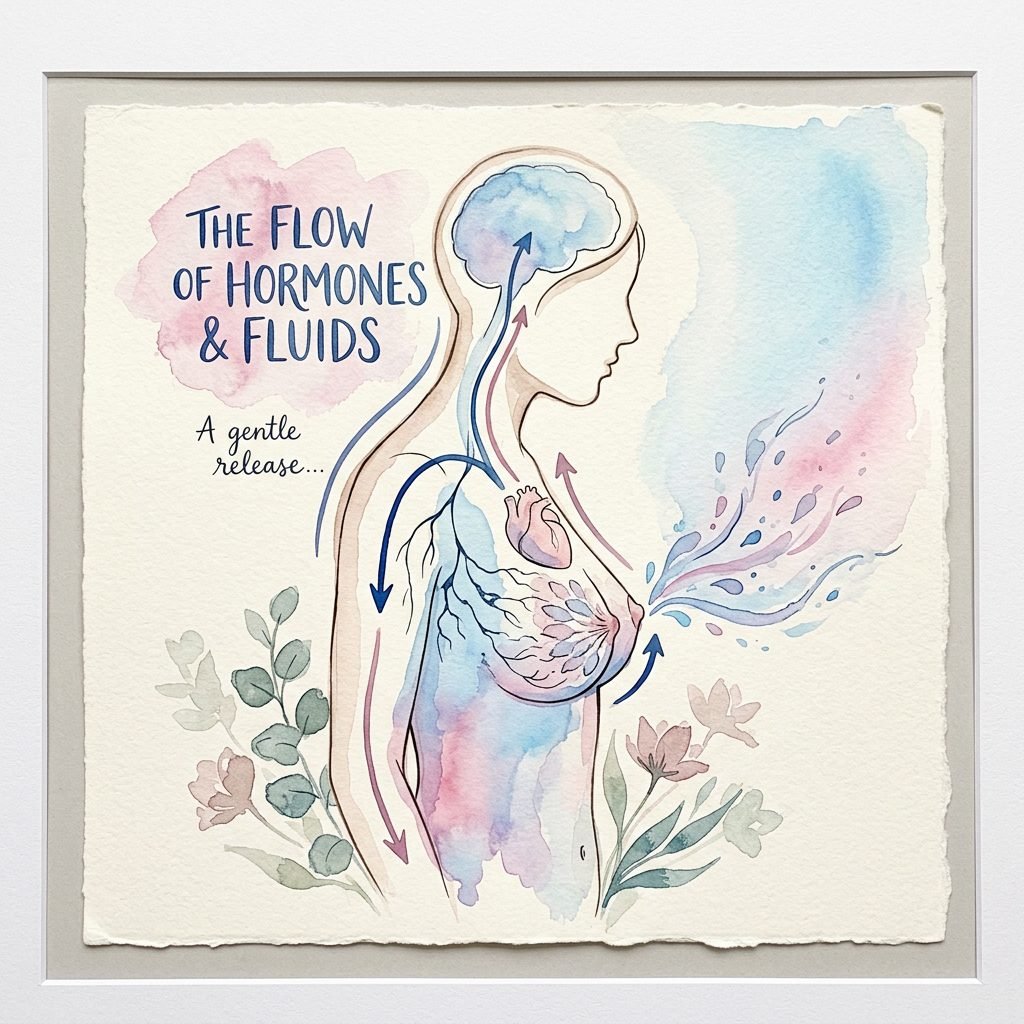
So, why exactly are you waking up in a literal puddle? It feels like your internal thermostat has been hijacked, and in a way, it has. During pregnancy, your body was a masterpiece of fluid retention. You were carrying nearly 50% more blood volume than usual, not to mention the amniotic fluid and the extra hydration your cells held onto to support your growing babe. Once that baby (and the placenta) makes their grand exit, your body suddenly has a massive surplus of fluid it no longer needs.
The Estrogen Drop-Off
The primary culprit is the dramatic shift in hormones. When the placenta is delivered, your levels of estrogen and progesterone plummet. This sudden drop signals to your hypothalamus—the part of your brain that regulates body temperature—that things are changing. This hormonal ‘crash’ is very similar to what women experience during menopause, leading to those infamous hot flashes and night sweats. Your brain thinks you are overheating, so it triggers the cooling system (sweat) to compensate.
Flushing Out the Pregnancy
The second factor is diuresis. Your body needs to get rid of all that extra fluid. You’ll notice you are peeing much more frequently in the first week after birth, but your skin is also a major organ of elimination. Sweating is simply your body’s efficient way of ‘squeezing out’ the remnants of pregnancy edema. It is a cleansing process, though it certainly doesn’t feel very clean when you’re in the middle of it!
Remember, mama: This sweat is not a sign of illness; it is the physical manifestation of your body returning to you. It is the ‘great emptying’ that follows the ‘great filling’ of pregnancy.
Normal vs. Not Normal: When to Call Your Provider
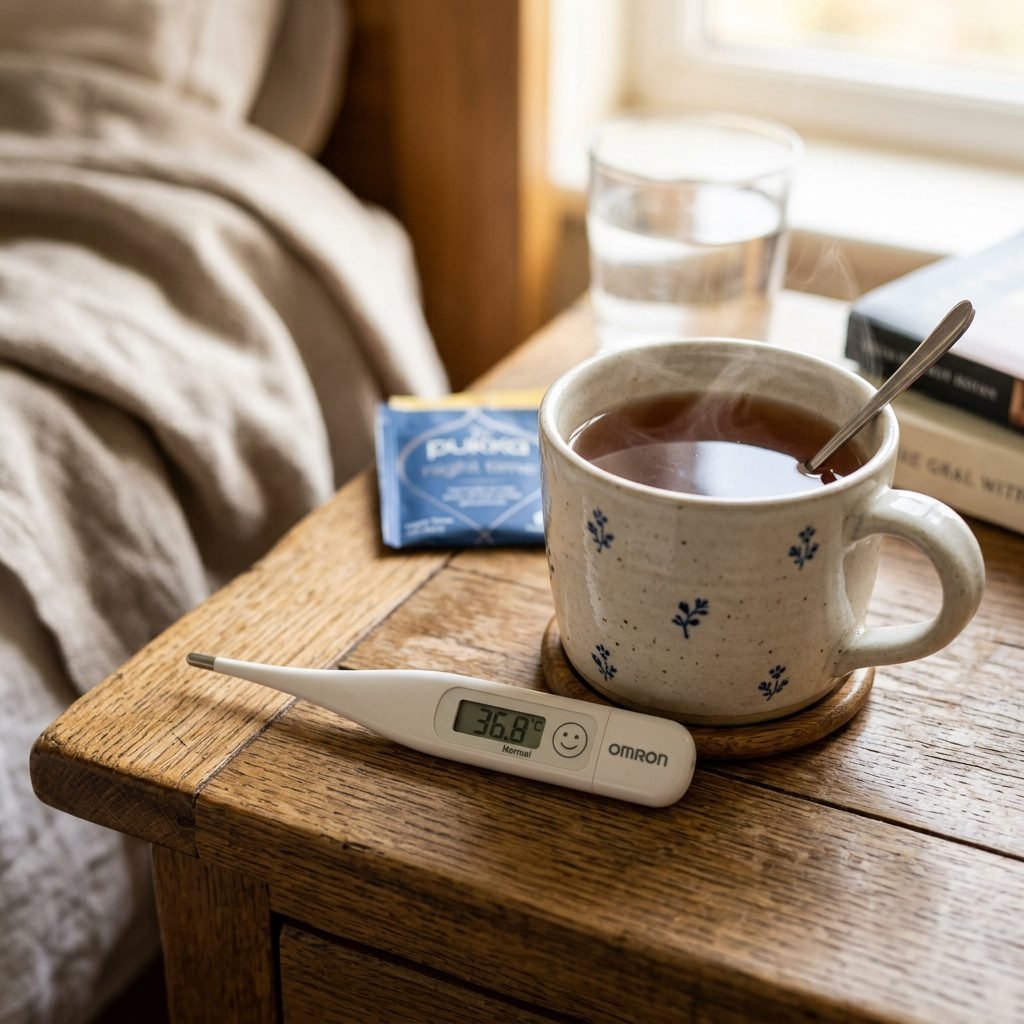
While night sweats are a standard part of the postpartum fourth trimester, it is vital to know when the ‘gross reality’ crosses the line into a medical concern. As your doula, I want you to be empowered with knowledge so you can rest easy (or as easy as one can with a newborn).
Most night sweats begin within the first few days after birth and can peak around the two-week mark. They usually taper off by week six as your hormones begin to find their new baseline. However, because postpartum infections (like mastitis or uterine infections) can also cause sweating, we need to look for ‘red flag’ companions to the sweat.
| Feature | Normal Postpartum Sweats | Potential Red Flag (Call Doctor) |
|---|---|---|
| Temperature | Normal or slightly elevated but under 100.4°F. | Fever of 100.4°F (38°C) or higher. |
| Odor | Typical sweat smell, maybe slightly more ‘hormonal’. | Foul-smelling vaginal discharge or localized ‘rot’ smell. |
| Pain | Standard postpartum cramping (afterpains). | Severe abdominal pain, breast redness, or calf pain. |
| Mood | Tired, weepy, but generally functional. | Extreme lethargy, chest pain, or shortness of breath. |
If you find yourself shaking with chills that don’t resolve after you’ve dried off, or if the sweating is accompanied by a racing heart, please reach out to your midwife or OB-GYN. It is always better to have a ‘false alarm’ than to ignore a brewing infection.
The ‘Dry Zone’ Strategy: Bedding and Pajama Hacks

If we can’t stop the hormones (and we shouldn’t, as they are doing their job!), we can certainly manage the environment. The goal is to minimize the disruption to your already precious sleep. If you have to change your entire bed at 4:00 AM, you’re going to be exhausted and frustrated. If you can just swap a layer, you’re winning.
The Layering Method
Don’t sleep directly on your expensive mattress or even just your fitted sheet. Create a ‘moisture sandwich’ instead. Layer your bed like this:
- Bottom Layer: A high-quality waterproof mattress protector (breathable ones are best).
- Middle Layer: Your standard fitted sheet.
- Top Layer: A large, soft 100% cotton bath towel or a specialized ‘sweat sheet’ placed horizontally across the bed where your torso rests.
When you wake up wet, you simply toss the towel onto the floor and slide over to the dry part of the bed, or lay down a fresh towel. No sheet changes required!
Fabric Choice Matters
Step away from the polyester and silk. While they feel fancy, they are moisture traps. You need fabrics that breathe and wick. Look for:
- Bamboo: Naturally cooling and highly absorbent.
- Tencel/Lyocell: Specifically engineered for moisture management.
- Lightweight Cotton: The classic choice for breathability.
Pro-Tip: Keep a ‘Nightly Refresh Kit’ on your nightstand. This should include a fresh nursing tank, a dry towel, and a hair tie. Being prepared reduces the ’emergency’ feel of waking up drenched.
Hydration and Nutrition: Fueling the Flush
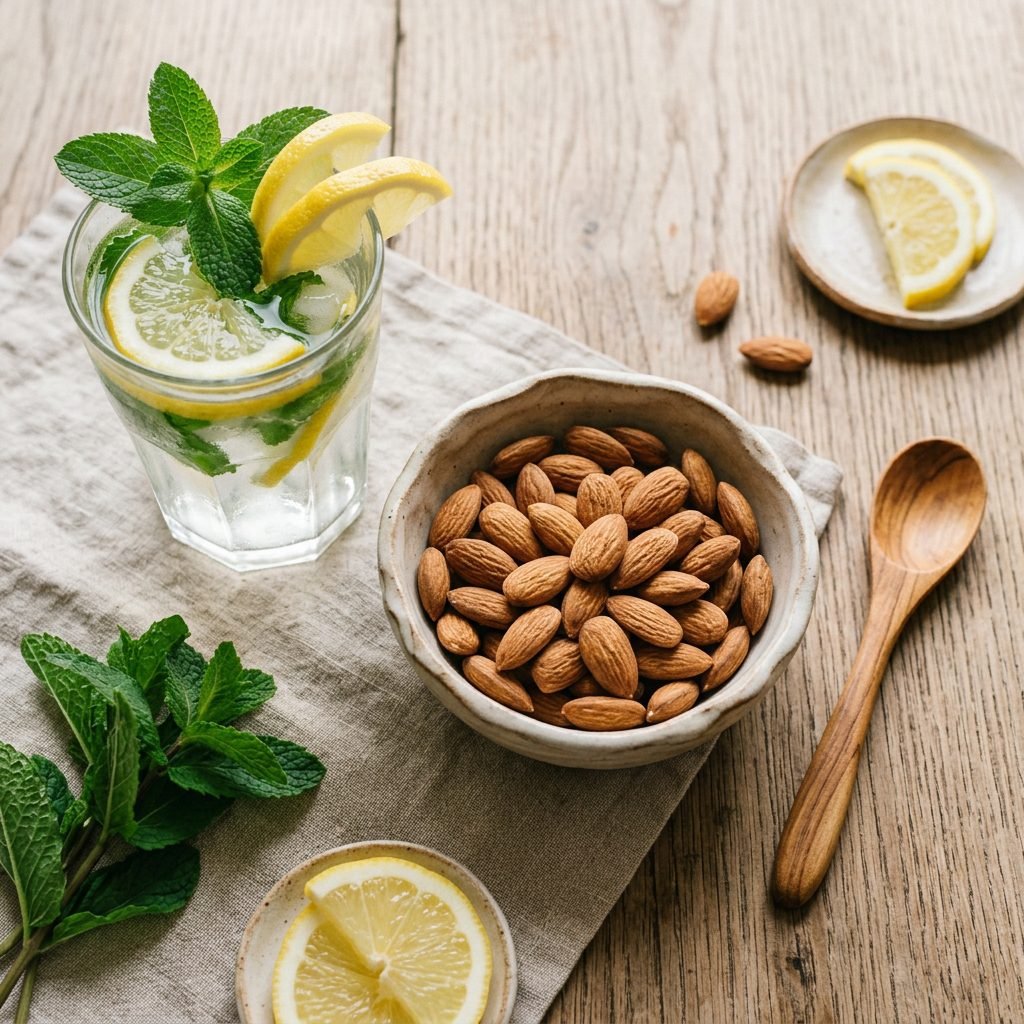
It seems counterintuitive, doesn’t it? ‘I’m leaking fluid, so I should drink more fluid?’ But yes, mama, that is exactly what you need to do. Dehydration can actually make your body struggle more with temperature regulation. If you are breastfeeding, your fluid needs are even higher.
Electrolytes are Your Best Friend
Plain water is great, but when you sweat, you lose minerals like sodium, potassium, and magnesium. If you feel depleted, plain water can sometimes just run right through you. Try to incorporate:
- Coconut water: Nature’s Gatorade.
- Bone broth: Warm, comforting, and full of collagen and minerals.
- Trace mineral drops: Add these to your water bottle to help your cells actually absorb the hydration.
Foods that Cool
In Traditional Chinese Medicine, postpartum is considered a ‘cold’ state, so we usually recommend warm foods for healing. However, if your night sweats are extreme, you can balance this by avoiding ‘internal heat’ triggers. Try to limit caffeine and very spicy foods in the evening, as these can dilate blood vessels and trigger a sweat response. Instead, focus on magnesium-rich foods like almonds, bananas, and leafy greens, which help support the nervous system during hormonal shifts.
Affirmation: My body is a river, flowing and clearing. I nourish myself to support this transition.
The Doula’s Comfort Rituals for Better Rest
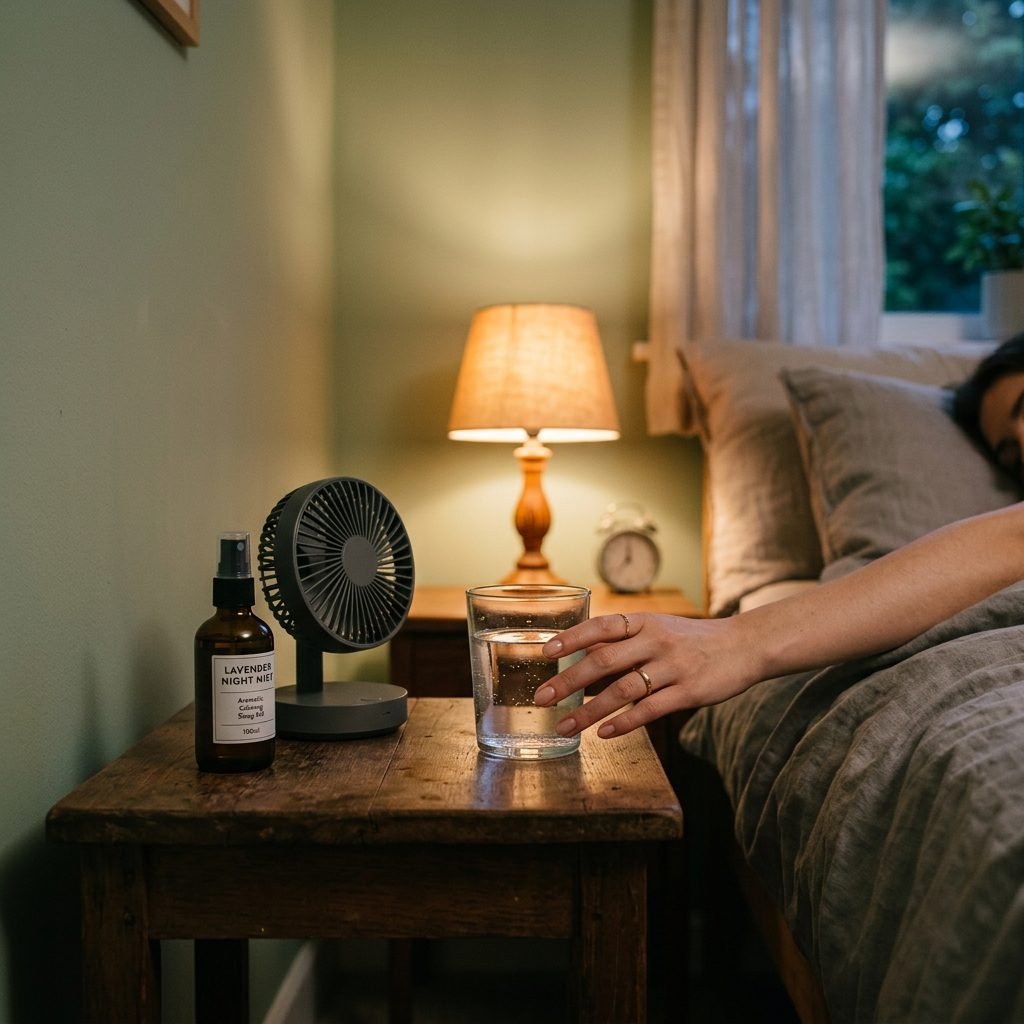
Managing the physical sweat is half the battle; the other half is managing the sensory discomfort. Feeling ‘gross’ can lead to ‘postpartum rage’ or heightened anxiety. Let’s create a ritual that honors your body’s hard work while keeping you comfortable.
The Bedside Setup
Before you go to sleep, set your environment for success. Use a small bedside fan directed at your torso (not your face, which can dry out your eyes and sinuses). Keep a cooling mist spray (rosewater or peppermint—if not breastfeeding, as peppermint can sometimes impact supply) to spritz on your neck if you wake up feeling hot.
The Quick-Change Routine
- Identify the Dampness: As soon as you wake up to nurse or soothe the baby, assess your clothes. Don’t ‘tough it out’ in wet clothes; the chill that follows is often worse than the heat.
- The Towel Swap: Remove the wet towel/layer.
- Pat Dry: Use a dry corner of your towel to pat your skin dry, especially under the breasts and in the folds of the neck.
- Apply Powder: Use a talc-free, cornstarch-based body powder to absorb residual moisture and prevent skin chafing.
- Hydrate: Take three big gulps of your electrolyte drink.
By making this a routine, you take the power back from the symptom. It becomes a task rather than an affliction.
Conclusion
This Too Shall Pass (And Dry Up!)
I know it feels like you will be sleeping on a towel forever, mama. I know the feeling of waking up shivering and damp is the last thing you want to deal with when you’re already sleep-deprived. But please hear me: This is temporary. Your body is doing the heavy lifting of recalibrating itself after the most transformative event of your life. Every drop of sweat is a testament to the incredible work your hormones are doing to heal your womb and return your systems to baseline.
Be gentle with yourself. If you didn’t get to the laundry today because you were too tired from the night sweats, that is okay. If you’re living in bamboo pajamas for three weeks straight, you are doing great. You are in the thick of the fourth trimester, and you are doing a beautiful job. Soon, the sheets will stay dry, the hormones will settle, and this ‘gross reality’ will be just a blurry memory from the early days of motherhood. Until then, keep your water bottle full and your towels handy. You’ve got this.