Eco-Friendly Postpartum: 7 Zero Waste Swaps That Save Money
Embracing the Slow, Green Fourth Trimester
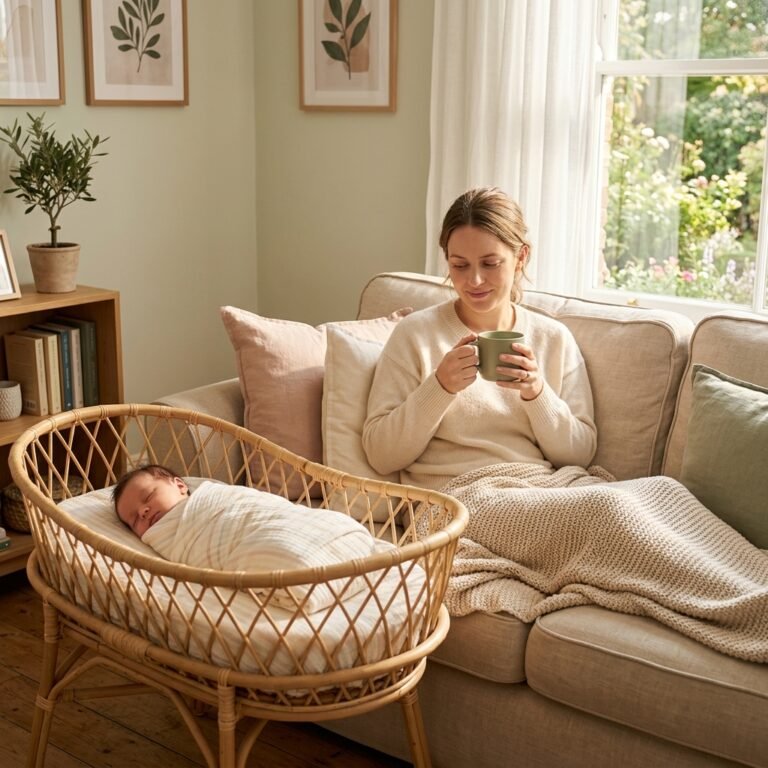
Welcome home, sweet mama. You’ve just completed the most marathon-like feat of your life, and now you are in the sacred window known as the Fourth Trimester. As a doula, I’ve sat by many bedsides, and I know that the transition into motherhood often comes with a mountain of ‘stuff’—plastic packaging, disposable wipes, and endless boxes of nursing pads. But here is a secret I want to whisper to you: healing your body doesn’t have to mean filling your trash can.
Choosing an eco-friendly postpartum isn’t just about saving the planet; it’s about surrounding yourself with the softest, most natural materials during a time when your skin is incredibly sensitive and your hormones are in flux. It’s about reducing your toxic load and, quite frankly, saving a significant amount of money at a time when your family budget might be feeling the squeeze. In this guide, we are going to walk through seven practical, zero-waste swaps that will nourish you and your baby while keeping your home a sanctuary of sustainability.
You are doing a beautiful job, mama. Every small choice you make for your health and the environment ripples out into the world your baby will grow up in.
1. Reusable Cloth Postpartum Pads: Comfort Meets Cost-Savings
Let’s talk about the reality of postpartum bleeding, or lochia. It is a natural part of the healing process, but the standard ‘industrial-sized’ plastic pads can feel like wearing a diaper made of sandpaper. They are often bleached with chlorine and contain synthetic fragrances that can irritate your most delicate tissues.
Why Cloth is a Game Changer
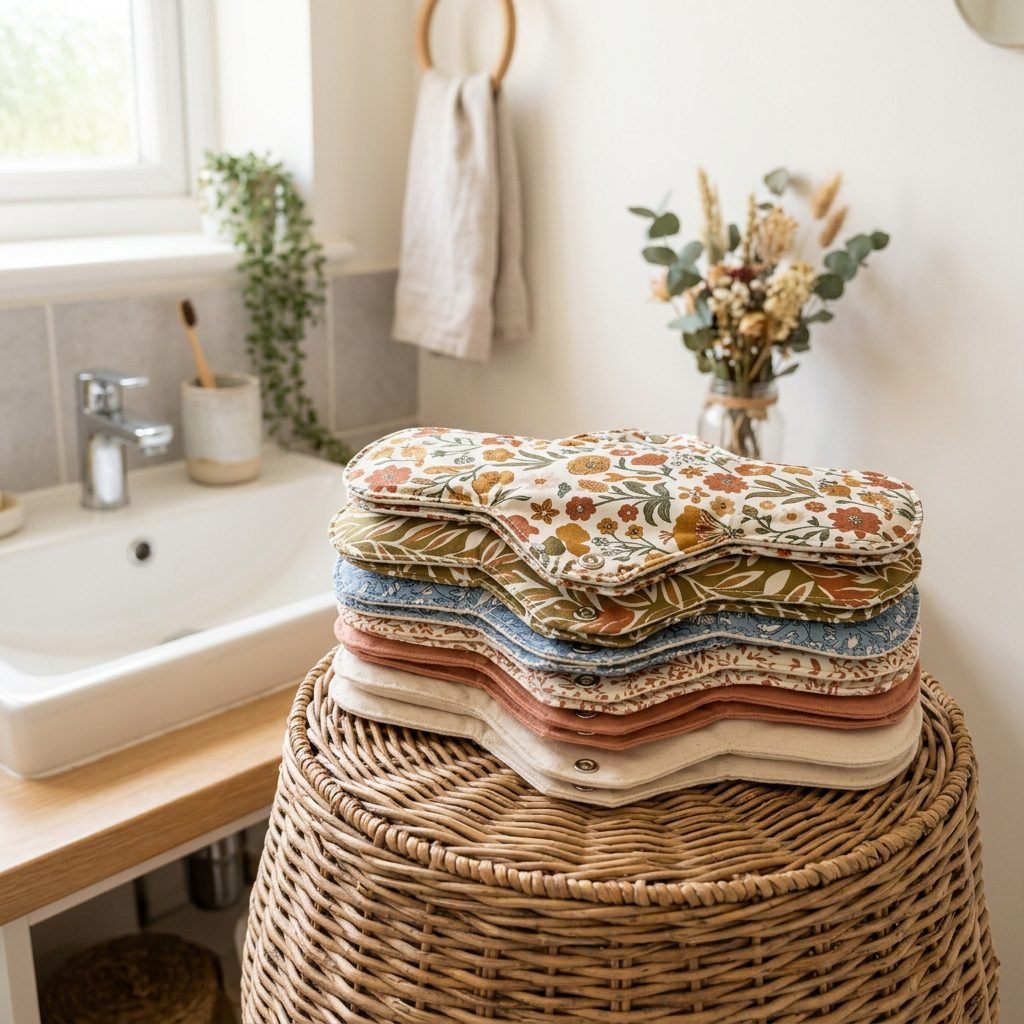
Switching to reusable cloth postpartum pads (often called ‘mama cloth’) is one of the kindest things you can do for your body. Made from breathable materials like organic cotton, bamboo, or hemp, these pads allow for better airflow, which is crucial for preventing infection and promoting the healing of any tears or incisions. From a financial perspective, the savings are staggering. Instead of buying multiple packs of heavy-duty disposables, a set of 10-12 high-quality cloth pads can last you through this recovery and into your regular cycles for years to come.
| Feature | Disposable Pads | Reusable Cloth Pads |
|---|---|---|
| Material | Plastic, SAP, Chlorine-bleach | Organic Cotton, Bamboo, PUL |
| Breathability | Low (can cause sweating/rash) | High (promotes healing) |
| Average Cost | $15 – $25 per cycle | $40 – $60 (One-time investment) |
| Waste | 250+ pads per year | Zero waste |
Doula Tip: To manage the laundry, simply keep a small ‘wet bag’ in your bathroom. Rinse the pads in cold water before tossing them in the wash with your regular laundry using a gentle, scent-free detergent.
2. The DIY Glass Peri Bottle & Herbal Sitz Bath

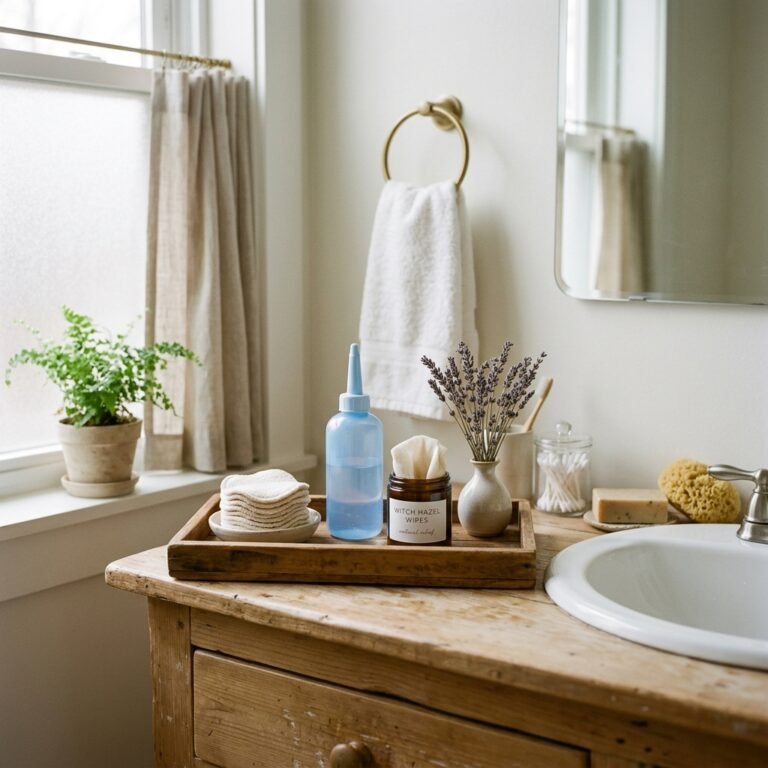
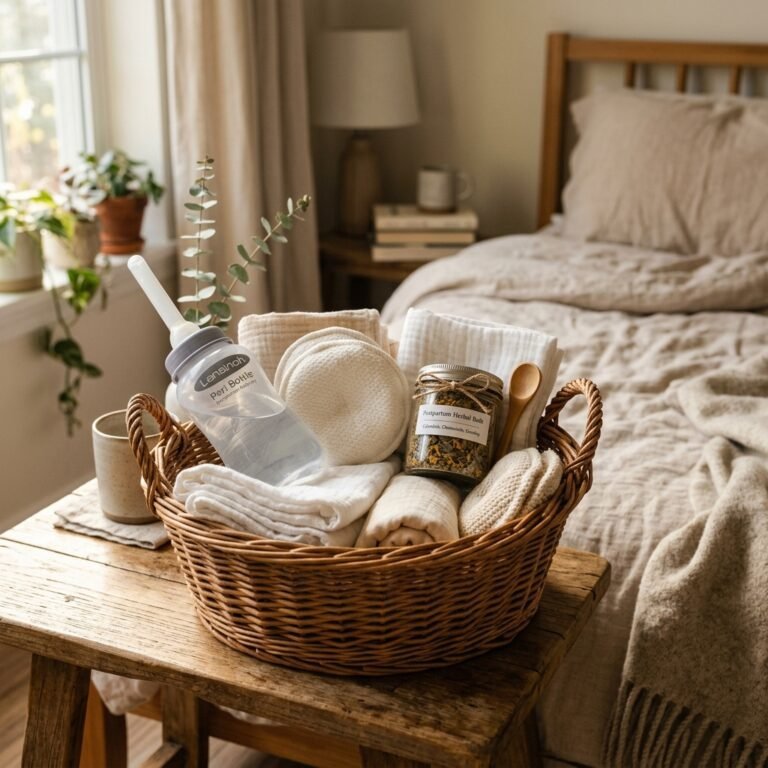
After delivery, the simple act of using the bathroom can feel daunting. Most hospitals provide a plastic squeeze bottle, but you can elevate this experience while being eco-conscious. A glass peri bottle with an angled nozzle is a sustainable upgrade that doesn’t leach microplastics into the warm water you’re using on your healing skin.
The Magic of the Herbal Rinse
Instead of using plain water, I love to recommend a ‘healing tea’ for your peri bottle. By buying herbs in bulk from a local apothecary, you save money and avoid the plastic packaging of pre-made sprays. Witch hazel, lavender, and calendula are the gold standards for postpartum soothing.
- Witch Hazel: Reduces swelling and eases hemorrhoids.
- Calendula: Known as the ‘mother of the skin’ for its regenerative properties.
- Comfrey: Supports rapid tissue repair (use externally only).
Simply brew a strong pot of these herbs, strain them well, and keep the liquid in your fridge. Fill your peri bottle with half herbal tea and half warm water for an instant, cooling relief that feels like a spa treatment for your nether regions.
3. Washable Nursing Pads & Silverette Cups
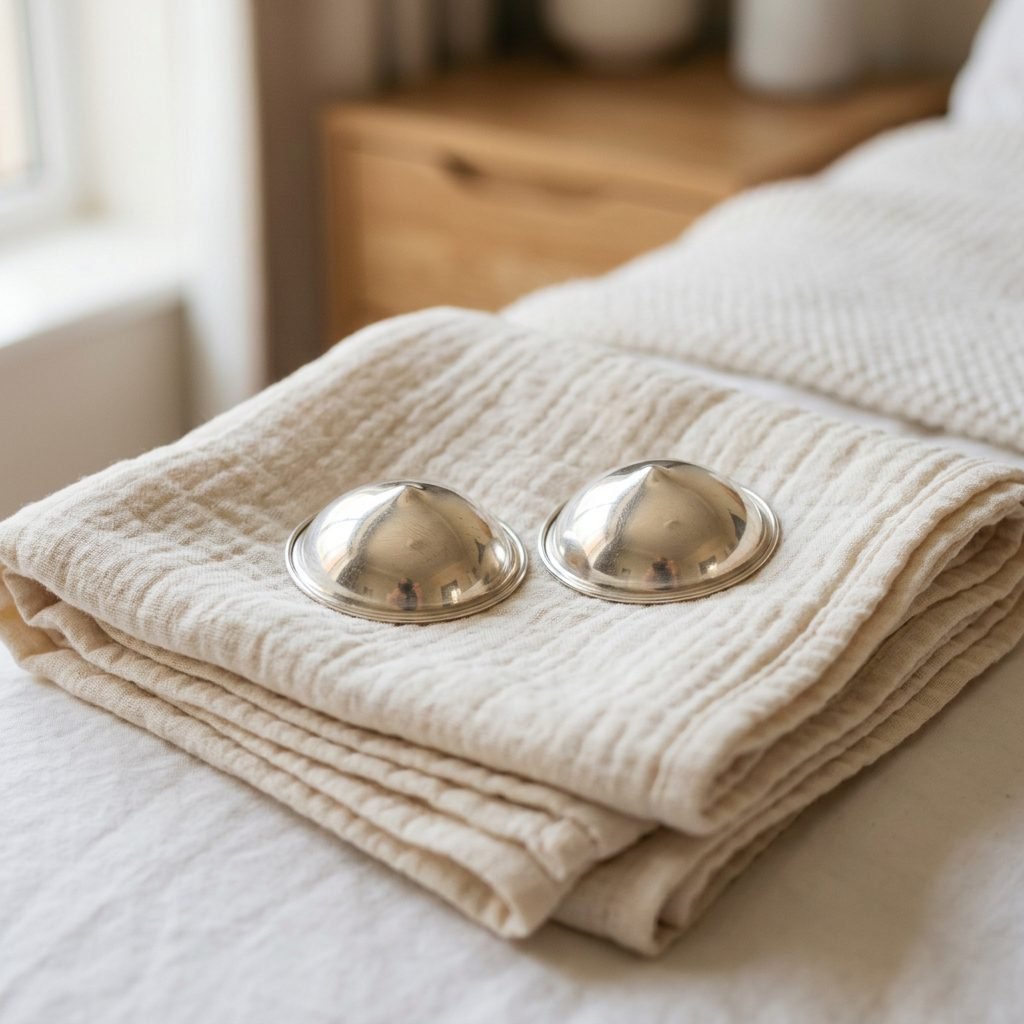
If you choose to breastfeed, you will likely experience ‘the leak.’ This usually happens at the most inconvenient times—like when you’re finally sleeping or standing in the grocery line. Disposable nursing pads are often scratchy and can stick to sore nipples (ouch!).
Softness You Can Wash
Washable bamboo nursing pads are incredibly soft and absorbent. They mold to your shape much better than the stiff disposable circles, making them nearly invisible under clothing. For those early days of cluster feeding when nipples can become cracked or sore, I highly recommend Silverette cups. These are small cups made of 925 silver that you place over your nipples. Silver has natural antimicrobial, antifungal, and antibacterial properties. While the initial investment is higher, they never ‘wear out,’ require no messy creams, and can be resold or passed down to a friend, making them a truly zero-waste healing tool.
“I stopped using nipple creams entirely once I got my silver cups. They were the only thing that actually helped me heal without ruinining my shirts with oil stains.” — A grateful mama client
4. Modern Cloth Diapering: The ‘Part-Time’ Approach

Diapering is perhaps the biggest source of waste in the first year of life. A single baby can go through 2,500 to 3,000 diapers in their first year alone! If the idea of full-time cloth diapering feels overwhelming while you are recovering, I want to give you permission to try the ‘part-time’ approach.
How to Save $1,000+
Even using cloth diapers just while you are at home can save you over $1,000 before your child is potty trained. Modern cloth diapers are not the flat sheets and safety pins your grandmother used; they come with snaps, Velcro, and adorable waterproof covers that are as easy to use as a disposable.
| Diapering Method | Cost per 2 Years | Environmental Impact |
|---|---|---|
| Disposable (Premium/Eco) | $2,000 – $2,500 | 6,000+ diapers in landfill |
| Cloth (New Stash) | $400 – $600 | Zero landfill waste |
| Cloth (Pre-loved/Second-hand) | $150 – $300 | Negative waste (reusing) |
Doula Tip: Don’t buy a full stash at once. Buy one or two different brands second-hand to see which fit your baby’s unique shape best before committing to a full set.
5. Bulk Meal Prep & Reusable Storage
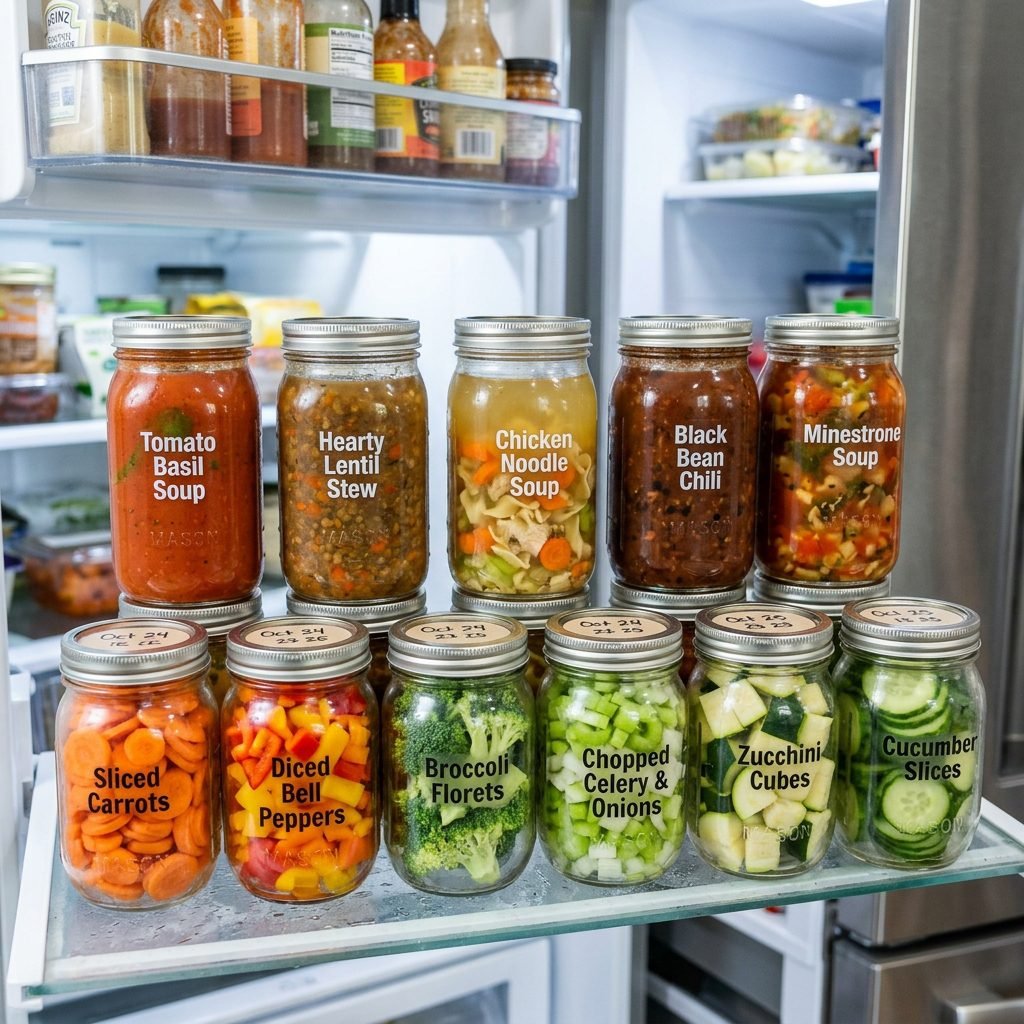
Nutrition is the cornerstone of postpartum recovery. Your body needs collagen, fats, and warm, easy-to-digest foods to rebuild tissue and support lactation. However, ‘convenience’ foods often come wrapped in layers of plastic and cardboard.
The Zero-Waste Kitchen Strategy
Before the baby arrives, or with the help of your village, focus on bulk meal prepping using glass containers or silicone bags. Instead of buying individual yogurt cups or snack packs, buy the largest sizes possible and portion them into small glass jars. Not only does this reduce waste, but it also ensures you aren’t consuming the hormone-disrupting chemicals often found in plastic food packaging (like BPA and phthalates).
Postpartum Pantry Essentials:
- Bone Broth: Store in large glass mason jars (leave room at the top for expansion if freezing!).
- Oatmeal/Lactation Bites: Buy oats and seeds from the bulk bins.
- Hydration: Use a high-quality stainless steel water bottle instead of plastic bottles. You need to drink significantly more water while nursing, and a 32oz bottle will be your best friend.
6. The Second-Hand ‘Fourth Trimester’ Capsule Wardrobe
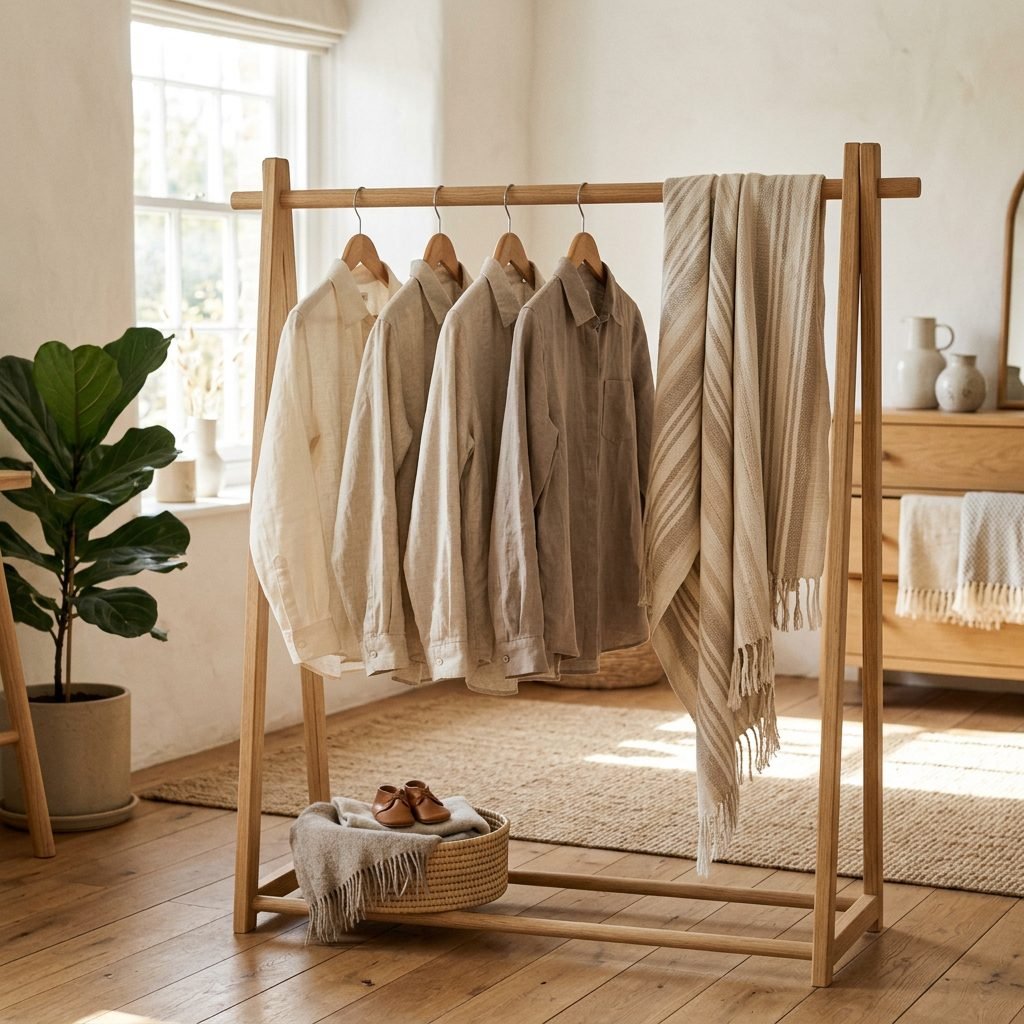
Your body is in a state of transition. You aren’t quite back in your pre-pregnancy jeans, but you’re tired of your maternity leggings. This ‘in-between’ phase often tempts mothers to buy a whole new wardrobe of cheap, fast-fashion loungewear. Resist the urge, mama!
Styling Sustainably
The most eco-friendly garment is the one that already exists. Look for high-quality, natural fibers like wool, linen, and organic cotton on second-hand platforms like Poshmark, ThredUp, or local mom-swap groups. A sustainable postpartum capsule wardrobe only needs a few key pieces:
- Two pairs of high-waist bamboo leggings: Gentle on C-section scars and soft on the belly.
- Three button-down linen shirts: Easy for nursing and they look ‘put together’ even when you feel exhausted.
- One oversized wool cardigan: For those postpartum night sweats and chills.
- A high-quality baby wrap: Using a woven wrap or ring sling made of natural fibers replaces the need for bulky, plastic-heavy strollers for short trips.
By choosing second-hand, you can afford luxury brands that use better materials for a fraction of the price of ‘fast fashion’ alternatives.
7. Mindful Gifting & The ‘No-New-Toys’ Rule

When people hear there is a new baby, they want to shower you with gifts. Often, this results in a flood of plastic toys that beep, flash, and eventually end up in a donation bin. This clutter can actually increase postpartum anxiety and ‘decision fatigue.’
Setting Boundaries with Love
It is perfectly okay to tell your friends and family that you are aiming for a low-waste nursery. Ask for ‘experience’ gifts, such as a subscription to a meal delivery service, hours of postpartum doula support, or a contribution to a college fund. If they insist on physical gifts, suggest wooden toys, organic cotton swaddles, or books.
“We asked our family to only buy board books or contribute to our diaper service. It kept the house so much calmer and we didn’t have to deal with boxes of plastic we didn’t want.”
Remember, newborns don’t need toys. They need your face, your voice, and the high-contrast patterns of the natural world. A simple wooden rattle or a silk scarf for sensory play is more than enough for the first many months.
Conclusion
You are the Heart of the Home
Mama, as you navigate these early weeks, remember that sustainability is a journey, not a destination. You don’t have to do all seven of these swaps perfectly to make a difference. Maybe you start with the reusable nursing pads and stick to disposable diapers for now—that is okay! The goal is to create a postpartum environment that feels nourishing to your soul and gentle on your new baby.
By choosing eco-friendly options, you are opting out of the ‘disposable’ culture and leaning into the ‘slow’ rhythm of motherhood. You are saving money, protecting your health, and teaching your little one from day one that we care for the world that sustains us. You’ve got this, sister. Rest deep, heal well, and enjoy the snuggles.