No-Cook Edible Greek Yogurt Paint: Safe and Taste-Safe Sensory Play for Babies
Oh, mama, I see you. You’re in that beautiful, exhausting, and utterly magical phase where your little one is starting to explore the world with their hands—and, let’s be honest, their mouth. As a doula and a fellow mom, I know that the transition into the world of sensory play can feel a bit daunting. You want to encourage their curiosity and support those blossoming neural pathways, but the thought of ‘traditional’ art supplies being swallowed is enough to make any parent’s heart race. That is exactly why I am so excited to share this No-Cook Edible Greek Yogurt Paint recipe with you today. It is more than just a craft; it is a safe, nourishing, and developmentally rich experience for your sweet pea.
Sensory play is the foundation of early childhood learning. When your baby squishes that cool, creamy yogurt between their tiny fingers, they aren’t just making a mess—they are learning about texture, temperature, and cause-and-effect. This ‘taste-safe’ approach means you can breathe a sigh of relief when they inevitably decide to turn their masterpiece into a snack. In this guide, we are going to walk through everything from the ‘why’ behind sensory integration to the practical ‘how-to’ of setting up a stylish, low-stress art studio right in your kitchen. Let’s embrace the mess together, knowing that these moments are the building blocks of a confident, curious child.
Remember, mama: the mess is temporary, but the neural connections they are building right now last a lifetime. You are doing an incredible job fostering their growth.
The Science and Soul of Sensory Play

Why do we place such a high value on sensory play? From a doula’s perspective, sensory engagement is about more than just keeping a baby occupied; it is about sensory integration. This is the process by which the brain organizes information from the environment so that the child can respond appropriately. For a baby, the world is a chaotic symphony of inputs. Sensory play, like painting with yogurt, provides a focused way for them to process tactile (touch), visual (sight), and gustatory (taste) information simultaneously.
Developmental Benefits of Edible Paint
- Fine Motor Skills: As your baby dips their fingers into the yogurt and drags them across a surface, they are refining the small muscles in their hands and wrists. This is a precursor to holding a pencil or using a spoon.
- Cognitive Growth: Noticing how two colors blend to create a third (like beet-red and blueberry-blue making purple) is a baby’s first lesson in science and logic.
- Language Development: Even if they aren’t talking yet, you can narrate the experience. Using words like cold, squishy, smooth, and bright builds their receptive vocabulary.
Beyond the brain science, there is an emotional component for you, too. Postpartum recovery isn’t just physical; it’s about finding new ways to bond with your baby as they grow. Engaging in this kind of play allows you to slow down, put the phone away, and simply observe the wonder in your child’s eyes. It’s a form of mindfulness for both of you.
Gathering Your Supplies: The Budget-Friendly Pantry List
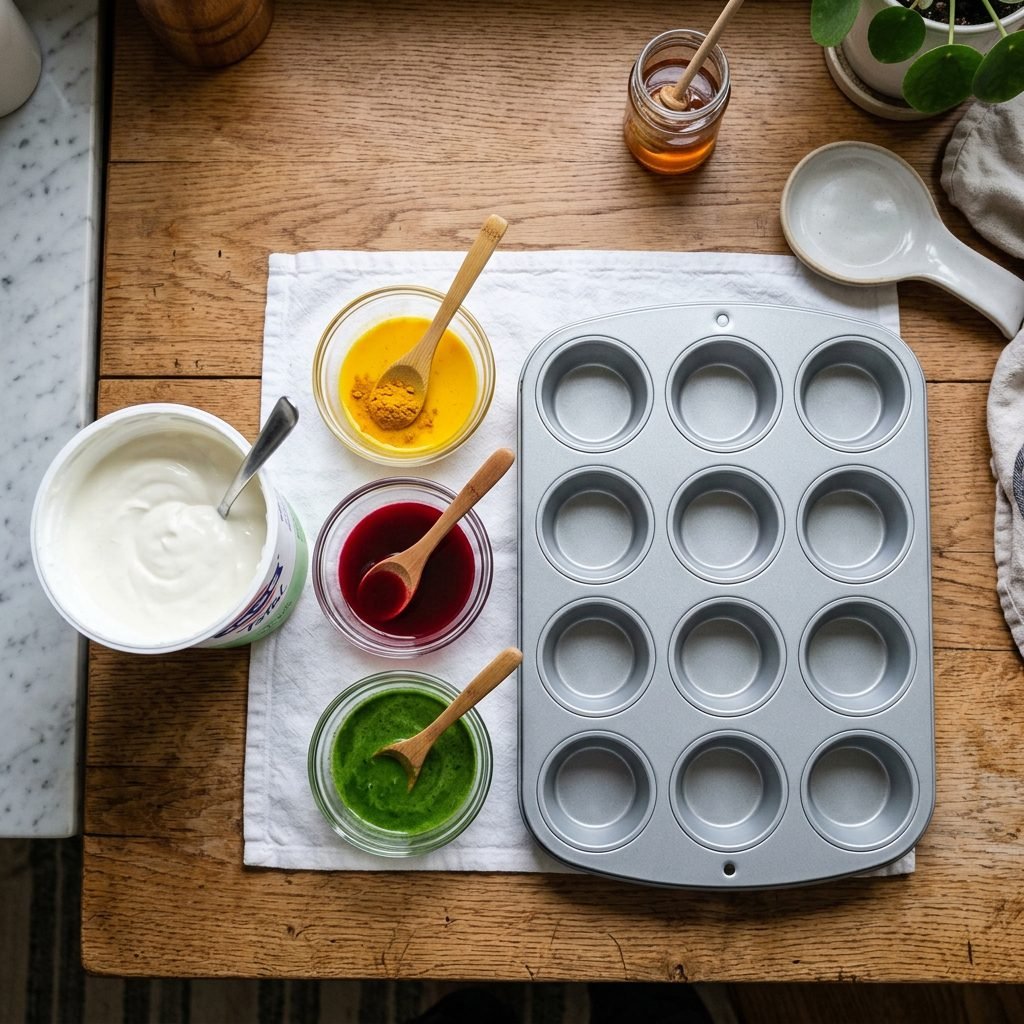
One of the best things about this activity is that you likely already have everything you need in your kitchen. We are keeping things non-toxic, organic, and budget-conscious. Greek yogurt is our preferred base because its thick consistency mimics actual acrylic paint much better than thinner, regular yogurt. Plus, the high protein and probiotic content make it a healthy ‘paint’ to ingest!
What You Will Need
| Item | Purpose | Estimated Cost |
|---|---|---|
| Plain Greek Yogurt | The ‘Paint’ Base (Thick and creamy) | $4.00 – $6.00 |
| Natural Food Colorants | Beet juice, turmeric, or spinach powder | $0.00 (from scraps) |
| Large White Paper | The canvas (Butcher paper works best) | $2.00 |
| Muffin Tin | To hold the different ‘paint’ colors | $0.00 (reused) |
| Silicone Mat | To protect your floors and define the space | $10.00 |
When choosing your yogurt, I always recommend full-fat, plain organic Greek yogurt. Avoid the flavored versions, as they often contain added sugars and artificial flavorings that we don’t want our little ones over-consuming. For the colors, you can use liquid food coloring, but for a truly ‘whole food’ experience, try using vegetable juices or powders. Turmeric makes a stunning yellow, beet juice creates a vibrant pink, and a tiny bit of spirulina or blended spinach provides a lovely green.
The No-Cook Tutorial: Mixing Your Masterpiece
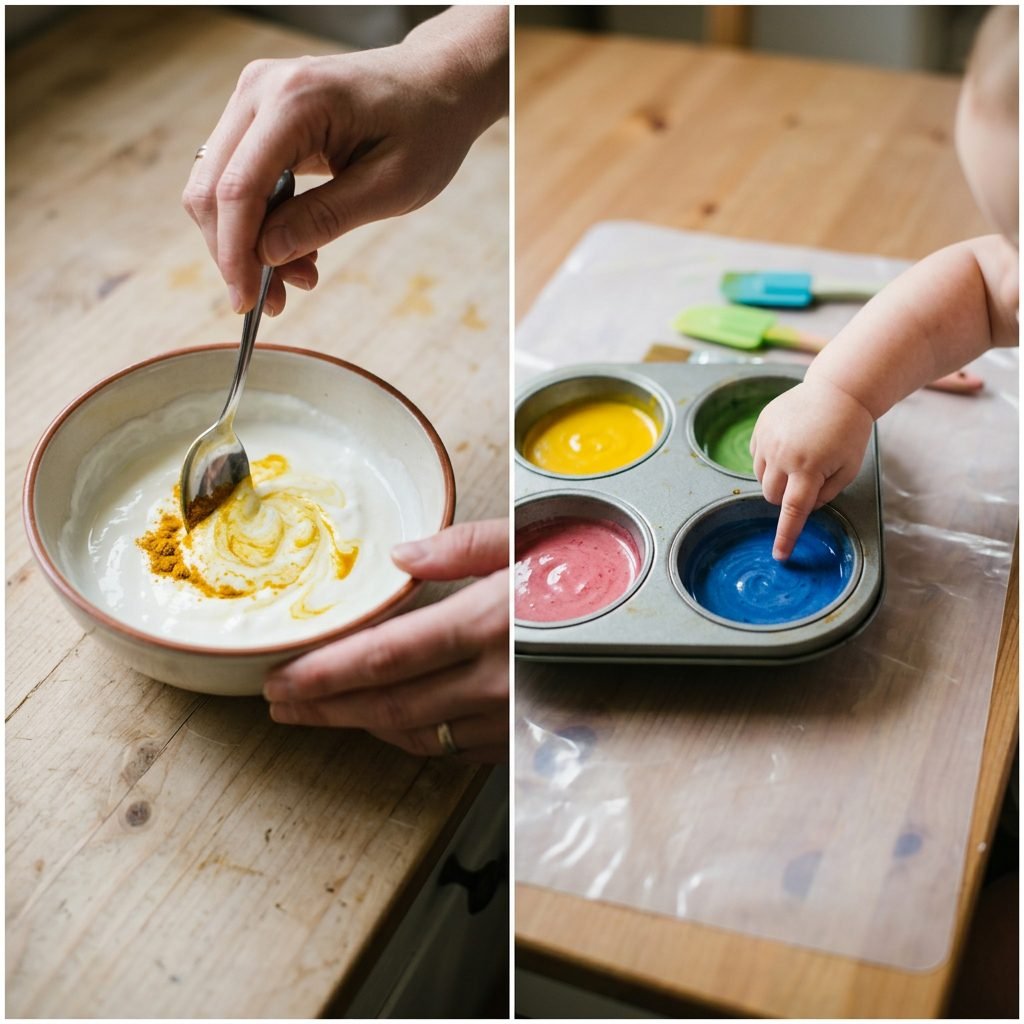
Ready to get your hands messy? This process is incredibly simple and requires zero heat, which is a win for busy moms. Follow these steps to create a palette that would make any artist envious.
- Portion the Base: Scoop about 1/4 cup of Greek yogurt into each well of a muffin tin or into separate small bowls.
- Add Your Pigment: Add a small amount of your natural colorant to each well. Start small! A little turmeric goes a long way. For liquid dyes, 2-3 drops are usually sufficient.
- Stir with Love: Use a small spoon or even a popsicle stick to fold the color into the yogurt until it is completely incorporated. You’re looking for a smooth, uniform hue.
- Prep the Canvas: Tape a large piece of butcher paper or several sheets of heavy cardstock to a flat surface. If your baby is still in a high chair, you can tape the paper directly to the tray.
- Set the Scene: Place the muffin tin within your baby’s reach. I like to start with just two colors so they don’t get overwhelmed, then introduce more as they play.
Pro-Tip: If the yogurt feels too thick for ‘painting,’ add a teaspoon of water or breastmilk to thin it out to your desired consistency.
As you mix, involve your baby! Let them watch the colors change. This is part of the ‘magic’ of the experience. Even at 7 or 8 months, they are taking in every detail of your movements and the transformation of the white yogurt into a rainbow.
Developmental Milestones: What to Look For During Play
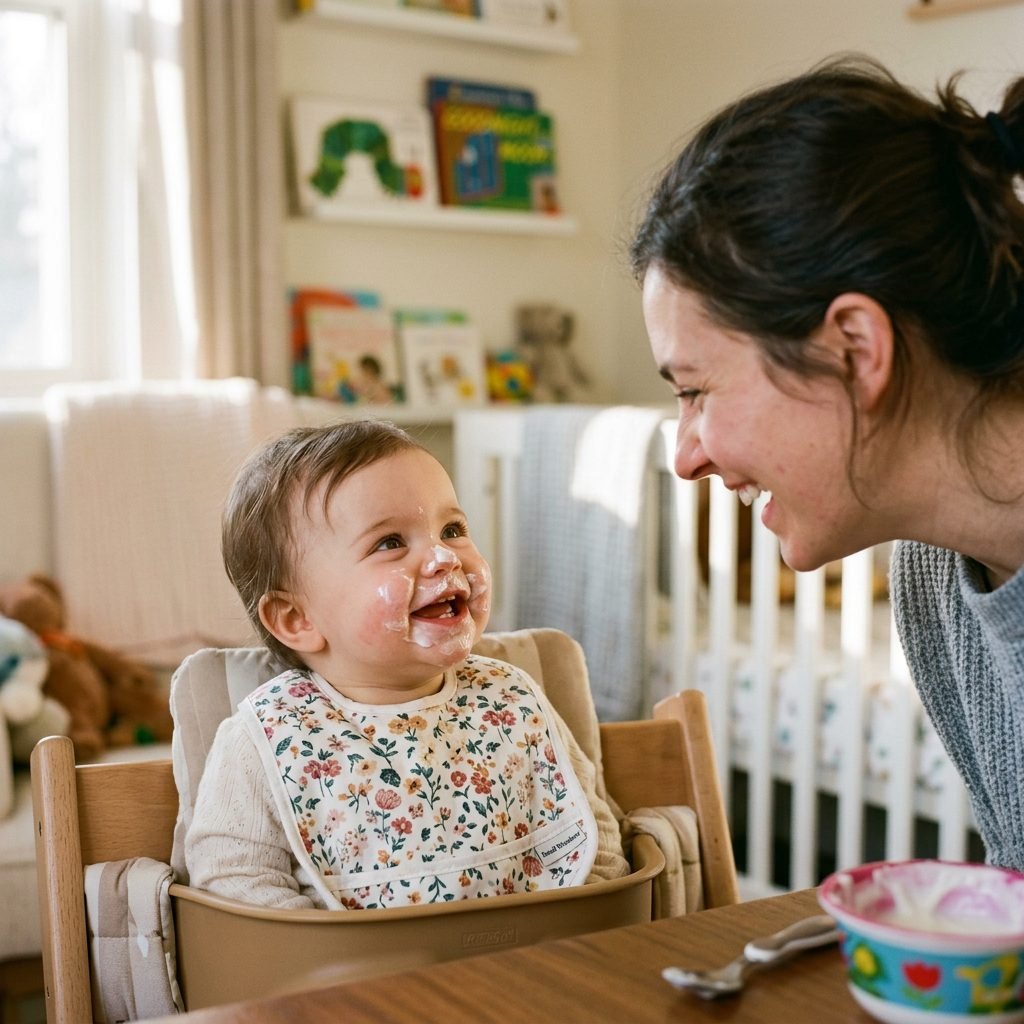
As your little Picasso gets to work, you might notice them hitting certain developmental milestones. This is the perfect time to pull out your camera (from a distance!) and document these ‘firsts.’ Sensory play is a great way to observe where your baby is on their growth journey.
Milestones in Motion
- The Pincer Grasp: Around 9-10 months, you might see your baby trying to pick up a single ‘blob’ of paint using their thumb and forefinger. This is a huge win for fine motor development!
- Midline Crossing: Watch to see if your baby reaches across their body with their right hand to touch paint on their left side. Crossing the midline is essential for later skills like reading and writing.
- Imitation: Try making a mark on the paper yourself. Does your baby try to copy your movement? This shows they are developing social learning skills.
- Sensory Preference: You might notice your baby loves the feeling of the paint but dislikes the taste, or vice versa. This is them developing their own unique sensory profile.
Don’t worry if your baby doesn’t immediately start ‘painting.’ Some babies are more cautious and may only want to poke the yogurt with one finger for the first ten minutes. That is perfectly okay! Follow their lead. The goal isn’t a finished piece of art to hang on the fridge (though you certainly can!); the goal is the exploration itself.
The Messy Mom Survival Guide: Cleanup and Styling

Let’s talk about the part that usually gives us pause: the cleanup. As a doula who focuses on maternal wellness, I want you to enjoy this, not dread the aftermath. With a little bit of prep, the cleanup can be done in under five minutes.
The ‘Minimal Stress’ Setup
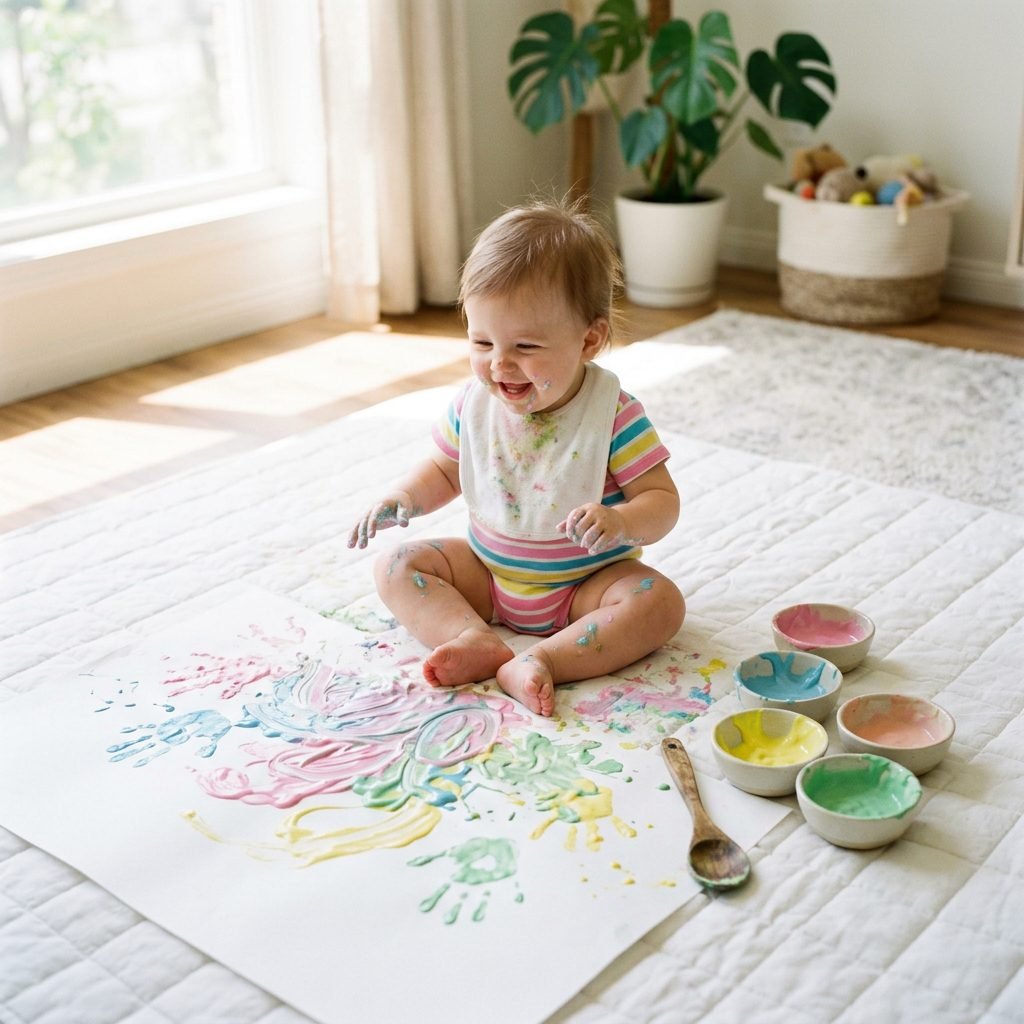
The secret to a quick cleanup is the ‘containment zone.’ I highly recommend doing this activity either in a high chair or on a large, wipeable silicone mat on the floor. If the weather is nice, take the ‘studio’ outside! Grass is the ultimate self-cleaning carpet.
Cleanup Hacks
- The Wet Rag Rule: Have a damp microfiber cloth or a stack of baby wipes ready before you start. Don’t wait until the paint is everywhere to go looking for them.
- The Bathtub Finish: Many moms find it easiest to transition straight from the paint mat to the bathtub. It’s a two-for-one activity! The ‘paint’ washes off skin and hair instantly with warm water.
- Protect the Clothes: Use a full-coverage silicone bib with a pocket or, better yet, let your baby play in just their diaper. It’s one less thing to wash!
If you want to save the artwork, keep in mind that yogurt paint will eventually crack and peel as it dries. To preserve a ‘masterpiece,’ I recommend taking a high-quality photo of it while it’s still wet. You can even print it and frame it for a stylish, modern nursery look that holds deep sentimental value.
Safety First: Allergies, Storage, and Precautions
Safety is our top priority. While this paint is ‘taste-safe,’ there are a few things to keep in mind to ensure a happy and healthy experience for your little one. First and foremost, ensure your baby has already been introduced to dairy and has shown no signs of an allergy before using Greek yogurt as a base.
Important Safety Guidelines
- Honey Warning: Never use honey to sweeten or thicken the paint if your baby is under 12 months old, due to the risk of botulism.
- Choking Hazards: If you are using natural dyes like blueberries, ensure they are blended completely smooth. No whole berries should be in the paint.
- Freshness Matters: Because this is a food product, it cannot be stored at room temperature. If you have leftover paint, you can keep it in an airtight container in the fridge for up to 2 days, but always check for freshness before the next play session.
- Supervision: Never leave your baby unattended during sensory play. Even though the paint is safe, they still need your gentle guidance and a watchful eye.
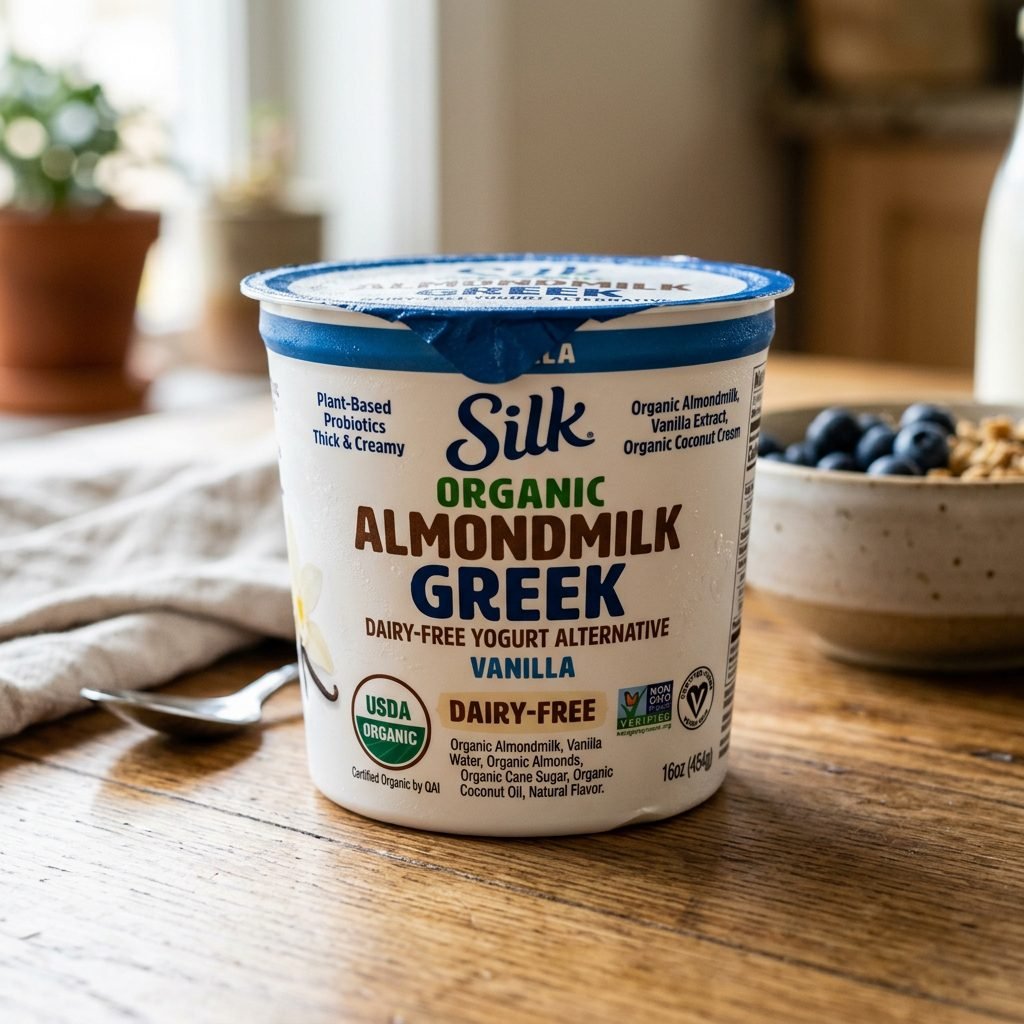
If your baby has a dairy sensitivity, don’t worry! You can easily swap the Greek yogurt for a coconut-based or soy-based yogurt alternative. The consistency might be slightly thinner, but the joy and developmental benefits remain exactly the same. We want every baby to be able to join in on the fun!
Conclusion
Mama, you’ve just created a world of wonder in a simple muffin tin. By choosing to engage in this No-Cook Edible Greek Yogurt Paint activity, you are nourishing your baby’s mind and soul (and maybe even their tummy!). These early days of exploration are so fleeting, and taking the time to lean into the mess is a gift to both you and your child. You are teaching them that the world is a safe place to explore, that their curiosity is valued, and that you are right there beside them as their biggest cheerleader. So, take a deep breath, grab that yogurt, and enjoy the beautiful, colorful chaos. You’ve got this!