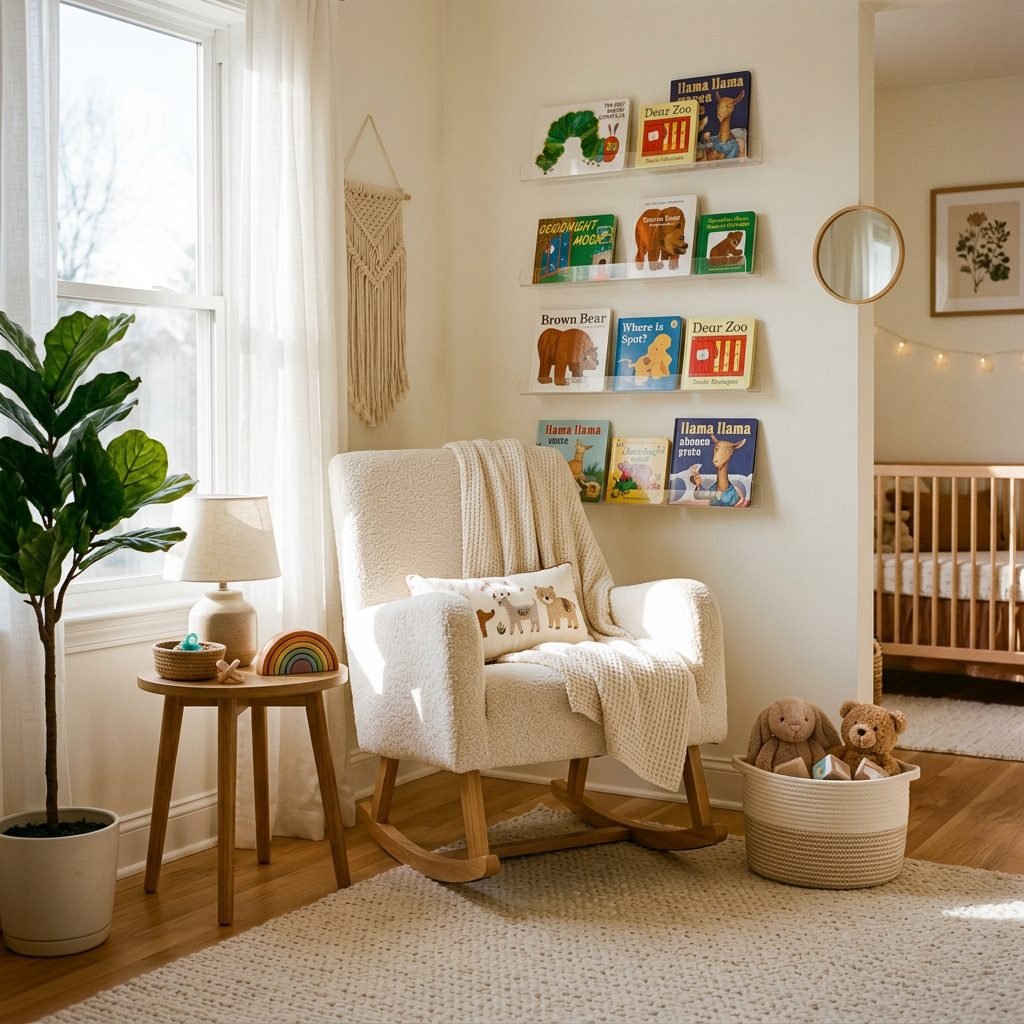
15 Must-Have Classic Board Books to Build Your Baby’s First Library
Welcome, sweet mama! Whether you are nesting in your third trimester, holding a sleeping newborn on your chest, or planning a beautiful baby shower for a best friend, there is something undeniably magical about building a baby’s first library. Long before your little one can sound out vowels or trace letters, books serve as the ultimate bridge for connection, sensory exploration, and comfort.
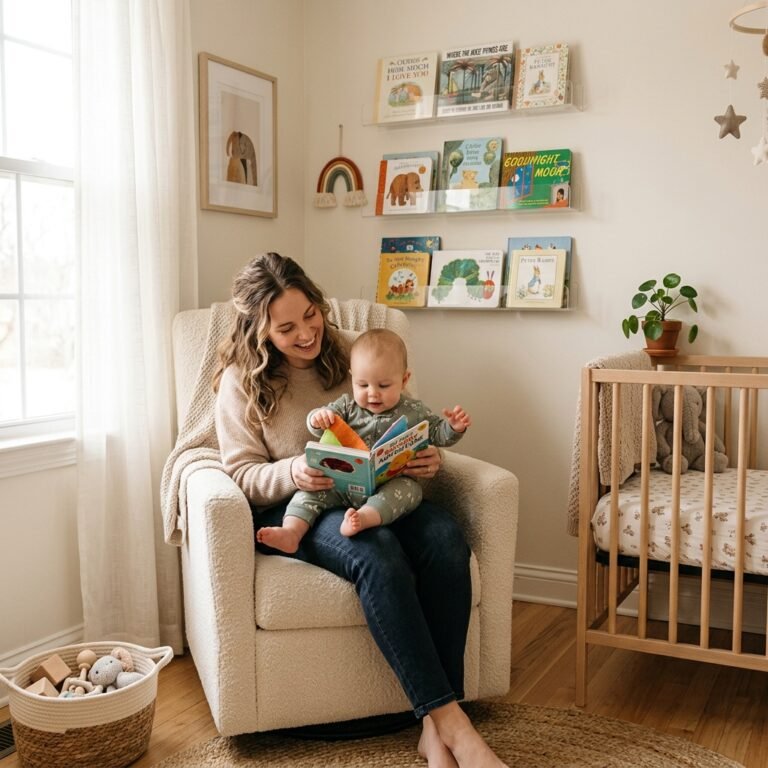
As a doula and pediatric sleep specialist, I always tell parents that reading to your baby isn’t about teaching them to read early—it is about the sound of your voice. It is about the rhythmic, soothing cadence that regulates their tiny nervous systems and signals that they are safe. Board books, with their thick, chewable pages, high-contrast illustrations, and interactive flaps, are the perfect developmental tools for those first incredible years.
In this guide, we are going to dive deep into the 15 absolute must-have classic board books that deserve a spot on your registry. We will also cover how to organize a stylish, space-saving nursery reading nook, understand your baby’s reading milestones, and even how to host a “Books Instead of Cards” baby shower. Grab a cup of red raspberry leaf tea, get cozy, and let’s start building a library filled with love.
The Developmental Magic of Early Reading (and Why Sturdy Pages Matter)
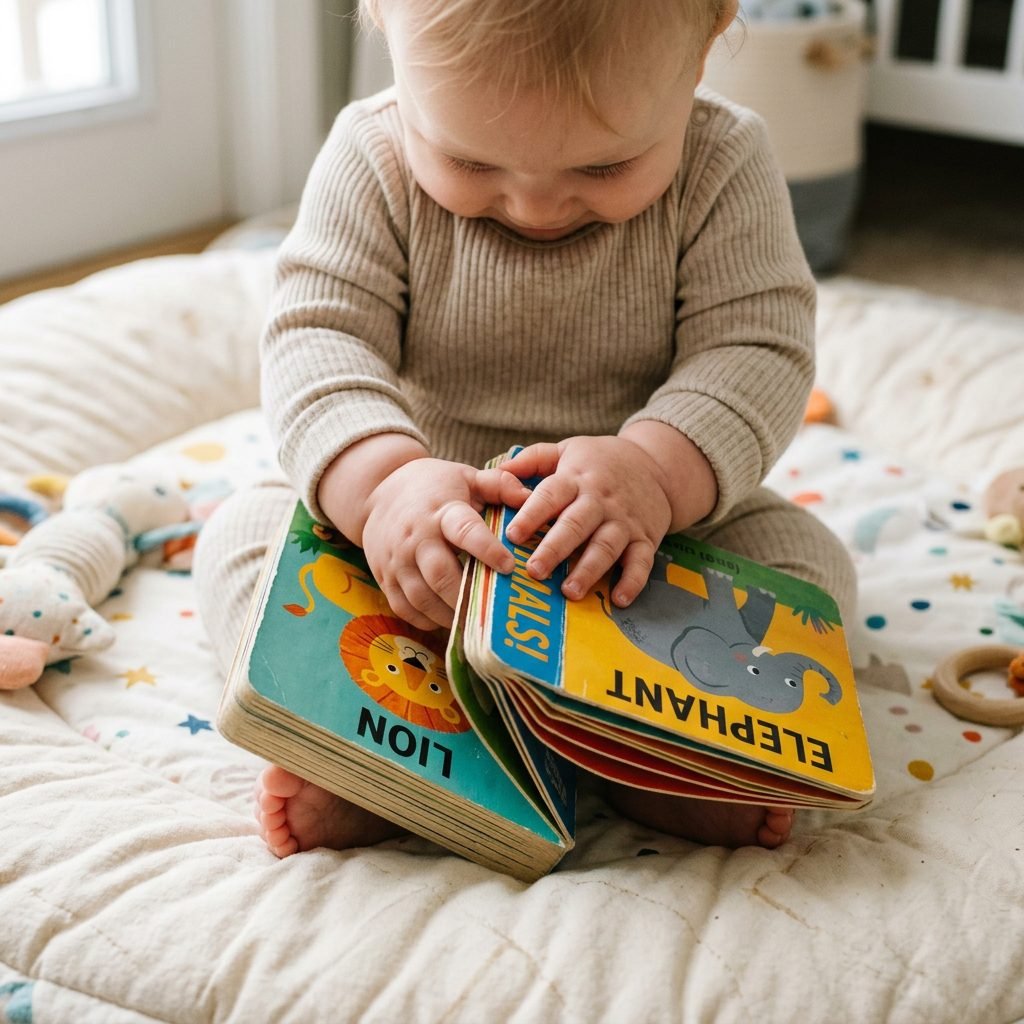
You might be wondering, “Why do I need so many board books when my baby just wants to chew on them?” Mama, that chewing is exactly why you need them! Babies explore the world through their mouths and hands long before they understand complex visuals. Board books are specifically designed to withstand this beautiful, messy sensory play.
From a developmental standpoint, reading to your infant offers incredible benefits. The high-contrast images (especially black, white, and red) stimulate a newborn’s developing optic nerve. As they grow, turning the thick pages helps develop the pincer grasp and fine motor skills. Furthermore, the rhyming structures in classic books build phonetic awareness, and the repetitive nature creates a sense of predictability and security, which is absolutely vital for a smooth bedtime routine.
Comparing Your Baby’s Book Options
When you are building your registry or organizing the nursery, it helps to know which types of books serve which purpose. Here is a handy guide to help you curate the perfect mix:
| Book Type | Best Age Range | Developmental Benefit | Durability & Care |
|---|---|---|---|
| Board Books | 0 – 3 Years | Fine motor skills (page turning), visual tracking, sensory exploration. | Extremely durable. Wipeable with a slightly damp cloth. Can withstand chewing. |
| Cloth/Crinkle Books | 0 – 12 Months | Tactile stimulation, auditory feedback (crinkling), safe for independent crib play. | Machine washable (usually). Very soft, impossible to tear. |
| Bath Books | 6 – 24 Months | Water play, distraction during bathing, early routine building. | Waterproof plastic/vinyl. Must be dried completely to prevent mold. |
| Paper Picture Books | 3+ Years | Complex storytelling, longer attention span building, advanced vocabulary. | Fragile. Best kept on high shelves out of reach of tiny, tearing hands. |
As you can see, board books are the true workhorses of the baby library. They are the books that will travel in the diaper bag, survive the teething phase, and be read so many times you will have them memorized.
The Core Collection: 15 Timeless Board Books for Your Registry
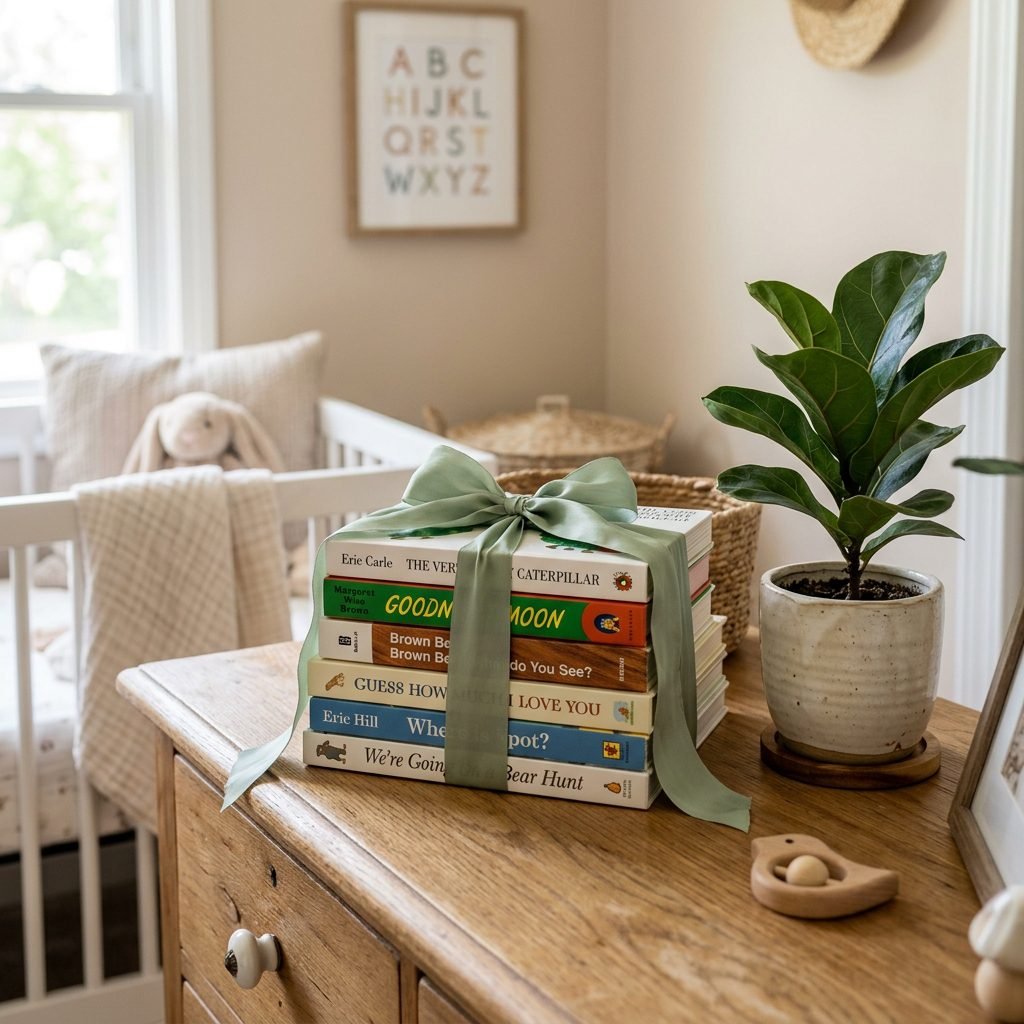
Let’s get to the fun part! These 15 classic board books have stood the test of time for a reason. They offer the perfect blend of soothing rhythm, engaging visuals, and interactive elements. I have broken them down into categories so you can ensure your baby’s library is well-rounded.
The Bedtime Soothers
These books are pediatric sleep consultant approved for their hypnotic rhythms and calming color palettes. They are perfect for the end of your nighttime routine.
- Goodnight Moon by Margaret Wise Brown: The ultimate classic. The slow, repetitive cadence of saying goodnight to every object in the great green room acts as a verbal lullaby, cueing your baby’s brain that it is time to transition to sleep.
- The Going to Bed Book by Sandra Boynton: A delightfully silly but deeply rhythmic book about animals getting ready for bed on a boat. The rhyming is impeccable, making it a joy for parents to read aloud.
- Guess How Much I Love You by Sam McBratney: A beautiful, emotional story about a parent’s boundless love. The soft watercolor illustrations are incredibly soothing for winding down.
- Time for Bed by Mem Fox: With gentle, dark watercolor illustrations and repetitive, rhythmic text (“It’s time for bed, little mouse, little mouse”), this book is a masterclass in sleep-inducing literature.
Interactive & Sensory Explorers
When your baby is awake and ready to play, these books encourage them to point, touch, and engage with the world.
- The Very Hungry Caterpillar by Eric Carle: Beyond the beautiful collage art, the brilliant die-cut holes in the pages allow tiny fingers to poke through, blending reading with tactile fine-motor practice.
- Pat the Bunny by Dorothy Kunhardt: One of the original interactive books. Your baby will love feeling the soft bunny, playing peek-a-boo with the cloth, and looking in the mirror.
- Where Is Baby’s Belly Button? by Karen Katz: The ultimate lift-the-flap book. It teaches body parts while playing on a baby’s natural love for peek-a-boo, which helps develop object permanence.
- Dear Zoo by Rod Campbell: Another fantastic lift-the-flap classic that introduces animal names and sounds. The sturdy flaps are surprisingly resilient against enthusiastic little hands.
Rhythm, Rhyme & Language Builders
These books are upbeat, fun, and designed to help your baby’s brain recognize phonetic patterns.
- Brown Bear, Brown Bear, What Do You See? by Bill Martin Jr. & Eric Carle: The bold, high-contrast colors are perfect for newborn eyes, while the repetitive question-and-answer format is excellent for early language acquisition.
- Chicka Chicka Boom Boom by Bill Martin Jr. & John Archambault: A rhythmic, musical introduction to the alphabet. The syncopated beat of the text is incredibly engaging for babies and toddlers alike.
- Jamberry by Bruce Degen: A joyous, bouncy celebration of berries and bears. The made-up words and internal rhymes make this one of the most fun books to read out loud.
- We’re Going on a Bear Hunt by Michael Rosen: This book practically begs for sound effects! Swishy swashy grass and splish splash rivers make for an immersive, auditory reading experience.
Emotional Connection & Bonding
These are the tear-jerkers, mama. The ones that put into words the overwhelming love you feel for your little one.
- On the Night You Were Born by Nancy Tillman: A magical, poetic celebration of your baby’s arrival. The illustrations are mesmerizing, and the message is one of pure, unconditional love.
- The Runaway Bunny by Margaret Wise Brown: A reassuring tale of a mother’s steadfast presence. It is a beautiful way to communicate safety and attachment to your baby.
- Wherever You Are, My Love Will Find You by Nancy Tillman: Another beautiful Tillman classic that reassures your child that your love follows them everywhere, providing a deep sense of emotional security.
Designing the Perfect Nursery Reading Nook
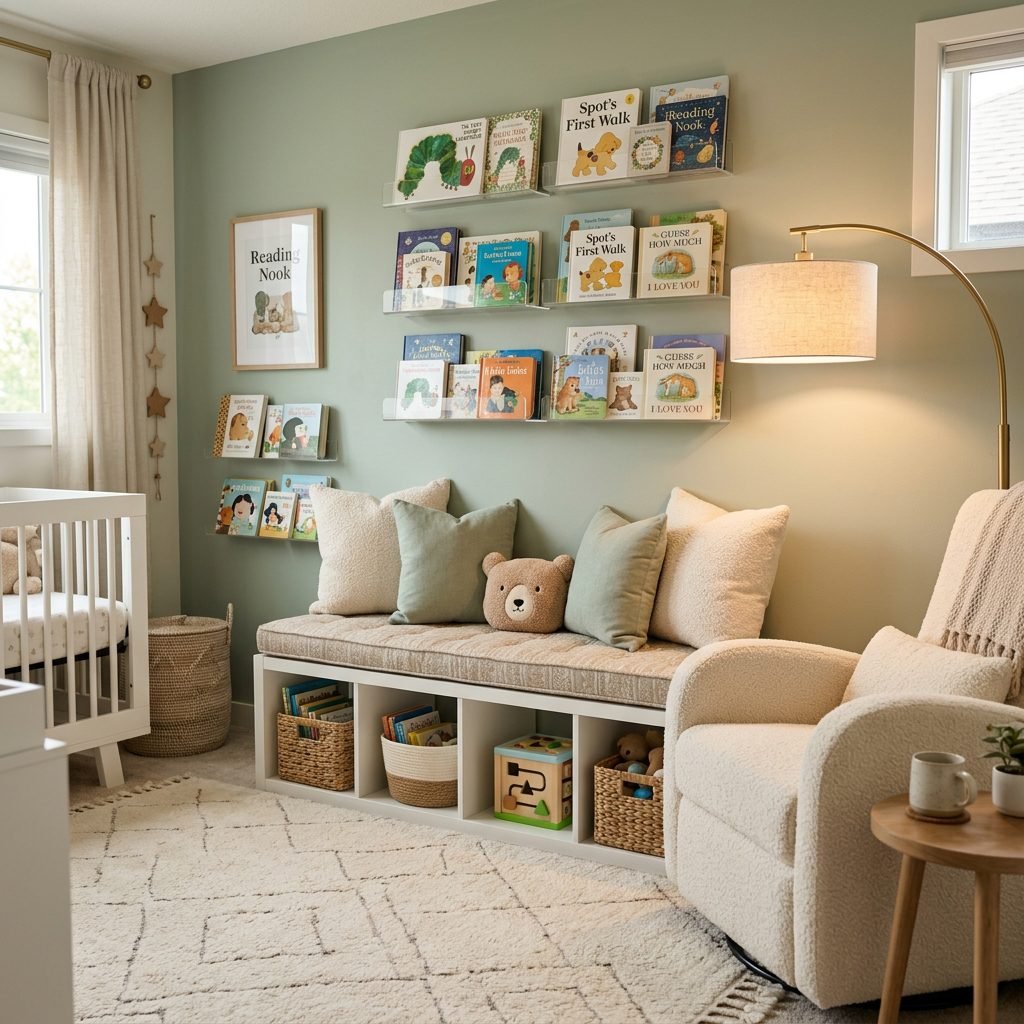
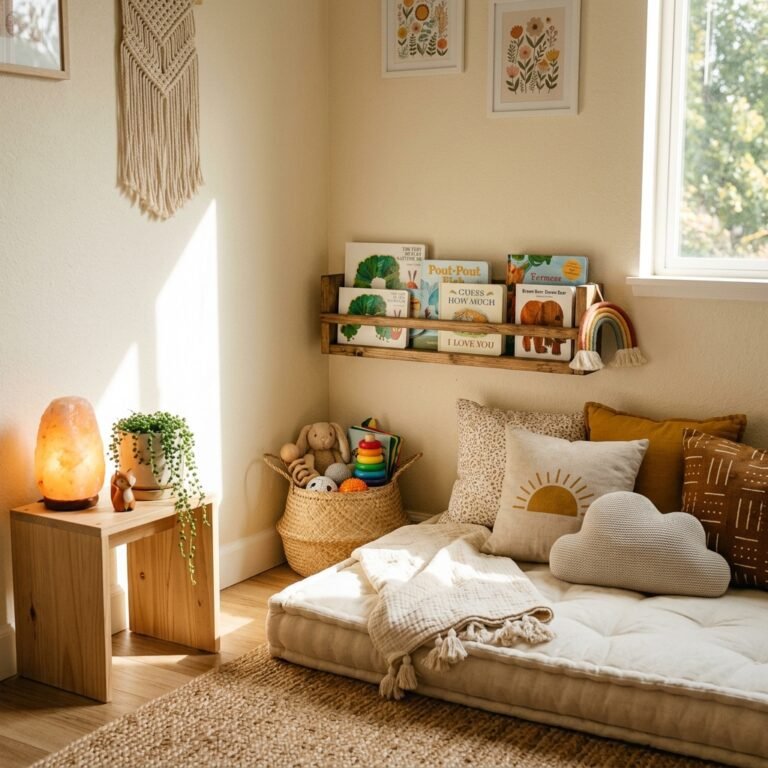
Now that you have this beautiful collection of books, where do they go? As an interior organizer, I always recommend creating a dedicated reading nook in the nursery. It doesn’t require a massive footprint—even the tightest corners can be transformed into a cozy, functional space for connection.
Storage Hacks for Small Spaces
The secret to nursery book organization is front-facing storage. Babies and toddlers choose books based on the cover art, not the spine. Storing books with the covers facing out encourages independence and makes the space look incredibly stylish.
- Acrylic Floating Shelves: These are a nursery design staple. Mounted low to the ground, clear acrylic shelves allow the colorful covers of the board books to act as the room’s artwork. Plus, they take up zero floor space!
- The IKEA Kallax Hack: Turn a 1×4 Kallax unit on its side, add a custom foam cushion on top for seating, and use the cubbies below for book bins. It is a budget-friendly bench and bookshelf in one.
- Picture Ledges: Wooden picture ledges (like the IKEA Mosslanda) are inexpensive and perfect for displaying a rotating seasonal collection of board books.
Nursery Reading Nook Budget & Checklist
| Item | Purpose | Estimated Budget |
|---|---|---|
| Comfortable Glider/Rocker | Essential for comfortable nursing and late-night reading sessions. Look for lumbar support. | $200 – $800 |
| Front-Facing Shelves (Acrylic or Wood) | Displays books beautifully and allows easy access for toddlers. | $30 – $60 (Set of 4) |
| Soft, Washable Rug | Provides a safe, cushioned area for floor reading and tummy time. | $50 – $150 |
| Warm, Dimmable Lighting | Crucial for bedtime reading without overstimulating the baby’s melatonin production. | $40 – $80 |
| Woven Storage Basket | A stylish catch-all for library books or overflow board books. | $20 – $40 |
Age-by-Age Guide: How Your Baby Experiences Books
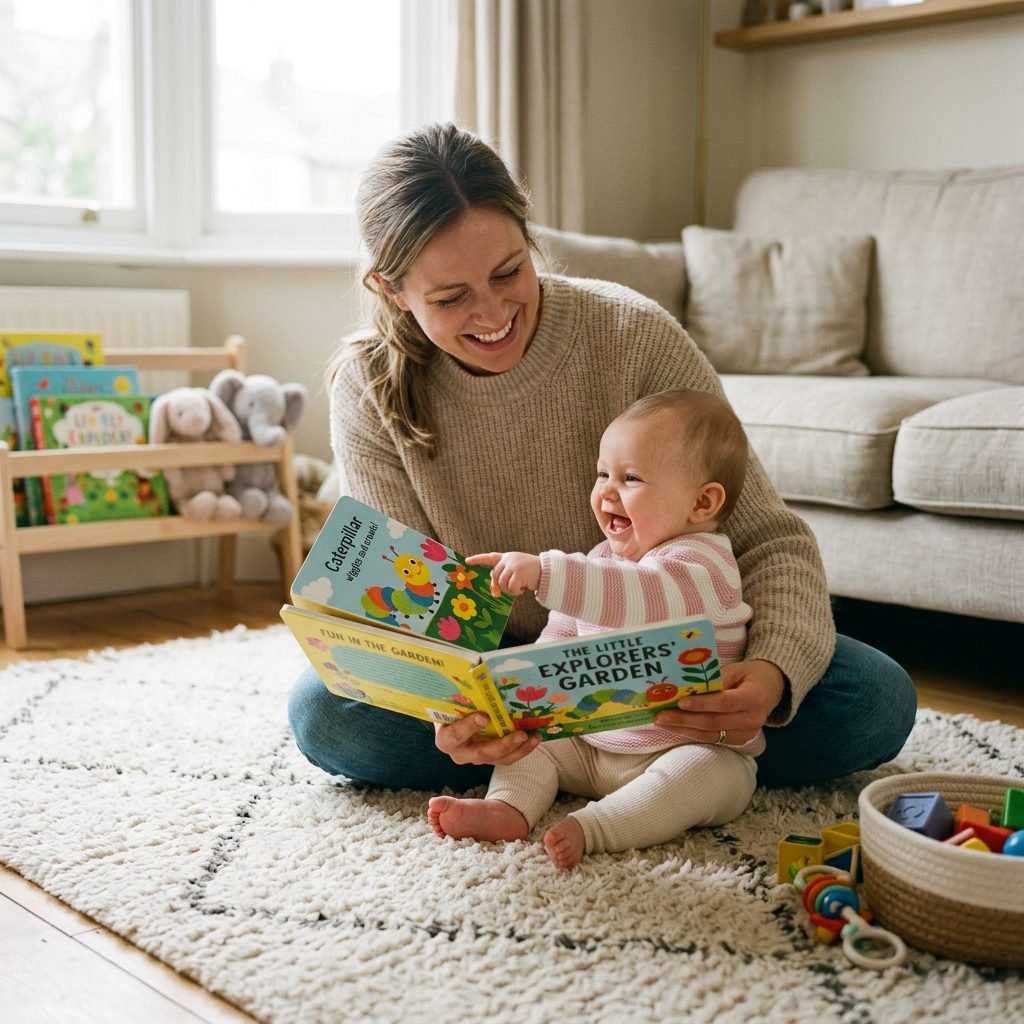
It is incredibly reassuring to know exactly what to expect as your baby grows. They won’t sit perfectly still and listen to a story right away, and that is completely normal! Here is a realistic, doula-approved timeline of how your baby will interact with their new library.
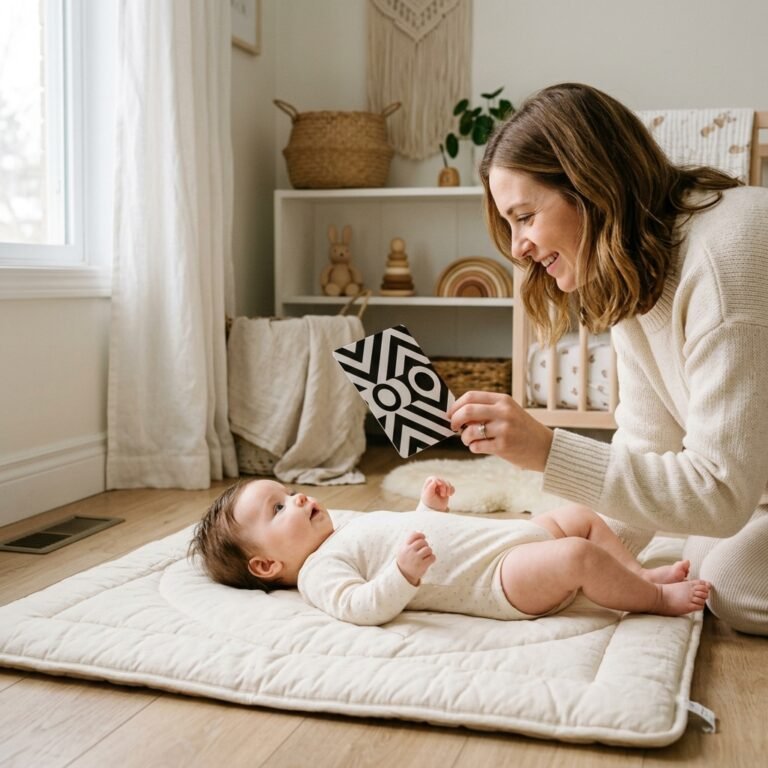
- 0-3 Months (The Visual Stage): Newborns have limited vision, seeing mostly in black, white, and gray. Hold high-contrast board books about 8 to 12 inches from their face during tummy time. They won’t understand the story, but they will be captivated by the bold shapes and the soothing tone of your voice.
- 4-6 Months (The Tactile Stage): Welcome to the grabbing and chewing phase! Your baby will want to hold the book, smack the pages, and immediately put it in their mouth. This is why sturdy board books are essential. Let them explore the book physically—this is how they learn!
- 7-12 Months (The Interactive Stage): Your baby is developing their pincer grasp and will start wanting to turn the chunky board pages themselves (often skipping chunks of the story—just roll with it!). They will begin pointing at pictures. You can encourage this by asking, “Where is the doggy?” and guiding their hand.
- 12-18 Months (The Routine Stage): Toddlers thrive on predictability. They will likely start bringing books to you and may demand the same book ten times in a row. This repetition is vital for their brain development and language acquisition.
A Sisterly Reminder: If your baby crawls away while you are reading, keep reading out loud! Their little ears are still listening, and you are still providing that comforting auditory backdrop to their play.
Baby Shower Magic: Hosting a ‘Books Instead of Cards’ Celebration
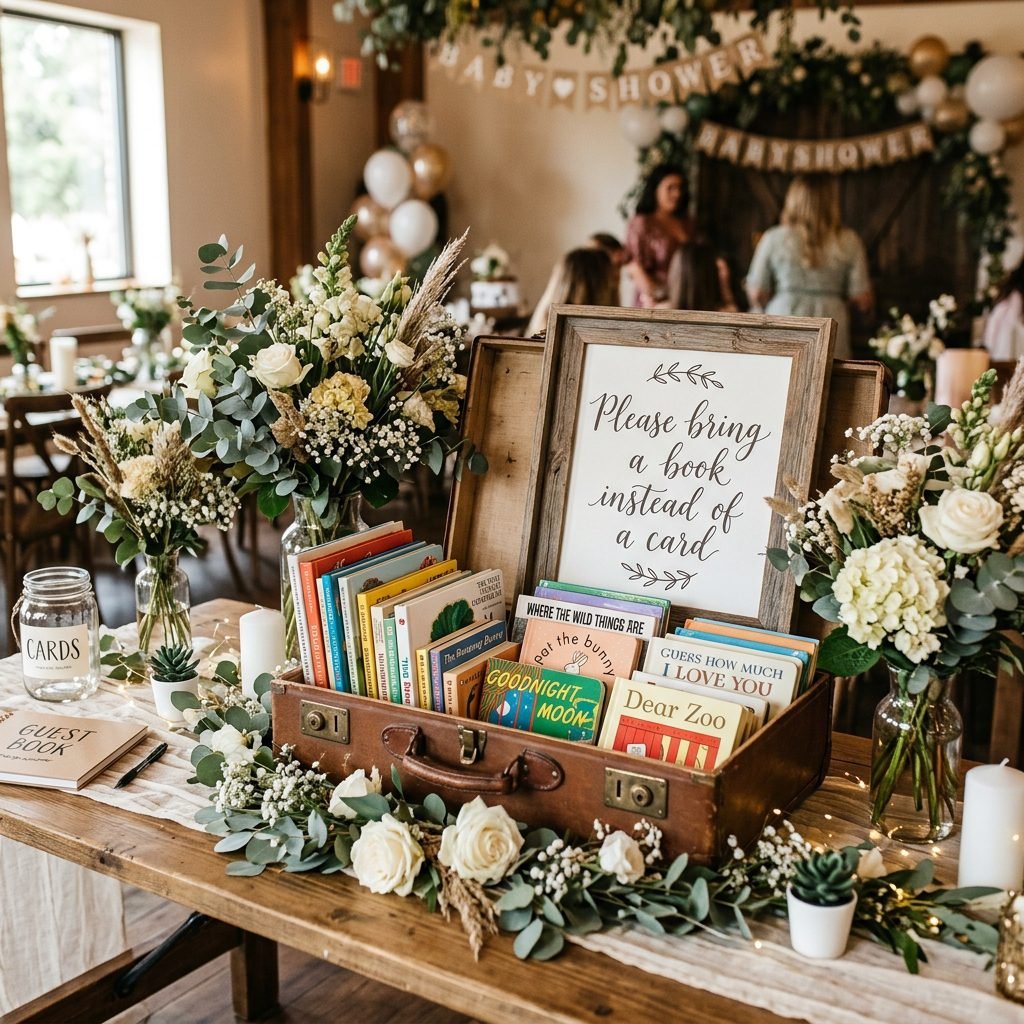
If you are a hostess or a best friend planning a baby shower, one of the most beautiful and practical trends is asking guests to bring a book instead of a greeting card. Cards are expensive (often $5-$7 each!) and usually end up in a drawer. A board book costs roughly the same, but it will be cherished and used for years.
How to Word the Invitation
It can sometimes feel awkward to dictate gifts, but guests actually love this idea because it feels deeply personal. You can include a small insert card with the shower invitation using a sweet, rhyming script.
Copy & Paste Invitation Script:
One small request that won’t be too hard,
Please bring a book instead of a card.
Whether well-loved or brand new,
Please sign the inside with a message from you.
By signing your book, we will remember and share,
This special gift from you, even when you’re not there!
Creating a Bookplate Station
To make the shower even more special, set up a “Bookplate Station.” Purchase beautiful, adhesive bookplates (labels that go inside the front cover of a book). Provide fine-tip archival pens and ask guests to write their hopes, prayers, or advice for the baby. As the mother reads these books in the middle of the night, she will be reminded of the village of women who love and support her.
Styling the Shower Display
Instead of a traditional gift table, use a vintage wooden bookcase, a rustic wagon, or an open vintage suitcase to display the books as guests arrive. Add a beautiful floral arrangement and a framed sign explaining the bookplate station. It creates a stunning, aesthetic focal point for the party while keeping everything organized.
Conclusion
Building your baby’s first library is about so much more than just collecting beautiful items for the nursery. It is about laying the foundation for a lifetime of curiosity, connection, and comfort. Those thick, chewed-up board book pages will soon hold the memories of late-night snuggles, first giggles, and the quiet, sacred moments between you and your child.
Remember, mama, there is no “perfect” way to read to your baby. If you skip pages, if you make up your own words, or if you just look at the pictures while your baby chews on the corner of The Very Hungry Caterpillar, you are doing it exactly right. Give yourself grace, enjoy the snuggles, and have fun building this beautiful library.