10 Genius Things to Pack in a Big Sibling Hospital Bag to Keep Them Busy
Welcoming Your Second (or Third!) Love
Oh, sweet mama, I see you. You are navigating that beautiful, bittersweet threshold of expanding your family. While your heart is bursting with excitement for your new arrival, it is completely normal to feel a little pang of ‘mama guilt’ for your firstborn. You’re wondering: How will they handle the hospital? Will they feel replaced? How on earth do I keep a toddler entertained in a tiny recovery room while I’m healing?
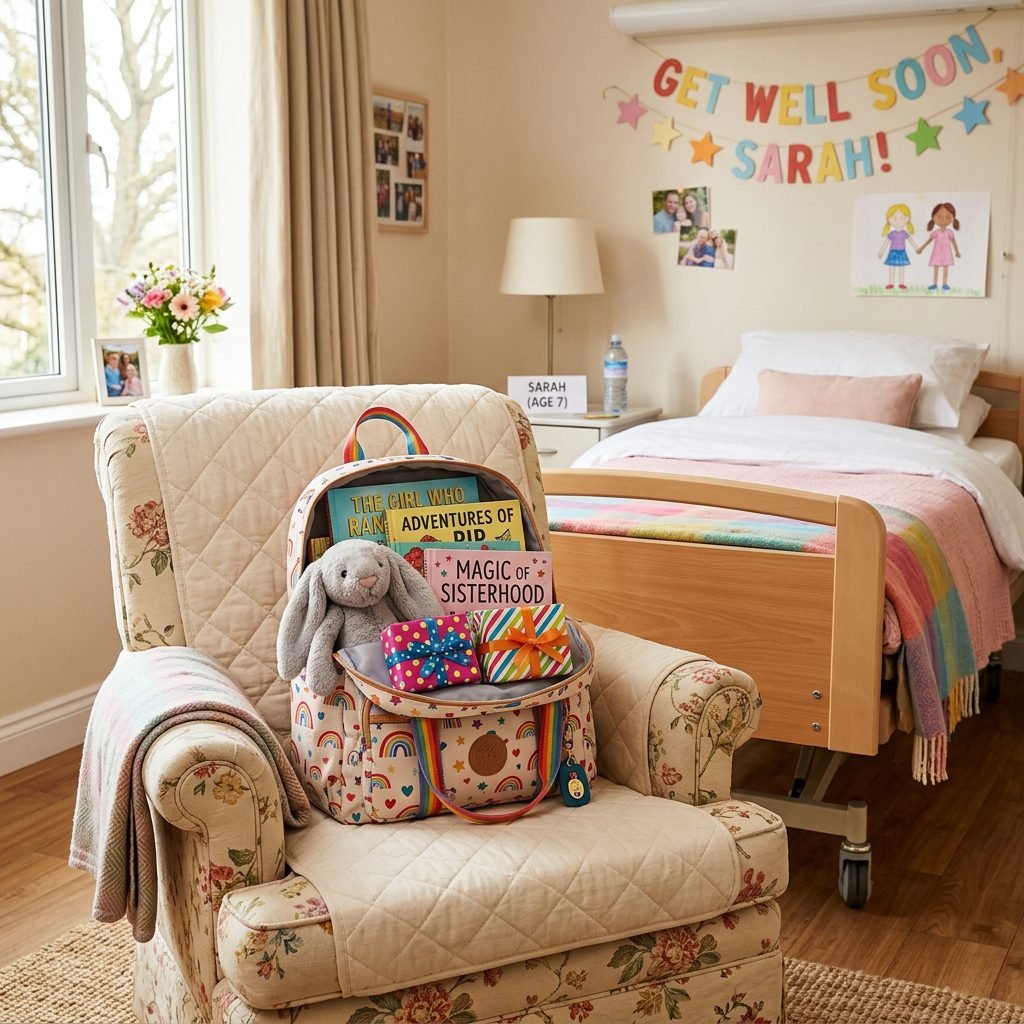
As a doula and a mama who has been in those hospital socks myself, I’m here to tell you that with a little bit of intentional ‘big sibling’ magic, this transition can be one of the most beautiful memories of your life. The secret lies in the Big Sibling Hospital Bag. This isn’t just a bag of toys; it’s a curated kit designed to make your oldest child feel seen, celebrated, and—most importantly for your sanity—occupied. We want them to associate the new baby’s arrival with fun, importance, and a sense of ‘I have a big job now!’
In this guide, we’re going to dive into 10 genius, evidence-based items that serve a dual purpose: they keep little hands busy and little hearts full. From mess-free crafts to the ‘Gift from the Baby’ strategy, let’s pack a bag that ensures your first baby feels just as special as the new one.
The Heart of the Transition: Why a Sibling Bag Matters
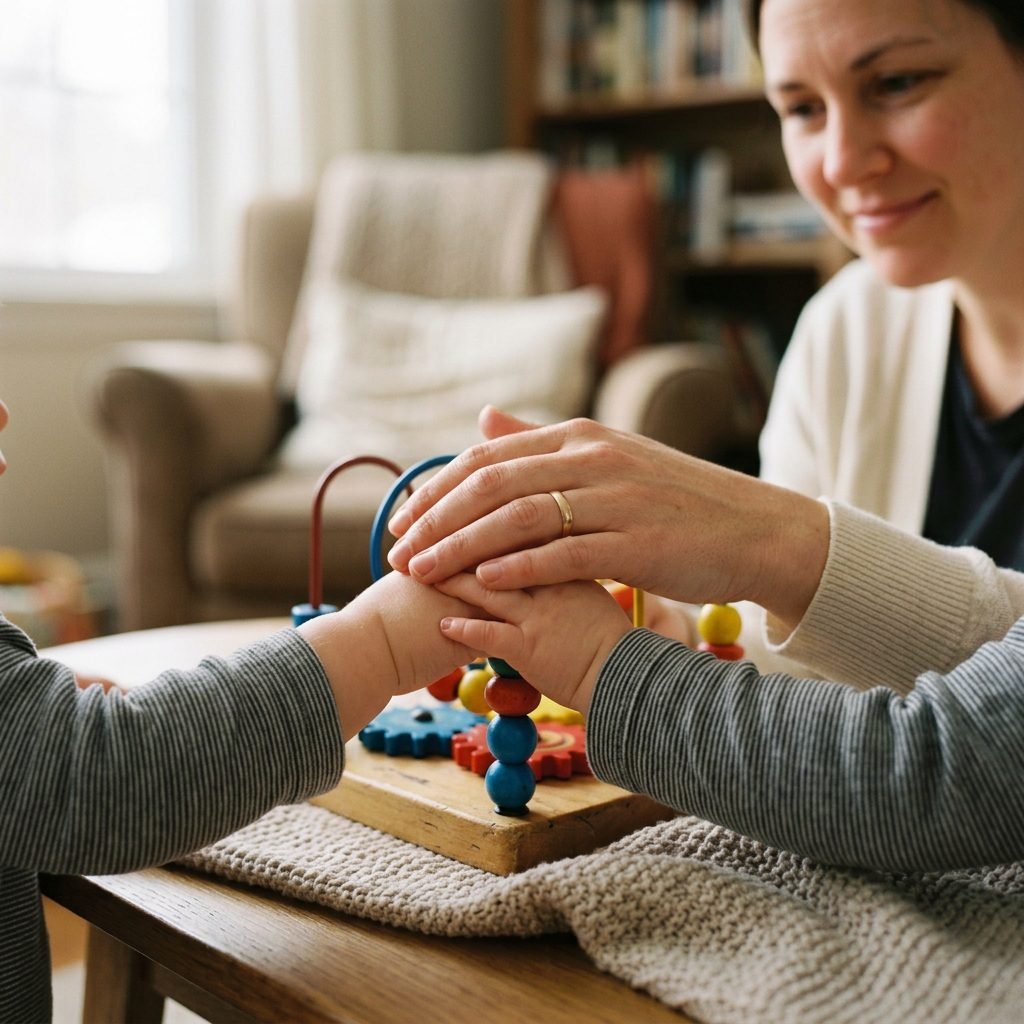
Before we get to the ‘stuff,’ let’s talk about the ‘why.’ For a young child, the hospital is a strange, sterile place where they have to share their favorite person (you!) with a crying, swaddled stranger. By providing a dedicated Big Sibling Bag, you are creating a ‘safe zone’ of familiarity and excitement. This bag acts as a psychological anchor, signaling that even though things are changing, their needs and happiness are still a top priority.
Developmental Milestones and Play
When selecting items, we focus on Sensory Play and Fine Motor Skills. These types of activities are naturally calming for children. When a child is focused on peeling a sticker or clicking a camera, their nervous system regulates, making them less likely to have a ‘hospital meltdown.’ We also want to include items that foster a sense of responsibility—giving them a ‘job’ is the ultimate toddler currency.
| Age Group | Focus Area | Typical Reaction |
|---|---|---|
| Toddlers (1-3) | Sensory & Tactile | Distraction & Comfort |
| Preschoolers (3-5) | Roleplay & Tasks | Pride & Engagement |
| School Age (6+) | Creativity & Logic | Independence & Helpfulness |
10 Genius Items to Pack in the Big Sibling Bag
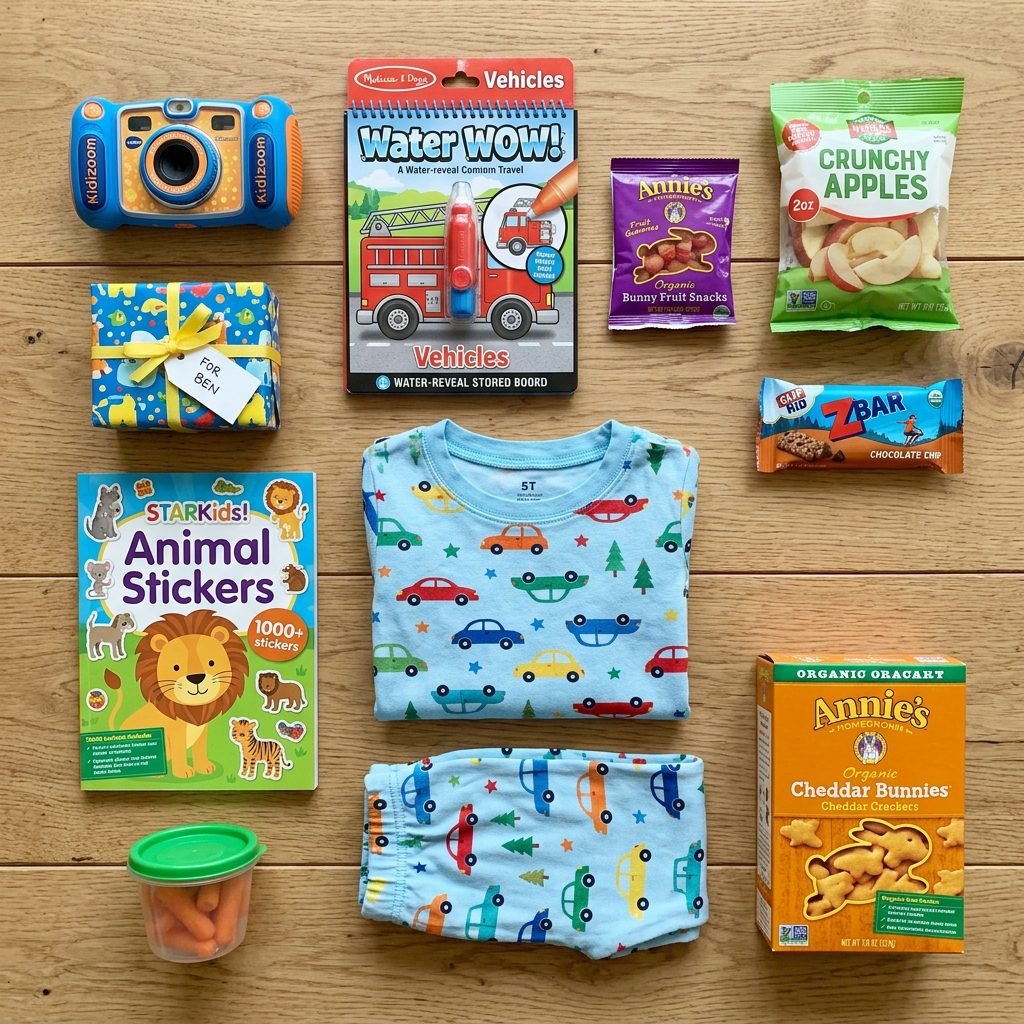
Here are the 10 items that every doula-approved sibling bag needs. I’ve selected these based on their ability to be quiet, mess-free, and high-engagement.
1. Mess-Free Water Reveal Pads
These are a literal lifesaver. You don’t want markers on hospital sheets! Water-reveal pads only require a tiny bit of water in a pen to reveal colors. They are 100% mess-free and can be used over and over again as they dry.
2. The ‘Official Big Sibling’ Camera
Give them a job! Whether it’s a sturdy kid’s digital camera or a classic disposable one, tell them they are the Official Family Photographer. Their mission is to take pictures of the baby’s toes, the hospital flowers, and Daddy’s tired face. It keeps them moving and observing with a sense of purpose.
3. Interactive Sticker Mosaics
Stickers are toddler gold. Sticker mosaic books, where they have to match a sticker to a specific shape or number, require deep focus and fine motor precision. This can buy you a solid 30 minutes of quiet time while you nurse or rest.
4. A ‘Gift from the Baby’
This is the oldest doula trick in the book. Have a wrapped gift ‘waiting’ in the bassinet from the baby to the big sibling. It creates an immediate positive association with the new sibling. Think of something they’ve been wanting, like a specific LEGO set or a new doll.
5. Screen-Free Audio Player or Tonies
Hospital TVs are loud and distracting. A screen-free audio player allows them to listen to their favorite stories or songs through headphones. It’s a great way to provide a sensory escape if the room feels too busy or overwhelming for them.
6. Custom ‘Big Sibling’ Coloring Book
You can print out coloring pages that feature their name and ‘Big Brother/Sister’ titles. Use triangle crayons (they don’t roll off the hospital tray tables!) to keep the frustration levels low.
7. New ‘Matching’ Pajamas
Packing a fresh set of PJs that match the baby’s swaddle makes for the most precious photos. More importantly, it makes the older child feel included in the ‘new baby’ aesthetic rather than like an outsider looking in.
8. A Busy Jar (DIY Sensory Kit)
Fill a small plastic jar with non-toxic playdough, a few small plastic dinosaurs or fairies, and some sparkly beads. This tactile play is grounding. Note: Ensure all items are age-appropriate to avoid choking hazards.
9. Special ‘Hospital Only’ Snacks
Pack the ‘forbidden fruit’—the snacks you usually say no to. Whether it’s a specific juice box or a pack of fruit snacks, having special treats helps them view the hospital visit as a celebration rather than a chore.
10. A New ‘Big Sibling’ Storybook
Read a book together about becoming a big brother or sister. This allows you to bond through storytelling while physically resting in your bed. It’s a gentle way to start the conversation about their new role.
DIY Sensory Kit: Materials & Budget Breakdown
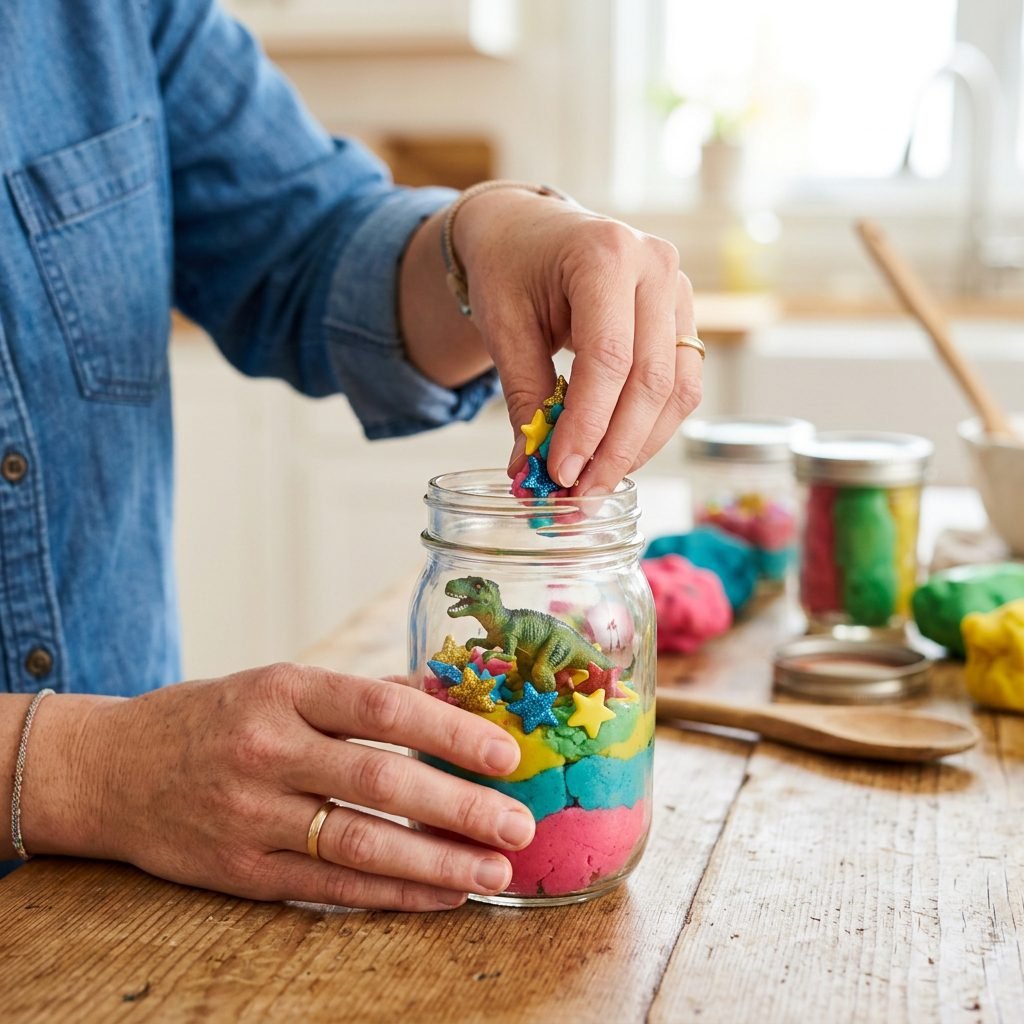
If you’re a crafty mom, creating a custom sensory ‘Busy Jar’ is a wonderful way to personalize the bag. Here is a breakdown of what you’ll need to create a high-quality, low-cost engagement tool.
| Material | Purpose | Estimated Cost |
|---|---|---|
| BPA-Free Plastic Jar | Storage & Portability | $2.00 |
| Non-Toxic Homemade Dough | Tactile Stimulation | $1.00 |
| Small Figurines (Animals/Cars) | Imaginary Play | $3.00 |
| Pipe Cleaners & Large Beads | Fine Motor Skills | $2.00 |
| Total Cost | Engaged Toddler | ~$8.00 |
Doula Tip: Prepare the dough with a drop of lavender essential oil. Lavender is naturally calming and can help soothe a child who might be feeling anxious about the hospital environment.
The Hospital Meeting: Managing the Flow
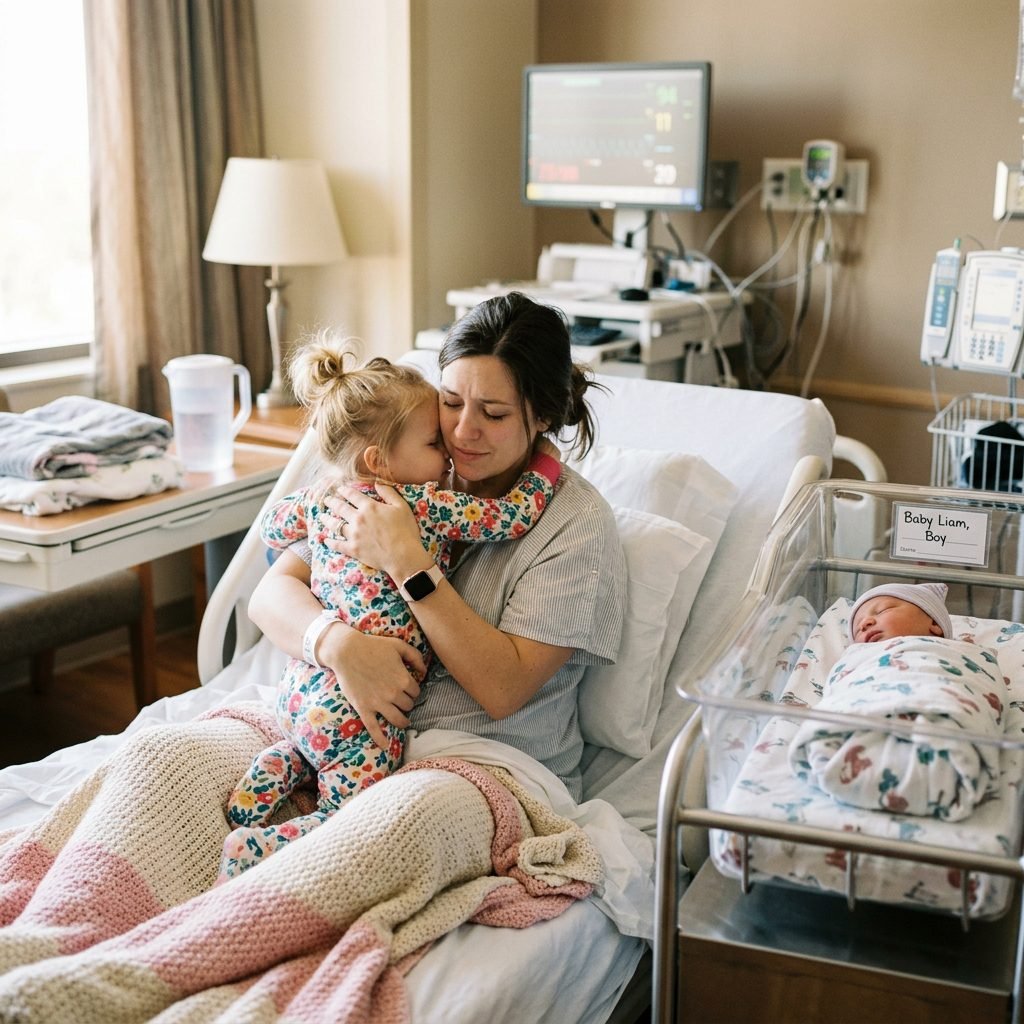
How you introduce the siblings is just as important as what’s in the bag. As a doula, I always recommend the ‘Hands-Free Mama’ approach. When your older child walks into the room, try to have the baby in the bassinet rather than in your arms. This allows you to open your arms wide and give your firstborn a huge hug first. They need to know they haven’t lost their ‘spot’ on your lap.
Step-by-Step Introduction Guide
- The Big Hug: Greet the older child with empty arms and lots of affection.
- The Reveal: Walk together to the bassinet to ‘discover’ the baby.
- The Gift Exchange: Present the ‘Gift from Baby’ immediately.
- The Job: Hand them their camera or ‘Big Sibling’ checklist to start their tasks.
- The Snack: Let them sit on the bed with you for a special snack while you talk about the baby.
By following this flow, you are prioritizing the older child’s emotional security, which leads to a much smoother first meeting.
Conclusion
You’ve Got This, Mama
Packing a Big Sibling Hospital Bag is one of those small acts of preparation that yields massive rewards. It’s about more than just ‘staying busy’; it’s about validation, inclusion, and love. By choosing items that engage their senses and give them a sense of purpose, you are laying the foundation for a beautiful lifelong bond between your children.
Remember, sweet sister, it’s okay if things aren’t perfect. There might be a tantrum, and there will definitely be some tired tears. But with these 10 genius items in your arsenal, you are giving your firstborn the tools they need to navigate this big change with confidence. You are doing an incredible job, and your heart is big enough for all of them. Happy packing!