Online Vs. In-Person Birth Classes: Which One Actually Prepares You?
Hello, sweet mama. Take a deep breath and feel that little life moving inside you. As your doula and sister-in-arms, I know exactly where you are right now. Your nesting instinct is kicking in, and your search history is likely filled with questions about contractions, hospital bags, and—most importantly—how on earth you’re going to get that baby out! Choosing a birth class is one of the most empowering steps you can take. It’s the difference between entering the birth suite feeling like a passenger and entering it feeling like the captain of your own ship. But the big question remains: Should you head to a local community center for an in-person workshop, or curl up on your sofa for a digital course? Both have incredible merits, and today, we’re going to peel back the layers to see which one aligns with your heart, your schedule, and your unique birth goals. Let’s dive into the world of childbirth education together, with all the warmth and honesty you deserve.
The Magic of the Village: The Case for In-Person Classes
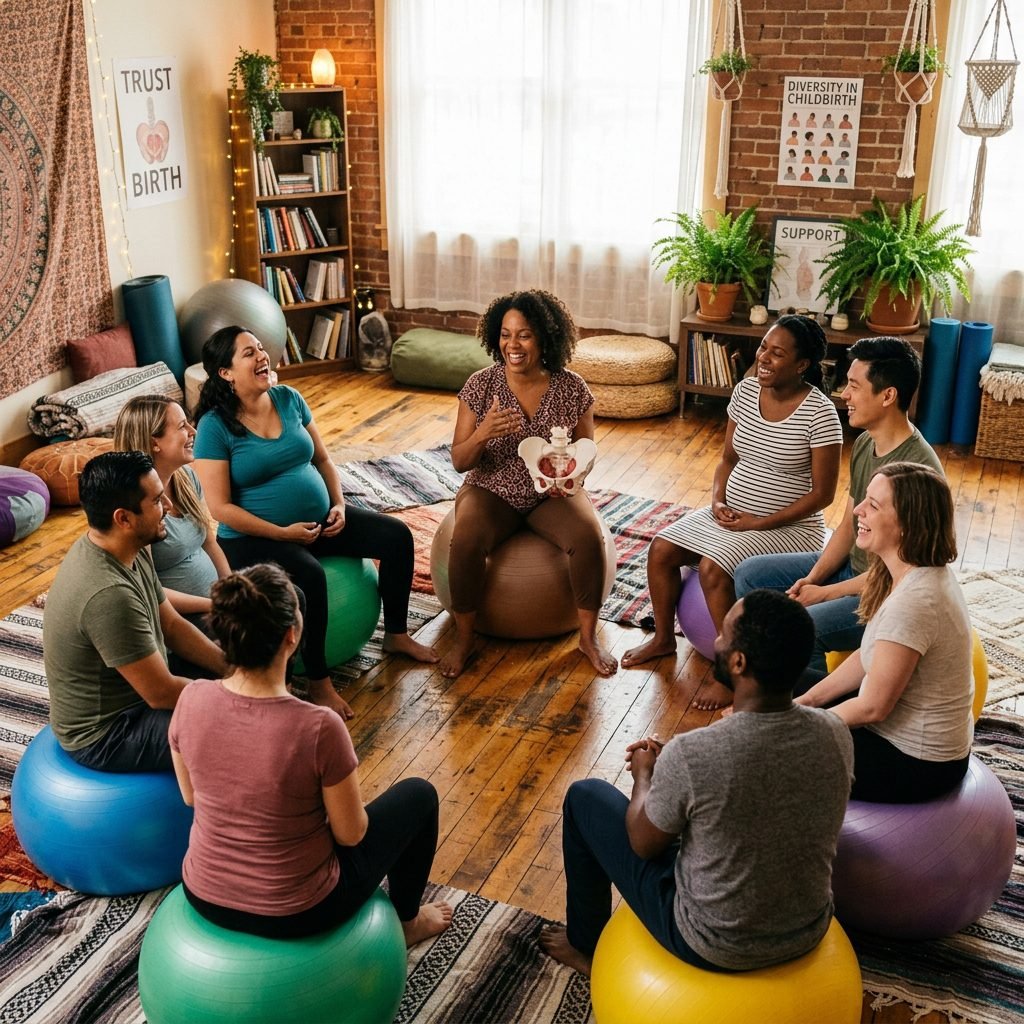
There is something undeniably sacred about being in a room with other families who are walking the same path. In-person classes offer a tactile, sensory experience that is hard to replicate through a screen. When you attend an in-person class, you aren’t just receiving information; you are building a community. You see the nervous smiles of other partners, the shared exhaustion of third-trimester mamas, and the expert hands of an instructor who can physically adjust your posture.
Why the Physical Connection Matters
In a physical classroom, your instructor—often a seasoned doula or nurse—can watch you practice a technique and say, ‘Try moving your hand two inches lower for a more effective hip squeeze.’ That immediate, hands-on feedback is gold. You also get to touch the tools of the trade: the rebozo scarves, the peanut balls, and the birth pools. For many, this makes the abstract concept of labor feel much more tangible and manageable.
| Feature | The In-Person Benefit |
|---|---|
| Social Connection | Instant ‘village’ building and local mom-friend potential. |
| Hands-On Practice | Physical corrections from instructors on comfort measures. |
| Focus | No household distractions; you are fully ‘present’ in the learning. |
| Q&A | Spontaneous questions often lead to deep, shared discussions. |
The Digital Sanctuary: Why Online Classes Are a Modern Lifesaver

Now, let’s talk about the beauty of the digital age. For the mama who is balancing a high-powered career, managing other children, or perhaps dealing with a high-risk pregnancy that requires rest, online birth classes are a godsend. There is a specific kind of peace that comes from learning about effacement and dilation while wearing your favorite fuzzy socks and sipping a cup of red raspberry leaf tea.
The Power of the ‘Pause’ Button
One of the greatest drawbacks of in-person classes is the ‘information firehose.’ You sit for six hours, take notes frantically, and hope you remember it all when the first contraction hits. With online courses, you have the luxury of repetition. If the section on the stages of labor feels overwhelming, you can watch it three times. If your partner is working late, you can wait and watch the ‘Support Techniques’ module together when you’re both refreshed. This self-paced approach often leads to better long-term retention of the material.
| Online Type | Best For… |
|---|---|
| Live Zoom Classes | Moms who want real-time interaction but can’t travel. |
| On-Demand Modules | Busy parents who need to learn in 15-minute chunks. |
| Hybrid Programs | Those who want the best of both worlds: video and community. |
Partner Prep: Mastering the Physical Support Moves

Regardless of the format you choose, your partner needs to know exactly what to do with their hands when things get intense. A birth class—whether on a laptop or in a studio—is essentially a training camp for your support person. We want them to move from feeling like a ‘bystander’ to a ‘proactive guardian’ of your birth space.
Step-by-Step Comfort Measures to Practice
Here is a sequence I want you and your partner to practice tonight. These are the ‘Big Three’ moves that every birth class should teach you:
- The Double Hip Squeeze: While the laboring person leans against a wall or birth ball, the partner places their hands on the meaty part of the hips and applies firm, inward and upward pressure. This helps ‘open’ the pelvis and relieve pressure.
- The Counter-Pressure Lean: Using the heel of the hand, the partner applies firm, steady pressure directly onto the sacrum (the flat bone at the base of the spine) during a contraction.
- Rhythmic Breathing Sync: The partner sits eye-to-eye with the laboring person and models the ‘slow, low’ breath. When you lose your rhythm, your partner becomes your anchor, breathing loudly and steadily so you can find your way back.
“Your partner isn’t just there to hold your hand; they are there to help you hold your strength. Practice these moves until they feel like second nature.”
The Decision Matrix: Which Path Fits Your Soul?
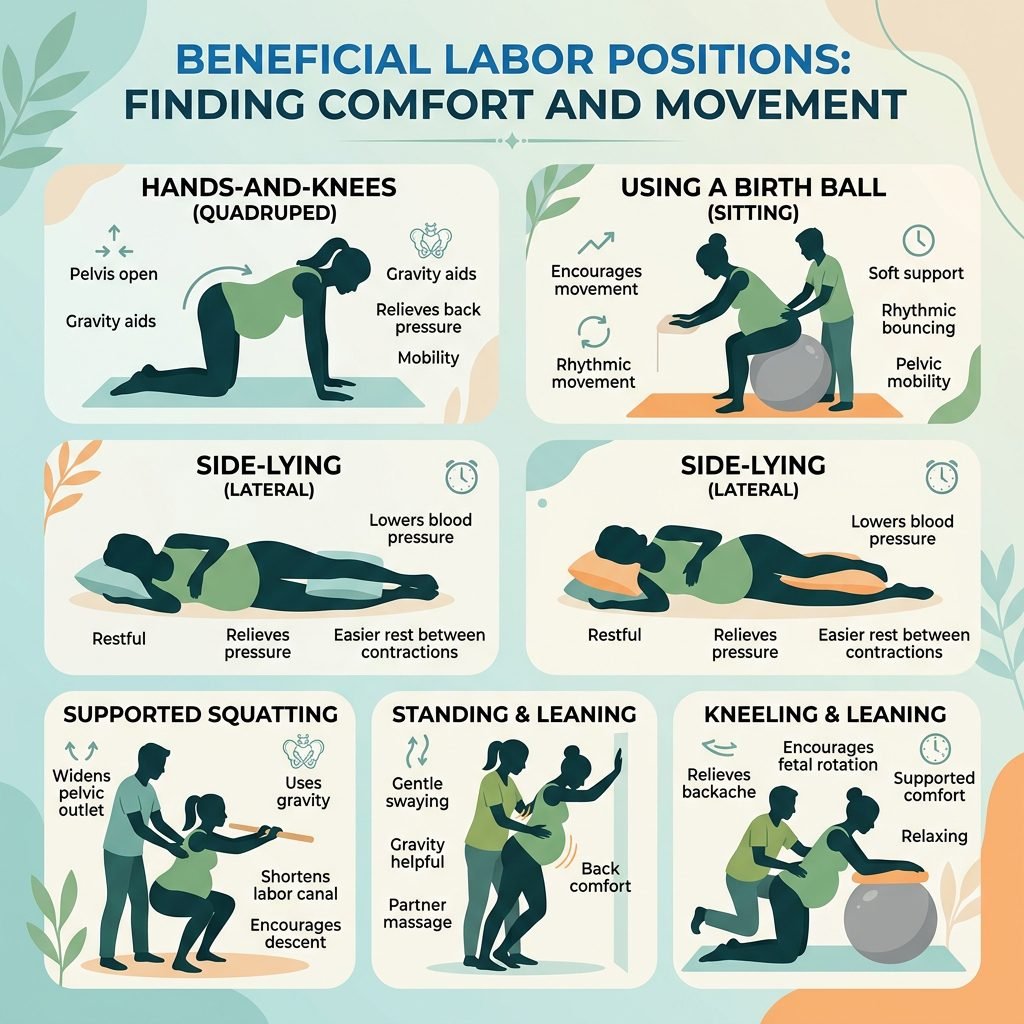
Choosing can be hard, so let’s look at the practicalities. As a doula, I often tell my clients to look at their learning style and their anxiety triggers. If being in a group makes you feel self-conscious, an online class will allow you to be vulnerable and ask ‘silly’ questions in the privacy of your home. If you feel isolated and crave connection, get yourself to an in-person class immediately!
Position vs. Labor Phase Guide
Whether you learn these online or in-person, ensure your class covers which positions help at which stage. Here is a quick cheat sheet we use in my doula practice:
| Labor Phase | Recommended Position | Goal |
|---|---|---|
| Early Labor | Walking, Swaying, Resting | Conserve energy and encourage baby to drop. |
| Active Labor | Hands and Knees, Lunges | Use gravity and movement to rotate the baby. |
| Transition | Squatting, Vertical Leaning | Maximum pelvic opening for descent. |
| Pushing | Side-lying, Upright Squat | Effective expulsion while protecting the perineum. |
What to Look For in a High-Quality Curriculum
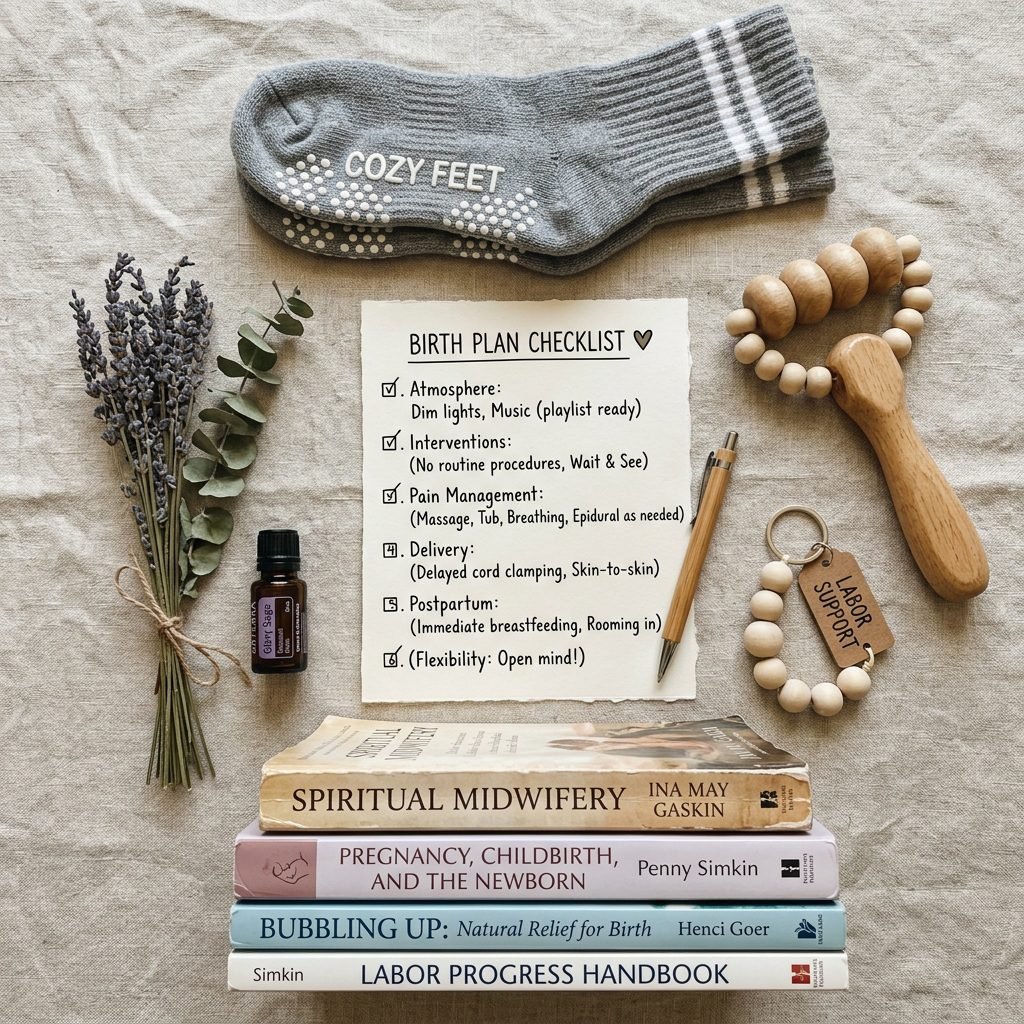
Not all birth classes are created equal, mama. Some are ‘hospital-led’ and focus heavily on how to be a ‘good patient’ (following hospital policy), while others are ‘independent’ and focus on physiologic birth and advocacy. My professional advice? Look for a curriculum that empowers you with Evidence-Based Information.
The Must-Have Syllabus Items
- The Hormones of Labor: Understanding oxytocin (the shy hormone) and how to keep it flowing.
- Intervention Informed Consent: Using the B.R.A.I.N. acronym (Benefits, Risks, Alternatives, Intuition, Nothing).
- Postpartum Reality: A class that stops at delivery is only doing half the job. You need to know about healing and newborn sleep!
- Comfort Measures: More than just ‘breathing’—you need active techniques.
Pro Tip: Check the credentials of your instructor. Are they a Lamaze Certified Childbirth Educator (LCCE), a ICEA member, or a seasoned Doula? Experience matters!
Making the Most of Your Choice: A Doula’s Final Tips

Once you’ve picked your path, commit to it fully. If you choose an online class, schedule ‘date nights’ with your partner where you put away phones and focus solely on the modules. If you choose in-person, arrive five minutes early to chat with the other parents—these people might be in your ‘mom group’ for years to come!
The Golden Rules of Birth Prep
- Practice Daily: Five minutes of pelvic tilts and breathing exercises every night will build the muscle memory you need.
- Ask the ‘Scary’ Questions: There is no shame in the birth room. Ask about tearing, ask about poop, ask about the epidural needle. Knowledge is the antidote to fear.
- Trust Your Gut: If a class feels too ‘fear-based’ or too ‘rigid,’ it’s okay to find a different instructor. You deserve to feel inspired, not terrified.
“Birth is not just about making babies. Birth is about making mothers—strong, competent, capable mothers who trust themselves and know their inner voice.”
Conclusion
At the end of the day, sweet sister, the ‘best’ birth class is the one that makes you feel heard, seen, and prepared. Whether you find that through a glowing computer screen in your pajamas or in a circle of new friends at a local studio, the goal is the same: to strip away the fear of the unknown and replace it with the power of knowledge. You are doing an incredible job already just by showing up for yourself and your baby. Trust your intuition—it’s the best guide you’ll ever have. You’ve got this, and I’m right here cheering you on every step of the way.