

The Armpit Lift: A Safe, Gentle Burping Technique for Stubborn Newborn Gas
Oh, mama, I see you. It is 3:00 AM, the house is silent except for the rhythmic, pained cries of your sweet little one, and you feel that familiar tug of helplessness in your chest. You have tried the traditional over-the-shoulder patting, the across-the-lap wiggle, and even the bicycle legs, yet that stubborn air bubble remains trapped in your baby’s tiny, 4-ounce stomach. As a doula, I have sat in those darkened nurseries more times than I can count, and I want to tell you something important: you are doing an incredible job, and this phase is just a season. Newborn digestive systems are still learning the ropes, and sometimes they just need a little extra help from physics. That is where the Armpit Lift comes in. This technique is not just another burping method; it is a gentle, physiological approach to elongating the torso and allowing gravity to do the heavy lifting. In this guide, we are going to walk through this life-changing move together, step-by-step, so you can get your baby—and yourself—back to a peaceful sleep.
Remember, sweet mama: You are the expert on your baby. This technique is just another tool in your beautiful, growing toolkit of motherhood.
The Mystery of the Midnight Squirm: Why Newborn Gas is So Persistent
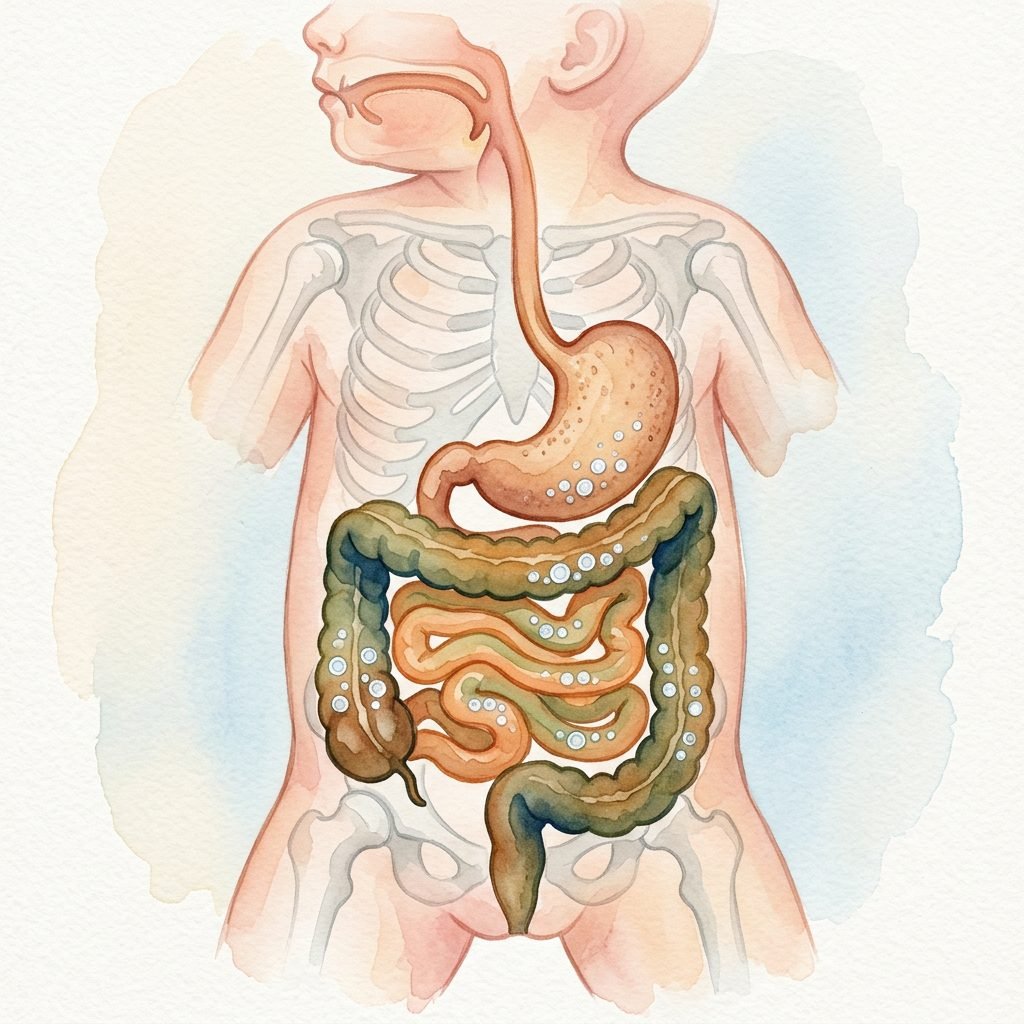
To understand why the Armpit Lift works so well, we first have to look at why babies get so gassy in the first place. When your little one feeds, whether by breast or bottle, they inevitably swallow air. Because their esophageal sphincter is still immature, that air often gets trapped beneath a layer of milk, creating pressure that feels quite intense for a tiny human. This is why you see that characteristic arching of the back and pulling up of the legs. It is not just ‘fussiness’; it is a physical sensation of being overinflated.
Common Causes of Trapped Gas
- Immature Digestion: The muscles that move food and gas through the intestines are still developing.
- Overactive Let-down: If milk flows too fast, baby gulps air to keep up.
- Latching Issues: A shallow latch can introduce excess air during feeding.
- Crying: Ironically, the more a baby cries from gas, the more air they swallow, creating a difficult cycle.
Most traditional burping methods rely on percussion—that rhythmic patting on the back. While effective for some, for stubborn gas, patting alone sometimes just moves the bubble around without helping it exit. The Armpit Lift changes the game by changing the baby’s internal geometry.
Enter the Armpit Lift: The Physics of a Happy Tummy

The Armpit Lift, often referred to by doulas as the ‘Suspension Burp,’ works on a very simple principle: elongation. When a baby is hunched over or curled up, the digestive tract is compressed. By gently lifting the baby from under the armpits, we allow their spine to straighten and their abdominal cavity to expand. This creates a clear, vertical path for the air bubble to rise from the stomach and out through the esophagus.
Why This Method is a Doula Favorite
I love this method because it requires zero force. You aren’t hitting the baby’s back; you are simply providing the structural support they need to release the gas themselves. It is incredibly effective for babies who seem ‘unburpable’ or those who suffer from silent reflux, as it keeps them in a completely upright position, preventing milk from traveling back up with the air.
“The goal isn’t to force the burp out, but to create the space for the burp to find its own way out.”
Master the Move: A Step-by-Step Guide to the Armpit Lift
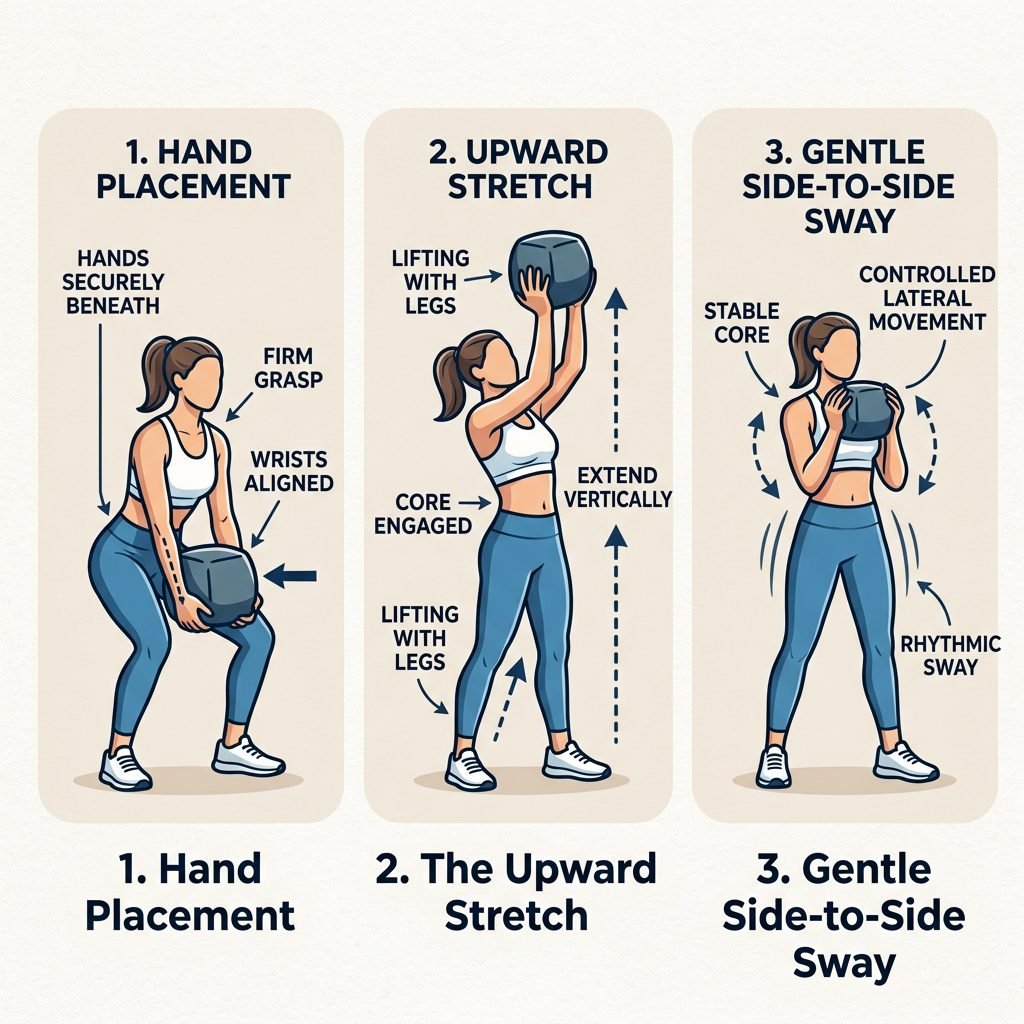
Before we begin, ensure your hands are warm and your baby is relatively calm. If they are screaming hysterically, try a few minutes of skin-to-skin contact first to lower their cortisol levels.
- The Preparation: Sit on a firm surface with your feet planted. Place a burp cloth over your lap or shoulder, just in case.
- The Hand Placement: Slide your hands under your baby’s arms. Your fingers should wrap gently around their ribcage, while your thumbs rest lightly on the front of their chest. Crucial Tip: Your palms should be supporting the weight, not your fingertips.
- The Support: Use your index fingers and the base of your thumbs to ensure the baby’s head is stable. If your baby is a newborn with little neck control, you can use your chin to gently steady the top of their head or ensure your hands are high enough to cradle the jawline.
- The Lift: Slowly and gently lift the baby so they are in a fully upright, vertical position. You are not lifting them off your lap entirely; their bottom should still be resting lightly on your thighs or the bed. You are simply ‘stretching’ their torso upward.
- The Sway: Once in position, gently sway your baby from side to side or perform very small, soft circular motions with their upper body. This movement helps ‘jiggle’ the air bubble to the top of the stomach.
- The Release: Hold this position for 30 to 60 seconds. Often, you will hear a deep, satisfying burp without even having to pat their back.
Beyond the Lift: A Comparative Guide to Burping Success

While the Armpit Lift is a powerhouse for stubborn gas, it is helpful to know when to use other methods. Every baby is different, and their ‘burping personality’ might change from morning to night. Below is a comparison to help you choose the best approach for the moment.
| Method | Best For | Effort Level | Success Rate |
|---|---|---|---|
| Over-the-Shoulder | General burping after a calm feed | Low | Moderate |
| Sitting on Lap | Babies with good head control | Medium | High |
| The Armpit Lift | Stubborn gas & Reflux | Low | Very High |
| The Football Hold | Colic and lower intestinal gas | High | Moderate |
If the Armpit Lift doesn’t produce a burp within two minutes, it is okay to transition to ‘Bicycle Legs’ to help the gas move out the other end. Sometimes the air has already moved past the stomach and into the intestines, where no amount of lifting will bring it back up!
The Doula’s Secret Toolkit: Holistic Gas Relief and Comfort

Gas relief is about more than just the burp; it is about the whole environment. As a doula, I always look at the sensory experience of the baby. If the room is too bright or loud, the baby’s muscles tense up, making it harder for gas to pass. Try lowering the lights and using a low-frequency white noise machine (around 50 decibels) to help their nervous system relax.
Additional Tips for a Gassy Baby
- Warm Compresses: A warm (not hot!) washcloth on the tummy can relax the abdominal muscles.
- Paced Bottle Feeding: Keep the bottle horizontal to slow the flow and reduce air intake.
- Tummy Time: Even 2-3 minutes of supervised tummy time can provide the necessary pressure to expel gas.
- Probiotics: Consult your pediatrician about infant-safe probiotics which can help balance the gut flora.
Remember, mama, if your baby is consistently in pain, or if you notice projectile vomiting or a lack of weight gain, please reach out to your pediatrician. You aren’t being ‘dramatic’; you are being a proactive advocate for your child.
Caring for the Caregiver: Staying Calm When the Crying Won’t Stop

I want to take a moment to talk to you, the mama holding the crying baby. When your baby is gassy and upset, your own nervous system goes into ‘fight or flight’ mode. Your heart rate increases, and your muscles tighten. Interestingly, babies can feel that tension, which can make it even harder for them to relax and release their gas.
Take a deep breath. In for four, hold for four, out for eight. You are the safe harbor for your baby, but even a harbor needs maintenance.
If you feel your frustration rising to a level 10, it is perfectly safe—and actually recommended—to put the baby in a safe space like their crib, walk into the other room, and drink a glass of water for five minutes. A few minutes of crying in a safe crib will not hurt them, but a regulated, calm mother is the best tool for a gassy baby. When you come back, try the Armpit Lift with a fresh perspective and relaxed shoulders. You’ve got this.
Conclusion
The journey through the early weeks of motherhood is filled with steep learning curves, but mastering the Armpit Lift can turn those stressful, gas-filled nights into moments of connection and relief. By understanding the physics of your baby’s body and approaching their discomfort with a gentle, suspension-based technique, you are providing them with the best possible support. Sleep will come again, the gas will pass, and soon your little one’s digestive system will be a well-oiled machine. Until then, keep this guide in your back pocket, keep your heart open, and remember that you are exactly the mother your baby needs. Sending you so much love and a very big, satisfying burp!