What to Wear Home from the Hospital If You Have Severe Pelvic Floor Soreness
Congratulations, Mama—You Made It.
First, take a deep breath. You have just completed the most physically demanding event of your life. Whether your labor was three hours or thirty, the toll it takes on your pelvic floor is significant. If you find yourself in those early postpartum days feeling like every step is a challenge and the simple act of sitting down feels like a strategic maneuver, you are not alone. Severe pelvic floor soreness, swelling (edema), and the sensitivity of stitches from tears or episiotomies are incredibly common, yet rarely discussed with the nuance they deserve.
As your doula and sister-in-healing, I want you to know that what you wear on your journey home isn’t about style—though we can certainly keep you looking chic—it is about mechanical protection, moisture management, and pressure relief. The wrong seam or a fabric that doesn’t breathe can turn a 20-minute car ride into an ordeal. In this guide, we are going to break down the ultimate ‘Going Home’ outfit that honors your body’s need for absolute gentleness. We will look at the science of fabric, the physics of the car ride, and the essential layers that will make you feel safe and supported.
You are not ‘weak’ for feeling this pain; your body is performing a miraculous feat of cellular reconstruction right now. Treat yourself with the same tenderness you give your newborn.
The Foundation: Managing Pressure and Friction from the Inside Out
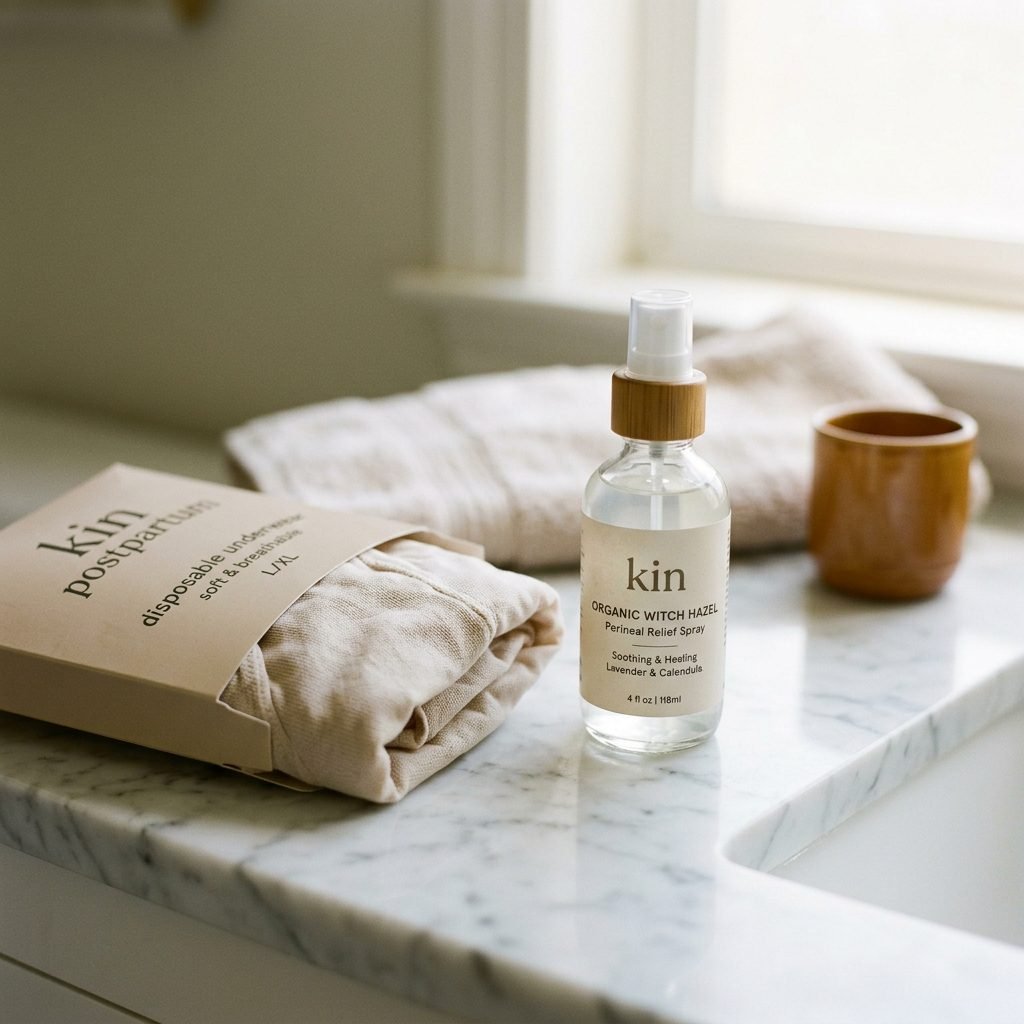
Before we even talk about your pants or dress, we have to address the ‘inner layer.’ When you have severe pelvic floor soreness, the goal is to minimize friction against stitches and maximize the absorption of postpartum lochia without adding bulk that creates ‘downward pressure.’ Many hospitals provide mesh panties, which are excellent because they don’t have a tight waistband that presses on your abdomen, but they can sometimes lack the ‘hold’ needed for heavy-duty pads.
Mesh Panties vs. Disposable Underwear
For severe soreness, many moms find that disposable adult diapers are actually more comfortable than the hospital mesh panties because they are seamless. A seam rubbing against a second or third-degree tear is a recipe for discomfort. Look for brands that market ’boutique’ styles which are thinner but highly absorbent.
| Feature | Hospital Mesh Panties | Disposable Underwear (Adult Diapers) | High-Waist Cotton Briefs |
|---|---|---|---|
| Compression | Zero | Light/Supportive | Moderate |
| Seams | Minimal | None (Seamless sides) | Variable (Avoid thick seams) |
| Best For | First 24 hours | The car ride home | Days 5-14 |
| Breathability | Highest | Moderate | High |
The ‘Padsicle’ Strategy
If you are heading home with significant swelling, you need a padsicle. This is a maternity pad soaked in witch hazel and aloe, then chilled. However, a frozen pad can be stiff. Pro Tip: Let the padsicle soften for 5 minutes before putting it on so it contours to your body rather than acting like a hard ‘shelf’ against your sore tissues.
The ‘No-Pressure’ Bottoms: Why Waistbands and Gussets Matter
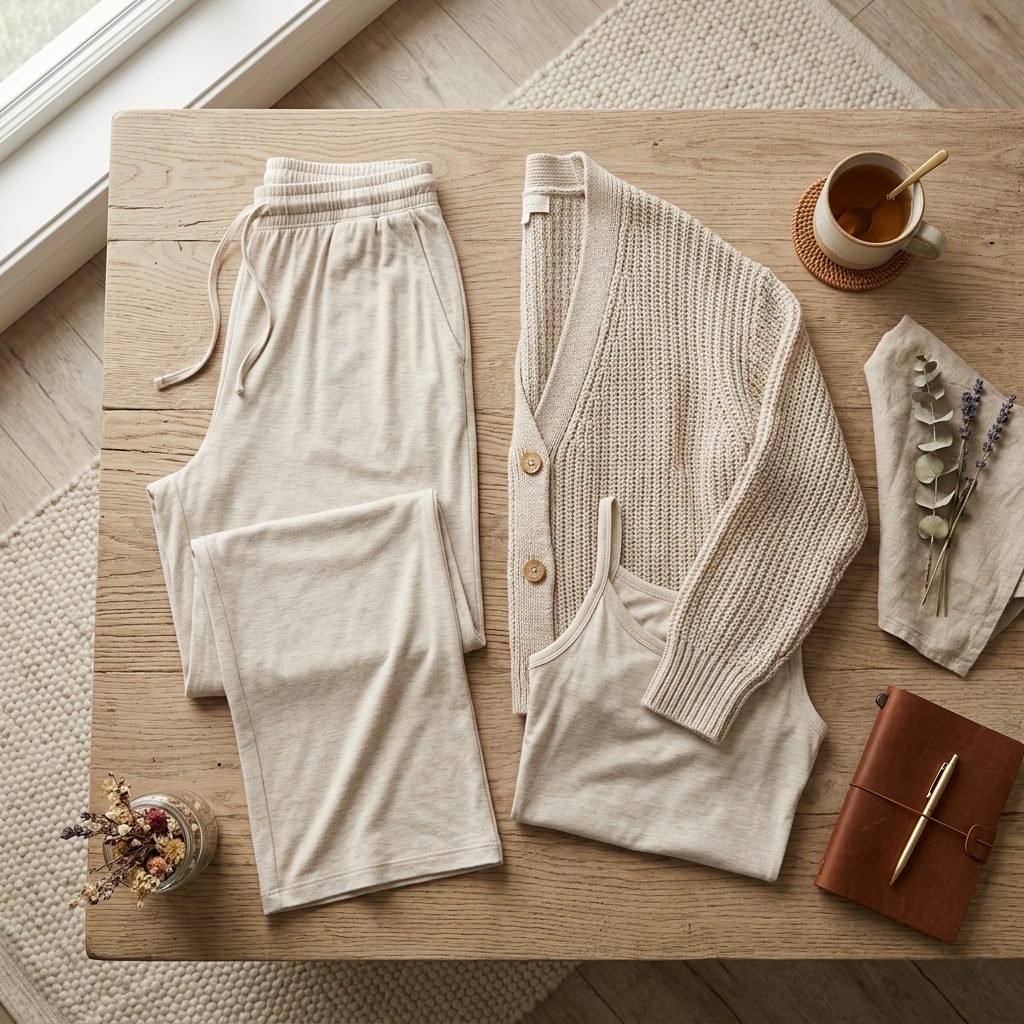
When you have pelvic floor trauma, the nerves in your perineum are highly sensitized. Any garment that pulls ‘up’ into the crotch area (the gusset) will cause pain. This is why your pre-pregnancy leggings—even the stretchy ones—are likely a ‘no-go’ for the trip home. You need a dropped crotch or a wide-gusset design.
Choosing the Right Fabric
Fabric choice is not just about softness; it is about thermoregulation. Inflammation creates heat. If you wear synthetic fabrics like polyester, you trap that heat, which can increase throbbing and discomfort. Stick to 100% Organic Cotton, Bamboo, or Tencel (Modal). These fibers allow air to circulate, which is vital for healing stitches.
- Bamboo Joggers: Look for a pair with a ‘fold-over’ waistband. This allows you to choose where the pressure sits—either high above your belly or low on your hips, avoiding any sensitive areas.
- Wide-Leg Lounge Pants: These are the gold standard. They provide zero restriction for your legs and allow for maximum airflow.
- Avoid: Anything with a ‘center seam’ that runs directly through the crotch. This seam can ‘saw’ against your stitches as you walk to the car.
| Fabric Type | Pros | Cons |
|---|---|---|
| Bamboo | Antibacterial, buttery soft, moisture-wicking | Can be heavy when wet |
| Organic Cotton | Extremely breathable, structured | Less ‘stretch’ than modal |
| Modal/Tencel | Silky feel, doesn’t pill, very cool | Very clingy (shows pad lines) |
The One-Piece Wonder: The Case for the Postpartum Maxi Dress
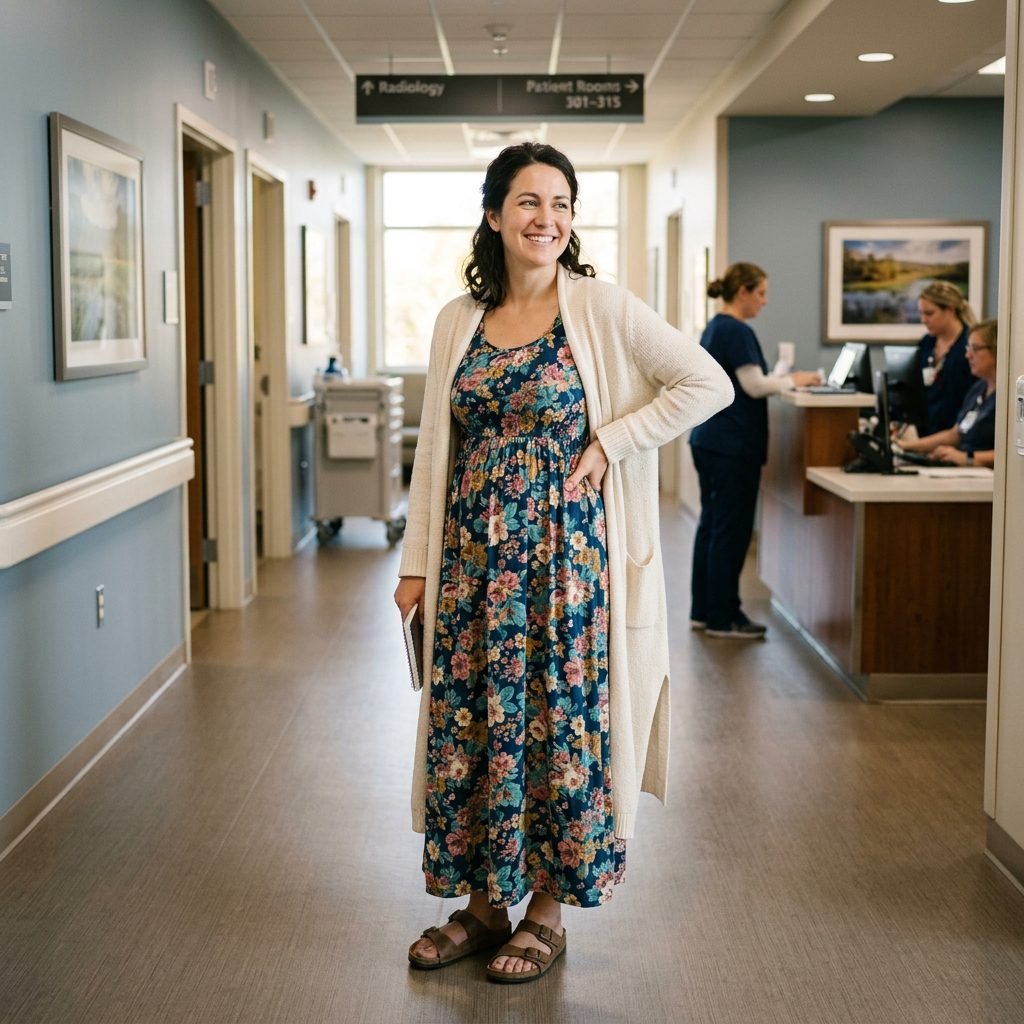
If you want the absolute least amount of friction possible, the maxi dress is your best friend. By removing the need for a waistband entirely, you eliminate any downward pressure on your pelvic floor. This is particularly important if you are also recovering from an unplanned C-section alongside your pelvic soreness.
The Empire Waist Formula
An empire waist dress (where the seam is right under the bust) allows the fabric to drape loosely over your hips and pelvic area. This creates a ‘tent’ effect that provides privacy and style without a single inch of fabric touching your sorest spots. Look for ‘Button-Down’ or ‘Wrap’ styles to make breastfeeding or skin-to-skin contact easier during the transition home.
Style Tip: The ‘Duster’ Layer
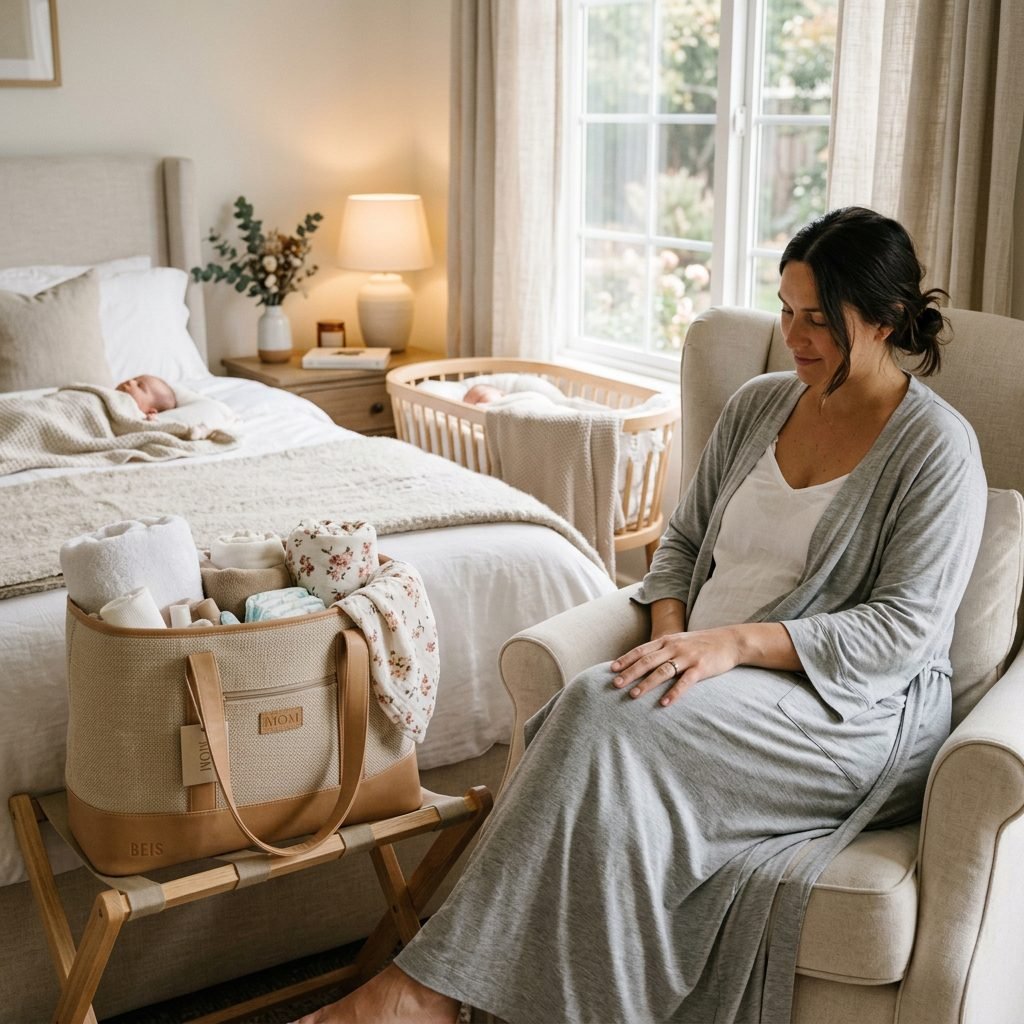
If you feel self-conscious about the bulk of a postpartum pad or diaper in a dress, simply add a long duster cardigan or a light robe. This adds a layer of visual security and makes you feel more ‘put together’ as you walk through the hospital lobby, while still maintaining 100% comfort.
Affirmation: My body is a vessel of strength. These loose clothes are not a sign of ‘letting go,’ but a sign of honoring my healing process.
The Logistics of the Journey: Getting to and Into the Car
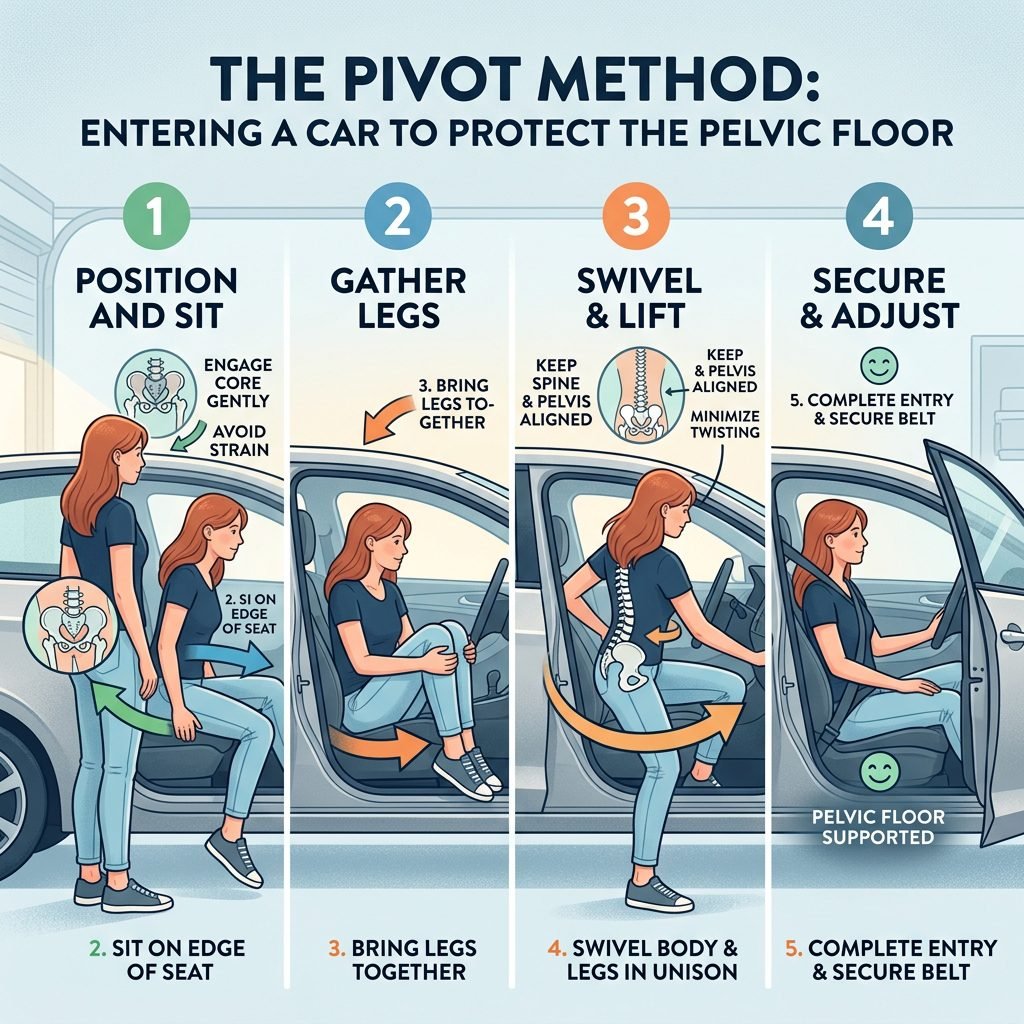
The outfit is only half the battle; how you move in that outfit matters. For a mother with severe pelvic floor soreness, the transition from the hospital bed to the car seat is the ‘final boss’ of the hospital stay. The key is to keep your knees as close together as possible to avoid stretching the perineal tissues.
Step-by-Step Car Entry for Pelvic Comfort:
- The Pad Check: Before leaving the room, ensure you have a fresh, thick pad. This provides a ‘cushion’ between you and the hard surfaces.
- The Wheelchair Assist: Do not be a hero. Use the wheelchair provided by the hospital. Every step saved is energy kept for healing.
- The Pivot Method: When you reach the car, do not ‘step’ into it. Instead, turn your back to the seat and sit down first. Then, keeping your knees together, pivot your entire body into the car. This prevents the ‘shearing’ motion that causes pain in the pelvic floor.
- The Cushion Hack: Bring a travel-sized nursing pillow or a ‘donut’ pillow to sit on. If you don’t have one, a rolled-up towel placed in a ‘U’ shape on the seat can help offload pressure from the perineum.
| Action | Why it Helps |
|---|---|
| Knees Together | Protects stitches and prevents ‘pulling’ on the pelvic floor. |
| Slow Breathing | Relaxes the pelvic floor muscles to prevent guarding/spasms. |
| Soft Footwear | Reduces the impact of each step on the pelvic floor. |
Footwear and Accessories: The Finishing Touches
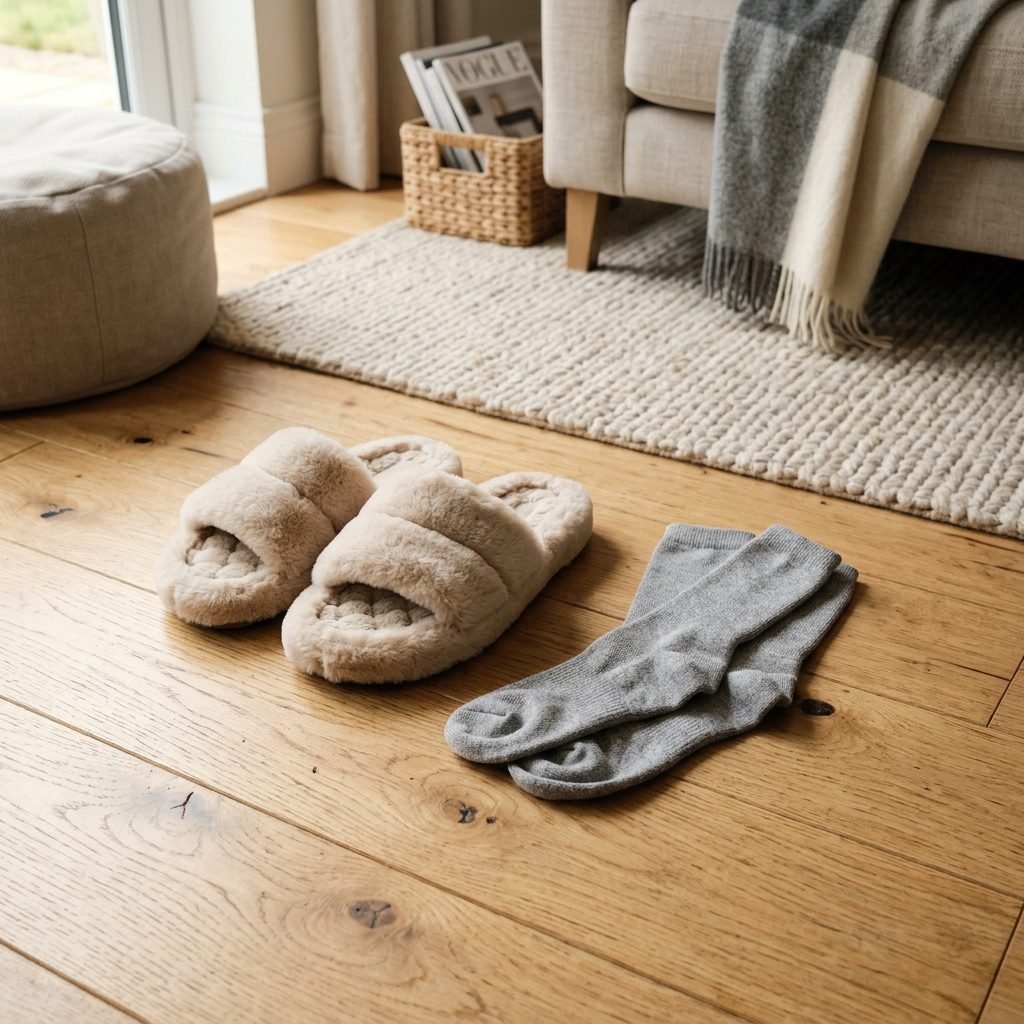
You might not think your shoes affect your pelvic floor, but they do. The impact of your heel hitting the floor travels up your legs and vibrates through your pelvis. When you are severely sore, you want shoes that offer maximum shock absorption.
The Best Shoes for Postpartum Discharge
- Cloud Slides or Recovery Sandals: These have thick, foam soles that act as shock absorbers for your entire skeletal system.
- Slip-on Sneakers: Avoid anything with laces. Bending over to tie a shoe is the last thing your pelvic floor needs.
- Compression Socks: While not for the pelvic floor directly, they help manage the fluid shifts that happen after birth, which can indirectly reduce the ‘heavy’ feeling in your lower body.
The ‘Go-Bag’ Essentials: Keep a small spray bottle of Peri-Spray (herbal or medicated) in your purse for the ride home. If you hit a bump in the road and feel a surge of discomfort, a quick spray can provide immediate cooling relief until you get to your own bed.
Conclusion
Welcome Home, Mama.
The journey home is the first step in your ‘Fourth Trimester’ transition. By choosing clothes that prioritize your pelvic floor health, you are sending a powerful message to yourself: my recovery matters. Whether you choose the wide-leg bamboo joggers or the flowy maxi dress, remember that the goal is to feel safe, soft, and supported. Severe soreness is temporary, but the grace you show yourself during this time will set the tone for your entire motherhood journey. Lean on your support system, use your ‘donut’ pillow, and don’t be afraid to stay in those pajamas for as long as you need. You’ve done the hard work; now it’s time to heal.