
The Best Modern Minimalist Birth Plan Template on Google Docs (And How to Fill It Out)
Welcome to Your Empowered Birth Journey, Mama
As a doula, I have seen it all in the delivery room. I have seen 10-page binders that the nursing staff never has time to read, and I have seen handwritten notes that get lost in the shuffle of active labor. There is a sweet spot, a golden middle ground where your voice is heard, your preferences are respected, and your medical team feels like partners rather than adversaries. That sweet spot is the Modern Minimalist Birth Plan. In this guide, we are going to walk through why a one-page, visually clean Google Doc is the ultimate tool for your birth bag. We aren’t just making a list; we are crafting a communication strategy that honors your intuition and the evidence-based reality of birth. Whether you are planning a physiological unmedicated birth, an elective induction, or a planned Cesarean, this template is designed to keep the focus on you and your baby. Let’s dive into how to create a document that is as stylish as it is functional, ensuring you feel centered and prepared for the most transformative day of your life.
The Philosophy of the Minimalist Birth Plan: Why Less is More
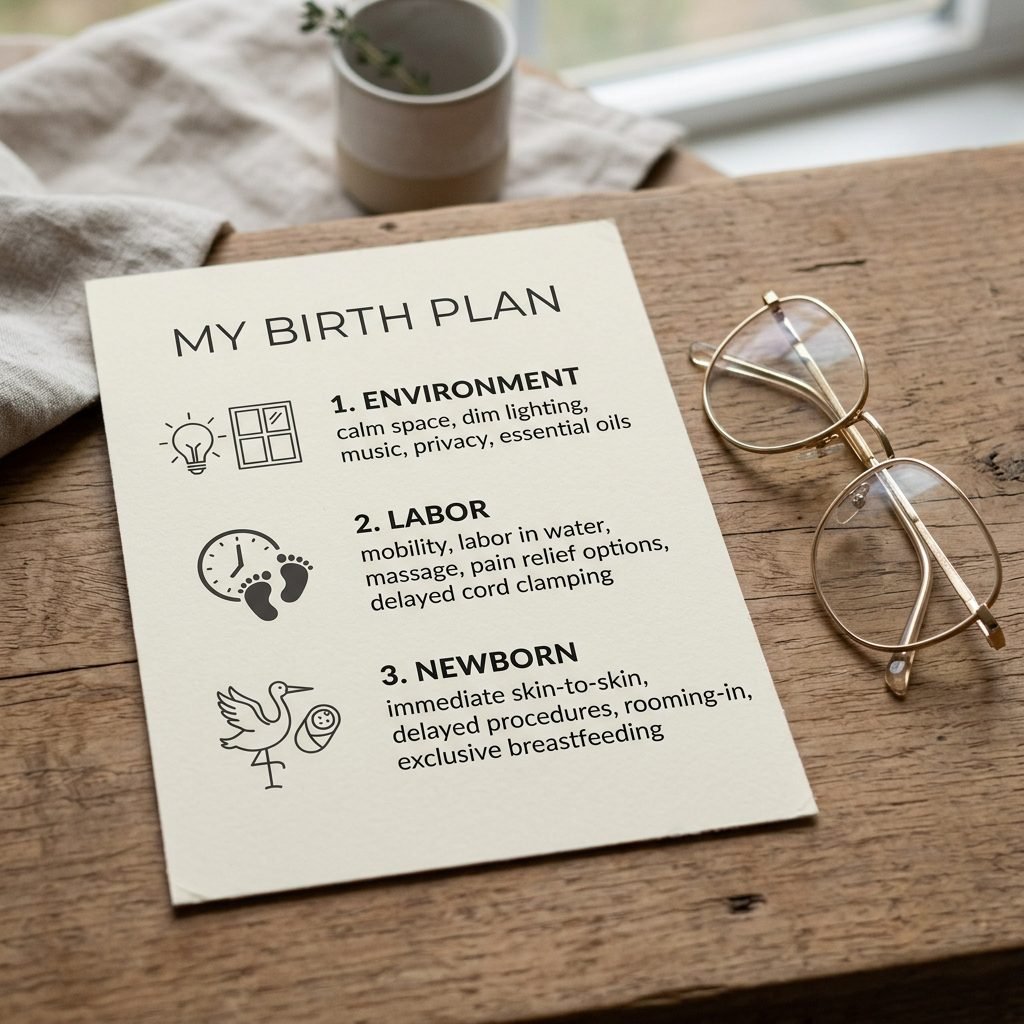
In the world of birth preparation, it is easy to get overwhelmed by the sheer volume of choices. From the type of monitoring to the specific brand of postpartum pads, the details can feel endless. However, when it comes to your birth plan, brevity is your best friend. Nurses and doctors are often managing multiple patients and complex medical protocols; a minimalist plan ensures they can digest your most vital preferences in under 60 seconds.
The 3-Point Clarity Rule
- Visual Hierarchy: Use bold headings and plenty of white space so the eye knows where to land.
- Positive Language: Instead of saying ‘Do not do X,’ try ‘We prefer Y if medically safe.’ This fosters a collaborative environment.
- Flexibility: Acknowledging that birth is unpredictable makes the staff more likely to protect your preferences when things are going smoothly.
By stripping away the fluff and focusing on the core elements of your experience—environment, pain management, and newborn care—you create a document that serves as a lighthouse during the waves of labor. It isn’t about controlling every second; it’s about establishing the vibe and values of your birth space.
Remember, sweet mama: A birth plan is not a script, it is a map. It shows where you want to go, but you are the one steering the ship through whatever weather arises.
Setting Up Your Google Docs Template for Success
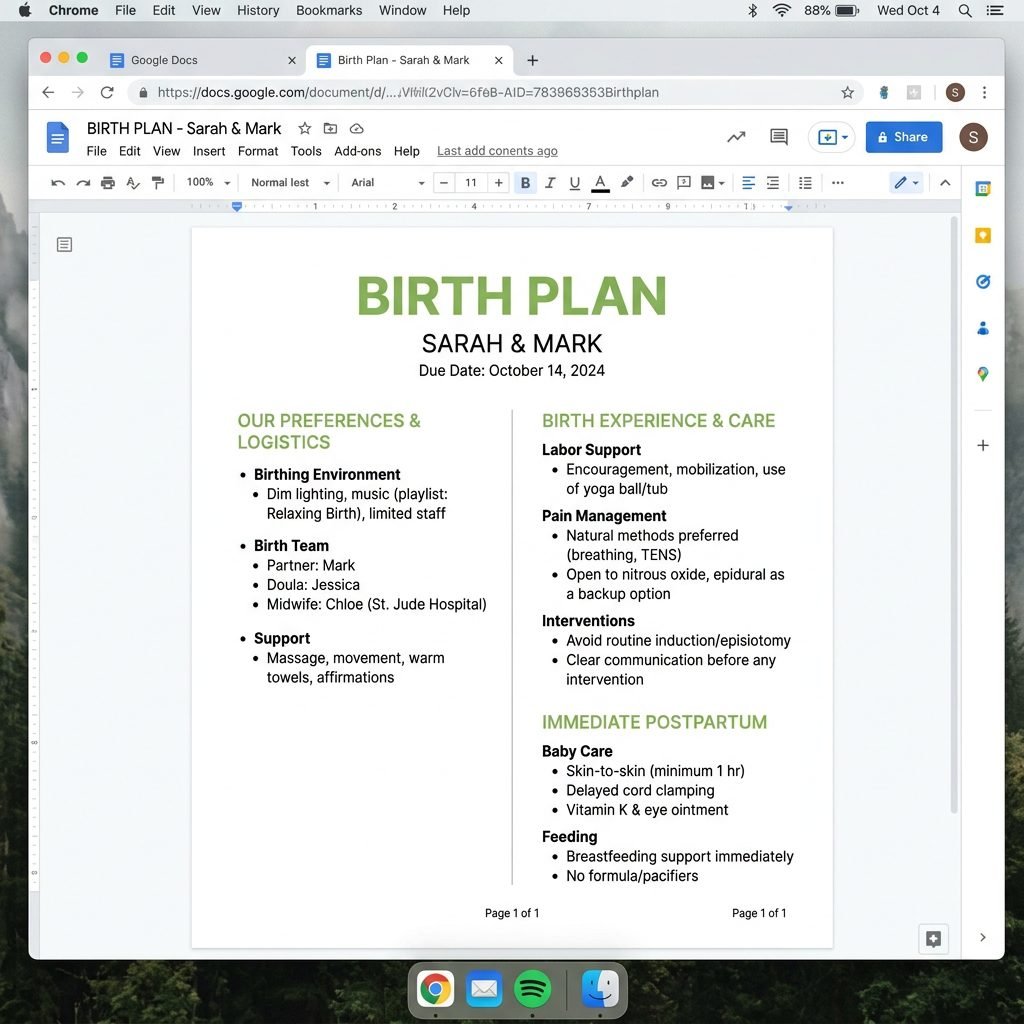
Google Docs is the perfect platform for your birth plan because it is easily shareable, editable on the fly, and offers clean, professional templates. To start your Modern Minimalist Birth Plan, you want to focus on a layout that looks more like a high-end resume than a medical checklist. Aim for a single page, and use a font like Montserrat, Lato, or Playfair Display for a sophisticated, calming aesthetic.
The Essential Formatting Steps
- Margins: Set your margins to 1 inch all around to allow for easy reading and potential hole-punching if you print it.
- Columns: Consider using a two-column layout for your preferences to keep the document to one page.
- Colors: Stick to a neutral palette—charcoal grey text on a white background, perhaps with a soft sage or terracotta accent color for headings.
Once your document is styled, create four distinct sections: Introduction & Team, Labor Environment, Delivery Preferences, and Newborn Care. This structure mirrors the chronological flow of your hospital or birth center stay, making it intuitive for the staff to follow as you progress through different stages of labor.
Step-by-Step: How to Fill Out Your Minimalist Template

Now that your document is styled, it’s time to fill it with your heart’s desires. Follow these steps to ensure you cover the essentials without cluttering the page.
- Start with a Warm Introduction: Include your name, your partner’s name, your doula’s name, and a one-sentence summary of your birth goal (e.g., ‘Our goal is a low-intervention birth with a focus on movement and hydrotherapy’).
- Define Your Labor Environment: List your preferences for lighting (dimmed), sound (curated playlist), and clothing (personal gown). Mention if you want minimal interruptions or a ‘quiet’ room.
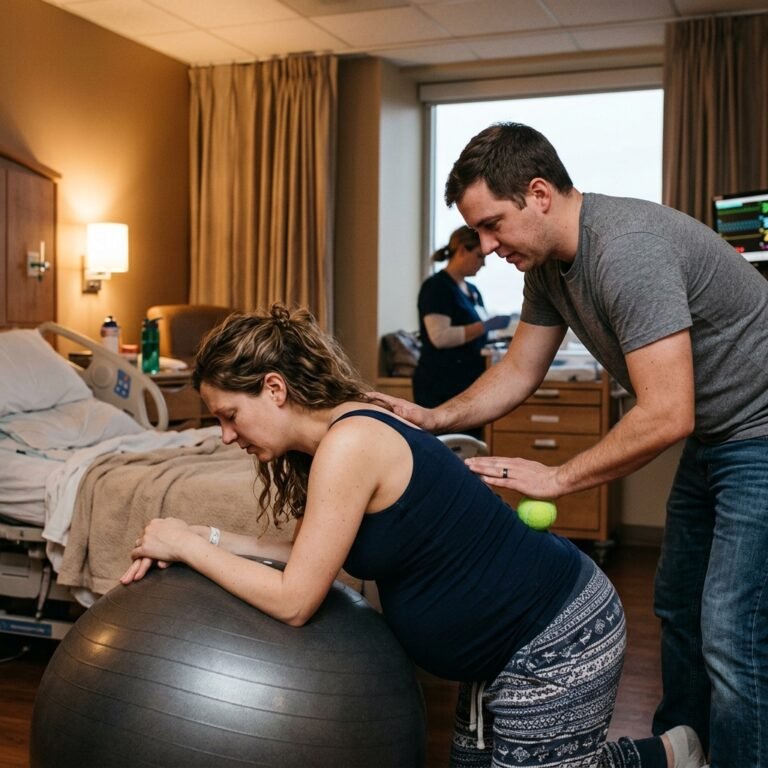
- Outline Pain Management & Movement: Be specific about your ‘tools.’ Do you want a peanut ball, a birth stool, or access to the tub? If you are planning for an epidural, state when you would like to discuss it.
- Clarify Delivery & Pushing: Mention your preference for delayed cord clamping (ideally until the cord is limp and white), skin-to-skin contact immediately after birth, and your desire to see the placenta if you are curious!
- Newborn Procedures: Detail your choices regarding the Vitamin K shot, Erythromycin eye ointment, and the Hep B vaccine. If you are breastfeeding, state that you prefer no pacifiers or formula unless medically indicated.
By following this logical flow, you ensure that no matter who walks into your room, they immediately understand who you are and how you wish to be supported. It’s about creating a sacred container for your baby’s arrival.
The Essential Labor Preferences Comparison Table
To help you decide what belongs on your minimalist plan, it is helpful to see how common preferences translate into the hospital environment. Use this table as a reference for your ‘must-haves’ versus your ‘nice-to-haves.’
| Category | Minimalist Preference | Why It Matters |
|---|---|---|
| Monitoring | Intermittent Auscultation | Allows for maximum mobility and use of the birth ball. |
| Hydration | Clear Fluids & Honey Sticks | Maintains energy levels for the marathon of labor. |
| Pain Relief | Hydrotherapy & Sterile Water Injections | Provides natural relief without the side effects of narcotics. |
| Pushing Position | Upright or Side-Lying | Uses gravity to help the baby descend and reduces tearing. |
| Cord Care | Delayed Clamping (3-5 mins) | Ensures the baby receives their full blood volume and iron stores. |
When you fill out your template, choose the 3-5 items that are most important to you in each category. This prevents the document from becoming a ‘wish list’ and turns it into a strategic directive. If everything is a priority, then nothing is a priority. Choose the elements that will truly impact your sense of safety and peace.
Communicating with Your Care Team: The Doula’s Secret Sauce

How you present your birth plan is just as important as what is written on it. As a doula, I recommend bringing your plan to your 36-week prenatal appointment. This gives your provider a chance to review it when they aren’t in the middle of a clinical task. It opens the door for a conversation about what is ‘standard protocol’ versus what can be ‘individualized’ for you.
Pro-Tips for the Delivery Room
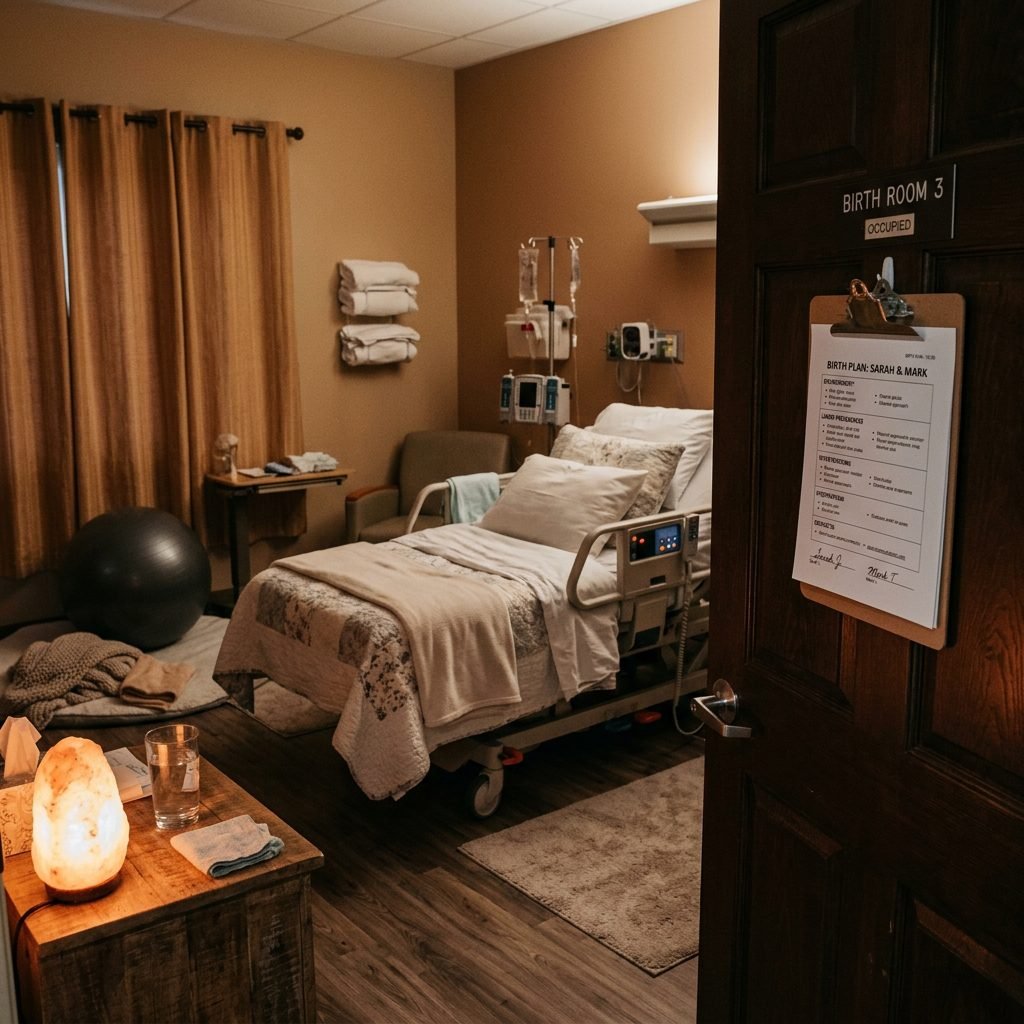
- The Clipboard Hack: Bring 3-4 printed copies. Keep one on the bedside table, tape one to the door (with permission), and give one to your nurse during shift change.
- The ‘Nurse’s Gift’: Presenting your plan alongside a small basket of snacks for the nursing station goes a long way in building rapport!
- The Verbal Summary: Have your partner or doula give a 30-second verbal summary to the nurse as soon as you are admitted. ‘Hi, we are so excited to be here. We have a minimalist birth plan that focuses on movement and delayed cord clamping. We’d love your help in supporting that!’
When you approach the medical team with respect and clarity, they are much more likely to go above and beyond to protect your birth space. You are a team, and this document is your playbook.
The ‘In Case of Pivot’ Plan: Grace in the Unexpected
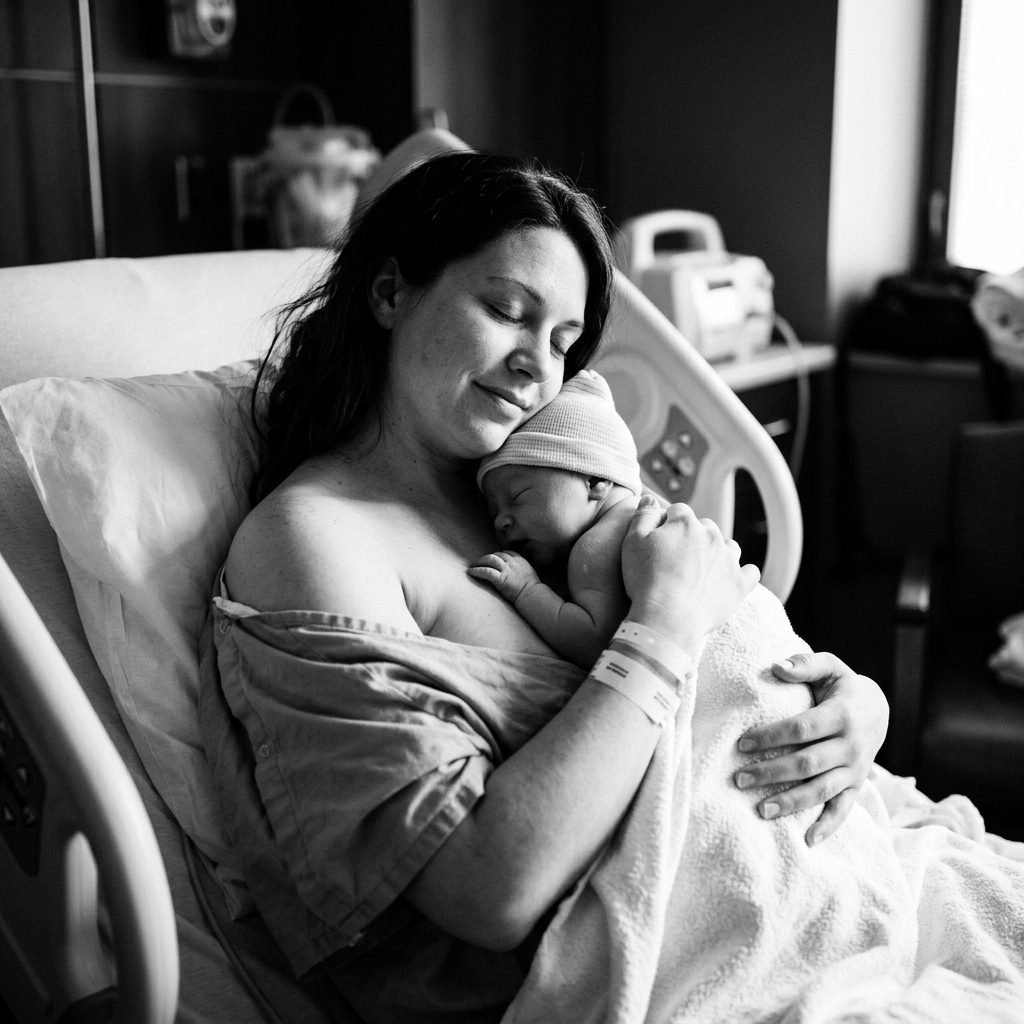
One of the most important sections of a modern birth plan is the ‘In Case of Pivot’ section. We don’t like to call it a ‘Plan B’ because that implies failure. Instead, it is a way to maintain autonomy and dignity even if the medical path changes. Whether it’s a transition to a Cesarean or the need for Pitocin, you still have choices.
Preferences for a Gentle Cesarean
- Clear Drape: If available, so you can see the baby being born.
- Music in the OR: To keep the environment calm and familiar.
- Immediate Skin-to-Skin: If you and the baby are stable, many hospitals now allow for ‘maternal-assisted’ or immediate skin-to-skin in the operating room.
- Vaginal Seeding: If this is something you have discussed with your provider for microbiome health.
Including these preferences shows the staff that you are informed and resilient. It transforms a potentially scary moment into one where you are still the central character in your story. You are not just a patient; you are a mother, and your preferences for your baby’s first moments are sacred, regardless of how they arrive.
Affirmation: I am prepared for the birth I want, and I am strong enough for the birth that happens.
Conclusion
You’ve Got This, Mama
Creating a modern minimalist birth plan on Google Docs is more than just an organizational task; it is an act of self-advocacy. By taking the time to distill your desires into a clear, beautiful, and professional document, you are setting the stage for a birth experience where you feel seen, heard, and respected. Remember that the most important part of any birth plan isn’t the paper it’s printed on—it’s the confidence you gain while writing it. You have done the work, you have explored your options, and you are ready to meet your baby. Print those copies, pack them in your bag next to your favorite cozy socks, and breathe deep. You are ready for this transformation. We are cheering you on every step of the way!