

6 Physical Partner Support Techniques for Transition Phase Labor
Navigating the ‘Wall’ of Labor Together
Listen, mama, and listen close, birth partner: we need to talk about Transition. If early labor is the slow climb and active labor is the steady hike, transition is the vertical cliff face. It is the shortest, yet most intense phase of labor, typically occurring when the cervix dilates from 8 to 10 centimeters. It’s the moment where many women say, ‘I can’t do this anymore,’ or ‘Just take me home.’ As a doula, I call this the ‘Golden Sign’—it means the baby is almost here!
But for the partner standing by, it can feel overwhelming to watch your favorite person navigate such raw, visceral intensity. You might feel helpless, but I am here to tell you that your physical presence is her greatest anchor. By using specific, evidence-based physical support techniques, you aren’t just ‘helping’—you are actively helping her body release the oxytocin it needs while dampening the adrenaline that causes fear. Let’s dive into the six physical techniques that will turn you into the ultimate birth guardian.
Understanding the Intensity: Why Transition Requires a Different Touch
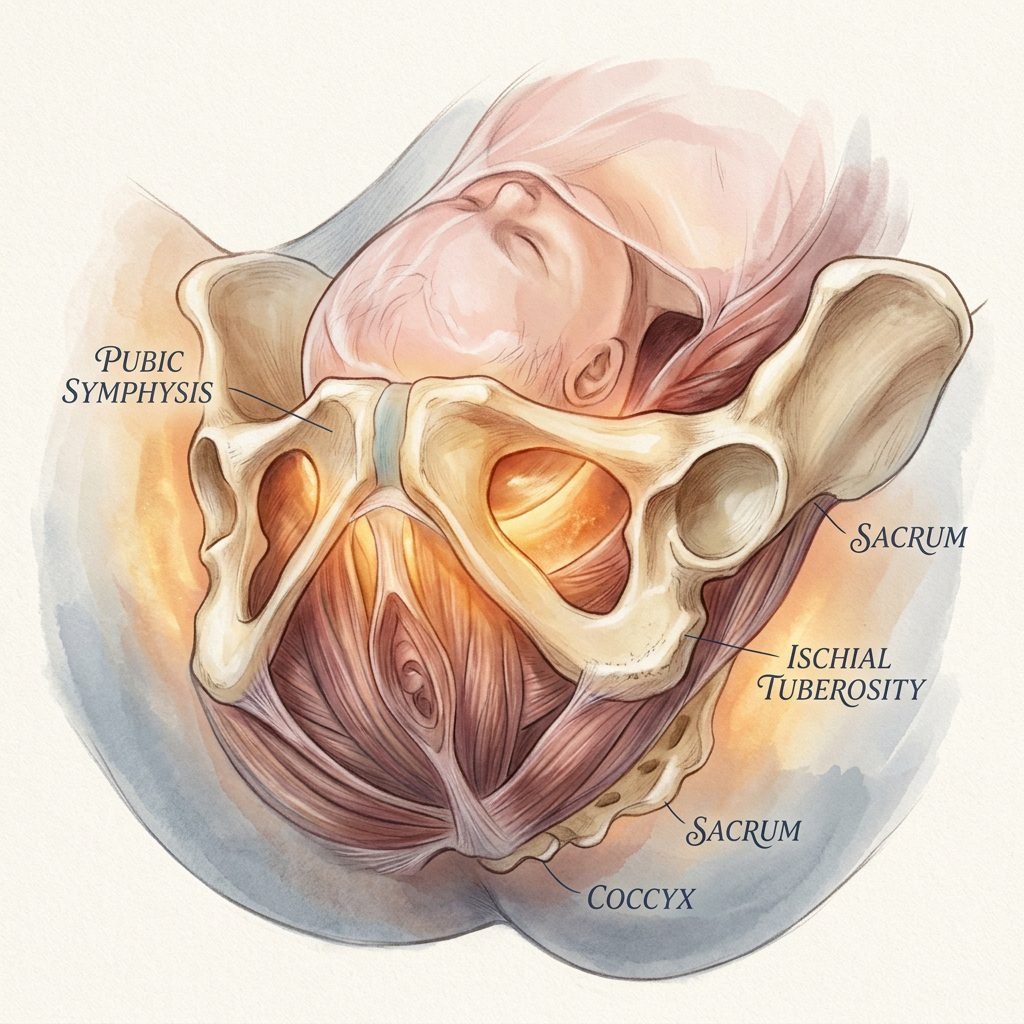
The Physiology of the Final Stretch
During transition, contractions are coming fast and furious—usually every 2 to 3 minutes, lasting 60 to 90 seconds. There is very little recovery time. The laboring person may experience the ‘shakes,’ nausea, or extreme sensitivity to touch. This is why your physical support must be precise, intentional, and highly responsive to her cues.
“Transition is the bridge between the world of labor and the world of motherhood. It is a sacred, albeit loud and messy, threshold.”
In this phase, the baby is moving through the narrowest part of the pelvic outlet. The pressure is immense. Your goal as a partner is to provide counter-sensations that help the brain process the intensity. We use the Gate Control Theory of Pain: by providing a different physical stimulus (like pressure or warmth), we can actually ‘crowd out’ some of the pain signals traveling to the brain.
Technique 1: The Double Hip Squeeze (The Pelvic Opener)

How to Relieve Intense Pressure
The double hip squeeze is arguably the most famous doula trick for a reason—it works. When the baby’s head is deep in the pelvis, it creates outward pressure that can feel like the hips are being pulled apart. By applying inward pressure, you provide a sense of stability and literally create more room in the pelvic outlet.
- Position yourself behind your partner while she is leaning forward (on a bed, a birth ball, or your shoulders).
- Place your palms on the fleshy part of her hips (the iliac crests).
- Apply firm, steady pressure inward toward her spine and slightly upward.
- Pro Tip: Do not just use your arm strength; lean your body weight into it to avoid tiring yourself out.
Ask her, ‘Does this feel better, or do you want more pressure?’ During transition, her answers might be short—that’s okay! Just follow her lead.
Technique 2: Sacral Counter-Pressure (The Back Labor Lifesaver)

Targeting the Lower Back Intensity
Many women experience ‘back labor,’ where the intensity is concentrated in the lower back and sacrum. This is often due to the baby’s position. Counter-pressure provides a ‘grounding’ sensation that can significantly lower the perceived pain level.
- Identify the sacrum (the flat, triangular bone at the base of the spine).
- Using the heel of your hand or a tennis ball, apply firm, direct pressure during the peak of a contraction.
- You can also use a small circular motion if she finds it soothing.
- Warning: Some women become ‘touch-sensitive’ in transition. If she swats your hand away, don’t take it personally—just move to a different support method.
Technique 3: The ‘Slow Dance’ (Gravity & Rhythmic Movement)

Keeping the Pelvis Mobile
Movement is medicine in labor. Staying upright allows gravity to help the baby descend. The ‘Slow Dance’ is a beautiful way to combine physical support with emotional intimacy.
- Have your partner wrap her arms around your neck or waist.
- Support her weight by holding her hips or mid-back.
- Gently sway side to side in a rhythmic motion.
- Encourage her to let her knees go soft and her pelvis hang heavy.
This movement helps the baby find the optimal path through the birth canal. It also allows you to whisper birth affirmations directly into her ear, providing a sensory anchor during the peak of transition.
Technique 4: Rebozo Sifting (The Gentle Jiggle)

Relaxing the Pelvic Floor Muscles
The Rebozo is a traditional Mexican shawl used for centuries in midwifery. ‘Sifting’ or ‘jiggling’ with a Rebozo can help relax the abdominal muscles and the fascia surrounding the uterus, which can be incredibly relieving during the transition phase.
- Have your partner get on all fours (hands and knees).
- Drape a long, sturdy scarf or Rebozo under her belly.
- Hold the ends of the scarf firmly.
- Gently lift slightly and use a very small, rhythmic ‘sifting’ motion (like you are sifting flour).
This isn’t about moving the baby; it’s about vibrational relaxation. It helps the mother let go of tension she might be holding in her glutes or lower back.
Technique 5: Cold Compress & Brow Wiping (Temperature Regulation)

Managing the ‘Transition Heat’
During transition, the body’s thermostat often goes haywire. One minute she’s freezing and shaking, the next she is sweating and feels overheated. This is a physiological response to the massive hormonal shift occurring.
- The Forehead Wipe: Use a washcloth soaked in ice water to wipe her brow, neck, and chest between contractions.
- The Peppermint Pop: A drop of peppermint oil on a cold cloth can also help with the nausea that often strikes at 9cm.
- Fan Support: Simply using a handheld fan to provide a steady breeze can prevent her from feeling claustrophobic during intense contractions.
Technique 6: Eye Contact & Mirroring (The Emotional Anchor)

Co-Regulating the Nervous System
When the ‘I can’t do this’ moment hits, your partner may lose her rhythm. She might start breathing shallowly or panicking. This is where mirroring becomes your most powerful physical tool.
- Get into her line of sight—literally ‘get in her face’ in a loving, grounded way.
- Take her hands or place your hands on her shoulders.
- Maintain steady, calm eye contact.
- Breathe loudly and slowly, inviting her to match your pace. ‘Look at me, breathe with me. Just this one. You’re doing it.’
By remaining calm, your nervous system helps regulate hers. You are the lighthouse in the storm.
Summary of Techniques & When to Use Them
Choosing the right technique depends on where she is feeling the intensity and her personal preference in the moment. Use this guide to help you decide which tool to pull from your doula-bag.
| Technique | Best For… | Partner Positioning |
|---|---|---|
| Double Hip Squeeze | Deep pelvic pressure / ‘Opening’ sensation | Behind her, leaning in |
| Counter-Pressure | Back labor / Sacral pain | At her side or behind her |
| Slow Dance | Gravity / Keeping movement fluid | Chest-to-chest, standing |
| Rebozo Sifting | Abdominal tension / Muscle relaxation | Standing over her (on all fours) |
| Cold Compress | Nausea / Overheating / Sensory grounding | At her head/face |
| Mirroring | Panic / Loss of rhythm / Breathing support | Face-to-face, eye level |
Conclusion
You Are Her Greatest Strength
Partner, remember this: you don’t have to be perfect; you just have to be present. Transition is a short window of time, even though it feels like an eternity when you’re in it. By using these physical techniques, you are providing the ‘scaffolding’ she needs to finish the hard work of labor. Trust your instincts, listen to her body, and keep breathing with her. You are about to meet your baby, and you are doing an incredible job.
You’ve got this, and so does she.