
5 Gentle Pelvic Floor Exercises to Prep Your Body for a Faster Delivery
Welcome to Your Empowered Birth Preparation
Hello, beautiful mama. As a doula, I have stood by the bedside of many women, and if there is one secret I could whisper into the ear of every expectant mother, it is this: your pelvic floor is not just a muscle to be strengthened, but a gateway to be softened. We often spend our lives being told to ‘tighten’ and ‘tone,’ but when it comes to bringing your baby into the world, the real magic happens in the release. Preparing your body for a faster delivery isn’t about doing a thousand Kegels; it is about creating a functional, flexible, and responsive pelvic floor that knows how to yield to the power of labor. In this guide, we are going to walk through five gentle exercises that will help you connect with your body, create space for your baby, and build the stamina you need for the big day. You are strong, you are capable, and your body was built for this journey. Let’s get started on prepping your ‘birth engine’ with love and intention.
Your body is a masterpiece of design. Trust the opening, honor the rhythm, and breathe into the strength you already possess.
The Science of Softening: Why Pelvic Floor Prep Matters
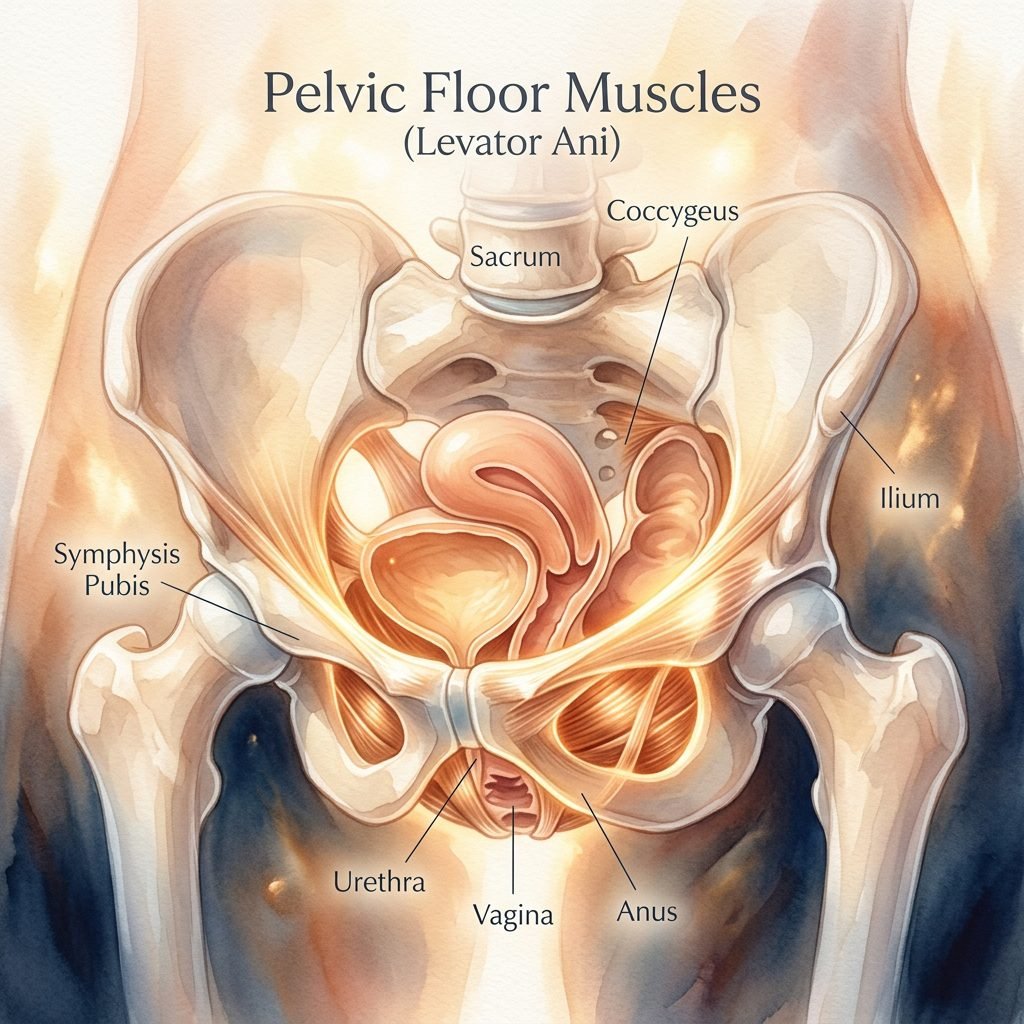
Before we dive into the movements, let’s talk about the ‘why.’ Your pelvic floor is a sophisticated hammock of muscles, ligaments, and connective tissue that supports your bladder, uterus, and bowels. During pregnancy, this hammock carries a significantly increased load. However, during delivery, these muscles must stretch to several times their resting length to allow your baby to pass through the birth canal. A ‘tight’ pelvic floor can actually act as a speed bump during labor, potentially lengthening the pushing phase. By practicing these gentle exercises, you are teaching your brain and body how to consciously relax these muscles under pressure. This ‘mind-muscle’ connection is your greatest ally during transition and the pushing stage. We are aiming for a pelvic floor that is supple, resilient, and responsive.
The Benefits of a Flexible Pelvic Floor
- Reduced Risk of Tearing: Flexible tissues yield more easily to the baby’s head.
- Efficient Pushing: Knowing how to release means you aren’t fighting against your own muscles.
- Faster Recovery: Muscles that are well-circulated and functional heal more quickly postpartum.
- Optimal Fetal Positioning: A balanced pelvis helps your baby find the best ‘exit’ route.
Exercise 1: Diaphragmatic 360 Breathing

This is the foundation of all pelvic floor work. Most of us are ‘chest breathers,’ but to prep for birth, we need to become ‘belly breathers.’ When you inhale deeply, your diaphragm drops down, which in turn pushes your pelvic floor down into a relaxed, lengthened state. This is the natural opening mechanism of your body.
How to Perform the 360 Breath
- Sit comfortably on a birth ball or a chair with your feet flat on the floor. Place your hands on the sides of your ribcage.
- Inhale slowly through your nose. Feel your ribs expand outward into your hands, your belly fill like a balloon, and—crucially—feel a gentle ‘dropping’ sensation in your pelvic floor.
- Imagine your pelvic floor is a blooming flower opening its petals.
- Exhale gently through pursed lips, like you are blowing through a straw. Notice the natural, effortless lift of the pelvic floor.
- Repeat for 5 to 10 minutes daily.
Doula Pro-Tip: Use this breath during contractions in early labor to keep your oxygen levels high and your muscles soft. It sends a signal to your nervous system that you are safe, which keeps the ‘labor hormones’ (oxytocin) flowing.
Exercise 2: Pelvic Tilts (Rocking the Cradle)
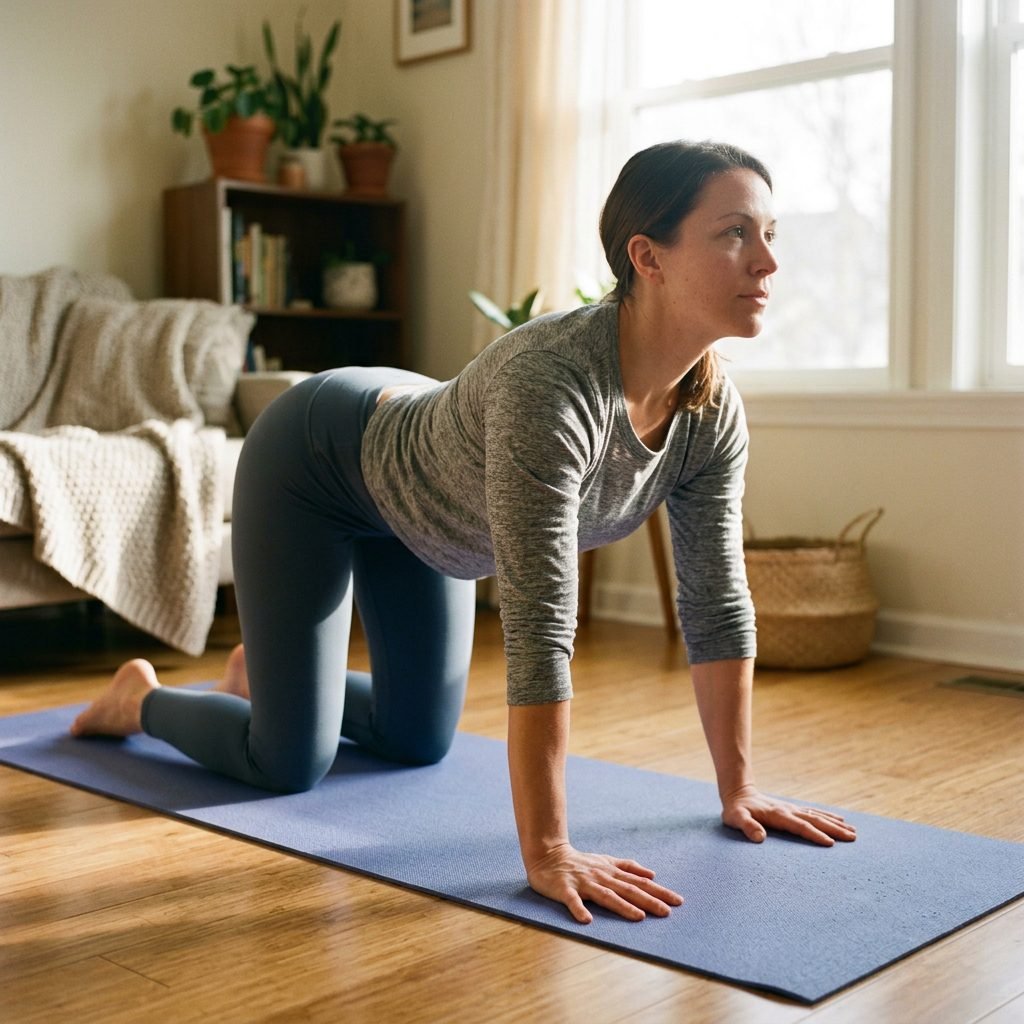
Pelvic tilts are the ultimate ‘motion is lotion’ exercise for pregnancy. They help relieve lower back pain and encourage your baby to move into the Occiput Anterior (OA) position—which is the optimal position for a faster delivery. By rocking the pelvis, you are loosening the ligaments and creating a dynamic environment for your baby to descend.
Step-by-Step Pelvic Tilts
- Get onto your hands and knees in a tabletop position. Ensure your wrists are under your shoulders and knees under your hips.
- Inhale as you gently let your belly drop toward the floor, looking slightly upward (this is the ‘Cow’ part of the movement).
- Exhale as you tuck your tailbone under and round your back toward the ceiling, looking toward your baby (the ‘Cat’ position).
- Focus on the rhythm. Think of it as a gentle massage for your spine and a rocking motion for your baby.
- Perform 15 to 20 repetitions every morning and evening.
| Benefit | How it Helps Delivery |
|---|---|
| Spinal Mobility | Reduces ‘back labor’ intensity |
| Pelvic Alignment | Creates more room in the pelvic inlet |
| Abdominal Support | Strengthens the muscles used for gentle pushing |
Exercise 3: Supported Deep Squat (Malasana)
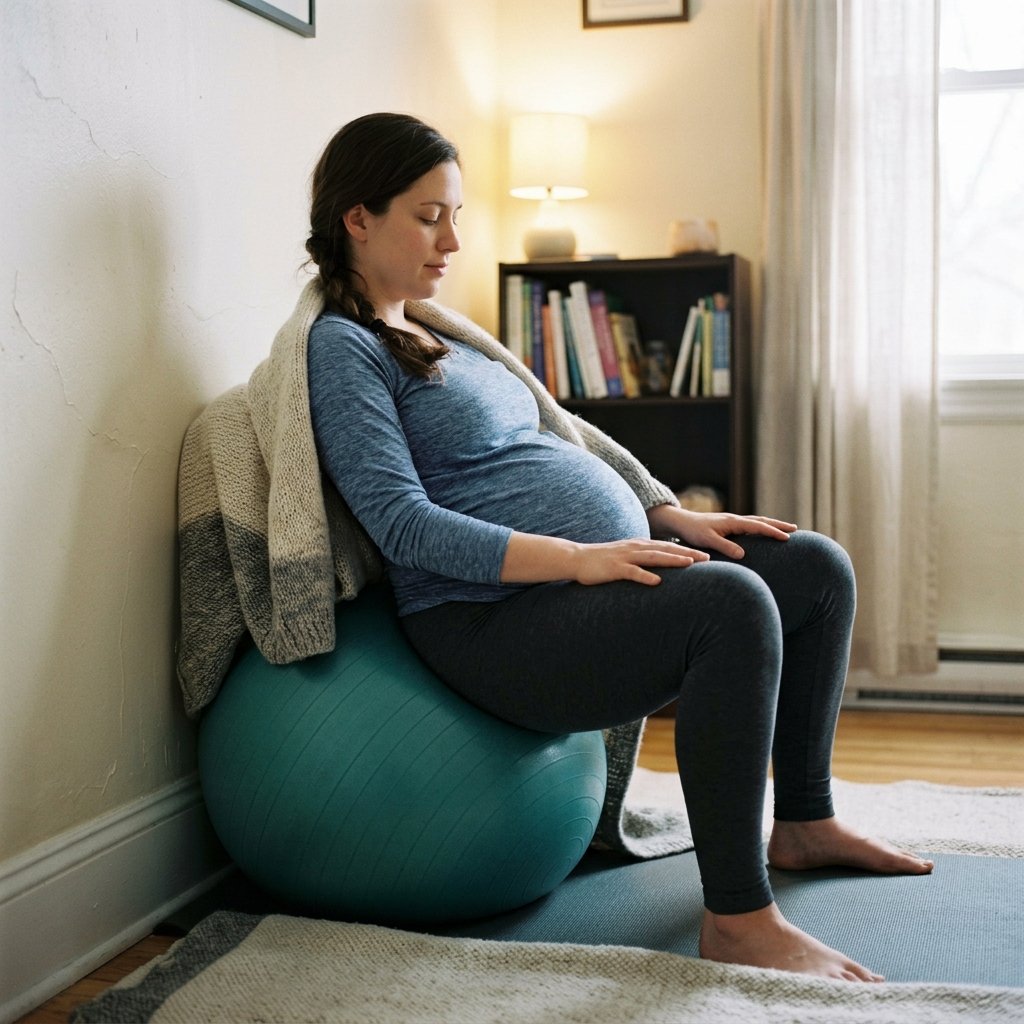
Squatting is perhaps the most ancient and effective birth preparation move. A deep squat can open the pelvic outlet by up to 20-30%. However, because our modern lives involve so much sitting in chairs, our hips are often too tight to hold a squat comfortably. Using support allows you to get the benefits without straining your joints.
How to Squat Safely
- Stand with your feet wider than hip-width apart, toes pointed slightly outward.
- Hold onto a sturdy piece of furniture, a doorframe, or have your partner stand in front of you for support.
- Slowly lower your hips toward the floor. If your heels lift, place a rolled-up yoga mat or towel under them.
- Once in the squat, use your elbows to gently press your knees open. Keep your chest lifted.
- Stay here for 5 deep breaths, focusing on the sensation of the pelvic floor stretching and opening.
If you feel any sharp pain or have been told you have a ‘low-lying placenta,’ please consult your provider before practicing deep squats.
Exercise 4: The Butterfly Stretch (Adductor Release)

The muscles of your inner thighs (the adductors) are directly connected to your pelvic floor. If your thighs are tight, they pull on the pelvis, making it harder for the pelvic floor to relax. The butterfly stretch is a gentle way to ‘open the gates’ and prepare the perineum for stretching.
The Butterfly Routine
- Sit on the floor with your back straight. Bring the soles of your feet together, letting your knees fall out to the sides.
- Grasp your ankles and gently pull your heels toward your body.
- Do not ‘bounce’ your knees. Instead, use your breath to send relaxation to your inner thighs.
- For an added benefit, lean forward slightly from the hips until you feel a gentle stretch.
- Hold for 30 to 60 seconds.
Fashion Tip: When practicing these stretches, wear buttery-soft, high-stretch bamboo leggings or a loose maternity skirt. Restrictive clothing can hinder your range of motion and make it harder to feel the subtle movements of your pelvic floor.
Exercise 5: Side-Lying Leg Lifts (Pelvic Stability)

While we want the pelvic floor to be flexible, we also need the supporting muscles of the hips (the glutes and abductors) to be strong. This stability prevents pelvic girdle pain (PGP) and gives you the stamina to hold different labor positions for long periods.
How to Build Stability
- Lie on your side with your hips stacked. Bend your bottom leg for stability.
- Rest your head on your arm or a pillow.
- Slowly lift your top leg toward the ceiling, keeping your foot flexed and your hips from rocking backward.
- Lower the leg with control.
- Perform 10 to 12 reps on each side.
| Labor Phase | Recommended Move | Why it Works |
|---|---|---|
| Early Labor | Pelvic Tilts | Keeps baby moving down |
| Active Labor | 360 Breathing | Manages pain and maintains oxygen |
| Transition | Deep Squat | Maximizes pelvic opening |
| Pushing | Butterfly Stretch | Relaxes the perineum for crowning |
Conclusion
Your Path to a Confident Delivery
Preparing for birth is as much a mental journey as it is a physical one. By incorporating these five gentle pelvic floor exercises into your daily routine, you are doing more than just ‘working out’—you are communicating with your body. You are telling your muscles that it is safe to open, safe to release, and safe to bring your baby into your arms. Remember, mama, labor is a marathon, not a sprint. Be patient with yourself, listen to your body’s cues, and celebrate the incredible work you are doing every single day. You’ve got this, and your doula-sister is cheering you on every step of the way! Stay hydrated, stay soft, and stay empowered.