
10 Delicious GD Breakfasts That Won’t Spike Your Blood Sugar Before Noon
Welcome, Mama. Take a Deep Breath.
If you’ve recently received a gestational diabetes (GD) diagnosis, I want you to know something right now: this is not your fault. It is not about that cupcake you ate at your sister’s party or the pasta you craved last week. It is a complex hormonal dance between your placenta and your pancreas. As your doula and sister-in-health, I am here to hold your hand through the kitchen and help you navigate this transition with flavor, joy, and—most importantly—stable numbers.
Breakfast is often the hardest meal for the GD mama. Due to the Dawn Phenomenon (a natural rise in blood sugar as your body wakes up) and the way pregnancy hormones peak in the morning, your body is naturally more insulin-resistant before noon. But don’t worry! We are going to master the ‘Magic Formula’ of protein, fat, and fiber to keep you feeling full and your glucose meter happy.
Understanding the Morning Spike: Why Breakfast is Different
The Science of the ‘Dawn Phenomenon’
When you wake up, your liver releases a little burst of glucose to give you the energy to start your day. For most people, the pancreas handles this easily. However, when you are pregnant, the placenta produces hormones like human placental lactogen (hPL) that make your cells more resistant to insulin. This resistance is usually at its highest in the morning. This is why a bowl of oatmeal that worked for you pre-pregnancy might suddenly cause a spike now.
The Magic Formula for GD Success
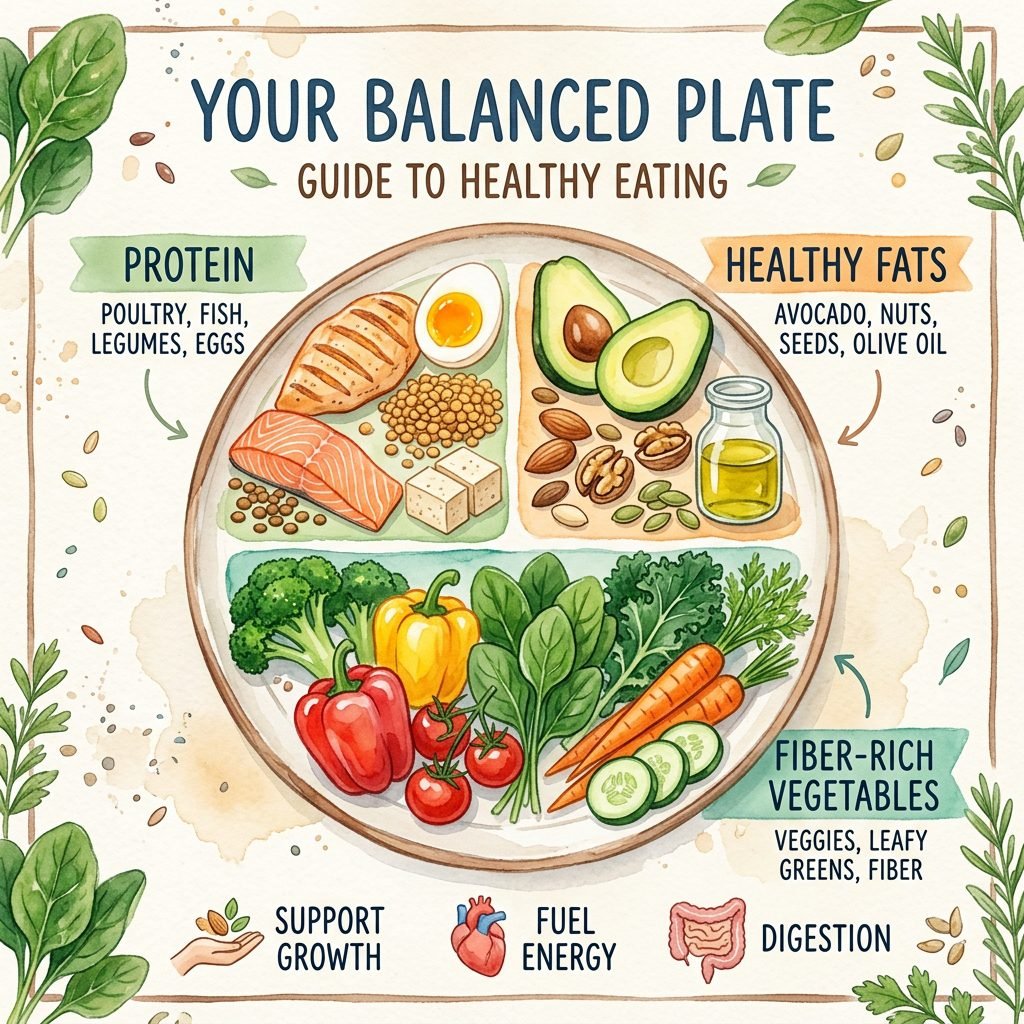
To combat these morning hurdles, we focus on a specific structural approach to every meal. Think of it as building a protective wall around your carbohydrates. You should never eat a ‘naked carb’ (a carbohydrate eaten alone). Instead, always pair it with the following:
- Protein: The anchor that slows down digestion.
- Healthy Fats: These provide satiety and further delay glucose absorption.
- Fiber: Found in non-starchy veggies and seeds, fiber is your best friend for a flat glucose curve.
You are doing an amazing job growing a human. These dietary shifts are just a temporary tool to keep you and your baby safe and strong.
The Top 10 GD-Friendly Breakfasts
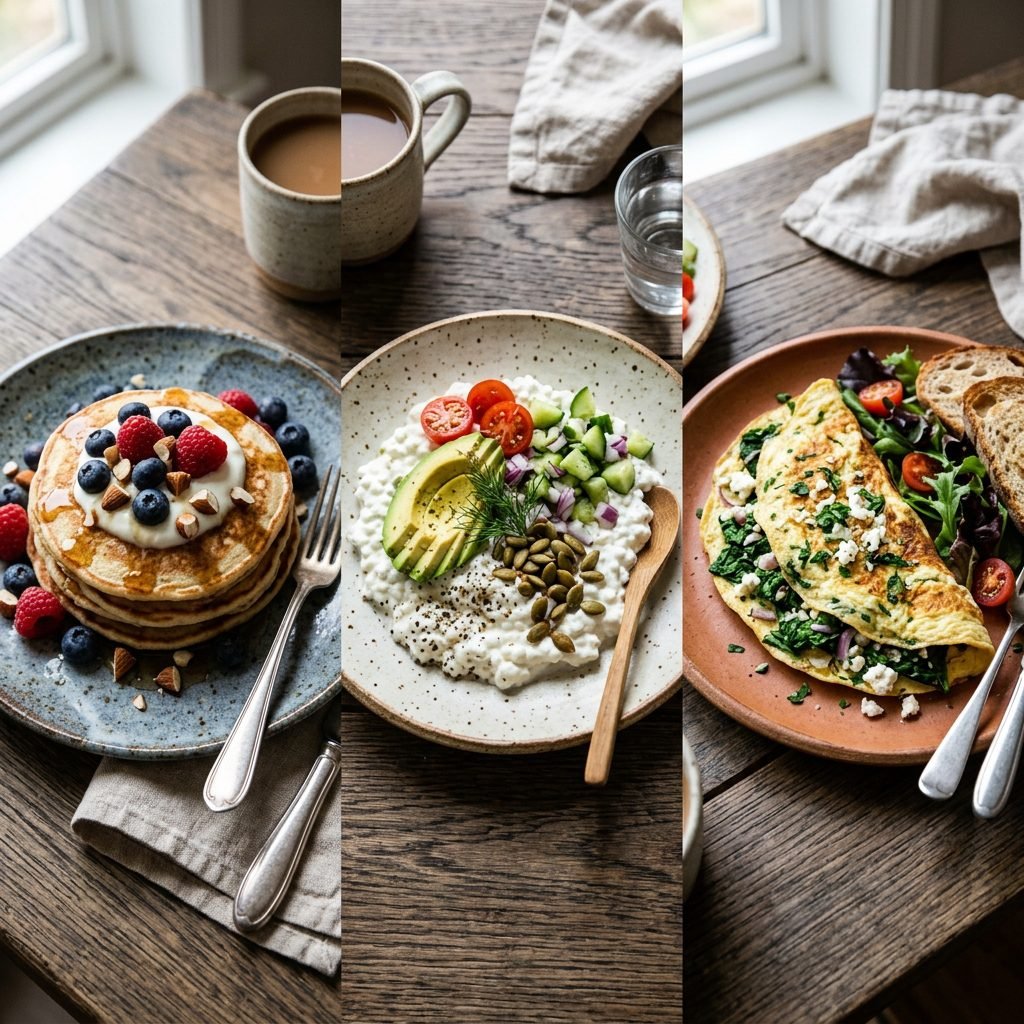
1. The Powerhouse Spinach and Feta Omelet
Eggs are the gold standard for GD breakfasts because they contain zero carbohydrates and are packed with choline for baby’s brain development. Sauté 2 cups of fresh spinach in olive oil, add 2-3 large eggs, and top with 1 ounce of feta cheese. The fat in the cheese and oil helps keep you full until lunch.
2. Chia Seed Pudding with Toasted Almonds
Chia seeds are a fiber miracle. Mix 3 tablespoons of chia seeds with 1 cup of unsweetened almond or coconut milk and a splash of vanilla. Let it set overnight. In the morning, top with 1/4 cup of raspberries (the lowest sugar berry) and a handful of slivered almonds for crunch.
3. Savory Cottage Cheese Bowl
If you have a sweet tooth, be careful with fruit in the morning. Instead, try a savory twist. Take 1 cup of full-fat cottage cheese and top it with sliced cucumbers, cherry tomatoes, and ‘Everything Bagel’ seasoning. The high protein content in cottage cheese is incredible for stabilizing blood sugar.
4. Avocado and Poached Egg on Sprouted Grain Toast
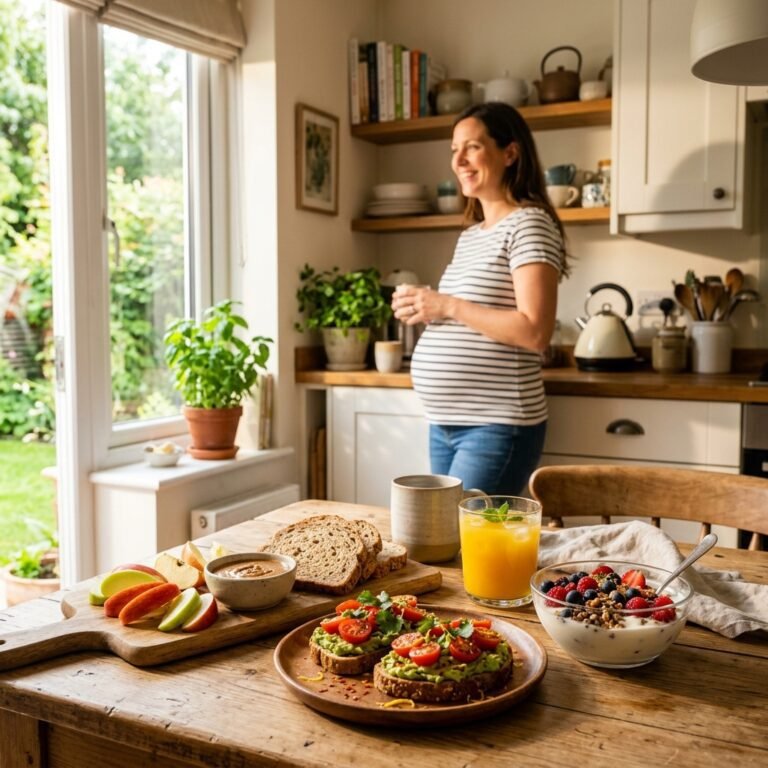
Bread isn’t off the menu, but the type matters. Use one slice of sprouted grain bread (like Ezekiel bread), which has a lower glycemic index. Top with half an avocado (healthy fats) and two poached eggs. Sprinkle with red pepper flakes for a metabolic kick.
5. The ‘Green Goddess’ Tofu Scramble
For my vegan mamas, crumbled firm tofu seasoned with turmeric, nutritional yeast, and salt is a fantastic protein source. Load it with kale, bell peppers, and mushrooms. Serve it with a side of 1/4 cup of black beans for extra fiber.
6. Almond Flour Pancakes
Missing pancakes? Swap wheat flour for almond flour. Mix 1 cup of almond flour with 2 eggs, 1/4 cup of water, and a pinch of cinnamon. Fry in butter. Instead of syrup, use a dollop of Greek yogurt and a few smashed blackberries.
7. Smoked Salmon and Cream Cheese ‘Sliders’
Skip the bagel and use thick slices of cucumber as your base. Spread with full-fat cream cheese and top with smoked salmon and capers. This is a high-protein, high-DHA meal that feels incredibly decadent.
8. Turkey Sausage and Veggie Sheet Pan Bake
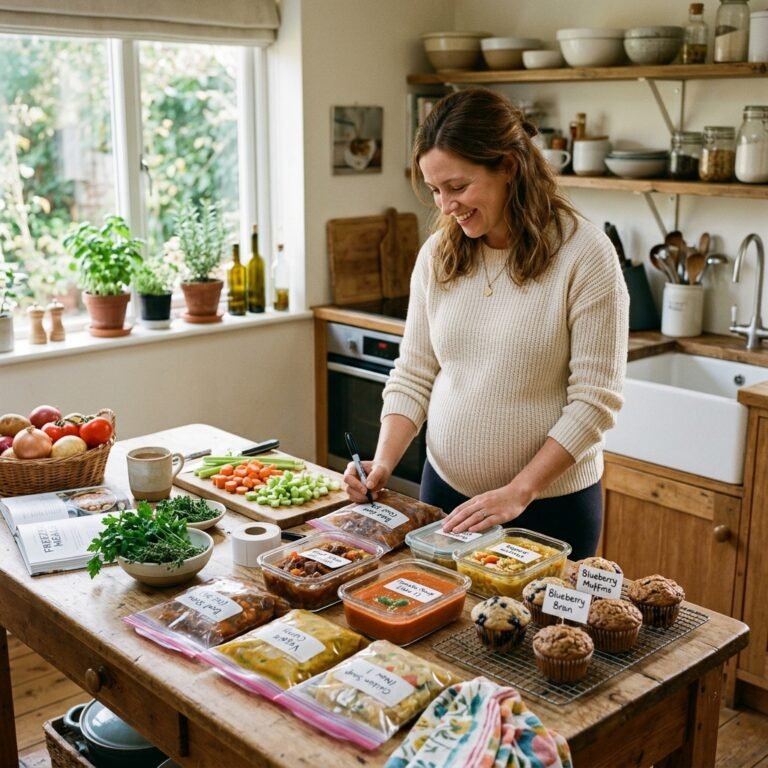
Prep this on Sunday! Roast sliced turkey sausages with broccoli, cauliflower, and zucchini. In the morning, reheat a portion and top with a fried egg. It’s a set-it-and-forget-it meal that ensures you don’t reach for cereal when you’re tired.
9. Greek Yogurt Parfait (The Right Way)
Use plain, full-fat Greek yogurt. Never buy the ‘low fat’ or ‘fruit on the bottom’ versions, as they are loaded with sugar. Add 2 tablespoons of hemp hearts and 5-6 walnuts. If you need sweetness, add a tiny pinch of stevia or extra cinnamon.
10. Overnight ‘Zoats’ (Zucchini Oats)
If you must have oats, use 1/4 cup of steel-cut oats (never instant) and mix in 1/2 cup of finely grated zucchini. The zucchini adds volume and fiber without changing the flavor. Mix with protein powder or a large spoonful of almond butter to blunt the carb spike.
Strategic Swaps and Food Comparisons
Making Smarter Choices at a Glance
Sometimes it’s not about eating less, but eating differently. Use this table to help guide your grocery shopping and meal assembly. Small changes in your morning routine can lead to significantly better two-hour post-meal numbers.
| High Spike Risk (Avoid in AM) | Low Spike Alternative (Choose This) |
|---|---|
| Instant Oatmeal or Cream of Wheat | Steel Cut Oats with extra protein/fiber |
| White or Whole Wheat Toast | Sprouted Grain Bread or Sourdough |
| Orange Juice or Fruit Smoothies | Whole Berries or Lemon-Infused Water |
| Non-fat/Skim Milk | Full-fat Milk, Almond Milk, or Heavy Cream |
| Flavored/Sweetened Yogurt | Plain Full-fat Greek Yogurt |
| Breakfast Cereal with Milk | Nut and Seed Granola with Greek Yogurt |
The Importance of Fat and Protein Ratios
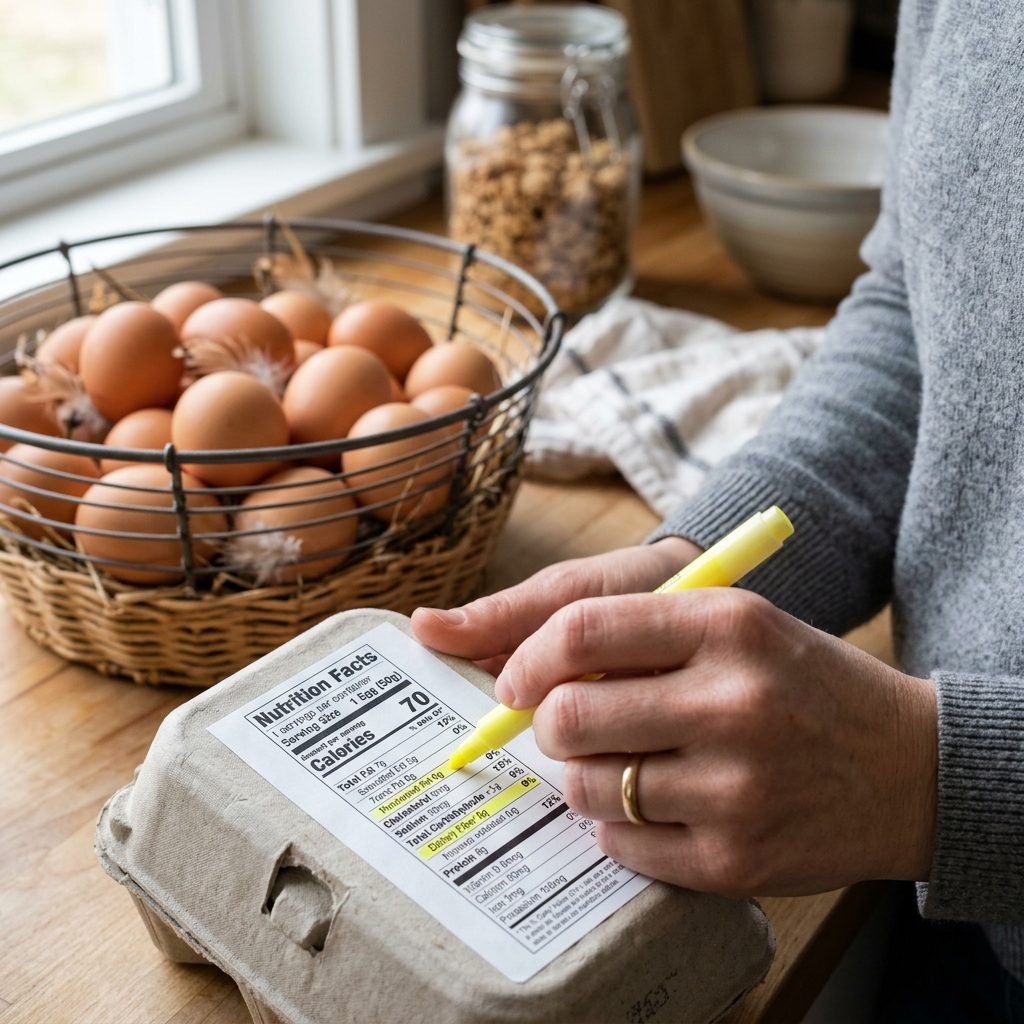
When looking at labels, aim for a 1:1 or 2:1 ratio of protein to net carbs for breakfast. For example, if a slice of bread has 15g of carbs, you want at least 10-15g of protein and healthy fat on top of it to slow down the sugar entry into your bloodstream.
The Doula’s Routine for Stress-Free Mornings

1. Hydrate Before You Caffeinate
Drink 12-16 ounces of water before your coffee. Dehydration can actually cause your blood sugar to appear higher than it is. If you love coffee, try adding a splash of heavy cream—the fat can actually help stabilize your morning numbers.
2. The 15-Minute ‘Sugar Flush’ Walk
If you find your breakfast numbers are still creeping up, try a gentle 15-minute walk immediately after eating. Exercise helps your muscles soak up glucose without needing extra insulin. It’s like a magic ‘delete’ button for a slight spike.
3. Test and Learn, Don’t Judge
Your glucose monitor is a tool, not a grade book. If you see a high number, don’t spiral into guilt. Ask yourself: ‘What did I eat? How did I sleep? Am I stressed?’ Use the data to adjust tomorrow’s meal.
Your body is working so hard right now. Be as kind to yourself as you will be to your little one.
Conclusion
You’ve Got This, Mama
Managing Gestational Diabetes is a marathon, not a sprint. By focusing on these 10 delicious, protein-packed breakfasts, you are giving your baby the best environment to grow while keeping your own energy levels steady. Remember, this season of life is short, and the prize at the end—that sweet, healthy baby—is worth every finger prick and every extra serving of spinach.
Keep experimenting with what works for your unique body, stay hydrated, and don’t forget to celebrate the small wins. Every stable number is a victory! Sending you so much love and steady vibes for your pregnancy journey.