
Running After Baby: The Safety Guide Every Fit Mom Needs
Welcome Back to Your Movement, Mama
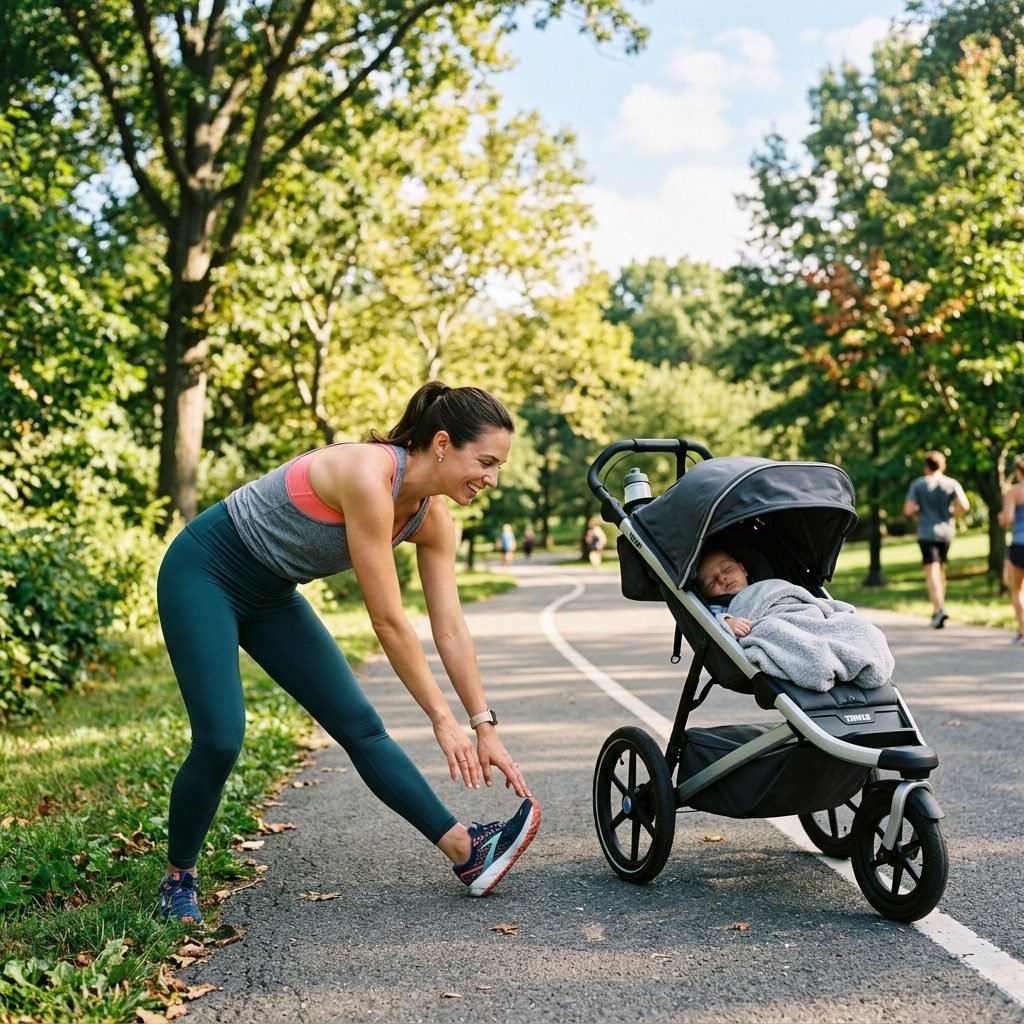
Hey there, sweet mama. I see you. I see those running shoes tucked in the back of the closet, and I know that deep, soul-level longing to feel the wind on your face and the rhythmic beat of your feet on the pavement. Running isn’t just exercise for us; it’s our therapy, our ‘me-time,’ and the way we reconnect with the woman we were before we became ‘Mom.’ But as your sister in this journey and a doula who has seen it all, I want to hold your hand and whisper a vital truth: your body has just performed a miracle, and it needs a different kind of care now.
Returning to running isn’t just about waiting for that six-week clearance from your OB-GYN. It’s about rebuilding your foundation from the inside out. In this guide, we aren’t just talking about miles and paces; we are talking about your pelvic floor, your core stability, and your long-term health. We want you running for the next forty years, not just the next forty minutes. So, let’s take a deep breath together and walk through the safe, empowered way to get you back on the road.
The Foundation: Understanding Your Postpartum ‘Inner Core’
It’s More Than Just Muscles
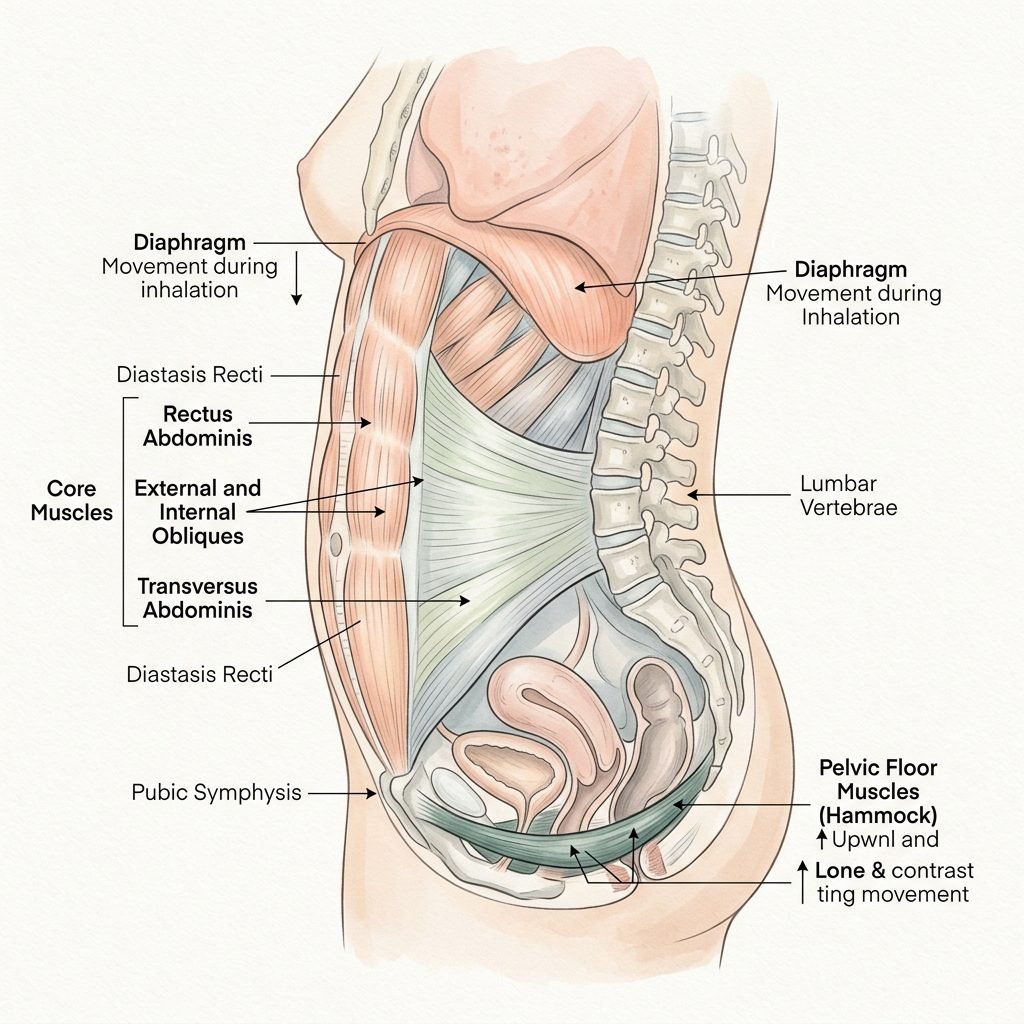
Before you hit the trail, we have to talk about the ‘inner canister.’ Imagine your torso as a soda can. The top is your diaphragm, the sides are your abdominal muscles, and the bottom is your pelvic floor. During pregnancy, that ‘can’ was stretched to its absolute limit. Your pelvic floor—the hammock of muscles supporting your bladder, uterus, and bowels—carried the weight of a growing human for forty weeks. Then, whether you had a vaginal birth or a C-section, those muscles underwent significant stress or major surgery.
Running is a high-impact sport. Every time your foot strikes the ground, a force of 3 to 4 times your body weight travels up through your legs and lands right on that pelvic floor. If the ‘bottom of the can’ isn’t strong enough yet, you might experience leaking, heaviness, or pain. This is your body’s way of communicating, not failing.
“Your body is not ‘broken’; it is recovering. Honor the pace of healing as much as you honor the pace of your run.”
| Symptom | What it Means | Action Step |
|---|---|---|
| Urinary Leaking (SUI) | Pelvic floor needs coordination/strength | Consult a Pelvic Floor PT |
| Pelvic Heaviness/Pressure | Potential Pelvic Organ Prolapse (POP) | Stop running; seek assessment |
| Low Back or Hip Pain | Core instability or poor gait mechanics | Focus on glute and core strengthening |
| Domining/Bulging Abs | Diastasis Recti (Abdominal Separation) | Focus on deep core (TVA) activation |
The Safe Return Timeline: Why 6 Weeks Isn’t the Magic Number
The Myth of the Six-Week Clearance
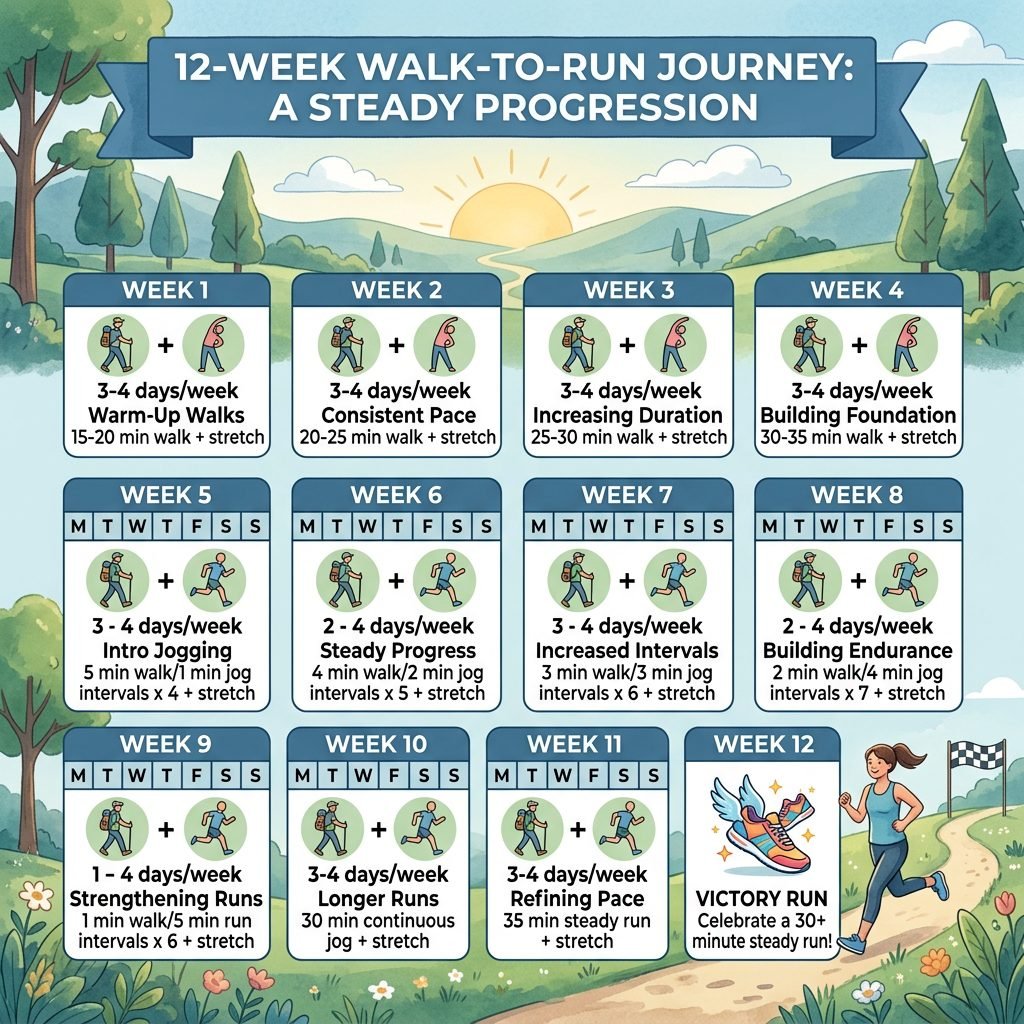
We’ve all heard it: ‘At six weeks, you’re good to go!’ But as a nurse and doula, I’m here to tell you that tissue healing takes time. Research now suggests that a minimum of 12 weeks postpartum is the safest window to begin high-impact activities like running. Why? Because your collagen and ligaments are still affected by relaxin (the hormone that loosened your joints for birth), especially if you are breastfeeding.
Use this graduated timeline to guide your progress:
- Weeks 0-2: Gentle breathing exercises and very short, slow walks around the house. Focus on rest and bonding.
- Weeks 2-4: Increase walking duration to 10-15 minutes. Focus on ‘reconnecting’ with your pelvic floor through gentle contractions.
- Weeks 4-8: Longer walks (20-30 minutes) on flat surfaces. Start bodyweight strength training (squats, lunges) to prep the legs.
- Weeks 8-12: Begin specific impact-readiness drills. Think of these as ‘pre-running’ tests.
- Week 12+: If you pass the readiness tests, begin a walk-run interval program.
The Impact Readiness Test
Can you perform these moves without leaking, pain, or pressure? If so, you might be ready for a light jog:
- Walking for 30 minutes at a brisk pace.
- Single-leg balance for 10 seconds on each side.
- Single-leg squats (10 repetitions per side).
- Jogging in place for 1 minute.
- Hopping on the spot (10 repetitions per leg).
Gear and Logistics: Supporting the Postpartum Athlete
The Right Support for Your ‘New’ Body
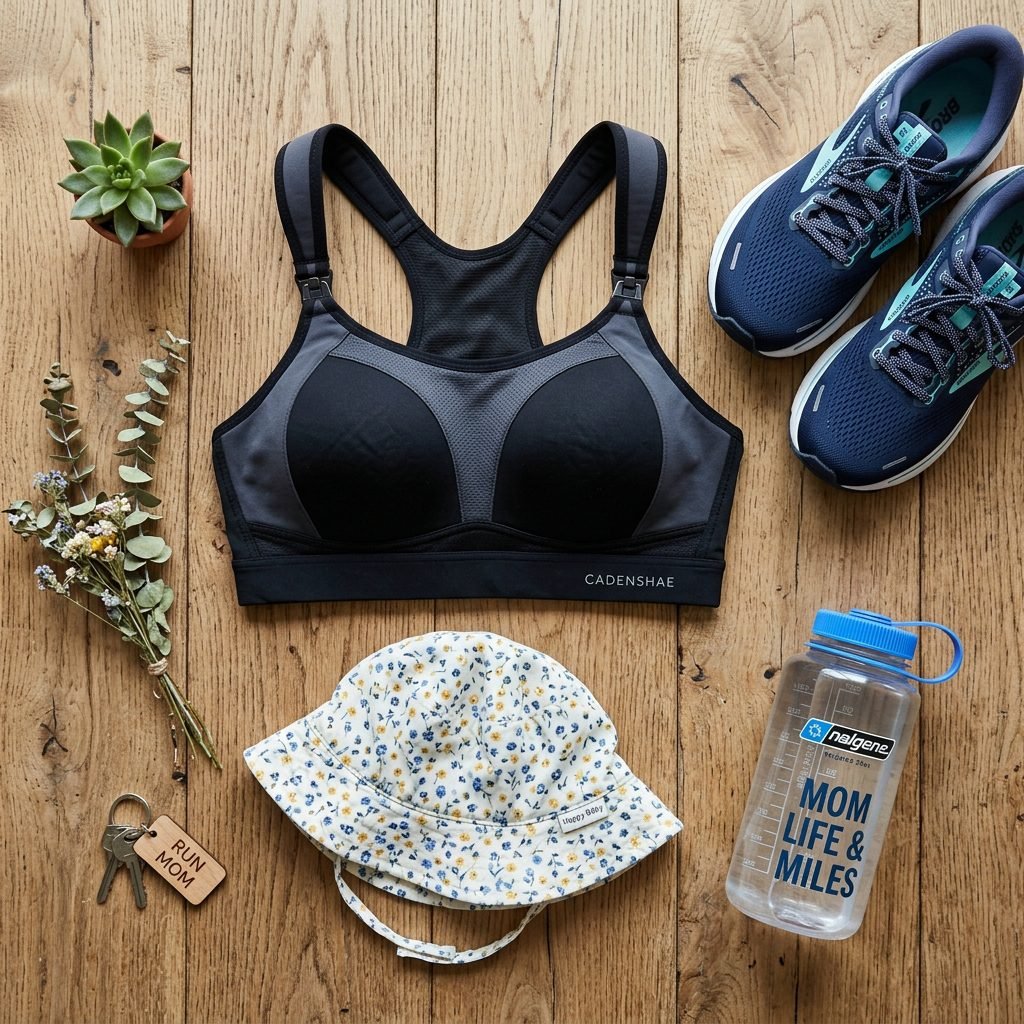
Your body has changed, and your old gear might not cut it anymore. First, let’s talk about breast support. If you are nursing, your breasts are heavier and need a high-impact bra that offers support without being so tight it causes clogged ducts or mastitis. Look for wide straps and adjustable bands.
Next, your feet! Did you know your feet can grow or flatten during pregnancy? You may need a half-size larger or a shoe with more stability to account for ligament laxity. Don’t try to squeeze into your pre-pregnancy favorites if they feel tight.
The Jogging Stroller Debate
I know you’re excited to take the little one with you, but safety first! Most pediatricians and stroller manufacturers recommend waiting until the baby is 6 to 8 months old before running with them. They need the neck strength to handle the vibrations and potential bumps. When you do start:
- One hand on, one hand off: Alternate your pushing arm to avoid repetitive strain on one side of your body.
- Check the tires: Ensure they are properly inflated to reduce the effort needed to push.
- Safety strap: Always use the wrist tether—it’s a lifesaver on hills!
| Gear Item | Postpartum Feature to Look For |
|---|---|
| Sports Bra | Encapsulation style, wide straps, nursing-friendly clips |
| Running Shoes | Wide toe box, extra cushioning, potential size up |
| Leggings | High-waist, gentle compression for abdominal support |
| Jogging Stroller | Fixed front wheel option, five-point harness, suspension |
Fueling the Run: Nutrition and Hydration for Nursing Moms
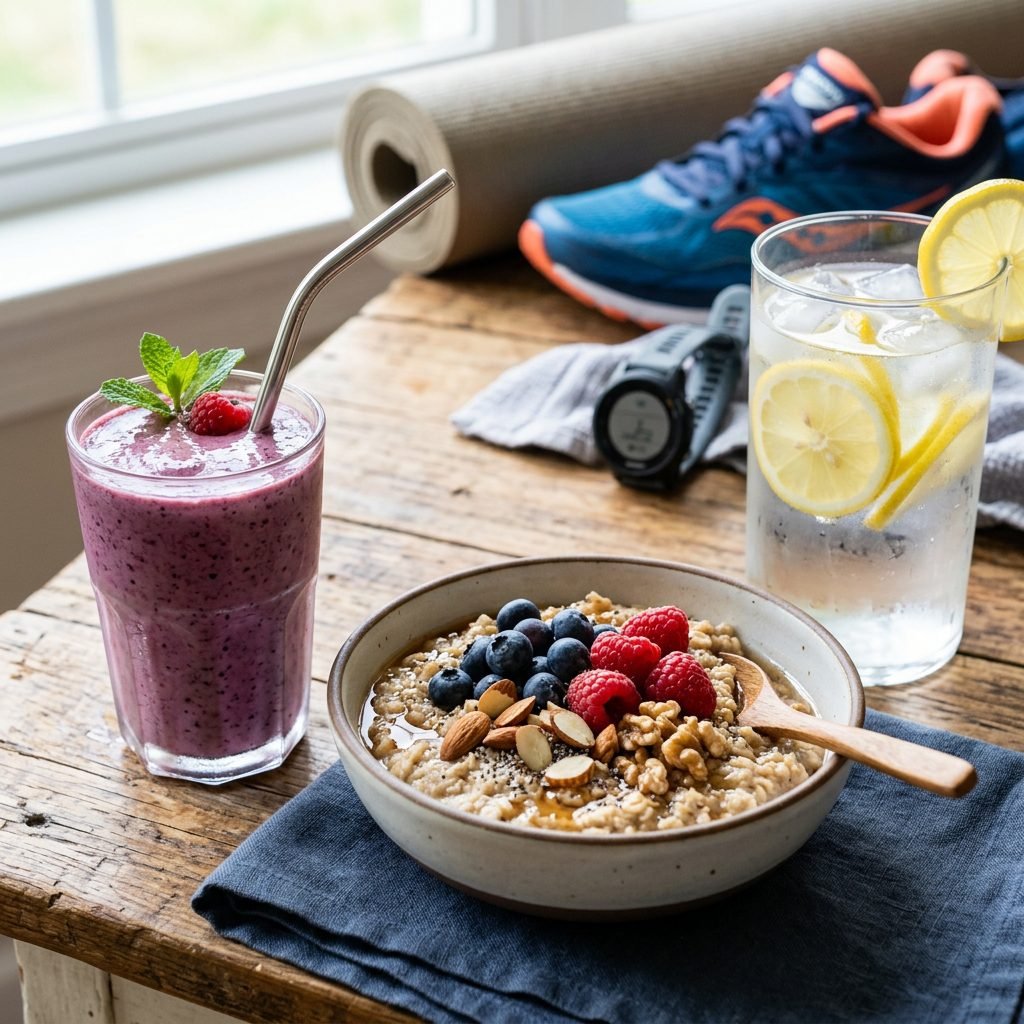
Eating for Two (Still!)
If you are breastfeeding, your body is already burning an extra 300 to 500 calories a day just to produce milk. Adding running to the mix means you need to be very intentional about your intake. Restricting calories too early can tank your energy levels and potentially impact your milk supply.
Hydration is your best friend. A good rule of thumb is to drink a large glass of water before you head out and another as soon as you return. If you’re running longer than 30 minutes, bring water with you. Electrolytes are also key—magnesium and potassium help prevent the muscle cramps that are so common in the postpartum period.
“You cannot pour from an empty cup, and you certainly cannot run on an empty tank. Fuel your body with the love it deserves.”
Try to time your runs for after a nursing or pumping session. This makes the run more comfortable (less heavy-chest feeling) and ensures your baby is satisfied while you get your miles in.
The Mental Game: Overcoming Comparison and Guilt

You Are Not Behind
In the age of social media, it’s so easy to see a ‘fit-fluencer’ running a 5K three weeks after birth and feel like you’re failing. Please, turn off that noise. Every birth is different. A mom who had a 4-hour labor with no tearing will have a different recovery than a mom who had a 36-hour labor ending in an emergency C-section.
Be kind to yourself. Some days, a 10-minute walk will feel like a marathon. That is okay. Some days, you will feel a ‘leak’ and have to walk home in frustration. That is okay, too. It’s all part of the data your body is giving you. You are not alone, and this season of ‘slow’ is only temporary.
Affirmations for the Postpartum Runner
- My body is strong, capable, and healing.
- I run to celebrate what my body can do, not to punish it for what it ate.
- Slow progress is still progress.
- I am a better mother when I take care of my own well-being.
Conclusion
Crossing Your Own Finish Line
Returning to running after baby is a journey of patience, persistence, and profound self-love. It’s not about the pace on your watch or the distance on your GPS; it’s about the strength in your spirit and the health of your body. Remember, mama, you are setting an incredible example for your little one by showing them that health is a priority and that big goals are reached one small, safe step at a time.
Take it slow, listen to your pelvic floor, and celebrate every single win—whether it’s a walk around the block or your first continuous mile. You’ve got this, and I’m cheering for you every step of the way!