
The Truth About Postpartum Bleeding: What No One Warns You About
Welcome to the Fourth Trimester, Mama
Oh, sweet sister, if you are reading this while holding a sleeping newborn or while packing your hospital bag with a mix of excitement and nerves, take a deep breath. You are doing something incredible. We often spend nine months talking about the birth—the contractions, the pushing, the nursery colors—but we rarely talk about the ‘day after’ and the weeks that follow. Specifically, we don’t talk enough about postpartum bleeding, or what we professionals call lochia.
As your doula and sister-in-healing, I want to pull back the curtain. Postpartum bleeding is not just a ‘heavy period.’ It is a profound physical process of your body healing the space where your baby and placenta lived for nearly a year. It can be messy, it can be surprising, and at times, it can be a little scary if you don’t know what to expect. This guide is here to hold your hand, explain the science, and give you the practical, unvarnished truth so you can recover with confidence and peace of mind.
You are not just ‘bleeding’; you are healing a sacred space. Be as gentle with yourself as you are with your new baby.
The Science of Lochia: Why It Happens
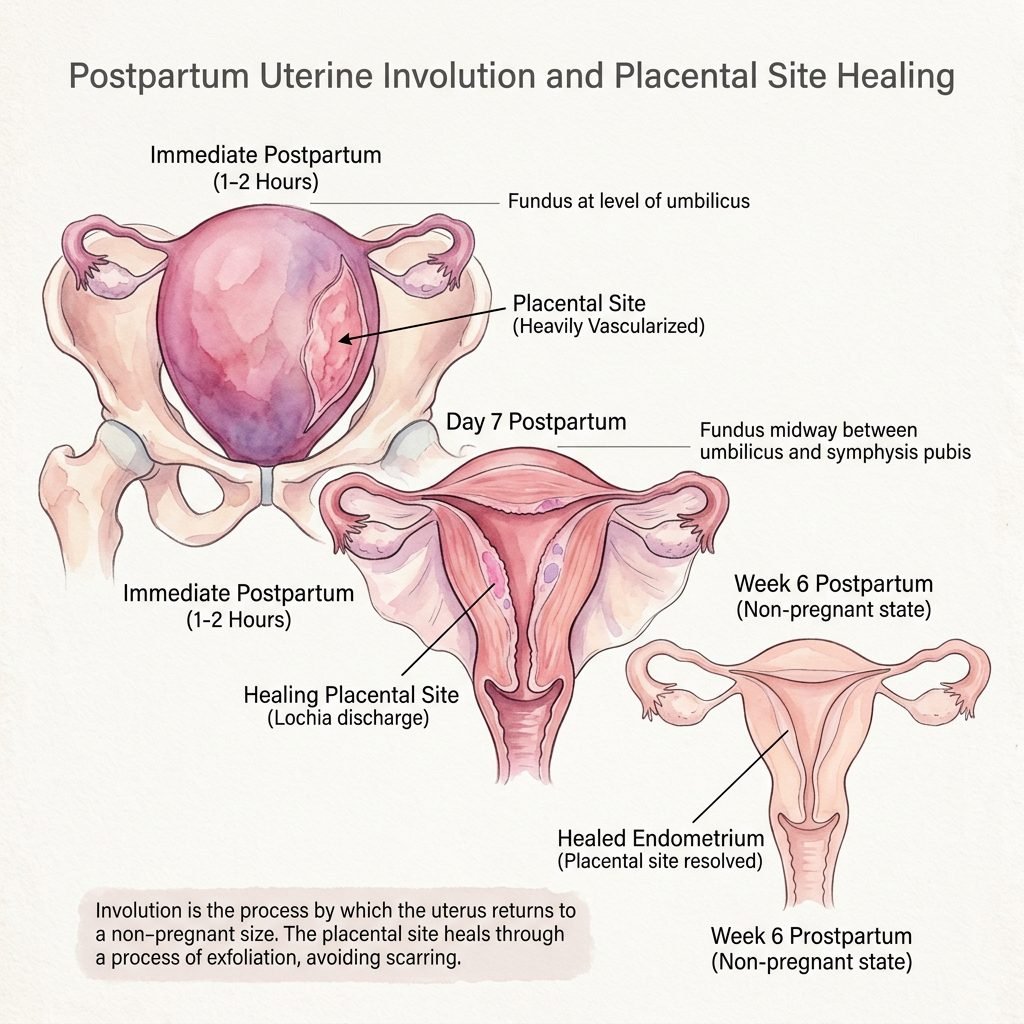
First, let’s demystify what is actually happening inside your body. After your baby is born and the placenta is delivered, your uterus begins a remarkable process called involution. This is when the uterus contracts back down to its pre-pregnancy size. At the site where the placenta was attached, there is essentially an open wound about the size of a dinner plate. Because your body no longer needs the extra blood volume it created for pregnancy, and because that placental site needs to heal, your body sheds blood, mucus, and uterine tissue.
Is it different for C-sections?
Many mothers assume that if they have a Cesarean birth, they won’t bleed as much. While it is true that doctors often clear out some of the uterine lining during the surgery, you will still experience lochia. Your body still needs to heal that internal site and shed the extra lining. Whether your baby came through the ‘front door’ or the ‘sunroof,’ your recovery journey includes this phase of bleeding.
Understanding the timeline is the first step to feeling in control. Lochia typically lasts anywhere from 4 to 6 weeks, though every body is unique. It changes in color and consistency as the healing progresses.
| Phase | Timeline | What it Looks Like |
|---|---|---|
| Lochia Rubra | Days 1–4 | Bright red, heavy flow, small clots. |
| Lochia Serosa | Days 4–10 | Pinkish-brown, thinner, watery consistency. |
| Lochia Alba | Days 10–Week 6 | Yellowish-white or cream-colored, light spotting. |
The ‘Gush’ and Other Surprises

Nobody warns you about the ‘first stand.’ After you’ve been lying in your hospital bed or on your sofa for a few hours, gravity does its job. When you stand up, you might feel a sudden gush of blood. This is perfectly normal! It’s simply blood that has pooled while you were horizontal. Don’t panic; just make sure you have your heavy-duty protection ready.
The Breastfeeding Connection
You might notice that your bleeding increases or you feel sharp cramps while nursing your baby. This is actually a sign that your body is working perfectly. Breastfeeding releases oxytocin, the ‘love hormone,’ which also causes the uterus to contract. These contractions (often called ‘afterpains’) help prevent excessive bleeding by clamping down on the blood vessels at the placental site. It might be uncomfortable, but it is your body’s way of keeping you safe.
- Pro-Tip: Keep a heating pad nearby for your belly during nursing sessions to help with those afterpains.
- Hydration: Drink 8-10 glasses of water a day to help your body manage the fluid shift.
- Empty Bladder: Try to urinate frequently. A full bladder can push against the uterus, preventing it from contracting efficiently and potentially increasing bleeding.
The Recovery Toolkit: Managing the Mess
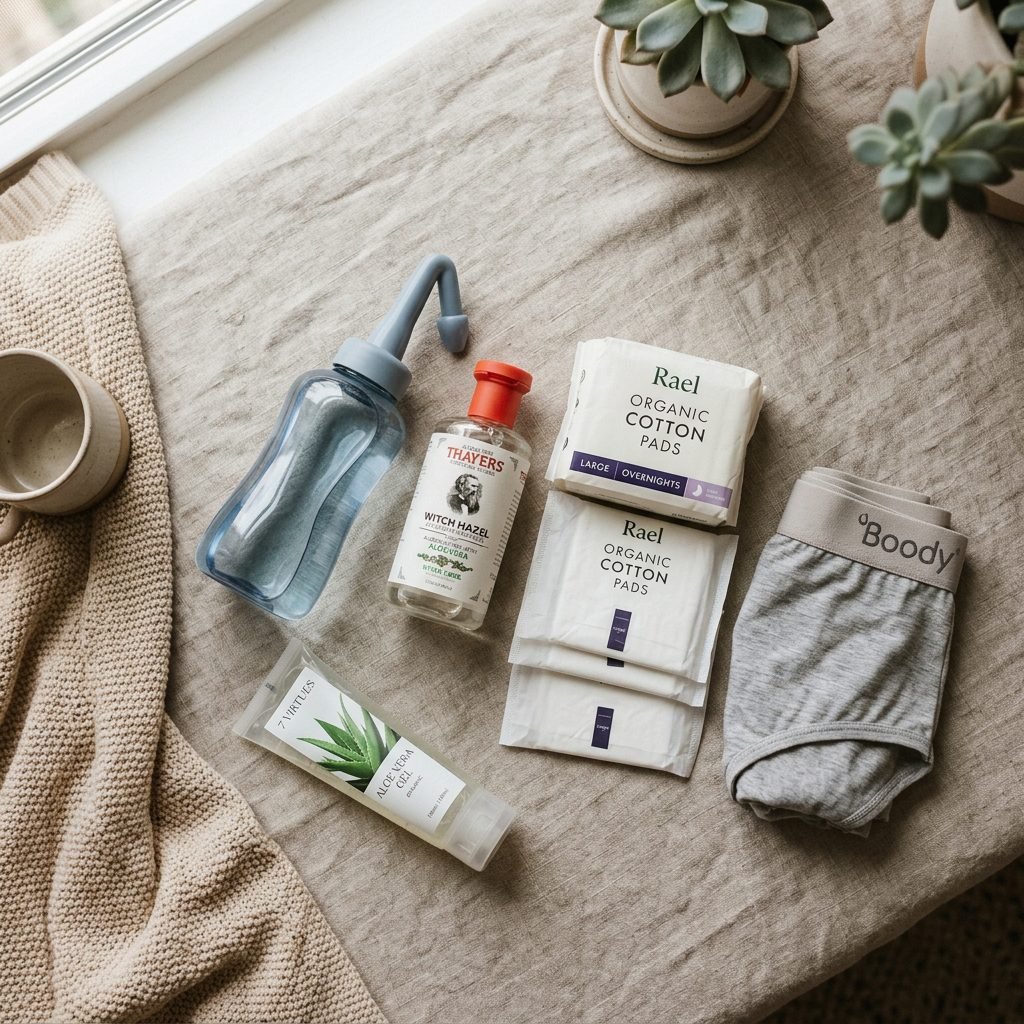
Forget your pre-pregnancy thongs for a while, mama. Postpartum recovery requires a different kind of wardrobe. You need items that are soft, breathable, and capable of holding significant protection without irritating your sensitive tissues or any incisions.
Mesh Panties vs. The World
The hospital will give you those famous grey or white mesh panties. Many moms love them because they are stretchy and disposable. However, some prefer more structured support. Let’s look at your options:
| Option | Pros | Cons |
|---|---|---|
| Hospital Mesh Panties | Free, breathable, no pressure on C-section scars. | Not very stylish, can feel ‘flimsy’ with heavy pads. |
| Adult Diapers (Disposables) | Maximum leak protection, 360-degree coverage. | Can feel bulky, less breathable for stitches. |
| High-Waist Cotton Briefs | Supportive, reusable, feels like ‘real’ clothes. | Will likely get stained; need to buy 2 sizes up. |
| Postpartum Period Underwear | Eco-friendly, very comfortable, sleek. | Expensive; requires frequent washing. |
The ‘Padsicle’ Recipe
One of the best gifts you can give your ‘down there’ area is a padsicle. These provide cooling relief for swelling and stitches while absorbing lochia.
- Take a long, overnight maxi pad.
- Unfold it but keep the backing on.
- Spread alcohol-free witch hazel liberally over the surface.
- Add a thin layer of pure aloe vera gel.
- Add 2 drops of lavender essential oil (optional).
- Fold it back up, place it in a freezer bag, and freeze for at least 2 hours.
The Red Flags: When to Call Your Provider
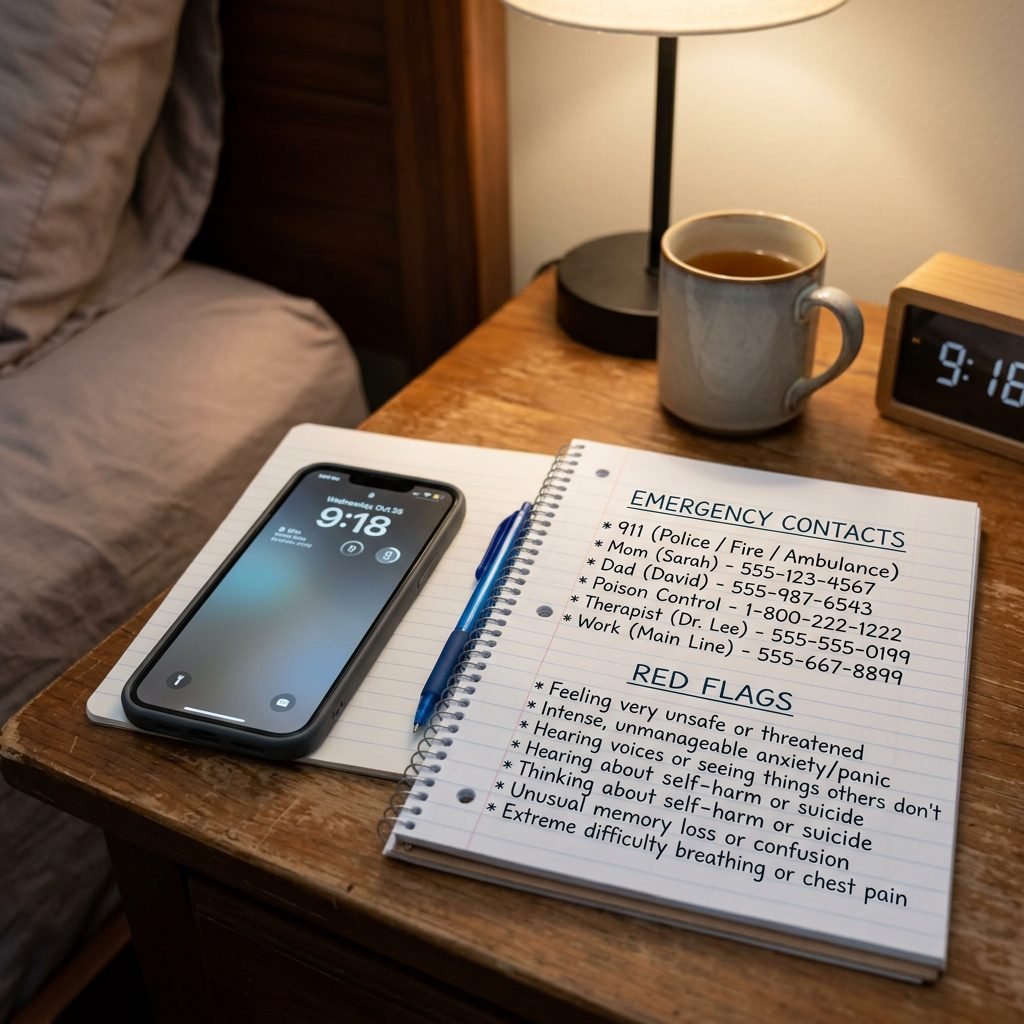
While bleeding is a normal part of the process, we must stay vigilant for Postpartum Hemorrhage (PPH). It is rare, but it is a medical emergency. As your doula, I want you to trust your intuition. If something feels ‘off,’ it is always better to call and be told everything is fine than to wait.
The ‘Golf Ball’ Rule
Small clots (the size of a grape or a cherry) are common in the first few days. However, if you pass a clot that is the size of a golf ball or larger, you should call your midwife or doctor immediately. This could indicate that a piece of the placenta is still inside or that the uterus isn’t contracting as it should.
The ‘One Hour’ Rule
If you are soaking through a heavy-duty maxi pad in less than one hour for two or more hours in a row, this is a sign of excessive bleeding. Do not wait for your follow-up appointment; seek help now.
If you feel dizzy, lightheaded, or your heart is racing alongside heavy bleeding, call 911 or head to the emergency room immediately. These can be signs of shock.
| Symptoms | Action Level |
|---|---|
| Pink/Brown watery discharge | Normal – Continue resting. |
| Foul-smelling odor (not just ‘metallic’) | Call Provider – Possible infection. |
| Fever over 100.4°F | Call Provider – Possible infection. |
| Soaking a pad in 45 minutes | Emergency – Seek immediate care. |
Rest as a Form of Resistance

Here is a secret most people won’t tell you: Your bleeding is a barometer for your activity level. If you notice that your lochia was starting to turn pink or white, but suddenly it’s bright red again, your body is telling you to slow down. You are likely doing too much—too much walking, too much housework, or too much lifting.
In many cultures, the first 40 days are a time of complete rest. In our modern world, we often feel pressured to ‘bounce back’ or have a clean house for visitors. I am giving you permission right now to let the laundry pile up. Your only jobs are to feed the baby, feed yourself, and heal. Every time you choose rest over a chore, you are speeding up your internal healing process.
- The 5-5-5 Rule: 5 days in the bed, 5 days on the bed, 5 days around the bed.
- Limit Stairs: Try to limit your trips up and down the stairs to once a day for the first week.
- Delegate: If a visitor asks ‘How can I help?’, ask them to change the trash or bring you a snack. Don’t play hostess.
Conclusion
You are Healing, Mama
Postpartum bleeding is one of the most visible reminders of the massive transition your body has undergone. It requires patience, a lot of pads, and a deep commitment to self-care. Remember that this phase is temporary. The bright red will fade to pink, the pink to white, and eventually, your body will find its new rhythm. Be kind to yourself during these weeks. You have just performed the miracle of birth, and your body deserves all the time it needs to return to itself. You’ve got this, sister. We are all rooting for you.