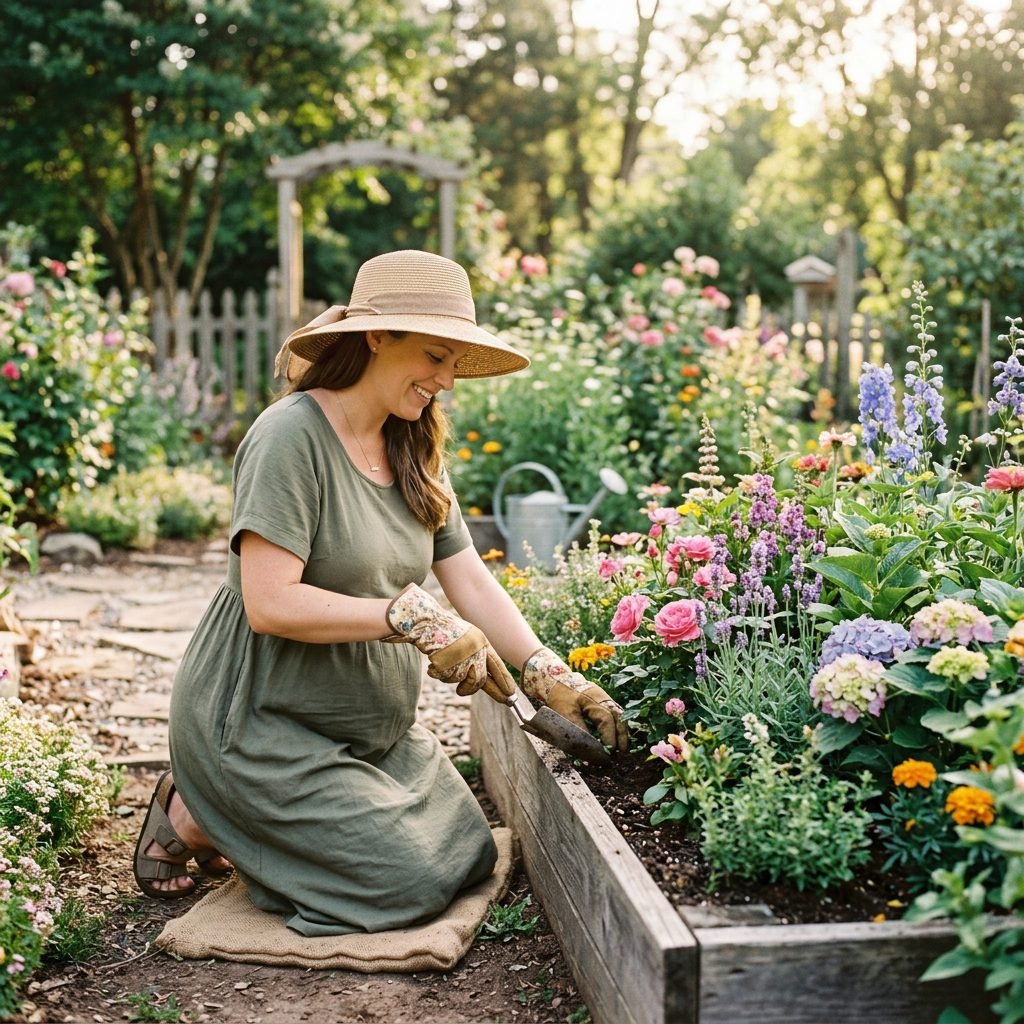
Green Thumb? How to Garden Safely Without Risking Toxoplasmosis
Oh, mama, there is something so incredibly grounding about getting your hands into the earth, isn’t there? Whether you are nurturing a tiny sprout of basil on your windowsill or tending to a sprawling backyard rose garden, the act of gardening is deeply therapeutic. As a doula, I often recommend gardening to my clients as a way to practice mindfulness, soak up some much-needed Vitamin D, and connect with the rhythms of nature while their own bodies are doing the miraculous work of growing a human life.
However, I know that once that positive pregnancy test appears, your brain starts scanning everything for potential risks. You might have heard whispers about the ‘hidden dangers’ in the dirt, specifically a parasite called Toxoplasma gondii, which causes toxoplasmosis. It sounds scary, and the internet can certainly make it feel like you should hang up your trowel until your little one is in a high chair. But I am here to tell you: you do not have to give up your green thumb!
With a few sisterly adjustments and some ‘doula-approved’ safety protocols, you can continue to enjoy the mental and physical benefits of gardening throughout your pregnancy. In this guide, we are going to dive deep into what toxoplasmosis actually is, why it matters during pregnancy, and exactly how you can protect yourself and your sweet baby while still enjoying the sunshine and soil.
Understanding the ‘Why’: What Exactly is Toxoplasmosis?
Before we get into the ‘how-to’ of safety, let’s demystify the enemy. Toxoplasmosis is an infection caused by a microscopic parasite. While it rarely causes serious illness in healthy adults—often feeling like a mild flu or even showing no symptoms at all—it can be quite serious for a developing baby if the mother is infected for the first time during pregnancy. The parasite can cross the placenta and potentially lead to complications.
How the Parasite Enters the Garden
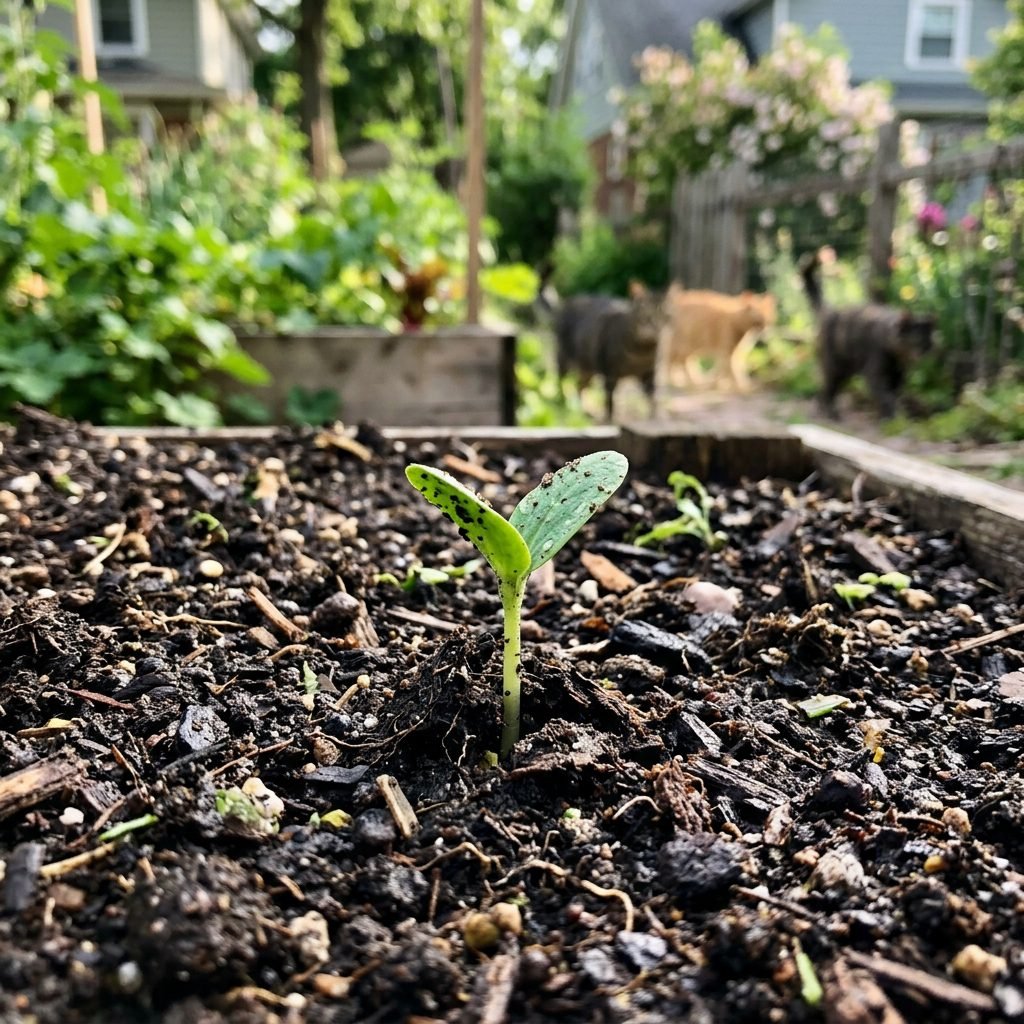
You might associate toxoplasmosis primarily with cat litter boxes, and you aren’t wrong! Cats are the primary hosts of the parasite. They shed the oocysts (the ‘eggs’) in their feces. When an outdoor cat—whether it is your beloved pet or a neighborhood stray—decides that your soft, tilled garden soil looks like a giant litter box, those oocysts can live in the dirt for months or even years, even after the physical evidence of the cat’s visit has disappeared.
- Soil Contamination: Oocysts are hardy and can survive extreme weather.
- Water Runoff: Rain can spread the parasite from one area of the yard to another.
- Animal Traffic: Other wildlife can also carry and spread the parasite, though cats are the main source.
Your garden is a sanctuary, not a source of fear. By understanding how the soil works, we empower ourselves to interact with it safely and joyfully.
The Essential Gardener’s Armor: Protective Gear for Mamas

Protection is our first line of defense, and honestly, mama, you’re going to look like a total pro in your gardening gear! The goal is to create a physical barrier between your skin and any potentially contaminated soil. Even if you don’t see a cat in sight, we treat the soil with respect and caution.
The Non-Negotiable Glove Rule
Never, ever garden with bare hands while pregnant. Even if you are just ‘quickly’ pulling one weed, put on your gloves. I recommend a two-layer approach for heavy-duty work: a thin pair of cotton liners for comfort and a thick, water-resistant outer glove made of nitrile or latex. This prevents soil from seeping through to your skin, especially under your fingernails where parasites love to hide.
Skin and Respiratory Coverage
It isn’t just about your hands. If you are doing activities that kick up a lot of dust—like tilling, raking dry leaves, or pouring new bags of mulch—consider the following:
- Long Sleeves and Pants: Protect your arms and legs from direct soil contact and accidental scratches, which could provide an entry point for bacteria.
- Face Masks: If it is a windy day or you are working with dry, dusty soil, a simple N95 mask can prevent you from accidentally inhaling dust particles that might carry oocysts.
- Dedicated Garden Shoes: Keep a pair of clogs or boots specifically for the garden. Leave them at the door so you don’t track ‘the outside’ into your clean home.
| Gear Item | Why It Matters | Doula Tip |
|---|---|---|
| Heavy-Duty Gloves | Prevents direct skin contact with oocysts. | Keep 2-3 pairs so you always have a clean, dry set. |
| Long Sleeves | Protects against scratches and soil splashes. | Choose breathable linen for summer gardening. |
| Garden Clogs | Prevents tracking soil into the nursery/home. | Choose ‘hose-off’ styles for easy cleaning. |
| Sun Hat | Prevents ‘pregnancy mask’ (melasma). | Wide brims protect your neck and face from UV rays. |
Safe Gardening vs. Risky Habits: A Comparison Guide
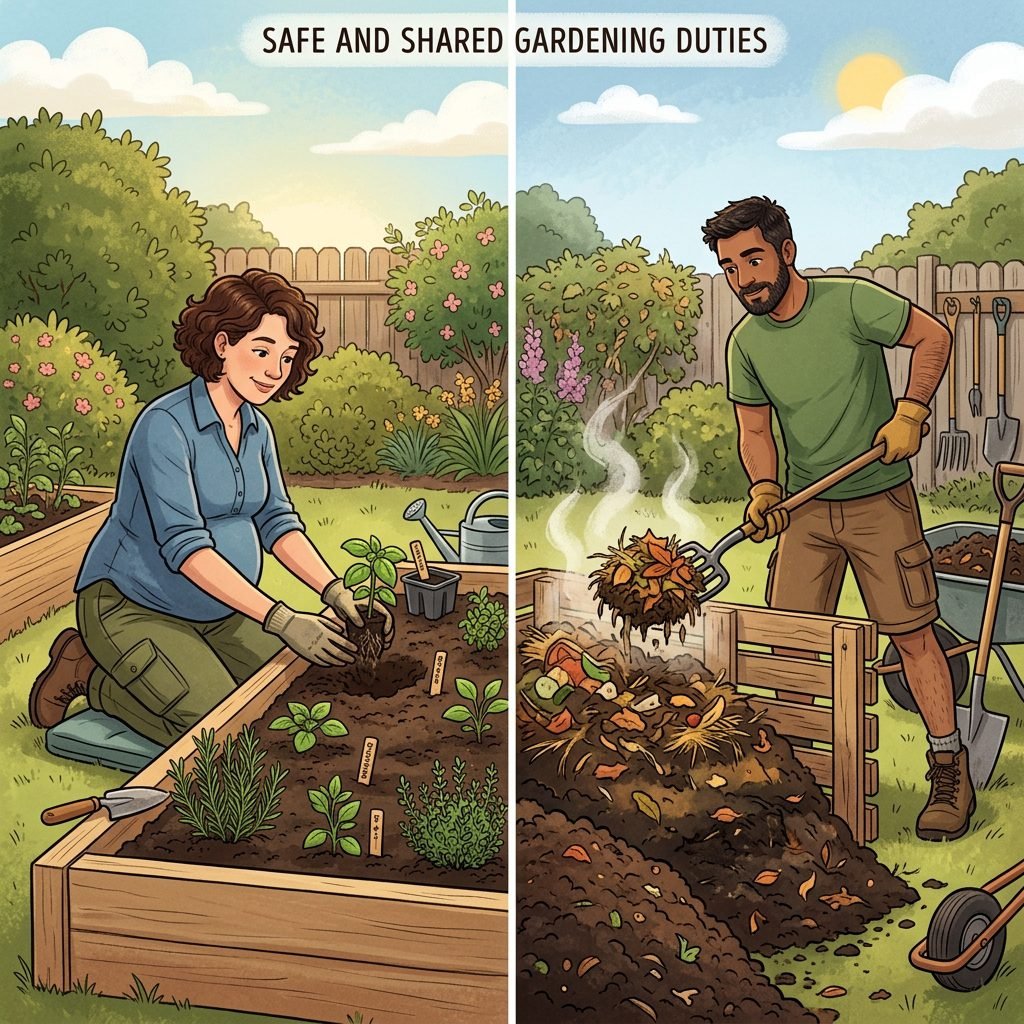
Not all gardening tasks carry the same level of risk. As your doula, I want you to focus on high-reward, low-risk activities. If a task feels too strenuous or involves heavy soil manipulation in an area frequented by stray cats, that is the perfect time to call in a ‘favor’ from a partner, friend, or older child!
Navigating Your Garden Tasks
The safest way to garden during pregnancy is to use raised beds or containers with fresh, bagged potting soil. Bagged soil is sterilized and significantly less likely to contain parasites compared to the native ground soil in your yard. If you are working in the ground, try to focus on areas that are well-fenced or less ‘inviting’ to felines.
| Activity | Risk Level | Safety Recommendation |
|---|---|---|
| Container Gardening | Low | Use fresh, bagged potting mix and clean pots. |
| Pruning & Deadheading | Low | Wear gloves to avoid rose-thorn scratches. |
| Weeding Ground Soil | Medium | Always wear gloves; wash hands immediately after. |
| Turning Compost | High | Ask a partner to do this; compost can harbor many pathogens. |
| Cleaning Outdoor Sandboxes | High | Avoid entirely; sandboxes are ‘magnet’ litter boxes for cats. |
| Planting New Shrubs | Medium | Avoid digging deep in unknown soil; use a trowel, not hands. |
Pro-Tip: If you have a neighborhood cat problem, consider installing motion-activated sprinklers. They are a harmless way to discourage cats from using your flower beds as a restroom, keeping your ‘workplace’ much cleaner!
The ‘After-Care’ Ritual: Hygiene and Harvest
The safety protocol doesn’t end when you step off the grass, mama. In fact, the most important steps happen in the transition from the garden to the kitchen. This is where we ensure that no lingering particles make their way into your system.
The Scrub-Down
As soon as you come inside, remove your gardening clothes and put them straight into the laundry or a dedicated hamper. Then, head to the sink. Scrub your hands with warm, soapy water for at least 20 seconds. Pay special attention to the areas around your cuticles and under your nails, even if you wore gloves. It’s about layers of protection!
Washing Your Bounty
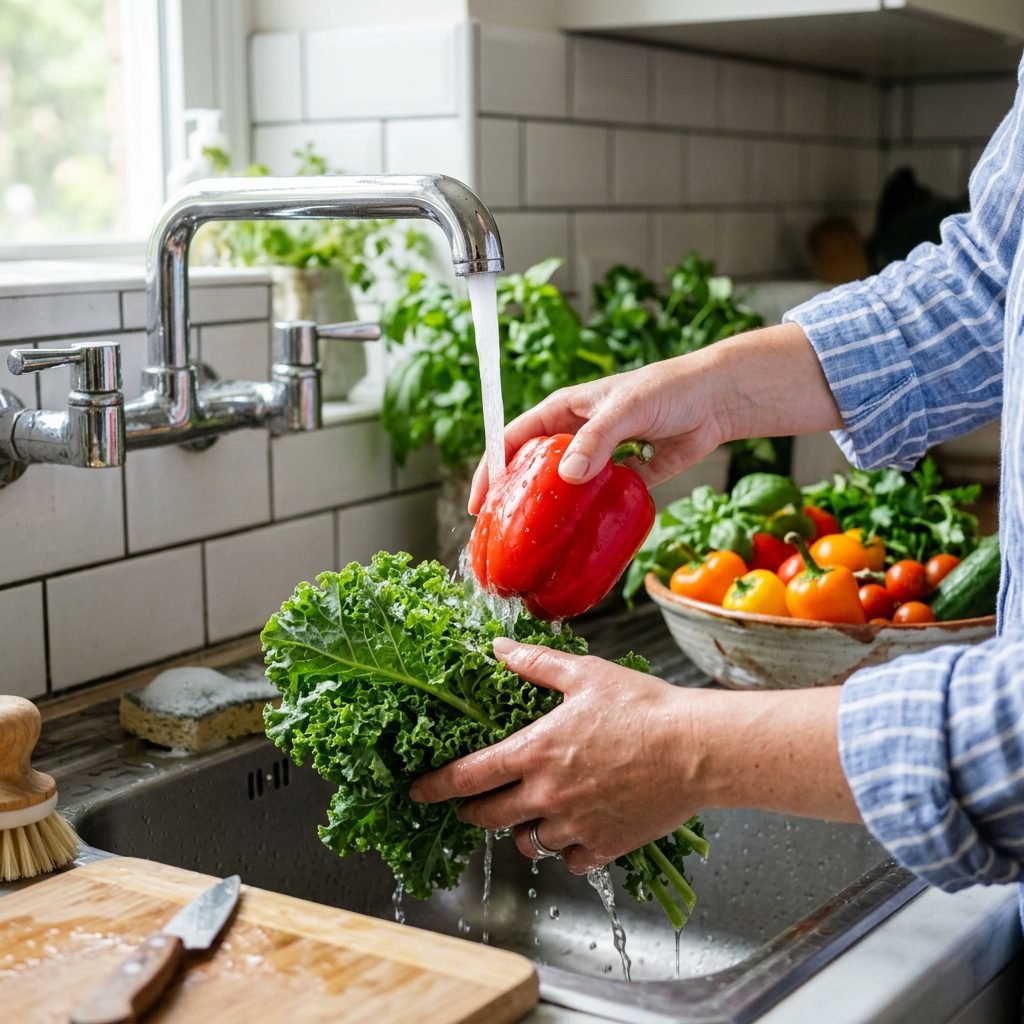
If you are growing your own fruits and vegetables (how exciting!), you must be extra diligent about washing them. Even ‘organic’ home-grown veggies can have toxoplasmosis oocysts clinging to the skin via soil splashes.
- Rinse thoroughly: Use running water to knock off visible dirt.
- Scrub: For firm produce like carrots, potatoes, or melons, use a clean vegetable brush.
- Peel: If you are particularly concerned, peeling root vegetables adds an extra layer of safety.
- Avoid ‘Garden Grazing’: I know it’s tempting to pop a sun-warmed cherry tomato straight into your mouth, but wait until you get inside to wash it!
Affirmation: I am nourishing my body and my baby with the fruits of my labor, and I do so with wisdom and care.
Low-Risk Alternatives: Bringing the Green Indoors
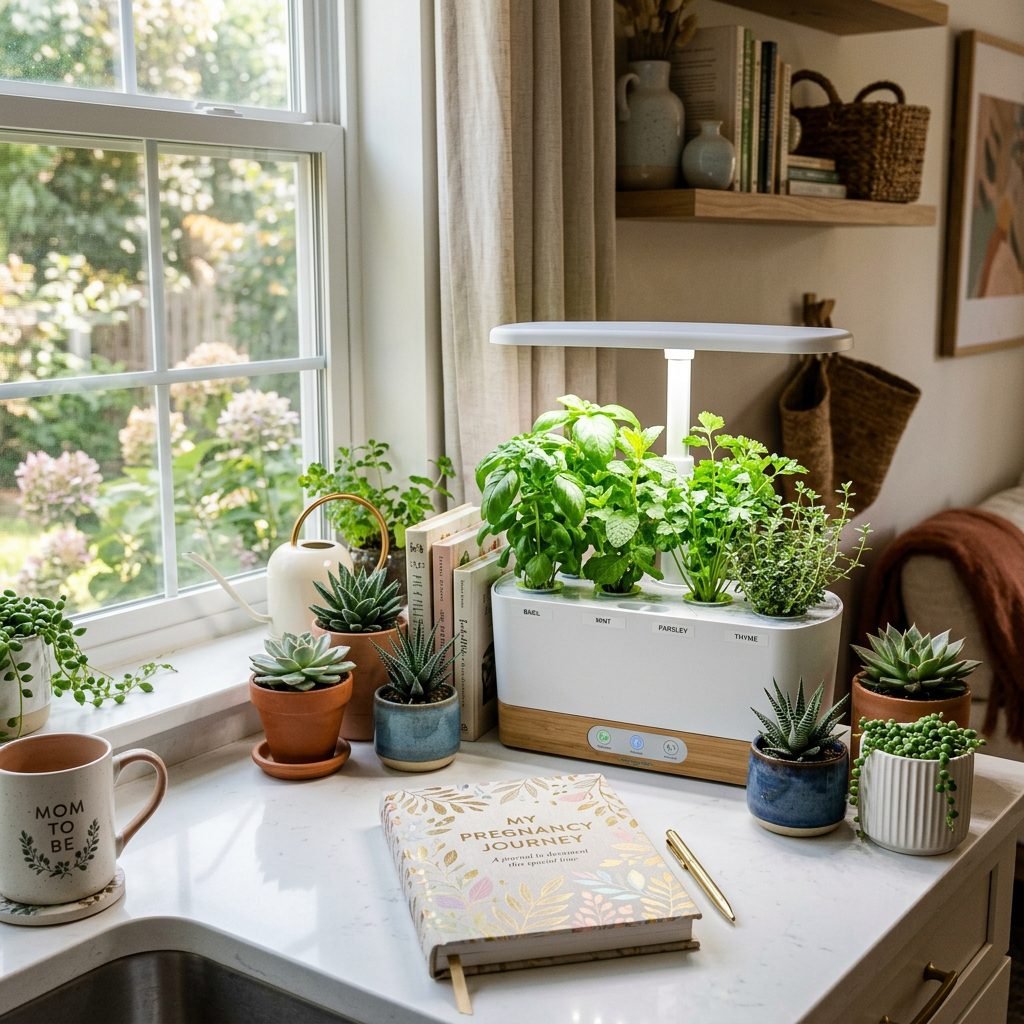
If your doctor has advised you to stay away from outdoor soil entirely, or if you’re just feeling a bit anxious this trimester, you can still satisfy that nesting urge by bringing the garden inside. Indoor gardening is a fantastic way to improve air quality and boost your mood without the feline-related risks of the great outdoors.
Hydroponics and Herb Gardens
Consider an indoor hydroponic system (like an AeroGarden). These systems use water and nutrient solutions rather than soil, virtually eliminating the risk of toxoplasmosis. They fit perfectly on a kitchen counter and provide fresh herbs for your pregnancy cravings!
Succulents and Air Plants
If you want greenery without the ‘dirt’ factor, succulents and air plants are your best friends. They require very little maintenance and can be potted in decorative gravel or sand, which is much cleaner than traditional garden soil. Plus, they look adorable in a nursery!
- Window Sill Herbs: Mint, basil, and chives grow beautifully in small pots with controlled soil.
- Air Purifying Plants: Snake plants and Spider plants are hardy and help clean the indoor air you breathe.
Conclusion
Gardening is such a beautiful metaphor for pregnancy—tending, waiting, and nurturing a life until it is ready to bloom. By following these simple safety steps, you can keep your hands in the dirt and your heart at peace. Remember, mama, pregnancy is a time to listen to your body and your intuition. If a certain gardening task makes you feel uneasy, it is okay to pass the shovel to someone else for a while. You are doing the most important ‘planting’ right now, and that deserves all the protection in the world.
Enjoy the sunshine, breathe in the fresh air, and let your garden be a place of healing and joy. You’ve got this, and your little ‘sprout’ is so lucky to have a mama who cares so deeply about their well-being.