

12 Genius Hacks for Surviving a Long Car Ride While Pregnant
Oh, mama, I see you. You’ve got the bags packed, the playlist ready, and a destination that promises memories—but the thought of sitting in that car seat for hours is enough to make your lower back ache before you even pull out of the driveway. Whether you are heading to a much-needed babymoon, visiting family before the big arrival, or traveling for work, being a passenger (or driver!) while growing a human is no small feat. Your body is doing the incredible work of manufacturing life, which means your ligaments are looser, your bladder is smaller, and your circulation needs a little extra help. As your doula bestie, I want you to know that you don’t have to just ‘endure’ the ride. With a few strategic adjustments and some ‘pro-mom’ secrets, we can turn that grueling trek into a comfortable, even restful, journey. Let’s dive into how we can keep you and your sweet bump happy on the open road.
Traveling while pregnant is a testament to your strength, but remember: your comfort is not a luxury, it is a physiological necessity for you and your baby.
Understanding the ‘Why’ Behind Pregnancy Car Discomfort
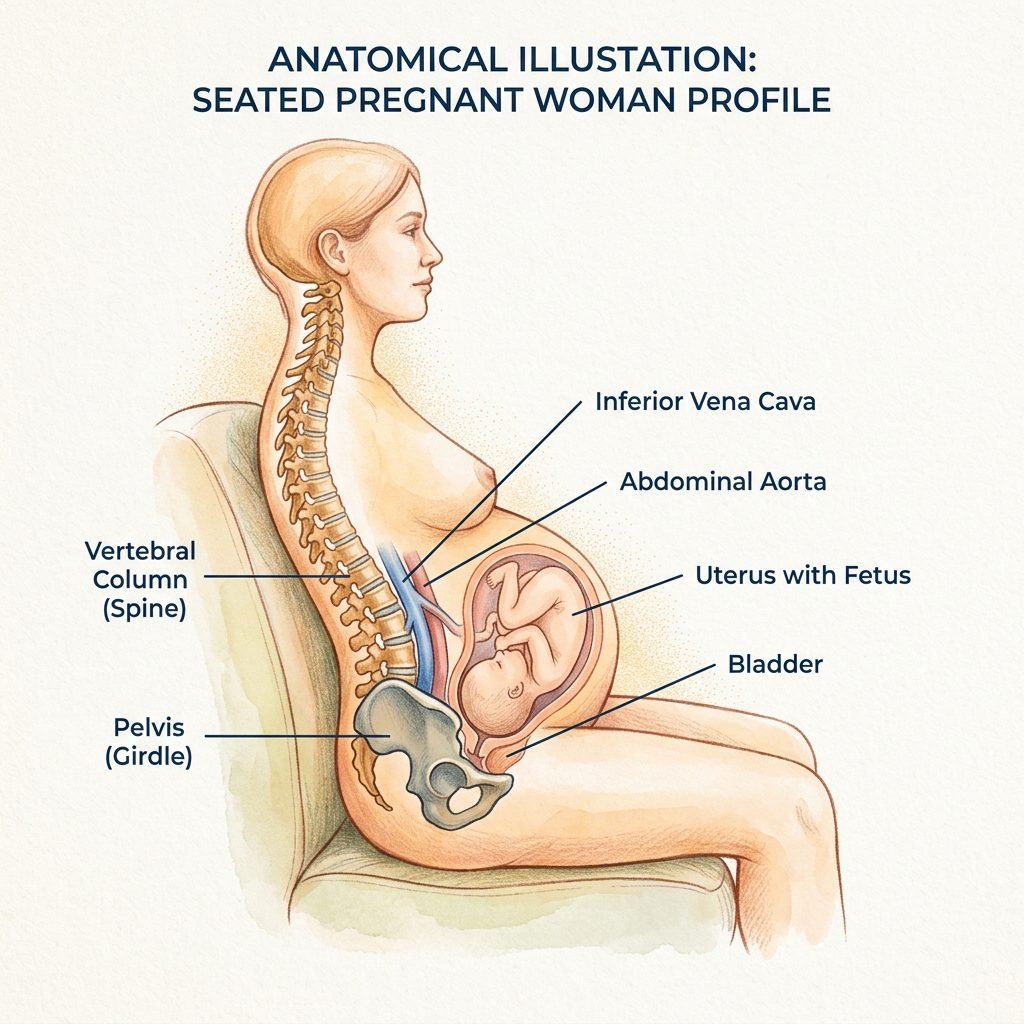
Before we jump into the hacks, let’s talk about what’s actually happening in your body. When you’re pregnant, the hormone relaxin begins to loosen your joints and ligaments to prepare for birth. While this is a miracle of nature, it also means your spine and pelvis have less stability, making long periods of sitting particularly taxing. Furthermore, your growing uterus can put pressure on the inferior vena cava, the large vein that carries blood from your lower body back to your heart. When you sit still for too long, this can lead to swelling (edema) and even lightheadedness. Understanding these root causes helps us realize why movement and positioning aren’t just about ‘feeling good’—they are about supporting your circulatory and musculoskeletal systems during a high-demand season of life. We aren’t just surviving the ride; we are proactively managing your physical well-being.
Ergonomics and Seating: The Foundation of Comfort
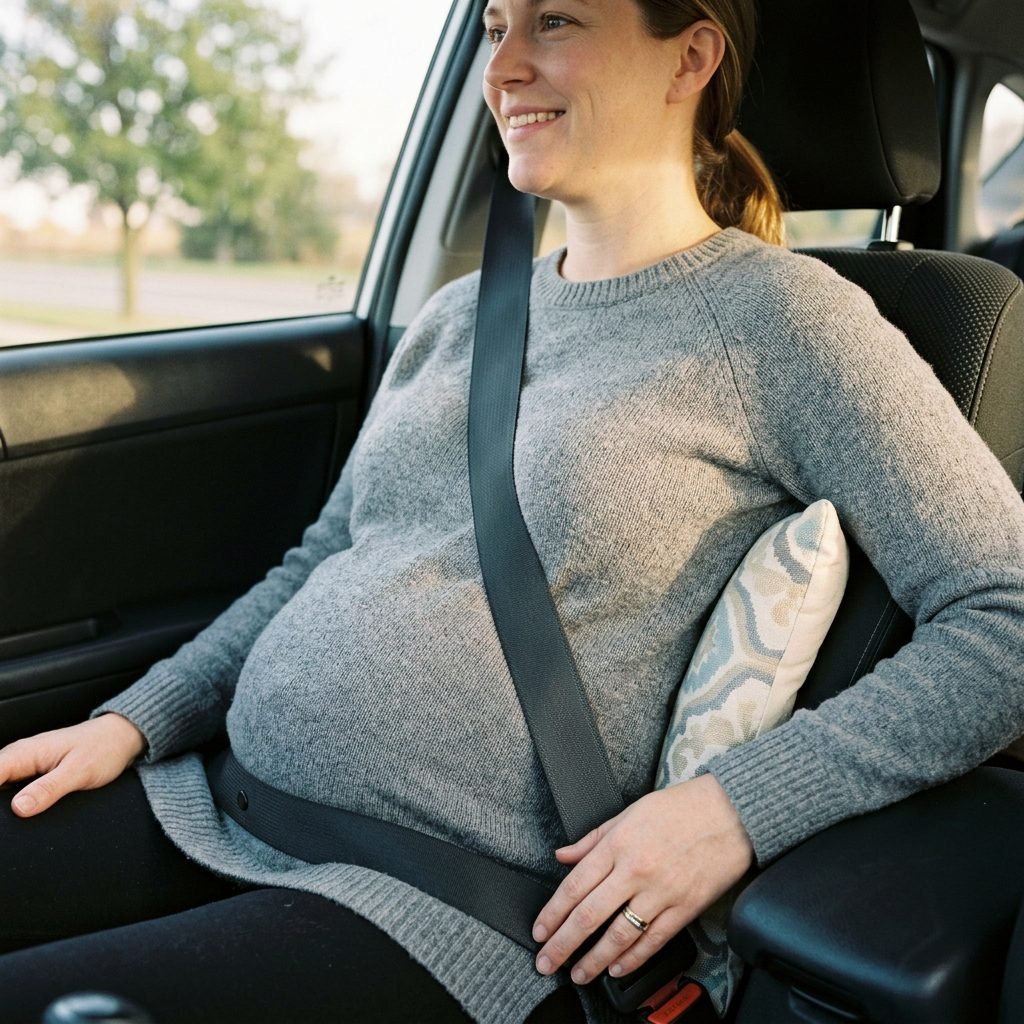
The way you sit can make or break your back. Most car seats are designed for the ‘average’ body, which—let’s face it—does not include a beautiful third-trimester bump. Here are the first four hacks to master your environment:
1. The ‘Under the Bump’ Seatbelt Rule
Always, always position the lap belt underneath your abdomen, snugly across your hip bones. Never let it rest across your stomach, as sudden braking could apply dangerous pressure to the placenta.
2. The Lumbar Support Secret
If your car doesn’t have built-in lumbar support, don’t worry. A rolled-up sweatshirt or a small travel pillow placed in the small of your back can maintain the natural curve of your spine and prevent that dreaded ‘slouch ache.’
3. The 100-Degree Tilt
Research suggests that sitting at a 100 to 110-degree angle (slightly reclined) reduces pressure on your spinal discs compared to sitting bolt upright.
4. The Tailbone-Saving Cushion
If you suffer from sciatica or pelvic girdle pain, bringing a ‘donut’ pillow or a memory foam seat topper can redistribute your weight and take the pressure off your coccyx.
Circulation and Movement: Keeping the Blood Flowing

Static sitting is the enemy of pregnancy circulation. To prevent swelling and the risk of blood clots, we have to keep things moving.
5. The 90-Minute Movement Mandate
Set a timer on your phone. You must stop every 90 minutes. No excuses! Even a five-minute walk around a rest stop helps reset your circulation.
6. Compression Socks: Your New Best Friends
Wear graduated compression socks (15-20 mmHg). They provide gentle pressure to your lower legs, helping to push blood back up toward the heart and significantly reducing ‘cankles’ at the end of the trip.
7. In-Seat Ankle Pumps
While the car is moving, you can still exercise. Flex your feet up and down 20 times every half hour.
8. The ‘Tiger in the Tree’ Stretch
When you do stop, stand and reach your arms high, then gently lean side to side to stretch the round ligaments that support your uterus.
| Action Item | Frequency | Benefit |
|---|---|---|
| Ankle Pumps | Every 30 Mins | Prevents DVT and swelling |
| Full Body Walk | Every 90 Mins | Relieves pelvic pressure |
| Hydration Check | Continuous | Prevents Braxton Hicks contractions |
The Ultimate Survival Kit: Snacks, Hydration, and Nausea
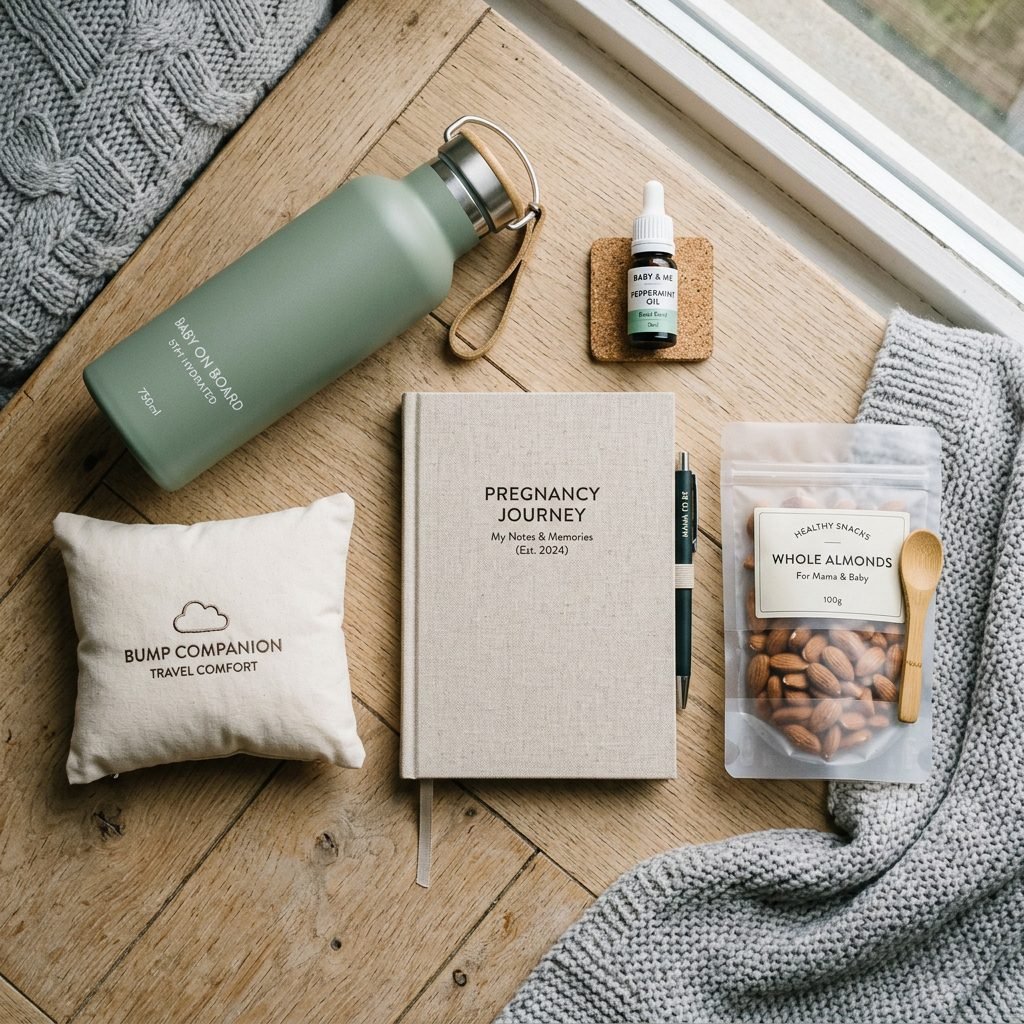
A hungry or dehydrated pregnant mama is a stressed mama. Your digestive system slows down during pregnancy, so we need to be strategic.
9. The Hydration Balancing Act
You need water, but you also don’t want to stop every five minutes to pee. Sip small amounts of electrolyte-rich water consistently rather than chugging a whole bottle at once.
10. High-Protein, Low-Gas Snacking
Avoid greasy fast food which can trigger heartburn. Opt for almonds, Greek yogurt, or protein bars. 11. Anti-Nausea Aromatherapy Even if you’re past the first trimester, motion sickness can hit harder now. Keep a bottle of peppermint or lemon essential oil to sniff if you feel queasy.
12. The Pelvic Floor ‘Pee’ Strategy
When you stop to use the restroom, lean forward slightly and rest your elbows on your knees. This helps fully empty the bladder, which is often compressed by the baby, giving you a little more time before the next ’emergency’ stop.
Affirmation: My body is strong, my baby is safe, and we are traveling toward a beautiful new chapter.
Safety First: What’s Safe vs. What to Avoid
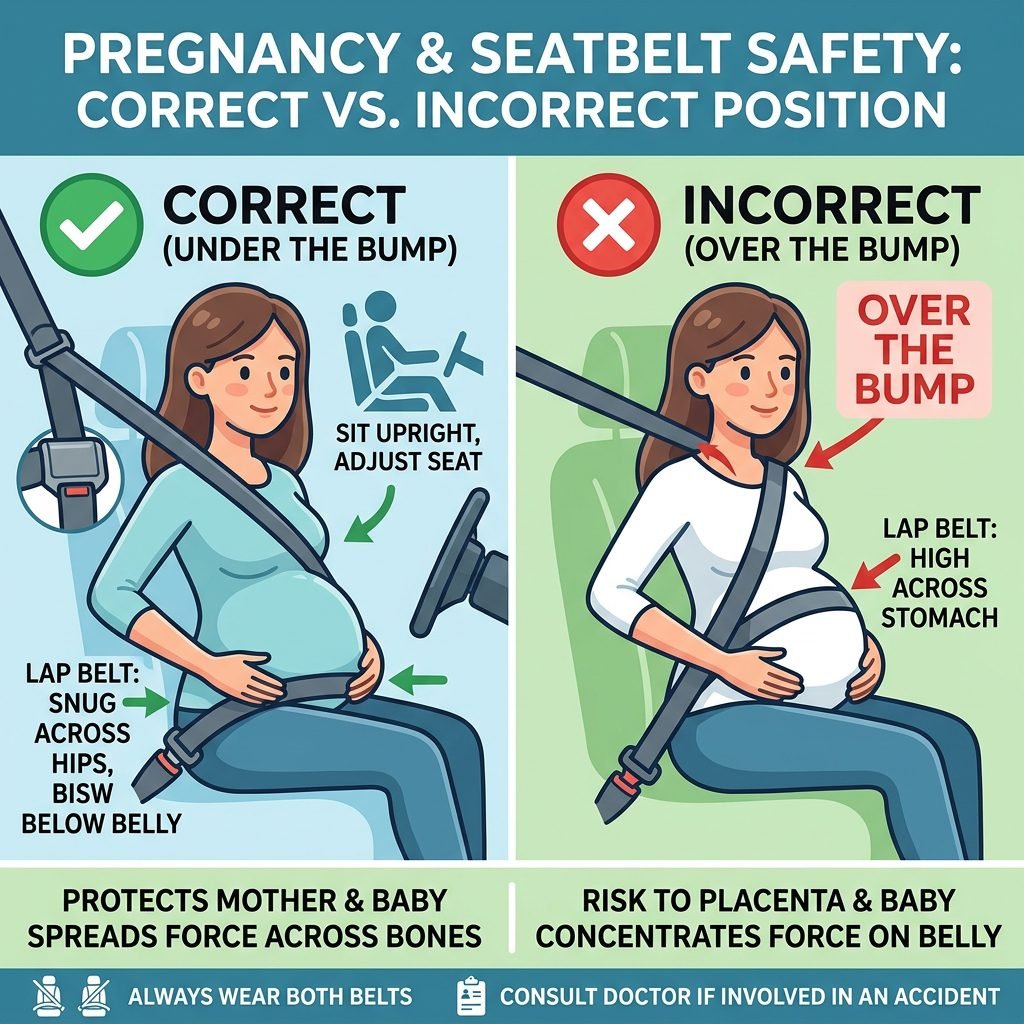
Safety is our top priority, mama. While road trips are generally safe, there are some hard ‘no-nos’ to keep in mind to ensure you and your little one stay protected throughout the miles.
What’s Safe
- Frequent Stretching: Getting out of the car to move is essential.
- Using a Step Stool: If you’re in a high SUV, use a small folding stool to get in and out to avoid straining your pelvis.
- Seat Adjustments: Moving the passenger seat as far back as possible to stay away from the airbag deployment zone.
What to Avoid
- Holding Your Urine: This can lead to UTIs or even trigger Braxton Hicks contractions.
- Crossing Your Legs: This significantly restricts blood flow and increases the risk of clots.
- Dehydration: Lack of fluids can lead to dizziness and early contractions.
| Always Do | Always Avoid |
|---|---|
| Wear seatbelt under the bump | Place belt over the stomach |
| Stop every 90 minutes | Drive more than 3 hours without a break |
| Wear compression garments | Sit with legs crossed |
| Keep a copy of prenatal records | Travel far without a nearby hospital plan |
The Doula’s Final Checklist for a Stress-Free Arrival

Before you turn the key in the ignition, let’s do a final check. Do you have your prenatal records? If you are in your third trimester, it’s always wise to have a digital or paper copy of your latest check-up in case you need to visit an urgent care or hospital away from home. Have you mapped out the hospitals along your route? It sounds ‘extra,’ but the peace of mind it brings is priceless. Finally, remember to listen to your body. If you feel a sharp pain, unusual swelling, or a headache that won’t go away, don’t be a hero—stop and call your provider. You are the captain of this ship, and your intuition is your best navigation system. Pack an extra pillow, grab your favorite snacks, and enjoy the scenery. You’ve got this!
Conclusion
Traveling while pregnant is a unique experience that requires a bit more planning and a lot more grace for yourself. By implementing these 12 genius hacks—from the way you buckle your seatbelt to the snacks you choose—you are honoring the physical demands of pregnancy while still living your life to the fullest. Remember, sister, this journey is just one of the many you will take with your little one. Start it off with comfort, safety, and a whole lot of self-care. Safe travels, mama!