
Save Your Hair: The Best Postpartum Vitamins to Stop Shedding Fast
Welcome Home to Your Body, Mama
Oh, sweet sister, I see you. I see you standing in the shower, looking down at the drain with a heavy heart as another clump of hair swirls away. I know that pang of worry—the one that whispers, Is there going to be anything left? First, take a deep, cleansing breath. As a doula who has walked this path with hundreds of women (and experienced it myself), I want you to know: You are not alone, and this is completely normal.
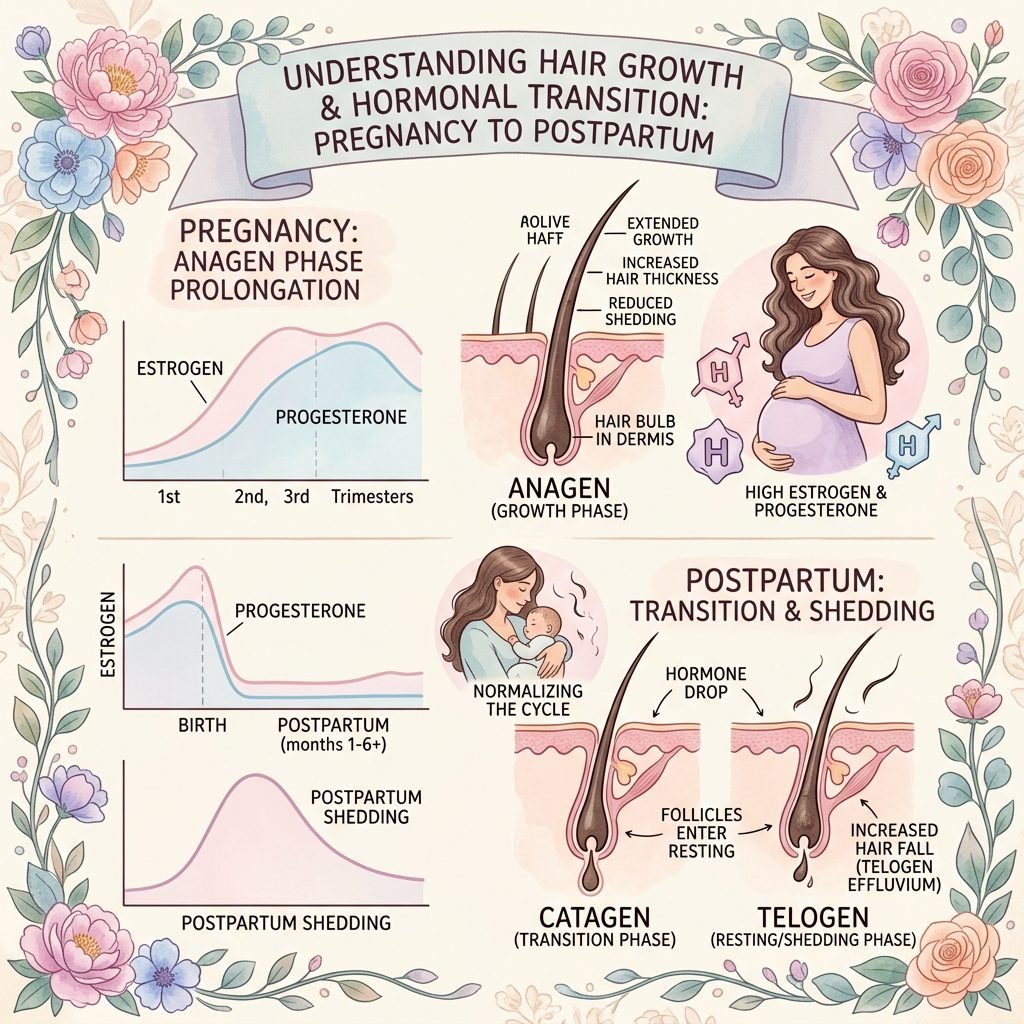
Postpartum hair loss, or telogen effluvium, is a temporary phase, but that doesn’t make it any less startling. During pregnancy, those beautiful high levels of estrogen kept your hair in the ‘growth phase,’ giving you that thick, luscious mane. Now that your hormones are leveling out to support your postpartum recovery, your hair is simply making up for lost time. But here is the good news: we can support your body from the inside out. By focusing on targeted nutrition and the right vitamins, we can encourage faster regrowth and strengthen the strands you have. Let’s dive into the sisterly secrets of postpartum hair restoration.
The Science of the Shed: Why It Happens and Why It Stops
Understanding the Telogen Phase
To fix the problem, we first have to understand the ‘why.’ Your hair goes through three main stages: growth (anagen), transition (catagen), and resting (telogen). Normally, about 10 to 15 percent of your hair is in the resting phase at any given time. However, the hormonal shift after birth pushes a larger percentage of hair into that resting phase all at once.
Remember, mama: This shedding is not a sign of failure or permanent loss. It is your body recalibrating. You are still beautiful, and your hair will return.
Typically, this shedding peaks around three to four months postpartum. While we can’t always stop the initial shed entirely—because those hairs were already ‘scheduled’ to fall out—we can absolutely ensure the new growth coming in is stronger, shinier, and faster than ever before. This is where your ‘Postpartum Hair Tool Kit’ comes in, starting with the building blocks of hair health: vitamins.
The Essential Vitamin ‘Fab Five’ for Follicle Health
1. Biotin (Vitamin B7)
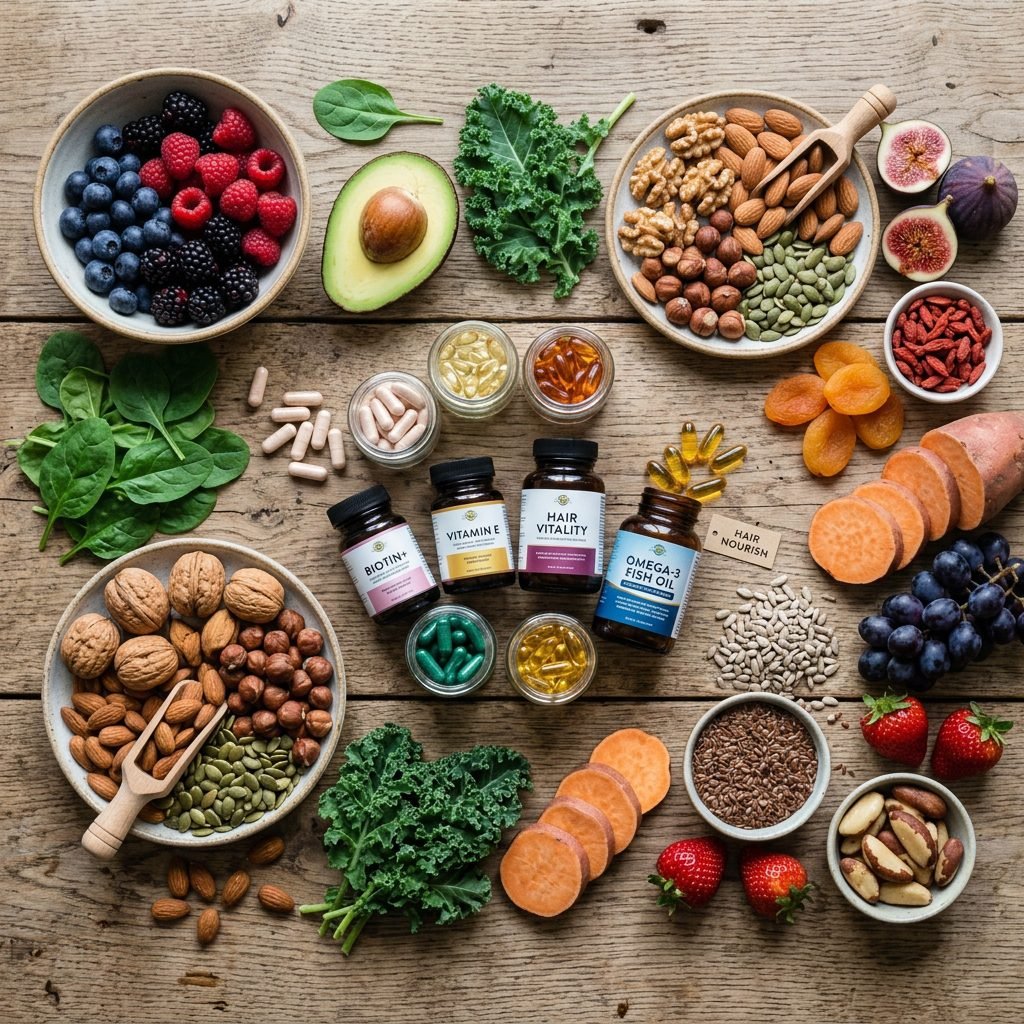
Biotin is the superstar of the hair world for a reason. It helps produce keratin, the protein that makes up your hair, skin, and nails. If you are deficient, your hair may become brittle and prone to breakage. Aim for a supplement that offers a gentle but effective dose to support that new ‘baby hair’ fuzz appearing at your hairline.
2. Iron and Ferritin
Low iron is one of the most common causes of prolonged hair shedding in new mothers. Between blood loss during delivery and the demands of breastfeeding, your iron stores can take a major hit. Iron helps red blood cells carry oxygen to your cells, including the cells that stimulate hair growth. If your follicles are oxygen-starved, they simply won’t produce hair.
3. Vitamin D
Often called the ‘sunshine vitamin,’ Vitamin D plays a crucial role in creating new hair follicles. Many postpartum mothers are chronically low in Vitamin D, especially if they are spending those early weeks nesting indoors. Ensuring your levels are optimal can help prevent the ‘thinning’ look across the scalp.
4. Vitamin C and Zinc
Vitamin C isn’t just for your immune system; it’s essential for collagen production and helps your body absorb iron. Zinc, meanwhile, plays a vital role in hair tissue growth and repair. It also helps keep the oil glands around the follicles working properly.
5. Marine Collagen or Plant-Based Amino Acids
Collagen provides the amino acids necessary to build hair proteins. It also strengthens the dermis (the middle layer of your skin that contains the hair root), which helps prevent hair thinning as you age or recover from birth.
Choosing Your Support: The Best Postpartum Vitamin Comparison
Not all vitamins are created equal. When you are postpartum, your body has specific needs that a standard ‘one-a-day’ might not meet. You need bioavailable forms of nutrients that won’t upset your sensitive ‘new mom’ stomach. Here is a breakdown of what to look for in your supplements:
| Nutrient | Why You Need It Now | Ideal Postpartum Dosage/Form |
|---|---|---|
| Biotin | Boosts keratin production for strength. | 2,500 – 5,000 mcg daily |
| Iron | Prevents shedding due to anemia. | 18 – 27 mg (Check with your Midwife/OB) |
| Vitamin D3 | Wakes up dormant hair follicles. | 2,000 – 5,000 IU daily |
| Zinc | Repairs hair tissue and controls oil. | 11 – 15 mg daily |
| Vitamin C | Aids iron absorption and collagen. | 500 – 1,000 mg daily |
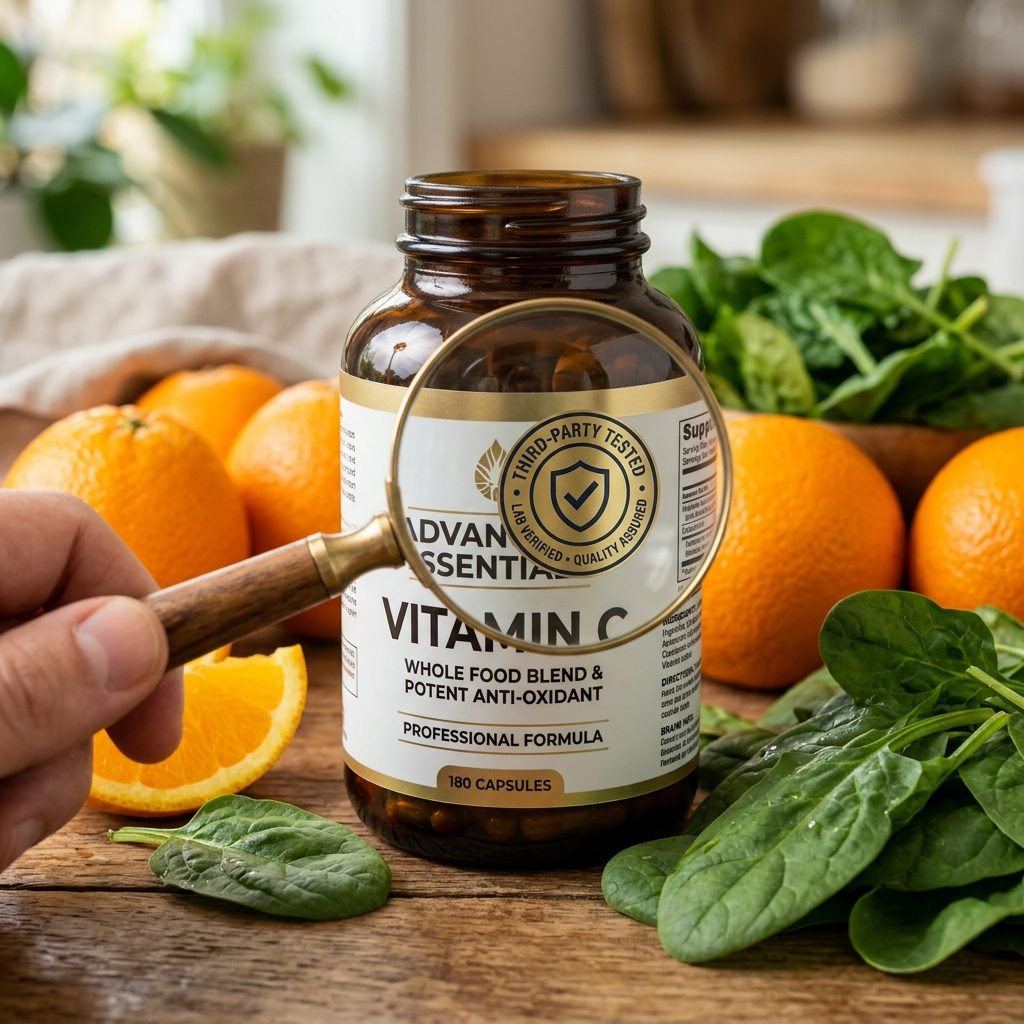
When selecting a brand, look for ‘Third-Party Tested’ labels. This ensures that what is on the bottle is actually in the pill, which is vital if you are breastfeeding. Many doulas recommend continuing your prenatal vitamin for at least six months postpartum, but adding a specific hair-support supplement can provide that extra ‘oomph’ your follicles are craving.
The Doula’s Secret Toolkit: Beyond the Bottle
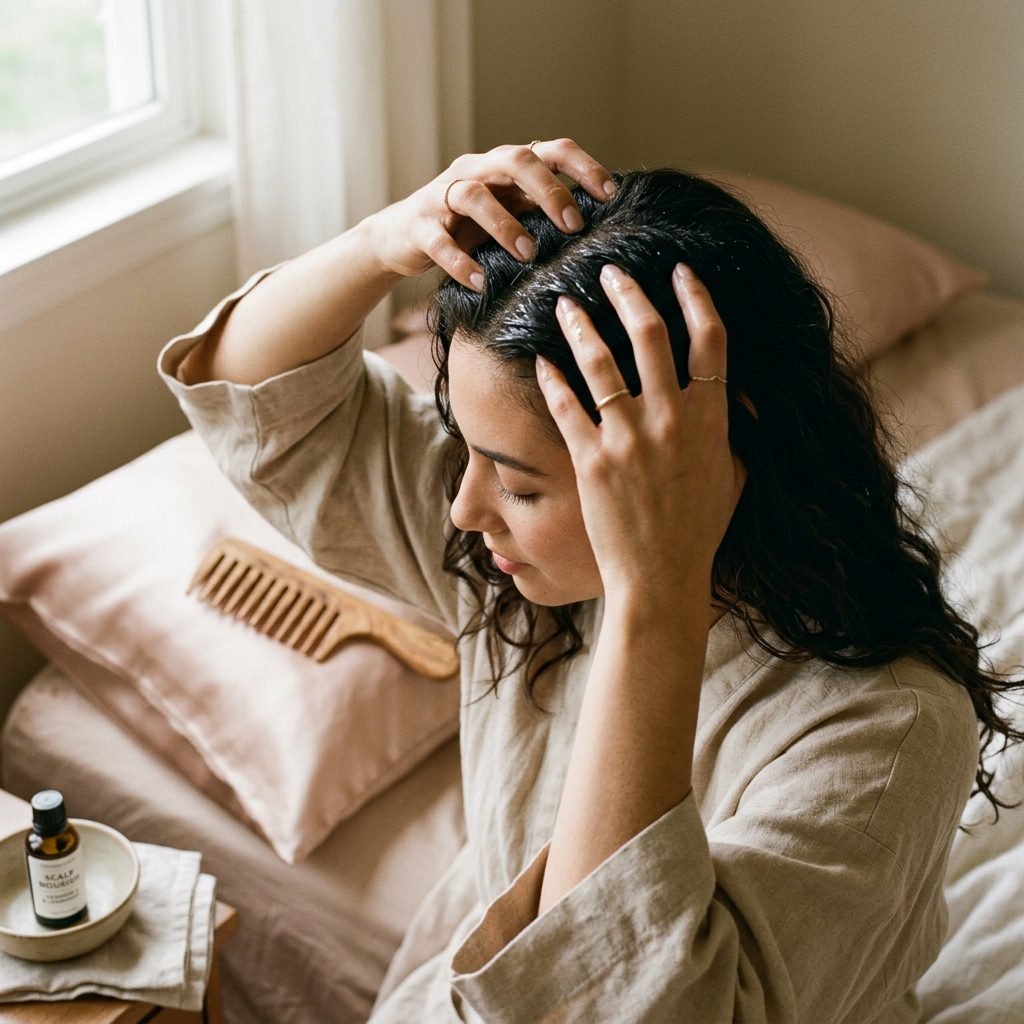
Scalp Stimulation and Blood Flow
Vitamins provide the building blocks, but blood flow is the delivery truck that brings those nutrients to your scalp. Spend 5 minutes every night giving yourself a gentle scalp massage. Use a light oil like rosemary or peppermint (diluted in jojoba) to invigorate the skin. This not only helps hair growth but serves as a much-needed moment of self-care.
Gentle Styling Habits
While we wait for the vitamins to kick in, we want to protect the hair you have. Avoid tight ‘mom buns’ that pull on the hairline—this can cause traction alopecia on top of your hormonal shedding. Instead, try:
- Using silk or satin scrunchies instead of rubber bands.
- Switching to a silk pillowcase to reduce friction while you sleep (or try to sleep!).
- Air-drying whenever possible to avoid heat damage.
- Using a wide-tooth comb starting from the ends and working your way up.
The Power of Protein
Don’t forget that hair is essentially protein. Ensure you are getting enough clean protein in your diet—think eggs, lentils, wild-caught fish, and seeds. A morning smoothie with a scoop of high-quality collagen peptides is a doula-favorite hack for busy moms who forget to eat a full breakfast.
When Should You Be Concerned?

While some loss is expected, I want you to listen to your intuition. If you feel like the shedding is excessive or if you notice specific red flags, it might be time to call your healthcare provider for a blood panel. Sometimes, postpartum hair loss can be exacerbated by underlying issues that vitamins alone can’t fix.
Red Flags to Watch For:
- Patchy Baldness: If hair is falling out in distinct circular patches rather than a general thinning.
- Extreme Fatigue: More than the usual ‘new mom tired’—this could indicate severe anemia or thyroid issues.
- Scalp Irritation: Excessive itching, redness, or scaling.
- Timing: If the shedding begins after 6 months or hasn’t slowed down by the 12-month mark.
Postpartum thyroiditis is a real condition that affects many women. A simple blood test can check your TSH levels and ensure your thyroid is functioning correctly. Never hesitate to advocate for yourself, mama. Your health is the foundation of your family.
Conclusion
You are Growing More Than Just a Baby
As you navigate this season of ‘the great shed,’ remember that your body has just performed a miracle. It grew a human being from scratch! This period of depletion is temporary, and with the right postpartum vitamins, nourishing foods, and gentle hair care, your hair will return to its former glory. Be patient with yourself. Those little ‘baby hairs’ that will eventually stick up along your forehead? They are a badge of honor—a sign that your body is regenerating and healing.
Keep taking your vitamins, keep massaging that scalp, and most importantly, keep loving the woman in the mirror. She is doing a fantastic job.