How to Set Up a Montessori Floor Book Display to Encourage Early Reading
Welcome to Your Little One’s First Library
Oh, mama, there is something truly magical about the moment your baby first discovers the world within the pages of a book. As a doula and a fellow mom, I’ve seen how our environment shapes our children’s confidence. In the Montessori philosophy, we talk a lot about ‘preparing the environment.’ This means creating a space that says, ‘This is for you. You are capable. You are welcome here.’
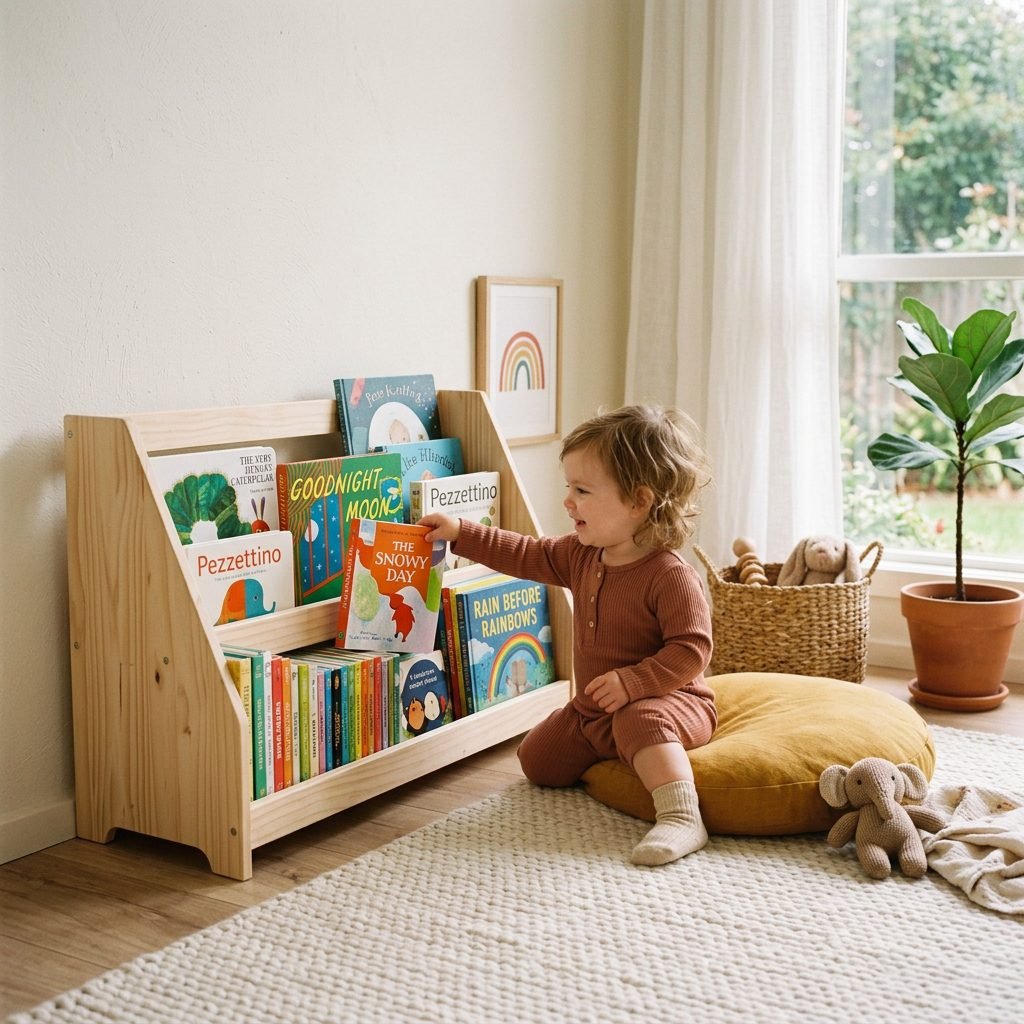
Setting up a Montessori floor book display isn’t just about interior design; it’s about empowerment. By placing books at their level, you are giving your child the gift of choice. Instead of waiting for an adult to reach a high shelf, they can crawl or toddle over, select a story that catches their eye, and begin their journey into literacy. Let’s walk through how to create this beautiful, functional nook in your home, ensuring it is both stylish and deeply developmental.
The Montessori Philosophy: Why Front-Facing and Floor-Level Matter
Why Low and Visual Wins Every Time
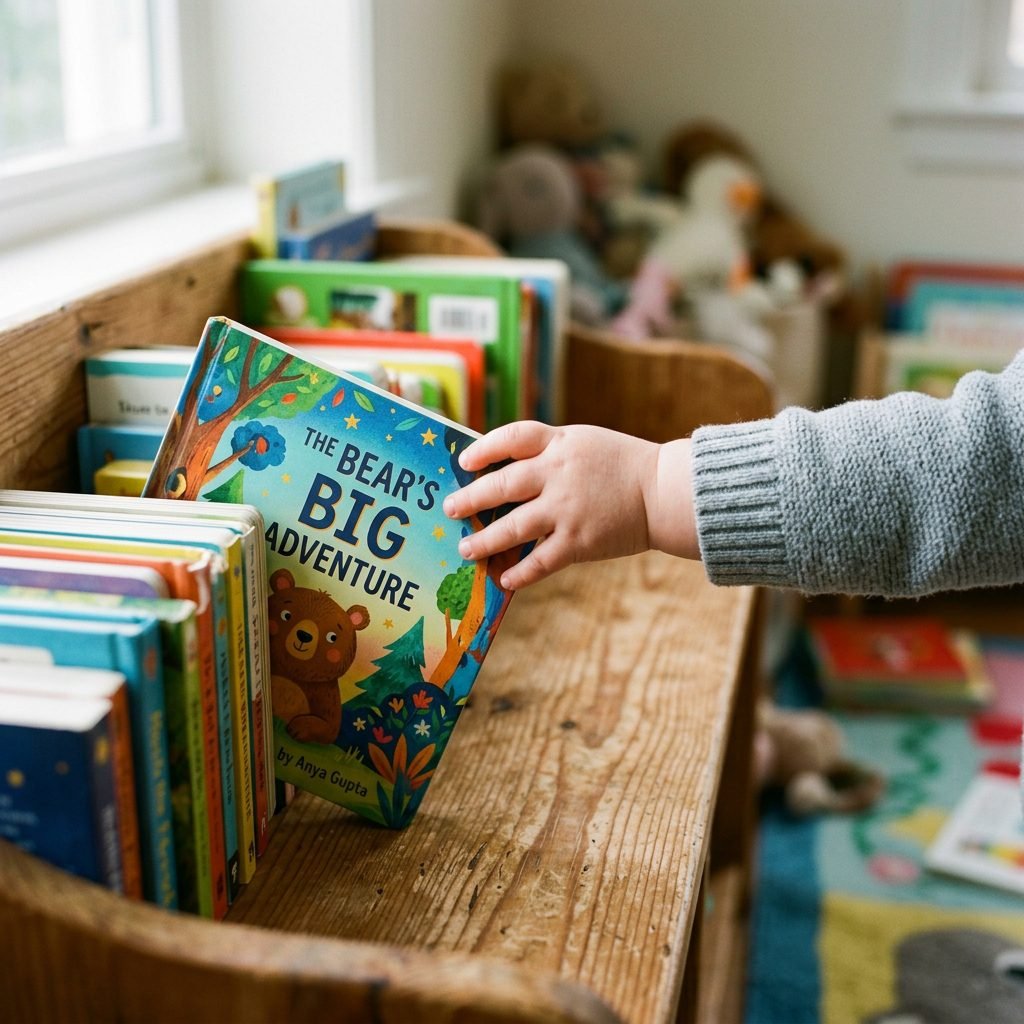
Traditional bookshelves are designed for adults—we look for titles on spines. But for a baby or toddler, the cover art is the siren song. A Montessori floor display focuses on ‘front-facing’ storage, which treats books like works of art. This visual accessibility is crucial for early brain development.
Benefits of a Floor-Level Display
- Autonomy and Independence: Your child learns that they don’t need to ask permission to ‘read.’
- Visual Recognition: Seeing the covers helps them associate images with stories they love.
- Order and Respect: A low shelf teaches them the routine of returning a book to its ‘home.’
When we place these items within their reaches, we are respecting their size and their stage of life. It’s a small adjustment that yields massive results in their interest in books.
| Feature | Traditional Bookshelf | Montessori Floor Display |
|---|---|---|
| Orientation | Spine-out (difficult for kids) | Cover-out (highly engaging) |
| Accessibility | Requires adult help | 100% independent access |
| Visual Load | Crowded and overwhelming | Curated and calm |
| Purpose | Storage/Storage Density | Discovery and Engagement |
Choosing the Perfect Shelf: Materials, Safety, and Style
Selecting Your Foundation
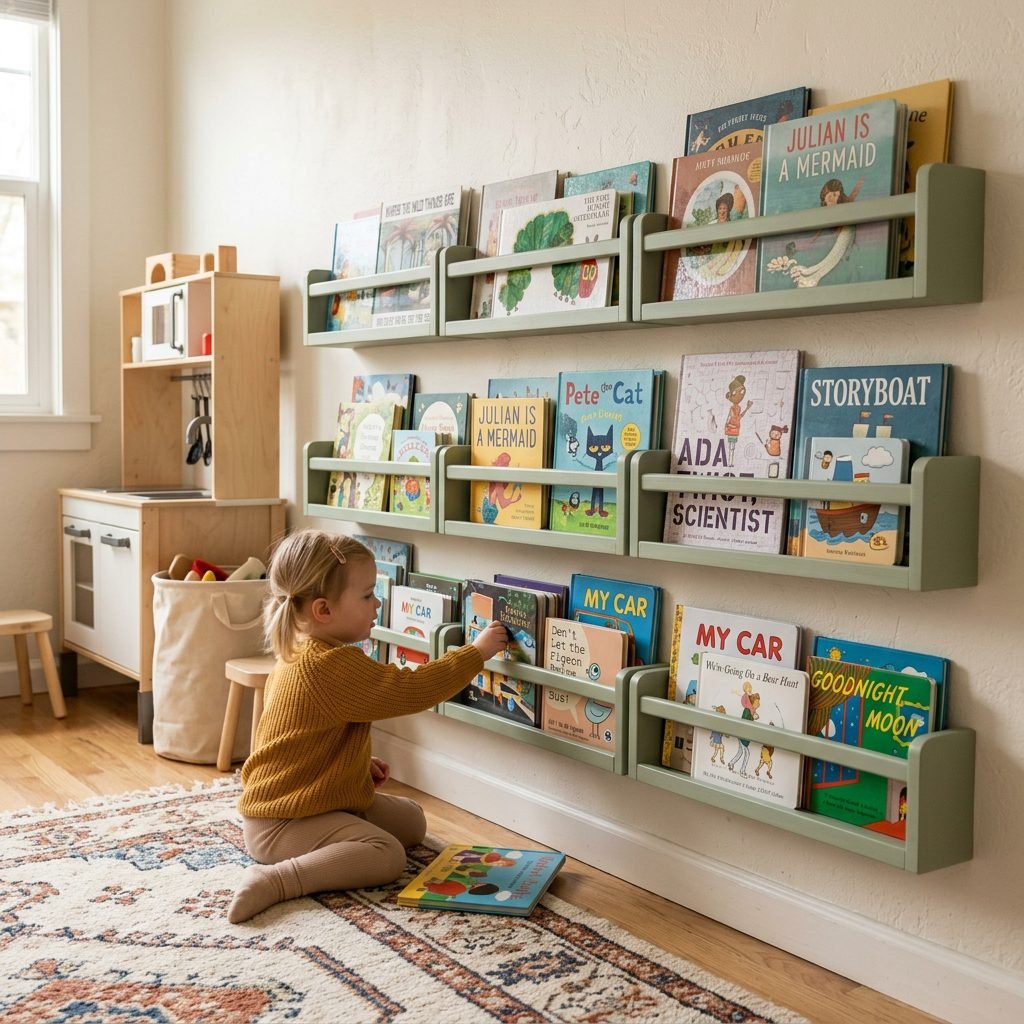
When selecting a shelf, I always recommend natural materials. Wood brings a warmth and grounding energy to a nursery that plastic simply cannot replicate. Look for solid birch, pine, or high-quality plywood with non-toxic finishes.
Key Features to Look For:
- Height: The top shelf should be no higher than your child’s chest level when standing. For crawlers, look for ‘ledge’ style shelves that sit directly on the floor.
- Depth: Ensure the ledges are deep enough to hold chunky board books but shallow enough that the books don’t fall forward.
- Safety First: Even low shelves must be anchored to the wall. Once your little one starts pulling up to stand, that shelf becomes a ladder in their eyes!
“A place for everything and everything in its place is one of the pivotal points of the Montessori method. It creates a sense of external order that leads to internal peace.”
If you are a DIY enthusiast, the IKEA FLISAT or BEKVÄM spice racks are legendary in the Montessori community. They are affordable, sturdy, and can be painted to match any nursery palette.
Curating the Collection: What to Put on the Shelves
Quality Over Quantity
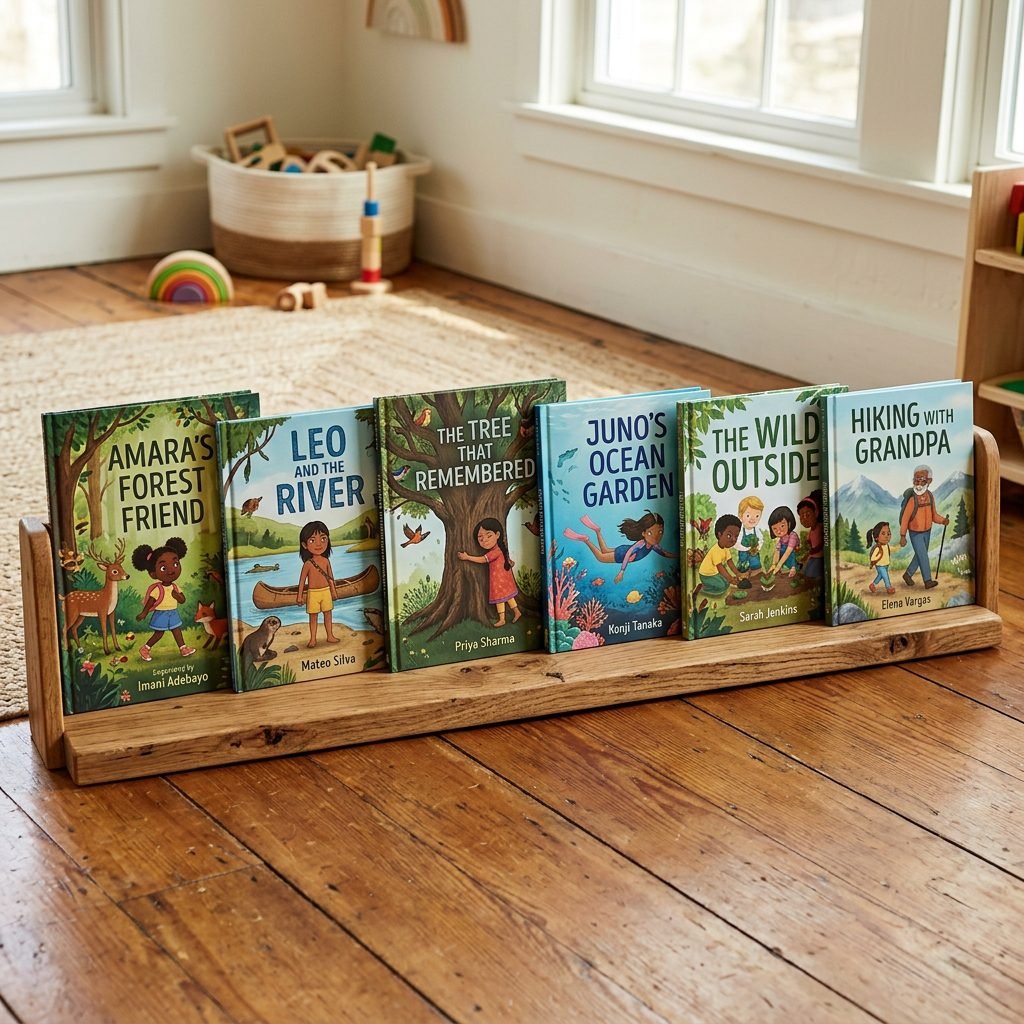
One of the biggest mistakes we make is overcrowding the display. In a Montessori environment, less is more. Too many choices can lead to ‘decision fatigue,’ where the child ends up throwing all the books on the floor instead of reading one. I recommend displaying only 5 to 8 books at a time.
The ‘Golden Trio’ of Early Books
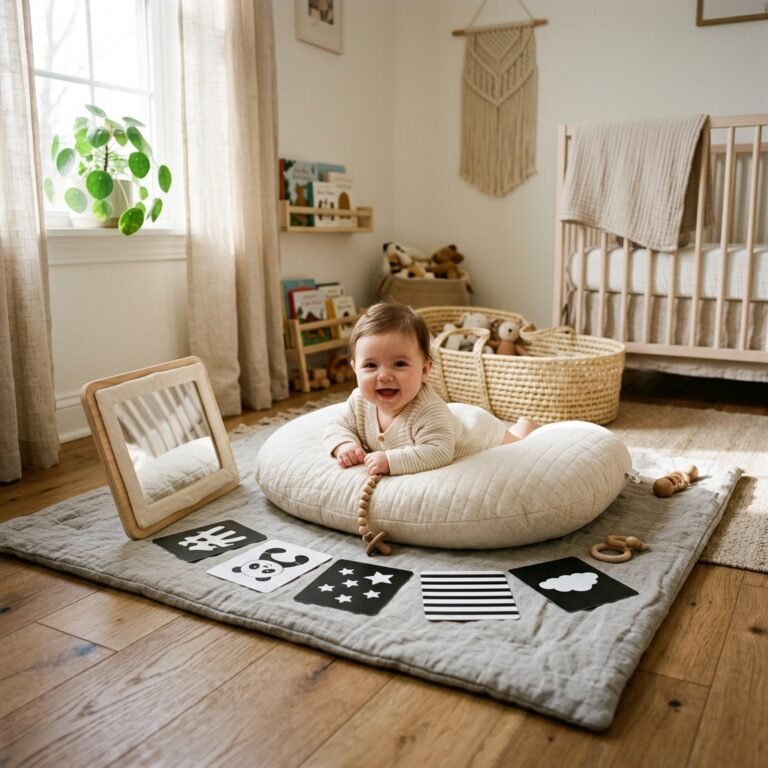
- High-Contrast & Realism: For infants, black and white images are best. For toddlers, choose books with realistic photos of animals, children, and daily objects.
- Interactive Elements: ‘Touch and feel’ books or those with simple flaps encourage fine motor skills.
- Diverse Representation: Ensure your child sees a world full of different cultures, abilities, and family structures.
Pro-Tip: Rotate your books every 2 to 4 weeks. When you see your child losing interest, swap out the current selection for ‘new’ ones from your storage bin. It’s like Christmas morning every time!
| Age Group | Book Type Recommendation | Quantity to Display |
|---|---|---|
| 0-6 Months | High-contrast, Black & White | 3-4 books |
| 6-12 Months | Board books with real photos | 5 books |
| 1-2 Years | Simple narratives, rhyming | 6-8 books |
| 3+ Years | Detailed stories, non-fiction | 8-10 books |
Creating the ‘Reading Nook’ Atmosphere
Styling for Comfort and Focus
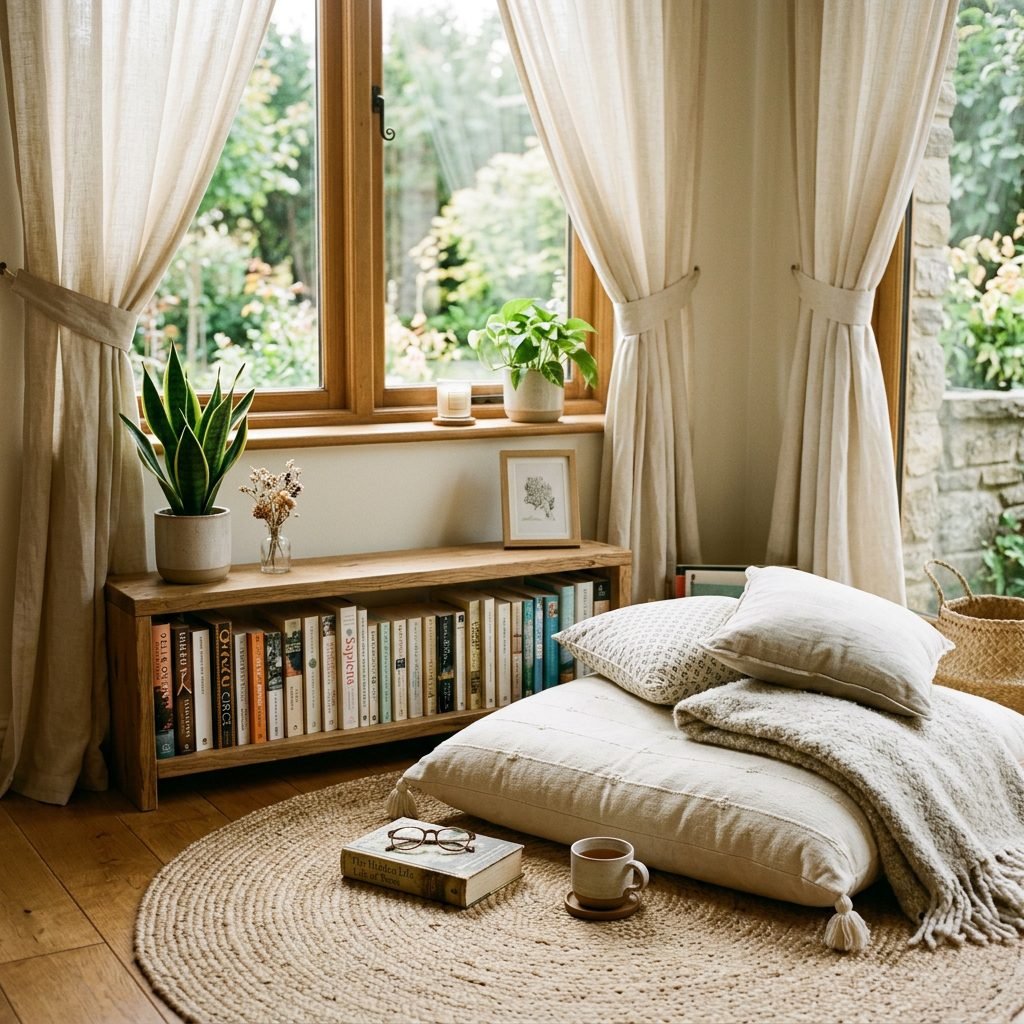
Now that you have the shelf and the books, let’s talk about the vibe. We want this area to feel like a warm hug. It should be the coziest spot in the room, inviting your child to linger.
The Essential Elements of a Nook:
- Soft Flooring: A plush rug or a sheepskin (faux is fine!) provides a comfortable place to sit or belly-crawl.
- Seating: A floor lounger, a large quilted pillow, or even a tiny child-sized armchair.
- Lighting: If possible, place the nook near a window for natural light. For evening reading, a dimmable warm lamp or fairy lights can create a magical atmosphere.
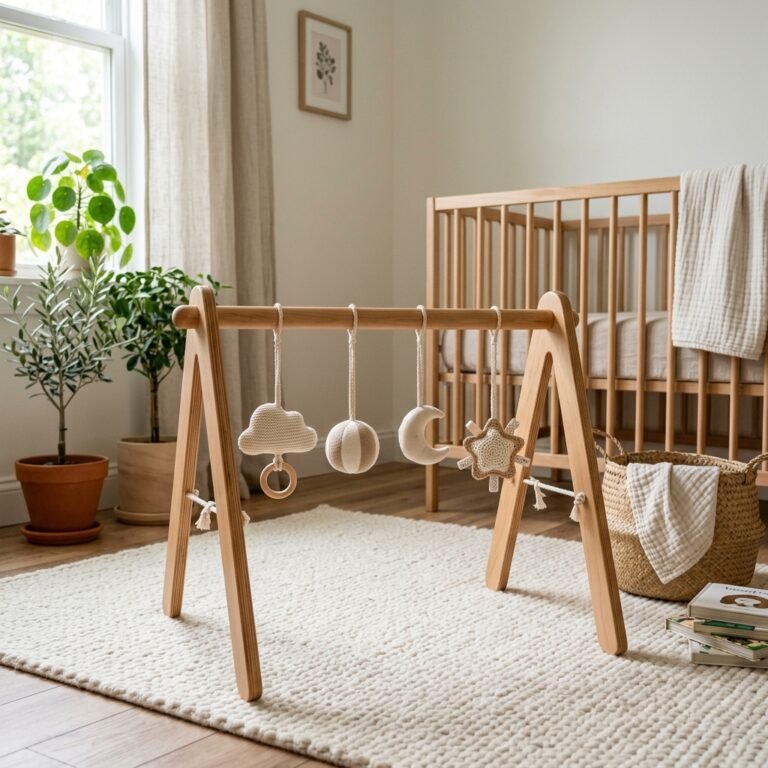
- Minimalist Decor: Avoid hanging loud, battery-operated toys nearby. We want the focus to remain on the books.
Remember, mama, this space is for connection. Make sure there’s enough room for you to sit cross-legged next to them. Those shared moments of reading are where the strongest bonds are forged.
Budget Breakdown: Setting Up Your Nook
Creating Magic on a Budget
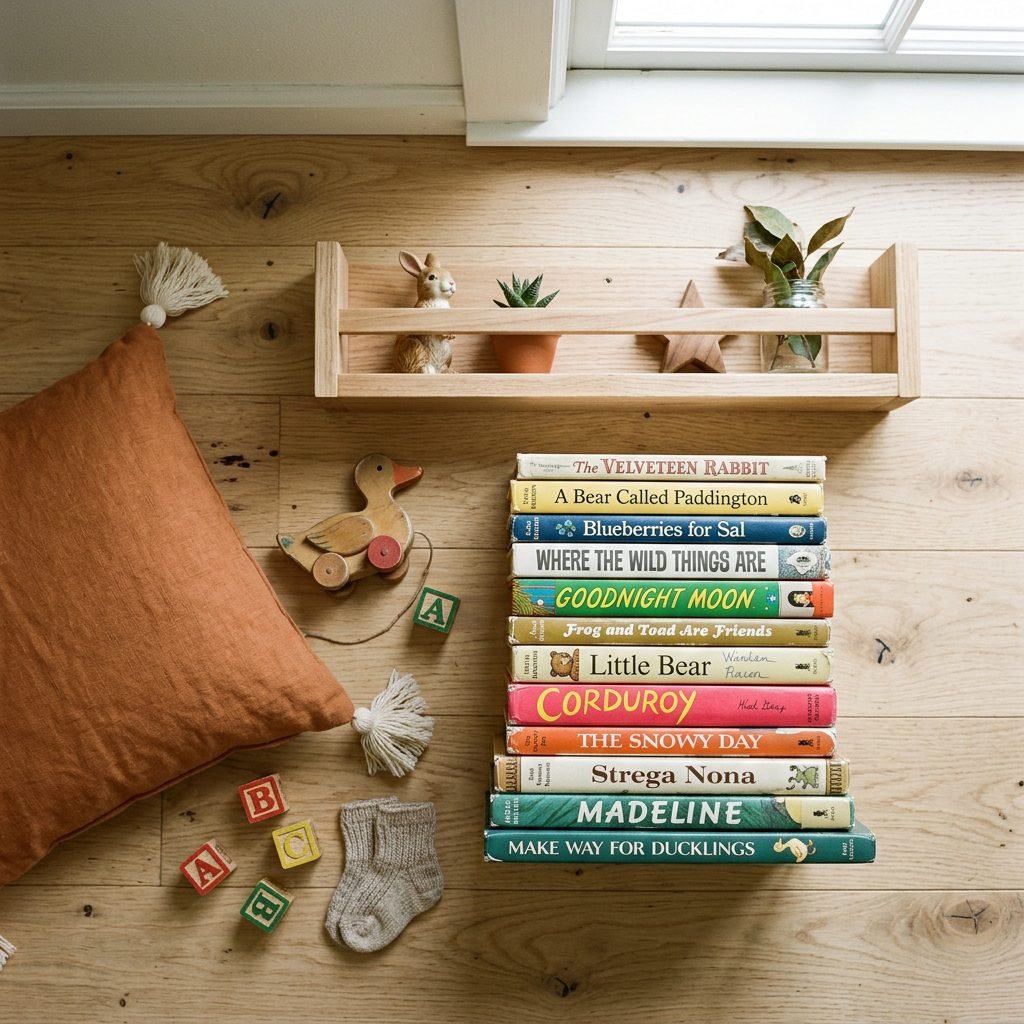
You don’t need a designer budget to create a Pinterest-worthy Montessori space. In fact, some of the best setups I’ve seen were created for under $100. Here is a breakdown of what you might expect to spend.
| Item | Budget Option | Investment Option |
|---|---|---|
| Bookshelf | $20 (IKEA Hacks) | $150+ (Solid Birch) |
| Floor Seating | $15 (Large Pillow) | $100 (Nugget/Lounger) |
| Rug | $30 (Small Washable) | $200+ (Wool/Handwoven) |
| Books | $0 (Library/Thrift) | $15/each (New Hardcovers) |
| Total Est. | $65 | $450+ |
Doula Tip: Check your local ‘Buy Nothing’ groups or Facebook Marketplace. Many parents cycle through nursery furniture quickly, and you can often find high-quality wooden shelves for a fraction of the price!
Conclusion
Your Journey into Literacy Starts Here
Setting up a Montessori floor book display is a beautiful labor of love. It tells your child that their interests matter and that the world of imagination is always within their reach. Don’t worry about it being ‘perfect’ or looking exactly like a magazine. What matters is the intentionality you put into it.
Start small, choose books that reflect your family’s values, and get down on the floor with them. Before you know it, you’ll find your little one quietly ‘reading’ to their stuffed animals, flipping pages with focused intent. You’ve got this, mama! You are building a foundation for a lifetime of learning, one story at a time.