

How the Lazy-Boy Incline Burping Technique Releases Trapped Gas in Seconds
Oh, mama, I see you. It is 3:00 AM, your eyes are heavy, and your sweet little love is arching their back, pulling their tiny legs up to their chest, and letting out those sharp, pained cries that pull at your heartstrings. We have all been there, pacing the floor, patting a tiny back until our hands ache, wondering why that stubborn bubble just won’t come up. As a doula, I have sat in those darkened rooms with countless mothers, and I want to tell you something vital: it is not your fault, and you are doing an incredible job. Your baby’s digestive system is just learning the ropes, and sometimes, the traditional over-the-shoulder burp just doesn’t cut it. That is where the Lazy-Boy Incline Burping Technique comes in. This isn’t just another position; it is a gravity-defying, gas-releasing miracle that uses physics and comfort to help your baby find relief in seconds. In this guide, we are going to dive deep into why this works, how to master it, and how to turn those fussy nights into peaceful snuggles.
The Science of the Bubble: Why Traditional Burping Fails
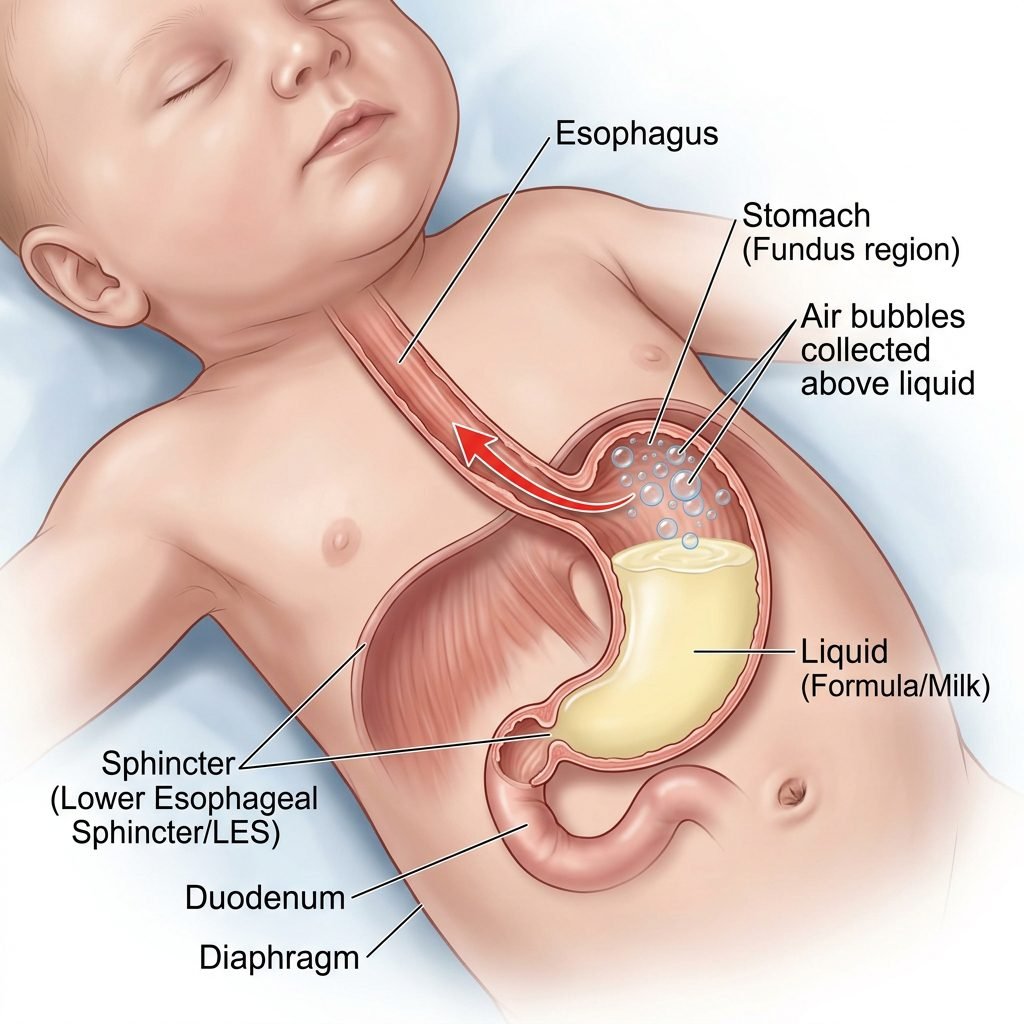
To understand why the Lazy-Boy Incline is so effective, we first need to look at what is happening inside that precious little belly. When a baby feeds—whether by breast or bottle—they inevitably swallow air. This is called aerophagia. In a newborn, the lower esophageal sphincter (the valve between the stomach and the esophagus) is still quite immature. It is like a loose trapdoor. When a gas bubble gets trapped underneath milk, it creates pressure, causing discomfort, reflux, and that localized pain we recognize as ‘gas.’ Traditional burping often involves sitting the baby upright or slumping them over a shoulder. While this works for some, it can actually ‘kink’ the digestive tract or trap the bubble further down if the baby’s posture isn’t perfect. The Lazy-Boy Incline works because it places the baby at a 45-degree angle. This specific incline allows the air (which is lighter than liquid) to naturally rise to the top of the stomach, right toward that ‘trapdoor’ valve, without the compression that causes spit-up. We are essentially clearing a highway for that gas to escape!
Remember, sweetheart: your baby isn’t ‘crying to manipulate’; they are communicating a physical sensation they don’t understand yet. You are their safe harbor.
Setting the Stage: The ‘Lazy-Boy’ Setup

You don’t actually need a recliner chair to perform the Lazy-Boy Incline, though if you have one, it’s a wonderful tool! The name refers to the posture of the parent. The goal is to create a soft, inclined ramp with your own body. This position is as much about your comfort as it is about the baby’s. When you are relaxed, your baby can feel that shift in your nervous system, which helps their own muscles relax—making the gas release much easier.
What You Will Need
- A comfortable chair, a pile of firm pillows, or a bed with a headboard.
- A high-quality muslin burp cloth (trust me, you’ll want the extra coverage).
- A calm environment with low lighting to keep the baby in a ‘sleepy’ state.
Start by propping yourself up so you are leaning back at roughly a 45-degree angle. You shouldn’t be lying flat, but you definitely shouldn’t be sitting straight up. Your torso should be the ‘incline.’ Place the burp cloth over your chest and shoulder. This setup ensures that gravity is doing 70% of the work before you even start patting.
Step-by-Step: Mastering the Incline Move

Now, let’s get into the physical mechanics of the move. Follow these steps precisely to ensure maximum gas release and minimum spit-up.
- The Placement: Gently lift your baby and place them chest-down against your chest. Their head should be resting near your collarbone, turned to one side. Their tummy should be in direct contact with your soft, inclined torso.
- The Leg Tuck: Ensure the baby’s knees are tucked slightly up toward their belly. This ‘fetal’ tuck further helps push gas from the lower intestines up into the stomach.
- The C-Hold Support: If your baby is very young and lacks neck control, use your thumb and forefinger to form a ‘C’ shape under their jawline (avoiding the throat!) to keep their airway clear and supported.
- The Circular Rub: Instead of immediate patting, start with a firm, upward circular motion on the left side of their back. This is where the stomach is located. You are essentially ‘massaging’ the bubble toward the exit.
- The Hollow Pat: Cup your hand (like you are holding water) and provide rhythmic, hollow-sounding pats. The vibration travels through the chest wall and breaks up large bubbles into smaller, easier-to-pass ones.
Pro Tip: Stay in this position for at least 10 to 15 minutes after the burp happens. This prevents ‘silent reflux’ and helps the milk settle firmly at the bottom of the stomach.
Comparing the Methods: Why Incline Wins

I know you’ve been taught the ‘old school’ ways, and they have their place! But when you are dealing with a truly ‘colicky’ or gassy baby, having a comparison helps you choose the right tool for the job. Look at how the Lazy-Boy Incline stacks up against the classics.
| Technique | Effort Level | Gas Relief Speed | Best For… |
|---|---|---|---|
| Over-the-Shoulder | Medium | Moderate | Quick daytime feeds; older babies with neck control. |
| The Football (Face Down) | High | Fast | Lower intestinal gas and ‘bicycle leg’ sessions. |
| Sitting Up (The Slump) | Low | Slow | Babies who don’t have reflux issues. |
| Lazy-Boy Incline | Very Low | Instant (Seconds) | Night feedings, reflux-prone babies, and fussy newborns. |
The reason the Lazy-Boy wins for night feedings is simple: it requires the least amount of physical exertion from you while maximizing the baby’s comfort. You can practically doze (safely!) while the baby works that bubble out.
Troubleshooting: What if the Burp Won’t Come?

Sometimes, despite our best efforts, that burp stays hidden. If you’ve been in the Lazy-Boy position for 5 minutes and nothing has happened, don’t panic. It might be that the gas has already moved into the lower intestines. This is when we pivot.
The ‘Shift and Lift’ Maneuver
While remaining in your reclined position, gently shift the baby from your left side to your right side. This change in orientation can help move the bubble if it’s ‘stuck’ in a fold of the stomach lining. If that still doesn’t work, try the ‘Bicycle Leg’ integration:
- Lay the baby on their back for 30 seconds.
- Gently cycle their legs in a pedaling motion toward their tummy.
- Immediately bring them back up into the Lazy-Boy Incline.
The sudden change from flat to inclined often ‘pops’ the bubble to the surface. Also, keep an eye on their cues. If they are calm and falling asleep, they might not have a bubble at all! Not every feeding requires a giant, room-shaking burp.
Affirmation for the weary: ‘I am the expert on my baby. My touch is healing, and my presence is enough.’
When to Seek Professional Guidance

As a doula, I always want to empower you to trust your gut. While gas is a normal part of infancy, there are times when it might indicate something else, like a cow’s milk protein allergy (CMPA) or tongue tie that is causing excessive air intake. Consult your pediatrician if you notice:
- Projectile vomiting (not just standard spit-up).
- Inconsolable crying that lasts for more than 3 hours a day (Colic).
- Blood or mucus in the stool.
- Poor weight gain or extreme fussiness during the actual feed.
You are never ‘bothering’ your doctor by asking questions. You are your baby’s fiercest advocate!
Conclusion
The Lazy-Boy Incline Burping Technique is more than just a physical hack; it is a way to bring peace back into your home during those challenging early months. By understanding the physics of your baby’s body and utilizing the power of a simple 45-degree angle, you are giving your little one the gift of comfort and yourself the gift of sleep. Remember, mama, this phase is intense, but it is also temporary. Every ‘burp’ is a little victory, and every snuggle is building a lifelong bond. You’ve got this, and your baby is so lucky to have you. Now, take a deep breath, recline back, and let gravity do the work. Sweet dreams to you and your little love.