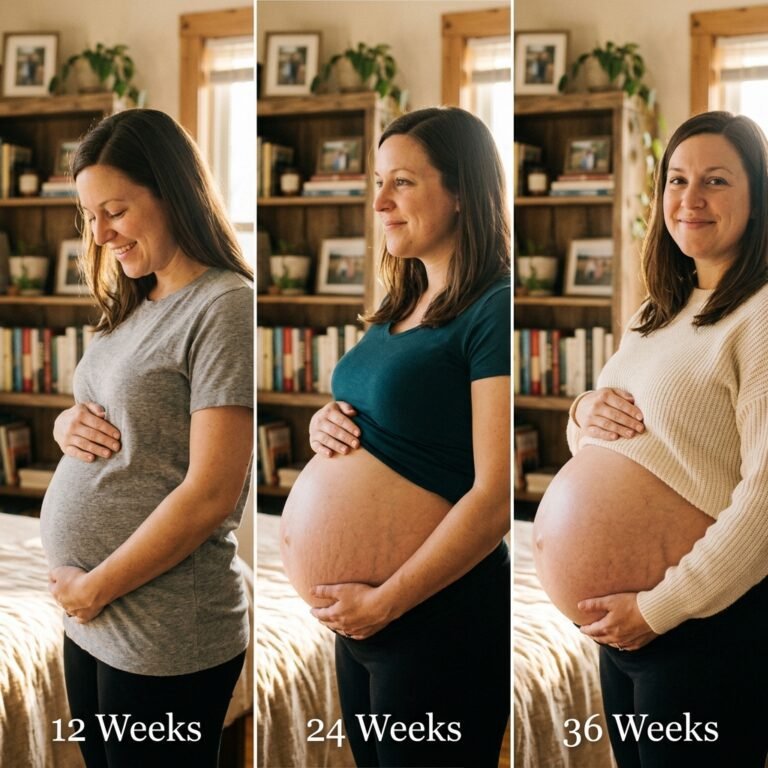

Exactly How Many Calories You Need When Eating For Three (Twins)
Oh, mama. Take a deep, slow breath. If you are reading this, chances are you have recently heard those two life-changing words in the ultrasound room: “It’s twins.” First of all, congratulations! You are embarking on one of the most miraculous, demanding, and awe-inspiring journeys the human body can undertake. Building one human being from scratch is a monumental task; building two simultaneously is nothing short of a superpower.
As the initial shock waves settle and the reality of a twin pregnancy sets in, a very practical, often overwhelming question usually bubbles to the surface: How on earth do I eat for three? You have likely heard the old adage that pregnant women are “eating for two,” a phrase that is actually quite misleading even for singleton pregnancies. But when you are carrying multiples, the stakes feel higher, the hunger feels wilder, and the sheer logistics of nourishing three bodies can feel like a full-time job.
As a doula and maternal wellness expert, I am here to wrap my arms around you and tell you this: you do not need to stress over every single bite, but you do need a solid, supportive game plan. Your body is currently working overtime, doubling its blood volume, growing two separate placentas (or one massive one!), and developing two distinct nervous systems, skeletal structures, and brains. That requires fuel—high-quality, consistent, and abundant fuel.
In this comprehensive guide, we are going to break down the exact math of how many calories you actually need when expecting twins. We will move beyond the raw numbers to explore how to get those calories in, especially when you are battling double the morning sickness in the first trimester or fighting for stomach space in the third. Grab a glass of water (hydration is key, as we will discuss!), prop up your feet, and let’s dive into the ultimate guide to eating for three.
The Math Behind the Magic: Calculating Your Twin Pregnancy Calories
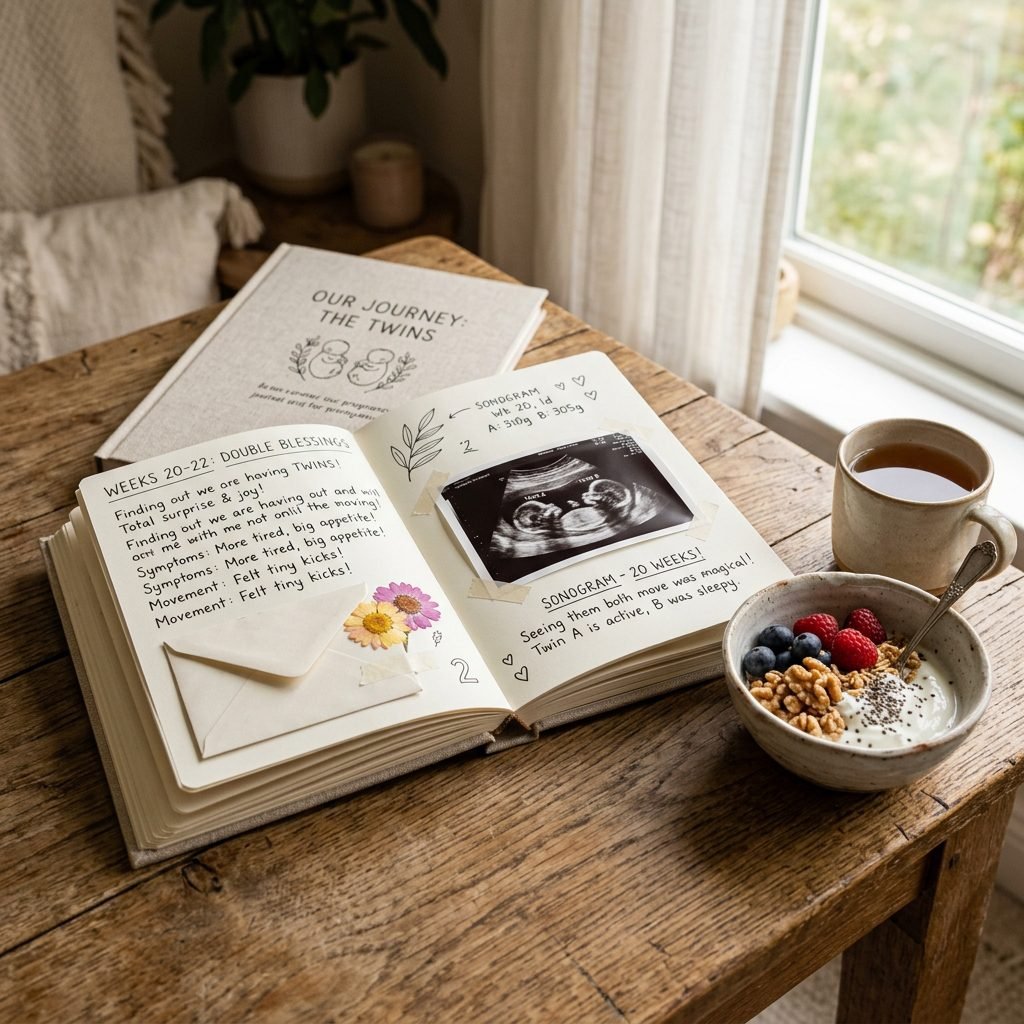
Let us start by dispelling a major myth: “Eating for three” does not mean you should triple your pre-pregnancy caloric intake. If your baseline diet was 2,000 calories a day, you do not need 6,000 calories! Instead, the focus is on a strategic, steady increase to support optimal fetal growth and maintain your own energy reserves.
The Trimester Breakdown
The American College of Obstetricians and Gynecologists (ACOG) provides specific guidelines for maternal nutrition during a twin pregnancy. The exact number of extra calories you need depends heavily on your starting Body Mass Index (BMI), your activity level, and which trimester you are in.
- First Trimester: In the first 12 weeks, your babies are microscopic. While they are undergoing rapid cellular development, they do not require a massive influx of calories. Most experts recommend adding just 0 to 300 extra calories per day. Honestly, mama, if you are suffering from severe twin-induced nausea, your only goal right now is survival. Eat what you can keep down.
- Second Trimester: This is when the growth spurt begins. Your babies are putting on weight, and your body is expanding its fluid volume. You will need approximately 600 extra calories per day above your pre-pregnancy baseline (roughly 300 extra calories per baby).
- Third Trimester: The final stretch! Your twins are packing on the ounces to prepare for the outside world. You will continue to need those 600 extra calories, and sometimes up to 800 extra calories depending on your doctor’s recommendations and fetal growth scans.
To put this into perspective, 600 extra calories is not a mountain of food. It is equivalent to a large apple with two tablespoons of peanut butter, a Greek yogurt, and a handful of almonds spread throughout the day.
Weight Gain Guidelines for Twins
Weight gain is a sensitive topic, but it is a beautiful, necessary part of growing multiples. Here is a quick look at the ACOG recommendations for total weight gain during a twin pregnancy, based on pre-pregnancy BMI:
| Pre-Pregnancy BMI Category | Recommended Total Weight Gain (Twins) | Weekly Gain in 2nd & 3rd Trimesters |
|---|---|---|
| Normal Weight (BMI 18.5 – 24.9) | 37 to 54 lbs (17 – 25 kg) | Approx. 1 to 1.5 lbs per week |
| Overweight (BMI 25.0 – 29.9) | 31 to 50 lbs (14 – 23 kg) | Approx. 1 lb per week |
| Obese (BMI 30.0 or higher) | 25 to 42 lbs (11 – 19 kg) | Approx. 0.5 to 1 lb per week |
“Your body is not just gaining weight; it is building a double home. Every pound is a protective cushion, a drop of blood, and a piece of the placenta keeping your babies safe. Give yourself grace.”
Quality Over Quantity: Making Every Calorie Count
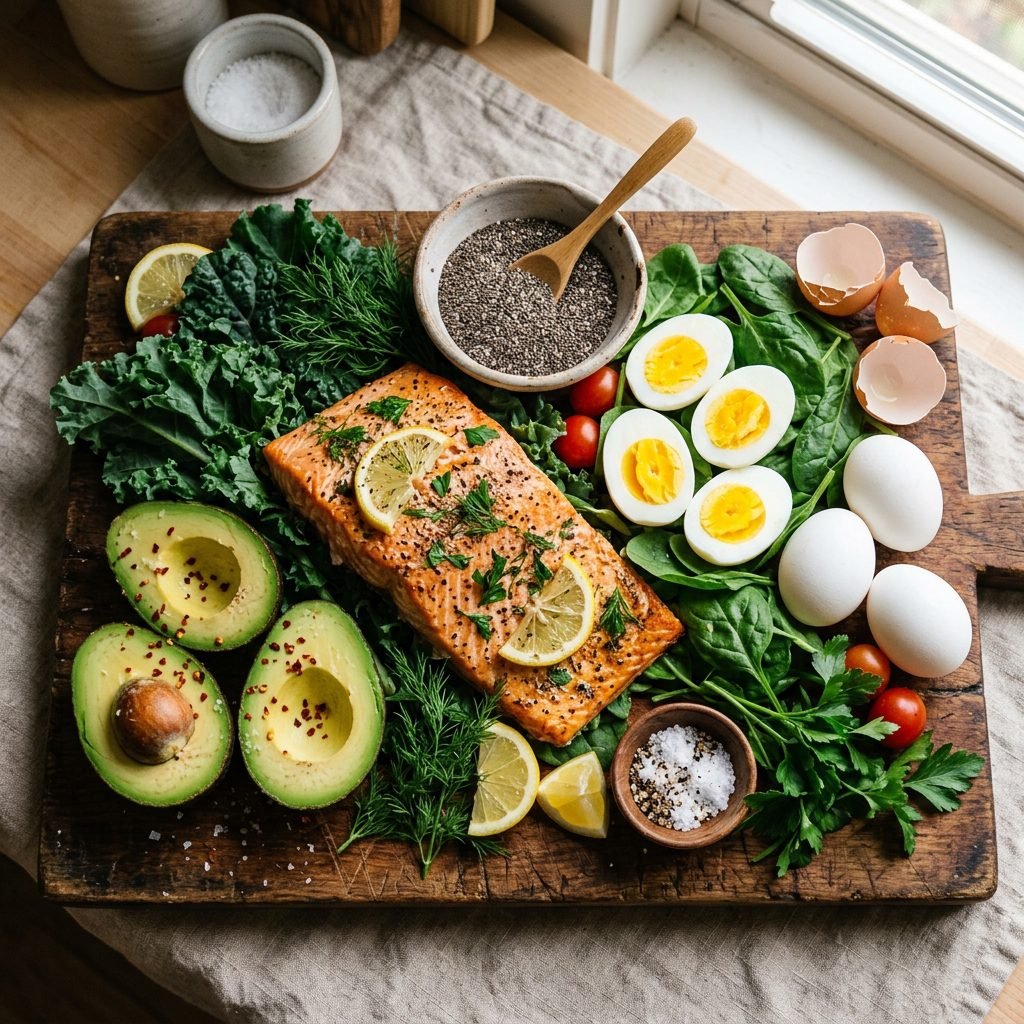
When you need 600 extra calories, it can be tempting to reach for a sleeve of cookies or a fast-food burger. And listen, as a doula, I fully support satisfying your cravings! If you need the fries, eat the fries. But for the majority of your meals, we want to focus on nutrient density. Your twins are pulling nutrients directly from your reserves; if you do not consume enough, they will take what they need from your bones and tissues, leaving you depleted, exhausted, and at risk for postpartum complications.
The Holy Trinity of Twin Nutrition: Protein, Fats, and Iron
- Protein (The Building Block): Protein is non-negotiable. It is responsible for building the cells of your babies’ bodies, the placentas, and your expanding uterine tissue. For a twin pregnancy, aim for 100 to 175 grams of protein per day. Focus on eggs, lean poultry, wild-caught salmon, Greek yogurt, lentils, and edamame.
- Healthy Fats (The Brain Builders): Your babies’ brains are made up of nearly 60% fat. Omega-3 fatty acids, specifically DHA and EPA, are crucial for cognitive and visual development. Avocados, chia seeds, walnuts, and olive oil should be daily staples.
- Iron & Folic Acid (The Oxygen Carriers): Twin pregnancies carry a significantly higher risk of maternal anemia. Your blood volume increases by up to 60%, and you need iron to create hemoglobin for three! Pair iron-rich foods (spinach, red meat, beans) with Vitamin C (citrus, bell peppers) to maximize absorption.
Nutrient-Dense vs. Empty Calorie Swaps
Here is a practical guide to swapping out less supportive foods for powerhouse alternatives that give you the calories you need along with the vitamins your babies crave.
| Instead of This (Empty Calories) | Swap For This (Nutrient-Dense Powerhouse) | Why It Helps Your Twin Pregnancy |
|---|---|---|
| Sugary breakfast cereal with skim milk | Oatmeal cooked in whole milk with chia seeds & berries | Provides complex carbs for sustained energy, plus fiber to fight pregnancy constipation. |
| A standard candy bar for a midday crash | Medjool dates stuffed with almond butter & dark chocolate chips | Dates are excellent for cervical ripening later on, and almond butter provides protein and healthy fats. |
| Store-bought fruit juice | A homemade smoothie with spinach, Greek yogurt, and frozen mango | Sneaks in dark leafy greens (folate/iron) and massive amounts of protein without spiking blood sugar. |
| Potato chips | Roasted chickpeas with olive oil and sea salt | Delivers a satisfying crunch along with plant-based protein and iron. |
Managing ‘Twin Hunger’ When You Have Zero Stomach Space

Here is the cruelest irony of a twin pregnancy: just when your caloric needs hit their absolute peak in the third trimester, your stomach capacity shrinks to the size of a walnut. With two babies, two amniotic sacs, and potentially two placentas crowding your abdominal cavity, your stomach gets squished upward. Eating a normal-sized meal can lead to severe acid reflux, shortness of breath, and intense discomfort.
Actionable Strategies for Eating in the Third Trimester
If you find yourself taking three bites of dinner and feeling completely stuffed (only to be starving an hour later), you have to change your approach to eating. You are no longer a “three meals a day” person. You are now a grazer.
- The “Six Mini-Meals” Method: Break your daily food intake into six small, nutrient-dense meals eaten every 2 to 3 hours. This prevents your stomach from becoming overly full, reducing the risk of heartburn, while keeping your blood sugar perfectly stable.
- Drink Your Calories: When chewing feels like a chore and you are too full for solid food, liquids are your best friend. Bone broth is phenomenal—it is packed with collagen for your stretching skin and protein for the babies. Smoothies fortified with protein powder (check with your OB for pregnancy-safe brands), hemp hearts, and full-fat coconut milk can easily pack 400+ calories into a single glass.
- Stack Your Snacks: Never eat a naked carbohydrate. If you are having an apple, add cheese or peanut butter. If you are having crackers, add hummus. Combining a carb with a fat and a protein slows digestion and maximizes the caloric value of every bite.
- Utilize Gravity: After eating, do not lie down immediately, no matter how exhausted you are. Sit upright for at least 30 to 45 minutes to allow gravity to help move the food down and keep stomach acid from creeping up into your esophagus.
“Sister, if all you can stomach today is a bagel and a glass of milk, you are still doing a wonderful job. Nutrition is a marathon, not a sprint. Tomorrow is a new day to try again.”
Hydration: The Unsung Hero of Multiples

While we spend a lot of time talking about calories, we must talk about water. Hydration is the unsung hero of a healthy twin pregnancy. Water is required to form the amniotic fluid that cushions both of your babies, carry nutrients through your bloodstream to the placentas, and flush out the waste products produced by three bodies.
How Much Water Do You Actually Need?
For a singleton pregnancy, the standard recommendation is about 80 to 100 ounces a day. For twins? You should be aiming for a staggering 100 to 130 ounces (about 3 to 4 liters) of water daily. If you are sweating, exercising, or living in a hot climate, you need even more.
Dehydration in a twin pregnancy is a serious trigger for Braxton Hicks contractions and can even lead to preterm labor. If you feel crampy, the very first thing your care provider will ask is, “How much water have you had today?”
Hacks for Hitting Your Hydration Goals
- Electrolytes are Essential: Drinking plain water all day can actually flush out vital minerals. Add a pregnancy-safe electrolyte powder (look for ones low in refined sugars) or a pinch of Celtic sea salt and a squeeze of lemon to your water to help your cells actually absorb the hydration.
- Eat Your Water: Cucumbers, watermelon, strawberries, and iceberg lettuce are all over 90% water. Keep bowls of fresh, water-rich fruits in the fridge for easy snacking.
- Temperature Matters: Many pregnant women find that ice-cold water makes them nauseous, while room temperature water goes down easily (or vice versa). Experiment with temperatures to find what your body accepts best.
- Get a Motivational Tumbler: Invest in a massive, beautiful 40-ounce tumbler with a straw. You only have to fill it up three times a day to hit your goal, which feels much more manageable than tracking 15 tiny glasses.
A Sample ‘Eating for Three’ Daily Menu
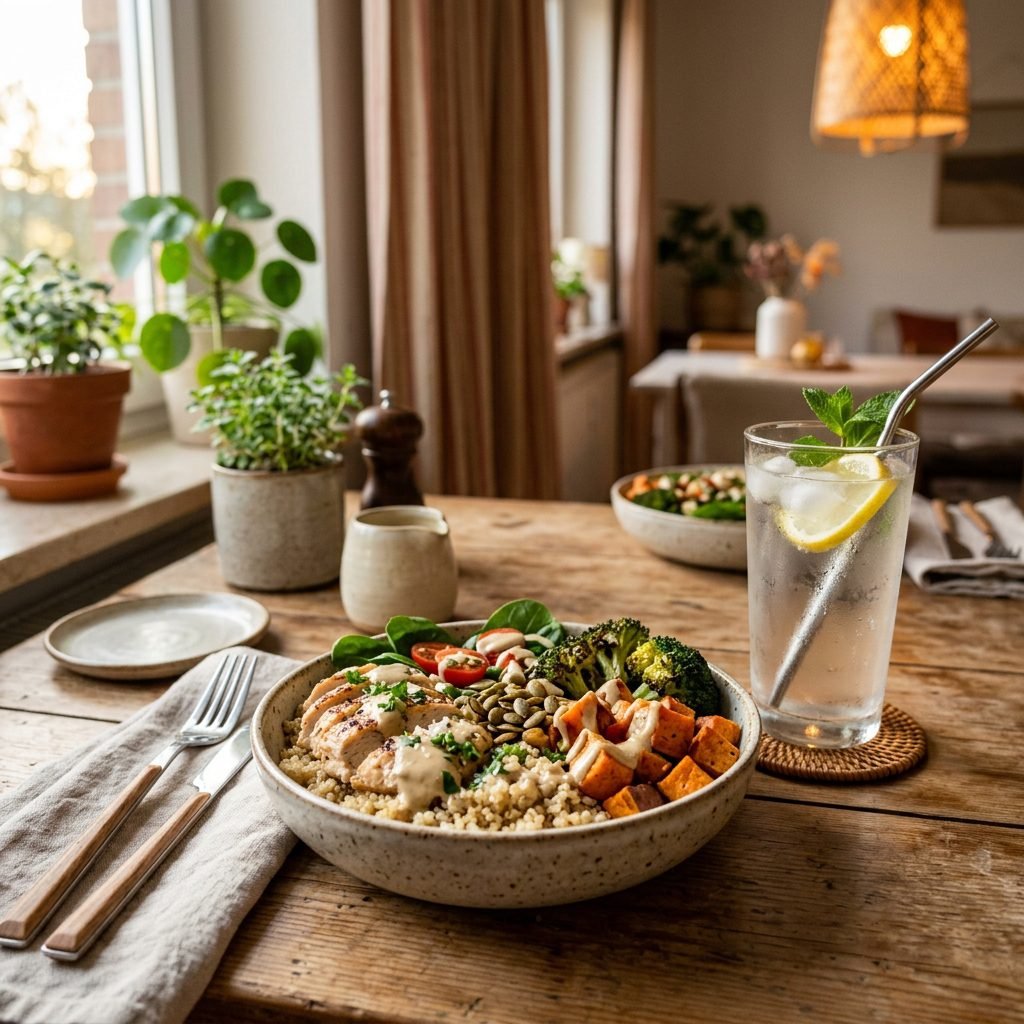
To bring all of this math and science into the real world, let us look at what a day of “eating for three” actually looks like. This sample menu is designed for a mother in her second or third trimester, aiming for that extra 600 calories and a high protein goal (around 120 grams), broken up into smaller meals to accommodate a squished stomach.
The Twin Mama Daily Meal Plan
| Time / Meal | What to Eat | Why It Works for Twins |
|---|---|---|
| 8:00 AM (Breakfast) | 2 scrambled eggs with a handful of spinach, topped with 1/4 avocado, and 1 slice of whole-grain toast. | Eggs provide choline (vital for two fetal brains). Avocado offers healthy fats and extra calories. |
| 10:30 AM (Mid-Morning Snack) | 1 cup of full-fat Greek yogurt with 1 tbsp chia seeds and 1/2 cup of blueberries. | Greek yogurt packs nearly 20g of protein. Chia seeds offer Omega-3s and fiber to keep digestion moving. |
| 1:00 PM (Lunch) | Quinoa bowl with 4 oz grilled chicken, roasted sweet potatoes, and a drizzle of tahini dressing. | Quinoa is a complete protein. Sweet potatoes provide complex carbs and Vitamin A. Tahini adds calcium and fat. |
| 3:30 PM (Afternoon Snack) | A large green smoothie: 1 scoop pregnancy-safe protein powder, 1 banana, 1 cup spinach, 1 tbsp peanut butter, almond milk. | Liquid calories! Easy to digest, highly hydrating, and sneaks in extra greens and protein when you are feeling full. |
| 6:30 PM (Dinner) | 5 oz baked wild-caught salmon, a side of steamed asparagus, and a small portion of brown rice. | Salmon is the ultimate source of DHA for twin brain development. Asparagus is naturally high in folate. |
| 9:00 PM (Bedtime Snack) | A small handful of almonds and a cup of warm chamomile tea or warm milk. | Keeps blood sugar stable overnight to prevent waking up with severe nausea or hunger pangs. |
Doula Tip: Do not feel pressured to eat this perfectly every day. Some days, your babies will be built out of organic kale and wild salmon. Other days, they will be built out of macaroni and cheese and sheer willpower. Both are okay!
Partner & Support Team: How to Help Mama Eat for Three

Partners, friends, and family members—this section is for you. When a mother is growing twins, the physical toll is immense. Expecting her to plan, shop for, cook, and clean up after six nutrient-dense mini-meals a day is simply unrealistic, especially as she nears the third trimester.
Your Action Plan to Support the Expecting Mother
- The “Water Boy” Rule: Every single time you get up to get yourself a drink, check her cup. If it is empty or getting low, refill it without asking. Keep her water ice-cold or room temperature, exactly how she prefers it.
- Prep the Snacks: Take 30 minutes on a Sunday to wash and chop fruits and vegetables. Portion out trail mix into small, easy-to-grab containers. When she is suddenly hit with the “twin hunger” (which comes on fast and furious), having food ready in 10 seconds is a lifesaver.
- Do Not Comment on Her Plate: Never remark on how much or how little she is eating. If she wants a third helping of potatoes, celebrate it. If she can only manage to eat two crackers for dinner because of nausea, validate her discomfort and gently offer a smoothie later.
“Partners: You cannot carry the babies, but you can carry the mental load of nourishing the mother who is. Be her personal chef, her hydration monitor, and her biggest cheerleader.”
Conclusion
Growing twins is a monumental achievement, mama. You are quite literally performing a miracle every single second of the day, even when you are just lying on the couch resting. When it comes to eating for three, remember that the goal is nourishment, not perfection. Focus on protein, healthy fats, and staying wildly hydrated. Listen to your body—it has an ancient, innate wisdom that knows exactly how to build these two beautiful babies.
Give yourself immense grace on the days when nausea wins or when your stomach feels too compressed to handle a full meal. Lean on your support system, graze on nutrient-dense snacks, and celebrate every milestone of this incredible journey. You are strong, you are capable, and you are already the exact mother your twins need.